Retro Hollow Solar Lantern Suppliers and Manufacturers
Explore 30 verified options for Retro Hollow Solar Lantern suppliers offering products with CE, RoHS, and Saa certifications. Compare lead times, response times, and MOQs to find the right factory for your needs. Contact suppliers directly to request quotes; review the available evidence before requesting comparable quotations from suitable candidates.
Updated
Suppliers List

Ningbo Lu Wei Electronic Technology Co., Ltd.
- Trading Company
- Zhengjiang, China
- Lead time30 days
- Avg. response≤ 3h
Main productsFlashlight,Camping Lantern,Headlamp,Work Light,mirror light
Main marketsEastern Europe(40.00%), Southeast Asia(15.00%), North America(10.00%), Mid East(5.00%), Eastern Asia(5.00%), South America(3.00%)
Shenzhen Hangrong Technology Co., Ltd.
- Manufacturer
- Guangdong, China
- Lead time0 days
- Avg. response≤ 5h
Main productsFlashlights & Torches,Headlamps,Wall&Table Lights,Book Lights,Solar Lights
Main marketsNorth America(36.00%), Southeast Asia(18.00%), Western Europe(16.00%), Northern Europe(16.00%), Mid East(14.00%)

Jiangmen Magellan Technology Co., Ltd.
- Manufacturer/Factory
- China Guangdong
- Lead time120 days
- Avg. response≤ 2h
Main productsLED String Light, Christmas Light, Christmas Decoration, LED Decoration Light, Festoon Light, Solar Lantern, Candle Light, Patio Light, Solar String Light, LED Candle
Main marketsSouth America,Eastern Europe,Mid East,North America,Southeast Asia,Eastern Asia,Oceania,Western Europe,Africa

NINGBO HAISHU HOPE-U INTERNATIONAL TRADING CO., LTD.
- Manufacturer/Factory
- China Zhejiang
- Lead time45 days
- Avg. response≤ 25h
Main productsGift, Beauty Device, Bluetooth Speaker, Skin Care, Cosmetics, Promotional Products, Camping Lamp, Fan, Keyboard and Mouse, Humidifier
Main marketsSouth America,Eastern Europe,North America,Southeast Asia,Western Europe
Quanzhou Leader Crafts Co.,Ltd
- Manufacturer
- Fujian, China
- Lead time45 days
- Avg. response≤ 15h
Main productsPolyresin Crafts,Metal Crafts
Main marketsWestern Europe(50.00%), North America(25.00%), South America(5.00%), Northern Europe(5.00%), Eastern Europe(5.00%), Eastern Asia(4.00%), South Asia(4.00%), Oceania(2.00%)
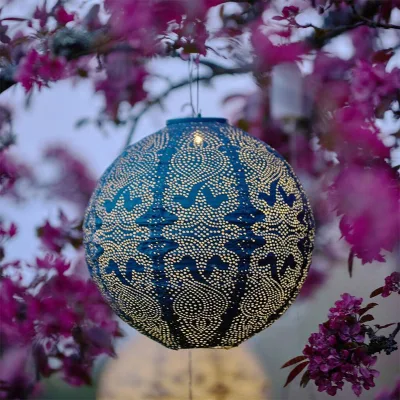
Blue Metal Solar Lantern Globe Design with Intricate Patterns Solar Lantern
$6.3887 - $6.6975
MOQ: 500 pieces
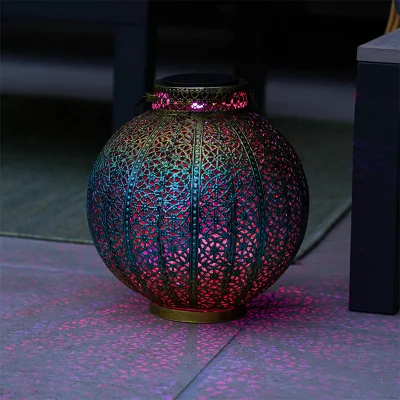

Quanzhou Leader Industry Limited
- Verified by TUVRHEINLAND
- Trading Company
- China Fujian
- Lead time30 days
- Avg. response≤ 19h
Main productsPolyresin Crafts, Metal Crafts, Souvenir Gifts, Snow Globe, Fridge Magnet, Bobble Heads, Resin Figurine, Ceramic Items, Garden Statue Garden Ornament, Ceramic Mug
Main marketsEurope

Blue Metal Solar Lantern Globe Design with Intricate Patterns Solar Lantern
$4.35 - $4.45
MOQ: 800 Pieces


Ningbo Weixin Houseware Co., Ltd.
- Trading Company
- China Zhejiang
- Lead time30 days
- Avg. response≤ 6h
Main productsLED Garlands, LED Flood Lights, LED Decoration Lights, LED Night Lights
Main marketsSouth America,Africa,Southeast Asia/ Mideast,Europe,North America


Popular Design Metal Garden Decoration Solar Light Outdoor Decorative Lamp Solar Lantern
$6.00 - $7.00
MOQ: 3000 Pieces

Guangzhou Boyi Technology Co., Ltd.
- Manufacturer, Trading Company, Distributor/Wholesaler
- Lead time旺季: "1 - 100":7,"> 100":"To be negotiated", 淡季: "1 - 100":7,"> 100":"To be negotiated"
- Avg. response≤ 6h
Main productsSolar Lamp,Ceiling Lamp,Wall Lamp,Woven lamp,Table lamp

Shenzhen Power-Solution Ind Co., Limited
- Combined
- China Guangdong
- Lead time23 days
- Avg. response≤ 17h
Main productsSolar Lantern with Mobile Charger, Solar Home Lighting System, Solar Table Reading Lamp, Solar Hanging Lamp, Solar LED Bulb, Solar Lantern with Radio, Solar Lantern with MP3 and Radio, Solar Lighting Kits, Solar System, Solar Camping Lantern
Main marketsSouth America,Africa,Southeast Asia/ Mideast,East Asia(Japan/ South Korea),Australia
Shenzhen E-Shine Electronic Co., Ltd.
- Verified by TüVRheinland
- Manufacturer, Trading Company
- Lead time5 days
- Avg. response≤ 2h
Main productsSeasonal Decorative String Lights, Solar Outdoor Garden Decorative Lights, LED Pool Decorative Lights, Holiday Decorative Lights, Optoelectronic Products
Main marketsSouth America(25%), Western Europe(20%), North America(15%)
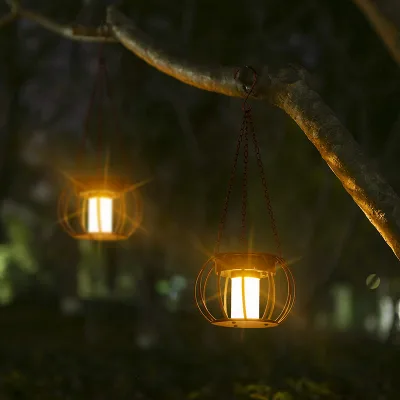
Solar Lanterns in Outdoor Solar Lighting Garden Solar Powered Lanterns Classic Outdoor Solar Lantern
$3.50 - $5.00
MOQ: 36 pieces
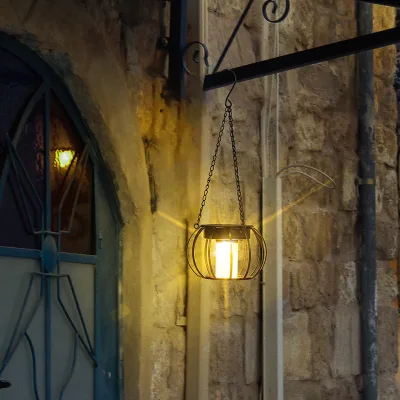

Shenzhen HXY Industrial Co., Ltd.
- Verified by TUVRHEINLAND
- Trading Company
- China Guangdong
- Lead time30 days
- Avg. response≤ 6h
Main productsSolar Power Systems, Solar Home Systems, Solar Lanterns, Solar Fans, Pay as You Go Solar Home Systems, Solar Home Lighting Systems, Solar Freezer, Solar Refrigerator, Solar Flashlight, Solar System
Main marketsDomestic


Solar LED Lantern with Foldable Solar Panel Energy Garden Decoration Lantern
$12.00 - $18.00
MOQ: 1000 Pieces


Ningbo Qingyang Import and Export Co., Ltd.
- Verified by SGS
- Trading Company
- China Zhejiang
- Lead time45 days
- Avg. response≤ 2h
Main productsLED Lights, Table Lamp, Night Light, Solar Garden Light, LED Sensor Light, LED String Light, Decorative Light, LED Work Light, Camping Lantern, LED Candle
Main marketsEast Asia(Japan/ South Korea),Europe,North America

Xiamen Silu Technology Co., Ltd.
- Verified by BV
- Manufacturer/Factory
- China Fujian
- Lead time60 days
- Avg. response≤ 7h
Main productsResin Crafts, Snow Globe, Resin Figurine, Resin Flower Pots, Cloth Crafts, Iron Crafts, Fabric Toys, Christmas Gifts, Trophies, Home Furnishings
Main marketsEastern Europe,North America,Southeast Asia,Western Europe
Ningbo Everstar Lighting Co., Ltd.
- Verified by TüVRheinland
- Trading Company
- Lead time30 days
- Avg. response≤ 2h
Main productsLED Panel Light, LED Solar Light, LED Street Light, LED Ceiling Lamp, LED Floodlight
Main marketsEastern Europe(35%), Western Europe(31%), South America(21%)
Lu'an Shihui Lighting Technology Co., Ltd.
- Verified by Intertek
- Manufacturer, Trading Company
- Lead time45 days
- Avg. response≤ 5h
Main productsDecorative Light, Motif Light
Main marketsNorth America(34%), Western Europe(30%), Domestic Market(20%)
Ningbo Hugeleaf Gardening Products Co., Ltd.
- Verified by TüVRheinland
- Trading Company
- Lead time35 days
- Avg. response≤ 2h
Main productsGarden Greenhouses , Garden Sheds, Garden Bed, Garden Fence, Garden Tools
Main marketsNorth America(30%), Western Europe(30%), South America(5%)
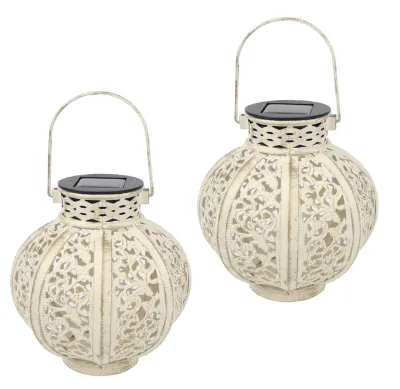
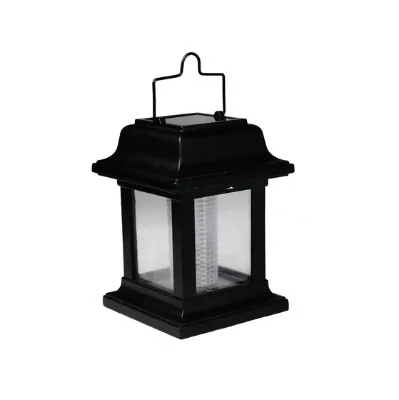
$10.90 - $12.90
MOQ: 500 sets
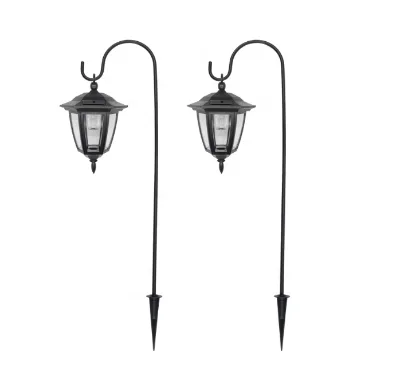
Nantong Honorland Imp. & Exp. Co., Ltd.
- Trading Company
- Jiangsu, China
- Lead time35 days
- Avg. response≤ 7h
Main productssolar light,solar power system,umbrella,festival light
Main marketsWestern Europe(24.00%), Northern Europe(18.00%), Mid East(12.00%), Oceania(9.50%), North America(9.30%), Eastern Europe(8.00%), Africa(6.00%), Central America(5.00%), Eastern Asia(2.00%), Southeast Asia(2.00%), South America(1.30%)
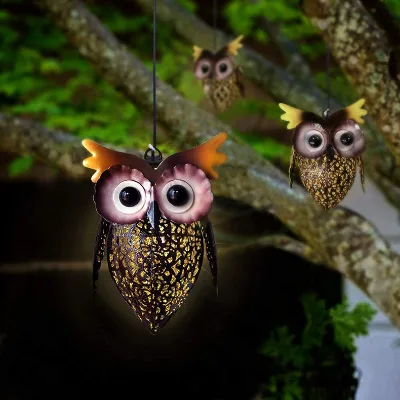
Owl Pattern Retro Hanging Solar LED Lantern Metal Lights Outdoor Ornament for Courtyard Garden
$5.0486 - $5.6692
MOQ: 2 pieces
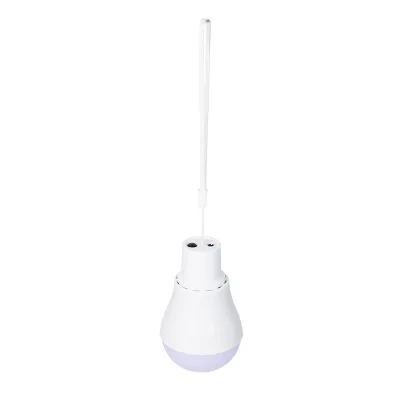
Portable Hanging Solar Camp Light Lantern Led Camping Lanterns for Yard Camping Garden
$2.72 - $3.18
MOQ: 2 pieces
Xiamen Geno Industry Co., Ltd.
- Manufacturer, Trading Company
- Lead time旺季: "1 - 1000":70,"1001 - 5000":80,"> 5000":"To be negotiated", 淡季: "1 - 1000":70,"1001 - 5000":80,"> 5000":"To be negotiated"
- Avg. response≤ 8h
Main productsGarden Pots, Fire Pits, Water Fountain, Chimney, Garden Accessories
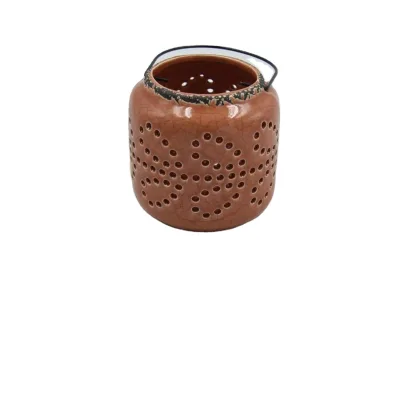
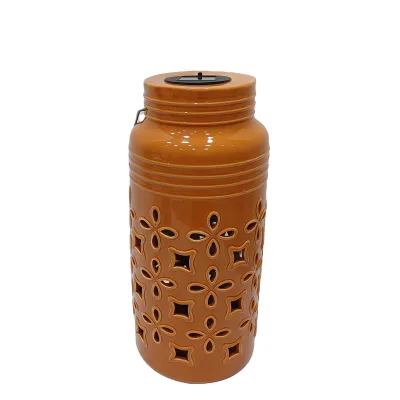
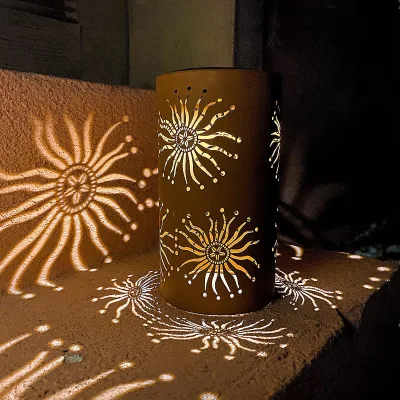
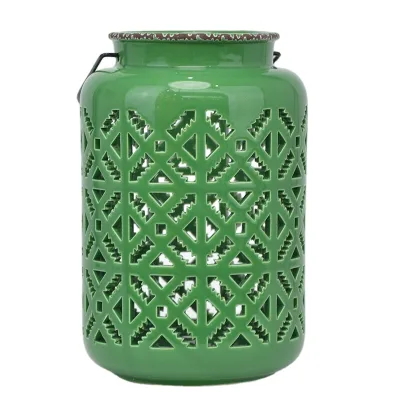
High Quality Solar Design Lantern Orange Ceramic Large Lantern Garden Hand Lantern
$9.30 - $9.50
MOQ: 500

Xian Foreign Trade and Economic Development Corporation
- Trading Company
- China Shaanxi
- Lead time30 days
- Avg. response≤ 24h
Main productsGarage Equipments, Engine Rebuilding Machine, Brake Lathe, Nitrogen Inflator, Tire Changers, Wheel Balancers, Collision Repair Systems, Boring Machine, Grinding Machine, Lathe Machine
Main marketsSouth America,Africa,Southeast Asia/ Mideast,East Asia(Japan/ South Korea),Domestic,Europe,Australia,North America

- Trading Company
- China Zhejiang
- Lead time30 days
- Avg. response≤ 14h
Main productsHome Appliance, Cookware Set, Thermos, Home Storage, Furniture, Pet Supplies, Garden Tools, Outdoor Supplies, Baby Supplies, Houesehold Items
Main marketsSouth America,Africa,Southeast Asia/ Mideast,East Asia(Japan/ South Korea),Domestic,Europe,Australia,North America
Shenzhen Baoan Xinan Lianyi Electronics Business Department
- Manufacturer, Trading Company
- Guangdong, China
- Lead time0 days
- Avg. response≤ 4h
Main productsLED Solar Street Light,Solar floodlight,Solar Garden Light,LED Street Light,Garden Light
Main marketsNorth America(25.00%), Africa(10.00%), Western Europe(10.00%), Eastern Europe(10.00%), South America(10.00%), Northern Europe(5.00%), Central America(5.00%), Southern Europe(5.00%), Eastern Asia(5.00%), Mid East(5.00%), South Asia(5.00%), Southeast Asia(3.00%), Oceania(2.00%)
Ningbo Magic Cube Optoelectronics Co., Limited
- Verified by Intertek
- Trading Company
- Lead time25 days
- Avg. response≤ 11h
Main productsWork Light, Headlamp, Warning Light, Camping Light, Portable Light
Main marketsNorth America(32%), Eastern Europe(29%), Western Europe(19%)
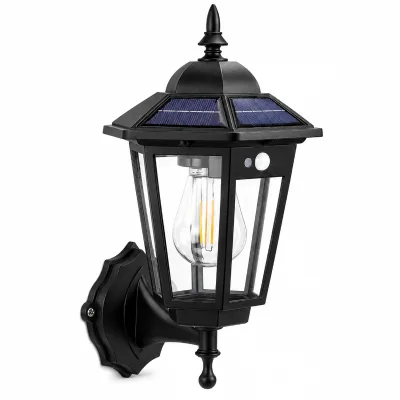
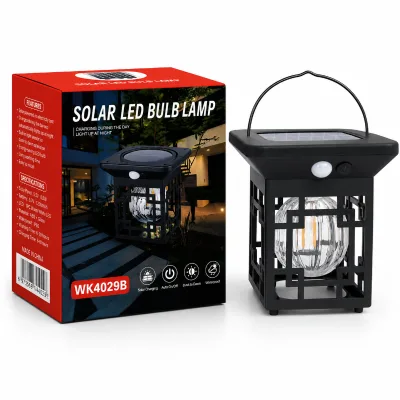
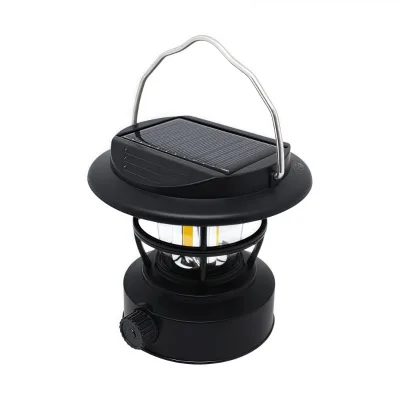
$1.9742 - $2.0461
MOQ: 2 Minimum

Ningbo Eto Outdoor Supplies Co., Ltd.
- Trading Company,Manufacturer/Factory
- China Zhejiang
- Lead time23 days
- Avg. response≤ 7h
Main productsTent, Hammock, Sleeping Bag, BBQ Grill, Camping Furniture, Garden Furniture, Camping Lantern, Beach Furniture, Travelling Accessories, Mattress
Main marketsSouth America,Eastern Europe,Mid East,North America,Southeast Asia,Eastern Asia,Oceania,Western Europe,Africa


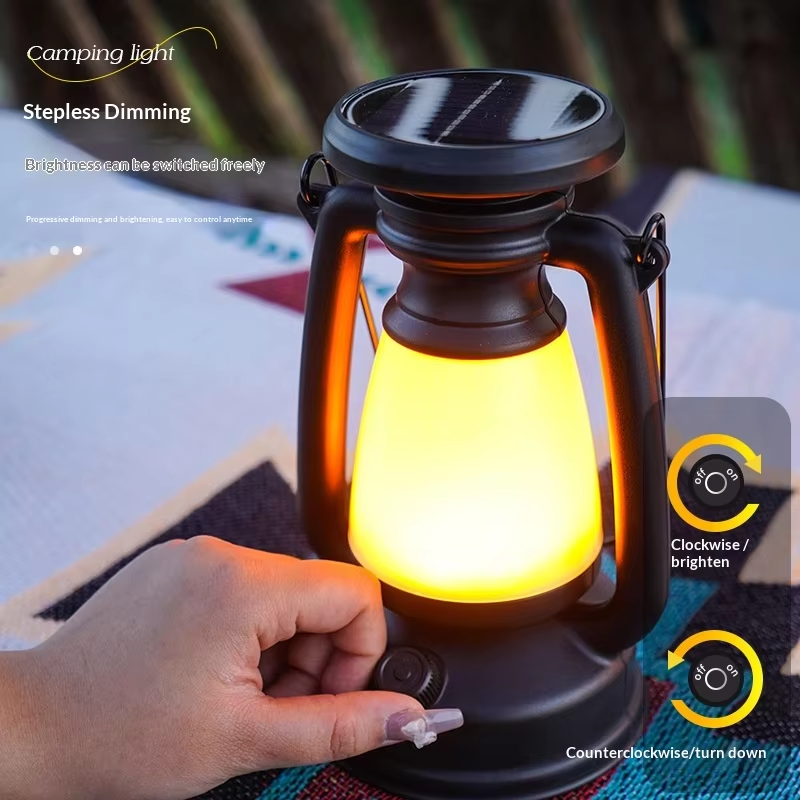
Dimmable Solar Charging Antique Lantern Hurricane Lantern Kerosene Lantern Solar Lamp
$5.50 - $8.50
MOQ: 300 Pieces

Ningbo Hengboyi Lamp Co., Ltd.
- Verified by SGS
- Combined
- China Zhejiang
- Lead time15 days
- Avg. response≤ 4h
Main productsString Lights
Main marketsNorth America

Shenzhen Afh Lighting Technology Co., Ltd.
- Manufacturer, Trading Company
- Guangdong, China
- Lead time25 days
- Avg. response≤ 2h
Main productsSolar Lights,Grow Lights,Rechargeable Work Light,Table Lights,work light
Main marketsNorth America(43.20%), Northern Europe(18.60%), Eastern Europe(11.80%), South America(8.60%), Western Europe(7.50%), Central America(3.00%), Southern Europe(2.20%), Southeast Asia(1.60%), Eastern Asia(1.50%), Mid East(1.00%), Africa(1.00%)

Ningbo Brightenlux Electric Appliance Co., Ltd
- Combined
- China Zhejiang
- Lead time30 days
- Avg. response≤ 4h
Main productsLED Flashlight, LED Headlamp, Work Light, Camping Light, Solar Light, Bike Light, Ring Light, Night Light
Main marketsSouth America,Africa,Southeast Asia/ Mideast,East Asia(Japan/ South Korea),Domestic,Europe,Australia,North America

- Manufacturer/Factory
- China Zhejiang
- Lead time23 days
- Avg. response≤ 5h
Main productsSolar Garden Lights, Solar Security Lights, Solar Mosquito Lamp, Solar Grave Lights, Solar Fairy Lights, Mosquito Zapper, Solar Decorative Lanterns, Cemetery Lanterns, Solar Holiday Lights, Solar Street Lights
Main marketsSouth America,Eastern Europe,Mid East,North America,Southeast Asia,Eastern Asia,Oceania,Western Europe,Africa


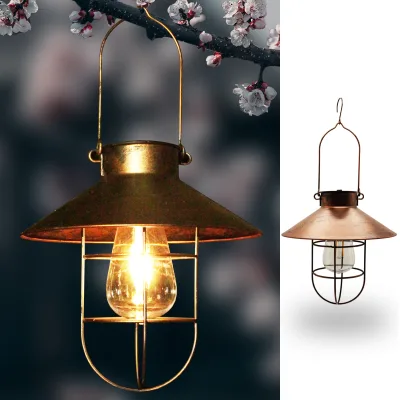
Solar Lanterns Hanging Table Lamp Chinese Factory Antique Style Direct Sale
$2.60 - $3.50
MOQ: 100 Pieces

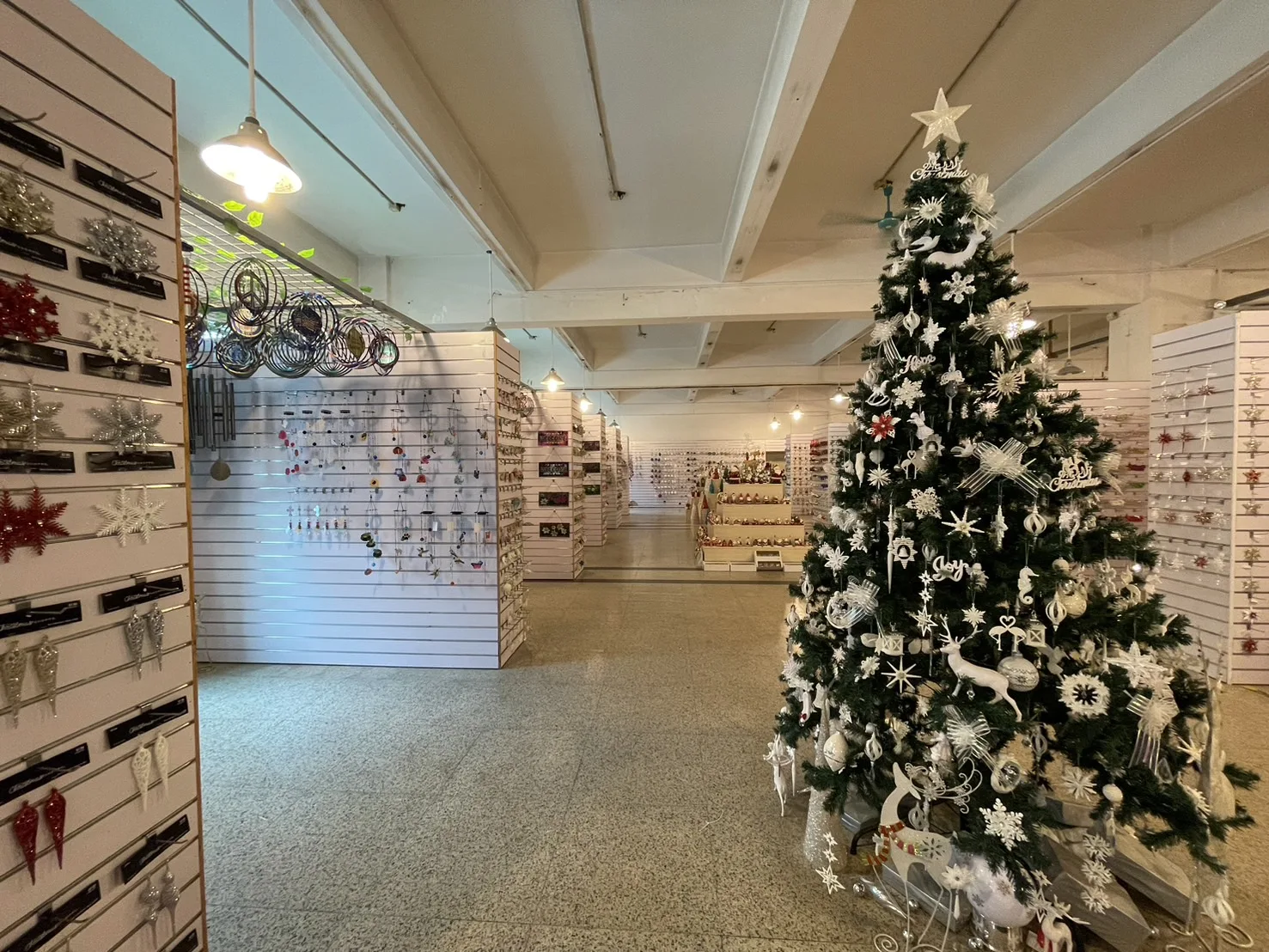
- Trading Company
- Taiwan, China
- Lead time45 days
- Avg. response≤ 3h
Main productsGARDEN DECORATION,WIND CHIMES,STAINED GLASS,CRYSTAL DECORATION,WIND SPINNERS
Main marketsNorth America(40.00%), Western Europe(20.00%), Northern Europe(10.00%), South Asia(5.00%), Southern Europe(5.00%), South America(5.00%), Central America(5.00%), Eastern Europe(5.00%), Mid East(5.00%)
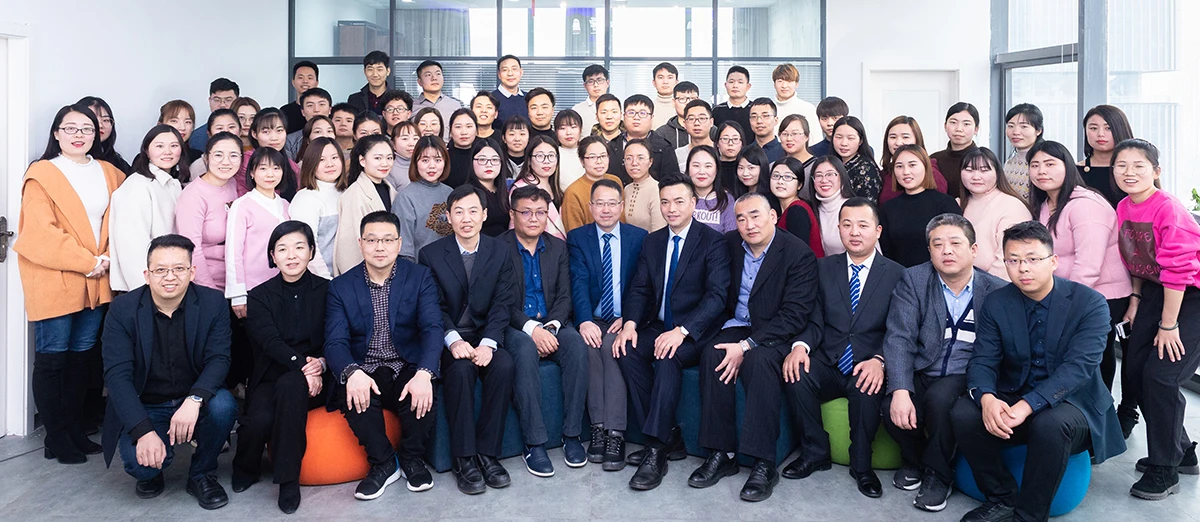
Henan Zlovy Enterprise Co., Ltd.
- Trading Company
- Henan, China
- Lead time1 days
- Avg. response≤ 8h
Main productsCoffee Pot,Coffee Tools,Water Bottle,Home Appliances,Baking Tools
Main marketsNorth America(35.00%), Western Europe(20.00%), Mid East(20.00%), Southeast Asia(15.00%), South America(10.00%)

Ningbo H&G Home Decoration Limited
- Combined
- China Zhejiang
- Lead time60 days
- Avg. response≤ 10h
Main productsMetal Candle Lantern, Wood Candle Lantern, LED Candle Lantern, LED String Light Lantern, Metal Candle Holder, Candlestick, Wall Sconce Candle Holder, Flower Pot Stand, Metal Planter, Metal Plant Stand
Main marketsAfrica,Europe,Australia,North America






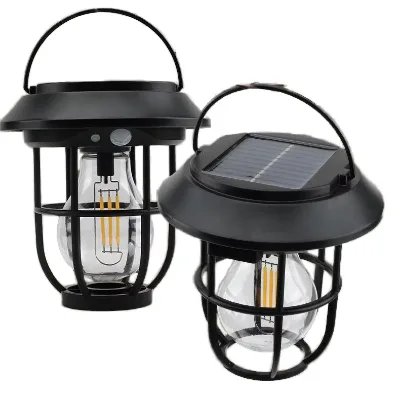


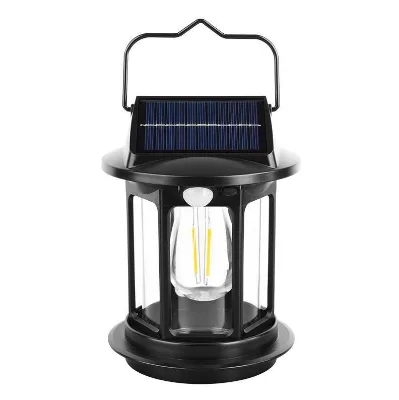
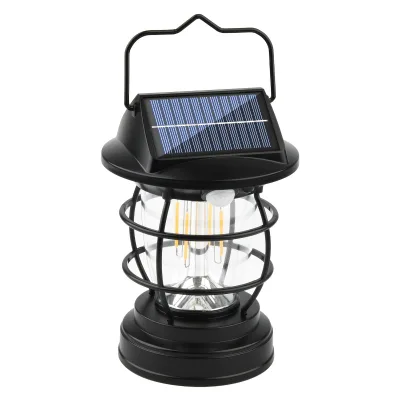


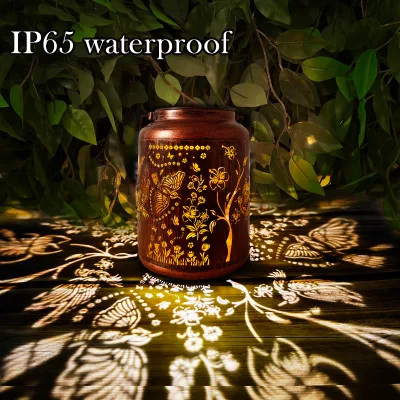
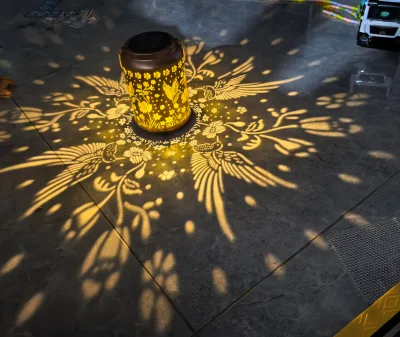
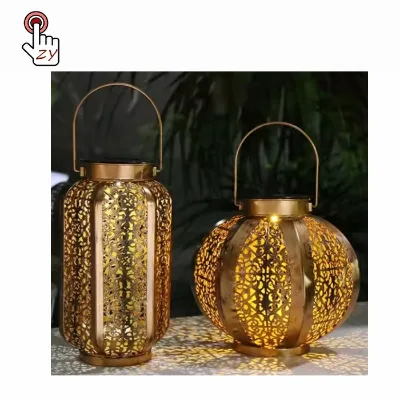


Comprehensive Sourcing Guide
Retro Hollow Solar Lantern Supplier Concentration and Factory Types
The current supplier landscape for retro hollow solar lanterns reveals a distinct concentration of manufacturing and trading entities within specific industrial hubs in China. Evidence indicates that suppliers are located in Zhengjiang, China, which serves as a primary node for this type of lighting product sourcing. This geographic clustering suggests a mature supply chain ecosystem where raw materials, component assembly, and final packaging are likely optimized for efficiency. Buyers evaluating these suppliers should recognize that the presence of a trading company type among the results implies a layer of intermediation that may affect direct factory communication. Trading companies often aggregate products from multiple smaller workshops, offering a broader catalog but potentially less control over the specific manufacturing nuances of each item. Understanding this distinction is crucial for buyers who prioritize direct factory relationships versus those who value the convenience of a single point of contact for diverse inventory.
Within this concentrated region, the main products offered by these suppliers extend beyond just the Retro Hollow Solar Lantern, encompassing a wide array of lighting solutions such as flashlights, camping lanterns, headlamps, work lights, and mirror lights. This product diversity indicates that many suppliers are generalists in the lighting sector rather than specialized niche manufacturers. For a buyer seeking a Retro Hollow Solar Lantern, this means the supplier likely has established production lines for various lighting types, which can be advantageous for mixed orders. However, it also necessitates careful verification of the specific capabilities regarding the hollow design and retro aesthetic, as these may be secondary to their core volume products. The concentration in Zhengjiang provides a logistical advantage for shipping, but buyers must navigate the mix of trading companies and potential factories to ensure they are getting accurate information about production capacity and quality control processes.
How to Verify Retro Hollow Solar Lantern Suppliers
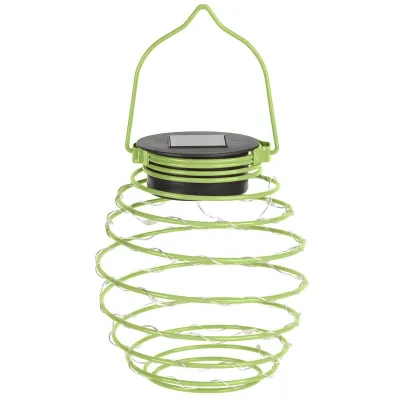
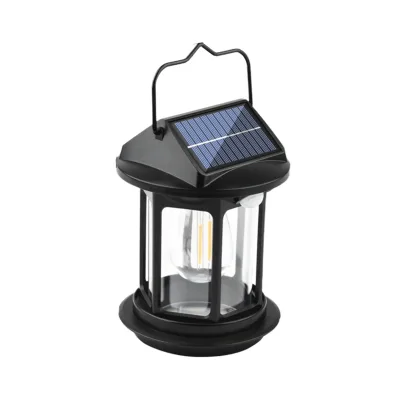
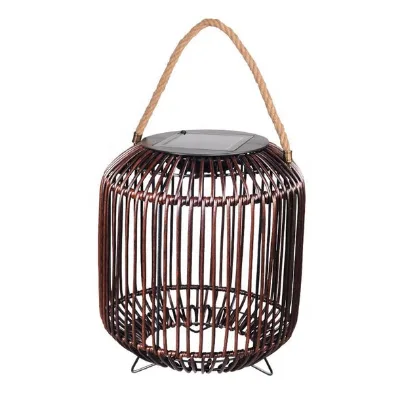
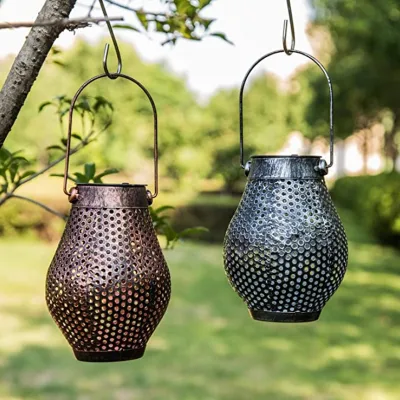
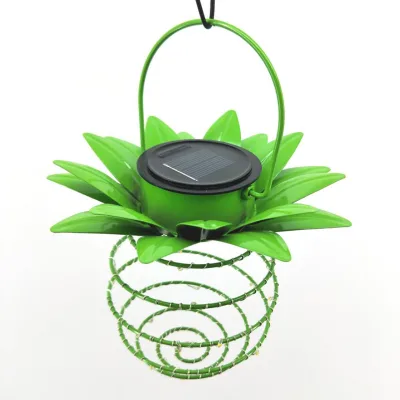
Verifying the legitimacy and capability of suppliers requires a rigorous examination of their response times and product evidence. The data shows a response time of 3, which serves as a baseline metric for communication efficiency. While this number provides a general indicator, buyers should actively test this responsiveness by sending detailed inquiries about the Retro Hollow Solar Lantern specifications. A quick response does not guarantee quality, but a slow or non-existent response is a clear red flag for potential operational issues. Beyond communication speed, buyers must scrutinize the product evidence provided, such as the Solar Spiral Lantern and Solar Lanterns Outdoor Waterproof listings. These examples demonstrate the supplier’s ability to produce solar-powered lighting with specific features like LED light sources and various certifications. Buyers should request similar detailed specifications for the retro hollow model, ensuring that the product attributes align with their commercial requirements.
Certification verification is another critical step in the supplier assessment process. The observed product evidence includes certifications such as CE, GS, RoHS, and Saa for various solar lantern models. These certifications indicate that the supplier’s manufacturing processes meet certain international safety and environmental standards. For a Retro Hollow Solar Lantern, buyers should explicitly ask for these same certifications to be applied to the specific product they intend to purchase. It is important to note that certifications are often product-specific, so a supplier having CE for a camping lantern does not automatically mean their retro hollow model is certified. Buyers should request valid certificate copies and verify them with the issuing bodies if necessary. Additionally, checking the supplier’s establishment year and any available business licenses can provide further assurance of their stability and legal standing in the market.
What to Compare Across Retro Hollow Solar Lantern Suppliers
When comparing suppliers, lead time and minimum order quantity (MOQ) are pivotal factors that impact inventory planning and cash flow. The observed lead time is 30 days, which is a standard benchmark for manufacturing and shipping cycles in this sector. Buyers should use this figure as a reference point but must confirm if this lead time applies specifically to the Retro Hollow Solar Lantern or if it varies based on customization levels. Similarly, the MOQ data shows significant variation, with one product listing an MOQ of 1000 units and another showing an MOQ of 1. This disparity highlights the importance of clarifying the MOQ for the specific retro hollow model. Buyers with smaller volume requirements may find suppliers with lower MOQs more suitable, while those planning large-scale deployments might negotiate better terms with suppliers requiring higher initial orders. Comparing these metrics across multiple suppliers allows buyers to find the best balance between cost efficiency and operational flexibility.
Price and product attributes also play a crucial role in supplier comparison. The price range for similar solar lanterns varies, with some products listed between $2.62 and $3.68, while others range from $4.10 to $7.70. These price differences often reflect variations in materials, battery capacity, and certification levels. For the Retro Hollow Solar Lantern, buyers should compare the unit price against specific attributes such as the light source type, color temperature, and IP rating. The evidence shows products with LED light sources, various color temperatures like 6000K and 5000K, and IP ratings like IP54 and IP44. Buyers should ensure that the price they are quoted includes all necessary components, such as batteries and chargers, and aligns with the desired quality standards. Additionally, comparing the warranty periods, which range from 1 to 3 years in the observed data, can provide insight into the supplier’s confidence in their product durability.
Common Retro Hollow Solar Lantern Sourcing Risks
One of the primary risks in sourcing retro hollow solar lanterns is the potential mismatch between product samples and bulk production quality. The hollow design and retro aesthetic may involve complex manufacturing processes that are difficult to replicate consistently. Buyers must be cautious of suppliers who provide excellent samples but lack the quality control systems to maintain that standard in mass production. The observed product attributes, such as the use of metal or ABS materials and specific surface treatments like spray silver oil, indicate that material quality is a key differentiator. Buyers should verify the material specifications in the contract and request pre-shipment inspections to ensure that the bulk order matches the approved sample. This is particularly important for products with aesthetic features, as any deviation in the hollow pattern or finish can significantly impact the final product’s appeal.
Another significant risk is the reliability of the solar components and battery performance. The evidence shows various battery types, including lithium batteries, and solar cell types like poly-Si. The lifespan of these components can vary widely, with some products listing a lifespan of 10,000 hours and others up to 15,000 hours. Buyers must ensure that the solar lanterns are tested for real-world performance, including charging efficiency and light output over time. The working temperature ranges, such as -20 to 40 degrees Celsius, also indicate the environmental robustness of the product. Buyers should verify that the supplier has conducted appropriate testing for these conditions, especially if the lanterns are intended for outdoor use in extreme climates. Failure to address these technical risks can lead to high return rates and customer dissatisfaction, undermining the commercial viability of the sourcing project.
Retro Hollow Solar Lantern Regional Sourcing and Logistics
Sourcing from the identified region of Zhengjiang, China, offers logistical advantages due to the established infrastructure for lighting exports. The concentration of suppliers in this area facilitates easier coordination for factory audits and sample collection. Buyers can benefit from the proximity of related industries, such as plastic molding for ABS components and electronics assembly for LED circuits. This regional clustering reduces transportation costs for raw materials and allows for faster turnaround times during the production phase. However, buyers must also consider the logistics of shipping finished goods from this location. The lead time of 30 days likely includes both production and initial shipping arrangements. Buyers should work with their freight forwarders to optimize the shipping route from Zhengjiang to their destination, taking into account seasonal fluctuations in shipping capacity and costs.
The choice between trading companies and factories in this region also impacts logistics management. Trading companies may offer more flexible shipping options and consolidate goods from multiple suppliers, which can be beneficial for buyers sourcing a variety of lighting products. On the other hand, dealing directly with factories may provide better control over the production schedule and quality assurance processes. Buyers should evaluate their own logistical capabilities and decide which model suits their needs best. If they have a dedicated logistics team, dealing with factories might be more efficient. If they prefer a hands-off approach, trading companies can handle the complexities of export documentation and shipping coordination. Understanding the logistical implications of the supplier type is essential for ensuring timely delivery and minimizing supply chain disruptions.
Retro Hollow Solar Lantern Commercial Terms and Order Planning
Commercial terms such as payment methods and warranty policies are critical components of the sourcing agreement. The observed warranty periods range from 1 to 3 years, indicating varying levels of supplier confidence in their product durability. Buyers should negotiate warranty terms that align with their expected product lifecycle and customer service capabilities. A longer warranty period may come with a higher unit price but can reduce long-term liability for the buyer. Additionally, buyers should clarify the scope of the warranty, including what constitutes a defect and the process for claiming replacements or repairs. Clear commercial terms help mitigate financial risks and ensure that both parties have a shared understanding of their responsibilities. Buyers should also consider the impact of currency fluctuations and exchange rates on the final cost, especially if dealing with international suppliers.
Order planning should take into account the MOQ and lead time constraints identified in the supplier data. With MOQs ranging from 1 to 1000 units, buyers can tailor their order sizes to match their market demand and inventory capacity. For new market entries, starting with a lower MOQ allows for market testing with reduced financial risk. As demand grows, buyers can scale up orders to benefit from economies of scale. The 30-day lead time requires careful inventory management to avoid stockouts or excess inventory. Buyers should establish a reorder point based on their sales velocity and the supplier’s lead time. Additionally, buyers should plan for potential delays due to holidays, raw material shortages, or logistical issues. Building a buffer into the order plan can help maintain supply continuity and ensure that customer orders are fulfilled on time.
FAQs
What certifications do solar spiral lanterns have?
Solar spiral lanterns typically hold CE and GS certifications, ensuring compliance with safety standards. Some models also include RoHS and Saa approvals. Buyers should verify specific product listings for exact certification details before placing orders to ensure regulatory alignment.
What is the minimum order quantity for solar lanterns?
Minimum order quantities vary significantly by product type. Solar spiral lanterns generally require a minimum order of 1000 units. In contrast, other outdoor solar lanterns may allow orders starting from just 1 unit. Always check the specific product page for accurate MOQ requirements.
What is the typical lead time for these products?
The standard lead time for manufacturing and shipping these solar lanterns is approximately 30 days. This duration allows for production scheduling and quality checks. Buyers should confirm exact delivery timelines with suppliers, as rush orders or custom specifications might affect the final schedule.
What is the price range for solar spiral lanterns?
Prices for solar spiral lanterns typically range from $2.63 to $3.68 per unit. This pricing depends on order volume and customization options. Other outdoor solar lanterns may cost between $4.11 and $7.70. Buyers should request quotes for precise pricing based on their specific quantity needs.
Where are these solar lanterns manufactured?
These solar lanterns are manufactured in Zhejiang, China. Suppliers located in this region specialize in lighting products and offer various customization options. Buyers can verify the place of origin on individual product pages to ensure the manufacturing location meets their sourcing preferences and logistics requirements.
What is the response time of suppliers?
Suppliers typically respond to inquiries within 3 hours. This quick response time helps buyers get timely quotes and technical details. Efficient communication is crucial for resolving questions about certifications, lead times, and customization. Buyers should expect prompt replies when contacting verified trading companies for these products.