Roof Polyurethane Insulation Suppliers and Manufacturers
Find 16 verified suppliers offering Roof Polyurethane Insulation with options for customization, flame retardancy, and specific density. Compare response times, lead times, and certifications like ISO9001:2015 before requesting quotes; review the available evidence before requesting comparable quotations from suitable candidates.
Updated
Suppliers List

Golden Blue Collar (Shandong) International Trade Co., Ltd
- Verified by SGS
- Trading Company
- China Shandong
- Lead time30 days
- Avg. response≤ 4h
Main productsPolyurethane, Mdi Polyurethane, Polyurethane Foaming Agent, Isocyanate, Polyurethane Composite Material, Polyurethane Black and White Material, Corrosion-Resistant Pipe, Polyurethane Pipes
Main marketsNorth America

Polyurethane Insulation Material for Polyurethane Building Roof Spray Insulation
$2.08 - $2.14
MOQ: 500 kg


Weather-Resistant Spray-Applied Rigid Polyurethane Foam for Rooftop Insulation
$2.73 - $2.78
MOQ: 500 kg


Yantai Shunda Polyurethane Co., Ltd.
- Combined
- China Shandong
- Lead time15 days
- Avg. response≤ 15h
Main productsBlend Polyol, Flame Retardant, Polyether Polyol, Polyester Polyol, PU Catalyst, 141b, Tcpp, Tep, Mdi, Tdi
Main marketsSouth America,Africa,Southeast Asia/ Mideast,East Asia(Japan/ South Korea),Domestic,Europe,Australia,North America
Langfang Kangjie Ventilation Material Co., Ltd.
- Verified by TüVRheinland
- Manufacturer, Trading Company
- Lead time15 days
- Avg. response≤ 4h
Main productsHVAC Phenolic Pre-insulated Duct Board, Pre-insulated HVAC Polyurethane Duct Panel, PVC Duct Flange Accessories, Aluminum Alloy Air Duct Flange Accessories, Thermal Break Aluminum Duct Flange
Main marketsMid East(60%), Southeast Asia(20%), Domestic Market(20%)
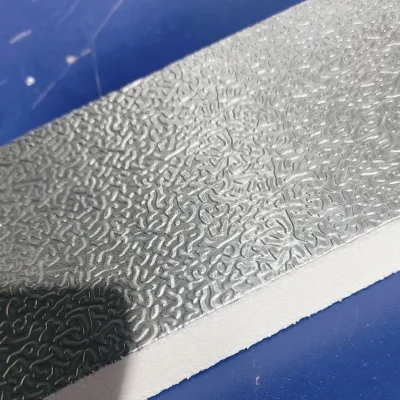
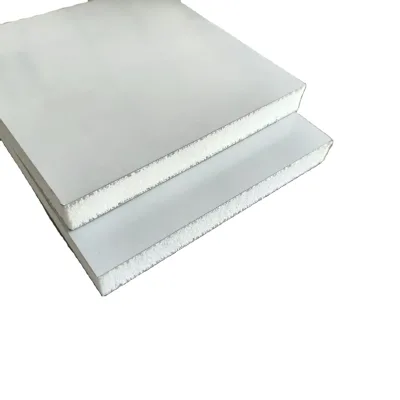
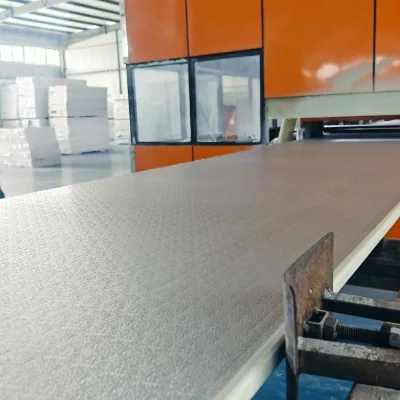
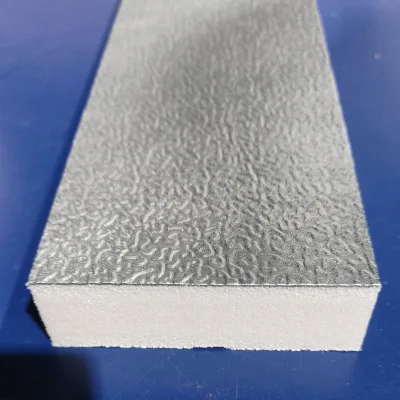
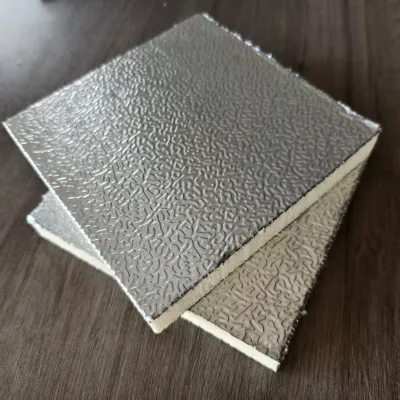
PU Foam Insulation Panel for Air Duct, Exterior Wall & Roof Insulation
$4.554 - $6.0919
MOQ: 100 square
Jinan Demeijia Machinery Co., Ltd.
- Verified by Intertek
- Trading Company
- Lead time3 days
- Avg. response≤ 3h
Main productsPU Spray Machine, Polyurea Spray Machine, PU Foam Machine, PU Pouring Machine, Blend Polyols
Main marketsNorth America(32%), South America(10%), Northern Europe(6%)

Shanghai Shuode Building Materials CO., LTD.
- Verified by CTI
- Trading Company
- China Shanghai
- Lead time15 days
- Avg. response≤ 5h
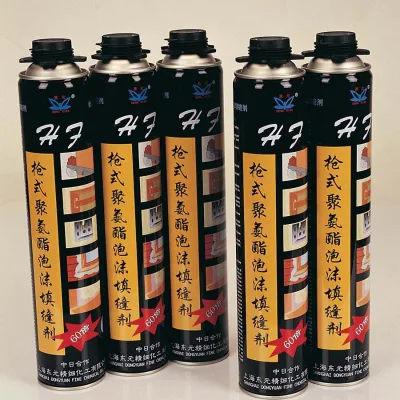
Main productsPolyurethane Foam, PU Foam, Silicone Sealant, Liquid Nail
Main marketsAfrica,Southeast Asia/ Mideast,East Asia(Japan/ South Korea),Europe

Shandong Juhuan New Material Technology Co., Ltd.
- Verified by TUVRHEINLAND
- Combined
- China Shandong
- Lead time15 days
- Avg. response≤ 8h
Main productsPU Foam, Spray Polyurethane Foam, Acetic Silicone Sealant, Neutral Silicone Sealant, Acrylic Sealant, Liquid Nails, Foam Cleaning Agent, Contact Adhesive, Epoxy Resin Ab Glue, Marble Glue
Main marketsSouth America,Africa,Others(foreignTradeCapacity.exportBusinessCapacityMarketOther),Southeast Asia/ Mideast,East Asia(Japan/ South Korea),Europe,North America
Huacheng Boyuan Hebei Building Materials Technology Co., Ltd.
- Manufacturer, Trading Company
- Hebei, China
- Lead time15 days
- Avg. response≤ 2h
Main productsPIR Cold storage panel,PU sandwich panel,Rock wool sandwich panel,Glass wool sandwich panel,Container room
Main marketsSouth America(30.00%), Oceania(20.00%), Eastern Europe(15.00%), North America(10.00%), Africa(10.00%), Southeast Asia(10.00%), Western Europe(5.00%)

Shandong Jointseal New Material Co., Ltd.
- Verified by SGS
- Trading Company
- China Shandong
- Lead time45 days
- Avg. response≤ 3h
Main productsSilicone Sealant, PU Foam, Super Glue, PU Sealant, Spray Paint, Cyanoacrylate Adhesive, Ms Sealant, Anaerobic Adhesive, Acrylic Sealant
Main marketsAfrica,Europe


High Quality Roof Wall Insulation Low Temp Resistance Polyurethane PU Foam
$0.92 - $0.951
MOQ: 4800 PCS
Shanghai Haohai Chemical Co., Ltd.
- Verified by Intertek
- Manufacturer, Trading Company
- Lead time25 days
Main productsPre-Insulated Duct Panel, PU Foam , Needle tube protect
Main marketsOceania(30%), South America(20%), Domestic Market(20%)
Jining Duomi Machinery Co., Ltd.
- Trading Company
- Shandong, China
- Lead time0 days
- Avg. response≤ 3h
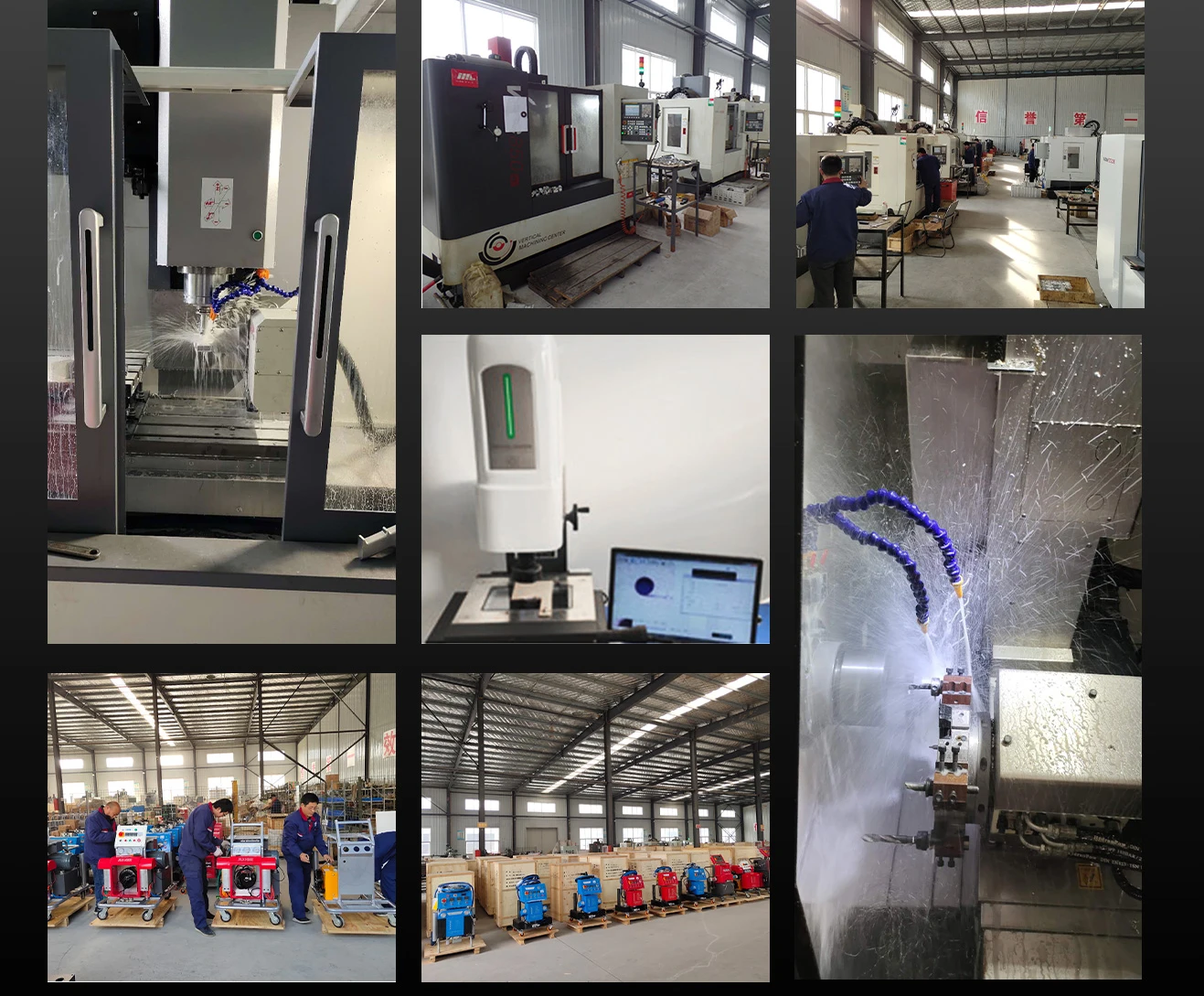
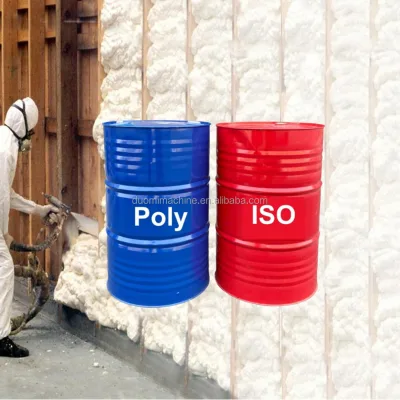
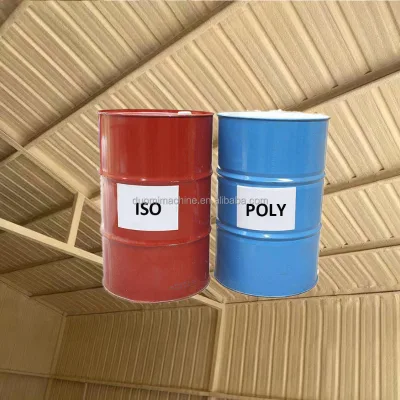
Main productsPolyurethane Spray Foam Machine,Polyurea Spray Machine,Colsed Cell Polyurethane Foam Chemical,Open Cell Polyurethane Foam Chemical,Polyurea Coatings
Main marketsNorth America(30.00%), Western Europe(15.00%), Eastern Europe(15.00%), Northern Europe(15.00%), Southeast Asia(5.00%), Central America(5.00%), South America(5.00%), Oceania(5.00%), Eastern Asia(3.00%), Mid East(2.00%)

Herence New Material Technology Co., Ltd
- Verified by CTI
- Combined
- China Jiangsu
- Lead time15 days
- Avg. response≤ 4h
Main productsFoam Glass, Rubber and Plastic Insulation Materials, Polyurethane Foam, Glass Wool, Polyisocyanurate Foam, Rock Wool, Support and Hanger, Prefabricated Parts Product, Spring Sheet, Ceramic Fiber
Main marketsDomestic

Polyurethane Foam Insulation for Effective Cooling Pipeline Applications
$10.00 - $100.00
MOQ: 100 Meters


High-Efficiency Insulation Polyurethane Foam for Insulating Pipe Covering
$10.00 - $100.00
MOQ: 100 Meters

Shanghai Sunway Curtain Material Co., Ltd.
- Trading Company,Manufacturer/Factory
- China Shanghai
- Lead time23 days
- Avg. response≤ 12h
Main productsSilicone Sealant, Silicone Adhesive, Neutral Silicone Sealant, Structural Silicone Sealant, Weatherproof Silicone Sealant, Construction Adhesive, Fireproof Silicone Sealant, Adhesive, Adhesive Glue, Polyurethane Foam
Main marketsSouth America,Eastern Europe,North America,Southeast Asia,Eastern Asia,Western Europe,Africa
- Manufacturer, Trading Company
- Lead time旺季: , 淡季:
- Avg. response≤ 8h
Main productsSandwich Panel,Cold Room Panel,Clean Room Panel,External Wall Cladding System,Section steel
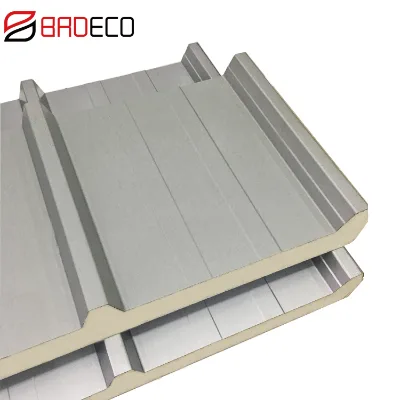
Thermal Insulation PU Polyurethane Foam PUR PUF Insulated Sandwich Roof SIP Panels
$5.1446 - $27.7795
MOQ: 500 Minimum
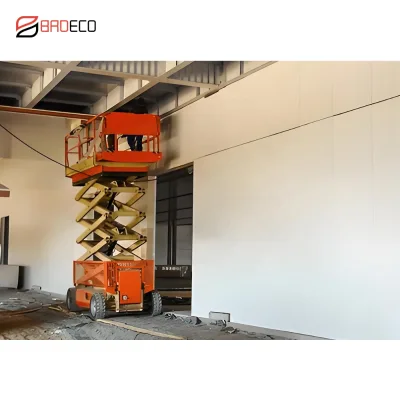
$9.90 - $18.99
MOQ: 500 Minimum

Zibo Jianda Building Material Co., Ltd.
- Verified by BV
- Trading Company
- China Shandong
- Lead time23 days
- Avg. response≤ 6h
Main productsSteel Warehouse, Ceramic Fiber Blanket, Ceramic Fiber
Main marketsSoutheast Asia/ Mideast,Domestic


High Quality PUR/PIR Foam Insulation Polyurethane Insulation Sandwich Panel
$6.80 - $14.90
MOQ: 300 Meters

Shandong Sailgoal New Materials Co. Ltd.
- Verified by SGS
- Combined
- China Shandong
- Lead time15 days
- Avg. response≤ 3h
Main productsPU Foam, Carburetor Cleaner, Spray Paint, MDF Kit, Anti Rust Lubricant, Car Care Products, Household Products
Main marketsAfrica,Others(foreignTradeCapacity.exportBusinessCapacityMarketOther),Southeast Asia/ Mideast,Domestic

Shanghai Haohai Chemical Co., Ltd.
- Verified by SGS
- Trading Company
- China Shanghai
- Lead time30 days
- Avg. response≤ 7h
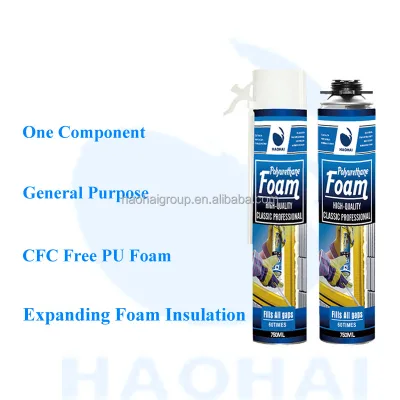
Main productsPU Foam, Pre-Insulated Duct Panel, HVAC Duct Panel, PU Glue, PU Spray Foam, PU Expanding Foam, Air Duct
Main marketsSoutheast Asia/ Mideast,Domestic






Comprehensive Sourcing Guide
Roof Polyurethane Insulation Supplier Concentration and Factory Types
The current supplier landscape for Roof Polyurethane Insulation reveals a distinct concentration of manufacturing and trading entities within specific industrial regions. Evidence indicates that a significant portion of available suppliers are located in China, with Shandong province emerging as a notable hub for this category of chemical and construction materials. This geographic clustering suggests that buyers seeking direct factory access or reliable trading partners should prioritize regions with established chemical processing infrastructure. The presence of suppliers in this area often correlates with access to raw materials such as polyether polyol, polyester polyol, and MDI, which are critical components in the production of rigid polyurethane foam. Understanding this concentration helps buyers narrow their search parameters and focus on suppliers who have the logistical advantage of being situated near major ports or industrial zones, potentially reducing inland transportation costs and lead times for international shipments.
Supplier types in this sector vary significantly, ranging from pure trading companies to combined entities that offer both manufacturing and trading services. Some suppliers are identified as trading companies, which may offer a broader range of products but might not have direct control over the production process. In contrast, other suppliers are classified as combined entities, indicating they may possess their own brands and offer OEM and ODM capabilities. This distinction is crucial for buyers who require specific customization or want to ensure that the polyurethane spray foam meets precise technical specifications for building insulation. The availability of ODM and OEM services suggests that many suppliers are equipped to handle custom formulations, such as adjusting the core density or compression strength to meet specific project requirements. Buyers should carefully review the company type to determine if they need a direct manufacturer for quality control or a trading company for product variety and consolidated shipping.
How to Verify Roof Polyurethane Insulation Suppliers
Verifying the credibility and operational capacity of Roof Polyurethane Insulation suppliers requires a multi-layered approach that goes beyond basic company profiles. One critical step is to check for third-party verification badges, such as SGS, which can provide an additional layer of confidence regarding the supplier’s business legitimacy and operational standards. Buyers should also examine system certifications, such as ISO9001:2015 and ISO14001:2015, which indicate that the supplier adheres to recognized quality management and environmental protection standards. These certifications are particularly important for construction materials, as they suggest a commitment to consistent product quality and responsible manufacturing practices. Additionally, buyers should look for evidence of the supplier’s ability to provide detailed product attributes, such as core density, compression strength, and water absorption rates, as these technical details are often a sign of a supplier’s transparency and technical expertise in the polyurethane foam industry.
Another essential verification step involves assessing the supplier’s response time and communication efficiency, as these factors can impact the overall sourcing experience. Suppliers with faster response times, such as those averaging under four hours, may be more responsive to urgent inquiries and complex customization requests. Buyers should also verify the supplier’s production capabilities by reviewing their listed main products and ensuring they align with the specific type of polyurethane insulation required, such as rigid foam boards or spray-applied materials. It is also advisable to check for the availability of customization options, as many projects require specific flame retardant properties or density levels. By combining verification of certifications, response metrics, and product technicalities, buyers can build a more comprehensive profile of each supplier, reducing the risk of partnering with entities that lack the necessary expertise or infrastructure to deliver high-quality roof insulation materials.
What to Compare Across Roof Polyurethane Insulation Suppliers
When evaluating multiple suppliers for Roof Polyurethane Insulation, buyers must compare a range of commercial and operational metrics to identify the most suitable partner. Key comparison points include lead times, minimum order quantities (MOQ), and pricing structures, as these factors directly impact project planning and budget allocation. For instance, some suppliers may offer lead times of around fifteen days, while others might require thirty days, which can influence inventory management and project scheduling. Similarly, MOQs can vary significantly, with some suppliers requiring orders as low as two hundred units, while others may have higher thresholds, such as five hundred units. Buyers should also compare the price ranges for different product models, noting that prices can fluctuate based on the specific formulation, such as the inclusion of flame retardants or the target core density. Understanding these variations allows buyers to negotiate better terms and select suppliers that align with their volume requirements and budget constraints.
Beyond pricing and logistics, buyers should compare the technical specifications and customization options offered by each supplier. Important attributes to compare include the flammability rating, hardness, and open cell content of the polyurethane foam, as these properties determine the material’s performance in different environmental conditions. For example, some products may be labeled as flame retardant with low open cell content, making them suitable for high-safety building insulation applications, while others may have higher open cell content for different acoustic or thermal properties. Buyers should also compare the packaging standards, such as drum sizes and weights, to ensure compatibility with their storage and handling capabilities. Additionally, the availability of specific product models, such as those designed for cold storage or metal roof insulation, should be evaluated to ensure the supplier can meet the unique demands of the buyer’s target market. By systematically comparing these technical and commercial details, buyers can make informed decisions that balance cost, quality, and performance.
Common Roof Polyurethane Insulation Sourcing Risks
Sourcing Roof Polyurethane Insulation from international suppliers introduces several risks that buyers must proactively manage to ensure project success. One significant risk is the variability in product quality, particularly regarding the chemical composition and physical properties of the foam. Differences in core density, compression strength, and water absorption rates can affect the insulation’s durability and effectiveness, especially in extreme weather conditions. Buyers must be vigilant about verifying these technical specifications through detailed product data sheets and, if necessary, third-party testing. Another risk is the potential for miscommunication regarding customization requirements, as polyurethane formulations can be highly specific. If a supplier misunderstands the required flame retardant level or density, the delivered product may not meet building codes or project specifications, leading to costly delays and rework. Clear and detailed communication of technical requirements is essential to mitigate this risk.
Logistical and supply chain risks also pose challenges in the sourcing of polyurethane insulation materials. Lead times can be affected by raw material shortages, production bottlenecks, or international shipping disruptions, which can impact project timelines. Buyers should establish clear agreements regarding lead times and penalties for delays to protect their interests. Additionally, the risk of damage during transit is a concern, as polyurethane drums must be handled carefully to prevent leaks or contamination. Buyers should verify the supplier’s packaging standards and ensure that appropriate insurance coverage is in place for international shipments. Furthermore, there is a risk associated with relying on trading companies that may not have direct oversight of the manufacturing process, potentially leading to inconsistencies in quality control. To mitigate this, buyers should prioritize suppliers with verified manufacturing capabilities or those who provide comprehensive quality assurance documentation. By identifying and addressing these risks early in the sourcing process, buyers can safeguard their projects and ensure the delivery of high-quality insulation materials.
Roof Polyurethane Insulation Regional Sourcing and Logistics
Regional sourcing strategies play a crucial role in optimizing the logistics and cost-efficiency of procuring Roof Polyurethane Insulation. Suppliers located in industrial hubs like Shandong, China, often benefit from established supply chains for raw materials such as MDI and polyols, which can lead to more stable pricing and consistent production schedules. Buyers sourcing from these regions should consider the proximity to major ports, as this can significantly reduce inland transportation costs and expedite shipping times. Additionally, the concentration of suppliers in specific regions can facilitate easier comparison and evaluation of multiple vendors, allowing buyers to leverage competitive bidding to secure better terms. However, buyers must also account for the logistical complexities of international shipping, including customs clearance, import duties, and compliance with local building codes and regulations. Understanding these regional dynamics helps buyers make informed decisions about where to source their materials and how to structure their supply chain for maximum efficiency.
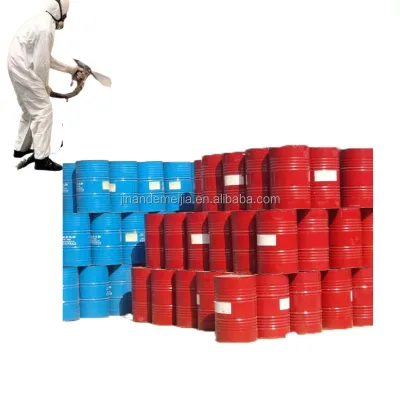
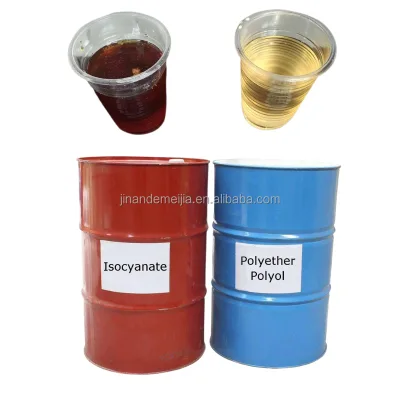
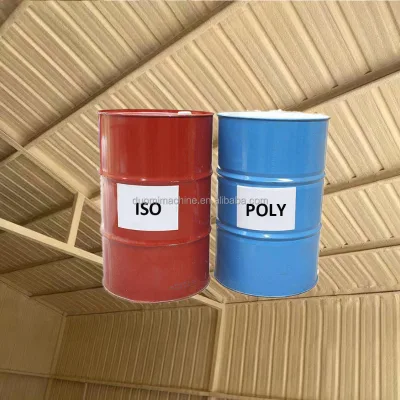
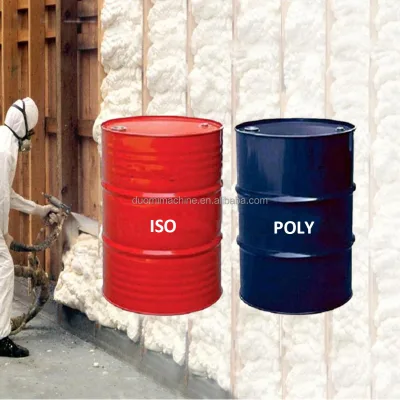
Logistics planning for polyurethane insulation also involves managing the specific handling requirements of chemical products. Polyurethane components, such as the black and white materials used in spray foam applications, often require careful storage and transportation to maintain their chemical stability. Buyers should verify that suppliers use appropriate packaging, such as sealed drums, to prevent moisture contamination or degradation during transit. Additionally, the weight and volume of the products, which can vary based on the drum size and material density, must be considered when calculating shipping costs and container utilization. Buyers should work closely with their suppliers to determine the most cost-effective shipping methods, whether by sea or air, depending on the urgency of the order and the total volume. By integrating regional sourcing insights with detailed logistics planning, buyers can minimize transit times, reduce costs, and ensure that the polyurethane insulation arrives at the project site in optimal condition.
Roof Polyurethane Insulation Commercial Terms and Order Planning
Effective order planning for Roof Polyurethane Insulation requires a thorough understanding of the commercial terms offered by suppliers, including pricing, payment conditions, and delivery schedules. Buyers should carefully review the price ranges for different product models, noting that costs can vary based on factors such as customization, density, and flame retardant properties. It is also important to clarify the minimum order quantities (MOQ) and any volume discounts that may be available, as these can impact the overall cost per unit. Additionally, buyers should negotiate clear payment terms, such as the use of escrow services or letters of credit, to protect their financial interests and ensure that payments are released only upon satisfactory delivery of the goods. Understanding these commercial terms helps buyers budget accurately and avoid unexpected costs that could derail the project.
Beyond pricing and payment, order planning must account for the supplier’s production capacity and lead times to ensure timely delivery. Buyers should confirm the supplier’s ability to meet their required volume within the specified timeframe, especially for large-scale construction projects. It is also advisable to establish a clear communication protocol for tracking production progress and addressing any potential delays. Buyers should also consider the shelf life of the polyurethane materials, as some products may have limited storage times, requiring precise coordination between delivery and installation schedules. By integrating commercial terms with logistical planning, buyers can create a robust order management system that minimizes risks and ensures the smooth execution of their insulation projects. This holistic approach to order planning helps buyers maintain control over their supply chain and achieve their project goals efficiently.
FAQs
What is the typical lead time for polyurethane roof insulation orders?
The typical lead time for these orders is 30 days based on current supplier data. Some suppliers offer a faster 15-day turnaround for specific items. Buyers should confirm exact delivery schedules with the trading company before placing an order.
What is the minimum order quantity for polyurethane spray foam?
The minimum order quantity is 500 units for standard polyurethane insulation materials. Some specific products like blend polyol have a lower minimum of 200 units. Always verify the specific MOQ for the product model you intend to purchase.
Are these polyurethane materials flame retardant for building use?
Yes, the available polyurethane spray foam is flame retardant and suitable for building insulation. The material features low open cell content and meets specific hardness requirements. This ensures safety and compliance for roof and wall applications in construction projects.
What is the price range for polyurethane insulation materials?
Prices for polyurethane insulation materials range from 2.08 to 3000.00 depending on the product type. Standard spray foam costs between 2.08 and 2.78 per unit. Specialized engineering plastics or bulk polyol orders may reach higher price points.
Where are the polyurethane insulation suppliers located?
The suppliers are located in Shandong, China, with specific origins in Yantai. All listed products originate from this region. Buyers should verify shipping details and logistics costs associated with sourcing from this specific Chinese location.
Do suppliers offer customization for polyurethane roof insulation?
Customization is available for most polyurethane insulation products listed on the page. Suppliers support ODM and OEM services to meet specific project needs. Buyers can request tailored specifications for density, hardness, or packaging requirements.
What certifications do the polyurethane suppliers hold?
Suppliers hold ISO9001:2015 and ISO14001:2015 certificates for quality and environmental management. Some suppliers also have SGS verification status. Buyers should request current certification documents to ensure compliance with international standards.