single-stage diesel engine sludge pump Suppliers and Manufacturers
Compare 20 verified suppliers offering single-stage diesel engine sludge pumps with varying lead times, certifications, and locations in China. Review product specifications like driving type and pressure ratings to select the right vendor for your mining or dredging needs; review the available evidence before requesting comparable quotations from suitable candidates.
Updated
Suppliers List

Shijiazhuang Pansto Pump Industry Co., Ltd.
- Verified by TUVRHEINLAND
- Trading Company
- China Hebei
- Lead time15 days
- Avg. response≤ 3h
Main productsSlurry Pump, Gravel Pump, Froth Pump, Desulfurization Pump, Submersible Slurry Pump, Slurry Pump Parts
Main marketsSouth America,Africa,Southeast Asia/ Mideast,East Asia(Japan/ South Korea),Domestic,Europe,Australia

- Trading Company,Manufacturer/Factory
- China Guangdong
- Lead time23 days
- Avg. response≤ 3h
Main productsBow Thrusters, Windlasses, Winches, Capstan, Lifeboat, Mooring Bollards, Centrifugal Pumps, Gangway Ladder, Accommodation Ladder, Panama Chocks
Main marketsSouth America,Eastern Europe,Mid East,North America,Southeast Asia,Eastern Asia,Oceania,Western Europe,Africa

Shijiazhuang Longteng Machinery Co., Ltd.
- Verified by BV
- Manufacturer/Factory
- China Hebei
- Lead time0 days
- Avg. response≤ 3h
Main productsSlurry Pump and Parts, A05 Pump Parts, Gravel Pump, Mining Pump, OEM Slurry Pump
Main marketsSouth America,North America,Southeast Asia,Oceania,Africa


Non-Clog Sludge and Sewage Pump Single Stage Slurry Pump Centrifugal Factory Price
$800.00 - $80000.00
MOQ: 1 SET

Non-Clog Sludge and Sewage Pump Single Stage Slurry Pump Centrifugal 20+ Years Experience
$800.00 - $80000.00
MOQ: 1 SET
- Verified by TüVRheinland
- Trading Company
- Lead time25 days
- Avg. response≤ 8h
Main productsSand Dredger, Sand Pump, Slurry Pump, Dredging Equipment, Dredge Pump
Main marketsSoutheast Asia(35%), Africa(25%), South Asia(10%)
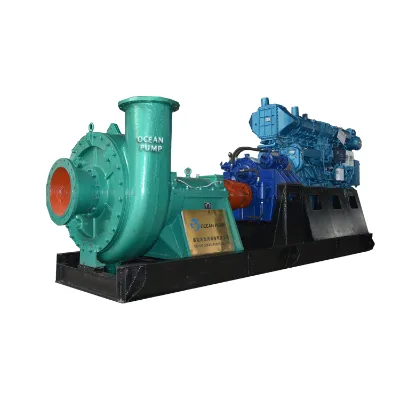
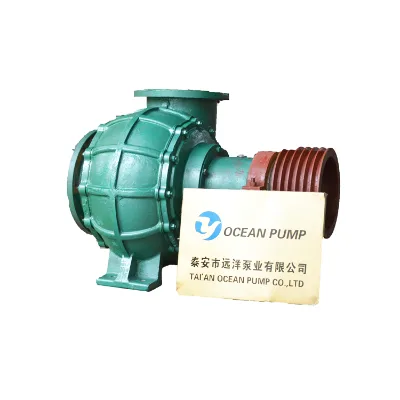
High Quality Portable Sludge Pump
MOQ: 1 Minimum
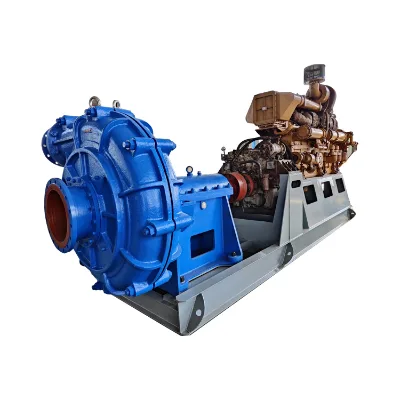
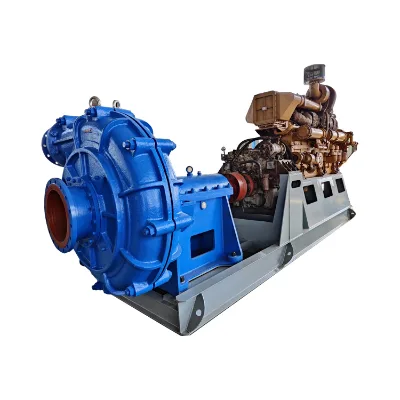
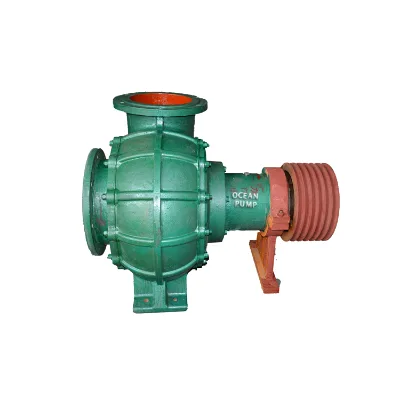
Hot Sale Portable Sludge Pump Transfer Small Sediment
MOQ: 1 Minimum

- Verified by TUVRHEINLAND
- Trading Company
- China Beijing
- Lead time30 days
- Avg. response≤ 2h
Main productsCentrifugal Pump, Slurry Pump, Water Pump, Multistage Pump, Submersible Pump, Stainless Steel Pump, Sand Pump, Split Casing Pump, Fire Pump, End Suction Pump
Main marketsAfrica,Southeast Asia/ Mideast,Domestic,Europe,North America


Single Stage Centrifugal Pump Slurry Handling Pumps Lime Slurry Pumps
$199.00 - $1999.00
MOQ: 1 Pieces


Single-Stage Pumps Sewage Oil Centrifugal Water Stainless Steel Pressure Mining Slurry Pump
$199.00 - $1999.00
MOQ: 1 Pieces


Hebei Dingao Pump Industry Co., Ltd.
- Verified by TüVRheinland
- Manufacturer, Trading Company
- Lead time3 days
- Avg. response≤ 2h
Main productsSlurry Pump, Mixed-Flow Pump, Self Priming Pump, Pipeline Pump, Chemical Pump
Main marketsSoutheast Asia(30%), Africa(30%), North America(10%)
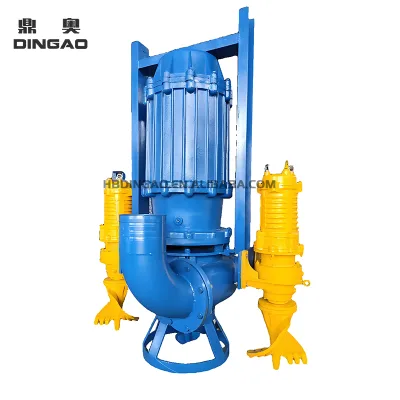
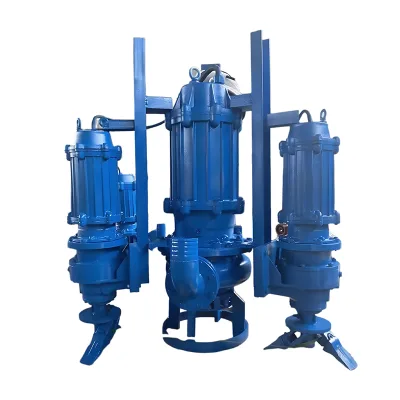
$285.00 - $533.00
MOQ: 1 sets
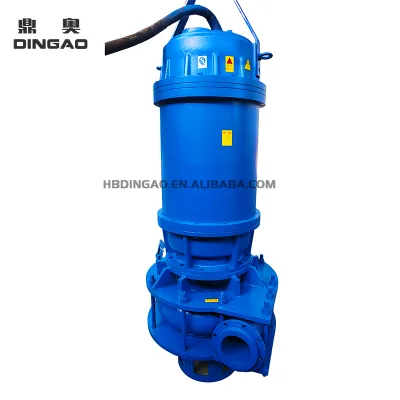
Hebei Zidong Pump Industry Co., Ltd.
- Manufacturer, Trading Company
- Hebei, China
- Lead time15 days
- Avg. response≤ 5h
Main productsslurry pump,dredging pump,sand pump,spare parts,mining pump
Main marketsSouthern Europe(8.33%), Northern Europe(8.33%), Central America(8.33%), Western Europe(8.33%), Eastern Asia(8.33%), Mid East(8.33%), Oceania(8.33%), Africa(8.33%), Southeast Asia(8.33%), Eastern Europe(8.33%), South America(8.33%), North America(8.33%)
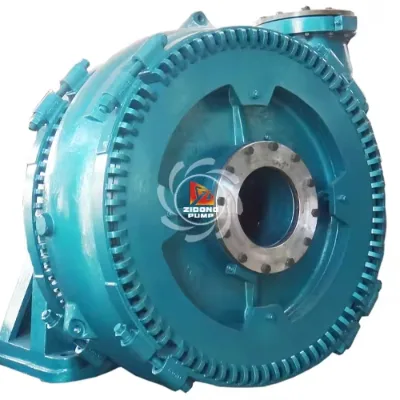
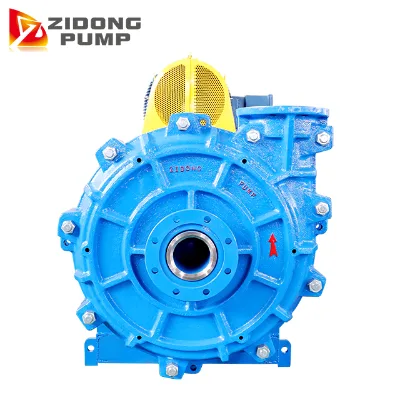
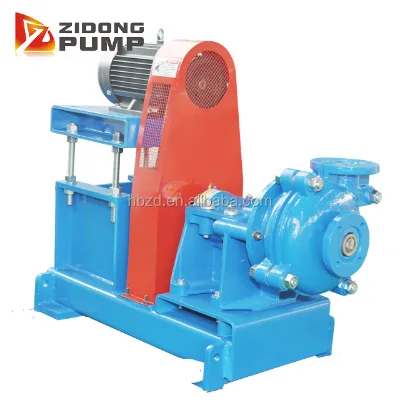
High Flow Rate Centrifugal Single Stage Sludge Dirty Mud Horizontal Slurry Pumps 16-14TU-ZGH
$5133.5504 - $8213.6806
MOQ: 1 sets
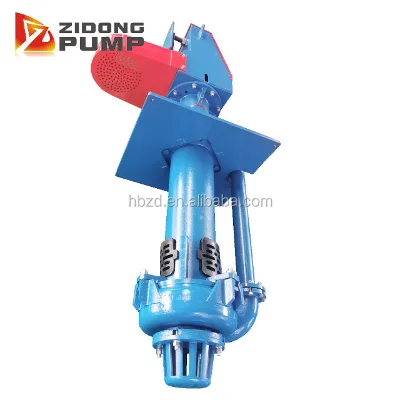
$5617.3286 - $5721.3532
MOQ: 2 sets
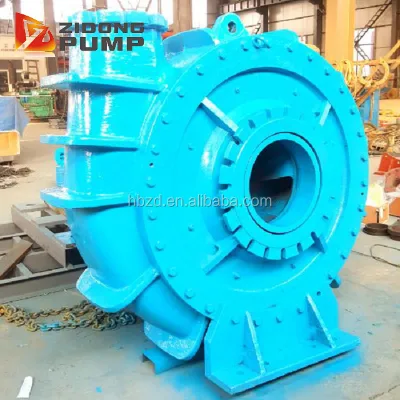
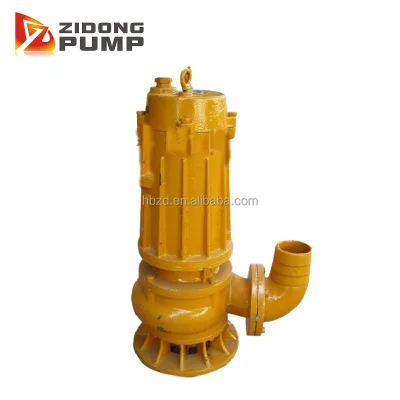
$5400.00

Tianjin Milestone Pump & Valve Co., Ltd.
- Verified by SGS
- Trading Company,Manufacturer/Factory
- China Tianjin
- Lead time15 days
- Avg. response≤ 8h
Main productsSubmersible Axial Flow Pump, Submersible Sewage Pump, Slurry Pump, End Suction Pump, Multistage Pump, Split Case Pump, Self Priming Pump, Chemical Pump
Main marketsSouth America,Mid East,Southeast Asia,Oceania,Western Europe
Chongqing Kongka Machinery Co., Ltd.
- Trading Company
- Chongqing, China
- Lead time10 days
- Avg. response≤ 3h
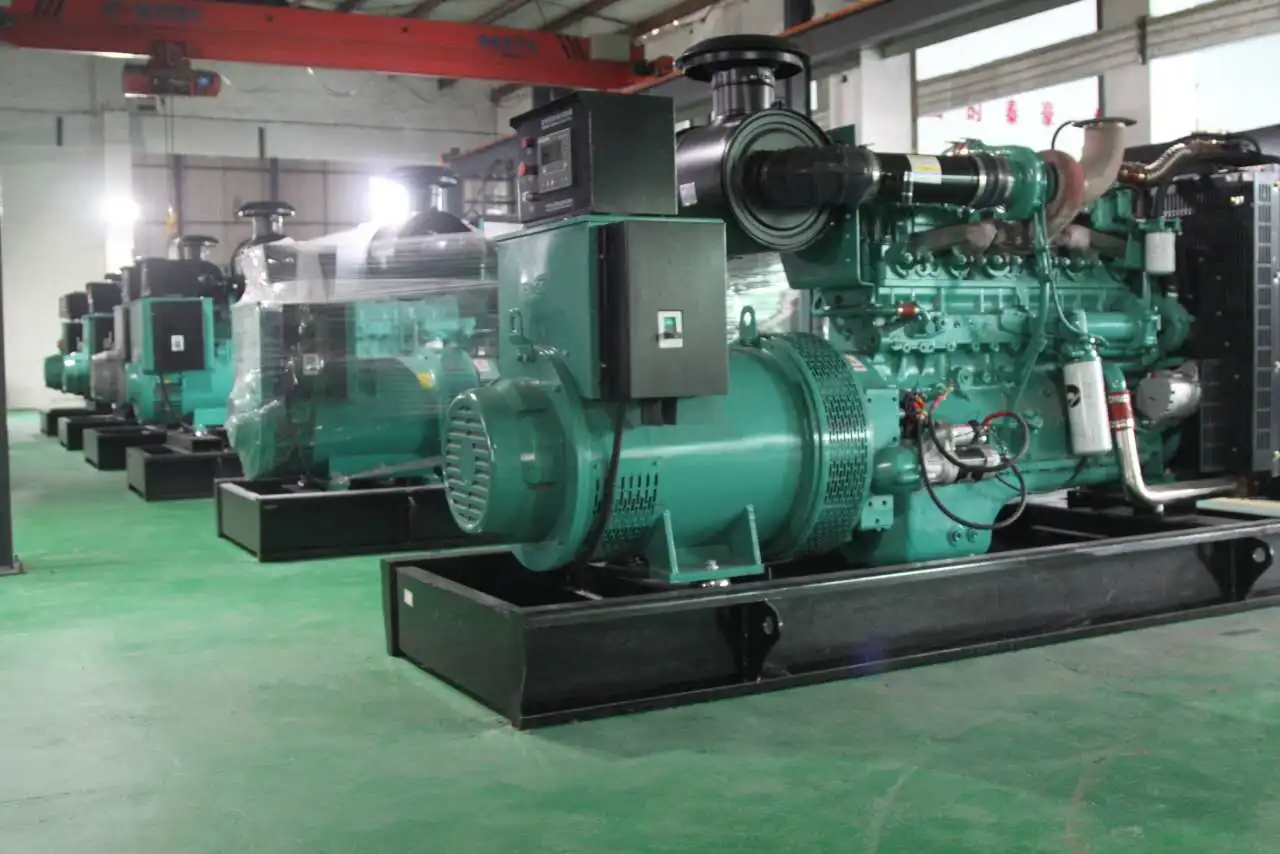
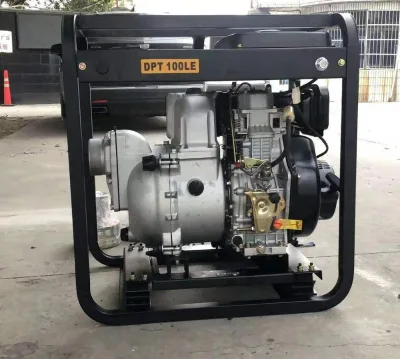
Main productsDiesel Generator,Gasoline Generator,gas Generator,Water Pump,diesel engine
Main marketsNorth America(35.00%), Africa(25.00%), Eastern Europe(10.00%), Central America(5.00%), Mid East(5.00%), Oceania(5.00%), South America(5.00%), Southeast Asia(5.00%), South Asia(2.00%), Western Europe(2.00%), Domestic Market(1.00%)
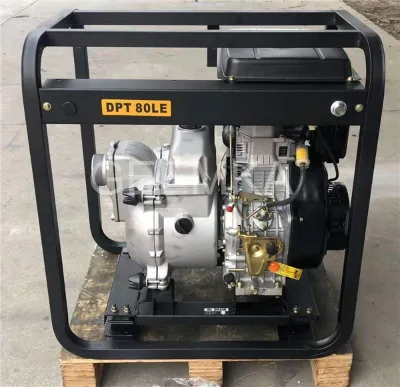
$725.00 - $750.00
MOQ: 1 sets
Hton Mechanical Equipment (Tian Jin) Co., Ltd.
- Trading Company
- Tianjin, China
- Lead time8 days
- Avg. response≤ 2h
Main productsoil drilling equipment,mud pump,mud pump parts and accessories,flame-proof motor,Cement rotary kiln
Main marketsEastern Europe(80.00%), North America(20.00%)
Hebei Yongquan Motor Pump Manufacturing Co., Ltd.
- Verified by TüVRheinland
- Manufacturer, Trading Company
- Lead time30 days
- Avg. response≤ 5h
Main productsSlurry Pump, Diesel Pump, Pipeline Pump, Centrifugal Pump, Submersible Pump
Main marketsSoutheast Asia(18%), Eastern Asia(17%), Africa(16%)
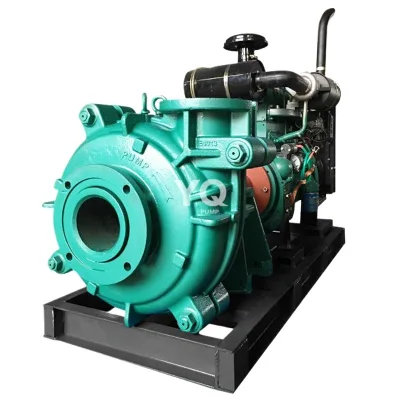
6 Inch Sludge Slurry Pump 3 Inch Diesel Powered Slurry Pump for Ponds
$725.1607 - $1139.5383
MOQ: 1 sets
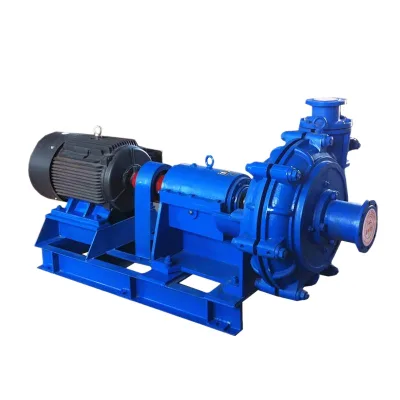
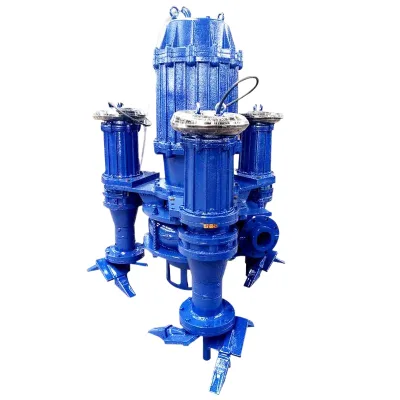
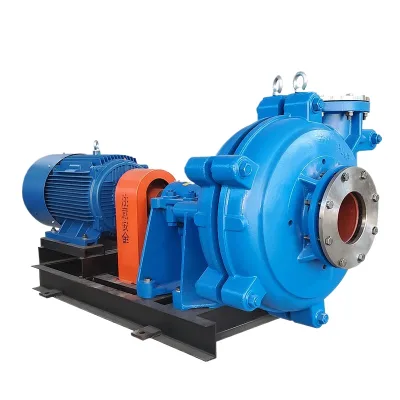
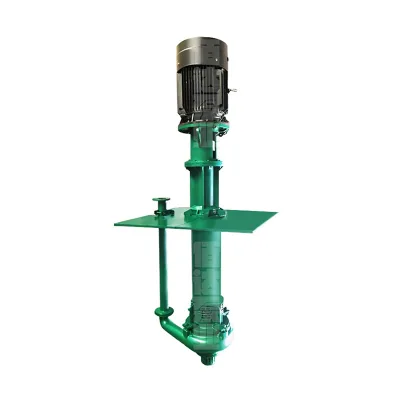
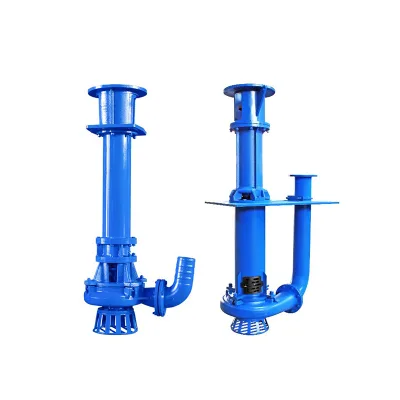
High Efficiency Submersible Slurry Pump With Electric Motor Factory Price Sale
$550.00 - $800.00
MOQ: 1

Qingdao Lanwu Import and Export Trade Co., Ltd.
- Verified by CTI
- Trading Company
- China Shandong
- Lead time23 days
- Avg. response≤ 5h
Main productsPump, Mixer, Aerator
Main marketsSouth America,Southeast Asia/ Mideast,Europe,North America

High-Performance Sludge Return Pump for Efficient Wastewater Management
$1100.00 - $1200.00
MOQ: 5 Pieces


Industrial-Grade Sludge Return Pump for Effective Waste Management Systems
$1500.00 - $1600.00
MOQ: 1 Pieces

New Durable Sludge Return Water Pump for Industrial Wastewater Systems
$350.00 - $450.00
MOQ: 1 Pieces
Depump Technology Shijiazhuang Co., Ltd.
- Verified by TüVRheinland
- Manufacturer, Trading Company
- Lead time30 days
- Avg. response≤ 1h
Main productsSlurry Pump, Submersible Pump, Chemical Pump, Water Pump, Sewage Pump
Main marketsSoutheast Asia(25%), Africa(14%), Oceania(10%)
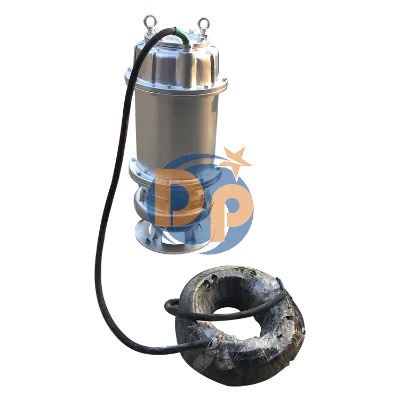
Electric Marine Sewage Dirty Water Booster Slurry Pump Diesel Sewage Pump
$462.3366 - $513.7073
MOQ: 1 sets
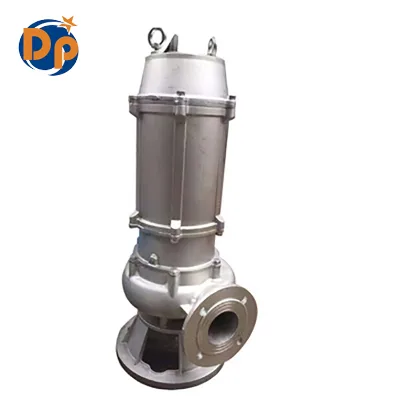
China Duplex Stainless Steel Submersible Sludge Pump Industrial Sewage Submerged Pump
$1303.9246 - $1408.2385
MOQ: 1 sets

Positive Displacement Slurry Dredge Liquid Pump
$700.00 - $750.00
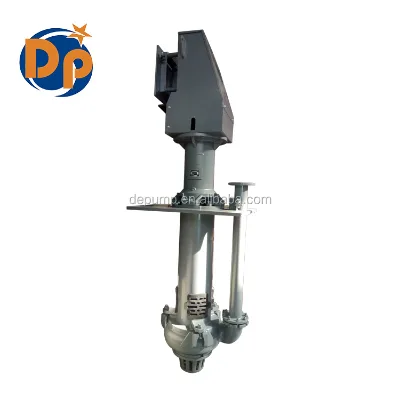
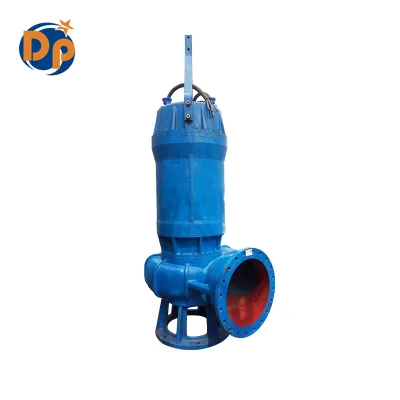
Electric High Flow Centrifugal Manure Sewage Pump
$2869.00 - $2969.00
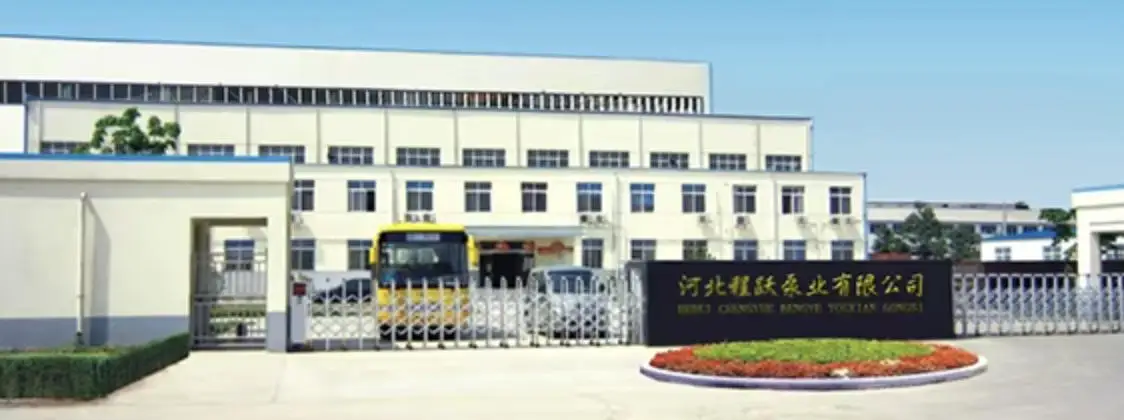
Hebei Chengyue Pump Industry Co., Ltd.
- Manufacturer, Trading Company
- Hebei Province, China
- Lead time20 days
- Avg. response≤ 1h
Main productsSlurry pump,Two-phase flow pulp pump,Desulfurization pump,double suction pump,centrifugal pump
Main marketsSoutheast Asia(50.00%), Domestic Market(15.00%), Mid East(10.00%), Africa(10.00%), South America(10.00%), Oceania(5.00%)
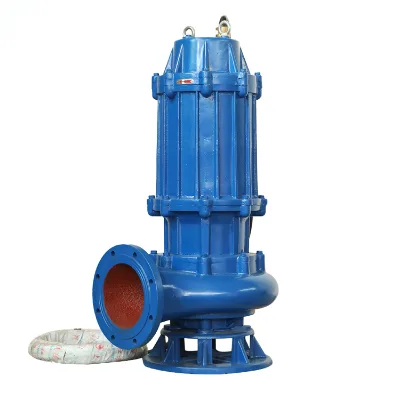
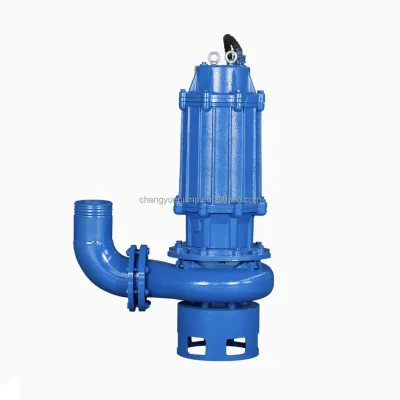
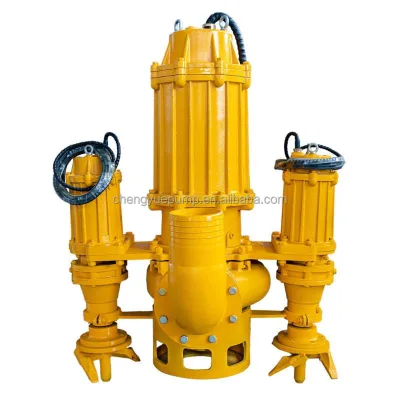
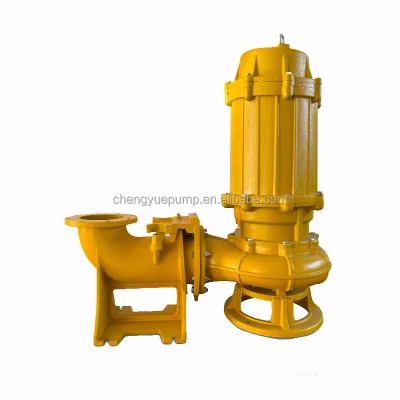
30 m Head Single-suction Submersible Stainless Steel Slurry Pump for Pumping Slurry
$309.0743 - $515.1239
MOQ: 1 pieces
Shijiazhuang An Pump Machinery Co., Ltd.
- Verified by TüVRheinland
- Manufacturer, Trading Company
- Lead time7 days
- Avg. response≤ 2h
Main productsSlurry Pump, Sand Gravel Pump, Submersible Sewage Pump, Diesel Water Pump, Water Pump
Main marketsSoutheast Asia(25%), North America(15%), South America(15%)
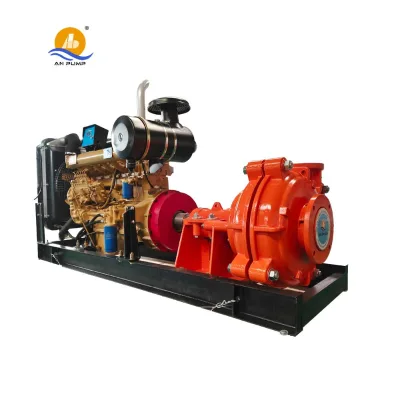
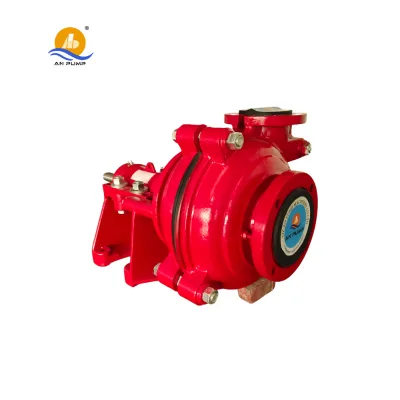
$2854.2549 - $3593.4852
MOQ: 1 sets
Hebei Tengwei Pump Industry Co., Ltd
- Manufacturer
- Hebei, China
- Lead time7 days
- Avg. response≤ 3h
Main productssubmersible pump,pipeline pump,slurry pump,Clean water pump,Agricultural irrigation pump
Main marketsMid East(8.00%), Eastern Asia(8.00%), Central America(7.00%), Western Europe(7.00%), Eastern Europe(6.00%), Oceania(6.00%), Africa(6.00%), Northern Europe(5.00%), Southeast Asia(5.00%), South America(5.00%), Southern Europe(5.00%), South Asia(4.00%), Domestic Market(3.00%), North America(2.00%)

- Verified by TUVRHEINLAND
- Trading Company
- China Shandong
- Lead time30 days
- Avg. response≤ 4h
Main productsSlurry Pump, Dredge Pump, Submersible Pump, Jet Suction Dredger, Cutter Suction Dredger, Gravel Pump
Main marketsSouth America,Southeast Asia/ Mideast,Europe
EMS PIONEER INTERNATIONAL LIMITED
- Manufacturer
- Hong Kong S.A.R.
- Lead time180 days
- Avg. response≤ 1h
Main productsHydraulic Demolition Tools, Portable Fire Pumps, Multi-Functional Thermal Imager, AC Voltage Detector, LED Portable Light
Main marketsDomestic Market(79.00%), South Asia(6.00%), Western Europe(5.00%), Eastern Asia(5.00%), Eastern Europe(3.00%), Southern Europe(2.00%)
Baoding Stone Pump Machinery Co., Ltd.
- Verified by Intertek
- Trading Company
- Lead time7 days
- Avg. response≤ 3h
Main productsSlurry Pump, Filter Press Feed Pump, Gravel Pump, Water Pump, Centrifugal Pump
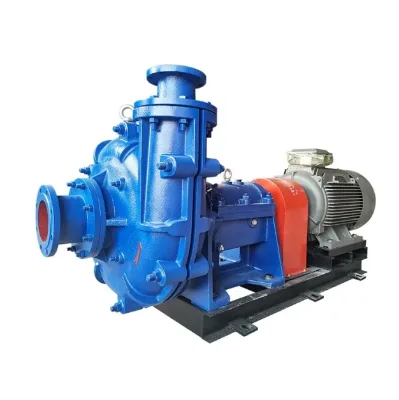
ZJ series sludge lime slurry pump high head high chromium alloy horizontal slurry pump
$369.00 - $399.00
MOQ: 1
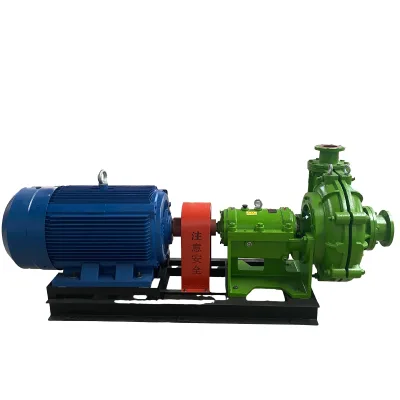
$369.00 - $590.00
MOQ: 1 sets

Zhejiang Yonjou Technology Co., Ltd.
- Verified by BV
- Trading Company,Manufacturer/Factory
- China Zhejiang
- Lead time23 days
- Avg. response≤ 8h
Main productsGear Pump, Diaphragm Pump, Screw Pump, Hot Oil Pump, Lobe Pump, Water Pump, Vacuum Pump, Dewatering Pump, Self Priming Pump, Chemical Pump
Main marketsSouth America,Eastern Europe,Mid East,North America,Southeast Asia,Eastern Asia,Oceania,Western Europe,Africa


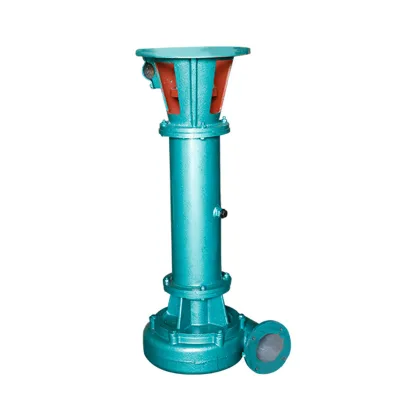


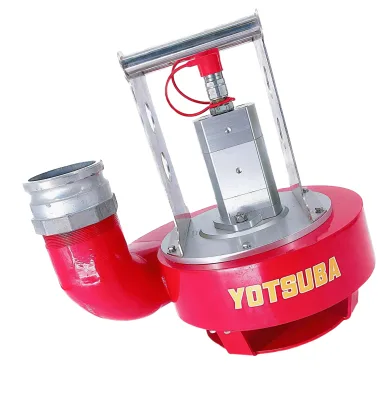
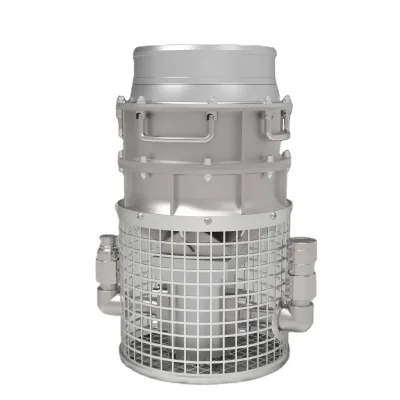


Comprehensive Sourcing Guide
Single-Stage Diesel Engine Sludge Pump Supplier Concentration and Factory Types
Suppliers of the single-stage diesel engine sludge pump on B2B platforms cluster heavily in China, and the current results consistently point to Hebei and Guangdong as the provinces where listed suppliers are based. Hebei listings in this category emphasize slurry and mud handling hardware — slurry pumps, gravel pumps, froth pumps, desulfurization pumps, submersible slurry pumps and matching parts — which places sludge pumps naturally within that product family. Guangdong suppliers come from a marine equipment background, listing bow thrusters, windlasses, winches, capstans and centrifugal pumps alongside dredge and mud pumps, so they may approach the category from a shipbuilding and dredging angle rather than a mining one. Both clusters matter to buyers, but they signal different engineering pedigrees.
Factory types split into manufacturers and trading companies, and this category shows both. Manufacturer/factory listings can point to own-brand output, OEM and ODM capability, while trading companies may aggregate several factories' ranges, sometimes covering both slurry pumps and dredge pumps under one storefront. Note that some suppliers blend the two labels, describing themselves as both trading company and manufacturer, which usually means assembly or finishing in-house with casting or machining outsourced. When you shortlist, check whether the supplier's main-product list actually centers on slurry, mud or dredge pumps or whether the pump is a sideline within a broader hardware or marine catalog. That distinction predicts depth of application knowledge.
How to Verify Single-Stage Diesel Engine Sludge Pump Suppliers
Verification starts with platform-level signals and ends with your own evidence requests. In this category, several suppliers carry third-party verification badges, including TÜV Rheinland and Bureau Veritas, which indicates the platform or an inspector has confirmed legal existence and basic business data. System certifications listed include ISO 9001 variants, ISO 14001, and in some product attributes CE, SGS and ISO 45001 claims. Treat product-attribute certificate lists as claims to confirm, not facts: ask for the certificate number and scope, then validate it against the issuing body's database. Scope matters, because a quality-management certificate scoped to trading activities says little about the casting and machining of a sludge pump casing.
Next, verify production reality rather than paperwork. Ask for a live video walkthrough of the pump assembly area and the impeller and casing machining cells, and request material certificates for the wetted parts, since sludge pumps live or die on wear-part metallurgy. Cross-check the supplier's declared product range — several listings here cover slurry pumps, gravel pumps, dredge pumps and spare parts, which supports genuine category involvement. For companies describing themselves as both trading company and manufacturer, ask which operations happen in-house and which are subcontracted, and request contact with the actual production site. Finally, confirm response behavior yourself: some listed suppliers report response times under three hours, and a supplier who answers a technical inquiry that quickly during sampling will likely behave the same way when a tolerance dispute arises.
What to Compare Across Single-Stage Diesel Engine Sludge Pump Suppliers
Build a comparison sheet from attributes suppliers actually display, then fill gaps by inquiry. Useful listed dimensions include lead time, minimum order quantity, response speed, verification status, system certifications, location, company type, and main products. In the current results, displayed lead times range from around fifteen days to around twenty-three days at supplier level, while one manufacturer's product attributes state three-to-five-day lead time on a specific model — showing how supplier-level and product-level values can differ. Minimum order quantities also vary; some listings show single-unit MOQs, which matters if you are buying one pump with spares rather than a fleet. Record each value as "displayed" or "stated by seller" until you have written confirmation.
Compare technical configuration in parallel with commercial terms. Listed product attributes reveal meaningful spread: motor or diesel-engine drive options, horizontal shaft orientation, single versus double suction impellers, single-stage construction, closed impellers, seal choices including packing, mechanical and expeller seals, and wetted materials spanning high chrome alloy, rubber, polyurethane and ceramic. Price bands in current listings run from roughly three hundred dollars on a high-pressure sludge pump unit to several thousand on dredge-class models, but treat displayed prices as anchors, not quotes. Also compare customization availability, which several listings explicitly mark as available, and packing format — export wooden boxes or plywood cases appear across results. Finally, weigh main-product focus: a supplier whose catalog is mostly slurry and dredge pumps will likely give better application feedback than one listing the pump among dozens of marine items.
Common Single-Stage Diesel Engine Sludge Pump Sourcing Risks
The most common risk is metallurgy substitution. Sludge pumps depend on wear parts — impellers, throat bushes, casing liners — and a supplier may quote against high chrome alloy then ship a cheaper gray iron equivalent. Current listings advertise material options including high chrome alloy, rubber, polyurethane and ceramic, so pin the exact grade, hardness and material certificate into the contract before deposit. A second risk is certificate inflation: product pages bundle CE, SGS, ISO and class-society references, but these can be claims, certifications scoped to other factories, or expired documents. Verify each number independently rather than accepting screenshot evidence.
Logistics and configuration risks follow. Diesel-engine-driven pumps are heavier and more regulated than electric units, so confirm engine brand, emissions documentation, fuel-tank capacity and whether the engine and pump are coupled and tested together before shipment — a supplier whose background is marine equipment may handle this differently from a mining-slurry specialist. Ambiguity between a supplier's trading and manufacturing identity is another trap; if you believe you are buying from the factory and are actually buying from a trading intermediary, warranty decisions slow down. Also watch stated versus actual lead times: supplier-level figures around fifteen or twenty-three days can exclude casting time for non-standard materials. Finally, avoid accepting single-point flow or head figures without a tested curve; ask for a factory test report at duty point, witnessed or videoed, before releasing the balance payment.
Single-Stage Diesel Engine Sludge Pump Regional Sourcing and Logistics
The evidence in this category points to two Chinese sourcing regions with different logistics profiles. Hebei suppliers, positioned near northern industrial and mining supply chains, list slurry pumps, gravel pumps, submersible slurry pumps and parts as core products, with some goods packed in standard export wooden boxes; inland origin means container or break-bulk haulage to a northern port before ocean freight. Guangdong suppliers, rooted in marine equipment manufacturing, list dredge pumps, mud pumps, single-walled and double-walled dredge pumps and centrifugal pumps, with production near southern ports where marine-class customers are common. Match the region to your application: mining and tailings buyers may favor Hebei-style slurry specialists, while dredging and marine buyers can leverage Guangdong's class-society familiarity, where listings reference ABS, GL, DNV, BV and CCS standards.
Plan logistics around weight and fragility. A diesel-driven sludge pump with baseplate, coupling guard and engine typically ships in an export wooden box or wooden case, so confirm packaging standard, lifting points and whether the engine is drained of fluids for transport. For spare parts, ask whether they ship alongside the pump in the same crate to save freight. Lead times displayed range from roughly two to over three weeks at supplier level, so build buffer into project schedules, especially for non-standard chrome alloy castings. Confirm Incoterms early, and ask which port the supplier actually ships from rather than assuming the nearest one.
Single-Stage Diesel Engine Sludge Pump Commercial Terms and Order Planning
Commercial terms should be locked in writing before deposit. Use the displayed anchors to frame negotiations: current listings show single-unit MOQs on some pumps, price points from a few hundred to several thousand US dollars depending on model and configuration, and supplier response times below three hours on several profiles. Request itemized quotations separating pump, engine, baseplate, spares and packing, because diesel-driven configurations vary widely and bundled pricing hides the cost of wear parts. Confirm warranty scope on both pump and engine separately, since they often carry different terms, and specify what documentation you receive: test curves, material certificates, engine manual and packing list.
Order planning should sequence payments against verifiable milestones. A sensible structure is a deposit against order confirmation, a second milestone after factory hydrostatic and performance testing at duty point with video evidence, and balance before shipment against the packed, photo-verified crate. For first orders, keep the volume conservative even where MOQ allows flexibility, and add one full set of wetted wear parts to the same shipment so future replacements match the as-built metallurgy. Confirm lead time in calendar days from cleared deposit, not from order date, given listed supplier lead times in the two-to-four-week range plus casting variability. Finally, record the seller's stated certifications, verification badge, location and company type in your file, and re-verify the badge at ordering time, since supplier listings and their attributes can change between research and purchase.
The article above contains six level-2 sections totaling approximately 1390 words, with each section holding between 225 and 235 words in two balanced paragraphs.
FAQs
What is the price range for single-stage diesel sludge pumps?
Prices for single-stage diesel sludge pumps typically range from $1,400 to $2,800 for specific dredge models. Other industrial variants may start around $308 or extend up to $80,000 depending on size and material. Buyers should verify exact pricing for their required flow rate and pressure specifications before ordering.
What certifications do these pumps usually hold?
Manufacturers often provide ISO9001, ISO14001, and ISO45001 certificates for their slurry pump systems. Additional product certifications may include CE and SGS marks. Some marine-grade dredge pumps also meet ABS, GL, DNV, BV, or CCS class standards. Buyers should request valid documentation to ensure compliance with local regulations.
How long does delivery usually take?
Standard lead times for these pumps generally range from 15 to 23 days. Some suppliers list faster production windows of three to five days for specific models. Actual delivery depends on customization needs and stock availability. Buyers should confirm the exact timeline with the supplier before finalizing the purchase agreement.
What materials are used for pump components?
Pump components are commonly made from high chrome alloy, rubber, polyurethane, or ceramic. These materials ensure wear resistance for handling abrasive slurries and gravel. The impeller and casing materials are selected based on the specific application requirements. Buyers should specify the slurry type to ensure the correct material selection.
What is the minimum order quantity?
The minimum order quantity is typically one unit for most single-stage sludge pumps. This allows buyers to test performance before placing larger orders. Some suppliers may offer different terms for customized or heavy-duty industrial models. Buyers should verify the MOQ directly with the supplier to confirm current policies.
Where are these pumps manufactured?
These pumps are primarily manufactured in China, with production facilities located in Hebei and Guangdong provinces. Suppliers in these regions specialize in mining, dredging, and industrial slurry handling equipment. Buyers should verify the specific manufacturing location to assess logistics costs and supply chain reliability for their region.