Small Electric SUV Suppliers and Manufacturers in China
Compare 24 verified suppliers offering Small Electric SUV options with varying lead times, response speeds, and certifications like TüVRheinland or SGS. Review product specs such as range and charging times, then request quotes directly from the listed factories; review the available evidence before requesting comparable quotations from suitable candidates.
Updated
Suppliers List
Chongqing Broker Technology Co., Ltd.
- Verified by TüVRheinland
- Trading Company
- Lead time3 days
- Avg. response≤ 2h
Main productsElectric Cars, Fuel Cars, Used Cars, Commercial Vehicle, Auto Parts
Main marketsEastern Europe(35%), Africa(20%), Mid East(15%)
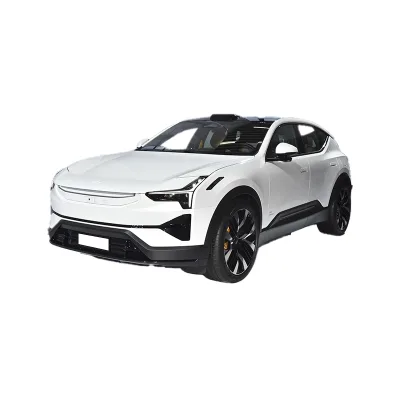
Cheap Small Adults 4 Wheel Suv Electric Car Original Ev Cars Made in China Electric Ev Car
$83358.5326 - $95266.8944
MOQ: 1 units
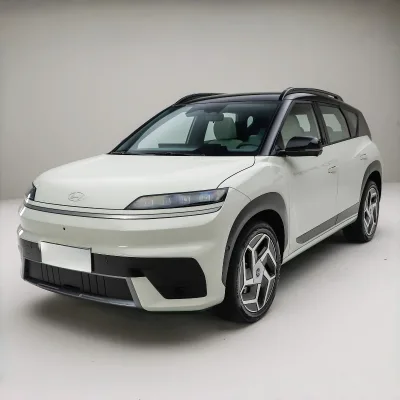
$16535.00 - $25507.00
MOQ: 1 Minimum
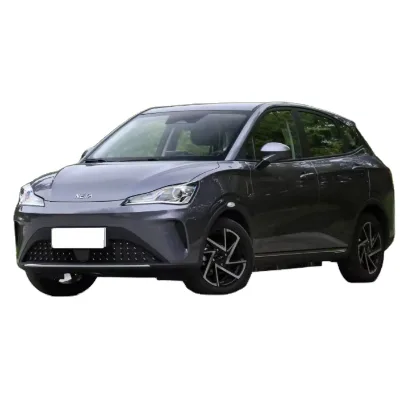
$30897.1302 - $35310.7108
MOQ: 1 pieces
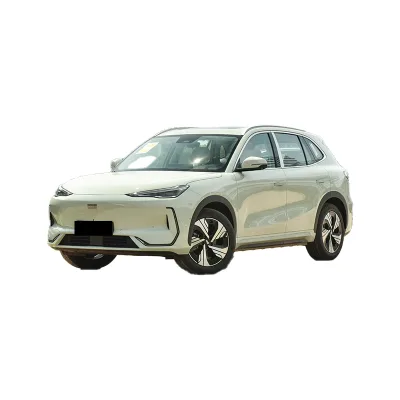
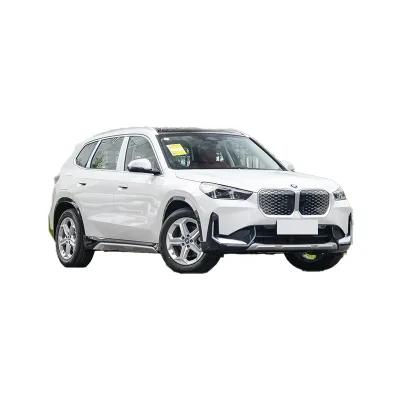
Micro 4 Wheel New Energy Vehicle 5 Door 5 Seat Mini EV SUV Made in China Electric Car
$14580.00 - $16663.00
MOQ: 2 units
Xiamen Aecoauto Technology Co., Ltd.
- Verified by SGS Group
- Trading Company
- Lead time15 days
- Avg. response≤ 3h
Main productsElectric Car, Used Car, EV Charger, Charing Station, Spare Parts
Main marketsSouth America(40%), Eastern Europe(30%), Mid East(20%)
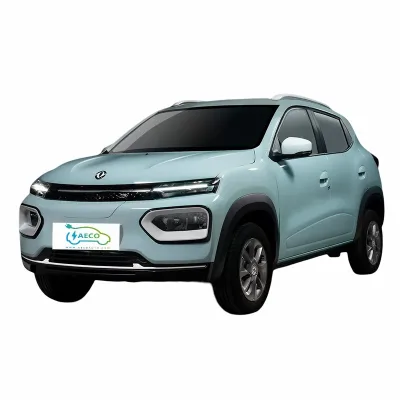
Ex1 Box Pure Electric Small Suv Adults New Energy Vehicles Electric Cars
$8900.00 - $9500.00
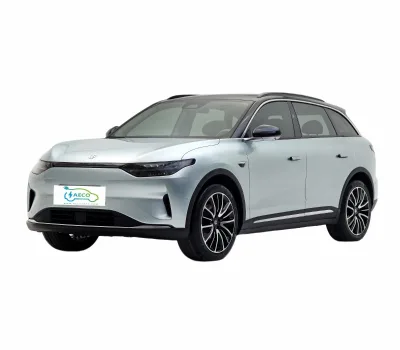
C11 2024 Version Pure Electric Cars New Energy Vehicles 2024 Popular Gray Suv Big Space Suvs
$28600.00 - $29600.00
MOQ: 1 pieces
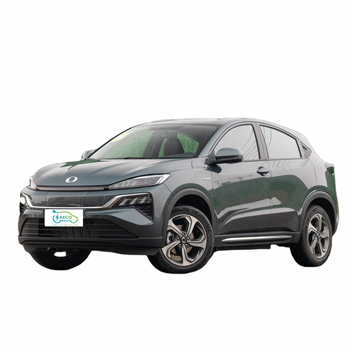
2023 Professional Manufactured Electric Car M-nv Long Range Electric Car on Sale
$15376.00 - $17376.00
MOQ: 1 pieces
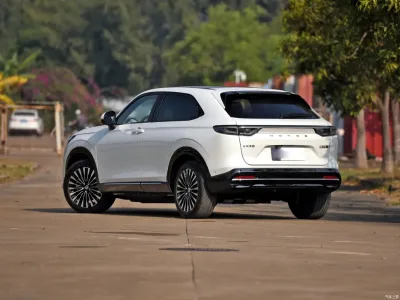
Used New Electric SUV High-Efficiency New Energy Vehicle
$10958.00 - $11358.00
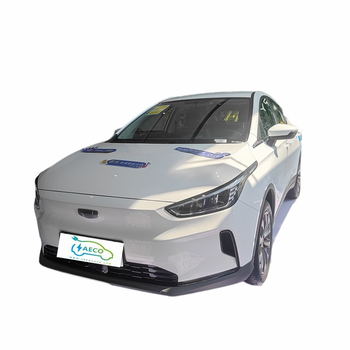
Chinese 5 Seats Adult Geometry C Ev Car New Energy Vehicles Electric Cars for
$20600.00 - $21500.00
MOQ: 1 pieces
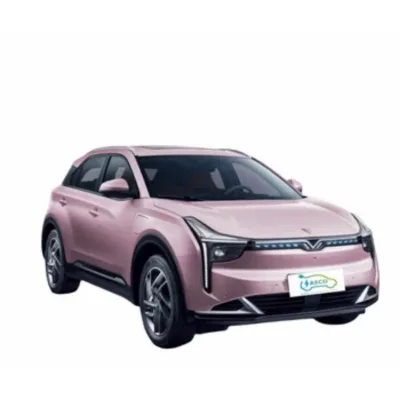
2024 U Fashion Design Fast Charging Ev China Hot Sale High Speed Electric Vehicle
$19800.00 - $21300.00
MOQ: 1 pieces

Qingdao Yuanhe Chelian New Energy Vehicle Service Co., Ltd.
- Verified by SGS
- Trading Company
- China Shandong
- Lead time30 days
- Avg. response≤ 5h
Main productsAuto Parts, Byd Electrical Car, Mercedes Smart #1 Electric Car, Byd Qin Electric Car, Byd Haiyang Song, Byd Dolphin Electric Car, Byd Han Electric Car, Byd Seal Electric Car, Byd E5 Electric Car, Xpeng Electric Car
Main marketsSouth America,Southeast Asia/ Mideast,Domestic

Shanghai Kiwi Auto Sales and Service Co., Ltd
- Verified by SGS
- Trading Company
- China Shanghai
- Lead time30 days
- Avg. response≤ 3h
Main productsElectric Vehicle, Gasoline Car, EV Car, Auto Car, Van, SUV, Pickup, Mini Car, Vehicle Car
Main marketsSouth America,Africa,Southeast Asia/ Mideast,Europe

$15000.00 - $17000.00
MOQ: 1 Pieces

$15000.00 - $17000.00
MOQ: 1 Pieces
Shandong Chengda Auto Sales Co., Ltd.
- Manufacturer, Trading Company
- Lead time旺季: "1 - 10":30,"> 10":"To be negotiated", 淡季: "1 - 10":30,"> 10":"To be negotiated"
- Avg. response≤ 4h
Main productsTruck, Semi Trailer, Used Truck, Used Trailer, New Energy Vehicle
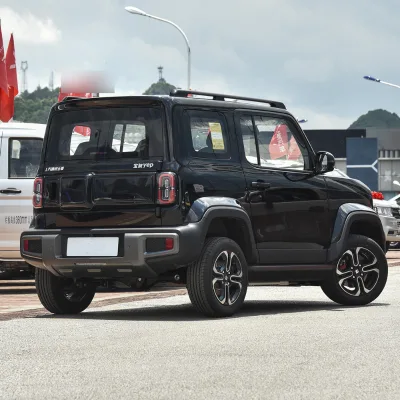
Cheaper 2023 4 Seat 303KM 68HP Wuling Baojun Yep EV Small Electric Vehicles SUV
$13000.00 - $14300.00
MOQ: 1 sets
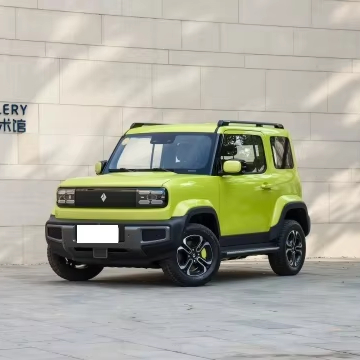
China Small SUV New Energy Yep Plus 3 Doors 4 Seats Baojun Yep Mini Electric Cars
$8950.7658 - $10133.9131
MOQ: 1 units
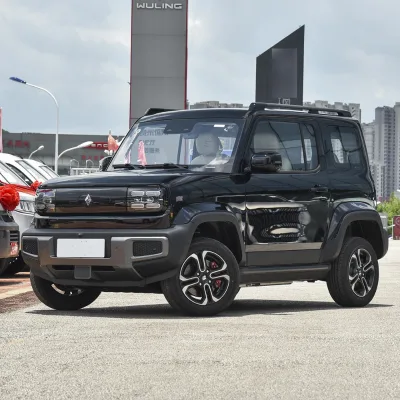
New Lady's Cool 3 Doors 4 Seat New Energy Mini Car Wuling Baojun Yep Mini SUV
$13000.00 - $14300.00
MOQ: 1 sets
Henan Tarzan Heavy Industry Group Co., Ltd.
- Verified by SGS Group
- Manufacturer, Trading Company
- Lead time35 days
- Avg. response≤ 4h
Main productsExcavator, Loader, Bulldozer, Road Roller, Truck Crane
Main marketsAfrica(50%), South America(15%), Mid East(10%)
Qingdao Csd Auto And Equipment Co., Ltd.
- Verified by Intertek
- Manufacturer, Trading Company
- Lead time30 days
Main productsNew Energy Vehicles, Heavy Truck, Pickup Truck, Trailer, Light Truck
Main marketsMid East(30%), Western Europe(22%), Eastern Europe(18%)
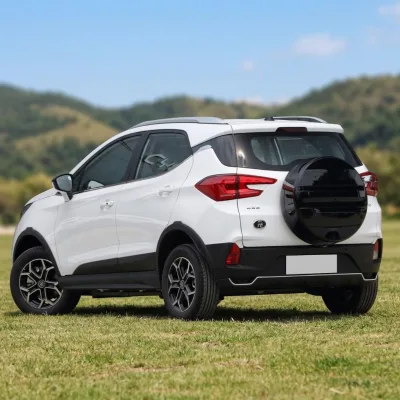
China Made 2023 Small New Energy SUV 320km Luxury Edition Electric Vehicle
$13200.00 - $14300.00
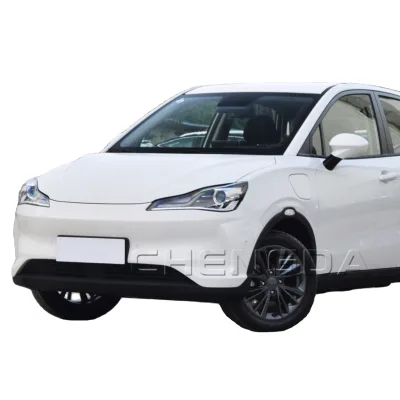
Hot Popular 55kw Mini High Speed Type 301km Driving Range Changan Benben Electric Car
$6981.6285 - $7392.3125
MOQ: 1 sets

Fujian Century Sea Group Co., Ltd.
- Verified by TUVRHEINLAND
- Trading Company,Manufacturer/Factory
- China Fujian
- Lead time0 days
- Avg. response≤ 7h
Main productsElectric SUV, Gasoline SUV, Electric Car, Gasoline Car, Electric MPV, Mini Car, Electric Truck, Cold Room, Solar Cold Room, Ice Machine
Main marketsSouth America,Eastern Europe,Mid East,North America,Southeast Asia,Eastern Asia,Oceania,Western Europe,Africa

Electric Technology Small SUV Compact Advanced Safety Mini Eco-Friendly Pure Electric Subcompact
$3700.00 - $5700.00
MOQ: 1 sets

Fast Charging SUV with Luxury Interior and High Quality Electric Car Features
$9890.00 - $10995.00
MOQ: 1 sets


South East Motor Import & Export Co., Limited
- Trading Company,Manufacturer/Factory,Group Corporation
- China Chongqing
- Lead time23 days
- Avg. response≤ 12h
Main productsSUV, Truck, Bus, Van, EV Car, Electric Car, Pickup, Automobile, Sedan, Vehicle Spare Parts.
Main marketsSouth America,Eastern Europe,Mid East,Southeast Asia,Eastern Asia,Oceania,Africa

Jiangsu Jinpeng Group Co., Ltd.
- Verified by TUVRHEINLAND
- Trading Company,Manufacturer/Factory
- China Jiangsu
- Lead time30 days
- Avg. response≤ 13h
Main productsTricycle, Electric Tricycle, Electric Vehicle, Electric Car, Electric Bike, Gasoline Tricycle, Electric Scooter, Electric Leisure Three Wheel, Electric Passenger Tricycle, Mini Electric Car
Main marketsSouth America,Eastern Europe,Mid East,North America,Southeast Asia,Eastern Asia,Oceania,Africa

SUV Electric Carelectric Car Electric Car SUV Electric Car Low Speed Cars
$4080.00 - $4300.00
MOQ: 4 Pieces


Zhengzhou Carstar Vehicle Sales Co., Ltd.
- Verified by TUVRHEINLAND
- Trading Company
- China Henan
- Lead time30 days
- Avg. response≤ 5h
Main productsUsed Bus, Used Dump Truck, Used Tractor Truck, Used Water Tanker Truck, Used Fuel Tank Truck, Used Excavator, Used Bulldozer, Used Loader, Used Motor Grader, Semi-Trailer
Main marketsSouth America,Africa,Europe


Energy Electric Vehicle Motors Car Automobile Cars Made in China Car SUV Electric
$12000.00 - $20000.00
MOQ: 1 Sets

Qingdao Csd Auto And Equipment Co., Ltd.
- Manufacturer, Trading Company
- Lead time旺季: "1 - 5":15,"6 - 10":25,"11 - 15":30,"> 15":"To be negotiated", 淡季: "1 - 5":15,"6 - 10":25,"11 - 15":30,"> 15":"To be negotiated"
- Avg. response≤ 3h
Main productsNew Energy Vehicle, Pickup Truck, Light Truck, Heavy Truck, Semi Trailer
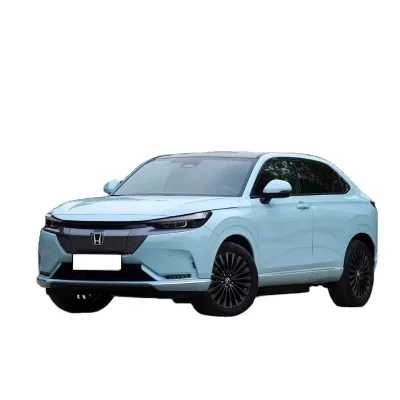
Pure Electric Small SUV HONDAe:NP1 2023 420km Extreme Edition
$16000.00 - $17000.00
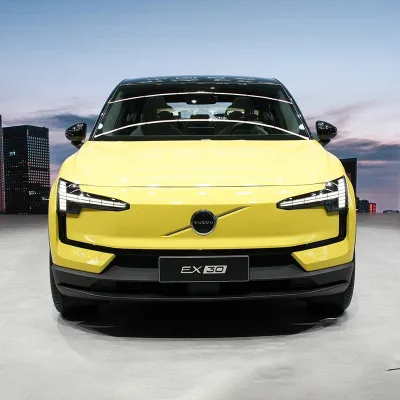
$30556.0627 - $31070.4745
MOQ: 1 units
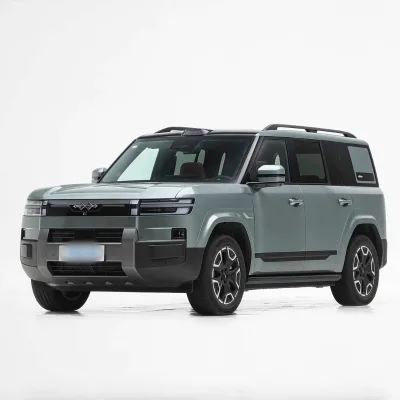
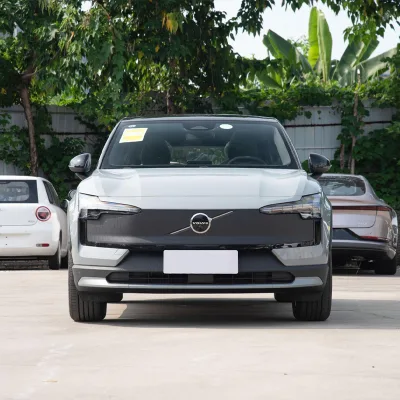
$31893.5335 - $32407.9453
MOQ: 1 units
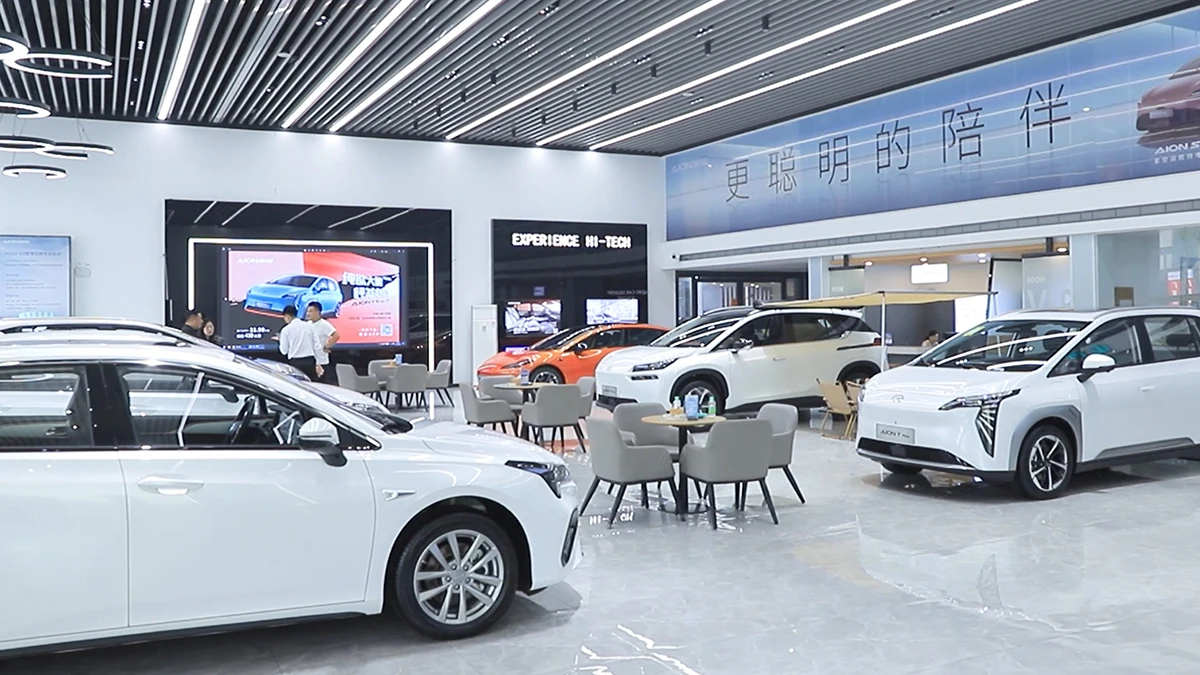
Linyi Guangzhong Automobile Sales Service Co., Ltd.
- Trading Company
- Shandong, China
- Lead time15 days
- Avg. response≤ 6h
Main productsNew Energy Vehicles,Gas Vehicles,Used Cars,Hybrid Vehicles
Main marketsDomestic Market(100.00%)
Shandong Dabang Environmental Technology Co., Ltd.
- Verified by SGS Group
- Trading Company
- Lead time7 days
- Avg. response≤ 5h
Main productsElectric Tricycles, Low-speed Electric Four-wheeled Vehicle, Motorized Tricycle, Electric Pickup Trucks
Main marketsSoutheast Asia(25%), Mid East(16%), South America(15%)
Jinan Runyuan Automobile Sales Co., Ltd.
- Trading Company
- Lead time旺季: "1 - 3":30,"4 - 10":40,"11 - 20":50,"> 20":"To be negotiated", 淡季: "1 - 3":30,"4 - 10":40,"11 - 20":50,"> 20":"To be negotiated"
- Avg. response≤ 1h
Main productsCargo Trucks, Dump Trucks, Refrigerator Trucks, New Energy Vehicle

Qingdao Uniland Import and Export Co., Ltd.
- Verified by TUVRHEINLAND
- Trading Company,Manufacturer/Factory
- China Shandong
- Lead time23 days
- Avg. response≤ 4h
Main productsElectric Car, Electric Vehicle, EV Car, Electric Truck, Electric Van, Electric Bus, Used Electric Car, Toyota EV, Avatr Car, Byd Cars
Main marketsSouth America,Eastern Europe,Mid East,North America,Southeast Asia,Eastern Asia,Oceania,Western Europe,Africa

$29780.00 - $29980.00
MOQ: 1 Pieces

$34800.00 - $35100.00
MOQ: 1 Pieces
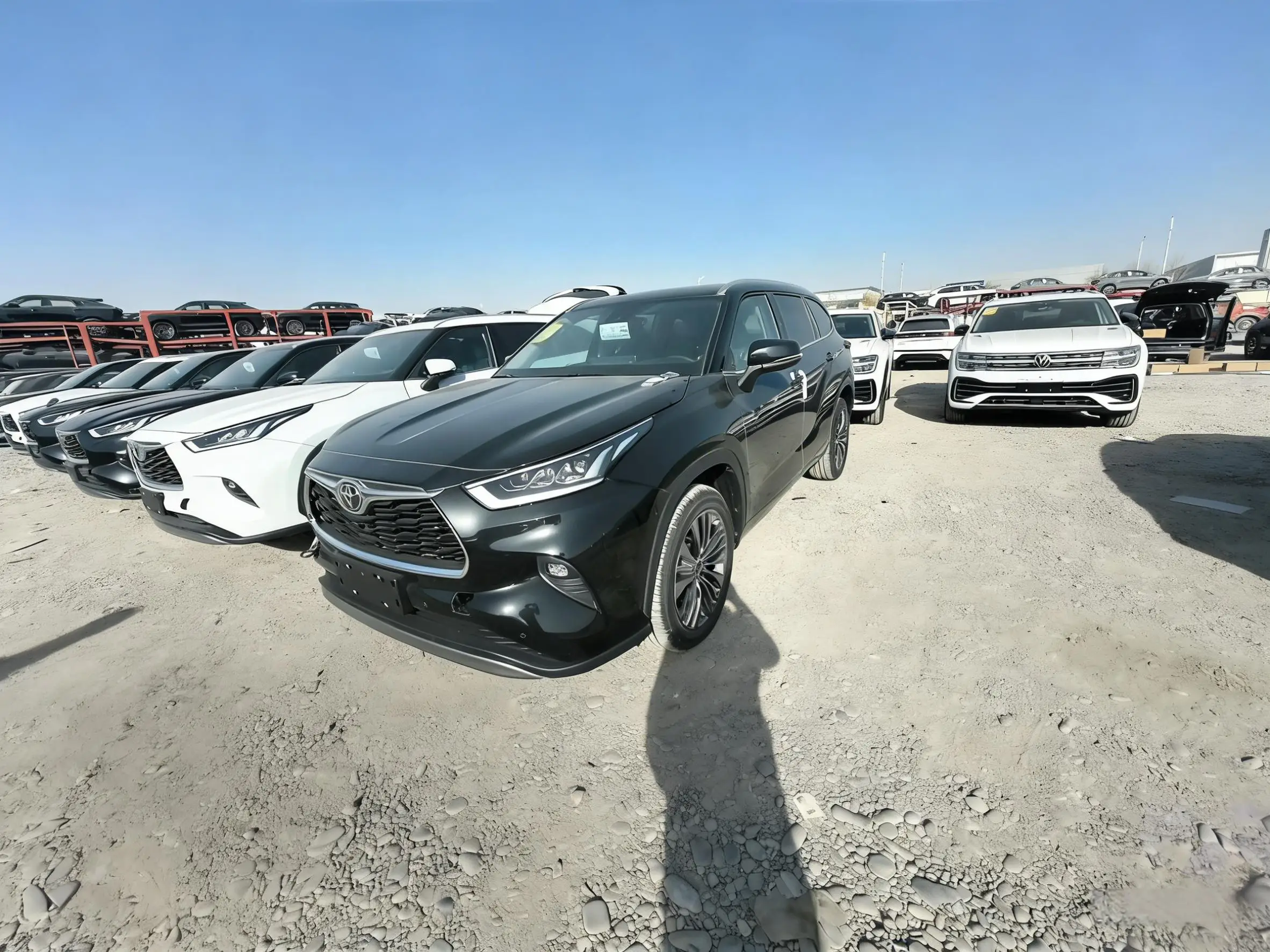
Xiamen Sirisky Import And Export Co., Ltd.
- Trading Company, Distributor/Wholesaler
- Fujian, China
- Lead time15 days
- Avg. response≤ 1h
Main productsElectric Cars,New Energe Cars,Used Cars,Electric Vehicles,Chinese EV
Main marketsMid East(40.00%), Eastern Asia(30.00%), Eastern Europe(20.00%), Africa(10.00%)
Inner Mongolia Hefit Automobile Co., Ltd.
- Verified by Intertek
- Manufacturer, Trading Company
- Lead time0 days
- Avg. response≤ 5h
Main productsAero Massage Seat, New Car, Used Car, New Energy Vehicle
Main marketsAfrica(80%), Mid East(10%), Western Europe(10%)
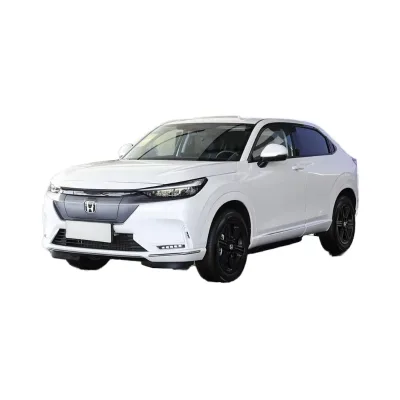
2023 Guangqi Hondae NP1 Pole 1 a Small SUV with 420km Pure Electric Range New Energy Vehicle Version
$7466.1742 - $8062.8917
MOQ: 1 Minimum

$8000.00 - $8300.00
MOQ: 1 units
Chongqing Jinyu Import And Export Trading Co., Ltd.
- Verified by TüVRheinland
- Trading Company
- Lead time0 days
- Avg. response≤ 2h
Main productsUsed Cars, New Cars, Electric Cars, New Energy Vehicles, Cargo Trucks
Main marketsAfrica(50%), South America(10%), Eastern Europe(10%)
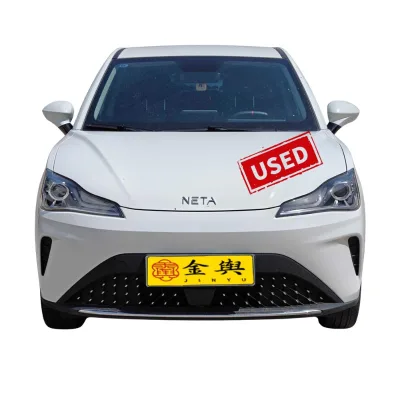
Second Hand for Aya 2023 EV 318km Range 5door 5seat LHD High Speed Small SUV Low Mileage Cheap Price
$4004.1693 - $5646.9054
MOQ: 1 units
Qingdao Csd Auto And Equipment Co., Ltd.
- Manufacturer, Trading Company
- Lead time旺季: "1 - 2":10,"3 - 5":15,"6 - 10":20,"> 10":"To be negotiated", 淡季: "1 - 2":10,"3 - 5":15,"6 - 10":20,"> 10":"To be negotiated"
- Avg. response≤ 3h
Main productsSemi Trailer
Jinan Hongteng Machinery Equipment Co., Ltd.
- Trading Company
- Shandong, China
- Lead time25 days
- Avg. response≤ 7h
Main productsMini Electric Car,sports car,Cheap electric cars supplier,eec four wheels,suv car
Main marketsMid East(50.00%), North America(30.00%), Southeast Asia(20.00%)
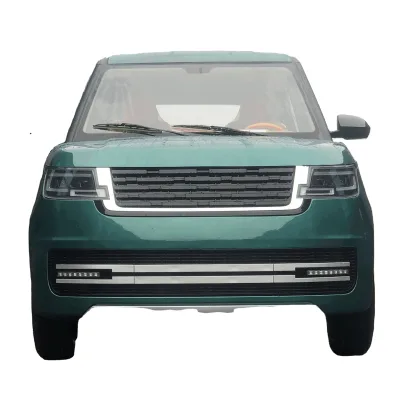
Mini EV Electric 4 Doors 4 Seats New Design Chinese Manufacture SUV with Left Steering
$4104.0222 - $4617.0249
MOQ: 1 units

Tianjin Huichi Tongda International Trade Co., Ltd.
- Verified by BV
- Trading Company
- China Tianjin
- Lead time30 days
- Avg. response≤ 2h
Main marketsDomestic

China Factory Modern Pure Electric SUV for Cross-Border Auto Trading Business
$25600.00 - $26400.00
MOQ: 1 A vehicle

Stylish Appearance EV SUV Integrate Technology and Practical Performance
$16500.00 - $18000.00
MOQ: 3 A vehicle

Eco-Friendly Compact SUV with Special Bulk Purchase Pricing Options
$15800.00 - $16800.00
MOQ: 1 A vehicle

Energy Saving EV SUV Lower Operation Cost for Daily Urban Commuting
$16500.00 - $18000.00
MOQ: 3 A vehicle

Multiple Stylish Exterior Colors EV SUV Satisfy Diverse Buyer Preferences
$25600.00 - $26400.00
MOQ: 1 A vehicle

Cost Effective EV SUV Provide Attractive New Energy Outdoor Travel Option
$25600.00 - $26400.00
MOQ: 1 A vehicle
Fujian Century Sea Group Co., Ltd.
- Verified by SGS Group
- Trading Company
- Lead time10 days
- Avg. response≤ 6h
Main productsNew Cars, Used Cars, Cold Room, Ice Machine, Solar Cold Room
Main marketsSouth America(50%), Africa(20%), Southeast Asia(20%)
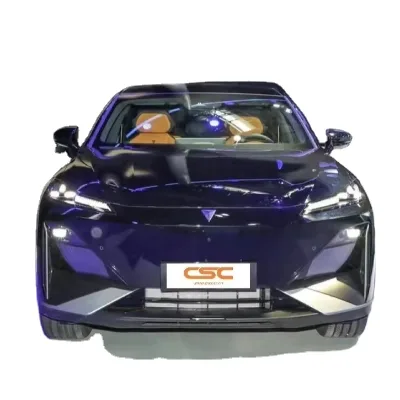
$21348.8944 - $22535.3439
MOQ: 1 sets
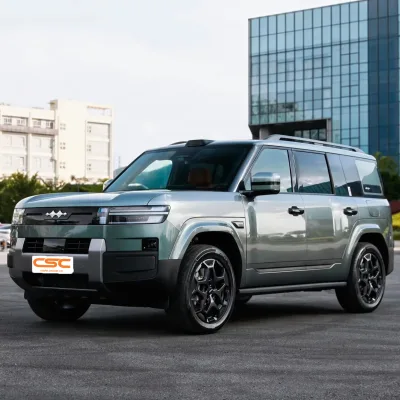
2026 Plug-in Hybrid SUV 1.5T 156HP 700km Range 90-110kWh Battery LHD Export
$9000.00 - $9100.00

Beijing EFON Technology Co., Ltd.
- Verified by SGS
- Trading Company
- China Beijing
- Lead time60 days
- Avg. response≤ 12h
Main productsCommercaial Vehicle, EV Truck, Ice Truck, Pickup Truck, Van, Construction Machinery, Sanitation Vehicle, Pickup Truck Prats, Self-Research Parts, Epto
Main marketsEurope

Efficient Compact SUV: Exceptional Fuel Efficiency and Spacious Interior
$15000.00 - $18000.00
MOQ: 1 Unit


Space Maximizing SUV: Compact Design with Fuel Efficient Performance
$15000.00 - $18000.00
MOQ: 1 Unit




Comprehensive Sourcing Guide
Small Electric SUV Supplier Concentration and Factory Types
The current supplier landscape for small electric SUVs is dominated by trading companies rather than direct manufacturers, which significantly influences how buyers should approach their sourcing strategy. Evidence indicates that the primary company type observed among available suppliers is a trading entity, meaning these intermediaries facilitate the connection between buyers and the actual production facilities. This structure implies that while the suppliers listed are verified, they may not own the factories producing the vehicles. Buyers must understand that trading companies often aggregate products from multiple origins, which can affect consistency in quality control and communication. The presence of verified entities such as those certified by TüVRheinland and SGS Group suggests a layer of professional oversight, but it does not equate to factory ownership. Consequently, the concentration of suppliers is less about geographic clustering of manufacturing plants and more about the aggregation of trade services in key commercial hubs.
When evaluating the types of entities available, it is crucial to distinguish between pure trading operations and those with deeper supply chain integration. Some suppliers may offer customized solutions, such as graphic processing or on-demand customization, indicating a level of service beyond simple resale. However, the core product evidence points to a variety of origins, including Chongqing, China, and SHN, suggesting that the actual manufacturing might be dispersed across different industrial zones. For instance, specific models are linked to Chongqing, while others originate from Fujian or SHN. This dispersion means that a single supplier might source from multiple factories depending on inventory and demand. Buyers should not assume that a single supplier represents a single factory. Instead, they should view the supplier as a node in a broader network. Understanding this dynamic is essential for managing expectations regarding production capacity and the ability to scale orders. The trading company model offers flexibility but requires more rigorous due diligence to ensure that the underlying manufacturing standards meet the buyer’s specific requirements for safety and performance.
How to Verify Small Electric SUV Suppliers
Verification is a critical step in mitigating risk when sourcing small electric SUVs, especially given the prevalence of trading companies in the current results. Buyers should prioritize suppliers that hold third-party verification badges, such as those from TüVRheinland or SGS Group, as these indicate a level of external audit and compliance. These certifications provide a baseline of trust, suggesting that the supplier has undergone some form of operational or quality assessment. However, verification alone is not a guarantee of product quality or delivery reliability. It is a starting point for due diligence rather than a final seal of approval. Buyers must look beyond the badge and examine the specific details of the verification to understand what was assessed. For example, knowing whether the verification covers financial stability, production capacity, or product quality can help tailor the next steps in the evaluation process. The presence of these badges reduces the initial friction of trust but does not eliminate the need for further investigation.
In addition to third-party badges, buyers should assess the responsiveness and transparency of the supplier as indicators of reliability. Response time is a measurable metric that can signal the efficiency of the supplier’s communication channels. In the current data, response times vary, with some suppliers showing a response time of 2 and others at 3. While these numbers are relative, a faster response time often correlates with better customer service and quicker issue resolution. Buyers should test the supplier’s responsiveness by asking specific technical questions about the small electric SUVs, such as battery chemistry or charging standards. The quality and speed of the reply can reveal much about the supplier’s expertise. Furthermore, buyers should verify the authenticity of the product claims by requesting detailed specifications and documentation. This includes asking for proof of origin, such as the place of origin listed as Chongqing or Fujian, and verifying that the brand names, such as Polestar or Geely, are accurately represented. This multi-layered verification approach ensures that the supplier is not just a reseller but a competent partner in the sourcing process.
What to Compare Across Small Electric SUV Suppliers
When comparing suppliers, buyers should focus on key operational metrics such as lead time, minimum order quantity, and pricing to determine the best fit for their business needs. Lead time is a critical factor that impacts inventory management and market entry speed. The current results show a wide range in lead times, with some suppliers offering a lead time of 3 days, while others indicate a lead time of 15 days. This disparity suggests that suppliers may have different production capacities or inventory levels. Buyers should align their choice with their urgency requirements, understanding that a shorter lead time might come with a premium price or limited stock. Similarly, the minimum order quantity (MOQ) varies, with some suppliers requiring a MOQ of 1, while others require 2. This flexibility can be advantageous for buyers testing the market or those with smaller initial orders. Comparing these operational constraints helps buyers identify suppliers that can accommodate their specific volume and timing needs without compromising on other critical factors.
Pricing and product specifications are equally important dimensions for comparison. The price range for small electric SUVs in the current results spans from approximately $8,745 to over $95,000, reflecting a vast diversity in vehicle class and features. Buyers must carefully match their budget with the appropriate product tier, noting that lower prices may correspond to entry-level models with basic features, while higher prices reflect advanced specifications such as higher power output or longer range. For instance, one model lists a maximum power of 380 kW, while another offers 160 kW. Buyers should compare these technical attributes alongside the price to ensure they are getting value for money. Additionally, the energy type and battery specifications, such as Lithium Iron Phosphate or Ternary lithium battery, should be compared to assess longevity and performance. By systematically comparing lead times, MOQs, prices, and technical specs, buyers can create a shortlist of suppliers that offer the best balance of cost, speed, and quality for their specific Small Electric SUV sourcing requirements.
Common Small Electric SUV Sourcing Risks
One of the primary risks in sourcing small electric SUVs is the potential mismatch between product claims and actual specifications, particularly regarding battery performance and range. Buyers often encounter listings that advertise impressive range figures, such as NEDC Max. Range exceeding 700 km, but these figures can be misleading if not contextualized with real-world driving conditions. The difference between CLTC and NEDC standards can also lead to confusion, with some products listing CLTC ranges of 530 km. Buyers must verify these claims by requesting detailed test reports or third-party certifications that confirm the actual range under standard conditions. Another risk is the variability in charging infrastructure compatibility. With fast charging times ranging from 0.33 hours to 0.5 hours for 80% charge, buyers need to ensure that the vehicle’s charging protocol matches their local infrastructure. Failure to do so can result in significant additional costs for adapters or infrastructure upgrades. This technical mismatch is a common pitfall that can derail a sourcing project if not addressed early in the evaluation process.
Another significant risk is the inconsistency in quality control and after-sales support, especially when dealing with trading companies that may not have direct control over manufacturing. The presence of various brand names, such as Polestar, Geely, and Neta, suggests that suppliers may be sourcing from different OEMs, which can lead to variations in build quality and warranty terms. Buyers must clarify who is responsible for warranty claims and technical support. If the supplier is a trading company, they may act as an intermediary, potentially complicating the resolution of defects or failures. Additionally, the risk of intellectual property infringement exists, particularly when dealing with models that mimic established brands. Buyers should ensure that the products they source are legally compliant and do not infringe on existing patents or trademarks. This is particularly important for models with unique designs or proprietary technologies. By proactively addressing these risks through detailed contract terms and verification of technical specifications, buyers can protect themselves from costly disputes and operational disruptions.
Small Electric SUV Regional Sourcing and Logistics
The geographic origin of small electric SUVs plays a crucial role in determining logistics costs and delivery timelines. The current results indicate that products originate from various locations in China, including Chongqing, SHN, and Fujian. Each of these regions has its own logistical advantages and challenges. For instance, suppliers based in Chongqing may have different shipping routes compared to those in Fujian, which is a coastal province with major ports. Buyers should consider the proximity of the supplier’s location to their target market to estimate shipping costs and transit times. Additionally, the type of vehicle, such as a compact SUV or a medium and large SUV, can affect the volume and weight of the shipment, influencing the choice of shipping method. Understanding the regional logistics landscape helps buyers optimize their supply chain and reduce overall costs. It also allows for better planning of inventory replenishment, ensuring that stock levels are maintained without excessive holding costs.
Logistics planning also involves understanding the regulatory requirements for importing electric vehicles into different markets. Buyers must ensure that the small electric SUVs they source comply with local safety and emissions standards. This includes verifying that the vehicles meet the necessary certification requirements for the destination country. For example, if the buyer is importing into Europe, they may need to ensure compliance with EU regulations, while imports into other regions may have different standards. The supplier’s ability to provide the necessary documentation, such as certificates of conformity, is essential for smooth customs clearance. Buyers should also consider the packaging and handling requirements for electric vehicles, which may include special precautions for battery transport. By carefully planning the logistics and regulatory aspects, buyers can avoid delays and additional costs associated with non-compliance or improper handling. This proactive approach ensures that the small electric SUVs reach the market efficiently and in compliance with all relevant regulations.
Small Electric SUV Commercial Terms and Order Planning
Commercial terms and order planning are essential components of a successful sourcing strategy for small electric SUVs. Buyers should negotiate clear payment terms that protect their interests, such as using escrow services or letters of credit, to ensure that funds are released only upon satisfactory delivery. The current results show a variety of price points, ranging from under $10,000 to over $95,000, which requires careful budgeting and financial planning. Buyers should also consider the total cost of ownership, including shipping, insurance, and customs duties, when evaluating the final price. Additionally, the minimum order quantity (MOQ) of 1 or 2 units offers flexibility for initial orders, allowing buyers to test the market before committing to larger volumes. This flexibility can be leveraged to negotiate better terms for subsequent orders based on performance and reliability. By structuring commercial terms carefully, buyers can mitigate financial risks and ensure a smooth transaction process.
Order planning should also account for the lead times and production capacity of the suppliers. With lead times ranging from 3 to 15 days, buyers can plan their inventory replenishment more effectively. However, buyers should also consider the potential for delays due to supply chain disruptions or production bottlenecks. Establishing a buffer stock or maintaining a relationship with multiple suppliers can help mitigate these risks. Furthermore, buyers should plan for after-sales support and spare parts availability, as these are critical for customer satisfaction and brand reputation. The current results indicate that some suppliers offer spare parts as part of their main products, which is a positive sign for long-term support. By integrating these commercial and logistical considerations into their order planning, buyers can create a robust sourcing strategy that supports their business goals and ensures the successful delivery of small electric SUVs to their customers.
FAQs
What is the minimum order quantity for small electric SUVs?
The minimum order quantity varies by supplier and specific model. Some listings allow purchasing a single item, while others require a minimum of two units. Buyers should check the specific product page to confirm the exact MOQ before placing an order.
How long does it take to receive these electric vehicles?
Lead times for delivery range from three days to fifteen days depending on the supplier. Some vendors offer fast shipping options, while others may require up to two weeks for processing. Always verify the estimated lead time with the seller before finalizing the purchase.
Are these small electric SUVs verified by third-party agencies?
Yes, several suppliers have been verified by recognized agencies such as TüVRheinland and SGS Group. This verification adds a layer of trust regarding the company's legitimacy and operational standards. Buyers should look for these badges on the supplier profile to ensure reliability.
What is the typical response time for supplier inquiries?
Most suppliers listed respond to inquiries within two to three days. This quick turnaround helps buyers clarify specifications and negotiate terms efficiently. If a supplier takes longer, it may indicate high demand or limited staffing, so prompt communication is recommended for better service.
Where are these electric SUVs manufactured?
Manufacturing locations include Chongqing, Fujian, and SHN in China. The place of origin affects shipping logistics and potential tariffs. Buyers should confirm the specific city of origin for each vehicle model to understand the supply chain and delivery timeline accurately.
What is the price range for these small electric SUVs?
Prices for these vehicles range from approximately 8,745 to 95,266 depending on the brand and specifications. Lower-cost models often feature smaller batteries, while premium versions offer higher power and longer range. Buyers should compare specific listings to find the best value for their needs.
Do these vehicles support fast charging capabilities?
Many models support fast charging, with some reaching 80% charge in just 0.5 hours. Others may require up to 11 hours for a full slow charge. The specific charging time depends on the battery type and the charger used, so check the product attributes for details.