Stainless Steel Industrial Cam Lock Suppliers and Manufacturers
Compare 25 verified Stainless Steel Industrial Cam Lock suppliers by response time, lead time, and certifications like ISO 9001. Review product specs such as material and MOQ before contacting factories for quotes; review the available evidence before requesting comparable quotations from suitable candidates.
Updated
Suppliers List
Guangzhou Jiekai Hardware Manufacturing Co., Ltd.
- Verified by SGS Group
- Manufacturer, Trading Company
- Lead time30 days
- Avg. response≤ 1h
Main productsCam Lock, Key Switch, Electric Cabinet Lock, RV Lock, Cabinet Handle
Main marketsWestern Europe(25%), North America(20%), Oceania(15%)
Guangdong Shangkun Industrial Technology Co., Ltd.
- Verified by Intertek
- Manufacturer, Trading Company
- Lead time20 days
- Avg. response≤ 2h
Main productsLock, Hinge, Handle, Draw Latch, Leveling Feet
Main marketsDomestic Market(80%), North America(5%), Oceania(4%)
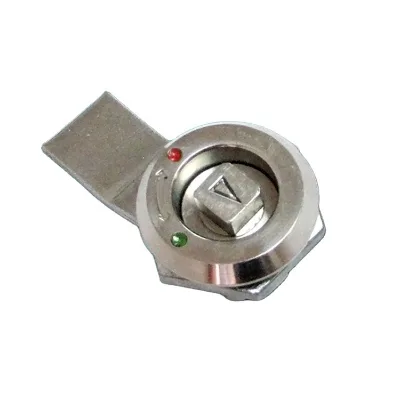
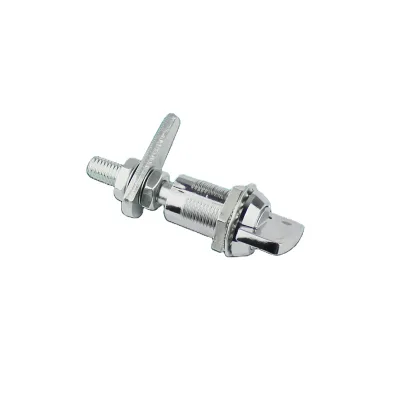
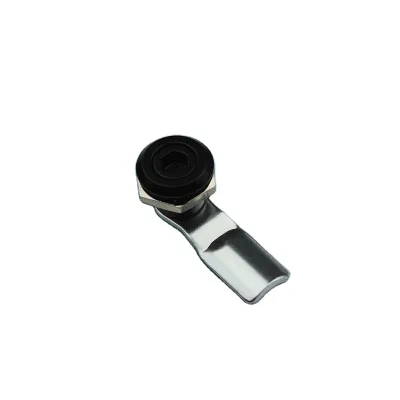
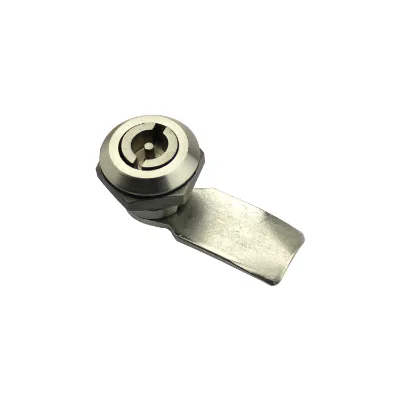
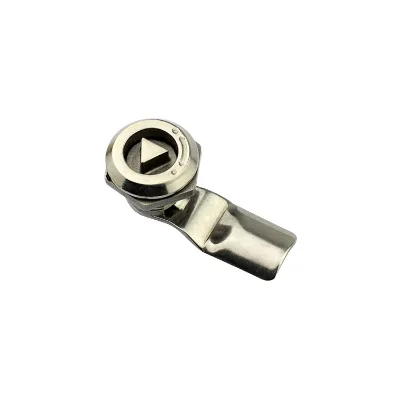
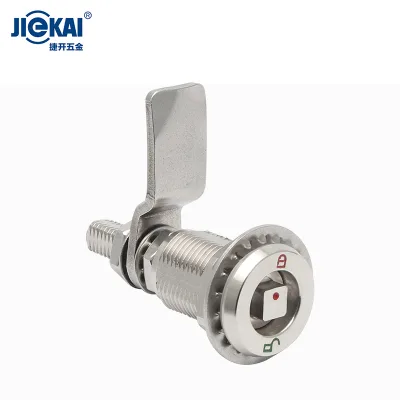
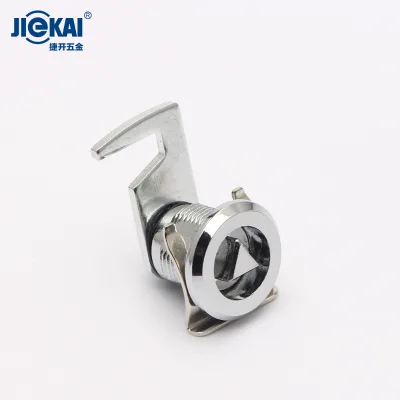
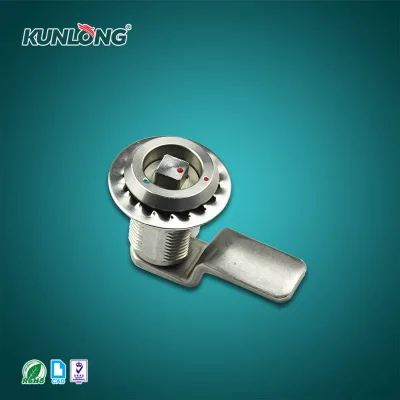
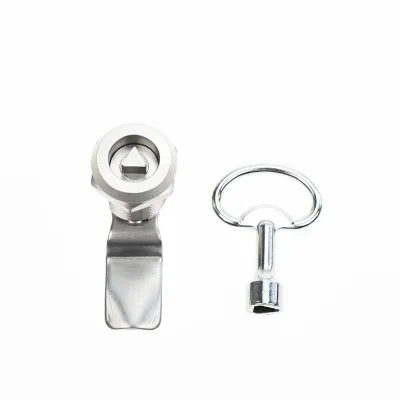
Factory Supply SK1-063-3S Locks Stainless Steel Triangle Cylinder Square Cam Cabinet Lock
$3.00 - $3.36
MOQ: 1 pieces
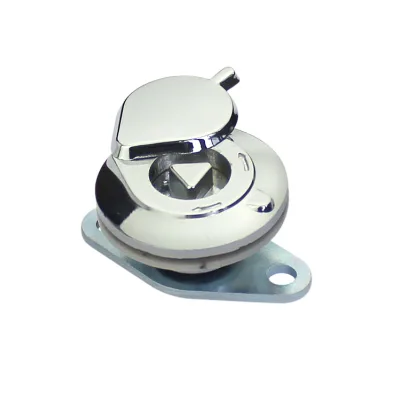
Safe Cam Lock Mechanical Safe Cylinder Lock with Dust Proof Cover Zinc Alloy SK1-013
$1.17 - $2.50
MOQ: 15 pieces
ABA LOCKS INTERNATIONAL CO., LTD.
- Verified by SGS Group
- Manufacturer, Trading Company
- Lead time30 days
- Avg. response≤ 13h
Main productsCam Lock, Combination Lock, Cable Lock, Padlock, Lockbox
Main marketsNorth America(35%), Domestic Market(20%), South America(10%)
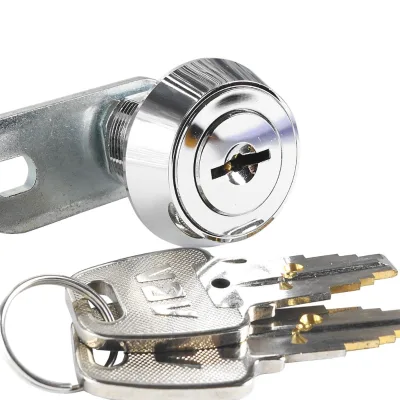
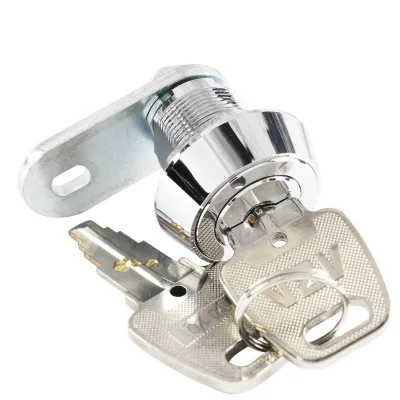
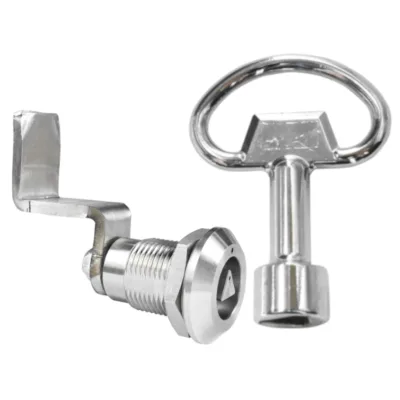
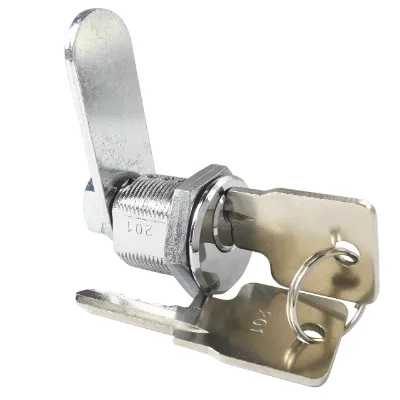
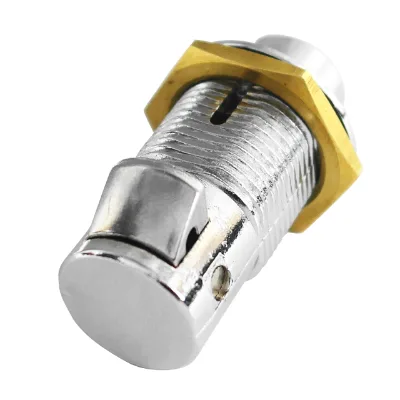
Heavy-Duty Tubular Key Cam Lock for Motorcycles, Cars, and Industrial Equipment
$5.90 - $8.00
MOQ: 1000

Guangdong Shangkun Industrial Technology Co., Ltd.
- Verified by TUVRHEINLAND
- Combined
- China Guangdong
- Lead time15 days
- Avg. response≤ 3h
Main productsOck, Hinge, Handle, Latch, Toggle Latch, Caster, Wheel, Leveling Feet
Main marketsAfrica,Others(foreignTradeCapacity.exportBusinessCapacityMarketOther)

High Quality Stainless Steel Industrial Cam Lock for High-Grade Power Box
$12.55 - $13.00
MOQ: 2 Pieces

High Quality Stainless Steel Waterproof Cam Lock for Industrial Electrical Control Box
$5.20 - $5.50
MOQ: 10 Pieces


Xiamen Make Security Technology Co., Ltd.
- Verified by SGS Group
- Manufacturer, Trading Company
- Lead time30 days
- Avg. response≤ 6h
Main productsCam Lock, Push Lock, Vending Machine Lock, Locker Lock, Combination Lock
Main marketsDomestic Market(35%), North America(34%), Western Europe(17%)
Suzhou Baileji Intelligent Lock Industry Co., Ltd.
- Verified by Intertek
- Trading Company
- Lead time0 days
- Avg. response≤ 1h
Main productsCam Locks, Smart Cabinet Locks, Combination Cabinet Locks, Padlocks, Hardware Accessories
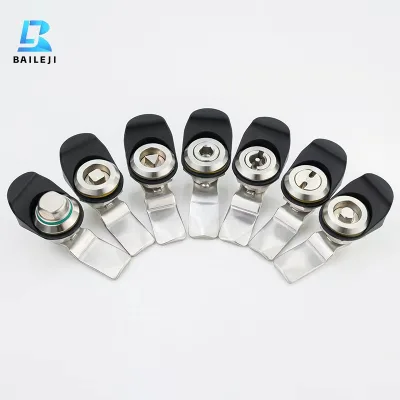
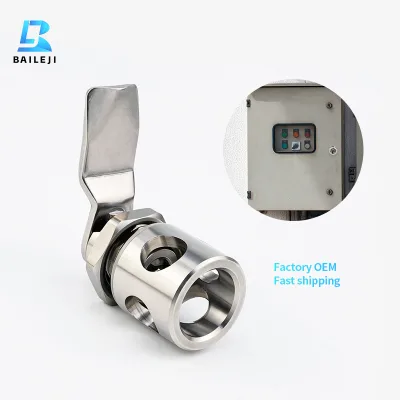
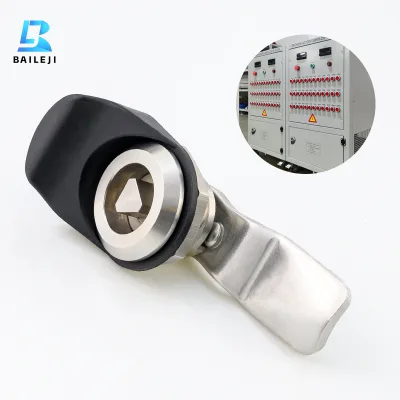
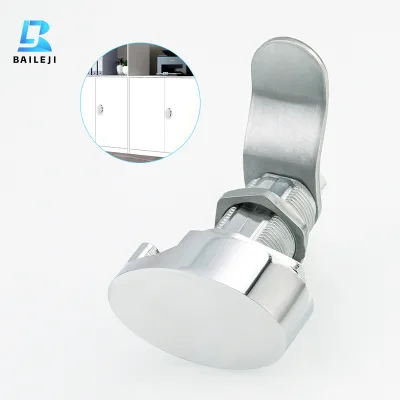
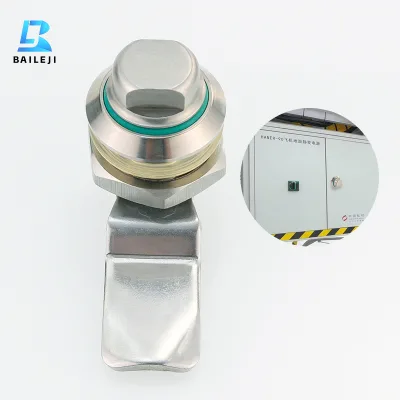
Stainless Steel Waterproof Cam Lock IP65 Certified for Industrial Control Cabinets Model BLJ - 201
$1.67 - $2.98
MOQ: 100 pieces
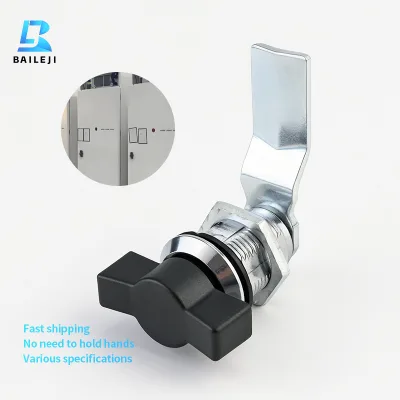
$2.947 - $4.4101
MOQ: 100 pieces
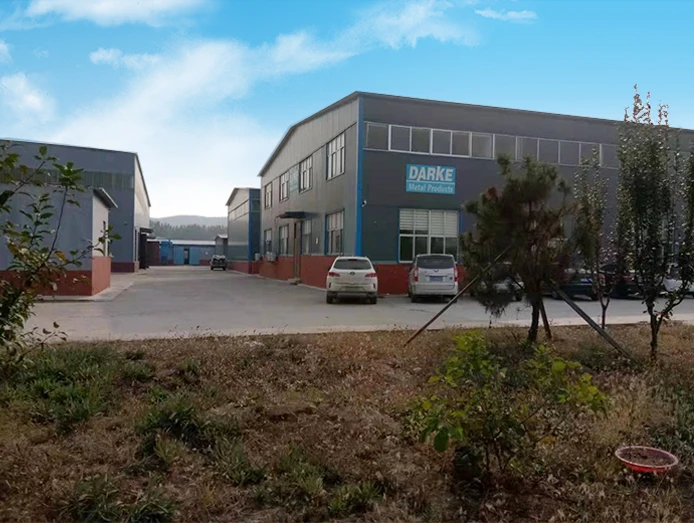
Jinan AOBO Metal Products Co., Ltd.
- Manufacturer, Trading Company
- Shandong, China
- Lead time45 days
- Avg. response≤ 7h
Main productsquarter turn,Hinge,Handles,compression Latch,Swing Handles
Main marketsNorth America(30.00%), Western Europe(15.00%), Domestic Market(10.00%), Northern Europe(10.00%), Southern Europe(8.00%), Oceania(8.00%), Mid East(5.00%), Eastern Asia(5.00%), Southeast Asia(3.00%), Eastern Europe(3.00%), South Asia(2.00%), South America(1.00%)
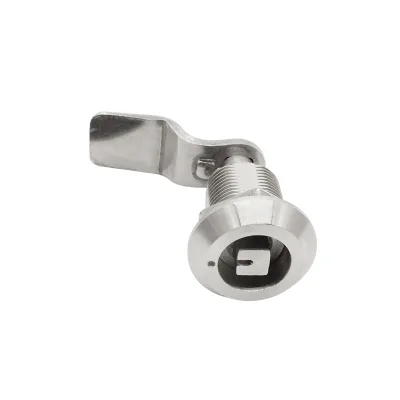
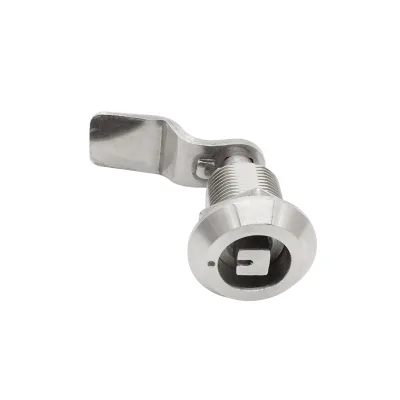
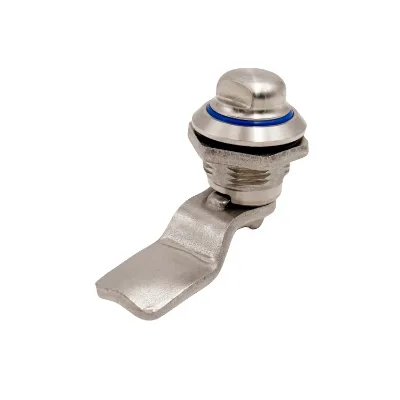
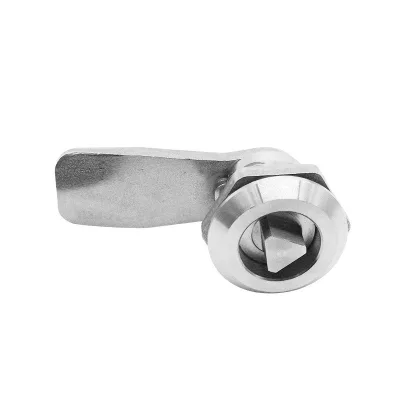
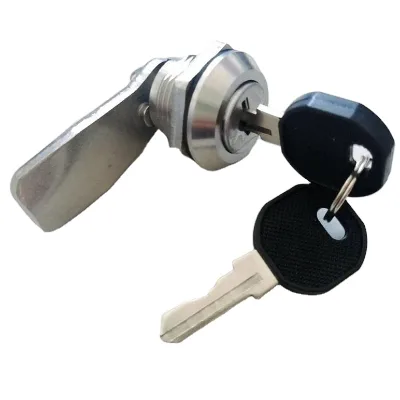
Stainless Steel Quarter Turn File Cabinet Drawer Electric Door Cylinder Cam Lock
$5.09 - $5.99
MOQ: 300 pieces

Yixin (Shanghai) Industrial Automation Equipment Co., Ltd
- Verified by SGS
- Combined
- China Shanghai
- Lead time15 days
- Avg. response≤ 3h
Main productsCantilever Operation Box, Electrical Cabinet
Main marketsDomestic
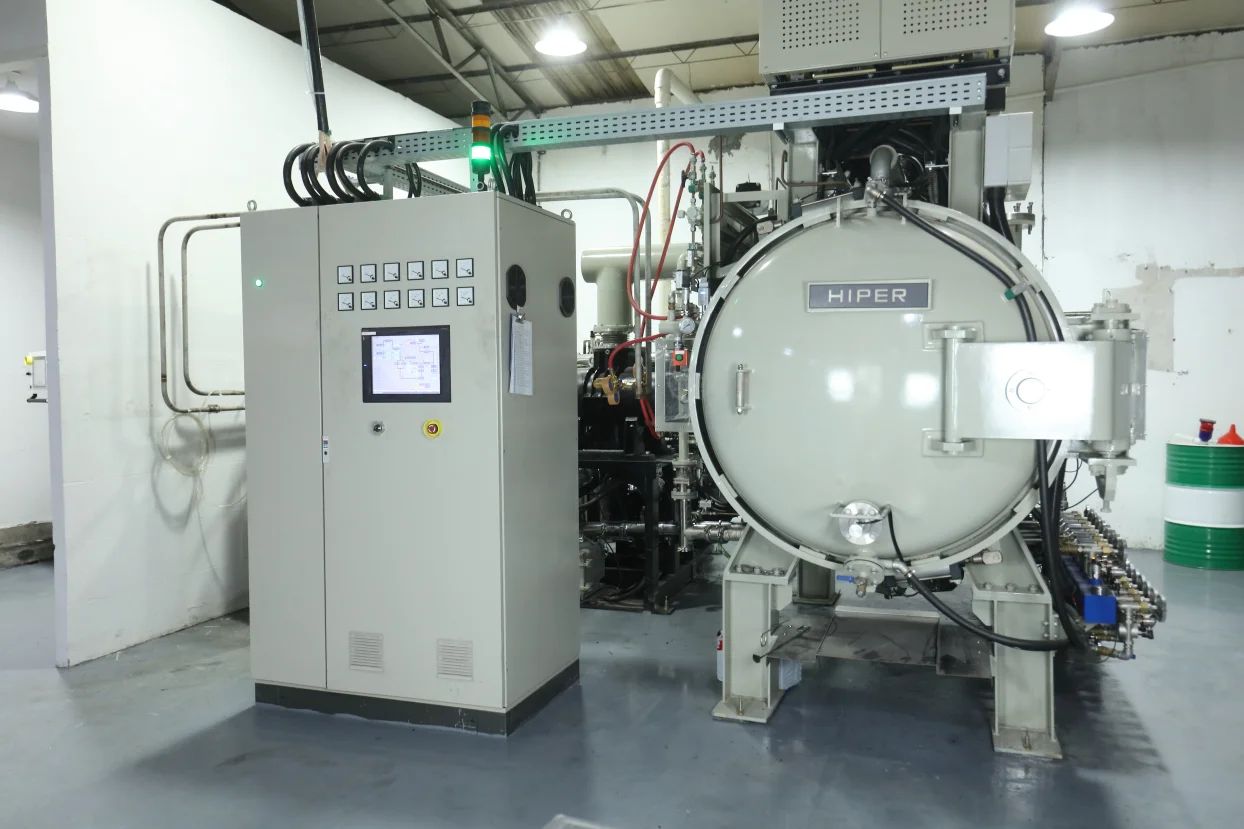
Wenzhou Cuyue Locks Technology Co., Ltd.
- Manufacturer, Trading Company
- Zhejiang, China
- Lead time0 days
- Avg. response≤ 6h
Main productscam lock,compression latch,hinge,handle,RV latch
Main marketsDomestic Market(90.00%)

Jinan Aobo Metal Products Co., Ltd.
- Verified by SGS
- Combined
- China Shandong
- Lead time30 days
- Avg. response≤ 10h
Main productsLock, Quarter Turn, Cam Lock, Handle, Hinge, Wing Knob, Casting Product, Compression Latch
Main marketsEurope
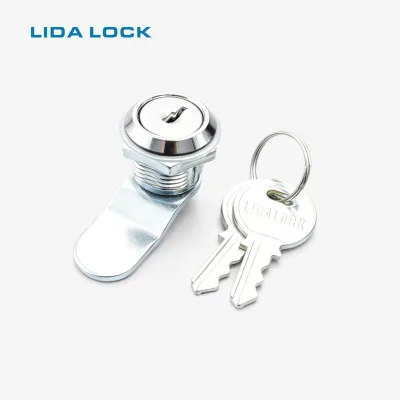
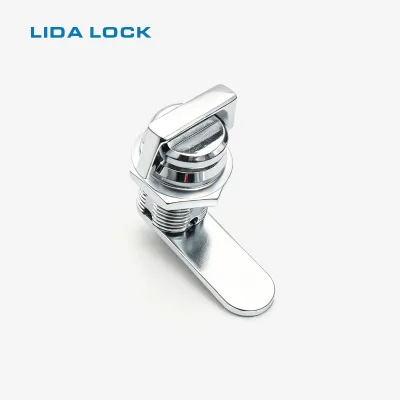
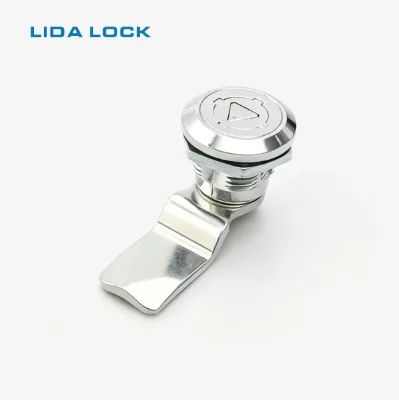
Yueqing City Lida Locks Co., Ltd.
- Verified by TüVRheinland
- Manufacturer, Trading Company
- Lead time30 days
- Avg. response≤ 2h
Main productsCabinet Lock, Hinge, Power Distribution Cabinet Accessory
Main marketsDomestic Market(70%), Africa(15%), Southeast Asia(5%)
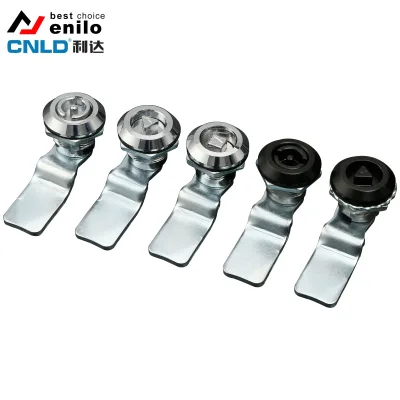
MS705 Stainless Steel Quarter Turn Cam Lock for Industrial Electrical Cabinet Door Latch
$0.3598 - $0.5441
MOQ: 100 Minimum
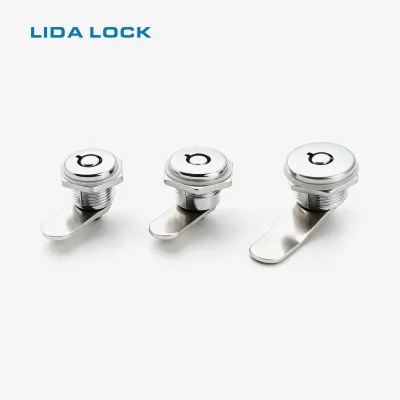
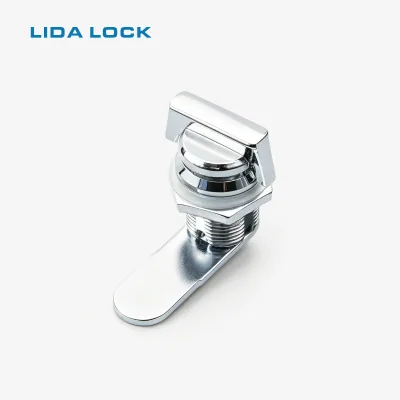
Guangdong Shangkun Industrial Group Co., Ltd.
- Verified by SGS Group
- Manufacturer, Trading Company
- Guangdong, China
- Lead time35 days
- Avg. response≤ 2h
Main productsLock, Hinge, Latch, Handle, Industrial Hardware
Main marketsNorth America(15%), South America(10%), Southeast Asia(10%)

- Verified by TUVRHEINLAND
- Trading Company
- China Jiangsu
- Lead time15 days
- Avg. response≤ 11h
Main productsBlind Rivet, Solid Rivet, Semi-Tubular Rivet, Plastic Rivet, Rivet Nut, Drywall Screw, Self-Tapping Screw, Eye Bolt, Hinge, Lock
Main marketsSoutheast Asia/ Mideast,North America

Stainless Steel Cam Lock Stainless Steel Cam Latches Latch Quarter Turn Cam Lock Double Bit Lock
$2.60 - $2.80
MOQ: 1 Pieces

ESSENTRA HENGZHU PRECISION COMPONENTS CO., LTD.
- Verified by SGS
- Combined
- China Jiangxi
- Lead time30 days
- Avg. response≤ 6h
Main productsCam Lock, Cabinet Lock, Hinge, Handles
Main marketsSouth America,Africa,Southeast Asia/ Mideast,East Asia(Japan/ South Korea),Domestic,Europe,Australia,North America
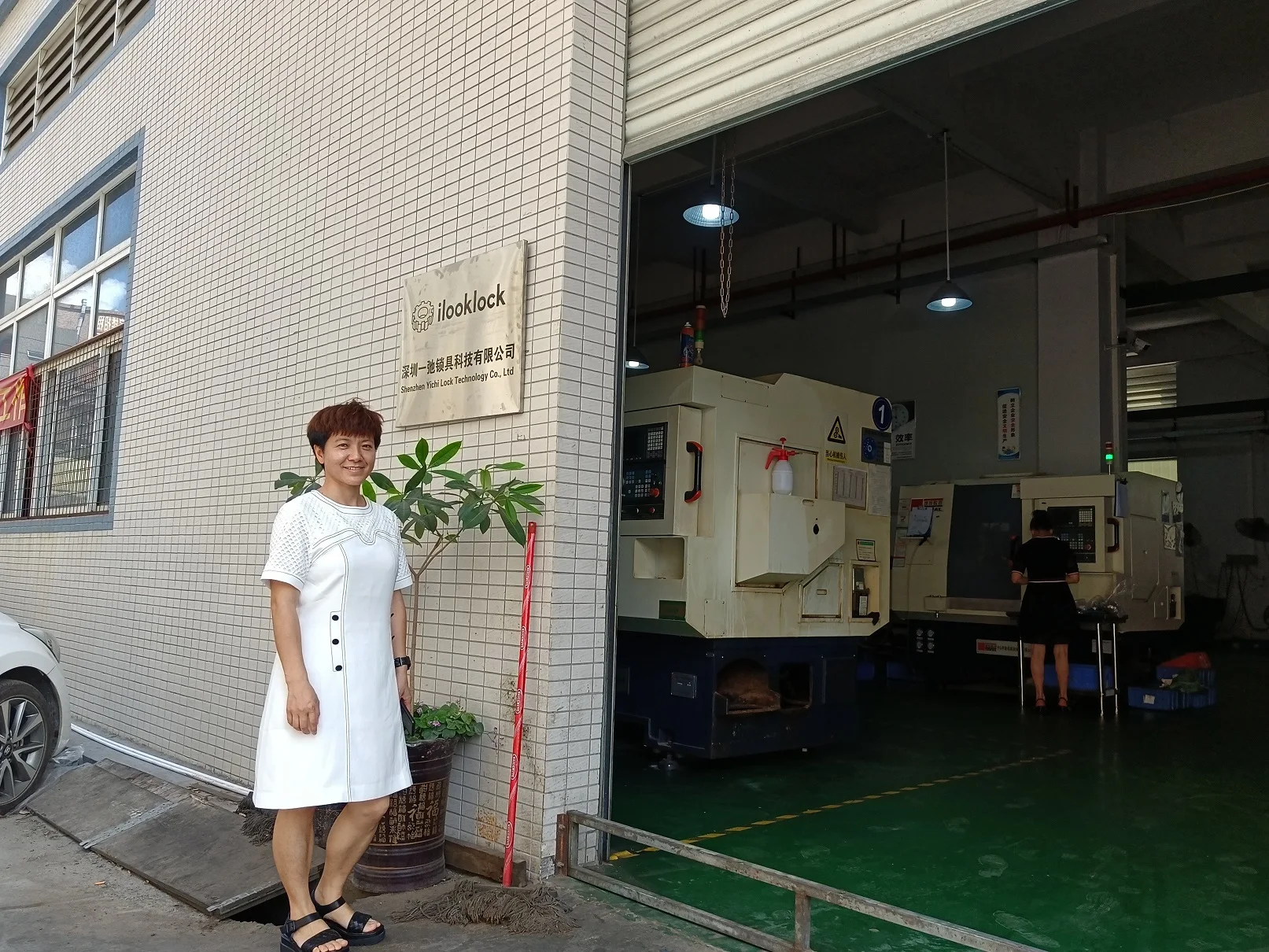
Shenzhen Ilooklock Technology Co., Ltd.
- Trading Company
- Guangdong, China
- Lead time15 days
- Avg. response≤ 2h
Main productsQuarter Turn Cam Lock/Compression Latches/Handle Lock/Hinges/Stainless Steel Locks
Main marketsEastern Europe(40.00%), North America(25.00%), Oceania(10.00%), Domestic Market(9.00%), South America(5.00%), Northern Europe(5.00%), Mid East(2.00%), Southeast Asia(2.00%), South Asia(1.00%), Western Europe(1.00%)
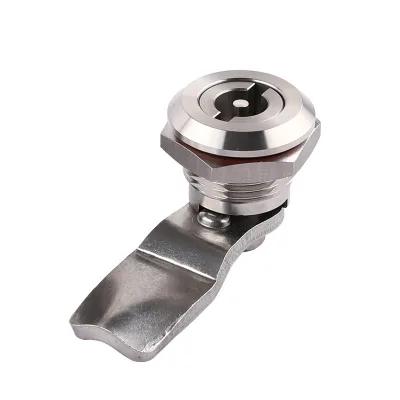
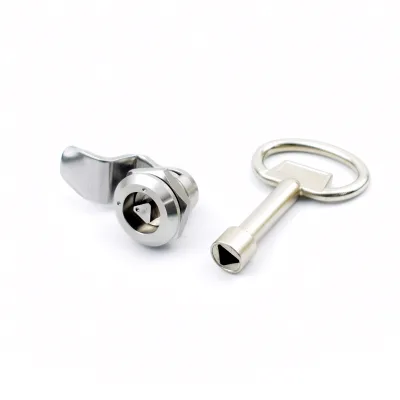
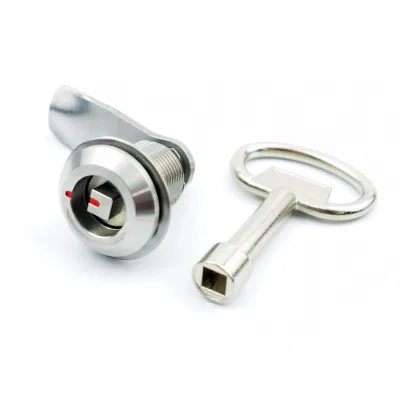
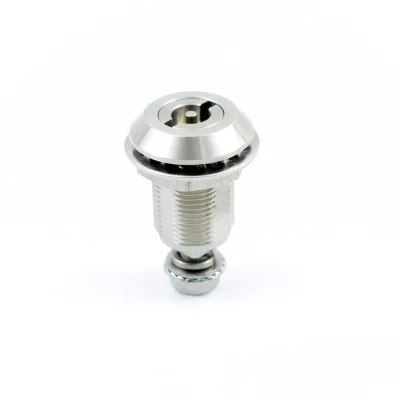
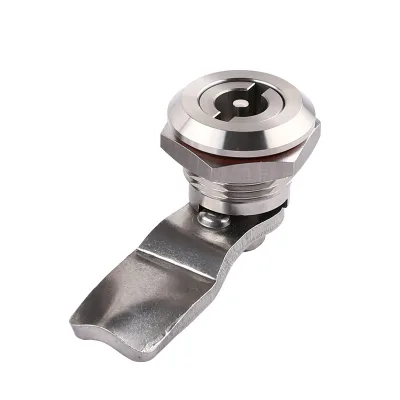
High Quality Stainless Steel Quarter Turn Cam Lock Industrilas Cabinet Door Cam Latch
$3.60 - $4.00
MOQ: 300 units
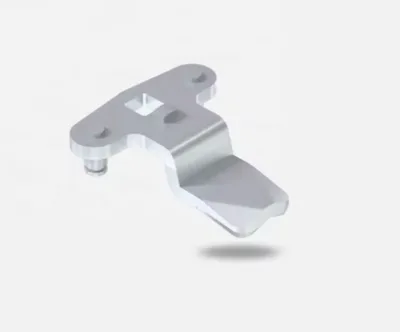

Ningbo Custom Hardware Technology Co., Ltd.
- Verified by BV
- Trading Company
- China Zhejiang
- Lead time30 days
- Avg. response≤ 3h
Main productsShuttering Magnet, CNC Machining Parts, CNC Milling Parts, Casting Parts, Metal Stamping Parts, Powder Metallurgy Parts, CNC Turning Parts, Standoff, Rod Display System, Metal Building Materials
Main marketsSouth America,Africa,Southeast Asia/ Mideast,East Asia(Japan/ South Korea),Europe,Australia,North America

Mechanical Combination Industrial Cabinet Metal Furniture Cam Lock for Public
$0.50 - $5.00
MOQ: 10 Pieces

High Security Cam Lock for Cabinet Door Lock Mini Stainless Steel Turn Cam Lock
$0.50 - $5.00
MOQ: 10 Pieces

Factory Low Price High Security Cam Lock Fittings Stainless Metal Mechanical Cam Lock
$0.50 - $5.00
MOQ: 10 Pieces


Shanghai Yung King Hardware Co., Ltd.
- Trading Company,Manufacturer/Factory
- China Shanghai
- Lead time60 days
- Avg. response≤ 14h
Main productsDraw Latch, Lift off Hinge, Cylinder Lock, Military Case Handle, Forging, Machining, Access Panel and Roof Hatch, Paddle Latch, Tie Down Ring
Main marketsSouth America,Eastern Europe,Mid East,North America,Southeast Asia,Eastern Asia,Oceania,Western Europe,Africa
Ningbo Hengda Die-Casting Lock Factory
- Verified by SGS Group
- Manufacturer
- Lead time20 days
- Avg. response≤ 3h
Main productsTrailer Hitch Lock, Trigger Gun Lock, Car Lock, Cabinet Lock, Bicycle Lock
Dongguan Hang Seng Lock Industry Co., Ltd.
- Manufacturer
- Guangdong, China
- Lead time15 days
- Avg. response≤ 8h
Main productsCabinet Door Lock / Electric Cabinet Lock / Electric Box Accessories , Cabinet Hinge / Door Hinge of Electric Box, Handle
Main marketsSoutheast Asia(30.00%), North America(25.00%), Mid East(20.00%), South Asia(10.00%), South America(5.00%), Oceania(5.00%), Western Europe(2.00%), Southern Europe(2.00%), Central America(1.00%)

- Verified by BV
- Combined
- China Zhejiang
- Lead time30 days
- Avg. response≤ 25h
Main productsLock, Hardware
Main marketsEurope,North America

Jiangsu Create Intelligent Technology Co., Ltd.
- Verified by BV
- Combined
- China Jiangsu
- Lead time15 days
- Avg. response≤ 3h
Main productsPassive Smart Lock, Electronic Wireless Intelligent Lock, Base- Station Cabinet Lock, Passive Padlock, Bluetooth Padlock, Nb Intelligent Optical Box Lock, Intelligent Manhole Cover Lock, Public Passage Smart Lock
Main marketsDomestic,North America

$44.00 - $54.00
MOQ: 1 Pieces


- Manufacturer/Factory
- Taiwan_China Taiwan
- Lead time0 days
- Avg. response≤ 25h
Main productsKey Switch Lock, Furniture Locks, Notebook Security Lock, Padlock, Cam Locks
- Verified by SGS Group
- Trading Company
- Lead time10 days
- Avg. response≤ 3h
Main productsHydraulic Soft-Close Hinges , Heavy-Duty Door Hinges , Concealed Cabinet Hinges, Stainless Steel Hinges, Damping Hinges
Main marketsSoutheast Asia(40%), North America(20%), South America(10%)

Shangrao Anli Lock Industry Co., Ltd.
- Verified by TUVRHEINLAND
- Trading Company
- China Jiangxi
- Lead time23 days
- Avg. response≤ 5h
Main productsDoor Lock, Laptop Lock, Cam Lock, Lock, Cylinder Lock, Combination Padlock, Safety Lock, Coin-Operated Lock, Switch Lock, Pad Lock
Main marketsDomestic
- Manufacturer
- Taiwan, China
- Lead time40 days
- Avg. response≤ 16h
Main productsCam Lock, Key Switch Lock, Padlock, Smart Lock
Main marketsNorth America(32.00%), Domestic Market(30.00%), South America(9.00%), Western Europe(7.00%), Eastern Asia(5.00%), Eastern Europe(5.00%), Southern Europe(4.00%), Southeast Asia(2.00%), South Asia(1.00%), Oceania(1.00%), Central America(1.00%), Northern Europe(1.00%), Africa(1.00%), Mid East(1.00%)
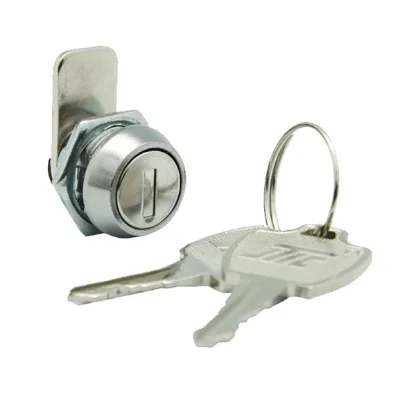
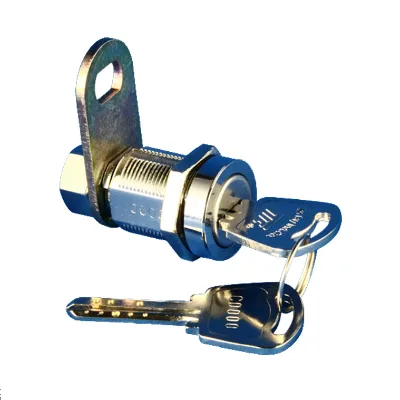
Factory Direct Wholesale Security Key Cam Lock Universal Middle Size Cam Lock
$1.2846 - $1.3356
MOQ: 500 Minimum
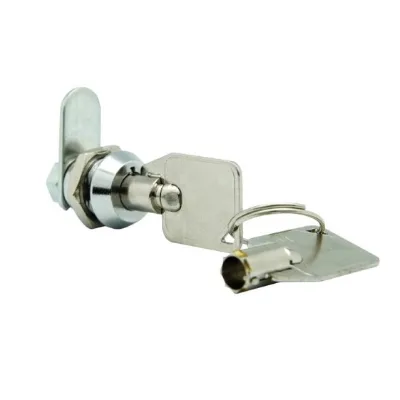
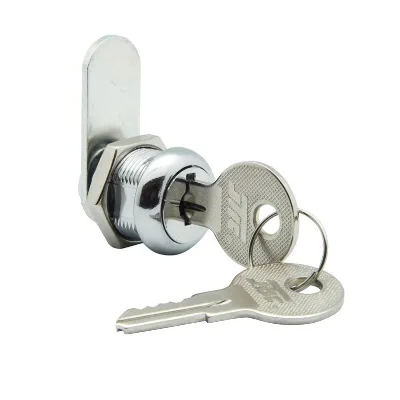
Factory Direct Wholesale Security Cam Lock Furniture Cabinet High Security Cam Lock
$3.20 - $3.50
MOQ: 500 Minimum

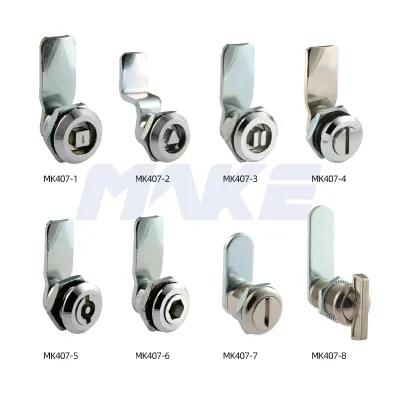


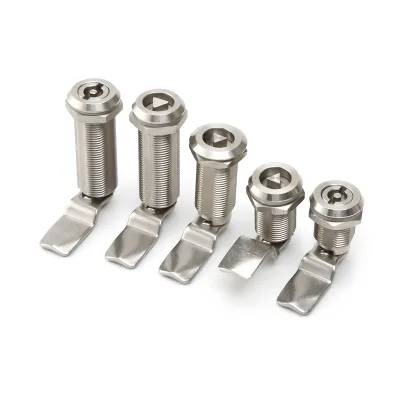
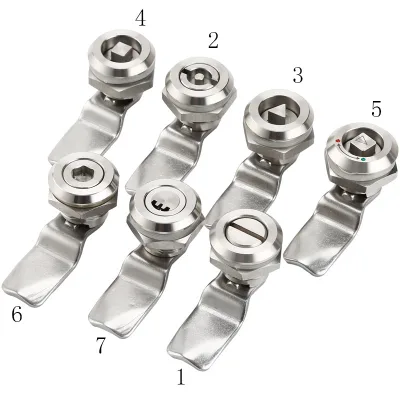
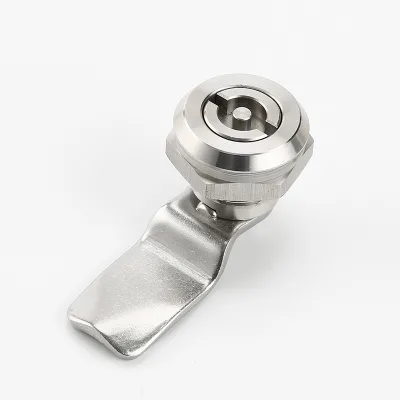
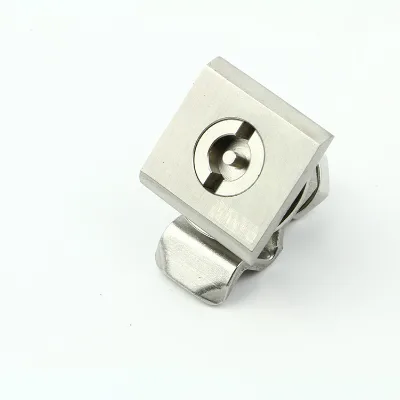
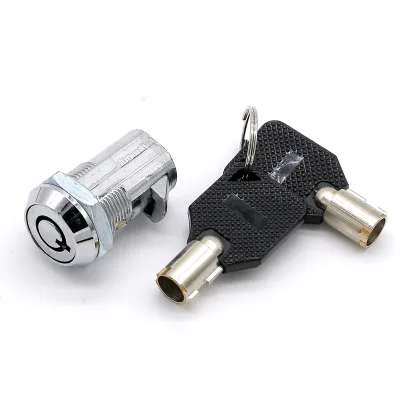
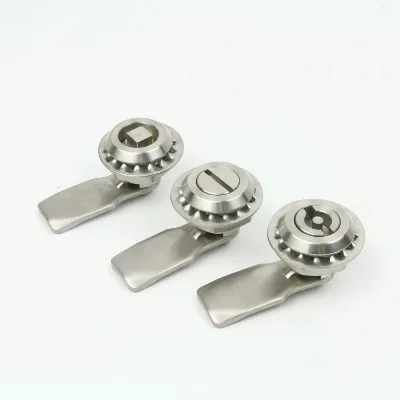


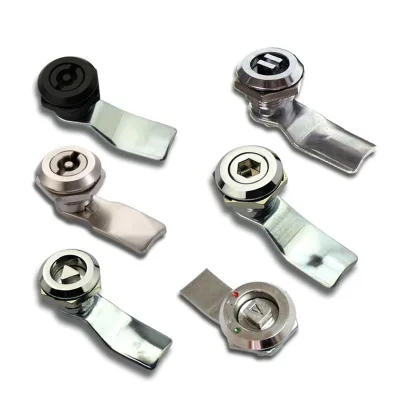


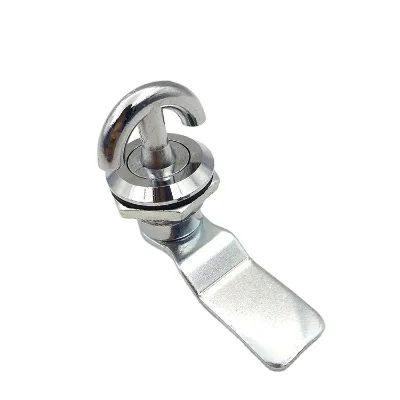


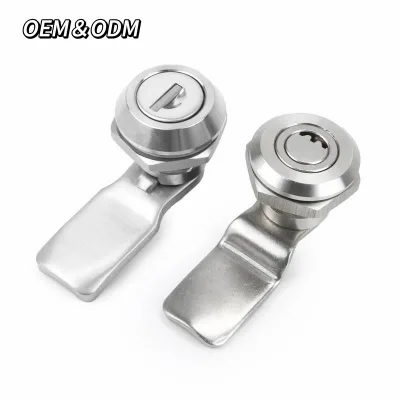
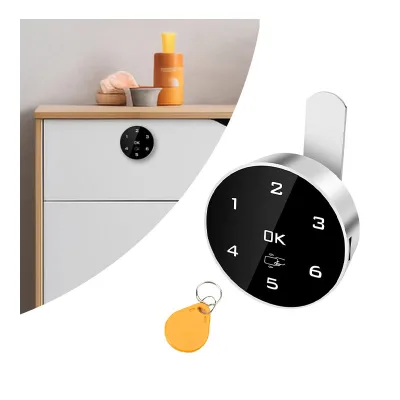


Comprehensive Sourcing Guide
Stainless Steel Industrial Cam Lock Supplier Concentration and Factory Types
The current supplier landscape for stainless steel industrial cam locks features a mix of manufacturing entities and trading companies, offering buyers distinct advantages depending on their specific procurement needs. Manufacturers typically provide direct access to production capabilities, allowing for deeper customization and potentially tighter control over quality assurance processes. In contrast, trading companies often aggregate products from multiple factories, providing a broader catalog that may include complementary items such as hinges, handles, and draw latches. This diversity in company types means that buyers must carefully evaluate whether they require the specialized technical support of a factory or the logistical convenience and product variety offered by a trading entity. Understanding this distinction is crucial for aligning supplier selection with long-term supply chain stability and cost-efficiency goals.
When assessing the concentration of these suppliers, it is important to note that specific manufacturing clusters are not explicitly defined in the available data, requiring buyers to rely on other indicators of supplier capability. The presence of suppliers verified by recognized third-party inspection groups like SGS Group and Intertek suggests a level of operational maturity and adherence to international standards. These verifications often correlate with established production facilities that have undergone rigorous audits. Buyers should look for suppliers who display these verification badges prominently, as they serve as a proxy for reliable manufacturing infrastructure. Additionally, the availability of light customization, sample processing, and graphic processing capabilities indicates that many suppliers have flexible production lines capable of adapting to specific client requirements, which is a valuable trait for specialized industrial components.
How to Verify Stainless Steel Industrial Cam Lock Suppliers
Verifying the legitimacy and capability of Stainless Steel Industrial Cam Lock suppliers requires a multi-layered approach that goes beyond simple profile reviews. The first step is to confirm the supplier’s verification status through independent third-party agencies. In the current results, suppliers are verified by SGS Group and Intertek, which are globally recognized entities that conduct on-site inspections and audits. Buyers should prioritize suppliers with these verifications, as they provide an objective assessment of the supplier’s business license, factory conditions, and production capacity. It is also advisable to request recent verification reports to ensure that the supplier’s current operations match the certified standards. This due diligence helps mitigate the risk of engaging with fraudulent entities or those with misrepresented capabilities.
Beyond verification badges, buyers should scrutinize the supplier’s response time and communication efficiency, as these metrics often reflect their operational readiness. The available data indicates a response time of one to two days, which is a reasonable benchmark for initial inquiries. However, buyers should test this responsiveness by sending detailed technical questions regarding material grades, such as 304 or 316 stainless steel, and asking for specific test reports. A reliable supplier will provide prompt, detailed, and technically accurate responses. Additionally, checking for system certifications like ISO 9001, CP65, and EMC can provide further assurance of quality management systems. These certifications indicate that the supplier has established processes for consistent quality control, which is critical for industrial components that must withstand harsh environments.
What to Compare Across Stainless Steel Industrial Cam Lock Suppliers
When comparing suppliers, buyers should focus on key operational metrics such as minimum order quantities, lead times, and pricing structures to determine the best fit for their volume and timeline requirements. The available data shows a wide range in minimum order quantities, with some suppliers requiring as few as 100 pieces, while others may have higher thresholds. This flexibility is particularly useful for small to medium-sized enterprises that need to test market demand before committing to large orders. Lead times are also a critical factor, with some suppliers indicating a standard lead time of 30 days. Buyers should clarify whether this lead time includes sample production or only mass production, as this can significantly impact project planning. Comparing these logistical parameters helps in selecting a supplier that aligns with the buyer’s inventory management strategy.
Pricing and customization options are another vital area for comparison. The price range for stainless steel industrial cam locks varies significantly, from as low as $0.55 to over $13.00 per unit, depending on the model, material, and features. Buyers should not solely focus on the lowest price but should evaluate the value proposition, including warranty periods and after-sales support. For instance, some suppliers offer warranties of up to three years, which can reduce long-term maintenance costs. Additionally, the ability to customize products, such as laser engraving logos or adjusting dimensions, can be a decisive factor for brands seeking unique product differentiation. Buyers should request detailed quotations that break down costs for customization, shipping, and taxes to ensure a transparent comparison across different suppliers.
Common Stainless Steel Industrial Cam Lock Sourcing Risks
One of the primary risks in sourcing stainless steel industrial cam locks is the potential discrepancy between advertised specifications and actual product quality. Buyers must be vigilant about material composition, as not all stainless steel locks are created equal. Some products may use lower-grade alloys that are prone to rust or corrosion, especially in outdoor or high-humidity environments. To mitigate this risk, buyers should request material certificates and conduct independent testing upon receipt. Additionally, the finish of the lock, such as bright chrome plating or charmer plating, should be inspected for durability and aesthetic consistency. Poor finishing can lead to premature wear and tear, compromising the security and functionality of the lock. Ensuring that the supplier provides clear specifications for material grades and finishes is essential for maintaining product integrity.
Another significant risk is the reliability of supply chain logistics and the accuracy of delivery timelines. Delays in production or shipping can disrupt manufacturing schedules and lead to costly downtime. Buyers should assess the supplier’s track record for on-time delivery and their ability to handle rush orders. The availability of multiple shipping agents, such as DHL, FedEx, and Alibaba Logistics, can offer flexibility, but buyers should verify the reliability of these services for their specific destination. Furthermore, the risk of intellectual property infringement exists, particularly when customizing products with unique designs or logos. Buyers should ensure that their designs are protected and that the supplier has a clear policy against unauthorized reproduction. Establishing strong contractual agreements that outline penalties for delays and quality issues can help protect the buyer’s interests.
Stainless Steel Industrial Cam Lock Regional Sourcing and Logistics
The geographic origin of stainless steel industrial cam locks can influence both the cost structure and the logistical complexity of the sourcing process. The available data indicates that many products originate from Guangdong, China, a region known for its robust manufacturing ecosystem and efficient supply chain infrastructure. Sourcing from this region can offer advantages in terms of production speed and cost competitiveness due to the concentration of suppliers and related industries. However, buyers should also consider the implications of shipping from this location, including transit times and potential customs delays. Understanding the specific port of loading and the typical shipping routes to the buyer’s destination is crucial for accurate logistics planning. Buyers should work with suppliers who have experience in exporting to their region to ensure smooth customs clearance and delivery.
Logistics planning should also account for the packaging and handling requirements of the cam locks to prevent damage during transit. The available data shows that products are typically packed in cartons with specific single package sizes, such as 23x17.5x11 cm. Buyers should verify that the packaging is robust enough to protect the locks from impact and moisture, especially if they are being shipped via sea freight. Additionally, the weight of the packages, which can range from 0.3 kg to 0.5 kg per unit, should be considered when calculating shipping costs. Buyers should negotiate freight terms with their suppliers to determine who bears the responsibility for shipping and insurance. Clear communication regarding packaging standards and logistics preferences can help avoid unexpected costs and ensure that the products arrive in optimal condition.
Stainless Steel Industrial Cam Lock Commercial Terms and Order Planning
Effective order planning for stainless steel industrial cam locks requires a clear understanding of commercial terms, including payment methods, warranty policies, and return procedures. The available data indicates that common payment methods include T/T (Telegraphic Transfer), which is a standard practice in international trade. Buyers should negotiate payment terms that balance risk and cash flow, such as a deposit followed by payment upon shipment or against a copy of the bill of lading. Additionally, warranty periods vary among suppliers, with some offering one to two years and others providing up to three years. A longer warranty can provide greater peace of mind and reduce the financial impact of potential defects. Buyers should clarify the terms of the warranty, including what is covered and the process for claiming repairs or replacements.
Beyond payment and warranty, buyers should establish clear communication channels for ongoing order management and issue resolution. The response time of suppliers, typically one to two days, should be sufficient for addressing routine inquiries, but buyers should ensure that there is a designated point of contact for urgent matters. It is also advisable to request a detailed proforma invoice that outlines all costs, including product price, customization fees, shipping, and taxes, to avoid hidden charges. Buyers should also verify the supplier’s ability to handle large orders without compromising quality or delivery timelines. By carefully planning the commercial terms and maintaining open communication, buyers can build a reliable and efficient sourcing relationship that supports their business objectives.
FAQs
What is the typical lead time for stainless steel industrial cam locks?
The standard lead time for these locks is 30 days. This duration allows for manufacturing and quality checks. Buyers should confirm exact schedules with suppliers before placing orders to ensure timely delivery for their specific project requirements.
What is the minimum order quantity for these locks?
The minimum order quantity is typically 100 pieces. This threshold applies to most standard stainless steel cam lock models. Buyers seeking smaller quantities may need to negotiate directly with suppliers or look for sample processing options.
What certifications do these suppliers hold?
Suppliers often hold ISO 9001, CP65, and EMC certifications. These credentials indicate adherence to quality management and electromagnetic compatibility standards. Buyers should verify specific certificates with the supplier to ensure compliance with their regional regulatory requirements.
What materials are used for these industrial locks?
Common materials include stainless steel and zinc alloy. Stainless steel offers durability and anti-rust properties for harsh environments. Zinc alloy provides cost-effective solutions for general industrial applications. Buyers should select materials based on their specific environmental and security needs.
What is the price range for these locks?
Prices range from approximately $0.55 to $13.48 per unit. The cost varies based on material, size, and customization requirements. Buyers should request detailed quotes to understand pricing structures and potential volume discounts for large orders.
How quickly do suppliers respond to inquiries?
Suppliers typically respond within one to two days. This response time ensures timely communication for sourcing needs. Buyers should expect prompt replies regarding product specifications, pricing, and shipping details to facilitate efficient procurement processes.