Stainless Steel Kitchen Workbench Suppliers and Manufacturers
Explore 29 verified options for Stainless Steel Kitchen Workbench from China Shandong and Guangdong. Compare response times, lead times, certifications like CE and ISO9001:2015, and material grades such as SS201 or SS304. Contact suppliers directly to request quotes for specific dimensions.
Updated
Suppliers List

Shangdong Boxing Changtai Environmental Protection Technology Co., Ltd.
- Verified by CTI
- Combined
- China Shandong
- Lead time15 days
- Avg. response≤ 3h
Main marketsSouth America,Southeast Asia/ Mideast,Domestic,Europe,North America


Kitchen Equipment Commercial Stainless Steel Table 304 Stainless Steel Workbench
$59.00 - $149.00
MOQ: 1 Pieces

Commercial Kitchen Furniture Stainless Steel Table Restaurant Kitchen Stainless Steel Workbench
$49.00 - $139.00
MOQ: 1 Pieces


Stainless Steel Workbench Equipment Restaurant Kitchen Stainless Steel Table
$59.00 - $149.00
MOQ: 1 Pieces

Silver Stainless Steel Kitchen Worktable Commercial Working Table Stainless Steel Workbench
$49.00 - $139.00
MOQ: 1 Pieces

Shandong Zhengtong Machinery Equipment Co., Ltd.
- Verified by BV
- Combined
- China Shandong
- Lead time15 days
- Avg. response≤ 11h
Main productsSlaughter Equipment
Main marketsSouth America,Europe,North America


Kitchen Stainless Steel Workbench Catering Equipment Restaurant Workbench
$120.00 - $210.00
MOQ: 1 Pieces

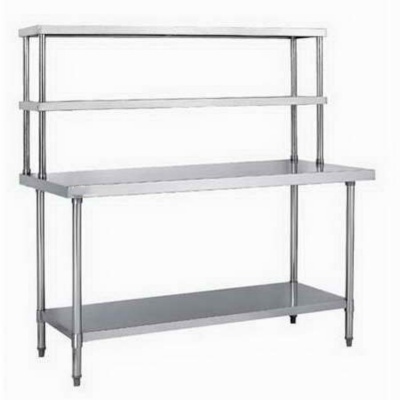
Kitchen Equipment Commercial Work Bench 2 Tier Stainless Steel Work Bench
$120.00 - $210.00
MOQ: 1 Pieces


Business Restaurant Hotel Stainless Steel Kitchen Workbench with Shelf
$120.00 - $210.00
MOQ: 1 Pieces

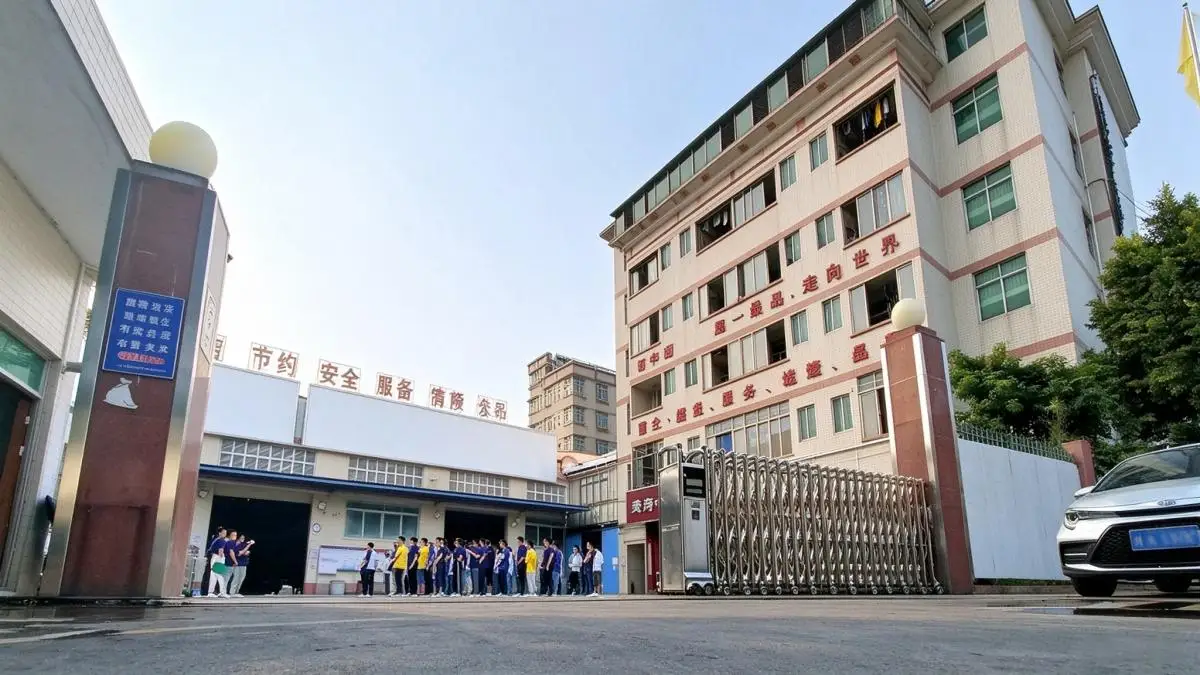
Guangzhou Wiberda Kitchen Appliances & Refrigeration Equipment Co., Ltd.
- Manufacturer
- Guangdong, China
- Lead time0 days
- Avg. response≤ 1h
Main productsOne Stop Kitchen,Cooking Equipment,Refrigeration,Bakery Equipment,Fast Food Equipment
Main marketsDomestic Market(20.00%), North America(10.00%), South Asia(10.00%), Northern Europe(10.00%), Western Europe(10.00%), Mid East(10.00%), Africa(10.00%), Eastern Europe(10.00%), South America(10.00%)
Foshan XY Best Industrial Co., Ltd.
- Verified by TüVRheinland
- Manufacturer, Trading Company
- Lead time45 days
- Avg. response≤ 2h
Main productsRestaurant Machine, Restaurant Furniture, Hotel Furniture, Outdoor Furniture, Metal Products
Main marketsAfrica(20%), South America(10%), Southeast Asia(10%)
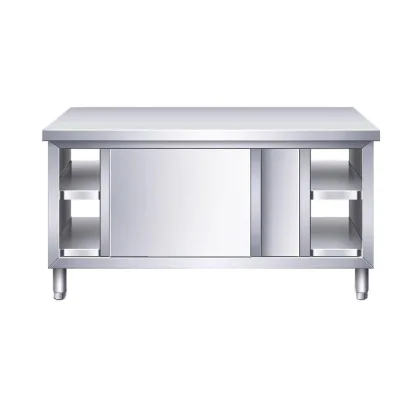
XY Best Kitchen Workbench Cutting Table Stainless Steel Workbench
$128.6337 - $175.3155
MOQ: 10 Minimum
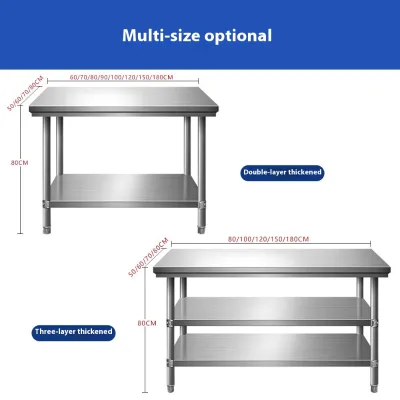
$16.7903 - $46.1677
MOQ: 10 Minimum
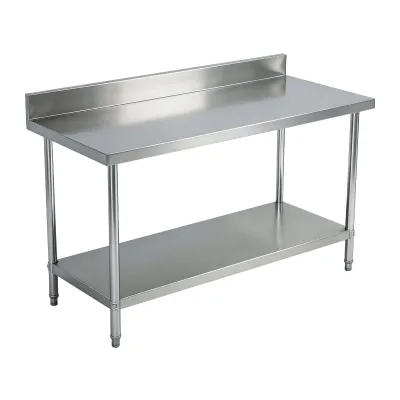

Full Kitchen Utensils Co., Ltd.
- Manufacturer, Trading Company
- Shandong, China
- Lead time10 days
- Avg. response≤ 2h
Main productsStainless steel trench cover plate,Stainless Steel Group Desk,Stainless steel shelves,Stainless steel oil water separator,Stainless steel sink
Main marketsEastern Europe(40.00%), Eastern Asia(20.00%), Northern Europe(20.00%), South Asia(10.00%), South America(10.00%)
Jiangmen Jingyu Hardware & Equipment Co., Ltd.
- Verified by Intertek
- Manufacturer, Trading Company
- Lead time30 days
- Avg. response≤ 3h
Main productsStainless Steel Work Table, Stainless Steel Multi-Layer Shelf, Commercial Kitchen Prep Table With Drawer, Stainless Steel Sink Table, Catering Equipment
Main marketsDomestic Market(40%), North America(20%), Western Europe(15%)
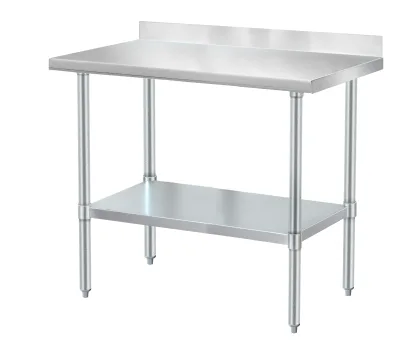
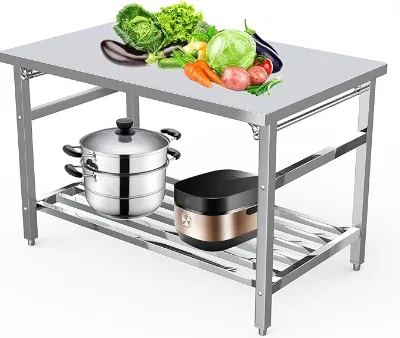
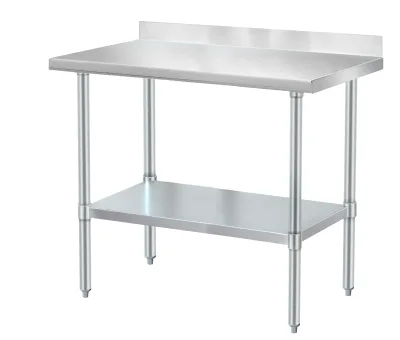
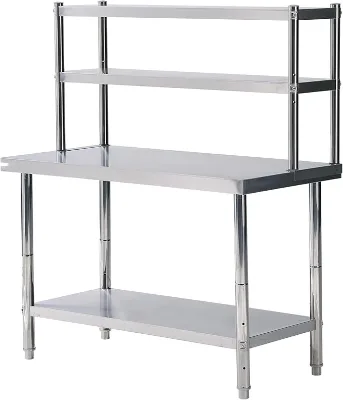
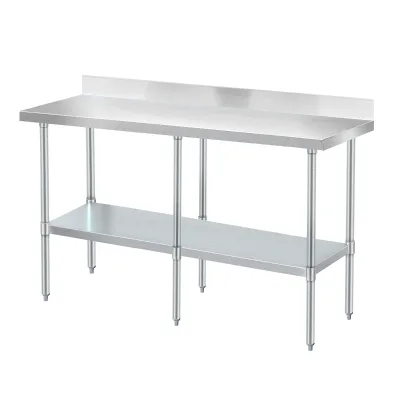
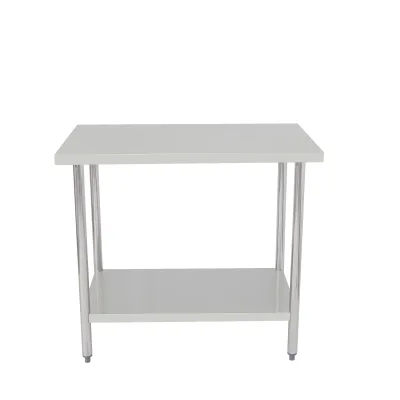
Wholesale Price Commercial Kitchen Work Table Stainless Steel Six Legs Workbench
$65.00 - $70.00
MOQ: 50
Changchun Walter Storage Equipment Co., Ltd.
- Verified by Intertek
- Trading Company
- Lead time15 days
- Avg. response≤ 2h
Main productsTool Cabinet, Tool Cart, Racking, Plastic Box, Container House

Jiangmen Huazhi Technology Co., Ltd.
- Verified by BV
- Manufacturer/Factory
- China Guangdong
- Lead time15 days
- Avg. response≤ 8h
Main productsSheet Metal Fabrication Laser Cutting Services, Custom Metal Cabinets, Electrical Cabinets Cases Boxes, Telecommunication Cabinets Shelf Racks, Industrial Device Enclosures, Smart Equipment Cabinets, Stainless Steel Workbench, Tool Cabinets, EV Chargeing Cabinets, Self-Service Kiosk Enclosures
Main marketsNorth America,Western Europe

Customized Size Heavy Duty Commercial Kitchen Workbench Stainless Steel Workbench
$190.00 - $233.00
MOQ: 10 Sets

Customized Steel Metal Commercial Kitchen Stainless Steel Storage Workbench
$190.00 - $233.00
MOQ: 10 Sets

Factory Price Stainless Steel Multi-Functional Cooking Workbench for Kitchen Restaurant
$81.00 - $85.00
MOQ: 10 Sets

Customized Stainless Steel Commercial Kitchen Workbench with Sliding Door Storage Cabinet
$190.00 - $233.00
MOQ: 10 Sets

Wholesale Customization Stainless Steel Multi-Functional Workbench for Kitchen Restaurant
$81.00 - $85.00
MOQ: 10 Sets

Customized Multi-Functional Kitchen Workbench with Stainless Steel Sink and Prep Surface
$190.00 - $233.00
MOQ: 10 Sets
Binzhou Haozan Commercial Kitchenware Co., Ltd.
- Verified by TüVRheinland
- Manufacturer, Trading Company
- Lead time0 days
- Avg. response≤ 3h
Main productsMilk Tea Workbench, Bar Counter, Beer Machine, Pizza Table, Flat-top Refrigerator
Main marketsWestern Europe(27%), North America(20%), Eastern Europe(15%)
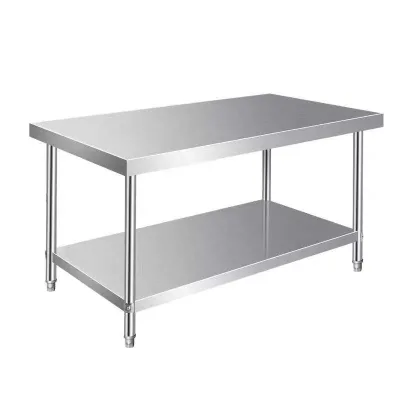
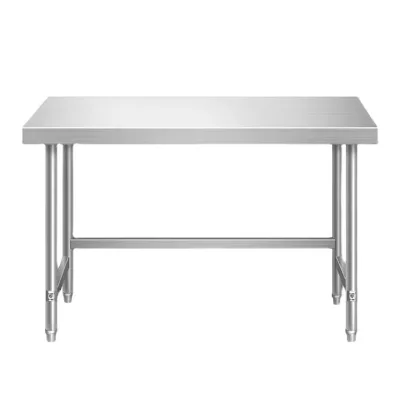
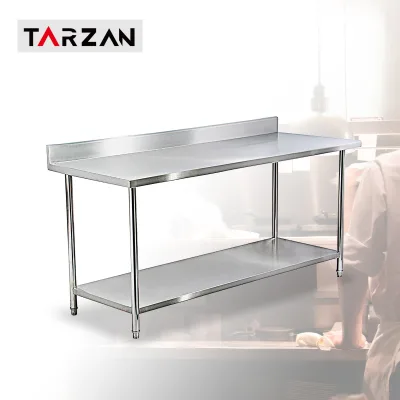
Factory Stainless Steel Commercial Kitchen Preparation and Workbench with Backsplash
$100.00 - $180.00
MOQ: 1 sheets
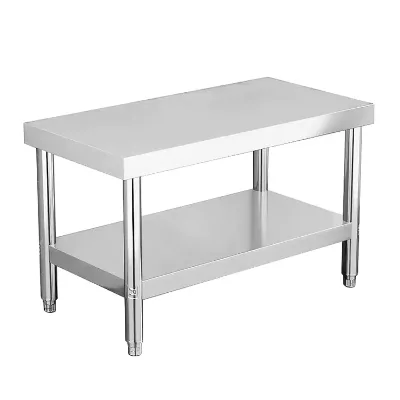
Haozan Commercial Custom Workbench Kitchen Utensils Stainless Steel Workbench with Shelf
$123.00 - $129.00
MOQ: 1 sheets
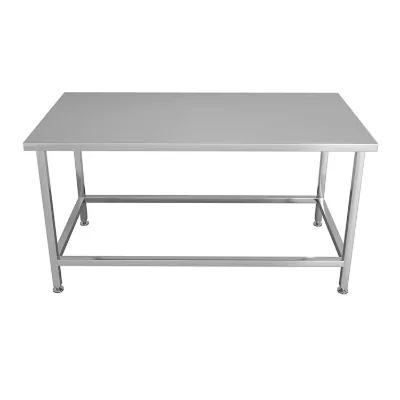
Factory Wholesale Stainless Steel Tableware and Kitchen Workbench Commercial Hotel Kitchen Equipment
$108.00 - $190.00
MOQ: 1 sheets
Guangzhou Wan Chef Metal Products Co., Ltd.
- Verified by TüVRheinland
- Manufacturer, Trading Company
- Lead time10 days
- Avg. response≤ 4h
Main productsStainless Steel Sink Table, Work Table, Bench Cabient, Storage Shelf, Storage Cabinet
Main marketsNorth America(20%), Southeast Asia(20%), Mid East(20%)
Lubolanshi (liaoning) Import And Export Co., Ltd.
- Verified by TüVRheinland
- Manufacturer, Trading Company
- Lead time30 days
- Avg. response≤ 1h
Main productsCooking Equipment, Refrigeration Equipment, Baking Equipment, Stainless Steel Kitchen Equipment, Commercial Kitchen Equipment
Main marketsNorth America(15%), Mid East(15%), South America(10%)
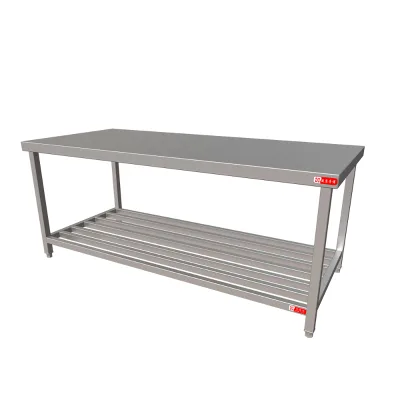
$57.4971 - $137.5797
MOQ: 1 Minimum
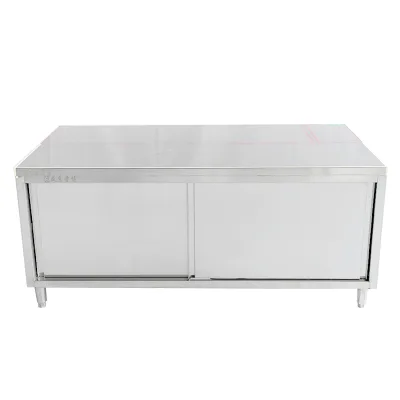
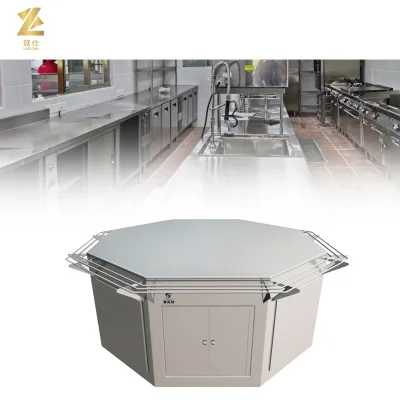
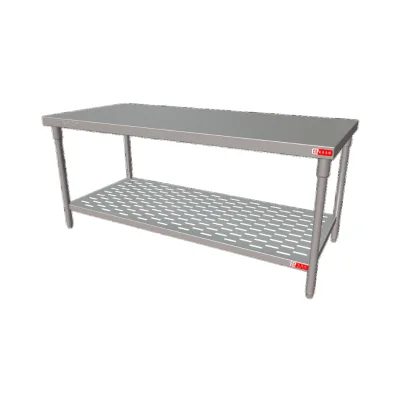
Custom Commercial Kitchen Equipment Stainless Steel Workbench Double-Layer Lattice Workbench
$50.3094 - $204.3167
MOQ: 1 Minimum
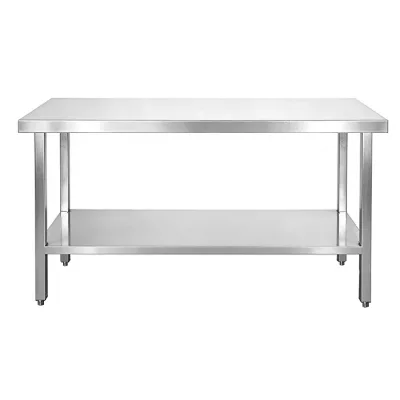
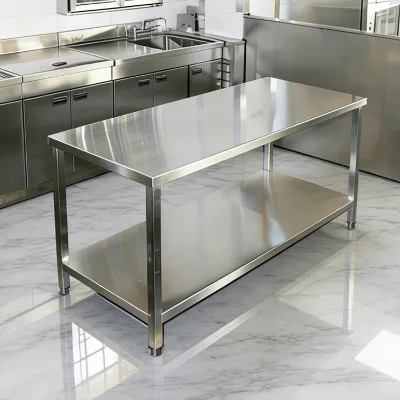
$61.6029 - $123.2058
MOQ: 1 Minimum

Ji Nan Qian Hui Import and Export Co.,Ltd
- Manufacturer, Trading Company
- Shandong, China
- Lead time20 days
- Avg. response≤ 4h
Main productsStainless steel work table,stainless steel sinks,stainless steel shelf,dough sheeter,vegetable cutter
Main marketsNorth America(8.33%), Northern Europe(8.20%), Mid East(8.00%), Oceania(8.00%), Eastern Asia(8.00%), Central America(8.00%), South America(8.00%), Africa(6.60%), Eastern Europe(6.50%), South Asia(6.20%), Domestic Market(6.00%), Southeast Asia(6.00%), Southern Europe(6.00%), Western Europe(6.00%)
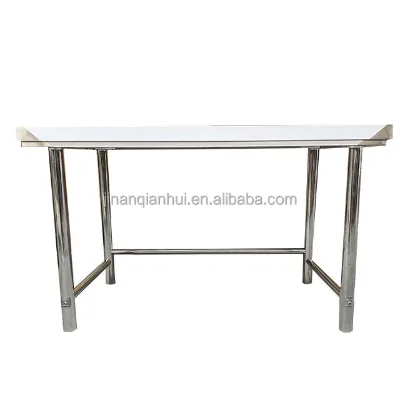
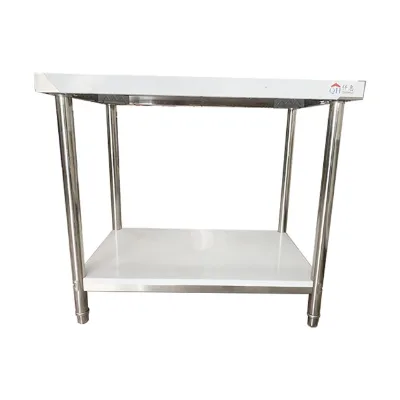
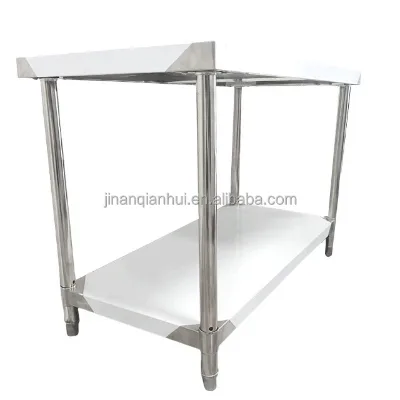
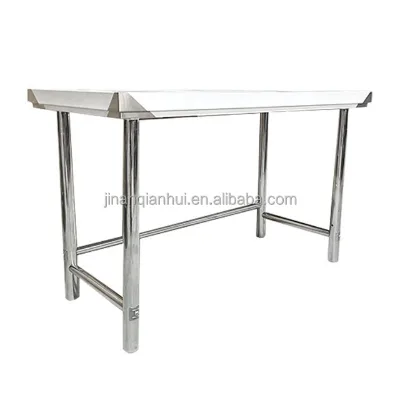
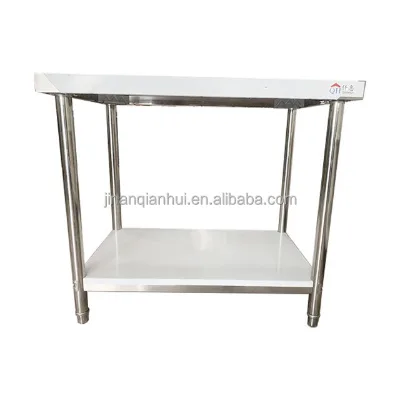
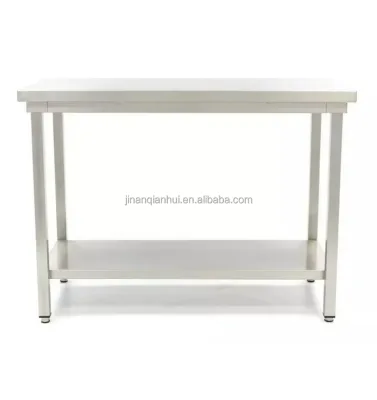
$40.00 - $42.00
MOQ: 10 pieces

Shandong Wilk Kitchen Equipment Co., Ltd
- Verified by SGS
- Trading Company
- China Shandong
- Lead time15 days
- Avg. response≤ 2h
Main productsStainless Steel Work Table, Stainless Steel Sink, Commercial Rice Steamer, Drink Display Frrezer, Deep Freezer, Four/Six Door Refrigerator, Commercial Oven, Egg/Dough Mixer, Electric/Gas Deep Fryer, Electric/Gas Griddle
Main marketsSoutheast Asia/ Mideast

Thickened Stainless Steel Workbench Cabinet Stainless Steel Kitchen Workbench for Sale
$45.00 - $150.00
MOQ: 5 Sets


Jiangmen Daosheng Stainless Steel Products Co., Ltd.
- Verified by Intertek
- Manufacturer, Trading Company
- Lead time30 days
- Avg. response≤ 2h
Main productsStainless Steel Stock Pot, Stainless Steel Frying Pan, Stainless Steel Work Table, GN PAN, Stainless Steel Rack Trolley
Main marketsNorth America(38%), Eastern Europe(36%), Southeast Asia(15%)
Guangzhou Chefs Catering Equipment Co., Ltd.
- Manufacturer, Trading Company
- Guangdong, China
- Lead time20 days
- Avg. response≤ 8h
Main productsrestaurant equipment,Kitchen equipment,Hotel Products,Kitchenware,Restaurant Furniture
Main marketsMid East(20.00%), Africa(20.00%), South Asia(20.00%), Southeast Asia(10.00%), Northern Europe(10.00%), Western Europe(10.00%), Eastern Asia(10.00%)
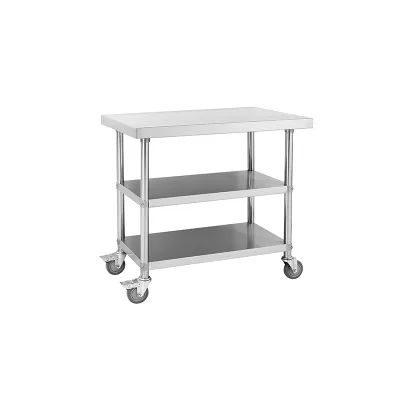
Commerical Kitchen Bench Stainless Steel Kitchen Work Table Working Bench with Wheels
$130.00 - $200.00
MOQ: 2 Minimum
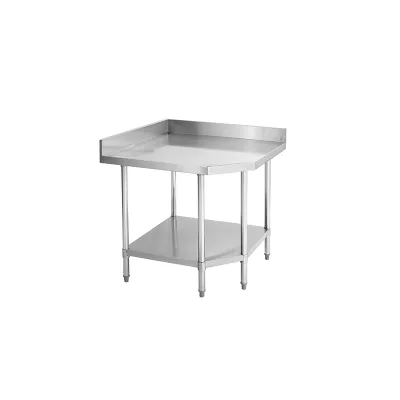
Commercial Restaurant Work Bench for Kitchen Stainless Steel Corner Work Table
$130.00 - $200.00
MOQ: 2 Minimum

Jiangsu Xinyuehai Commercial Kitchenware Co., Ltd
- Verified by SGS
- Combined
- China Jiangsu
- Lead time15 days
- Avg. response≤ 2h
Main productsCatering Equipment, Chinese Stove, Kitchen Equipment, Kitchen Appliance, Gas Stove, Ice Maker Machine, Stainless Steel Shelf, Kitchen Workbench, Refrigerator, Induction Cooker
Main marketsDomestic,Europe

Stainless Steel Work Bench Commercial Kitchen Stainless Steel Bakery Work Table
$122.00 - $137.00
MOQ: 1 Sets


Commercial Kitchen Equipment Stainless Steel Workbench/Dining/Hotel Kitchen Workbench
$124.00 - $189.00
MOQ: 1 Sets
Shandong Haibor Commercial Kitchenware Co., Ltd.
- Verified by TüVRheinland
- Trading Company
- Lead time15 days
- Avg. response≤ 5h
Main productsReach-in Refrigerator & Freezer, Under Counter Refrigerator, Chest Freezer, Display Refrigerator, Stainless Steel Preparation Equipment
Main marketsNorth America(20%), Mid East(18%), Eastern Europe(15%)
Guangzhou Hongda Food Machinery Co., Ltd.
- Verified by TüVRheinland
- Trading Company
- Lead time7 days
- Avg. response≤ 3h
Main productsKitchen Equipments, Snack Machines, Bakery Equipments, Refrigerating Machines, Stainless Steel Equipments
Main marketsSouth America(30%), Mid East(20%), Africa(10%)

Shandong Shenglang Kitchen Co., Ltd.
- Verified by TUVRHEINLAND
- Combined
- China Shandong
- Lead time15 days
- Avg. response≤ 3h
Main marketsSoutheast Asia/ Mideast
Shaanxi Ruitai Kitchen Industry Co., Ltd.
- Verified by SGS Group
- Manufacturer, Trading Company
- Lead time7 days
- Avg. response≤ 2h
Main productsKitchen Equipment, Kitchenware, Wok Stove
Main marketsSoutheast Asia(40%), North America(30%), Africa(10%)
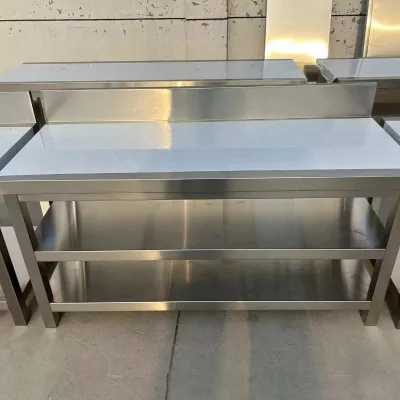
RUITAI Stainless Steel square Leg Workbench Stainless Steel Double Layer Workbench
$82.2501 - $193.2871
MOQ: 1 pieces
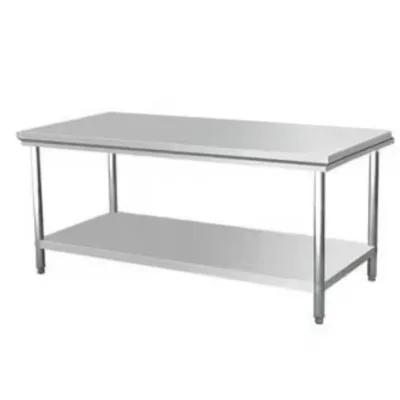
Stainless Steel Tables Commercial Kitchen Equipment Work Bench Professional Standard
$77.1101 - $92.5318
MOQ: 1 pieces
Guangzhou Foodsense Catering Equipment Co., Ltd.
- Manufacturer, Trading Company
- Lead time旺季: "1 - 20":30,"> 20":"To be negotiated", 淡季: "1 - 20":30,"> 20":"To be negotiated"
- Avg. response≤ 2h
Main productsFood Processing Machine, Bakery Equipment, Cooking Equipment, Refrigeration Equipment, Bar Beverage Equipment
Binzhou Daweite Import And Export Co., Ltd.
- Trading Company
- Shandong, China
- Lead time0 days
- Avg. response≤ 2h
Main productsgas cooker,Single-head Low Soup Stove,Electromagnetic oven,Electromagnetic seafood steaming cabinet,stainless steel work table
Main marketsSoutheast Asia(15.00%), Western Europe(10.00%), Mid East(10.00%), Oceania(10.00%), Africa(10.00%)
Dongguan Gaoya Kitchenware Co., Ltd.
- Verified by TüVRheinland
- Manufacturer, Trading Company
- Lead time30 days
- Avg. response≤ 2h
Main productsStainless Steel Work Table, Stainless Steel Working Cabinet, Stainless Steel Sink, Stainless Steel Shelving, Stainless Steel Trolley
Main marketsDomestic Market(38%), Western Europe(35%), North America(15%)
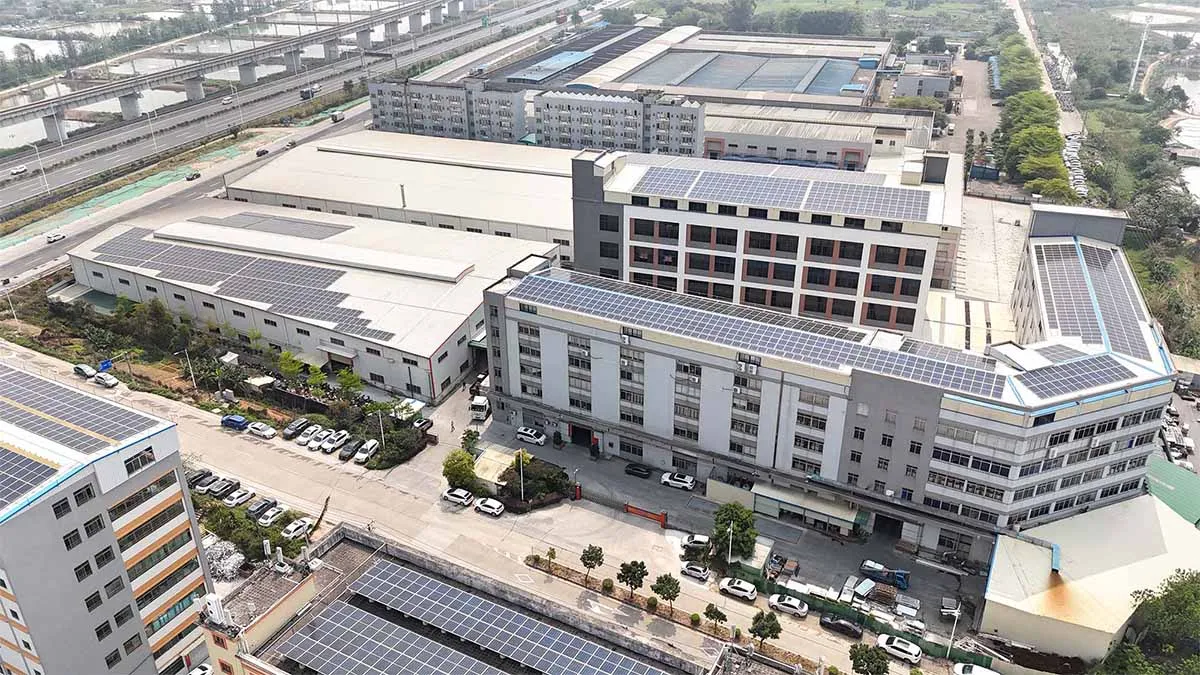
Jiangmen City Lijing Stainless Steel Products Co., Ltd.
- Manufacturer
- Guangdong, China
- Lead time45 days
- Avg. response≤ 8h
Main productsSauce Pan,Stock Pot,Frying Pan,GN Pan
Main marketsDomestic Market(30.00%), Northern Europe(25.00%), Eastern Europe(10.00%), North America(2.00%), Western Europe(2.00%), South America(2.00%), Southeast Asia(1.00%), South Asia(1.00%), Central America(1.00%), Eastern Asia(1.00%), Africa(1.00%)
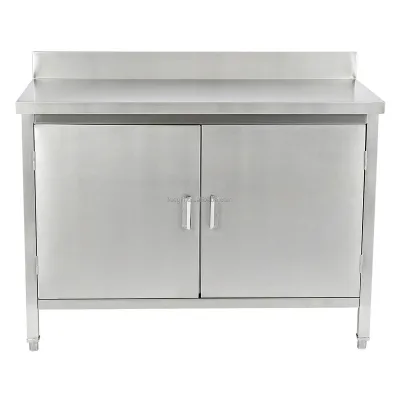
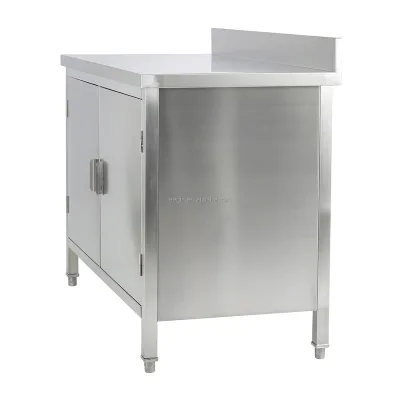
Double-Sided Stainless Steel Work Table for High Traffic Kitchens
$91.2891 - $125.5218
MOQ: 10 Minimum
Shandong Manchu Kitchenware Co., Ltd.
- Verified by TüVRheinland
- Manufacturer, Trading Company
- Lead time15 days
- Avg. response≤ 1h
Main productsStainless Steel Sink, Workbenches, Shelves, Refrigeration Equipment, Dining Car
Main marketsDomestic Market(50%), North America(8%), South America(6%)
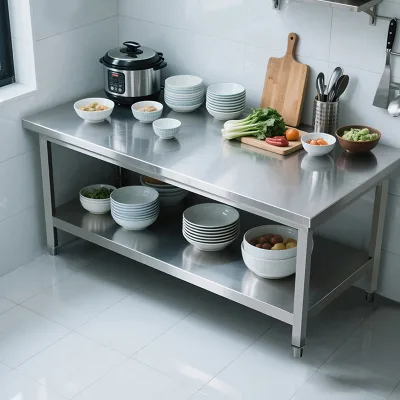
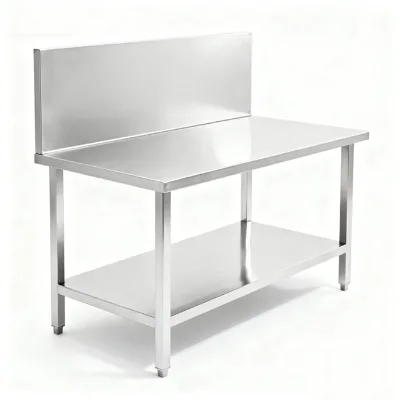
Commercial Kitchen Food Preparation Work Table Stainless Steel Multi-Functional and Adjustable
$61.1847 - $64.2441
MOQ: 1 pieces
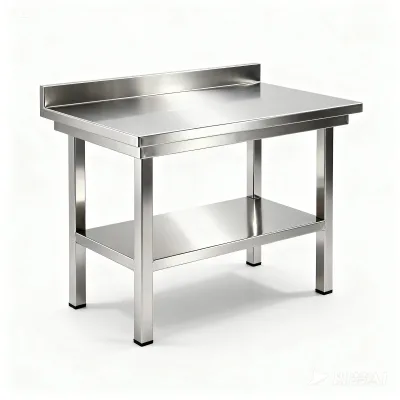
$25.10 - $62.00
MOQ: 100 Minimum

Ancheng Hardware Manufacturing Co., Ltd.
- Verified by SGS
- Trading Company
- China Guangdong
- Lead time30 days
- Avg. response≤ 5h
Main productsKitchenware, Restaurant Equipment, Catering Equipment
Main marketsAfrica,Southeast Asia/ Mideast,Europe,Australia,North America

- Trading Company,Manufacturer/Factory
- China Guangdong
- Lead time45 days
- Avg. response≤ 7h
Main productsStainless Steel Trolley, Mobile Trolley, Flatform Trolley, Bakery Trolley, Trash Bag Holder, Insulated Container, Stock Pot, Worktable, Kitchen Sink, Buffet
Main marketsSouth America,Eastern Europe,Mid East,North America,Southeast Asia,Eastern Asia,Oceania,Western Europe,Africa


Newly Design Stainless Steel Kitchen Workbench for Storage in Restaurant
$65.40 - $150.00
MOQ: 200 Pieces
- Manufacturer, Trading Company
- Shandong, China
- Lead time15 days
- Avg. response≤ 1h
Main productsCustomized 316 stainless steel products,Stainless Steel Commercial Kitchen Equipment,Tool Cabinet,Work Station,Garage Storage Equipment
Main marketsNorth America(30.00%), South America(20.00%), Western Europe(10.00%), Eastern Asia(10.00%), Mid East(10.00%), Oceania(10.00%), Eastern Europe(10.00%)

Guangzhou Junjian Kitchen Appliances & Refrigeration Equipment Co., Ltd.
- Verified by BV
- Combined
- China Guangdong
- Lead time15 days
- Avg. response≤ 5h
Main productsKitchen Refrigerator, Commercial Freezer, Cake Showcase, Ice Maker, Ice Cream Machine, Salad Bar, Beverage Cooler, Working Table, Juice Dispenser, Stainless Steel Kitchen Equipment
Main marketsOthers(foreignTradeCapacity.exportBusinessCapacityMarketOther)
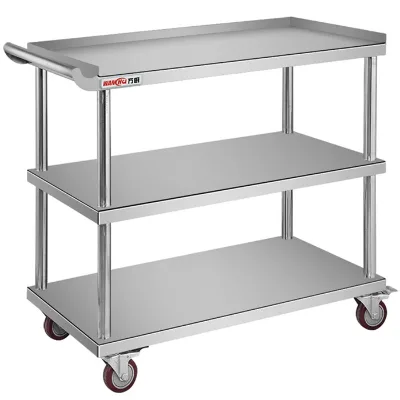
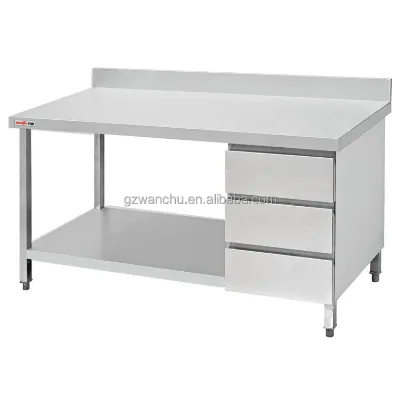
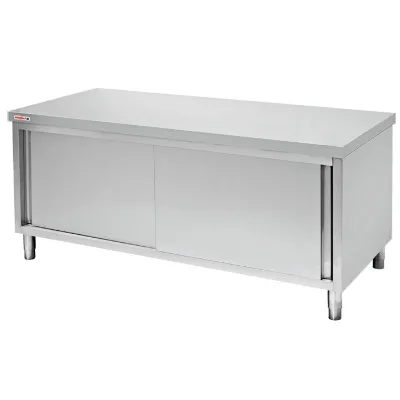
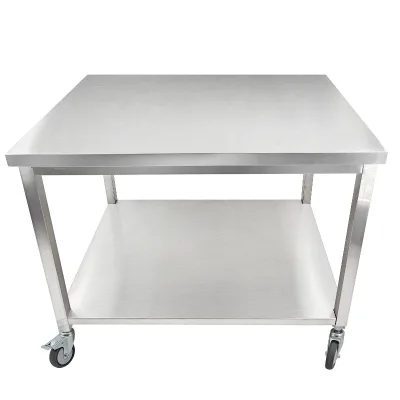
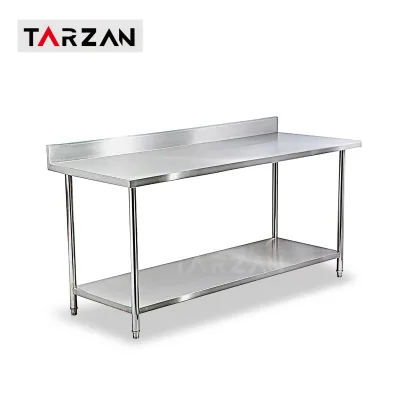
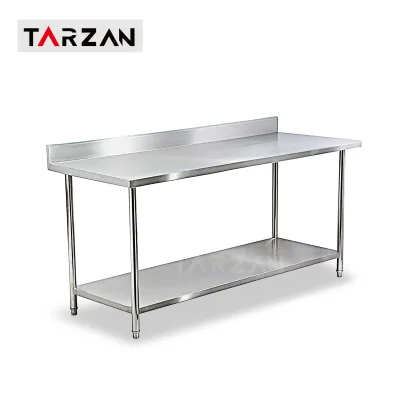


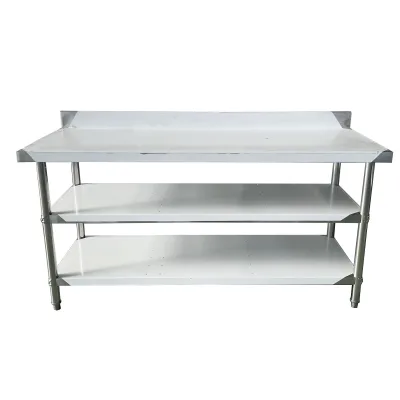
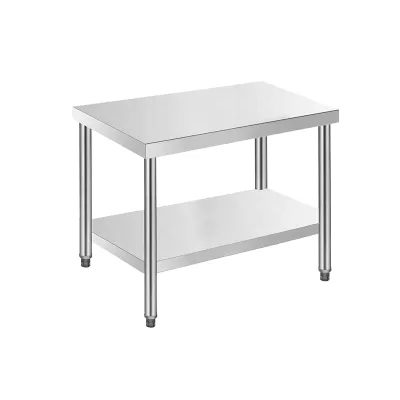
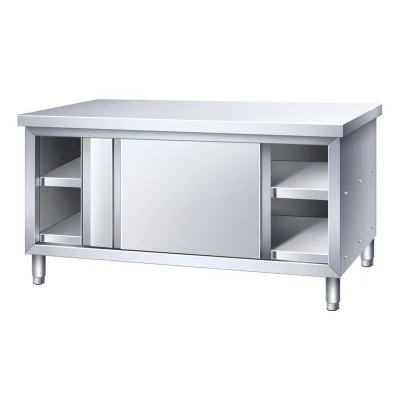
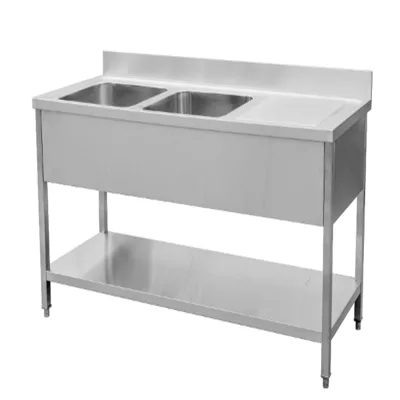
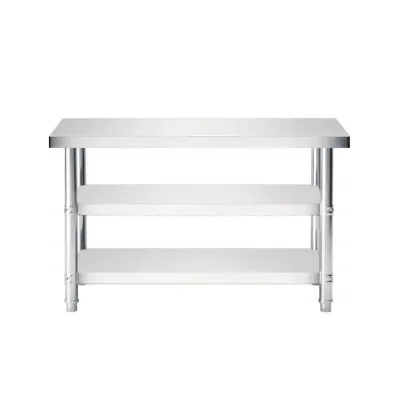
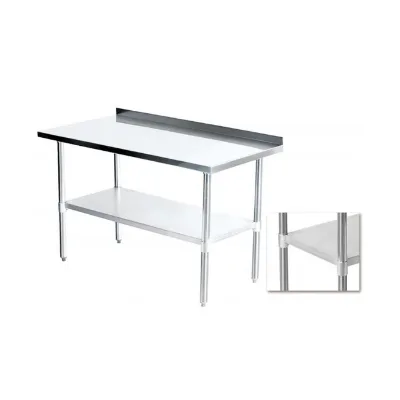
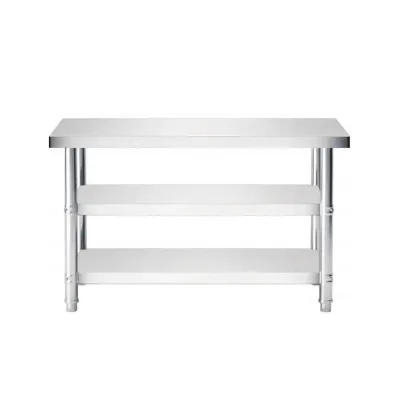
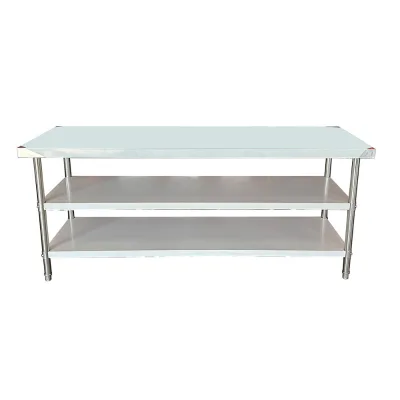
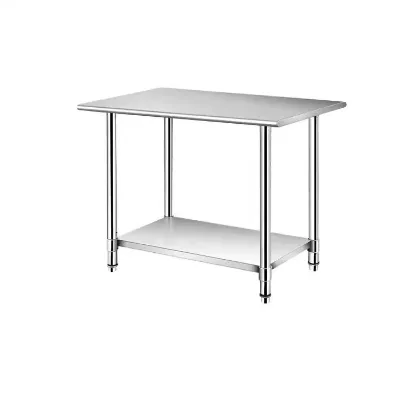
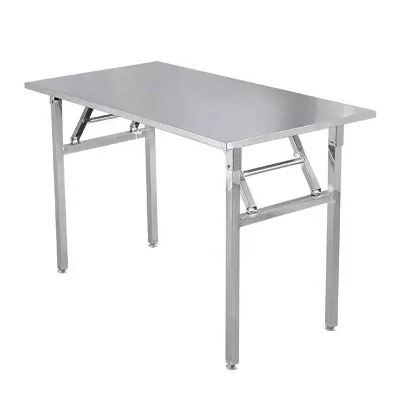
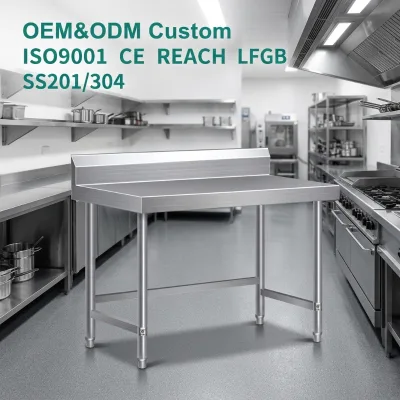
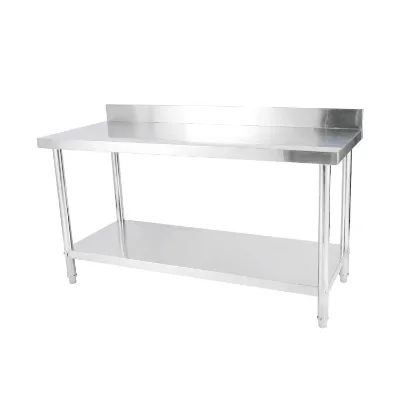
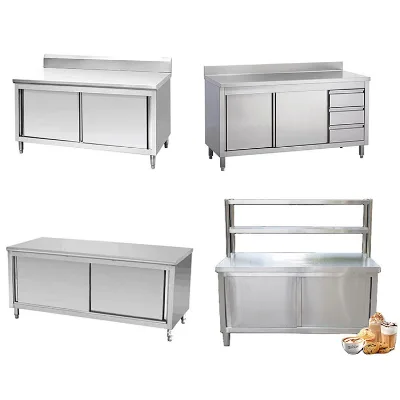
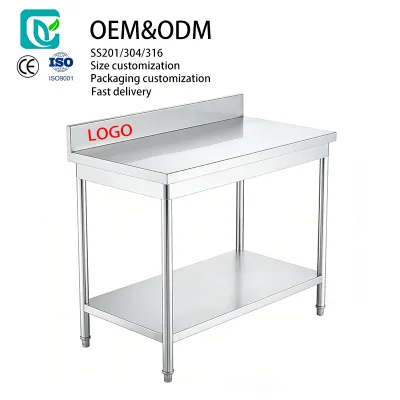




Comprehensive Sourcing Guide
Stainless Steel Kitchen Workbench Supplier Concentration and Factory Types
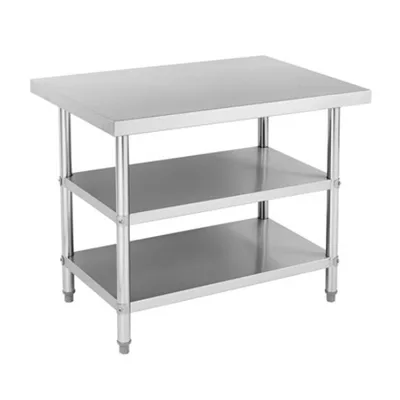
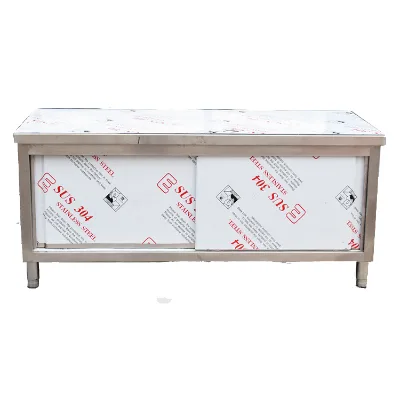
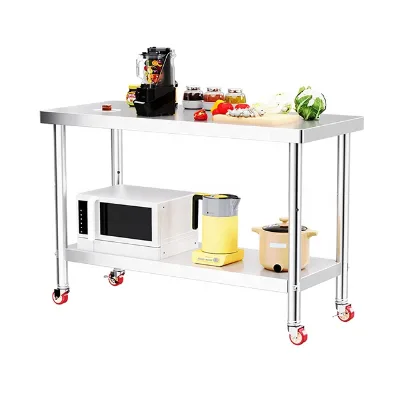
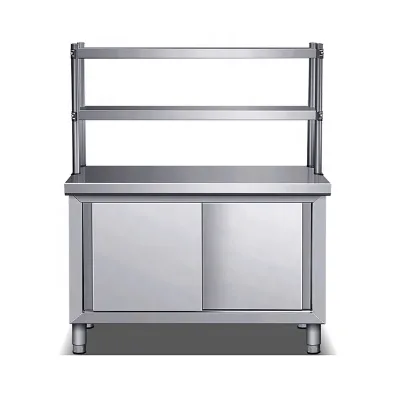
The current supplier landscape for stainless steel kitchen workbenches reveals a diverse mix of manufacturing capabilities and business models, primarily concentrated in specific industrial hubs within China. Data indicates that suppliers are located in regions such as Shandong and Guangdong, which are known for their robust metal fabrication and commercial equipment industries. These locations serve as key production centers where raw materials like SS201 and SS304 stainless steel are readily available, allowing for efficient supply chain management. The presence of suppliers in these areas suggests that buyers can expect a high density of options, ranging from small workshops to large-scale factories. Understanding the geographic distribution is crucial for assessing logistics costs and lead times, as proximity to ports and raw material sources can significantly impact the final delivered price and shipping duration.
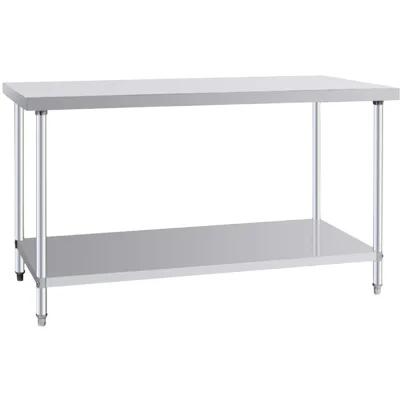
In terms of company structure, the market features a variety of entity types, including manufacturers, trading companies, and combined entities that offer both production and sourcing services. Some suppliers are identified as manufacturers with their own brands and R&D capabilities, offering OEM and ODM services for customized designs. Others operate as trading companies or combined firms, leveraging networks to provide one-stop solutions that may include cooking equipment, refrigeration, and bakery supplies alongside workbenches. This diversity allows buyers to choose partners based on their specific needs, whether they require direct factory pricing and customization control or the broader product range and logistical support provided by trading entities. The mix of company types ensures that there are options for different order volumes and complexity levels, from standard square tables to complex, multi-tiered commercial units.
How to Verify Stainless Steel Kitchen Workbench Suppliers
Verifying the credibility and operational capacity of Stainless Steel Kitchen Workbench suppliers requires a careful examination of their verification badges and certification records. Current data shows that suppliers may hold various third-party verification statuses, such as CTI, BV, or TÜV Rheinland, which indicate that an independent agency has assessed their business legitimacy or factory conditions. These verification badges serve as a primary layer of trust, confirming that the entity exists and operates within stated parameters. Additionally, system certifications like ISO9001:2015 are present in the supplier pool, signaling adherence to international quality management standards. Buyers should prioritize suppliers who display these verifications, as they provide a baseline assurance of reliability and professional operational practices. It is important to note that not all suppliers will have every type of certification, so buyers must assess which credentials are most relevant to their specific quality and compliance requirements.
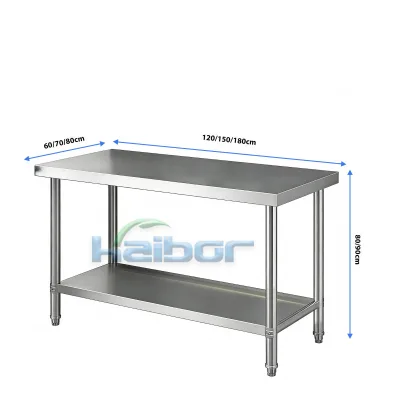
Beyond verification badges, buyers should scrutinize the specific product certifications and material specifications provided in the supplier listings. Many stainless steel workbench products are listed with CE certification, which is often required for commercial equipment sold in various international markets. The material composition is another critical verification point, with suppliers specifying the use of SS201 or SS304 stainless steel. SS304 is generally preferred for its superior corrosion resistance and durability in wet kitchen environments, while SS201 may be offered as a more cost-effective alternative. Buyers must confirm the exact grade of stainless steel being used, as this directly impacts the longevity and hygiene standards of the workbench. Additionally, checking for details on thickness, such as ranges between 0.8mm and 1.5mm, helps ensure the structural integrity of the product. Verifying these technical details against the supplier’s claims is essential to avoid receiving substandard materials that may not meet commercial kitchen demands.
What to Compare Across Stainless Steel Kitchen Workbench Suppliers
When evaluating multiple suppliers, buyers should compare key operational metrics such as response time, lead time, and minimum order quantities to determine the best fit for their procurement timeline. Response times vary significantly across the supplier base, with some entities responding within a few hours while others may take up to ten hours or more. A faster response time often indicates a more agile sales team, which can be beneficial for resolving queries quickly and negotiating terms efficiently. Lead times also differ, with some suppliers offering rapid turnaround times of zero days for stock items, while others may require fifteen days or more for production. Understanding these timeframes is crucial for planning inventory replenishment and ensuring that kitchen equipment arrives before it is needed. Buyers should align their expectations with the supplier’s stated capabilities to avoid delays in their operational setup.
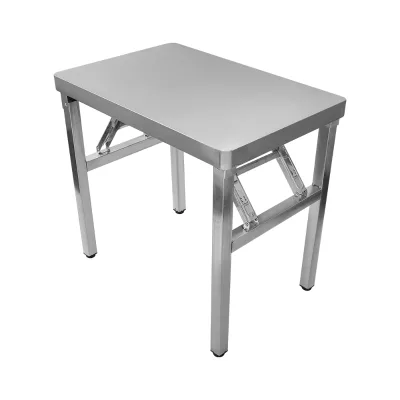
Another critical aspect of comparison is the pricing structure and customization options available. Prices for stainless steel workbenches can range widely, from as low as forty-nine dollars to over two hundred dollars per unit, depending on the material grade, dimensions, and additional features like shelves or folding mechanisms. Minimum order quantities also vary, with some suppliers accepting orders as low as one piece, which is ideal for small businesses or testing samples, while others may have higher MOQs. Customization is frequently available, allowing buyers to specify dimensions, shapes, and finishes to match their specific kitchen layout. Buyers should compare the total cost of ownership, including shipping and potential customization fees, rather than just the unit price. Additionally, examining the main products offered by each supplier can reveal their expertise; some focus primarily on slaughter equipment or restaurant furniture, while others provide a broader range of commercial kitchen solutions. This holistic view helps in selecting a supplier who not only offers the right product but also aligns with the buyer’s broader sourcing strategy.
Common Stainless Steel Kitchen Workbench Sourcing Risks
One of the primary risks in sourcing stainless steel kitchen workbenches is the potential discrepancy between the specified material grade and the actual product received. Suppliers may list products as SS304 stainless steel, which is the industry standard for food safety and durability, but deliver items made from SS201 or other lower-grade alloys. This substitution can lead to premature corrosion, especially in high-moisture kitchen environments, resulting in costly replacements and potential health code violations. Buyers must insist on clear material specifications and, if possible, request material test reports or samples to verify the grade before placing large orders. The risk is compounded by the fact that some suppliers offer a range of materials, and the price difference may not always be clearly communicated in the initial listing. Ensuring transparency in material sourcing is essential to maintaining the quality and longevity of the kitchen equipment.
Another significant risk involves the structural integrity and finish quality of the workbenches, particularly regarding thickness and welding standards. Listings may specify a thickness range, such as 0.8mm to 1.5mm, but the actual product may fall on the lower end of this spectrum, affecting its load-bearing capacity. Additionally, the quality of welding and assembly can vary, with some products being unfixed or unfolded, which may impact stability during use. Buyers should carefully review product attributes like installation type, shape, and folding status to ensure they meet their operational needs. There is also a risk related to packaging and shipping damage, as improper packing can lead to dents or scratches on the stainless steel surface. Suppliers may use wooden strip packing or carton packaging, but the effectiveness of these methods in protecting the product during transit varies. Buyers should inquire about packaging standards and consider insurance or secure shipping options to mitigate the risk of damage upon arrival.
Stainless Steel Kitchen Workbench Regional Sourcing and Logistics
Sourcing stainless steel kitchen workbenches from specific regions in China, such as Shandong and Guangdong, offers distinct logistical advantages and challenges. Shandong is a major hub for metal fabrication and commercial equipment, providing access to a wide variety of suppliers with established production lines. Guangdong, on the other hand, is known for its advanced manufacturing capabilities and proximity to major ports, which can facilitate faster shipping times to international destinations. Buyers should consider the geographic location of the supplier when calculating logistics costs and lead times, as transportation from inland areas may take longer than from coastal regions. Understanding the regional strengths of each supplier base can help buyers make informed decisions about where to source their equipment, balancing cost, speed, and reliability.
Logistics planning also involves considering the packaging and dimensions of the workbenches, which can impact shipping efficiency. Products may be shipped in various configurations, such as folded or unfolded, and packed in cartons or wooden strips. Folded designs can reduce shipping volume and costs, making them an attractive option for buyers looking to minimize freight expenses. However, buyers must ensure that the folding mechanism is robust and does not compromise the stability of the workbench when assembled. Additionally, the single package size and gross weight of the items, which can range from thirty-five kilograms to heavier loads, will affect shipping rates and handling requirements. Buyers should work with suppliers to optimize packaging for both protection and cost-efficiency, and consider using freight forwarders who specialize in commercial equipment to ensure smooth transit and customs clearance.
Stainless Steel Kitchen Workbench Commercial Terms and Order Planning
Effective order planning for stainless steel kitchen workbenches requires a clear understanding of the commercial terms offered by suppliers, including payment methods, warranty policies, and after-sales support. While specific payment terms may vary, buyers should negotiate for secure payment options that protect their interests until the goods are received and inspected. It is also important to clarify the warranty period and the process for handling defects or damages, as this can significantly impact the total cost of ownership. Suppliers with higher response times and established verification badges may offer more reliable after-sales support, providing peace of mind for buyers investing in commercial kitchen equipment. Buyers should document all agreed-upon terms in the purchase contract to avoid disputes and ensure that both parties are aligned on expectations.
Furthermore, buyers should plan their orders based on the supplier’s production capacity and lead times to avoid disruptions in their kitchen operations. For suppliers with zero-day lead times, buyers can place orders closer to the delivery date, which is beneficial for managing inventory and cash flow. However, for suppliers with longer lead times, such as fifteen days or more, advance planning is essential to ensure timely delivery. Buyers should also consider the scalability of their orders, as some suppliers may have limitations on production volume or customization capabilities. By aligning their order quantities with the supplier’s capacity and lead times, buyers can maintain a steady supply of kitchen equipment and avoid stockouts. Additionally, exploring options for recurring orders or bulk discounts can help reduce costs and streamline the procurement process for ongoing kitchen maintenance and expansion needs.
FAQs
What material grades are available for stainless steel workbenches?
Suppliers offer workbenches made from SS201 or SS304 stainless steel. These materials provide varying levels of corrosion resistance and durability for commercial kitchen environments. Buyers should select SS304 for high-hygiene standards or SS201 for budget-conscious projects requiring basic structural integrity.
What is the typical lead time for manufacturing these tables?
Manufacturing lead times generally range from zero to fifteen days depending on the supplier and order volume. Some manufacturers in Guangdong report immediate availability for standard items, while others in Shandong require up to fifteen days for production. Confirm specific timelines with the supplier before ordering.
What is the minimum order quantity for these workbenches?
Minimum order quantities typically start at one or two units, allowing for small-scale procurement. Most suppliers accept single-item purchases for testing quality or fitting small kitchens. Bulk discounts may apply for larger orders, so verify pricing tiers directly with the manufacturer to optimize costs.
What certifications do these commercial kitchen tables hold?
Many stainless steel workbenches carry CE certification, ensuring compliance with European safety and quality standards. Some manufacturers also hold ISO9001:2015 system certifications for quality management. Buyers should request valid certificate copies to verify compliance with local regulations and specific industry requirements before finalizing purchases.
How quickly do suppliers typically respond to inquiries?
Response times vary significantly, ranging from one hour to over ten hours. Top-rated suppliers often respond within a few hours, while others may take longer. Prompt communication helps clarify customization options and shipping details. Check the displayed response time metric to gauge supplier responsiveness before initiating contact.
What price range can buyers expect for these tables?
Prices generally range from forty-nine to three hundred ninety-eight dollars per unit. Costs depend on material grade, thickness, size, and customization options. Basic models start lower, while heavy-duty or custom-sized units cost more. Compare multiple quotes to find the best value for your specific kitchen requirements.