Stainless Steel Japanese Kitchen Knife with PP Handle Suppliers and Manufacturers
Compare 26 verified suppliers offering Stainless Steel Japanese Kitchen Knife with PP Handle products with varying lead times and response rates. Review factory capabilities and product specifications to select the right partner for your order; review the available evidence before requesting comparable quotations from suitable candidates.
Updated
Suppliers List
Yangjiang Asiakey Industrial Co., Ltd.
- Manufacturer, Trading Company
- Lead time旺季: "1 - 1000":10,"> 1000":"To be negotiated", 淡季: "1 - 1000":10,"> 1000":"To be negotiated"
- Avg. response≤ 1h
Main productsKitchen Knife, Kitchen Accessories, Scissors, Wooden Products

Yangjiang Gelaiya Industry & Trade Co., LTD
- Verified by TUVRHEINLAND
- Trading Company,Manufacturer/Factory
- China Guangdong
- Lead time30 days
- Avg. response≤ 8h
Main productsCutting Board, Kitchen Knife, Scissors, Kitchenware, Houseware, Bakeware, Outdoor Knife, Digital Products
Main marketsSouth America,Eastern Europe,Mid East,North America,Southeast Asia,Eastern Asia,Oceania,Western Europe,Africa
Yangjiang Chef Star Technology Co., Ltd.
- Manufacturer, Trading Company
- Guangdong, China
- Lead time0 days
- Avg. response≤ 4h
Main productsKitchen Knives Set,Baking Utensils,Kitchen Utensils,Vegetable Tools,Kitchen Accessories
Main marketsNorth America(40.00%), Southeast Asia(20.00%), Eastern Europe(20.00%), Western Europe(10.00%), Oceania(10.00%)
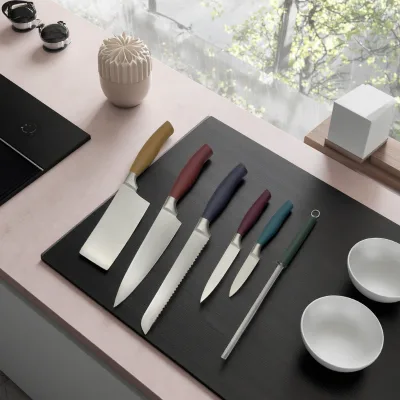
$4.83 - $7.62
MOQ: 100 Minimum
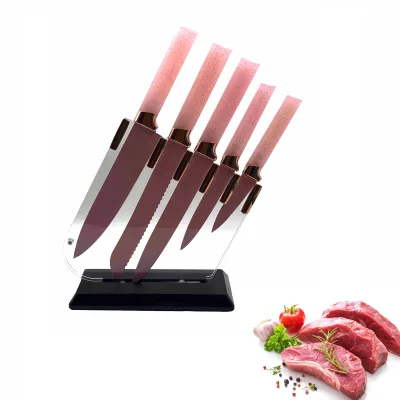
Factory Supplies Stainless Steel Classic Kitchen Knife with PP Plastic Blade Edge Kitchen Knives
$2.26 - $4.26
MOQ: 100 Minimum

Yangjiang Selectedhardware Enterprise Co., Ltd.
- Trading Company
- China Guangdong
- Lead time30 days
- Avg. response≤ 1h
Main productsCommercial Knives, Industrial Knives, Kitchen Knives, Scissors
Main marketsSouth America,Africa,Southeast Asia/ Mideast,Europe,North America
Yangjiang City Jin Niangzi Daily Products Co., Ltd.
- Manufacturer, Trading Company
- Guangdong, China
- Lead time0 days
- Avg. response≤ 1h
Main productsKitchen Knives, Kitchen Scissors, Kitchen Gadgets
Main marketsNorth America(30.00%), South America(20.00%), Western Europe(20.00%), Oceania(10.00%), Eastern Europe(10.00%), Southeast Asia(10.00%)
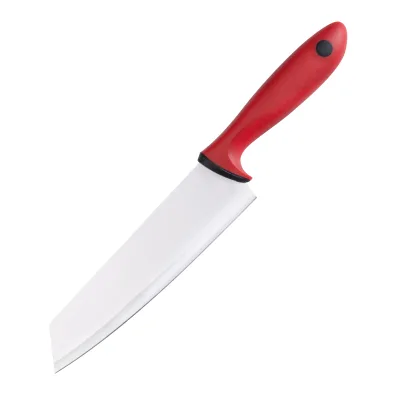
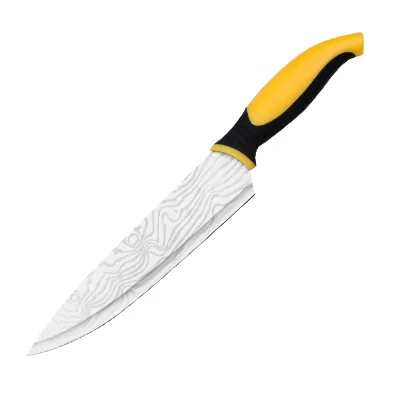
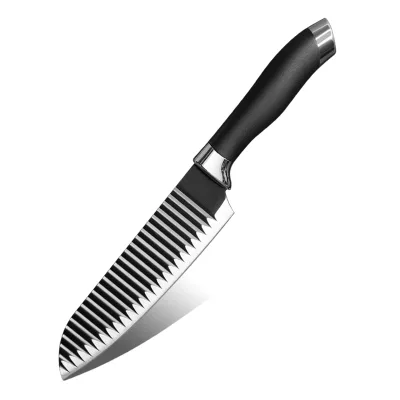
Hot Sale Japanese Cooking Knife Kitchen Knife Tools Handmade Chef Knife With Plastic Handle
$0.9893 - $1.1138
MOQ: 2 Minimum
Yangjiang Homedailys Houseware Co., Ltd.
- Trading Company
- Lead time旺季: "1 - 100":9,"101 - 300":14,"> 300":"To be negotiated", 淡季: "1 - 100":9,"101 - 300":14,"> 300":"To be negotiated"
- Avg. response≤ 4h
Main productsKnives, Kitchenware, BBQ, Wine Opener, Multitools
Zhangxiaoquan International Co., Ltd.
- Verified by TüVRheinland
- Manufacturer, Trading Company
- Lead time35 days
- Avg. response≤ 2h
Main productsKitchen Knives
Main marketsNorth America(30%), Western Europe(30%), Domestic Market(20%)

Yangjiang Bangchubao Industry and Trade Co.,Ltd
- Verified by BV
- Combined
- China Guangdong
- Lead time23 days
- Avg. response≤ 9h
Main productsKitchen Knife, Chef Knife, Fruit Knife, Carving Knife, Scissors, Utility Knife, Vegetable Knife, Vegetable Peeler, Meat Cleaver, Bread Knife
Main marketsDomestic

Seer Hardware Industry&Trade Co., Ltd.
- Combined
- China Guangdong
- Lead time30 days
- Avg. response≤ 10h
Main productsKnife, Camping Knife, Folding Knife, Kitchen Knife, Hunting Knife, BBQ Tools, Laguiole Knife, Manicure Set, Knife Set, ODM OEM Knife
Main marketsSouth America,Southeast Asia/ Mideast,East Asia(Japan/ South Korea),Europe,North America

420stainless Steel Hammer Blade Japanese Kitchen Knife with Color Wooden Handle (SE-KKS001R)
$2.80 - $3.50
MOQ: 200 Pieces


Negotiable
MOQ: 1000 Pieces
Yangjiang Yangdong Everrich Industry Co., Ltd.
- Manufacturer, Trading Company
- Guangdong, China
- Lead time25 days
- Avg. response≤ 3h
Main productsKitchen Knife Set,Single Knife,Damascus Knife,Kitchen Utensils,Magnetic Rack
Main marketsEastern Europe(20.00%), North America(18.00%), Domestic Market(10.00%), Mid East(10.00%), Southern Europe(9.00%), Northern Europe(8.00%), South America(5.00%), Central America(5.00%), Eastern Asia(5.00%), Southeast Asia(5.00%), Western Europe(5.00%)
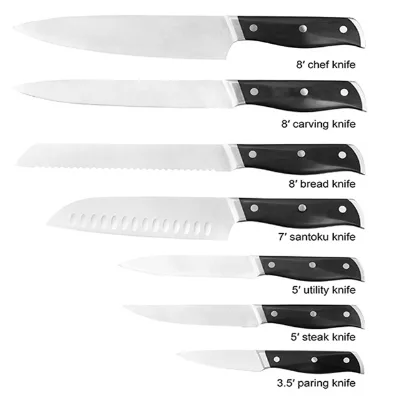
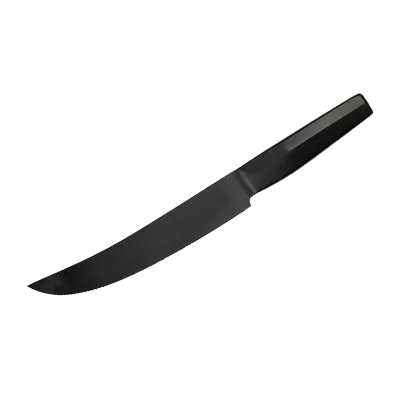
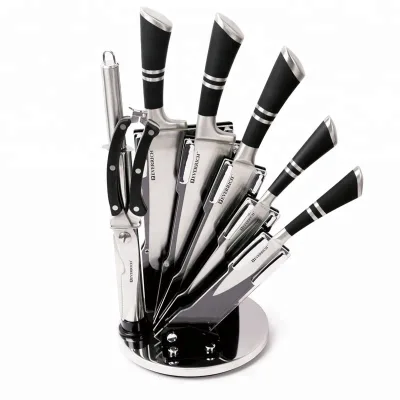
8 Inch Professional Japanese Steel Kitchen Chef Knife With ABS Handle
$3.3428 - $3.4477
MOQ: 2000 sets
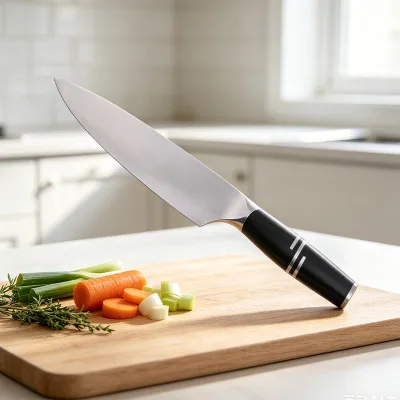
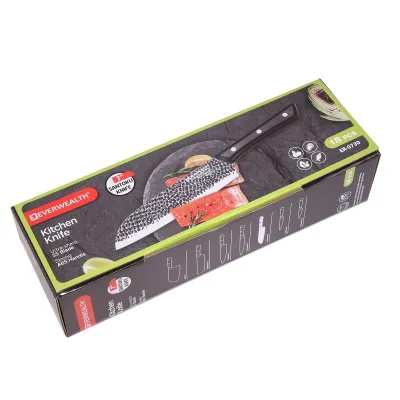
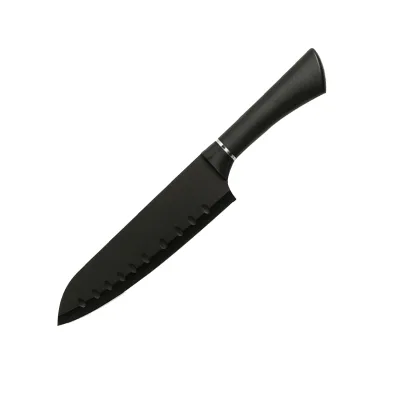
Hollow Handle Forged Black Stainless Steel Chef Kitchen Japanese Sushi Knife Set
$10.30 - $11.20
MOQ: 2000 pieces
Yangjiang Yangdong District Berial Cutting Tools Co., Ltd.
- Verified by SGS Group
- Manufacturer, Trading Company
- Lead time30 days
- Avg. response≤ 10h
Main productsDamascus knife/ Knife Set/ Santoku knife/ Chef Knife/ Steak Knife

Wenzhou Cathylin International Trade Co., Ltd.
- Verified by TUVRHEINLAND
- Trading Company
- China Zhejiang
- Lead time15 days
- Avg. response≤ 5h
Main productsFlatware, Cutlery, Kitchen Tools, Tableware, Cookware, Bakeware, Drinkware
Main marketsNorth America
Hangzhou Libi Ang Industrial Co., Ltd.
- Verified by SGS Group
- Trading Company
- Lead time30 days
- Avg. response≤ 2h
Main productsChopping Board, Small Kitchen Appliances, Kitchenware, Smart Kitchen Tools, Customized Kitchen Tools
Main marketsNorth America(30%), Southeast Asia(15%), Mid East(15%)
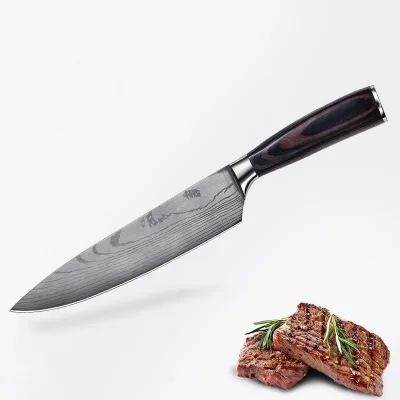
Hot Sale Stainless Steel Kitchen Knife with New Design Cheap Japanese Chef Knives
$4.50 - $4.80
MOQ: 10 pieces
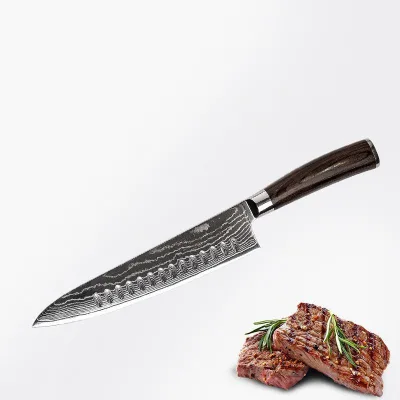
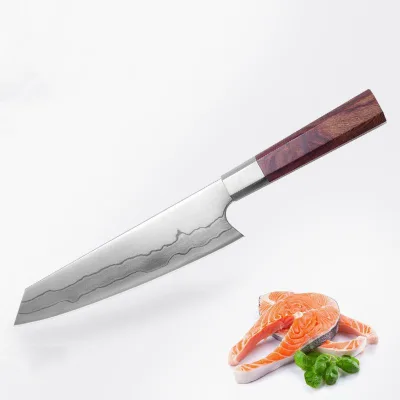
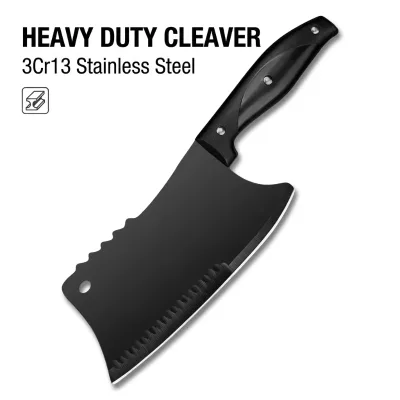
Yangjiang Jiaheng Industrial Co., Ltd.
- Verified by Intertek
- Manufacturer, Trading Company
- Guangdong, China
- Lead time40 days
- Avg. response≤ 2h
Main productsKitchen Knife, Kitchen Utensils, Knife Block , Cutting Board, Cheese Board
Main marketsWestern Europe(28%), North America(27%), South America(9%)
Eagle Catering Equipment Co., Ltd.
- Verified by SGS Group
- Trading Company
- Lead time45 days
- Avg. response≤ 2h
Main productsTrolley, GN Pan, Stock Pot, Utensils, Kitchen Tools
Main marketsWestern Europe(35%), Eastern Europe(20%), North America(10%)

Yangjiang Zhiyuan Hardware&Plastic Products Co., Ltd.
- Verified by TUVRHEINLAND
- Manufacturer/Factory
- China Guangdong
- Lead time0 days
- Avg. response≤ 4h
Main productsKnife, Kitchen Tools, Pizza Peel Shovel, Kitchen Accessories, Wooden Bamboo Cutlery, Wood Bamboo Decoration

Stainless Steel Paring Utility Santoku Chef Sliced Japanese Wooden Tool Kitchen Knife with Gift Logo
$19.58 - $20.58
MOQ: 1000 Sets


Yangjiang Angele Kitchenware Co., Ltd.
- Manufacturer, Trading Company
- Lead time旺季: "1 - 510":35,"> 510":"To be negotiated", 淡季: "1 - 510":35,"> 510":"To be negotiated"
- Avg. response≤ 4h
Main productsKitchen Knife, Scissor, Multi function Pliers, Kitchenware, Pocket Knife
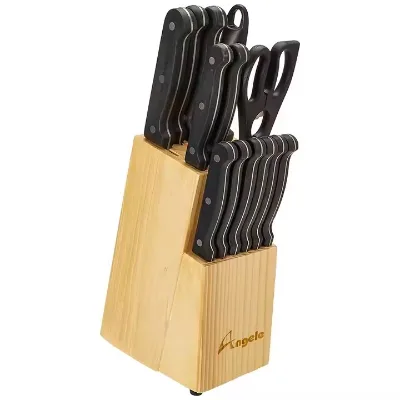
Innovative Japanese Kitchen Knife Set High-Quality Stainless Steel Chef Knives at Competitive Prices
$11.4359 - $13.515
MOQ: 1000 sets
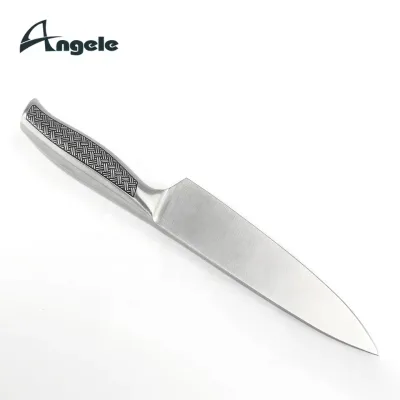
$3.50 - $5.00
MOQ: 500 pieces
Guangdong Inwin Industrial Group Co.,ltd
- Verified by TüVRheinland
- Manufacturer, Trading Company
- Lead time45 days
- Avg. response≤ 4h
Main productsKitchen Knife, Cookware
Main marketsWestern Europe(30%), Eastern Europe(25%), Domestic Market(20%)
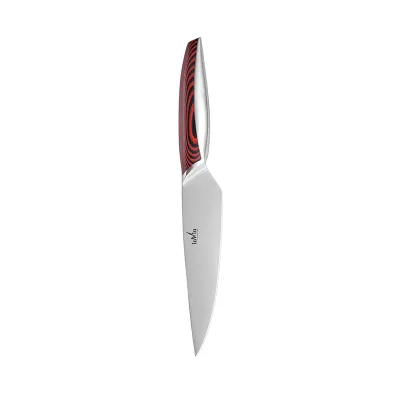
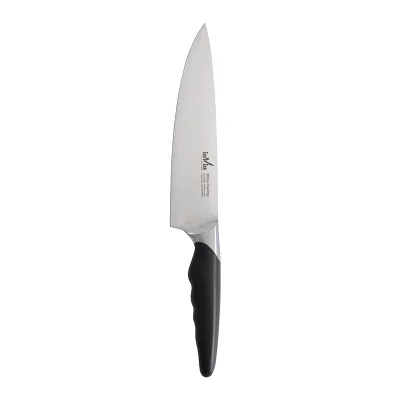
8-Inch Japanese Chef Knife with 430 Stainless Steel Bolster Metal Construction Chef's Knives
$3.067 - $3.0879
MOQ: 500 pieces
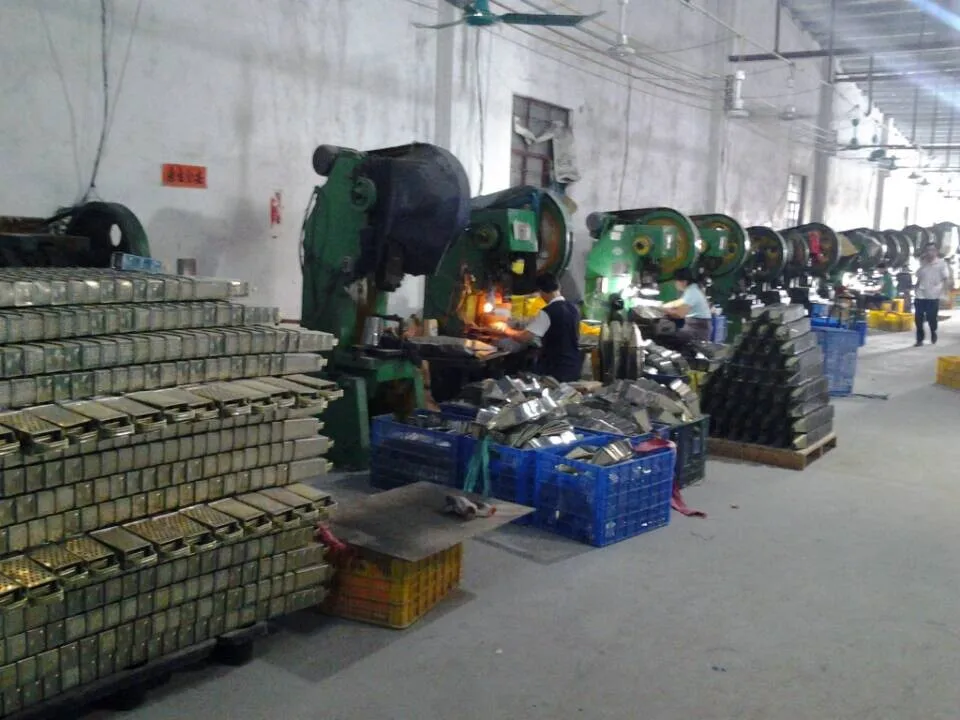
Huorun Import & Export Co., Ltd. (ASIA BEST BRANCH)
- Trading Company
- Guangdong, China
- Lead time30 days
- Avg. response≤ 11h
Main productsKitchen Knife & Scissor,Kitchen Tools,BBQ Tools,Wooden Cutting Boards,Manicure & Beauty Tools
Main marketsWestern Europe(45.00%), South America(20.00%), Eastern Asia(10.00%), Northern Europe(10.00%), Eastern Europe(5.00%), Central America(5.00%), North America(5.00%)
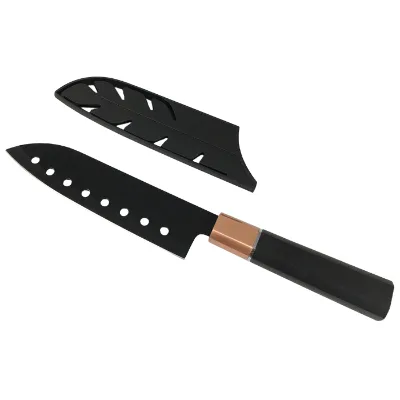
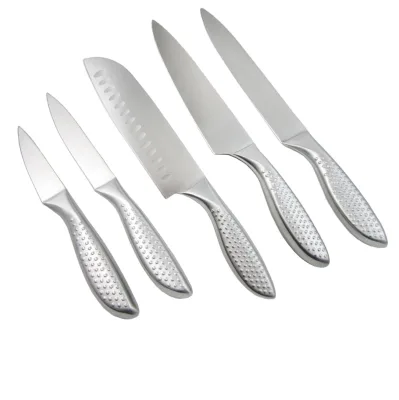
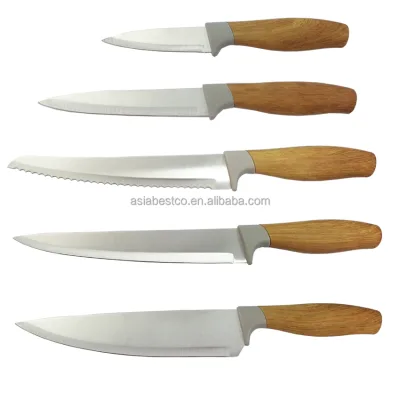
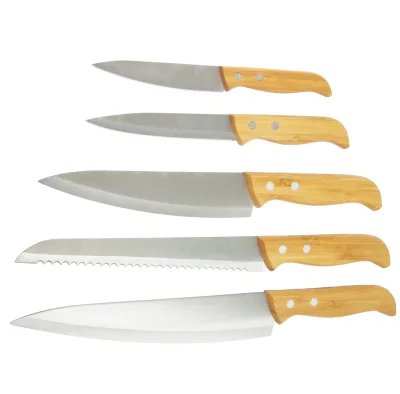
Good Quality Yangjiang Kitchen Knife
$2.81 - $2.90

Guangxi Yuelu Datong Intelligent Technology Co., Ltd.
- Trading Company
- Guangxi, China
- Lead time5 days
- Avg. response≤ 1h
Main productsFishing Tools,Knife,Fish finder,Home gardening,Outdoor chair
Main marketsNorth America(30.00%), Eastern Europe(20.00%), Southeast Asia(15.00%), South America(15.00%), Western Europe(10.00%), Mid East(10.00%)
Yangjiang Jiangcheng Diyu Hardware& Plastic Factory
- Verified by SGS Group
- Manufacturer, Trading Company
- Lead time30 days
- Avg. response≤ 3h
Main productsKitchenware

- Combined
- China Zhejiang
- Lead time30 days
- Avg. response≤ 12h
Main productsButcher Knife, Meat Grinder Knife, Commercial Kitchen Knives, Slaughtering Knives, Butchery Supply Knives Tools, Meat Mincer Knives Blades
Main marketsSouth America,Africa,Southeast Asia/ Mideast,East Asia(Japan/ South Korea),Domestic,Europe,Australia,North America

Chongqing Deng's Yaohe Knifeware Co., Ltd.
- Verified by TUVRHEINLAND
- Combined
- China Chongqing
- Lead time30 days
- Avg. response≤ 1h
Main productsKitchen Knife, Chef Knife, Knife Block Set, Cookware, Knifeware, Knife Set with Block, Stainless Steel Knife, Cutlery, Damascus Knives, Cheese Knife Steak Knife
Main marketsDomestic

Ds-4403 Classic Stainless Steel Serrated Steak Knife Stainless Steel Japanese Kitchen Knife
$15.49 - $17.17
MOQ: 1200 Sets


Ds-2593 Wooden Handle Japanese Style Cooking Knives High Quality Chef Knife Logo Customization
$9.81 - $16.16
MOQ: 100 Pieces


Ds-2876c High Quality Sushi Knife Professional Japanese Kitchen Knives
$15.59 - $16.99
MOQ: 500 Pieces
Ningbo Max Hope Hardware Co., Ltd.
- Trading Company
- Zhejiang, China
- Lead time50 days
- Avg. response≤ 2h
Main productsHardware Tools,Kitchenware,Household Supplies,Bath & Toilet Supplies,General Merchandise
Main marketsCentral America(80.00%), North America(10.00%), South America(10.00%)

Yangjiang Feehome Tech Co., LTD
- Verified by TUVRHEINLAND
- Trading Company,Manufacturer/Factory,Group Corporation,Other
- China Guangdong
- Lead time23 days
- Avg. response≤ 3h
Main productsKitchen Knives, Outdoor Knives, Nail Clippers, Kitchen Ware, Tea Infuser, BBQ Tools, Multi Function Tools, Kitchen Tools, Baking Tools, Coffee Tools
Main marketsSouth America,Eastern Europe,Mid East,North America,Southeast Asia,Eastern Asia,Oceania,Western Europe,Africa

Japanese Knives of Stainless Steel for Multipurpose Cooking Kitchen Knives
$9.99 - $19.99
MOQ: 3000 Pieces


Yangjiang Jinying Industry And Trade Co., Ltd.
- Trading Company
- Guangdong, China
- Lead time30 days
- Avg. response≤ 9h
Main productsknife,scissors,BBQ tools,kitchen products,damascus knife
Main marketsEastern Europe(40.50%), Western Europe(38.30%), Southern Europe(18.80%), Oceania(2.40%)
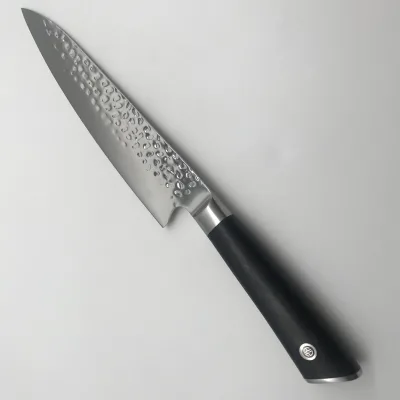
Professional Chef Knife 8 Inch Stainless Steel Kitchen Knives for Kitchen Restaurant
$8.00 - $11.00
MOQ: 2000
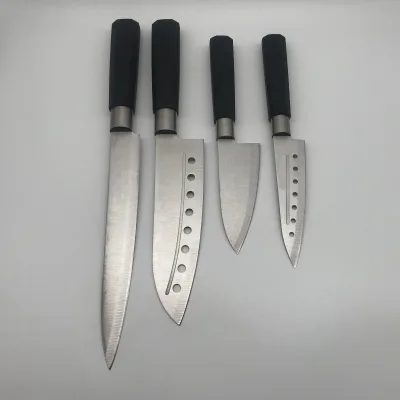
Hot Sale Japanese Knife Set 4-piece Set Slicing Knife Utility Knife Combination
$2.40 - $2.50
MOQ: 3000


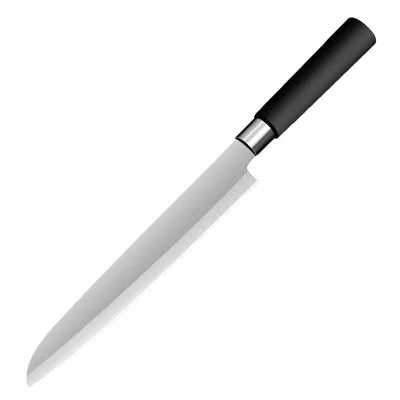
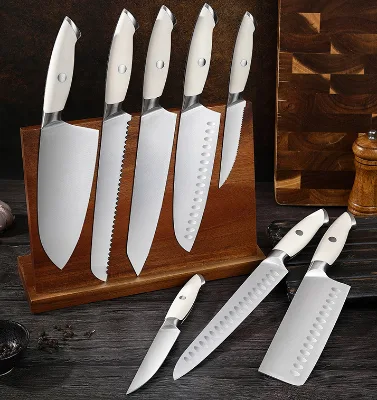
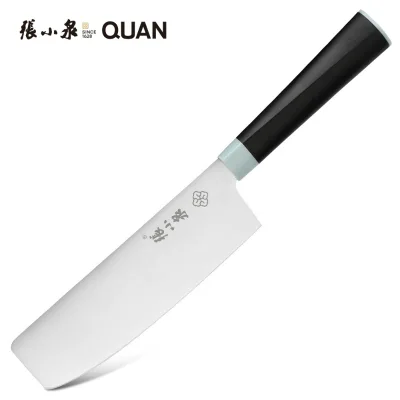
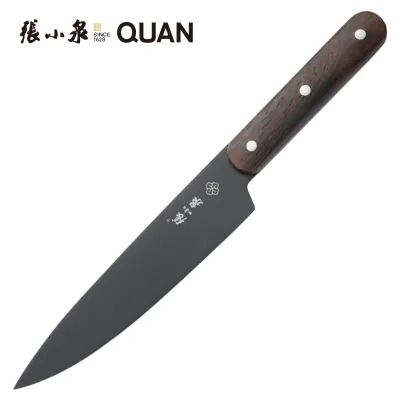
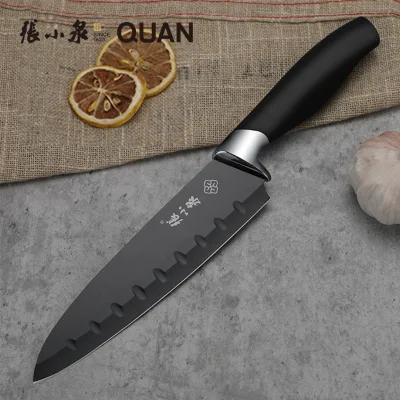


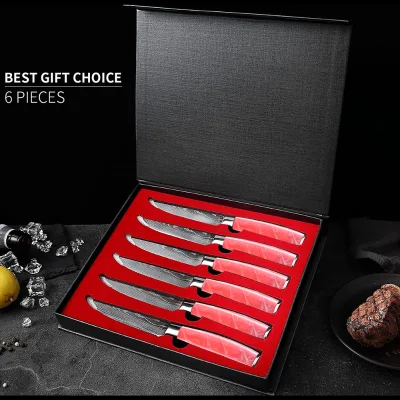
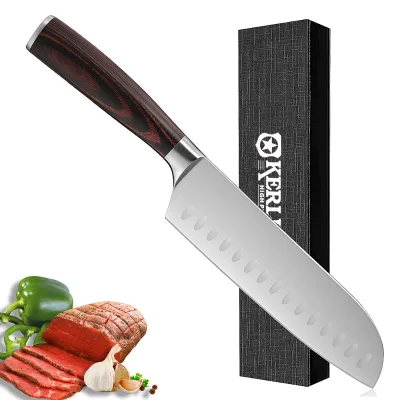
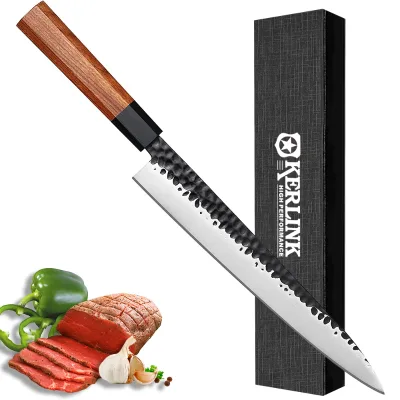


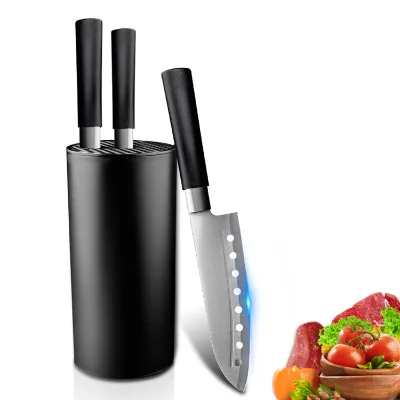
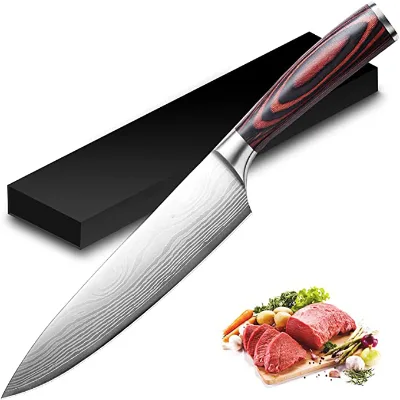
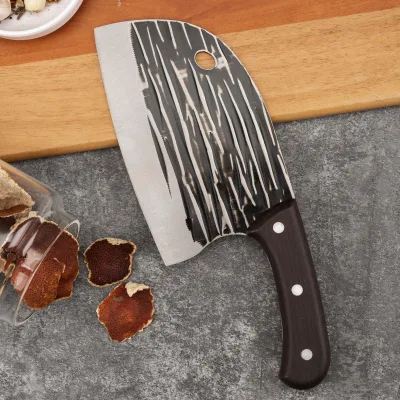
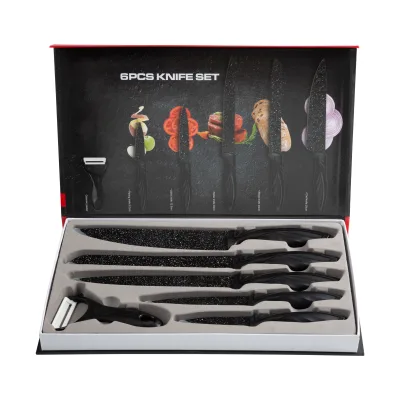
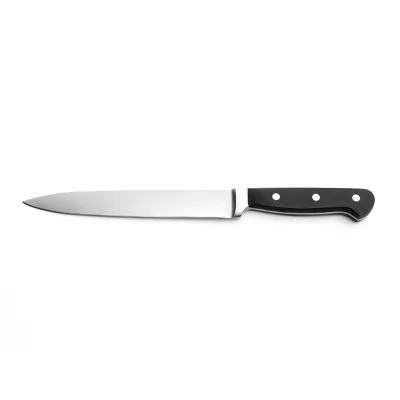
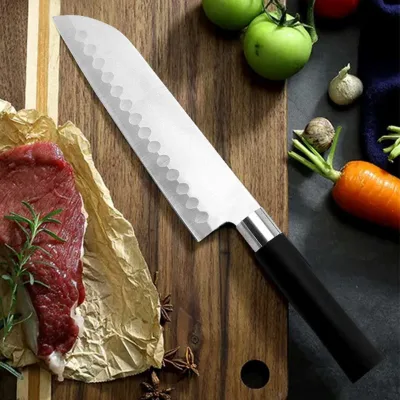
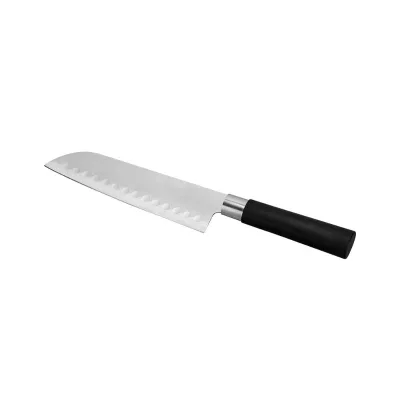
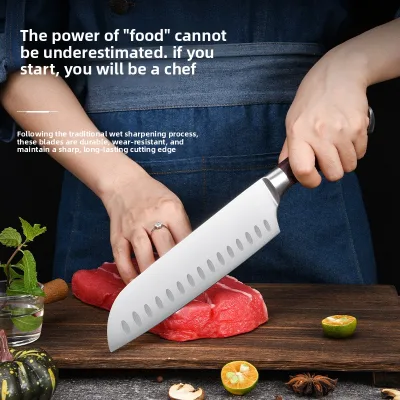


Comprehensive Sourcing Guide
Stainless Steel Japanese Kitchen Knife with PP Handle Supplier Concentration and Factory Types
The landscape for sourcing stainless steel Japanese kitchen knives with PP handles is defined by a mix of manufacturing capabilities and trading structures. Current data indicates that suppliers in this category operate primarily as manufacturers, trading companies, or factory entities. This diversity allows buyers to choose between direct factory engagement for cost efficiency or trading companies for streamlined logistics and product aggregation. The presence of both types suggests a mature supply chain where production capacity is distinct from commercial distribution channels. Buyers must recognize that a "Manufacturer" label often implies direct control over the molding and forging processes, while a "Trading Company" may aggregate products from multiple workshops. Understanding this distinction is crucial for negotiating terms, as factory-direct suppliers might offer more flexibility in customizing the PP handle material or the stainless steel blade composition. Conversely, trading companies might provide a broader range of styles, including various Japanese blade profiles, even if they do not manufacture every item in-house. The concentration of these entities often correlates with industrial clusters, though specific geographic data for this exact niche requires further verification. However, the general trend shows that specialized knife manufacturers often coexist with general kitchenware traders, creating a competitive environment that drives innovation in blade sharpness and handle ergonomics.
Furthermore, the specific combination of Japanese-style steel and polypropylene handles represents a hybrid product category that appeals to both professional chefs and home cooks. Japanese steel is renowned for its hardness and edge retention, while PP handles offer durability, heat resistance, and ease of cleaning. Suppliers listing this specific combination often highlight features such as hollow handles or specific blade thicknesses, indicating a focus on performance and balance. The product evidence shows variations in handle materials, including wood, resin, and stainless steel, which suggests that the PP handle variant is one of several options available. Buyers should note that some suppliers may use "Japanese Steel" as a marketing term for high-carbon stainless steel produced domestically or imported for use in local factories. This distinction affects quality and price significantly. The presence of OEM and ODM capabilities among some suppliers indicates that branding and custom packaging are common services. This allows businesses to create private label products without needing to invest in their own manufacturing infrastructure. The flexibility in production types means that buyers can scale orders from small test batches to large volume productions, depending on the supplier's capacity and willingness to accommodate custom specifications.
How to Verify Stainless Steel Japanese Kitchen With Pp Handle Suppliers
Verifying the legitimacy and capability of suppliers requires a multi-layered approach that goes beyond surface-level product listings. One critical step is to check for third-party verification badges, such as those from TÜV Rheinland, which indicate that a supplier has undergone rigorous audits of their business operations and product quality systems. These verifications provide a layer of trust that is essential when dealing with international transactions, especially for products that come into direct contact with food. Buyers should prioritize suppliers who display such certifications, as they demonstrate a commitment to compliance and quality management. Additionally, examining the supplier's response time is a practical indicator of their operational efficiency. A quick response time, such as one day or less, often correlates with a well-stocked inventory and a responsive sales team, which is vital for resolving issues quickly during the sourcing process. However, buyers should also be aware that response times can vary, and a slower response might indicate a smaller, more boutique operation that offers personalized service. It is important to cross-reference these metrics with other data points to form a complete picture of the supplier's reliability.
Another essential verification step involves scrutinizing the product attributes and specifications provided in the listings. For stainless steel Japanese kitchen knives with PP handles, buyers should look for detailed information on blade material, such as whether it is high-carbon stainless steel or a specific alloy known for its sharpness. The handle material should be explicitly stated as polypropylene (PP), and buyers should verify if the handle is hollow or solid, as this affects the knife's balance and weight. Additionally, checking for certifications related to food safety, such as FDA or LFGB compliance, is crucial to ensure the materials used are safe for culinary use. Buyers should also inquire about the supplier's ability to provide test reports for blade hardness and handle durability. If a supplier cannot provide these details, it may be a red flag regarding their quality control processes. Furthermore, verifying the supplier's main products can help determine if they are specialists in kitchen knives or general kitchenware traders. Specialists are more likely to have deeper expertise in the nuances of Japanese blade geometry and steel treatment, which can significantly impact the performance of the final product.
What to Compare Across Stainless Steel Japanese Kitchen Knife with PP Handle Suppliers
When evaluating multiple suppliers, buyers must compare key operational metrics to determine the best fit for their specific needs. Lead time is a critical factor, especially for businesses with tight inventory requirements. Current data suggests that lead times can vary based on order volume and seasonality, with some suppliers offering standard lead times for smaller orders and negotiated timelines for larger quantities. Buyers should request specific lead time estimates for their target order size to avoid production delays. Additionally, comparing the minimum order quantity (MOQ) is essential for managing cash flow and inventory risk. Some suppliers may have low MOQs suitable for testing the market, while others may require larger commitments to achieve competitive pricing. Buyers should also look at the price range for similar products, keeping in mind that lower prices may correlate with lower quality materials or less rigorous quality control. It is important to balance cost with quality, ensuring that the chosen supplier can deliver products that meet the desired performance standards.
Response speed and communication efficiency are also vital comparison points. Suppliers with faster response times are generally more reliable and easier to work with, particularly when addressing custom requests or resolving issues. Buyers should assess the quality of communication, looking for suppliers who provide detailed answers and proactive updates. Another important aspect is the range of main products offered by the supplier. Suppliers who specialize in kitchen knives may offer better expertise and product variety, while those with a broader range of kitchenware might provide more comprehensive sourcing solutions. Buyers should also consider the supplier's ability to offer customization, such as logo printing or custom packaging, which can be crucial for branding purposes. Additionally, comparing the warranty and after-sales support policies can help mitigate risks associated with defective products. Suppliers who offer robust support and clear return policies provide an additional layer of security for buyers. By systematically comparing these factors, buyers can make informed decisions that align with their business goals and operational requirements.
Common Stainless Steel Japanese Kitchen Knife with PP Handle Sourcing Risks
Sourcing stainless steel Japanese kitchen knives with PP handles involves several potential risks that buyers must actively manage. One significant risk is the variability in steel quality, as the term "Japanese steel" can be used loosely by some suppliers. Without specific alloy details or hardness ratings, buyers may receive knives that do not meet their performance expectations. This discrepancy can lead to customer dissatisfaction and returns, impacting the buyer's reputation. To mitigate this risk, buyers should request detailed material specifications and, if possible, third-party test reports to verify the steel's composition and hardness. Another risk is the inconsistency in handle manufacturing, particularly with PP handles. Poor quality PP can become brittle over time or fail to provide a secure grip, compromising the knife's usability. Buyers should inspect samples for handle durability and ergonomics before committing to large orders. Additionally, the risk of intellectual property infringement exists, especially if the knives mimic popular designs. Buyers should ensure that the suppliers have the necessary rights to produce and sell the designs they offer.
Logistical risks are also prevalent in international sourcing, particularly regarding shipping delays and damage during transit. Kitchen knives are sharp and heavy, requiring careful packaging to prevent damage to the blades and handles. Buyers should verify that suppliers use robust packaging methods, such as reinforced boxes and protective inserts, to minimize the risk of damage. Furthermore, customs clearance can be a bottleneck, especially if the products lack proper documentation or certifications. Buyers should ensure that all necessary import documents, including material safety certificates, are provided by the supplier to facilitate smooth customs processing. Another risk is the potential for hidden costs, such as unexpected tariffs or shipping surcharges. Buyers should clarify all costs upfront, including freight, insurance, and any applicable taxes, to avoid budget overruns. Finally, the risk of supplier non-performance, such as failure to deliver on time or providing substandard products, can disrupt supply chains. Buyers should establish clear contracts with penalties for non-compliance and maintain open communication with suppliers to address issues promptly. By identifying and addressing these risks early, buyers can protect their interests and ensure a successful sourcing experience.
Stainless Steel Japanese Kitchen Knife with PP Handle Regional Sourcing and Logistics
Regional sourcing plays a pivotal role in determining the cost and efficiency of acquiring stainless steel Japanese kitchen knives with PP handles. Suppliers located in major manufacturing hubs, such as Guangdong in China, often benefit from established supply chains and infrastructure, which can lead to competitive pricing and faster production times. These regions are known for their concentration of kitchenware manufacturers, providing buyers with a wide selection of options. However, buyers should also consider the logistical implications of sourcing from these regions, including shipping distances and transit times. For buyers in North America or Europe, shipping from China may involve longer lead times and higher freight costs compared to sourcing from regional suppliers. Additionally, buyers should be aware of the potential for currency fluctuations and trade policies that can impact the final cost of goods. Understanding the regional dynamics helps buyers make strategic decisions about where to source their products, balancing cost, quality, and delivery speed.
Logistics planning is equally important, as the transportation of kitchen knives requires special handling due to their sharp edges and weight. Buyers should work with suppliers who have experience in exporting these types of products to ensure that packaging meets international shipping standards. This includes using materials that protect the blades from damage and prevent injury to handlers. Additionally, buyers should consider the use of freight forwarders who specialize in kitchenware or cutlery to navigate complex shipping regulations and customs requirements. For larger orders, buyers may opt for sea freight to reduce costs, while smaller or urgent orders might be better suited for air freight. It is also advisable to explore local sourcing options if available, as this can significantly reduce lead times and carbon footprint. Buyers should evaluate the total landed cost, including freight, insurance, and duties, to determine the most cost-effective sourcing strategy. By carefully planning regional sourcing and logistics, buyers can optimize their supply chain and ensure timely delivery of high-quality products.
Stainless Steel Japanese Kitchen Knife with PP Handle Commercial Terms and Order Planning
Commercial terms and order planning are critical components of a successful sourcing strategy for stainless steel Japanese kitchen knives with PP handles. Buyers should negotiate clear payment terms, such as using secure payment methods like escrow, to protect their financial interests until the goods are received and verified. This is particularly important for new suppliers or large orders, as it provides a layer of security against fraud or non-delivery. Additionally, buyers should establish clear quality control protocols, including pre-shipment inspections, to ensure that the products meet the agreed-upon specifications. This can help prevent disputes and ensure that the buyer receives goods that meet their quality standards. Order planning should also consider the supplier's production capacity and lead times to avoid stockouts or overstock situations. Buyers should maintain a buffer stock to account for potential delays or quality issues, ensuring a continuous supply of products to their customers.
Furthermore, buyers should plan for scalability by establishing long-term relationships with reliable suppliers who can accommodate growth. This includes negotiating volume discounts and prioritizing production slots during peak seasons. Buyers should also consider the supplier's ability to offer customization, such as private labeling or custom packaging, to enhance their brand identity. Clear communication of branding requirements and marketing materials should be provided well in advance to allow for
FAQs
What is the price range for stainless steel Japanese kitchen knives?
Prices for these knives typically range from $1.58 to $3.98 per unit depending on the specific model and order volume. Some premium sets with multiple pieces may cost around $23.00. Buyers should verify exact pricing with suppliers as costs vary based on customization and quantity.
What materials are used for the handles of these knives?
Handle materials vary significantly among suppliers. Options include wood, resin, hollow stainless steel, and PP plastic. Some models feature ergonomic designs for better grip. Buyers should check specific product attributes to confirm the handle material matches their preference for durability and comfort during use.
What is the typical lead time for ordering these knives?
Lead times generally range from 10 days for smaller orders to negotiated periods for larger quantities. During peak seasons, production may take up to 10 days for orders under 1000 units. For bulk orders exceeding 1000 pieces, delivery schedules are usually discussed directly with the manufacturer.
Are these knives dishwasher safe?
Some models are explicitly marked as dishwasher safe, while others require hand washing to maintain sharpness. Care instructions often recommend keeping the blades dry to prevent corrosion. Buyers should review the specific product attributes for each knife to determine the appropriate cleaning method and ensure longevity.
What is the blade material for these Japanese kitchen knives?
Blades are primarily made from stainless steel, including high-carbon stainless steel and Japanese steel variants. Some products specify non-stick stainless steel coatings. The thickness is often around 2.0 mm, providing durability and sharpness. Buyers should verify the exact steel type for their specific culinary needs.
Can I customize the logo on these kitchen knives?
Many suppliers offer customized logo options for branding purposes. Buyers can request specific designs to be printed or engraved on the handles or blades. This service is often available for both individual knives and complete sets. Contact suppliers directly to discuss logo placement and minimum order requirements for customization.
Where are these kitchen knives manufactured?
Most of these knives are manufactured in Guangdong, China. This region is known for its robust kitchenware production capabilities. Buyers can expect products to originate from this location, which supports efficient supply chains. Verify the place of origin on product listings to ensure alignment with your sourcing preferences.