Straight Copper Rods with Cutting Suppliers and Manufacturers
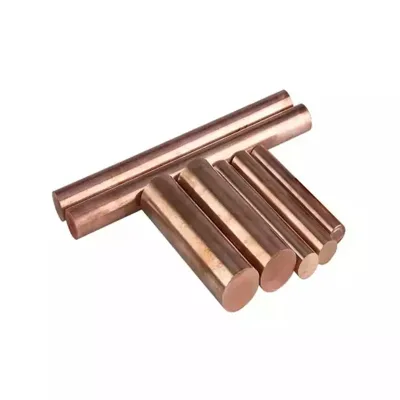
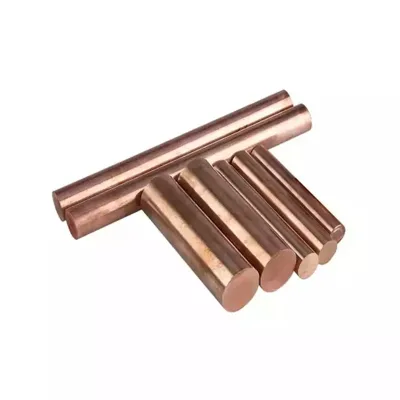
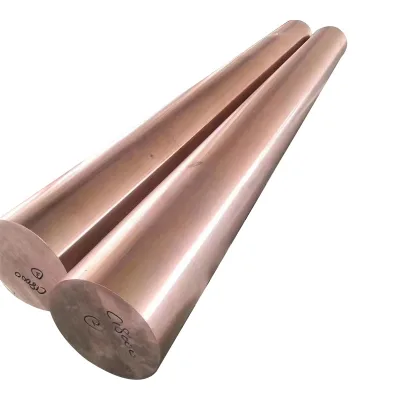
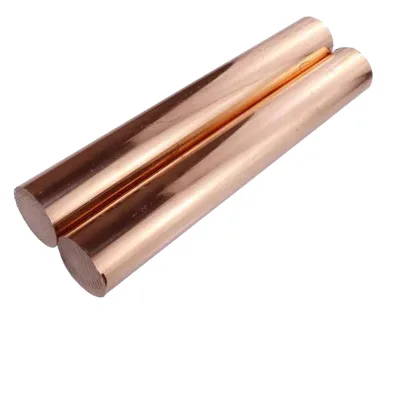
Compare 24 verified suppliers offering Straight Copper Rods with Cutting services across Shandong and Tianjin. Review dimensions, ASTM standards, and MOQs before requesting quotes for your industrial needs. Check response times and delivery windows to ensure timely project completion; review the available evidence before requesting comparable quotations from suitable candidates.
Updated
Suppliers List

Shandong Ying Yi Import and Export Co., Ltd.
- Verified by SGS
- Trading Company
- China Shandong
- Lead time15 days
- Avg. response≤ 3h
Main productsCopper Plate/Sheet, Copper Pipe/Tube, Copper Strip/Tape, Copper Bar/Rod
Main marketsSoutheast Asia/ Mideast,Europe,North America
Liaocheng Jiaxiang Steel Pipe Co., Ltd.
- Verified by SGS Group
- Trading Company
- Lead time15 days
- Avg. response≤ 1h
Main productsStainless Steel, Galvanized and PPGI Steel, Steel Pipes, Steel Structure, Highway Guardrail
Main marketsEastern Europe(30%), Southeast Asia(20%), South Asia(10%)
- Verified by SGS Group
- Trading Company
- Lead time30 days
- Avg. response≤ 4h
Main productsSteel Pipe, Steel Plate, Steel Bar, Steel Coil, Aluminum Products
Main marketsSouth Asia(16%), Western Europe(15%), South America(12%)
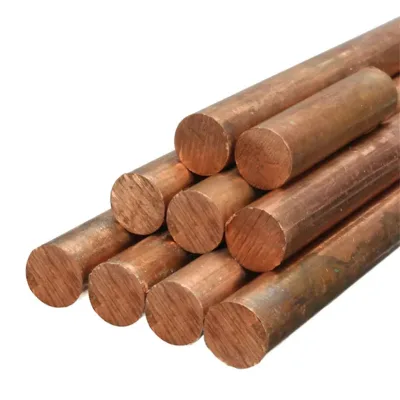
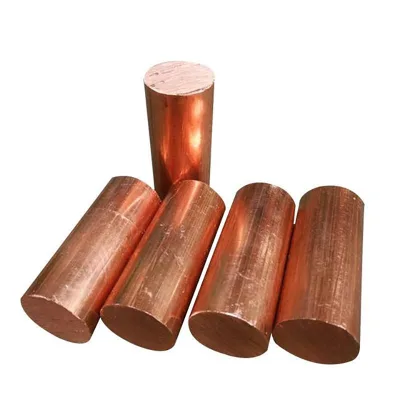
High Precision Copper Welding Rods Manufacturer Copper Flat Cucrzr C18150 Round Copper Rod
$5.00 - $8.00
MOQ: 1 kilograms
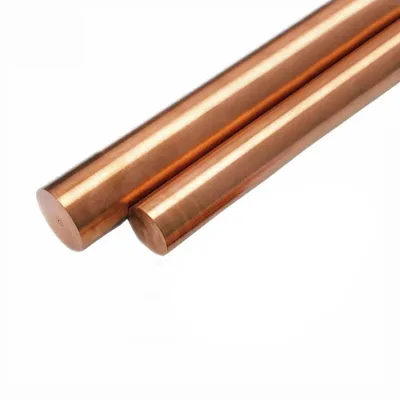
C1100 Copper Welding Rods Manufacturer 16 mm Copper Rod 99.99% Copper Wire Rod
$5.209 - $8.3344
MOQ: 1 kilograms
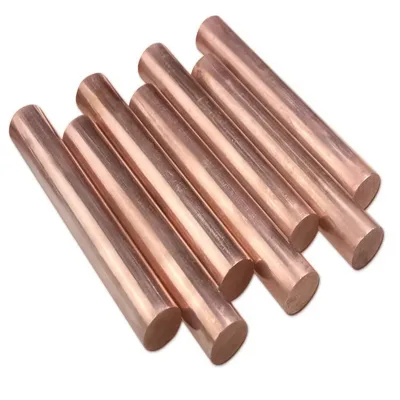
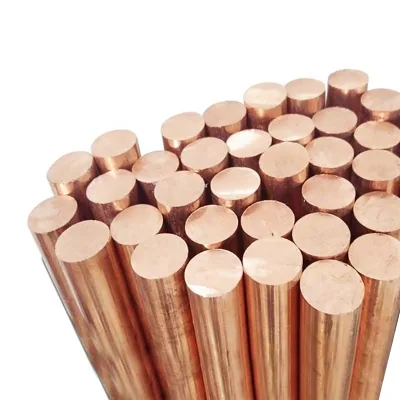
High Quality Copper Wire Rod Bullion Welding Copper Wire Rod 8mm Coil Pure Copper bar Round
$5.00 - $8.00
MOQ: 1 kilograms
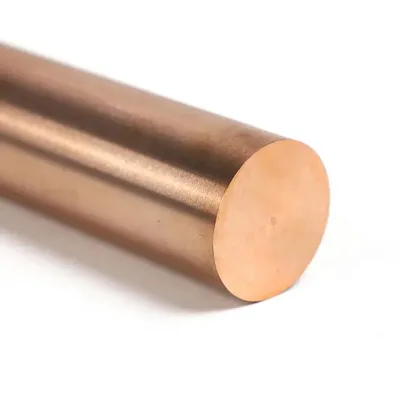
$5.00 - $8.00
MOQ: 1 kilograms

Guangzhou Golden Electric Co., Ltd
- Verified by BV
- Trading Company,Manufacturer/Factory
- China Guangdong
- Lead time15 days
- Avg. response≤ 4h
Main productsPV Combiner Box, Surge Protector, Distribution Box, Fuse, Industrial Plug and Socket, Isolator Switch, Circuit Breaker, Insulator, Power Meter, Current Transformer
Main marketsSouth America,Eastern Europe,Mid East,North America,Southeast Asia,Eastern Asia,Africa

Chinese Copper Rod Manufacturer Solid Copper Earth Rods Pure Copper Ground Rod for Wholesale
$3.00 - $20.00
MOQ: 1 Pieces

Tianjin Kunyu Juyixiang Technology Co., Ltd.
- Verified by Intertek
- Manufacturer, Trading Company
- Lead time7 days
- Avg. response≤ 1h
Main productsColor Coated Roll , Galvanized Coil, Galvanized Pipe, Galvanized Sheet, H-Section Steel
Main marketsSoutheast Asia(40%), Mid East(30%), Africa(10%)

Hebei Xichenglong Electronics Co., Ltd.
- Verified by SGS
- Combined
- China Hebei
- Lead time30 days
- Avg. response≤ 3h
Main productsSheet Metal Part, CNC Machining Parts, Auto Parts, Custom Machining Parts, Precision Stamping Parts
Main marketsDomestic
- Verified by TüVRheinland
- Manufacturer, Trading Company
- Lead time30 days
- Avg. response≤ 8h
Main productsCopper Alloy, Zinc-Base Alloy, Self-Lubricating Bearing
Main marketsDomestic Market(94%), Mid East(4%), Southeast Asia(1%)

Sinoleopard Steel Group Import & Export Co., Ltd
- Verified by SGS
- Trading Company
- China Shanghai
- Lead time23 days
- Avg. response≤ 1h
Main productsAluminum Tube, Aluminium Extrusion, Aluminum Pipe, Copper Pipe
Main marketsAfrica
Shandong Jiuchuang Steel Co., Ltd.
- Verified by TüVRheinland
- Trading Company
- Lead time7 days
- Avg. response≤ 7h
Main productsCarbon Steel, Galvanized Steel, Stainless Steel, Aluminum Products, Copper Products
Main marketsMid East(50%), Southeast Asia(30%), Africa(4%)
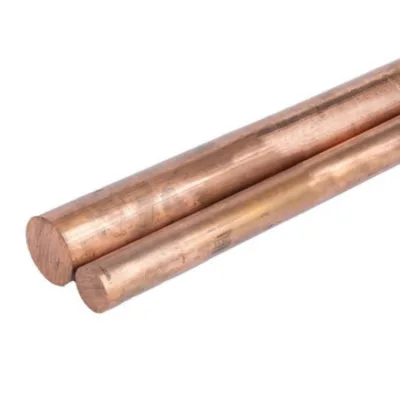
$1350.00 - $1450.00
MOQ: 1 tons
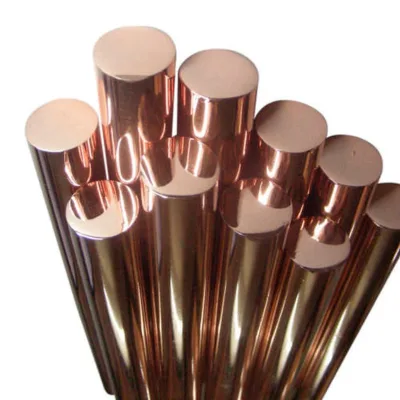
Haihong (jiangsu) Steel International Trade Co., Ltd.
- Trading Company
- Jiangsu, China
- Lead time10 days
- Avg. response≤ 3h
Main productsRoofing Sheet Color Coated,Color Steel Plates,Galvanized Steel Coil,Prepainted Galvanized Steel Coil,Steel Plates
Main marketsSoutheast Asia(30.00%), Eastern Europe(20.00%), North America(10.00%), Central America(10.00%), Eastern Asia(9.00%), South America(5.00%), Western Europe(4.00%), South Asia(3.00%), Mid East(3.00%), Northern Europe(3.00%), Oceania(1.00%), Southern Europe(1.00%), Africa(1.00%)
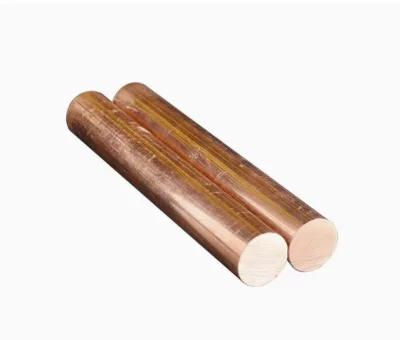
$461.7025 - $1128.6061
MOQ: 1 Minimum
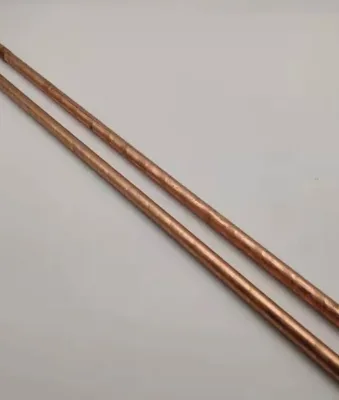
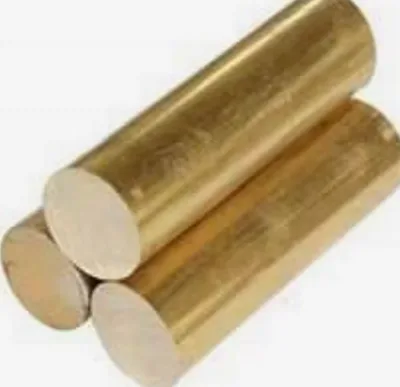
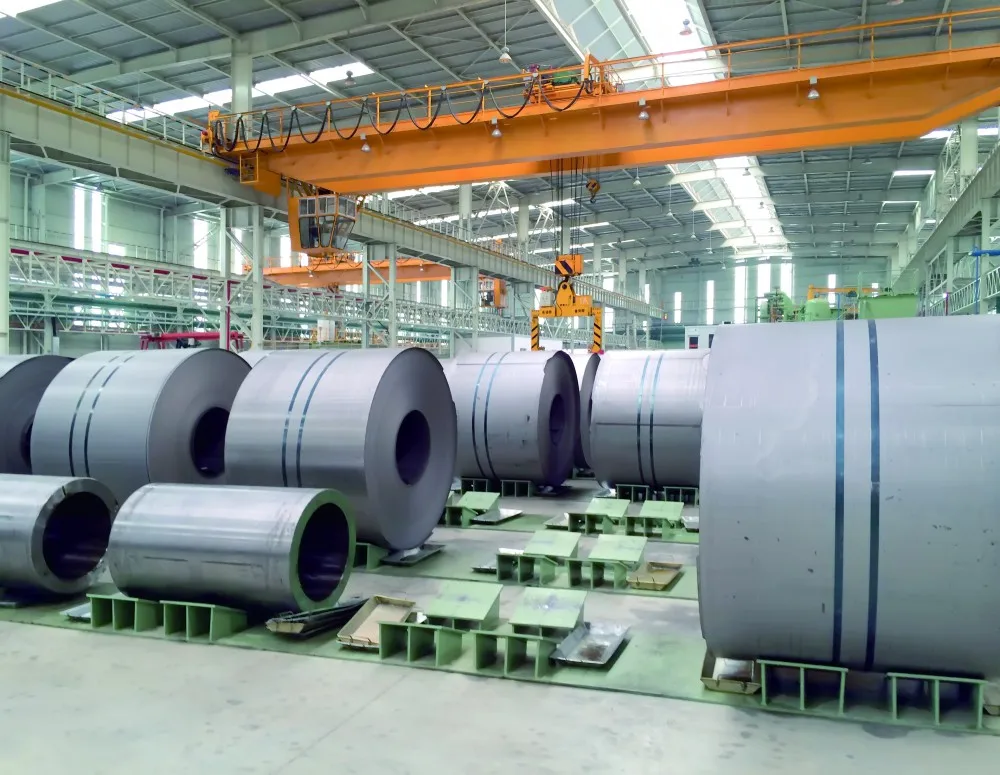
Shanghai Fenggang Steel Group Co., Ltd.
- Trading Company
- Shanghai, China
- Lead time0 days
- Avg. response≤ 7h
Main productsStainless Steel Plate,Stainless Steel Pipe,Stainless Steel Strip,Carbon Steel Plate,PPGI
Main marketsSoutheast Asia(20.00%), Mid East(20.00%), South America(20.00%), North America(20.00%), Eastern Europe(5.00%), Southern Europe(5.00%), Northern Europe(5.00%), Western Europe(5.00%)
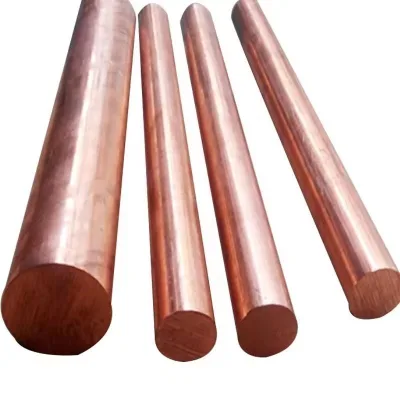
99.99% Pure Copper Rods, Custom Sizes Available: C12100, C1100 Copper Rods.
$5999.00 - $7999.00
MOQ: 500
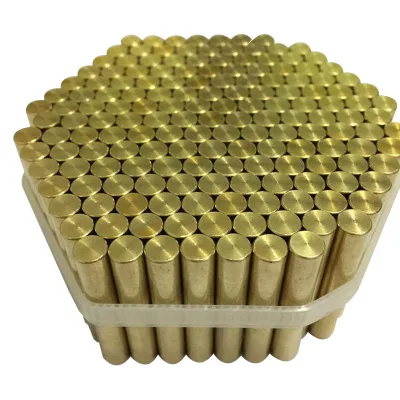
Factory made electrical busbar c11000 c12000, high-quality sales copper rod
$5999.00 - $7999.00
MOQ: 500
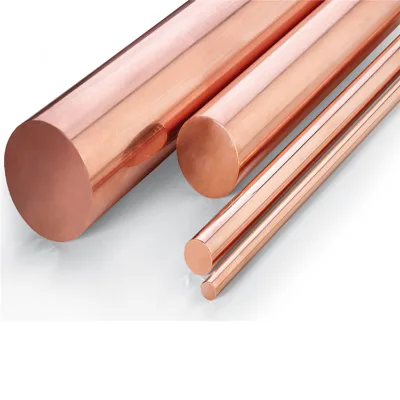
The factory supplies c11000 and c12000 copper rods, which can be customized for wholesale
$5999.00 - $7999.00
MOQ: 500
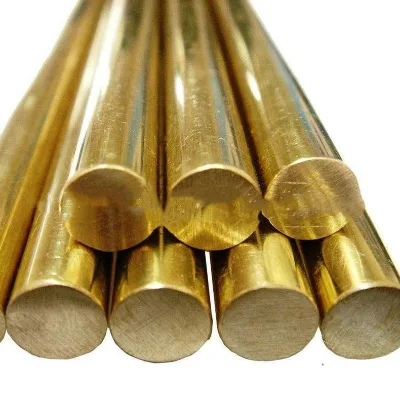
High hardness C17200 c11000 mold copper alloy non-ferrous metal copper rod
$5999.00 - $7999.00
MOQ: 500
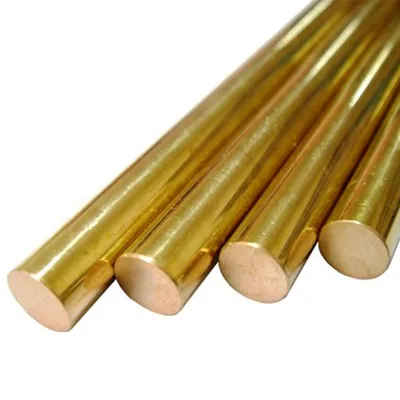
High quality C21000 C2100 c11000 pure copper rod H60 H65 brass alloy round rod
$5999.00 - $7999.00
MOQ: 500
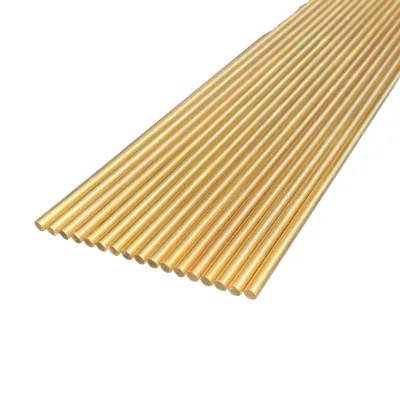
Customized Manufacturer High Quality Beryllium Copper bar C11000 High Hardness Copper bar
$5999.00 - $7999.00
MOQ: 500
Shandong Guanyu Metal Technology Co., Ltd.
- Verified by TüVRheinland
- Trading Company
- Lead time7 days
Main productsSteel Pipe, Steel Sheet, Steel Coil, Carbon Steel Coil, Galvanized Steel Coil
Main marketsMid East(20%), South America(15%), Africa(15%)

Tianjin Tiangang Weiye Steel Tube Co., Ltd.
- Verified by SGS
- Manufacturer/Factory
- China Tianjin
- Lead time15 days
- Avg. response≤ 13h
Main productsStainless Steel Pipe, Stainless Steel Plate, Stainless Steel Bar, Alloy Steel Pipe, Stainless Steel Coil, Low Temperature Pipe, Seamless Steel Pipe, Steel Plate, Copper Products, Nickel and Titanium Products
Main marketsSouth America,Eastern Europe,Mid East,North America,Southeast Asia,Eastern Asia,Oceania,Western Europe,Africa
Shandong Liaocheng Jinzheng Steel Pipe Co., Ltd.
- Verified by SGS Group
- Manufacturer, Trading Company
- Lead time15 days
- Avg. response≤ 2h
Main productsSteel Pipe
Main marketsDomestic Market(80%), Southeast Asia(3%), Africa(3%)
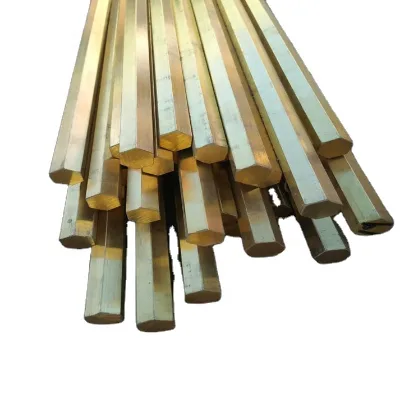
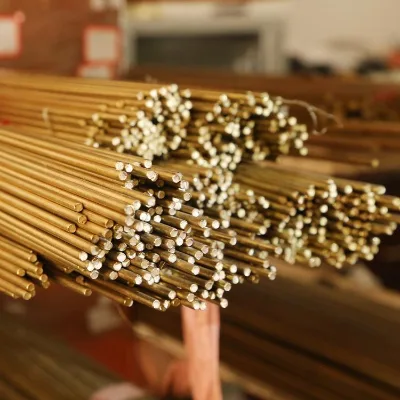
$7.90 - $11.90
MOQ: 25 kilograms
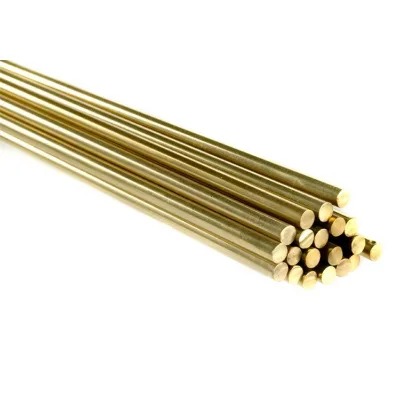
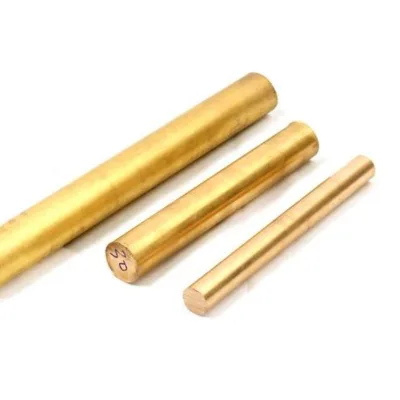
Top Quality Yellow Colour Brass Copper bar Round Brass Rod Copper for Industry/construction
$6565.35 - $7659.58
MOQ: 1
Shanxi Xincongbang Metal Products Co., Ltd.
- Verified by Intertek
- Trading Company
- Lead time0 days
- Avg. response≤ 2h
Main productsSteel Sheet, Seamless Steel Pipe
Main marketsDomestic Market(30%), North America(30%), Eastern Europe(30%)
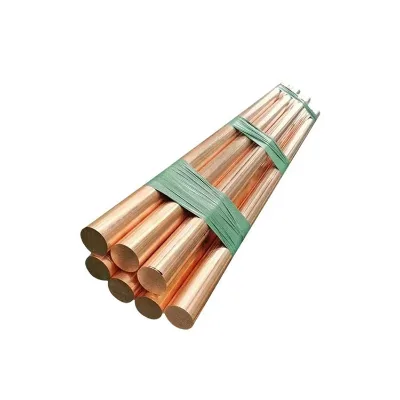
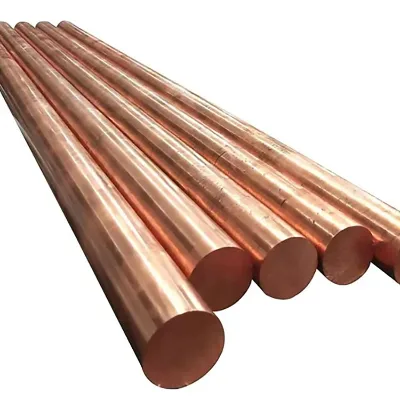
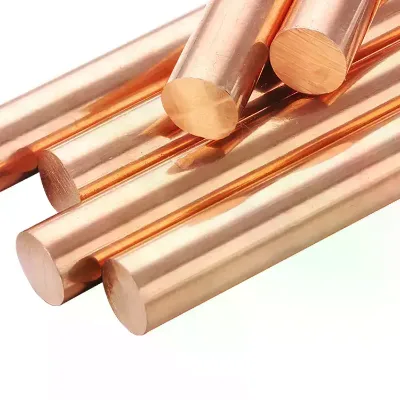
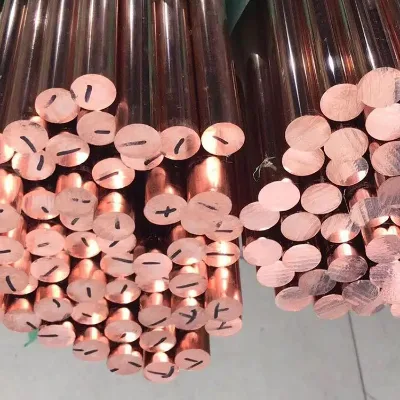
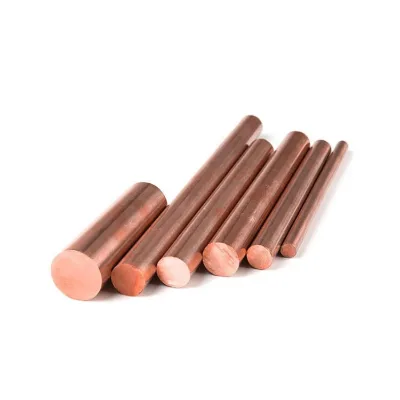
Pure Red Copper Round Bar CW004A Copper Earth Rod for Sales
$10.00 - $14.00

Liaocheng Hengjiude Mechanical Equipment Co., Ltd.
- Verified by BV
- Combined
- China Shandong
- Lead time15 days
- Avg. response≤ 2h
Main productsCarbon Steel Series, Stainless Steel Series, PPGI/PPGL, Rebar Series, Profile Steel Series, Alloy Series, Elbow/Flange Series, Copper Series, Aluminum Series
Main marketsDomestic

Sell High-Quality Good Price Round Copper Bar High Hardness Copper Rods
$8000.00 - $9000.00
MOQ: 1 Tons


Liaocheng Eleven New Material Co., Ltd.
- Trading Company
- Shandong, China
- Lead time10 days
- Avg. response≤ 1h
Main productscopper products,brass products,aluminum products,Grounding materials,Brass accessories
Main marketsSouth Asia(10.00%), Central America(10.00%), Southeast Asia(10.00%), Eastern Asia(10.00%), Mid East(10.00%), North America(10.00%), Domestic Market(5.00%), Oceania(5.00%), Southern Europe(5.00%), Northern Europe(5.00%), Africa(5.00%), Western Europe(5.00%), Eastern Europe(5.00%), South America(5.00%)
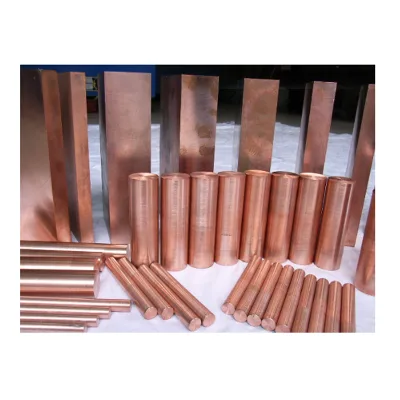
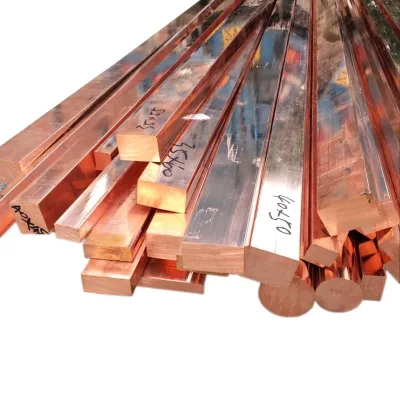
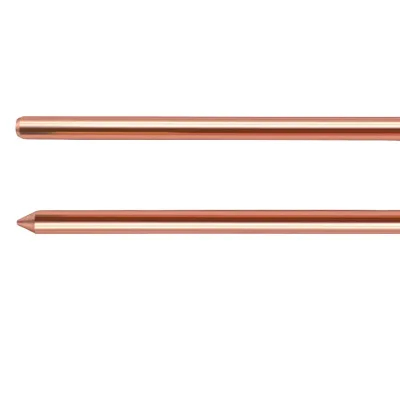
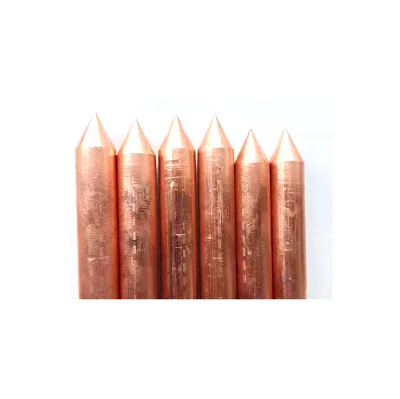
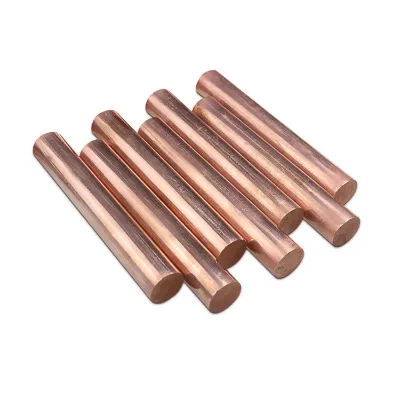
T2 Ground heat conduction purple copper rod 30mm purple copper rod for machinery
$9.89 - $11.71
MOQ: 100

JINAN XINCHENGYUAN IMPORT AND EXPORT CO.,LTD
- Verified by TUVRHEINLAND
- Manufacturer/Factory
- China Shandong
- Lead time23 days
- Avg. response≤ 2h
Main productsStainless Steel, Galvanized Galvalume Steel Coil, Carbon Steel, PPGI/PPGL, Steel Pipe, Steel Plate, H Beam, Aluminum Sheet
Main marketsSouth America,Eastern Europe,Mid East,North America,Southeast Asia,Eastern Asia,Oceania,Western Europe,Africa

Shandong Zehao Metal Materials Co., Ltd.
- Verified by BV
- Trading Company
- China Shandong
- Lead time15 days
- Avg. response≤ 2h
Main productsTitanium and Titanium Alloy Products Series, Stainless Steel Tube, PPGI, Galvanized Pipe, Rebar H-Beam Angle Steel Channel Steel Steel, Molybdenum Plates Rods Tubes and Processed PAR, Copper, Zirconium and Zirconium Alloy Products Series, Nickel and Nickel Alloy Product Series, Aluminum Plates Aluminum Tubes Aluminum Rods
Main marketsAustralia
Shanghai Haosteel Co., Limited
- Manufacturer, Trading Company
- Shanghai, China
- Lead time20 days
- Avg. response≤ 9h
Main productsstainless steel pipe/tube,stainless steel bar/rod,stainless steel plate/sheet,stainless steel wire,stainless steel coil/strip
Main marketsDomestic Market(40.00%), Eastern Asia(22.00%), Southeast Asia(16.00%), South America(8.00%), South Asia(5.00%), Africa(5.00%), North America(2.00%), Western Europe(2.00%)
Tianjin Qingze Steel Sales Co., Ltd.
- Verified by TüVRheinland
- Manufacturer, Trading Company
- Tianjin, China
- Lead time7 days
- Avg. response≤ 2h
Main productsSeamless Steel Pipes, Stainless Steel Pipes, Iron Pipes, Other Special Steel Products, Aluminum Bars
Main marketsDomestic Market(100%)
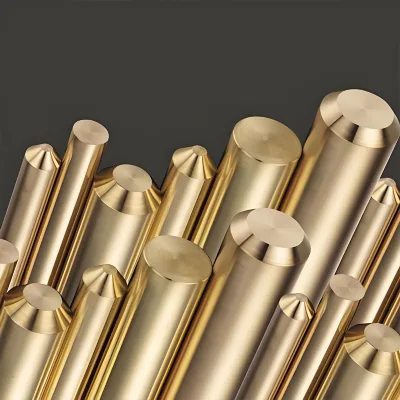
Copper Rod H59 Brass Rod Wholesale Cuttable Conductive Heat-Resistant Electrode Solid ASTM Welding
$8.7946 - $10.3461
MOQ: 500 kilometers
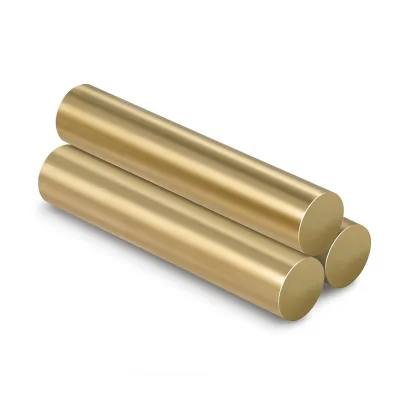
Copper Bars Price of Bronze Per Kg Copper Rod New 99.9% Pure Copper Bar
$8.10 - $9.90
MOQ: 50 kilograms
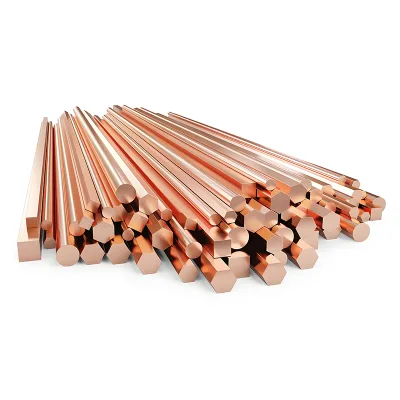
$9.00 - $11.00
MOQ: 50 kilograms
- Trading Company
- Lead time旺季: "1 - 1000":8,"1001 - 10000":14,"> 10000":"To be negotiated", 淡季: "1 - 1000":8,"1001 - 10000":14,"> 10000":"To be negotiated"
- Avg. response≤ 4h
Main productsStainless Steel Sheet Plate, Stainless Steel Seamless Welded Pipe Tube , Stainless Steel Bars Rod , Stainless Steel Wire Wire Rod, Copper Aluminium Raw Materials
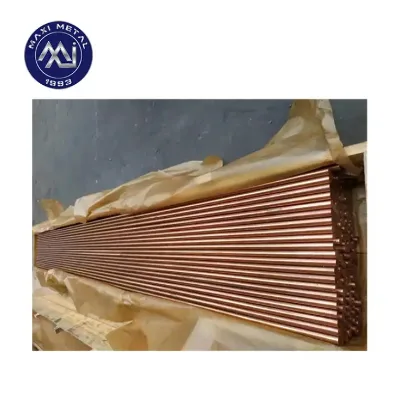
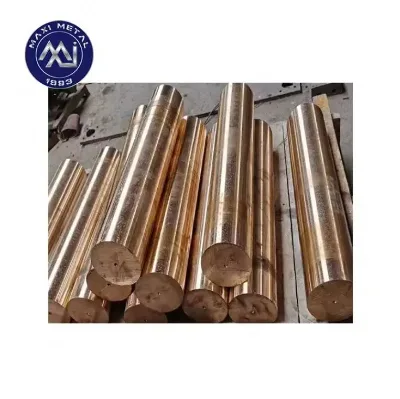
Professional Prime Quality C10100 Copper Hexagonal/round/Rectangular Bar Good Price Per Kg Rod
$4.80 - $5.80
MOQ: 100 kilograms
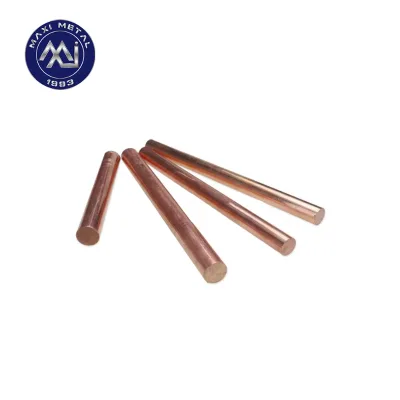
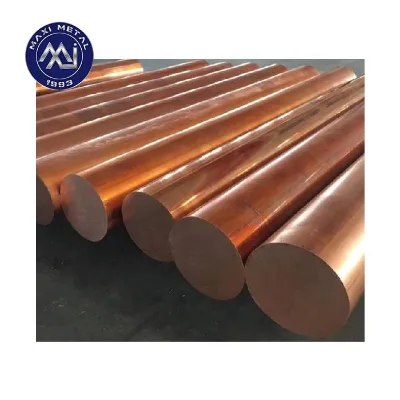
Fast Delivery and Good Price ASTM C10100 C11000 C52100 Copper Bar Rod Billet
$8.00 - $10.50
MOQ: 100 kilograms
Zibo Baishun Stainless Steel Co., Ltd.
- Verified by SGS Group
- Trading Company
- Lead time20 days
- Avg. response≤ 4h
Main productsStainless Steel Plate, Stainless Steel Coil, Stainless Steel Pipe, Stainless Steel Bar, PPGI
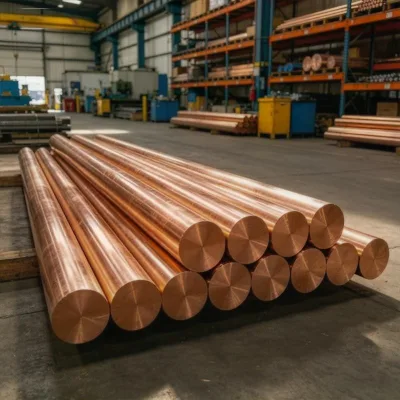
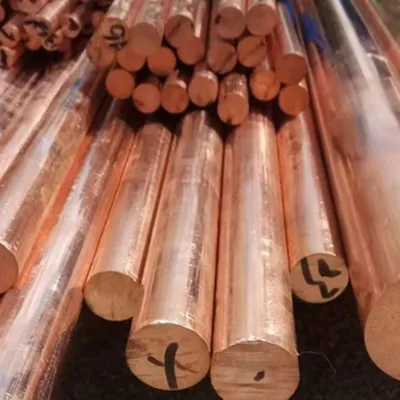
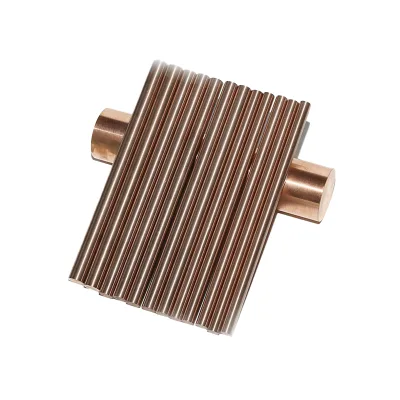
Excellent Grade Copper Rod 10mm for Conductive Components
$10.50 - $12.00

NINGBO JINSHUO REFRIGERATION EQUIPMENT CO., LTD.
- Verified by SGS
- Trading Company,Manufacturer/Factory
- China Zhejiang
- Lead time23 days
- Avg. response≤ 10h
Main productsFilter Dryer, Condenser, Home Appliance, Refrigeration Parts, Raw Plastic Material, Nut Screw
Main marketsSouth America,Eastern Europe,North America,Southeast Asia,Africa


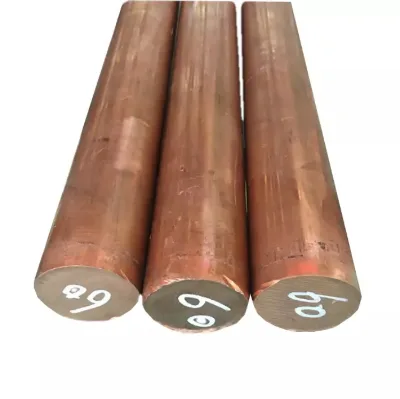
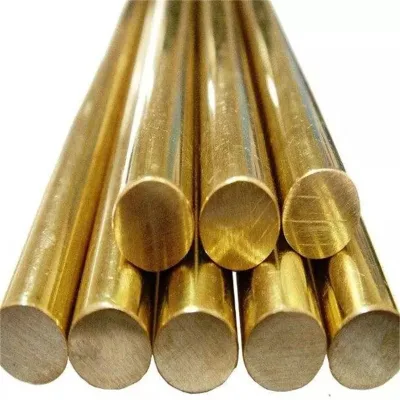
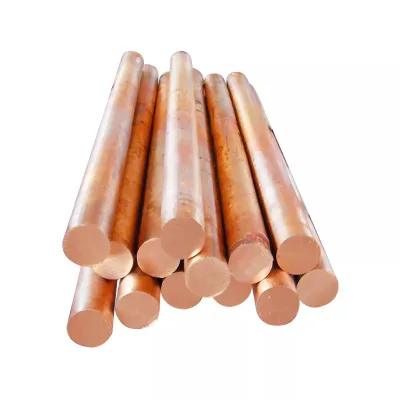
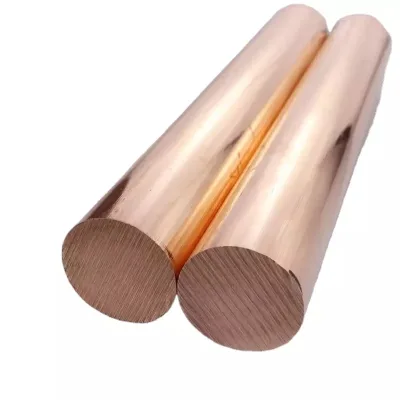






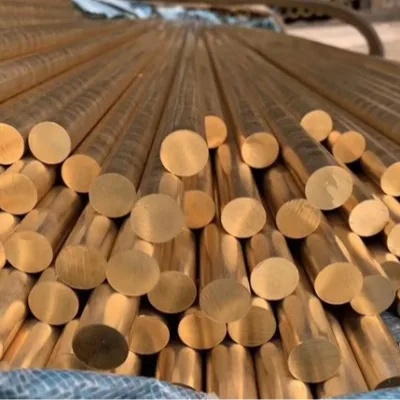


Comprehensive Sourcing Guide
Straight Copper Rods with Cutting Supplier Concentration and Factory Types
The current supplier landscape for Straight Copper Rods with Cutting reveals a distinct concentration of manufacturing and trading entities within China, specifically in the Shandong region. This geographic clustering suggests a mature industrial ecosystem where raw material access and processing infrastructure are well-established. Buyers evaluating these suppliers should note that the predominant company type identified is the Trading Company, which acts as an intermediary between manufacturers and international buyers. This structure implies that while the physical production may occur in specialized facilities, the commercial interface is managed by entities focused on logistics, quality assurance, and customer service. The presence of such trading companies often simplifies the procurement process for foreign buyers by consolidating orders and handling export documentation, though it requires careful verification of the actual production capabilities behind the trading facade.
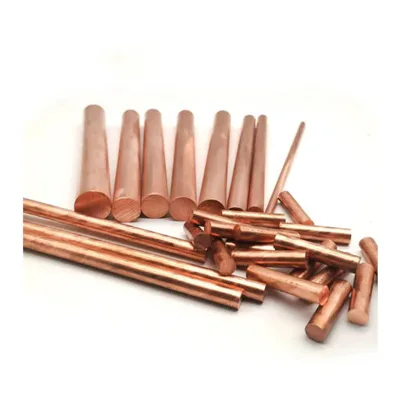
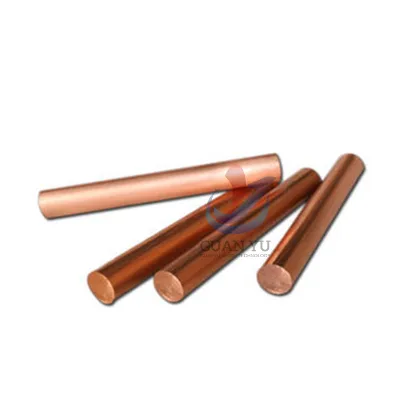
In addition to trading companies, the product evidence indicates a strong focus on specific copper grades and forms, such as T2, C11000, and C102, which are standard for industrial applications. The main products listed include copper plate, sheet, pipe, and strip, suggesting that many suppliers offer a diversified range of copper products rather than specializing exclusively in rods. This diversification can be advantageous for buyers seeking a single source for multiple copper components, but it also necessitates a thorough assessment of the supplier’s core competency in rod manufacturing. The availability of ODM (Original Design Manufacturer) capabilities further indicates that some suppliers can accommodate custom specifications, which is critical for buyers requiring precise dimensions or specific surface finishes for their Straight Copper Rods with Cutting applications.
How to Verify Straight Copper Rods with Cutting Suppliers
Verification is a critical step when sourcing Straight Copper Rods with Cutting, as the market contains a mix of verified and unverified entities. The current data shows that some suppliers hold SGS verification, which provides a baseline level of trust regarding their business legitimacy and operational capacity. Buyers should prioritize suppliers with such third-party verifications, as they have undergone external audits that confirm their existence and basic operational standards. However, verification alone does not guarantee product quality or delivery reliability, so it should be viewed as a starting point rather than a final seal of approval. It is essential to cross-reference these verifications with other data points, such as response times and historical performance, to build a comprehensive profile of the supplier’s reliability.
Beyond basic verification, buyers must assess the supplier’s technical certifications and compliance with international standards. The product evidence highlights adherence to ASTM standards, which is a key indicator of quality control in copper manufacturing. Buyers should request detailed certification documents, such as material test reports (MTRs) or mill certificates, to confirm that the copper rods meet the specified chemical and mechanical properties. Additionally, the presence of RoHS and Declaration of Conformity certifications in some supplier profiles suggests a commitment to environmental and safety regulations, which is particularly important for buyers in industries with strict regulatory requirements. By demanding these documents and verifying their authenticity, buyers can mitigate the risk of receiving substandard materials that do not meet their technical specifications.
What to Compare Across Straight Copper Rods with Cutting Suppliers
When comparing suppliers, lead time is a pivotal metric that directly impacts project scheduling and inventory management. The observed lead times vary, with some suppliers indicating a standard 15-day turnaround, while others offer more flexible windows of 7-25 days or even 7-10 days after payment receipt. Buyers should align these lead times with their production schedules, considering that shorter lead times may come at a premium or require higher minimum order quantities. It is also important to clarify whether the lead time includes processing services like cutting, as this can affect the overall delivery timeline. Understanding the specific conditions under which these lead times are offered helps buyers make informed decisions about which supplier best fits their operational needs.
Minimum Order Quantity (MOQ) and pricing are another crucial pair of factors to evaluate. The data indicates a common MOQ of 300kg, which is a significant threshold for many buyers, particularly those with smaller production runs or testing requirements. Buyers should compare this MOQ against their volume needs to determine if they can meet the requirement or if they need to consolidate orders with other suppliers. Pricing also varies, with ranges observed from $8.00 to $10.50 per unit, depending on the specific product grade, dimensions, and surface finish. Buyers should request detailed quotes that break down costs, including any additional fees for cutting or custom packaging, to ensure a transparent comparison. By analyzing these variables together, buyers can identify the most cost-effective and efficient supplier for their specific requirements.
Common Straight Copper Rods with Cutting Sourcing Risks
One of the primary risks in sourcing Straight Copper Rods with Cutting is the potential discrepancy between the advertised product specifications and the actual delivered goods. The product evidence shows a variety of copper grades, including T2, C11000, and C102, but buyers must ensure that the supplier consistently delivers the exact grade specified in the contract. There is a risk that suppliers may substitute materials or fail to meet the purity requirements, such as the 99.9% copper content mentioned in some listings. To mitigate this risk, buyers should implement strict quality control measures, including third-party inspections before shipment and rigorous testing upon receipt. This proactive approach helps ensure that the materials meet the required standards and prevents production delays or product failures downstream.
Another significant risk is the variability in payment terms and financial security. The observed payment terms range from T/T (Telegraphic Transfer) to more complex structures like 30% deposit plus 70% balance, or even CIF (Cost, Insurance, and Freight) arrangements. These variations can expose buyers to financial risk if the supplier fails to deliver or if there are disputes over quality. Buyers should carefully review the payment terms and consider using secure payment methods, such as escrow services, to protect their funds until the goods are received and verified. Additionally, buyers should be cautious of suppliers who request full payment upfront without any protective mechanisms, as this increases the risk of fraud or non-delivery. By understanding and managing these financial risks, buyers can safeguard their investments and ensure a smoother procurement process.
Straight Copper Rods with Cutting Regional Sourcing and Logistics
The regional concentration of suppliers in China, particularly in Shandong and Tianjin, offers logistical advantages for international buyers. These locations are well-connected to major ports, facilitating efficient export shipping and reducing transit times to global markets. Buyers should leverage this geographic advantage by selecting suppliers who are located near key shipping hubs, as this can simplify logistics and reduce transportation costs. However, it is also important to consider the specific shipping terms offered by each supplier, such as FOB (Free on Board), CIF, or EXW (Ex Works), as these determine who is responsible for shipping and insurance. Understanding these terms helps buyers plan their logistics strategy and avoid unexpected costs or delays in the supply chain.
Logistics planning also involves considering the packaging and handling of the copper rods, which are heavy and require careful transport to prevent damage. The product evidence indicates that suppliers use various packaging methods, including standard seaworthy packing, wooden boxes, and standard export packing. Buyers should ensure that the packaging is suitable for the mode of transport and the destination, as improper packaging can lead to damage during transit. Additionally, buyers should coordinate with their freight forwarders to arrange for appropriate insurance coverage, especially for high-value shipments. By carefully planning the logistics and packaging, buyers can minimize the risk of damage and ensure that the Straight Copper Rods with Cutting arrive in optimal condition.
Straight Copper Rods with Cutting Commercial Terms and Order Planning
Effective order planning for Straight Copper Rods with Cutting requires a clear understanding of the commercial terms and delivery expectations. The observed delivery times, ranging from 7 to 25 days, should be factored into the buyer’s production schedule to avoid stockouts or production delays. Buyers should establish a clear communication channel with the supplier to track order progress and address any issues promptly. It is also important to define the scope of the cutting service, including the precision required and the number of cuts, as this can affect the lead time and cost. By setting clear expectations and maintaining open communication, buyers can ensure a smooth and efficient ordering process.
Payment terms and price stability are also critical components of commercial planning. The price ranges observed, from $8.00 to $10.50, may fluctuate based on market conditions and raw material costs. Buyers should consider locking in prices through long-term contracts or forward agreements if they anticipate significant price volatility. Additionally, buyers should negotiate favorable payment terms, such as extended payment periods or milestone-based payments, to improve cash flow management. By carefully planning the commercial aspects of the order, buyers can mitigate financial risks and ensure that the procurement process aligns with their overall business strategy. This proactive approach helps build a resilient and reliable supply chain for Straight Copper Rods with Cutting.
FAQs
What is the minimum order quantity for straight copper rods?
The minimum order quantity is typically 300kg for most suppliers. This threshold applies to standard round and flat copper bars. Buyers should confirm specific MOQs with the supplier before placing an order to ensure production readiness.
What are the typical lead times for copper rod orders?
Lead times generally range from 7 to 25 days after payment is received. Some suppliers offer faster delivery within 7 to 10 days. Buyers should verify exact timelines based on order volume and current production schedules.
What copper standards and grades are available for straight rods?
Available grades include ASTM C11000, C10200, and C10100. These correspond to high-purity red copper with a minimum copper content of 99.9%. Suppliers often provide T2 or BCu-58 specifications to meet international quality standards.
What is the price range for pure copper rods?
Prices typically range from $8.00 to $10.50 per kilogram. The final cost depends on the specific grade, diameter, and surface finish required. Buyers should request a quote based on their exact specifications and order quantity.
Where are these copper rod suppliers located?
Suppliers are primarily located in China, with key regions including Shandong and Tianjin. Buyers can filter results by these locations to assess shipping logistics and potential freight costs. Verify the specific origin for each product listing.
What payment terms are commonly offered for copper rods?
Common payment terms include T/T with a 30% deposit and 70% balance. Some suppliers accept T/T for the full amount. Buyers should confirm the accepted payment methods and ensure secure transaction processes are in place.