Source Industrial Inconel 625 Steel Plate for Chemical, Medical, Aviation
Compare 30 listings of Industrial Inconel 625 Steel Plate with varying tensile strength, hardness, and dimensions. Buyers can evaluate options for chemical, medical, and aviation applications based on stock availability and delivery times; compare the available evidence and request quotations based on your requirements.
Updated
Key considerations
Products List


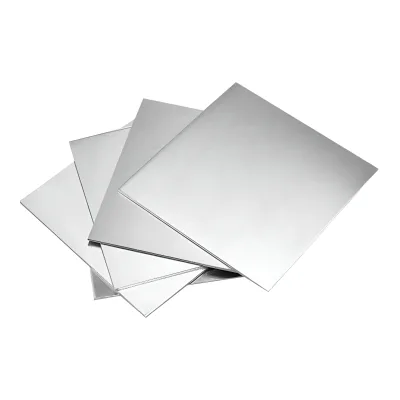
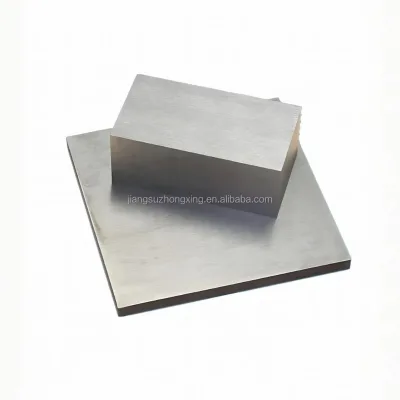
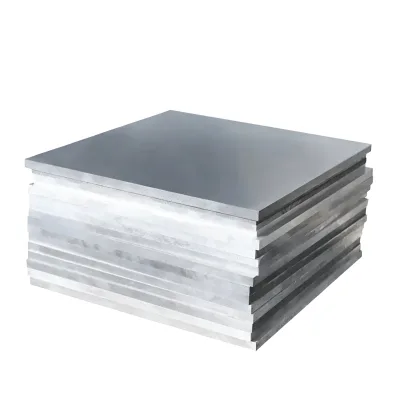
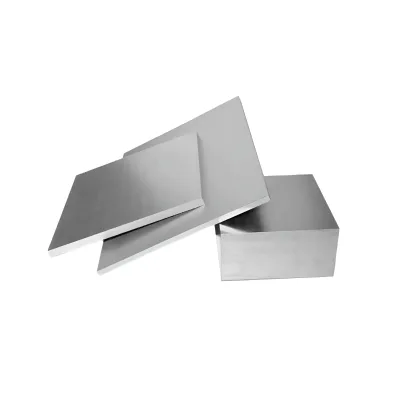
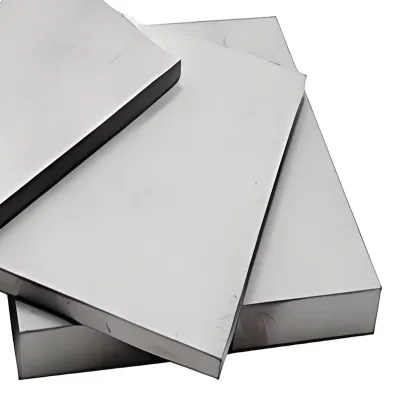
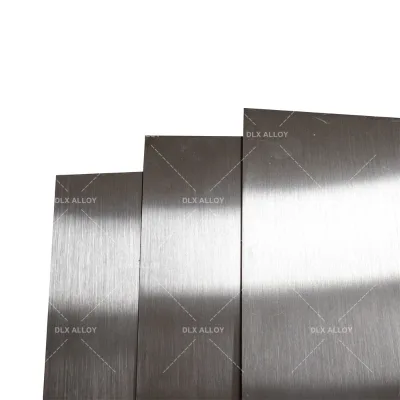
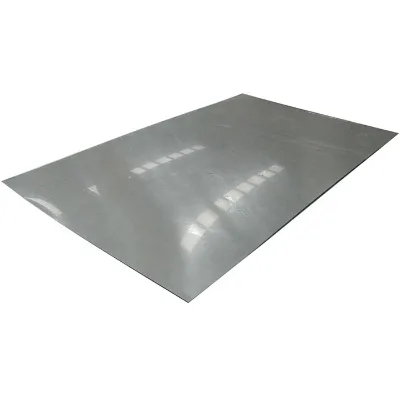
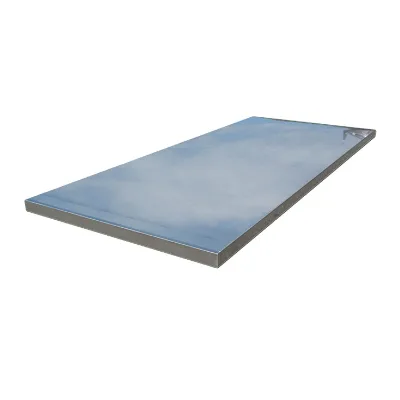
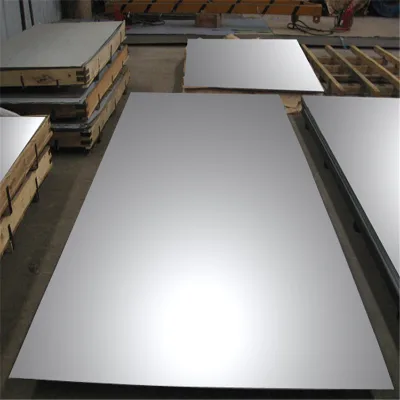
AISI SUS Inconel 725 601 600 625 601 718 Alloy Steel Plate Price Per kg Inconel 625 Plate
$36.00 - $40.00
MOQ: 50 kilograms


Comprehensive Sourcing Guide
Industrial Inconel 625 Steel Plate Sourcing Guide
Procuring Industrial Inconel 625 Steel Plate requires a disciplined approach to verifying material composition and mechanical performance against rigorous industry standards. Buyers must recognize that while the core keyword suggests a specific nickel-chromium-molybdenum alloy, market listings often bundle diverse stainless steel scrap and generic alloy products under similar terminology. The observed product landscape includes items labeled as Inconel 625 Plate, yet also features generic Nickel Plate and Stainless Steel Scrap with varying customization options. This diversity necessitates a careful review of every listing to ensure the actual material matches the intended high-temperature and corrosion-resistant applications typical of aerospace and chemical processing sectors.
Sourcing decisions should be grounded in the specific technical attributes provided by suppliers, such as tensile strength, yield strength, and elongation percentages, rather than relying solely on product titles. The available data indicates a wide range of mechanical properties, with tensile strengths observed from 620 MPa to 827 MPa and elongation values ranging from 30% to 40%. Buyers must explicitly request mill test certificates that confirm the exact grade, ensuring the plate meets the stringent requirements for wear resistance and high-strength performance. Without this verification, there is a significant risk of receiving generic alloy products that fail to deliver the necessary durability in demanding industrial environments.
Product Scope and Observed Listing Signals
The current market for Industrial Inconel 625 Steel Plate presents a complex array of product signals that buyers must navigate with caution. Listings frequently display a broad price range, observed between 1.28 and 10,000 USD, which reflects significant variations in quality, thickness, and supplier positioning. Minimum order quantities (MOQ) also vary widely, ranging from 1 to 500 units, indicating that some suppliers cater to small-scale prototyping while others focus on bulk industrial supply. This disparity suggests that buyers should not assume uniformity across all listings labeled as Inconel 625, as the underlying product may be a generic nickel alloy or a different stainless steel variant entirely.
Visual and descriptive attributes further complicate the sourcing process, with products described in colors such as silver and packed in fumigated wooden boxes, cartons, or plastic wrapping. The observed product models include specific designations like Inconel 625 and Inconel 600, alongside generic terms like Plate and Round, which may indicate a mix of flat and long products in the same supplier catalog. Buyers must scrutinize these details to distinguish between true Inconel 625 plates and other nickel-based alloys or tool steel bars that may be incorrectly categorized. Clear identification of the product type, whether it is a sheet, plate, or bar, is essential for ensuring compatibility with existing manufacturing processes and equipment specifications.
Technical Specifications to Verify
Verifying technical specifications is the most critical step in sourcing Industrial Inconel 625 Steel Plate, as mechanical properties directly impact performance in service. Buyers must confirm key attributes such as density, which has been observed at 8.44 G/Cm³ and 8.47 G/Cm³ in various listings, to ensure material consistency. Tensile strength is another vital parameter, with observed values ranging from 620 MPa (90 Ksi) to 827 MPa (120 Ksi), while yield strength varies from 414 MPa (60 Ksi) to higher thresholds. These variations highlight the need for precise specification matching, as lower strength values may not suffice for high-load applications in aviation or chemical processing industries.
Hardness and elongation properties also require strict verification, with observed hardness values spanning from 145-240 Hb, 200 Hv, and 90 Hrb, and elongation percentages ranging from 30% to 40%. Buyers should request detailed material test reports that specify the treatment processes, such as hydrogen annealing, surface treatments like polished or pickled finishes, and the production technique, which is often hot rolled. Additionally, dimensions such as width, observed at 1219/1500 mm, and customized size options must be confirmed to ensure the plate fits within the designated tooling or structural framework. Accurate specification alignment prevents costly rework and ensures the material performs as expected under operational stress.
Compliance and Safety Documentation
Compliance with international standards is non-negotiable when sourcing Industrial Inconel 625 Steel Plate for critical applications. Buyers must verify that the supplier adheres to recognized standards such as AISI, ASTM, DIN, GB, JIS, and BS, which govern the chemical composition and mechanical properties of nickel alloys. The observed listings mention custom standards and specific designations like DN10~450, which may refer to pipe dimensions rather than plate specifications, requiring careful clarification. Ensuring that the material meets the correct standard is essential for maintaining regulatory compliance in sectors like medical, electronics, and aviation, where material failure can have severe consequences.
Safety documentation and certifications further validate the reliability of the supplier and the quality of the product. The observed ISO certification indicates a baseline level of quality management, but buyers should also request specific material certifications that trace the alloy back to its original melt. This documentation should include chemical analysis reports confirming the presence of key elements like nickel, chromium, and molybdenum, which provide the alloy's renowned corrosion resistance. Additionally, buyers should inquire about any additional testing, such as non-destructive testing (NDT) or ultrasonic testing, to detect internal defects that are not visible to the naked eye.
Cost Drivers and Commercial Terms
Understanding the cost drivers and commercial terms is essential for effective budgeting and negotiation when sourcing Industrial Inconel 625 Steel Plate. The observed price range of 1.28 to 10,000 USD suggests that costs are influenced by factors such as order volume, customization requirements, and the specific grade of the alloy. Buyers should anticipate higher costs for customized sizes, special surface treatments like mirror polish, and smaller order quantities that fall below the typical MOQ thresholds. Additionally, the origin of the product, observed as China, may impact shipping costs and lead times, which are critical considerations for just-in-time manufacturing schedules.
Commercial terms such as FOB, CIF, CFR, CNF, and Exwork define the responsibilities of the buyer and seller regarding shipping and insurance. Buyers must clearly understand these terms to avoid unexpected costs, such as import duties or handling fees at the destination port. Lead times also vary, with some suppliers offering stock availability and others requiring 5-30 days for production and delivery. Negotiating favorable terms, such as extended payment periods or bulk discounts, can significantly reduce the total cost of ownership. Clear communication of these terms in the purchase order ensures that both parties have a shared understanding of the delivery schedule and financial obligations.
Supplier Qualification and Quality Control
Supplier qualification is a pivotal step in mitigating the risks associated with sourcing Industrial Inconel 625 Steel Plate. Buyers should conduct thorough due diligence on potential suppliers, verifying their business licenses, production capabilities, and quality management systems. The observed customization options and diverse product range suggest that some suppliers may act as trading companies rather than manufacturers, which can complicate quality control and traceability. It is advisable to prioritize suppliers who have direct control over the production process, including hot rolling and annealing, to ensure consistent material properties and adherence to specified standards.
Quality control measures should be integrated into the procurement process, including pre-shipment inspections and third-party testing. Buyers should request samples for initial evaluation to verify dimensions, surface finish, and mechanical properties before committing to large orders. Establishing a clear quality agreement that defines acceptable tolerances, defect rates, and rejection criteria is essential for maintaining consistency. Additionally, buyers should inquire about the supplier's process for handling non-conforming materials, ensuring that there is a robust mechanism for returns or replacements. This proactive approach to quality control helps prevent disruptions in the supply chain and ensures that the received materials meet the required performance standards.
Long-Term Procurement Checks
Long-term procurement checks are necessary to maintain supply chain resilience and ensure ongoing compliance with evolving industry standards. Buyers should regularly review supplier performance metrics, including on-time delivery rates, product quality consistency, and responsiveness to issues. The dynamic nature of the market, with observed variations in product models and standards, requires continuous monitoring to ensure that the supplier remains aligned with the buyer's technical requirements. Establishing a periodic review process allows buyers to identify potential risks, such as changes in material composition or production techniques, before they impact operations.
Building a strong relationship with qualified suppliers can lead to better pricing, priority production scheduling, and access to new product developments. Buyers should engage in regular communication with suppliers to discuss future needs, potential design changes, and market trends. Additionally, maintaining a diversified supplier base can mitigate the risk of supply disruptions caused by geopolitical events, natural disasters, or production capacity constraints. By implementing a structured long-term procurement strategy, buyers can ensure a stable supply of high-quality Industrial Inconel 625 Steel Plate, supporting their operational efficiency and competitive advantage in the marketplace.
FAQs
What is the composition of Industrial Inconel 625 Steel Plate?
The material is composed of stainless steel scrap and classified as a nickel alloy. It is specifically identified as Inconel 625 plate with a silver color. This composition supports its use in wear-resistant steel applications across various industrial sectors.
Which standards apply to Industrial Inconel 625 Steel Plate?
The product adheres to multiple international standards including AISI, ASTM, DIN, GB, and JIS. Additionally, custom standards are available to meet specific project requirements. This flexibility ensures compliance with diverse regulatory frameworks for global industrial applications.
Can Industrial Inconel 625 Steel Plate be customized?
Yes, customization is available for this Industrial Inconel 625 Steel Plate. Buyers can request specific sizes and specifications tailored to their needs. The product origin is China, and it is packed in fumigated wooden boxes or cartons for safe transport.
What are the mechanical properties of Industrial Inconel 625 Steel Plate?
The plate exhibits a tensile strength of 827 MPa and a yield strength of 414 MPa. Elongation reaches 30%, with a hardness of 145-240 Hb. Another variant shows 620 MPa tensile strength and 40% elongation, ensuring robust performance in demanding environments.
What is the lead time for Industrial Inconel 625 Steel Plate?
Delivery times range from 5 to 30 days for standard orders. Some items are available in stock for immediate dispatch. Trade terms include FOB, CIF, CFR, CNF, and Exwork, allowing flexible logistics arrangements for international buyers sourcing this nickel alloy plate.
What certifications are provided for Industrial Inconel 625 Steel Plate?
The product comes with ISO certification, ensuring quality management compliance. This certification supports its application in chemical, medical, industrial, electronics, and aviation sectors. Buyers can rely on these verified standards for procurement decisions requiring documented material quality and safety.