Tinned Copper Grounding Busbar Suppliers and Manufacturers
Explore 26 verified options for Tinned Copper Grounding Busbar with details on location, lead times, and certifications. Compare response times, MOQs, and surface treatments to select the right partner for your electrical needs; review the available evidence before requesting comparable quotations from suitable candidates.
Updated
Suppliers List

Ningbo Thingshine Metal Products Co.,Ltd
- Verified by TUVRHEINLAND
- Trading Company
- China Zhejiang
- Lead time15 days
- Avg. response≤ 4h
Main productsElectrical Contact, Busbars, Terminal Lugs, Terminal Connector, Casting Products, Forging Products, Machining Products, Stamping Products
Main marketsEurope


Tinned Copper High Current High Conductivity Grounding Flexible Connector Braided Busbar
$0.88 - $5.26
MOQ: 1000 Pieces

Electric Copper Busbar OEM/ODM High Performance Custom Size Earth Grounding Busbar
$1.28 - $2.80
MOQ: 1000 Pieces

Copper New Energy Industry Braided Busbar High Current Earth Braiding Grounding Busbar
$5.12 - $7.85
MOQ: 1000 Pieces

Copper Flexible Laminated Cost Effective Busbar Custom Made Energy Storage Grounding Busbar
$3.52 - $6.66
MOQ: 1000 Pieces

Cangzhou Yifeng Hardware Manufacturing Co., Ltd.
- Verified by SGS
- Combined
- China Hebei
- Lead time30 days
- Avg. response≤ 2h
Main productsSheet Metal, Sheet Metal Stamping, Deep Drawn, Metal Bracket, Battery Box
Main marketsEurope


Custom Nickel & Tin-Plating L Type Bus Bar Electrical Bus-Bars Copper Busbar
$0.1314 - $9.90
MOQ: 1000 Pieces

All Sizes of Tinned Custom Copper Bus Bar for Power Distribution Equipment
$0.1314 - $9.90
MOQ: 1000 Pieces

Shandong Ying Yi Import and Export Co., Ltd.
- Verified by SGS
- Trading Company
- China Shandong
- Lead time15 days
- Avg. response≤ 3h
Main productsCopper Plate/Sheet, Copper Pipe/Tube, Copper Strip/Tape, Copper Bar/Rod
Main marketsSoutheast Asia/ Mideast,Europe,North America


High Quality Copper Busbar for Lightning Protection & Grounding Busbar Earthing
$11.00 - $12.00
MOQ: 300 kg


Jiangsu Fenbo Telecom Technology Co., Ltd.
- Manufacturer, Trading Company
- Jiangsu, China
- Lead time10 days
- Avg. response≤ 2h
Main productsfeeder cable clamp,grounding kit,cable entry system,RF jumper cable,waterproof kits
Main marketsNorth America(20.00%), Western Europe(15.00%), Domestic Market(12.00%), Eastern Europe(10.00%), South America(10.00%), Africa(5.00%), Southeast Asia(5.00%), Southern Europe(5.00%), Mid East(5.00%), Northern Europe(5.00%), Central America(2.00%), South Asia(2.00%), Eastern Asia(2.00%), Oceania(2.00%)

Deqing Lizheng Metal Works Co., Ltd.
- Verified by SGS
- Combined
- China Zhejiang
- Lead time15 days
- Avg. response≤ 6h
Main productsWelding, Sheet Metal Fabrication, Medical Equipment Parts, Metal Casting, Fasteners
Main marketsDomestic
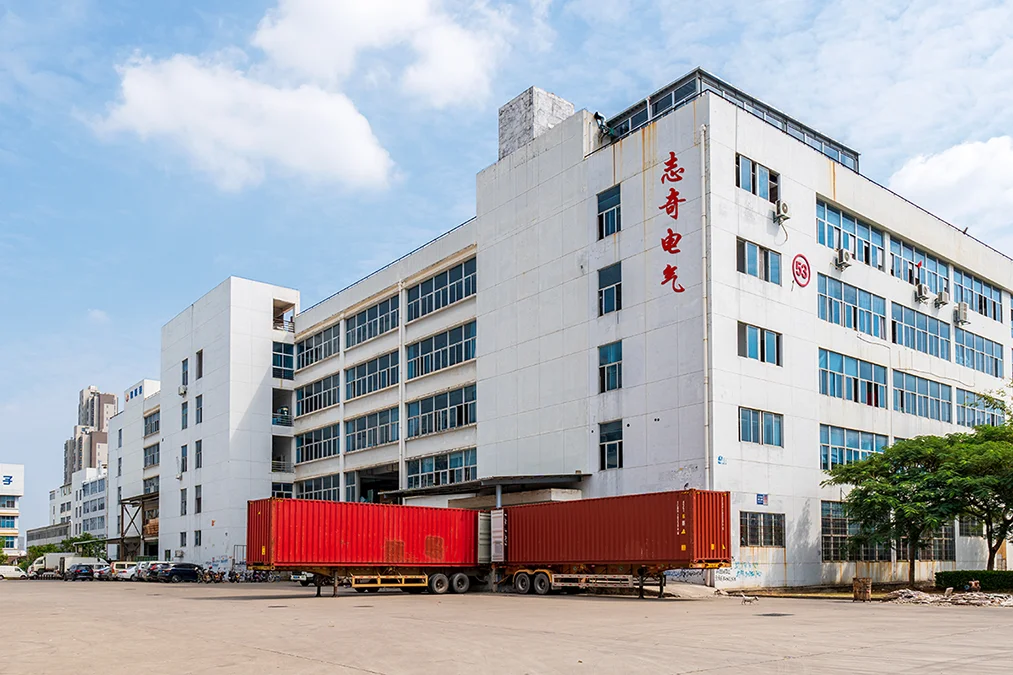
Hangzhou Zhiqi Electrical Co., Ltd.
- Trading Company
- Zhejiang, China
- Lead time30 days
- Avg. response≤ 6h
Main productsElectrical boxes,electrical fittings,J Hooks,Bridle Ring,Beam Clamps
Main marketsSouth America(30.00%), North America(30.00%), Eastern Asia(10.00%), Oceania(10.00%), Southeast Asia(10.00%), Eastern Europe(10.00%)

Wuxi Liangjiang Metal Co., Ltd.
- Verified by SGS
- Combined
- China Jiangsu
- Lead time30 days
- Avg. response≤ 8h
Main productsRing Forging, Shaft Forging, Cylinder Forging, Forging Block, Forged Disc, Forged Sleeve, Forged Flange, Forged Gear
Main marketsOthers(foreignTradeCapacity.exportBusinessCapacityMarketOther),Southeast Asia/ Mideast,Europe

Kunshan Carsai Auto Parts Industry Co., Ltd.
- Verified by BV
- Trading Company,Manufacturer/Factory
- China Jiangsu
- Lead time23 days
- Avg. response≤ 1h
Main productsCopper Busbar, Bus Bar, Flexible Busbar, Laminated Busbar, Copper Braided Busbar, Distribution Box, Stainless Steel Electrical Enclosure, Junction Box, Sheet Metal Fabrication, Stamping Part
Main marketsSouth America,Eastern Europe,Mid East,North America,Southeast Asia,Western Europe,Africa

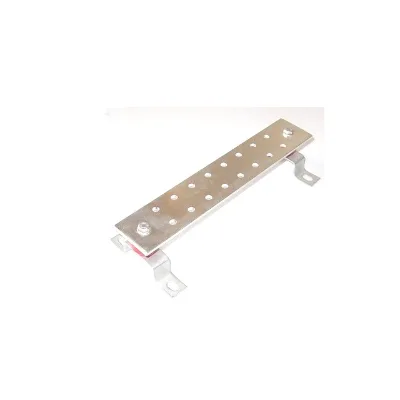
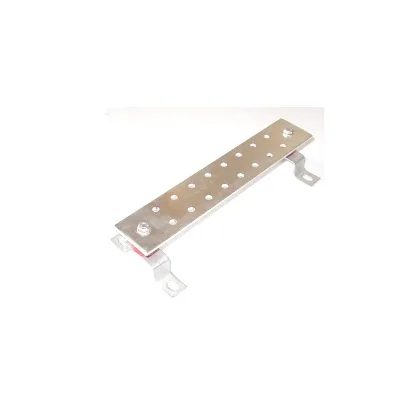
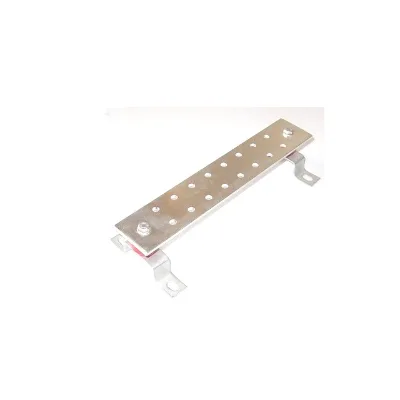
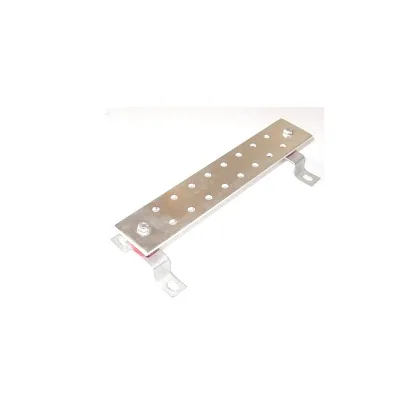
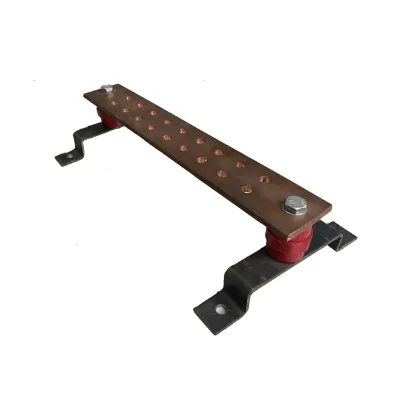
Custom Wall-Mounted Tinned Copper Busbar for Electrical Grounding Copper Bus Bar
$15.99
MOQ: 10 Pieces

Xiamen Deacho Communication Technology Co.,Ltd
- Manufacturer, Trading Company, Distributor/Wholesaler
- Fujian, China
- Lead time7 days
- Avg. response≤ 9h
Main productscold shrink tube,cable hanger,grounding kit,wireless tower,cable connector
Main marketsNorth America(36.00%), Western Europe(18.00%), South America(12.00%), Northern Europe(6.00%), Southeast Asia(5.00%), South Asia(3.00%)
Shaoxing Bailijia Electric Co., Ltd.
- Verified by Intertek
- Manufacturer, Trading Company
- Lead time10 days
- Avg. response≤ 1h
Main productsEarth Rod, Earth Wire, Earth Clamp, Busbar, Lightning Rod
Main marketsDomestic Market(84%), Southeast Asia(10%), Northern Europe(2%)
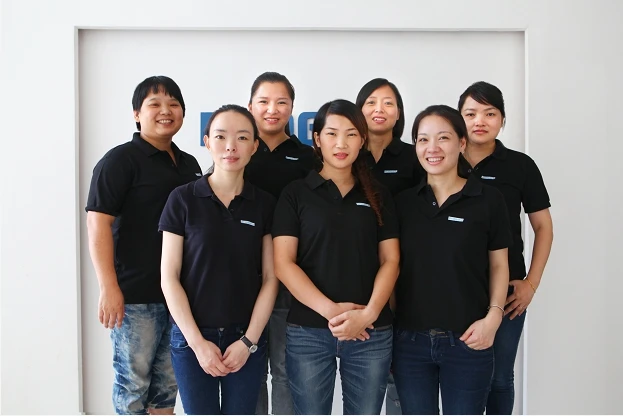
Zhejiang Bridgold Copper Tech Co., Ltd.
- Manufacturer, Trading Company
- Zhejiang, China
- Lead time15 days
- Avg. response≤ 8h
Main productsFlexible Copper Braided Wire,Flexible Copper Stranded Wire,Flexible Braided Copper Wire Busbar,Flexible Laminated Copper (Aluminum) Busbar,Rigid Copper (Aluminum) Busbar
Main marketsDomestic Market(50.00%), Northern Europe(15.00%), Western Europe(15.00%), North America(5.00%), Southeast Asia(5.00%), Eastern Europe(5.00%), Africa(5.00%)
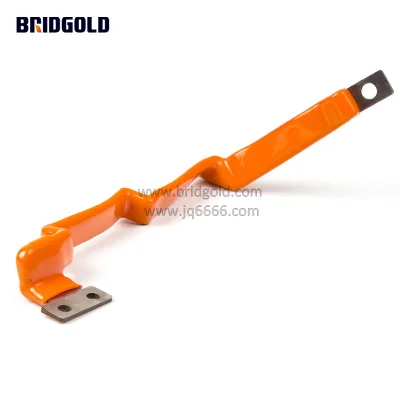
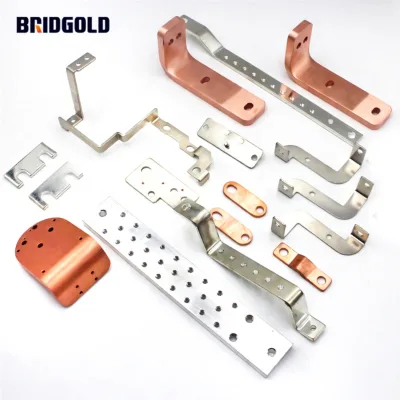
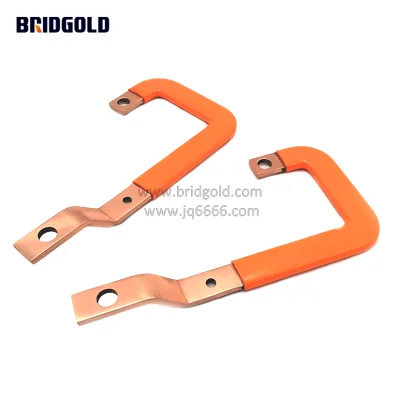
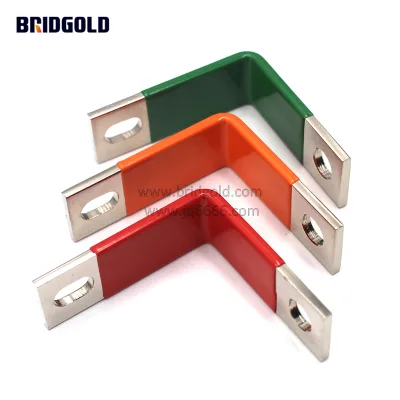
99.95% pure hard copper busbar for electrical boards hard copper connector customized Customized
$3.50 - $7.20
MOQ: 1 Minimum
Shanxi Xincongbang Metal Products Co., Ltd.
- Verified by Intertek
- Trading Company
- Lead time0 days
- Avg. response≤ 2h
Main productsSteel Sheet, Seamless Steel Pipe
Main marketsDomestic Market(30%), North America(30%), Eastern Europe(30%)

Hainan Fuwang Industrial Co., Ltd.
- Trading Company,Manufacturer/Factory
- China Hainan
- Lead time23 days
- Avg. response≤ 12h
Main productsInsulation Materials, Copper Clad Laminated Sheet, Fine Chemical, Fiberglass, Fr-4/G11/G11-H/Epgm203, Green Coffee Beans, Cosmetic, Whey Protein
Main marketsSouth America,Eastern Europe,Mid East,North America,Southeast Asia,Eastern Asia,Oceania,Western Europe,Africa
Nanchang Datai Electromechanical Equipment Co., Ltd.
- Trading Company
- Jiangxi, China
- Lead time0 days
- Avg. response≤ 1h
Main productsLow voltage switchgear,High voltage switchgear,Distribution box,circuit breaker,Contactor
Main marketsDomestic Market(20.00%), North America(10.00%), South Asia(10.00%), Western Europe(10.00%), Eastern Asia(10.00%), Mid East(10.00%), Africa(10.00%), Southeast Asia(10.00%), South America(10.00%)
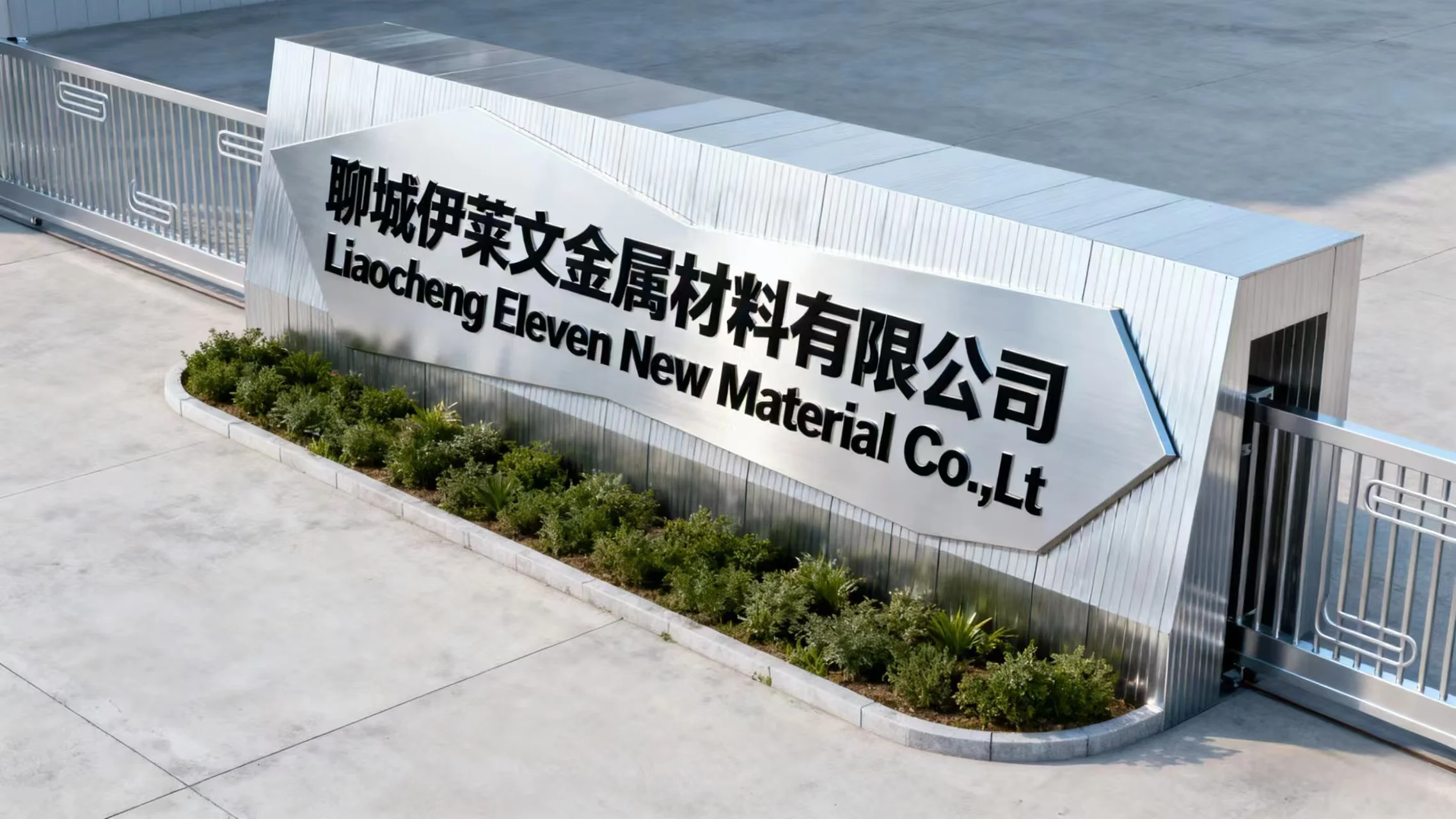
Liaocheng Eleven New Material Co., Ltd.
- Trading Company
- Shandong, China
- Lead time10 days
- Avg. response≤ 1h
Main productscopper products,brass products,aluminum products,Grounding materials,Brass accessories
Main marketsSouth Asia(10.00%), Central America(10.00%), Southeast Asia(10.00%), Eastern Asia(10.00%), Mid East(10.00%), North America(10.00%), Domestic Market(5.00%), Oceania(5.00%), Southern Europe(5.00%), Northern Europe(5.00%), Africa(5.00%), Western Europe(5.00%), Eastern Europe(5.00%), South America(5.00%)

Jiangyin Shenlong Electric Materials Co., Ltd.
- Verified by SGS
- Combined
- China Jiangsu
- Lead time15 days
- Avg. response≤ 10h
Main marketsDomestic
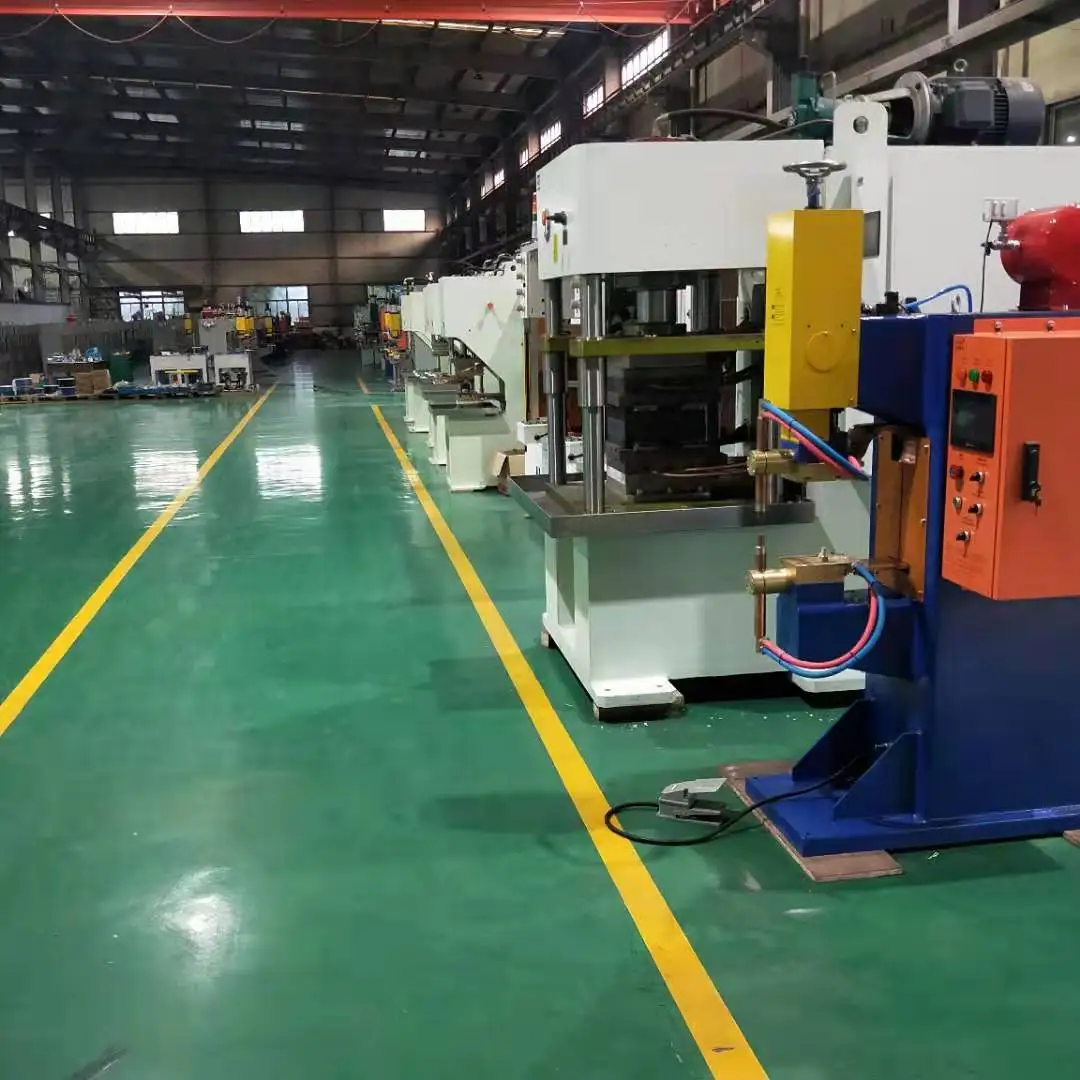
- Manufacturer, Trading Company
- Jiangsu, China
- Lead time15 days
- Avg. response≤ 3h
Main productsCopper conductive parts
Main marketsNorth America(70.00%), Western Europe(10.00%), South America(5.00%), Eastern Asia(5.00%), Africa(5.00%), Southeast Asia(5.00%)
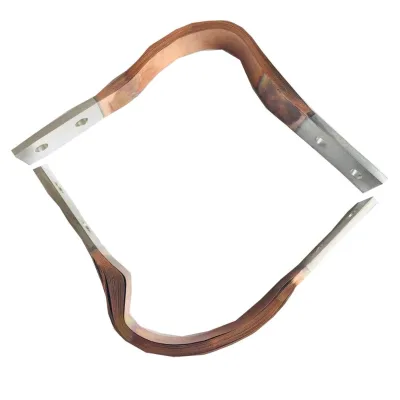
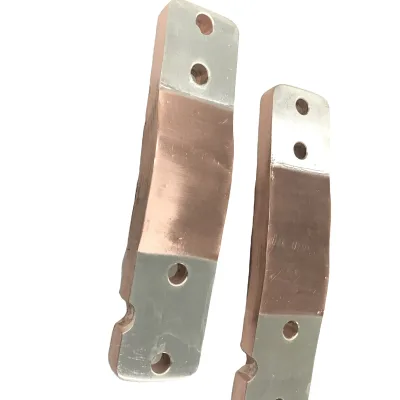
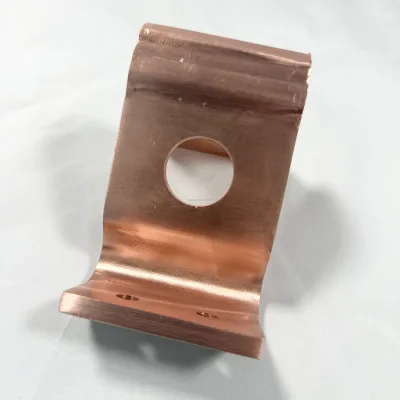
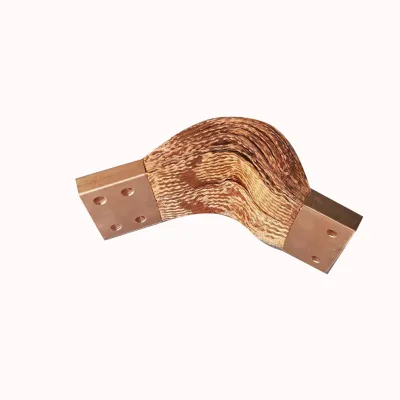
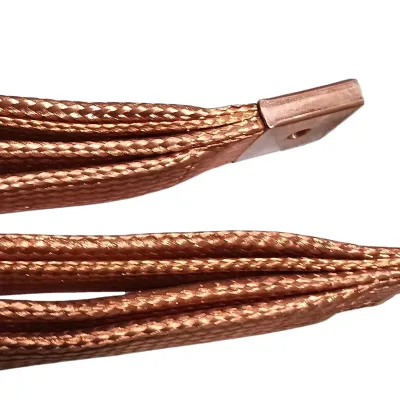
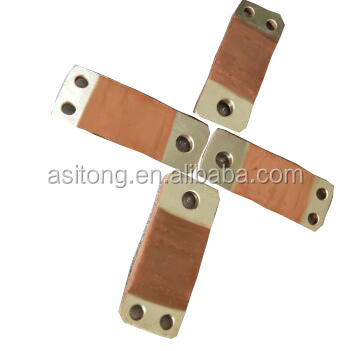
Flexible Copper Busbar for Capacitors From Wuxi Factory
$220.00 - $230.00

Yueqing Chaochen Electronic Co., Ltd.
- Verified by SGS
- Trading Company,Manufacturer/Factory
- China Zhejiang
- Lead time23 days
- Avg. response≤ 6h
Main productsCopper Braid, Plastic Cap, Busbar, Heat Shrink Tube, Copper Wire, Battery Terminal, Cable Lug, Connector, Cable Tie
Main marketsSouth America,Eastern Europe,Mid East,North America,Southeast Asia,Eastern Asia,Oceania,Western Europe,Africa


Copper Conductive Flexible Bus Bar Connection Braided Copper Grounding Straps Busbar
$0.10 - $20.00
MOQ: 1 Pieces


Big River Industries (Ningbo) Co., Ltd.
- Verified by TüVRheinland
- Manufacturer, Trading Company
- Lead time15 days
- Avg. response≤ 3h
Main productsBusbar, Electrical Cabinet, Wires, Sheet Metal Part, Circuit Breaker
Main marketsNorth America(65%), Western Europe(20%), South America(5%)
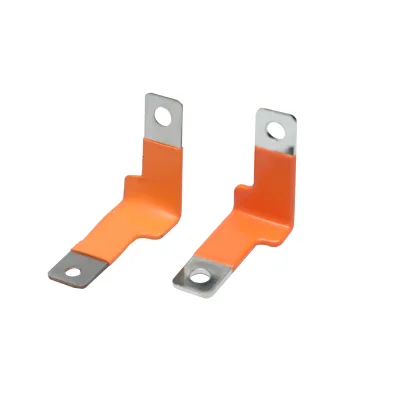
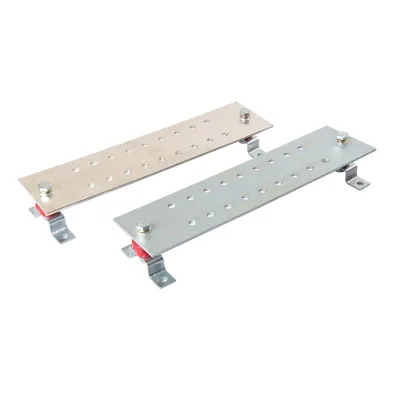
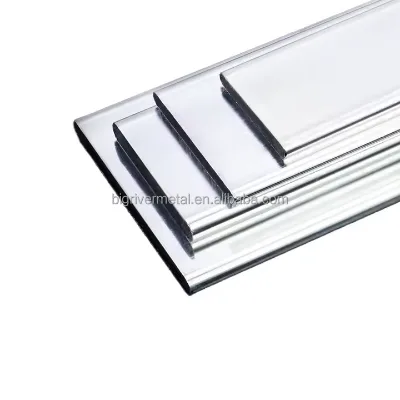
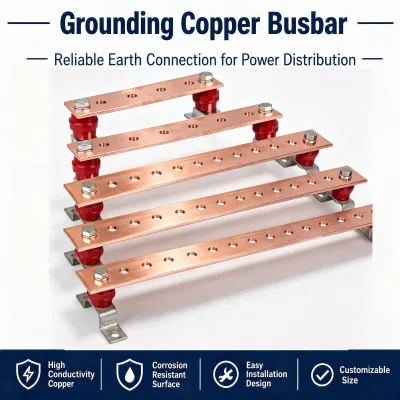
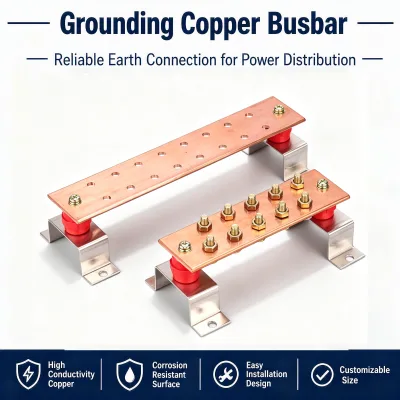
New Energy Battery Power Distribution Equipment Grounding Copper Busbar with Tin Plating
$0.9249 - $1.2337
MOQ: 50 pieces
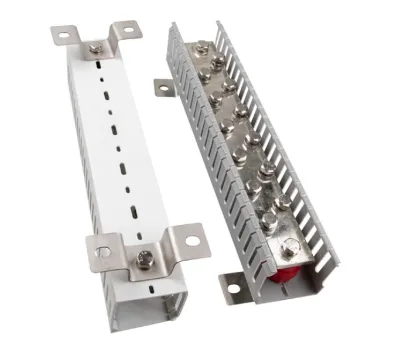

Hangzhou Keller New Energy Technology Co., Ltd.
- Verified by CTI
- Trading Company
- China Zhejiang
- Lead time30 days
- Avg. response≤ 14h
Main marketsDomestic


Tinned Copper Busbar for Power Distribution Unit with Corrosion Resistance
$0.50 - $4.00
MOQ: 100 Pieces

Jiangsu DZX Technology Co.,Ltd
- Verified by SGS Group
- Trading Company
- Lead time15 days
- Avg. response≤ 4h
Main productsHeating Resistance Alloy, Thermocouple Wire, Nickel Welding Alloy, Pure Nickel Strip
Main marketsSoutheast Asia(20%), Northern Europe(15%), Southern Europe(15%)
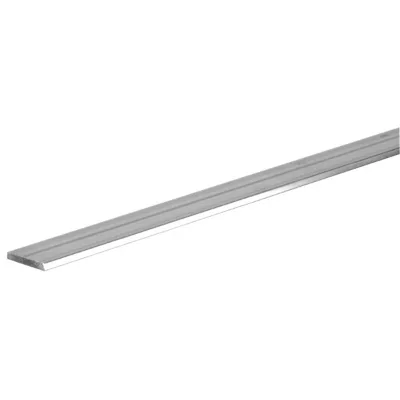
C11000 Tinned Coated Copper Busbar / Flat Copper Bus bar for Electrical
$12.00 - $18.00
MOQ: 100 kilograms
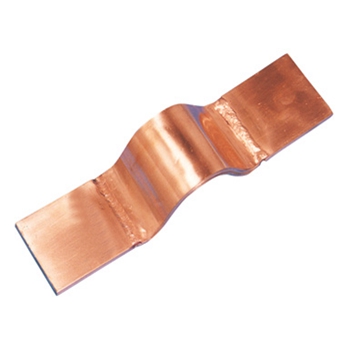
$13.00 - $20.00
MOQ: 10 kilograms

Hebei Xichenglong Electronics Co., Ltd.
- Verified by SGS
- Combined
- China Hebei
- Lead time30 days
- Avg. response≤ 3h
Main productsSheet Metal Part, CNC Machining Parts, Auto Parts, Custom Machining Parts, Precision Stamping Parts
Main marketsDomestic

Yueqing Chenmi Power Electric Co., Limited
- Manufacturer, Trading Company
- Zhejiang, China
- Lead time10 days
- Avg. response≤ 13h
Main productsCopper braided wire,flexible connection,suspension clamp,electric products,earth rod
Main marketsAfrica(10.00%), Southeast Asia(10.00%), Eastern Europe(10.00%), Eastern Asia(10.00%), South America(10.00%), North America(10.00%), Domestic Market(5.00%), South Asia(5.00%), Oceania(5.00%), Southern Europe(5.00%), Northern Europe(5.00%), Central America(5.00%), Western Europe(5.00%), Mid East(5.00%)

Zhangzhou NEER New Energy Technology Co., Ltd.
- Verified by CTI
- Combined
- China Fujian
- Lead time15 days
- Avg. response≤ 2h
Main productsCopper Busbar, Plating/Electroplating Busbar, Bus Bar, Laminated Busbar, Solid / Flexible Copper Busbar, Stainless Steel Product, Electrical Busbar, Stainless Steel Battery Case
Main marketsDomestic

Superior Insulation Tinned Copper Busbar for Efficient Conductive Performance
$0.60 - $16.90
MOQ: 300 Pieces


Chengdu Haoyu Feihong Technology Co., Ltd.
- Trading Company
- Sichuan, China
- Lead time0 days
- Avg. response≤ 1h
Main productssurge protector,Smart surge protector,lightning rod,Power backup protector,PDU lightning protection socket
Main marketsSoutheast Asia(20.00%)
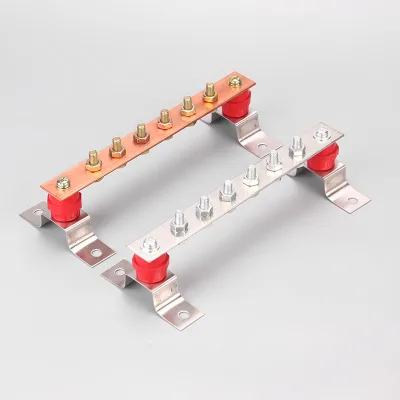
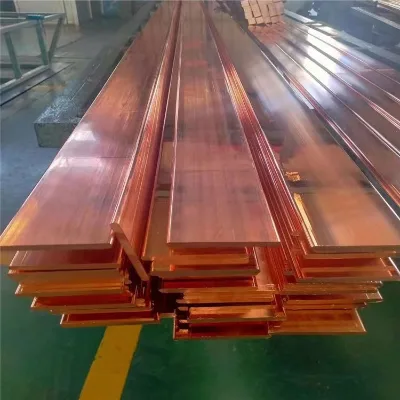
$3.6291 - $5.0801
MOQ: 50 pieces
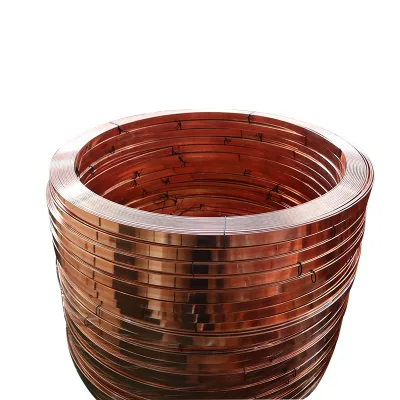
Henan Zhongyu Yonghui Electric Co., Ltd.
- Verified by Intertek
- Trading Company
- Lead time0 days
- Avg. response≤ 1h
Main productsCable Tray, Threading Steel Pipe, Seismic Support, Bus Duct, Screw Rod
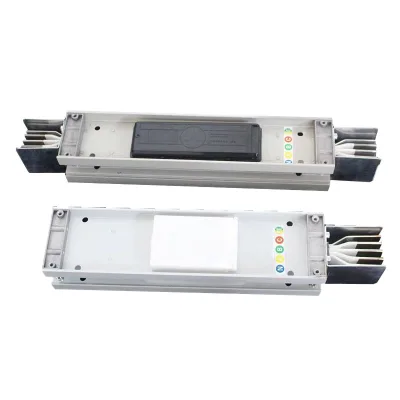
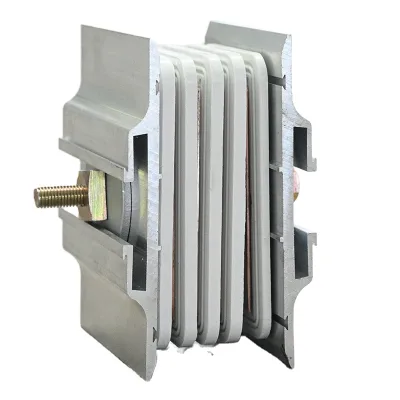
Aluminium Enclosed Dense Busbar Trunking Copper Power Busbar for Lighting
$101.7851 - $169.6403
MOQ: 5 meters








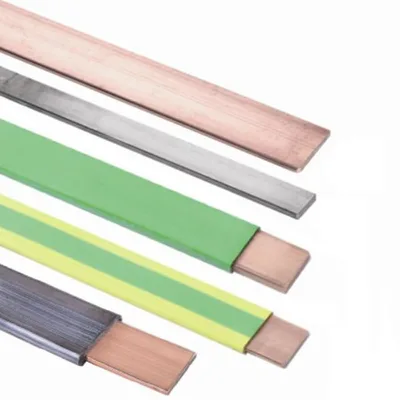
Comprehensive Sourcing Guide
Tinned Copper Grounding Busbar Supplier Concentration and Factory Types
The current supplier landscape for tinned copper grounding busbars reveals a distinct geographic and structural concentration, primarily anchored in China. Specific results indicate that manufacturing and trading entities are heavily clustered in provinces such as Zhejiang, Hebei, and Shandong. For instance, one verified trading company is located in Zhejiang, while another combined entity operates in Hebei, and a third supplier focusing on copper plates and sheets is situated in Shandong. This geographic distribution suggests that buyers can find a diverse range of capabilities within these specific regions, with Ningbo in Zhejiang emerging as a notable origin point for customized products. The presence of suppliers in these industrial hubs implies that logistics infrastructure and raw material access are likely optimized for export, particularly for items like flexible insulated busbars and high-current connectors. Buyers should recognize that while the core keyword points to a specific product, the underlying supply chain is supported by established manufacturing clusters that specialize in electrical components, sheet metal stamping, and copper processing. Understanding this concentration helps in narrowing down search parameters to regions with proven expertise in electrical equipment supplies, ensuring that the sourcing strategy aligns with areas that have the necessary industrial base to support consistent production of grounding busbars.
In terms of factory types, the market offers a mix of trading companies, combined manufacturing entities, and specialized producers. The data shows that some suppliers are classified as trading companies, which may offer a broader range of electrical contact and terminal lug products alongside busbars, providing a one-stop solution for procurement teams. Others are identified as combined entities with capabilities in sheet metal stamping, deep drawing, and metal bracket fabrication, indicating a strong in-house manufacturing capability for custom busbar designs. Additionally, some suppliers focus specifically on copper plate, sheet, pipe, and rod, suggesting they may serve as upstream manufacturers or specialized processors. This variety in company types means that buyers must carefully assess whether they need a direct manufacturer for cost efficiency and customization control or a trading company for product diversity and simplified logistics. The distinction is crucial because it affects lead times, communication channels, and the level of technical support available. By understanding these factory types, buyers can better align their sourcing needs with the appropriate supplier model, whether they require OEM/ODM services for custom sizes or standard off-the-shelf grounding solutions for immediate deployment.
How to Verify Tinned Copper Grounding Busbar Suppliers
Verification is a critical step in ensuring the reliability and quality of Tinned Copper Grounding Busbar suppliers, as the market includes various types of entities with different levels of transparency. Buyers should prioritize suppliers who have undergone third-party verification processes, as this provides an additional layer of confidence in their operational legitimacy. For example, some suppliers in the current results are verified by TÜV Rheinland, a globally recognized testing and certification body, which indicates a commitment to international standards and quality management. Others may be verified by SGS, another leading inspection and certification company, suggesting that their business practices and product capabilities have been independently assessed. These verification badges are not merely decorative; they often correlate with a supplier’s ability to maintain consistent quality control and adhere to contractual obligations. Buyers should look for these verification marks prominently displayed on supplier profiles and consider them as a baseline requirement for shortlisting. Additionally, verifying the supplier’s business license and legal status through official channels can further mitigate risks associated with fraudulent or non-existent entities. By focusing on verified suppliers, buyers can reduce the likelihood of encountering issues related to non-delivery, substandard products, or misrepresentation of capabilities, thereby safeguarding their procurement investments.
Beyond verification badges, buyers should also assess the supplier’s certification portfolio and system certifications to ensure compliance with industry standards. The current results show that some products carry CE and RoHS certifications, which are essential for electrical equipment sold in many international markets, particularly Europe. RoHS compliance ensures that the busbars do not contain hazardous substances, while CE marking indicates conformity with health, safety, and environmental protection standards. Other suppliers may offer ISOGB or ISO9001:2015 certifications, which reflect adherence to quality management systems and specific industry guidelines. Buyers should request copies of these certificates and verify their validity with the issuing bodies to ensure they are current and applicable to the specific products being sourced. Furthermore, checking for any additional system certifications, such as environmental or safety management standards, can provide insight into the supplier’s overall operational maturity. It is also important to note that some suppliers may list certifications as "NIL" or not provide them, which could indicate a lack of formal quality assurance processes. By rigorously verifying certifications and system standards, buyers can ensure that the tinned copper grounding busbars they procure meet the necessary regulatory and quality requirements for their intended applications.
What to Compare Across Tinned Copper Grounding Busbar Suppliers
When evaluating multiple suppliers for tinned copper grounding busbars, buyers must compare several key dimensions to identify the most suitable partner for their specific needs. One critical factor is the lead time, which varies significantly among suppliers. For instance, one supplier in Zhejiang has a lead time of 15 days, while another in Hebei has a lead time of 30 days. This difference can impact production schedules and inventory management, so buyers should align their choice with their project timelines. Another important dimension is the minimum order quantity (MOQ), which can range from 1000 units for some products to 300 units for others, or even 300kg for bulk copper bars. Buyers with smaller volume requirements may need to seek suppliers with lower MOQs, while those with large-scale projects can leverage economies of scale with higher MOQs. Response time is also a crucial metric, as it reflects the supplier’s efficiency in communication and problem-solving. Suppliers with response times under two hours, such as the one in Hebei with a 1.84-hour response time, may offer better support for urgent inquiries or technical issues. By comparing these operational metrics, buyers can select suppliers that not only offer competitive pricing but also align with their logistical and communication preferences.
In addition to operational metrics, buyers should compare the product specifications, customization options, and pricing structures offered by different suppliers. The current results show a wide range of product attributes, including surface treatments like tin plating, nickel plating, and silver plating, as well as various certifications such as CE, RoHS, and ISOGB. Buyers should ensure that the selected supplier can meet their specific technical requirements, such as conductivity, flexibility, and dimensional accuracy. Customization capabilities are another key differentiator, with some suppliers offering OEM/ODM services and others providing standard products. Pricing is also a significant factor, with price ranges varying from as low as $0.10 per unit to over $100 per unit, depending on the product type and specifications. Buyers should request detailed quotes that include all costs, such as packaging, shipping, and taxes, to make accurate comparisons. Additionally, considering the supplier’s main products can provide insight into their expertise; for example, a supplier specializing in sheet metal stamping may offer better quality for complex busbar designs, while a trading company may offer a wider variety of electrical components. By systematically comparing these factors, buyers can make informed decisions that balance cost, quality, and service.
Common Tinned Copper Grounding Busbar Sourcing Risks
Sourcing tinned copper grounding busbars involves several potential risks that buyers must proactively manage to ensure a smooth procurement process. One significant risk is the variability in product quality, particularly regarding the purity of the copper and the consistency of the plating process. The current results indicate that some products are made from non-alloy red copper with a minimum copper content of 99.9%, while others may have different alloy compositions. Buyers must verify the material specifications to ensure that the busbars meet the required conductivity and durability standards for their applications. Inconsistent plating, such as tin or nickel plating, can lead to corrosion or poor electrical contact over time, so it is essential to request samples and conduct quality checks before placing large orders. Another risk is the misrepresentation of certifications and standards. Some suppliers may claim to have CE or RoHS certifications without providing valid documentation, which can lead to compliance issues in regulated markets. Buyers should always verify certifications with the issuing bodies and ensure that the products are tested according to the claimed standards. By addressing these quality and compliance risks early in the sourcing process, buyers can avoid costly delays, returns, and reputational damage.
Logistical and communication risks are also prevalent in international sourcing, particularly when dealing with suppliers in different regions. The current results show suppliers located in Zhejiang, Hebei, and Shandong, each with different lead times and response times. Delays in production or shipping can disrupt supply chains, so buyers should establish clear communication channels and regular update schedules with their suppliers. Additionally, language barriers and cultural differences can lead to misunderstandings regarding product specifications, packaging requirements, and delivery terms. Buyers should ensure that all agreements are documented in writing and that both parties have a clear understanding of the terms. Another risk is the potential for hidden costs, such as unexpected shipping fees, customs duties, or packaging charges. Buyers should request detailed quotes that include all costs and clarify the price terms, such as FOB, CIF, or EXW, to avoid surprises. Furthermore, relying on a single supplier can pose a risk if that supplier faces production issues or financial difficulties. Buyers should consider diversifying their supplier base to mitigate this risk and ensure business continuity. By identifying and addressing these logistical and communication risks, buyers can enhance the reliability and efficiency of their sourcing operations.
Tinned Copper Grounding Busbar Regional Sourcing and Logistics
The geographic location of suppliers plays a crucial role in determining logistics costs, lead times, and overall supply chain efficiency for tinned copper grounding busbars. The current results highlight suppliers in China, specifically in Zhejiang, Hebei, and Shandong provinces, each offering distinct logistical advantages. Zhejiang, with Ningbo as a key origin point, is a major hub for electrical equipment manufacturing and export, providing access to well-developed port infrastructure and efficient shipping routes. Suppliers in this region may offer faster lead times, such as the 15-day lead time observed for one trading company, making them suitable for time-sensitive projects. Hebei, on the other hand, is known for its heavy industry and metal processing capabilities, with suppliers offering combined manufacturing services and longer lead times, such as 30 days, which may be acceptable for planned inventory builds. Shandong, with its focus on copper plate and sheet production, provides access to raw materials and specialized processing, potentially offering cost advantages for bulk orders. Buyers should consider the proximity of the supplier to major ports and transportation networks when evaluating logistics options, as this can impact shipping costs and delivery reliability. By understanding the regional strengths of each supplier location, buyers can optimize their sourcing strategy to balance cost, speed, and quality.
Logistics planning also involves selecting the appropriate shipping terms and packaging methods to ensure the safe and timely delivery of tinned copper grounding busbars. The current results show various packaging options, including carton and pallet, carton and wooden case, and custom packaging as required. Buyers should specify their packaging preferences to protect the busbars from damage during transit, especially for fragile or high-value items. Additionally, understanding the price terms, such as FOB, CIF, FCA, EXW, or DDP, is essential for calculating the total landed cost and determining responsibility for shipping and insurance. FOB terms, for example, place the responsibility for shipping costs and risks on the buyer once the goods are loaded on the vessel, while CIF terms include the cost of insurance and freight to the destination port. Buyers should negotiate terms that align with their risk tolerance and logistical capabilities. Furthermore, considering the environmental impact of packaging and shipping
FAQs
What is the price range for tinned copper grounding busbars?
Prices for tinned copper grounding busbars typically range from $0.10 to $38.77 per unit. The final cost depends on the specific model, surface treatment, and order quantity. Buyers should check the minimum order quantity to determine the applicable price tier for their specific project requirements.
What certifications are available for these busbars?
Common certifications include CE, RoHS, and ISOGB. Some products also carry ISO9001:2015 system certification. Buyers should verify the specific certification listed for each product listing to ensure compliance with their regional electrical safety standards and project specifications before placing an order.
What is the typical lead time for these products?
Lead times generally range from 15 to 30 days. The exact duration depends on the supplier location and production capacity. Buyers should confirm the specific lead time with the supplier before ordering to ensure it aligns with their project delivery schedule and installation deadlines.
What is the minimum order quantity for these busbars?
Minimum order quantities vary, with some suppliers requiring 1000 units and others setting the MOQ at 300 units or 300kg. Buyers should check the specific product listing for the exact MOQ to ensure their order volume meets the supplier's production and shipping requirements.
Where are these busbars manufactured?
Manufacturing locations include Zhejiang, Hebei, and Shandong provinces in China. Specific origins may also be listed as Ningbo. Buyers should verify the exact origin on the product listing to assess shipping logistics and potential tariffs associated with the supplier's location.
What surface treatments are available for copper busbars?
Available surface treatments include tin plating, nickel plating, and silver plating. Tin plating is common for grounding applications. Buyers should select the treatment that best suits their environmental conditions and electrical conductivity requirements to ensure long-term performance and corrosion resistance.