Tinned Copper HDMI Cable Suppliers and Manufacturers
Compare 16 verified suppliers offering Tinned Copper HDMI Cable with response times, lead times, and certifications like ISO 9001. Review product specs and MOQs to select the right factory for your needs; review the available evidence before requesting comparable quotations from suitable candidates.
Updated
Suppliers List

Changzhou HITEK Electronics Co., Ltd.
- Combined
- China Jiangsu
- Lead time30 days
- Avg. response≤ 24h
Main productsHDMI Cable, Connector, Antenna, RCA Cable, DVI Cable, AV Cable, Vedio Cable, Audio Cable, USB Cable, Network Cable
Main marketsDomestic

SHENZHEN XIANGTIANZHONG TECHNOLOGY CO., LTD.
- Manufacturer/Factory
- China Guangdong
- Lead time23 days
- Avg. response≤ 5h
Main productsUSB C Type Series Cable, USB Series Connector, Wire Harness Cable, HDMI Cable, Displayport Cable
Main marketsSouth America,Eastern Europe,Mid East,North America,Southeast Asia,Eastern Asia,Oceania,Western Europe,Africa

Ningbo Fulsan Technology Co., Ltd.
- Verified by SGS
- Manufacturer/Factory
- China Zhejiang
- Lead time23 days
- Avg. response≤ 11h
Main productsHDMI Cable, Networking LAN Cable, USB Data Cable, Audio & Video Cable, Coaxial Cable, Microphone Cable, Speaker Cable, Power Strip, Power Plug Adapter, USB WiFi Adapter
Main marketsSouth America,Eastern Europe,Mid East,North America,Southeast Asia,Eastern Asia,Oceania,Western Europe,Africa
Zhongshan LJ Electronic Co., Ltd.
- Verified by TüVRheinland
- Manufacturer, Trading Company
- Guangdong, China
- Lead time20 days
- Avg. response≤ 3h
Main productsCable
Main marketsNorth America(30%), South America(10%), Western Europe(10%)

Dongguan KaiWin Electronic Co., Ltd.
- Manufacturer
- China Guangdong
- Lead time15 days
- Avg. response≤ 20h
Main productsTypec Product
Main marketsEurope,North America

Shenzhen Cablelinker Electronics Limited
- Manufacturer/Factory
- China Guangdong
- Lead time0 days
- Avg. response≤ 25h
Main productsCable Assembly, Lvds Cable, FPC Cable, Rigid Flex PCB, FFC Cable, Wire Harness
Main marketsSouth America,Eastern Europe,Mid East,North America,Southeast Asia,Eastern Asia,Oceania,Western Europe,Africa

NINGBO XINLAIYA ELECTRONIC TECH. CO., LTD.
- Verified by TUVRHEINLAND
- Combined
- China Zhejiang
- Lead time15 days
- Avg. response≤ 5h
Main productsTerminal Block, PCB Connector, Computer Cable
Main marketsSouth America,Africa,Others(foreignTradeCapacity.exportBusinessCapacityMarketOther),Southeast Asia/ Mideast,East Asia(Japan/ South Korea),Domestic,Europe,Australia,North America

Changzhou Traful Electronic Co., Ltd.
- Combined
- China Jiangsu
- Lead time30 days
- Avg. response≤ 15h
Main productsCharger, HDMI/DVI/VGA Cable, Mobile-Phone Accessories, Adaptor, USB/Video Cable, Patch Cable, Telephone Cable
Main marketsSouth America,Southeast Asia/ Mideast,East Asia(Japan/ South Korea),Domestic,Europe,Australia,North America

- Manufacturer/Factory
- China Guangdong
- Lead time15 days
- Avg. response≤ 15h
Main productsDIN41612 Connectors, PCB Connectors, RJ45 with Magentic and PCB Jack, Wire to Board Conncetors, Terminal Block, Wire to Wire Connectors, Flat Cables, Board to Board Connectors, Wire Harness, Automotive Connector
Main marketsSouth America,Eastern Europe,Mid East,North America,Southeast Asia,Eastern Asia,Oceania,Western Europe
Guangzhou EBY Optoelectronic Technology Co., Ltd.
- Trading Company
- Guangdong, China
- Lead time10 days
- Avg. response≤ 11h
Main productsElectrical Wire,LED Connector,LED Connect Wire,LED Splitter Box,Power Supply
Main marketsWestern Europe(40.00%), North America(30.00%), Domestic Market(15.00%), Oceania(5.00%), Southeast Asia(5.00%), Mid East(5.00%)
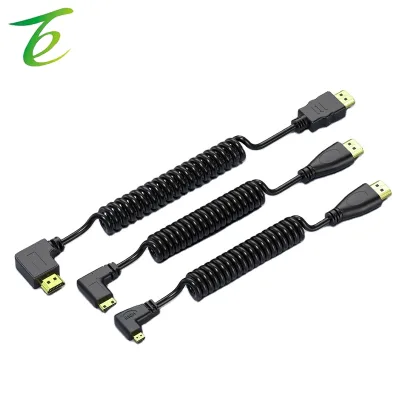
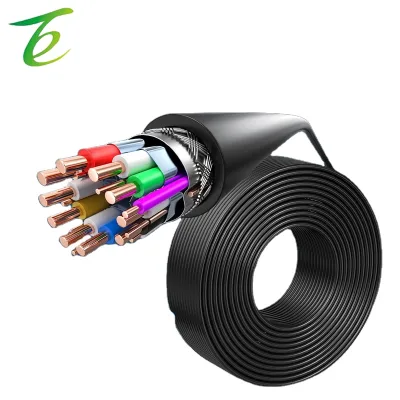
$0.20 - $2.00
MOQ: 500 Minimum
Hongsheng (Zhongshan) Cables Technology Limited
- Manufacturer, Trading Company
- Guangdong, China
- Lead time30 days
- Avg. response≤ 3h
Main productsHDMI CABLE,DVI CABLE,USB CABLE,DP CABLE,WALL PLATE
Main marketsDomestic Market(25.00%), South America(20.00%), North America(19.00%), Oceania(10.00%), Western Europe(10.00%), Eastern Europe(7.00%), Mid East(5.00%), Central America(3.00%), Africa(1.00%)

- Trading Company,Manufacturer/Factory
- China Zhejiang
- Lead time15 days
- Avg. response≤ 6h
Main productsCables & Connectors, XLR Connectors, Audio Bulk Cables, Coaxial Bulk Cables, DMX Cables, Hybrid Cable, LED Warning Lights
Main marketsSouth America,Eastern Europe,Mid East,North America,Western Europe,Africa
Shenzhen Magelei Electronic And Technology Co., Ltd.
- Verified by SGS Group
- Manufacturer, Trading Company
- Lead time15 days
- Avg. response≤ 3h
Main productsHDMI-DP-DVI-VGA Converter Adapter, Switch-Splitter-Extender , USB Hubs , Video Capture Card, Audio Video Equipments
Main marketsSouth America(32%), North America(19%), Mid East(9%)

Ningbo Weidan Electronics Co., Ltd.
- Verified by BV
- Manufacturer/Factory
- China Zhejiang
- Lead time75 days
- Avg. response≤ 24h
Main productsAV Cable, Network Cable, Power Cord, Network Accessories, WiFi Products, Computer Cable, Wires & Harness, Sensor Cable, Waterproof Cable, Auto Wiring Kit
Main marketsSouth America,Eastern Europe,Mid East,North America,Southeast Asia,Eastern Asia,Oceania,Western Europe,Africa

Ningbo Longtime Cable Co., Ltd.
- Trading Company
- Zhejiang Province, China
- Lead time30 days
- Avg. response≤ 1h
Main productsDisplayport cables/VGA cables/DVI cables,CAT.5E/CAT.6/CAT.7/CAT.8 Patch Cords cable/ Fiber Optic Patch Cords,USB cables/ Charging cables,Telephone cable/Solar PV cables/ Speaker cables/ Coaxial cables/Antenna cables/ Satellite cables,RCA/3.5mm/XLR Audio cables
Main marketsWestern Europe(30.00%), Eastern Europe(20.00%), Northern Europe(10.00%), North America(10.00%), South Asia(9.00%), Southern Europe(5.00%), Mid East(5.00%), South America(5.00%), Domestic Market(1.00%), Africa(1.00%), Eastern Asia(1.00%), Southeast Asia(1.00%), Central America(1.00%), Oceania(1.00%)
Jiangxi Zhongzefu E-Commerce Co., Ltd.
- Trading Company
- Jiangxi, China
- Lead time15 days
- Avg. response≤ 2h
Main productsdata cable,docking station,charger,adapter,concentrator
Main marketsSoutheast Asia(20.00%), North America(20.00%), South America(10.00%), Domestic Market(10.00%), Northern Europe(8.00%), Eastern Europe(6.00%), Southern Europe(5.00%), Africa(5.00%), Central America(5.00%), Oceania(3.00%), Eastern Asia(3.00%), Mid East(3.00%), Western Europe(2.00%)








Comprehensive Sourcing Guide
Tinned Copper HDMI Cable Supplier Concentration and Factory Types
The current supplier landscape for tinned copper HDMI cables reveals a distinct geographic concentration within China, specifically highlighting manufacturing hubs in Jiangsu, Guangdong, and Zhejiang provinces. These regions are critical for sourcing because they host the majority of verified entities capable of producing high-volume interconnect solutions. In Jiangsu, suppliers often operate as combined entities that blend trading capabilities with manufacturing oversight, allowing for flexible order structures. Meanwhile, Guangdong-based factories frequently present themselves as direct manufacturers or factories, emphasizing their production line control and ability to handle complex assembly tasks. Zhejiang suppliers also appear in the results, often backed by third-party verification services like SGS, which adds a layer of trust regarding their operational legitimacy. Understanding these regional distinctions helps buyers narrow their search to areas with established supply chains for copper wire processing and connector assembly.
Factory types vary significantly across these locations, influencing how a buyer should approach negotiations and quality assurance. Some suppliers identify as combined companies, which may offer a broader range of related products such as USB cables, network cables, and audio accessories alongside HDMI solutions. This diversification can be advantageous for buyers seeking a single source for multiple cable types. In contrast, pure manufacturer or factory entities often specialize deeply in specific connector types, such as HDMI, DisplayPort, or USB-C series cables. These specialized factories may have more robust research and development capacities for OEM and ODM projects, allowing for custom cable lengths, shielding configurations, and connector materials. Buyers should carefully review the company type listed for each supplier to determine if they need a generalist trading partner or a specialized production facility with dedicated R&D resources for custom tinned copper cable designs.
How to Verify Tinned Copper HDMI Cable Suppliers
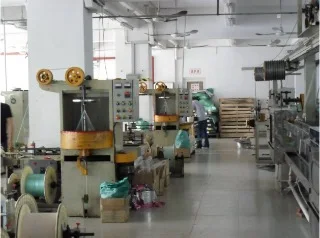
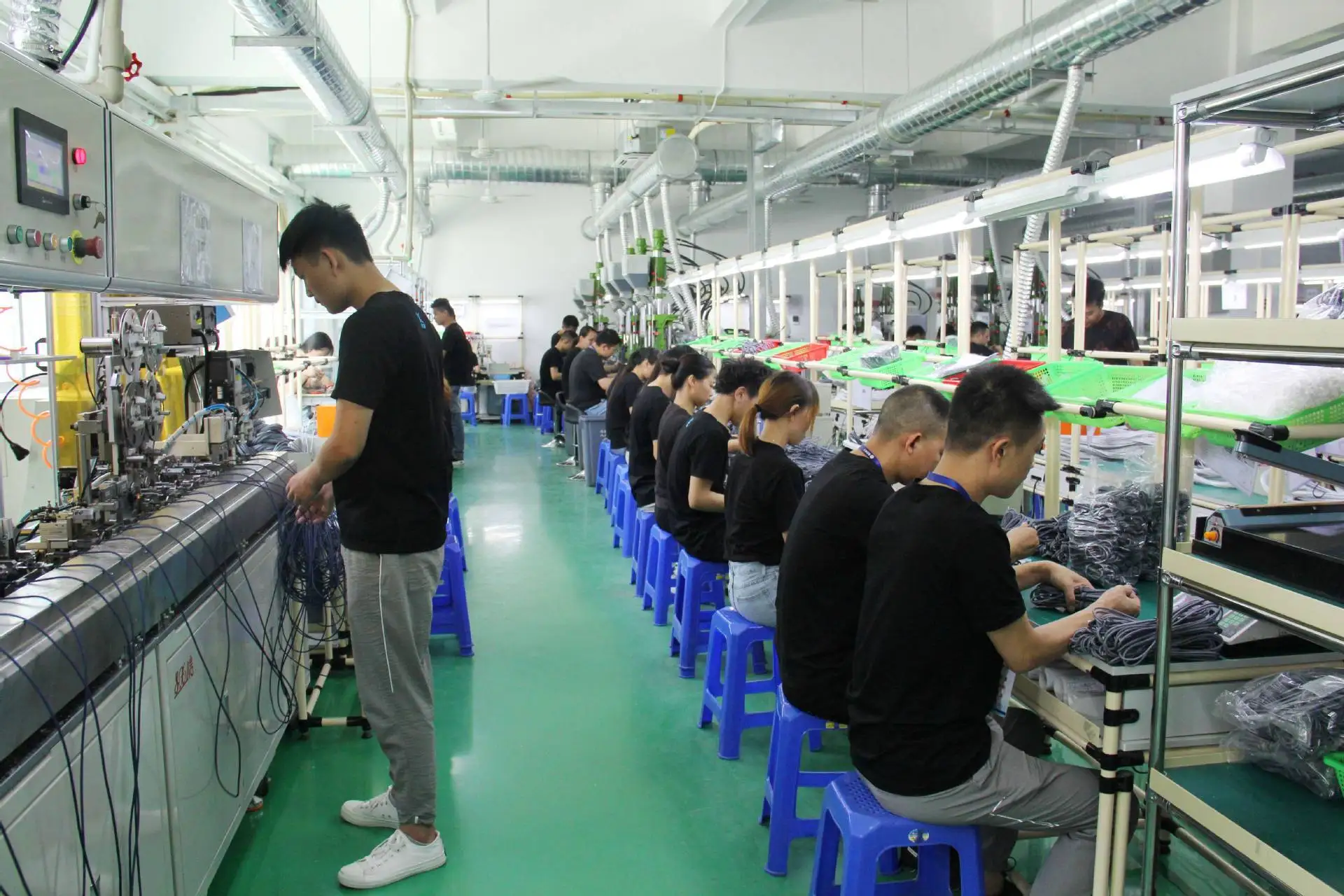
Verifying the legitimacy and capability of Tinned Copper HDMI Cable suppliers requires a multi-layered approach that goes beyond simple profile reviews. Buyers should prioritize suppliers who display third-party verification badges, such as SGS certification, which indicates that an independent agency has audited their business operations and product quality standards. Additionally, checking for system certifications like ISO 9001, ISO 14001, and SA 8000 provides insight into the supplier’s commitment to quality management, environmental responsibility, and social accountability. These certifications are not merely decorative; they often correlate with consistent production quality and reliable supply chain practices. For suppliers claiming to be manufacturers, buyers should request evidence of their production facilities, such as factory audit reports or video tours, to confirm that they possess the necessary equipment for copper wire drawing, tinning, and connector molding.
Response time and communication efficiency are also critical indicators of a supplier’s reliability and operational maturity. Suppliers with faster response times, such as those averaging under five hours, often demonstrate a more organized customer service structure and a higher priority placed on buyer inquiries. This responsiveness can be crucial during the negotiation phase, especially when discussing custom specifications for tinned copper cables or resolving technical questions about connector compatibility. Buyers should also examine the supplier’s main product listings to ensure they have a strong focus on HDMI and related interconnect solutions rather than a scattered catalog of unrelated electronics. A focused product portfolio often suggests deeper expertise in the specific materials and standards required for high-performance HDMI cables, such as the use of tinned copper conductors for improved corrosion resistance and signal integrity.
What to Compare Across Tinned Copper HDMI Cable Suppliers
When evaluating multiple suppliers for tinned copper HDMI cables, buyers must compare key operational metrics to identify the best fit for their specific needs. Lead time is a primary differentiator, with some suppliers offering production cycles as short as 23 days, while others may require up to 30 days or more. This difference can significantly impact inventory management and project timelines, especially for large-scale deployments or time-sensitive product launches. Alongside lead time, the Minimum Order Quantity (MOQ) varies widely, ranging from low thresholds of 100 units to higher volumes of 1,000 units or more. Buyers with smaller initial orders may need to accept higher per-unit prices or seek suppliers with flexible MOQ policies, while those planning large-scale production can leverage volume discounts from suppliers with higher MOQ requirements.
Price and customization capabilities are equally important factors in the comparison process. Unit prices for HDMI cables can fluctuate based on material costs, cable length, and connector quality, with some listings showing fixed prices around $0.50 to $0.90 per unit. Buyers should request detailed quotes that break down costs for materials, labor, and packaging to ensure transparency. Additionally, the availability of customization services, such as OEM and ODM options, allows buyers to tailor cables to specific brand requirements or technical specifications. Suppliers that offer customization may charge additional fees but provide greater flexibility in terms of cable color, connector gender, and packaging design. Comparing these variables across different suppliers helps buyers balance cost, speed, and customization needs to select the most suitable partner for their Tinned Copper HDMI Cable procurement.
Common Tinned Copper HDMI Cable Sourcing Risks
Sourcing tinned copper HDMI cables from international suppliers introduces several risks that buyers must actively manage to ensure product quality and delivery reliability. One significant risk is the potential discrepancy between advertised specifications and actual product performance, particularly regarding the quality of the tinned copper conductors and the durability of the connectors. Buyers should be cautious of suppliers who do not provide detailed product attributes, such as wire core material, connector type, and certification standards, as this lack of transparency may indicate lower quality control practices. Additionally, the risk of intellectual property infringement exists when working with suppliers offering extensive OEM services, especially if the buyer’s brand designs are not properly protected through legal agreements and secure communication channels.
Another common risk is the variability in packaging and shipping conditions, which can lead to product damage during transit. HDMI cables are sensitive to physical stress, and inadequate packaging, such as simple poly bags without protective blister packs or cartons, can result in bent connectors or broken internal wires upon arrival. Buyers should verify the supplier’s packaging standards and request samples to assess the protective quality of the materials used. Furthermore, there is a risk of communication breakdowns due to language barriers or time zone differences, which can lead to misunderstandings regarding technical specifications or delivery schedules. Establishing clear communication protocols and confirming all details in writing can mitigate these risks, ensuring that both parties have a shared understanding of the order requirements and expectations.
Tinned Copper HDMI Cable Regional Sourcing and Logistics
The geographic location of suppliers plays a crucial role in determining logistics costs, delivery times, and overall supply chain efficiency for tinned copper HDMI cables. Suppliers located in Jiangsu, Guangdong, and Zhejiang provinces benefit from proximity to major ports and established manufacturing infrastructure, which can facilitate faster shipping and lower freight costs. Guangdong, in particular, is known for its robust export logistics network, making it a convenient hub for international buyers seeking quick turnaround times. Buyers should consider the shipping origin when calculating total landed costs, as freight rates can vary significantly depending on the departure port and the chosen shipping method, whether by sea, air, or express courier.
Logistics planning also involves understanding the supplier’s ability to handle export documentation and compliance requirements. Suppliers with experience in international trade are typically more adept at managing customs clearance, providing necessary certificates of origin, and ensuring that products meet the regulatory standards of the destination country. Buyers should verify that their chosen supplier can provide all required documentation, such as CE, RoHS, and ISO certificates, to facilitate smooth customs processing. Additionally, considering the supplier’s location can help buyers optimize their inventory strategy by balancing the trade-off between lower unit prices from distant suppliers and higher logistics costs versus the convenience and speed of sourcing from nearby manufacturing clusters.
Tinned Copper HDMI Cable Commercial Terms and Order Planning
Effective order planning for tinned copper HDMI cables requires a thorough understanding of commercial terms, including payment methods, warranty policies, and after-sales support. Buyers should negotiate clear payment terms that align with their cash flow needs, such as using secure escrow services to protect funds until the goods are received and verified. It is also important to clarify the supplier’s warranty policy for defective products, including the process for returns, replacements, or refunds. Suppliers with established reputations and positive verification badges are more likely to offer reliable after-sales support, reducing the risk of financial loss due to product failures.
Additionally, buyers should plan for potential volume discounts and long-term partnership opportunities to maximize cost efficiency. Suppliers may offer tiered pricing structures based on order quantity, encouraging buyers to consolidate their purchases for better rates. Establishing a long-term relationship with a reliable supplier can also lead to priority production scheduling, faster response times, and greater flexibility in handling urgent orders. Buyers should document all agreed-upon terms in a formal contract to ensure legal protection and clarity. By carefully planning commercial terms and fostering strong supplier relationships, buyers can secure a stable supply of high-quality tinned copper HDMI cables while minimizing risks and optimizing their overall procurement strategy.
FAQs
What certifications do the HDMI cables meet?
The available HDMI cables meet RoHS, CE, and ISO9001 standards. Some listings also include PAHs compliance. These certifications ensure the products adhere to safety and environmental regulations for international markets.
What is the minimum order quantity for these cables?
Minimum order quantities vary by supplier and specific model. One listing requires 1000 units, while another accepts orders starting at 100 units. Buyers should verify the specific MOQ for their chosen product model before placing an order.
How long does it take to receive the order?
Lead times for these cables range from 23 to 30 days depending on the supplier. Some manufacturers in Guangdong offer faster turnaround times compared to those in Jiangsu. Confirm the exact delivery schedule with the specific vendor.
Are customization options available for these cables?
Yes, customization is available for most listed HDMI cable models. Suppliers offer OEM and ODM services to meet specific branding or technical requirements. Buyers can request custom packaging or specific cable lengths to suit their needs.
What is the price range for tinned copper HDMI cables?
Prices for these cables range from 0.50 to 0.90 per unit based on the specific model and specifications. The cost depends on features like connector type and cable length. Buyers should request a quote for the exact quantity needed.
Where are these HDMI cable manufacturers located?
Manufacturers are located in China, specifically in Jiangsu, Guangdong, and Zhejiang provinces. These regions are known for their electronics manufacturing capabilities. Buyers can filter results by location to find suppliers closest to their logistics preferences.
What response times can buyers expect from suppliers?
Supplier response times vary, with some responding within 4 hours and others taking up to 23 hours. Faster response times are often associated with manufacturers in Guangdong. Buyers should check individual supplier profiles for current availability and communication speed.