Urban and Rural Delivery Electric Scooter Suppliers and Manufacturers
Find 29 verified suppliers offering Urban and Rural Delivery Electric Scooter options with CE and EEC certifications. Compare response times, lead times, and prices ranging from 355 to 1400 USD. Contact suppliers directly to request quotes for specific models; review the available evidence before requesting comparable quotations from suitable candidates.
Updated
Suppliers List

Wuxi Shilu Electric Technology Co., Ltd
- Verified by SGS
- Trading Company
- China Jiangsu
- Lead time15 days
- Avg. response≤ 4h
Main productsElectric Scooter, Electric Motorcycle, Electric Bike, Electric Moped, Adult Electric Scooter, Electric Scooter Bike, 2000W Electric Motorcycle, Adult Electric Motorcycle, Wholesale Electric Scooter, Electric Scooter for Adults
Main marketsAfrica,Southeast Asia/ Mideast,Europe


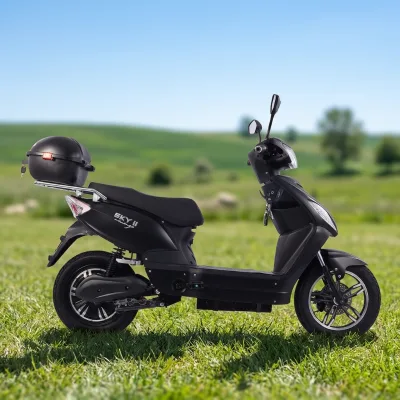
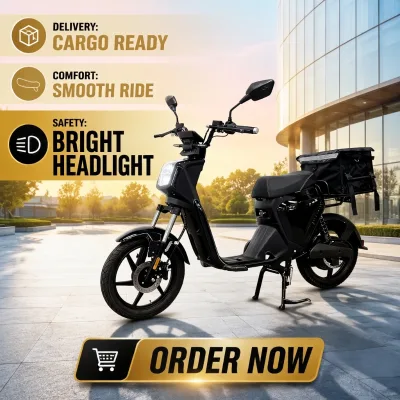
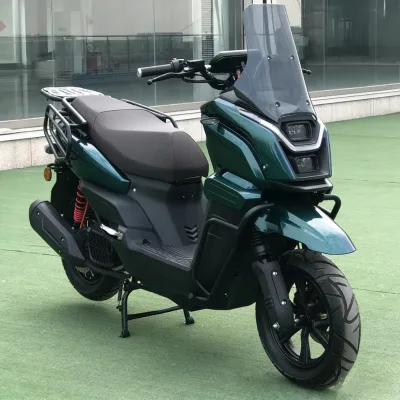
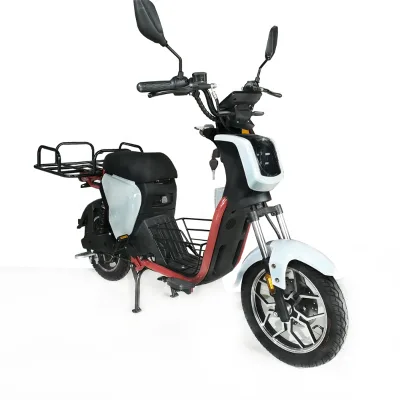
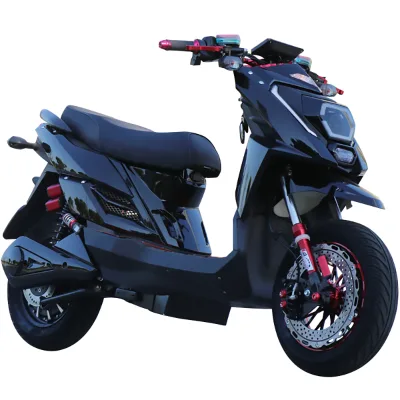
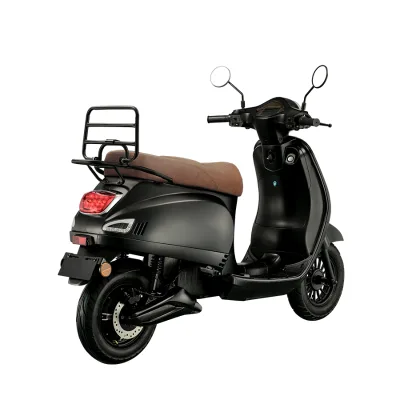
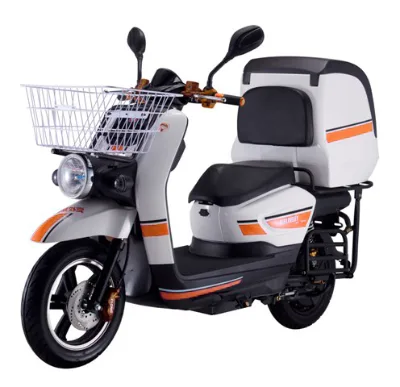
Factory Supply Fashionable Sturdy Electric Motorcycle Electric Scooter for Urban Express Delivery
$435.00 - $575.00
MOQ: 50 Pieces


Yunchi Technology(Langfang) Co., Ltd
- Trading Company
- China Hebei
- Lead time0 days
- Avg. response≤ 5h

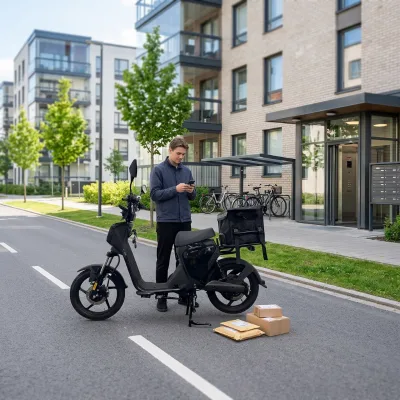
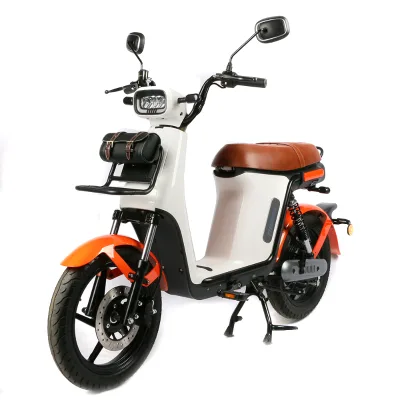
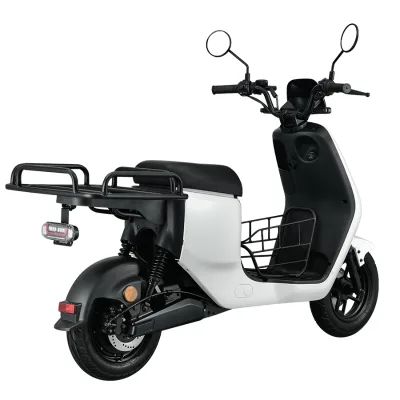
Delivery Scooter Designed for Urban Roads and Smooth Pavement Riding
$1300.00 - $1400.00
MOQ: 50 Pieces


Hebei Shunyang International Trade Co., Ltd.
- Trading Company
- Hebei, China
- Lead time7 days
- Avg. response≤ 3h
Main productsElectric bicycle,Electric tricycle,battery,Electric vehicle assembly,Electric vehicle replacement
Main marketsSoutheast Asia(30.00%), South America(25.00%), North America(15.00%), Oceania(5.00%), Northern Europe(5.00%), Mid East(5.00%), South Asia(3.00%), Africa(3.00%), Southern Europe(2.00%), Eastern Europe(2.00%), Central America(2.00%), Western Europe(2.00%), Eastern Asia(1.00%)
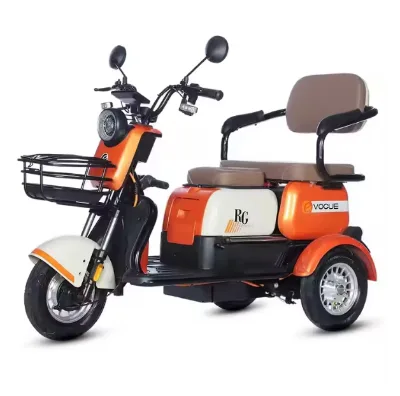
$209.00 - $235.00
MOQ: 10 pieces
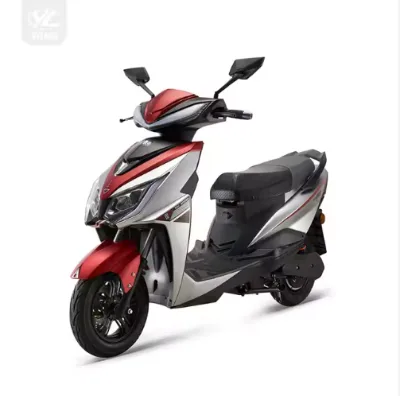
High-Tech Electric Scooter: Advanced Design, Agile Handling & Urban-Friendly Form
$118.4795 - $139.0847
MOQ: 1 pieces
Suzhou Leon Technology Co., Ltd.
- Trading Company
- Jiangsu, China
- Lead time10 days
- Avg. response≤ 7h
Main productsElectric Scooter,Citycoco,3 wheel Electric scooter,Electric Biycle,Bike
Main marketsWestern Europe(20.00%), Northern Europe(20.00%), North America(20.00%), Southern Europe(10.00%), South America(10.00%), Africa(10.00%), Southeast Asia(5.00%), Mid East(5.00%)
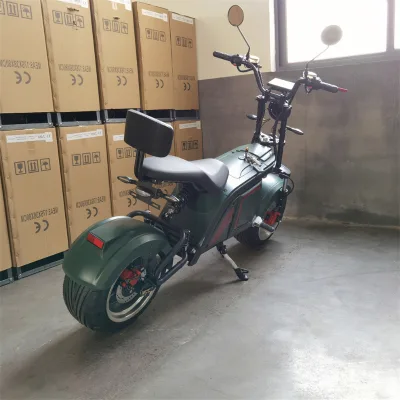
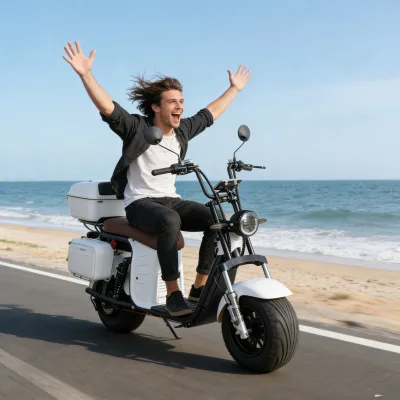
10 Inch Delivery Speedometer Fat Tire Electric Scooter for Men and Women
$454.7411 - $498.9796
MOQ: 1 pieces
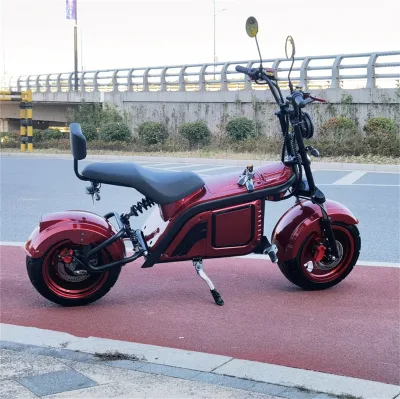
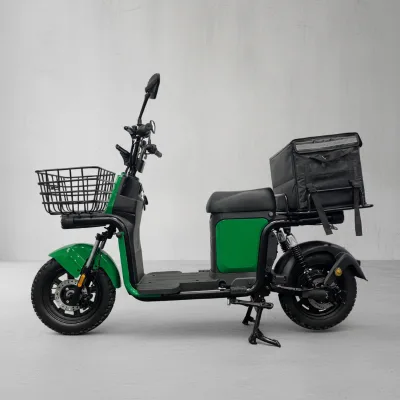
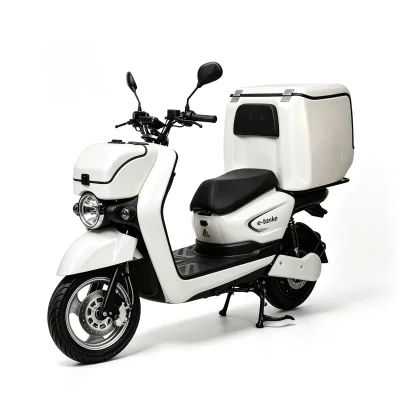
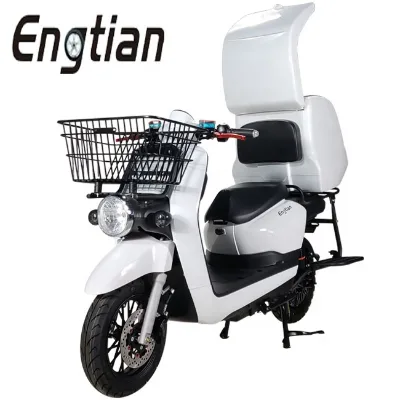
Disc Brake 3000W Pizza Electric Delivery Scooter for Food Delivery
$504.1242 - $676.9664
MOQ: 1 pieces
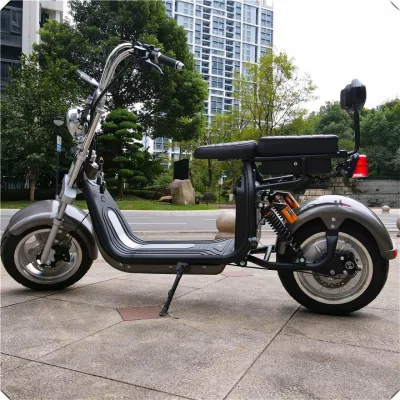

WUXI SHENYUN TECHNOLOGY DEVELOPMENT CO., LTD.
- Verified by TUVRHEINLAND
- Combined
- China Jiangsu
- Lead time30 days
- Avg. response≤ 9h
Main productsElectric Scooter, Electric Motorcycle
Main marketsSouth America,Southeast Asia/ Mideast,Europe
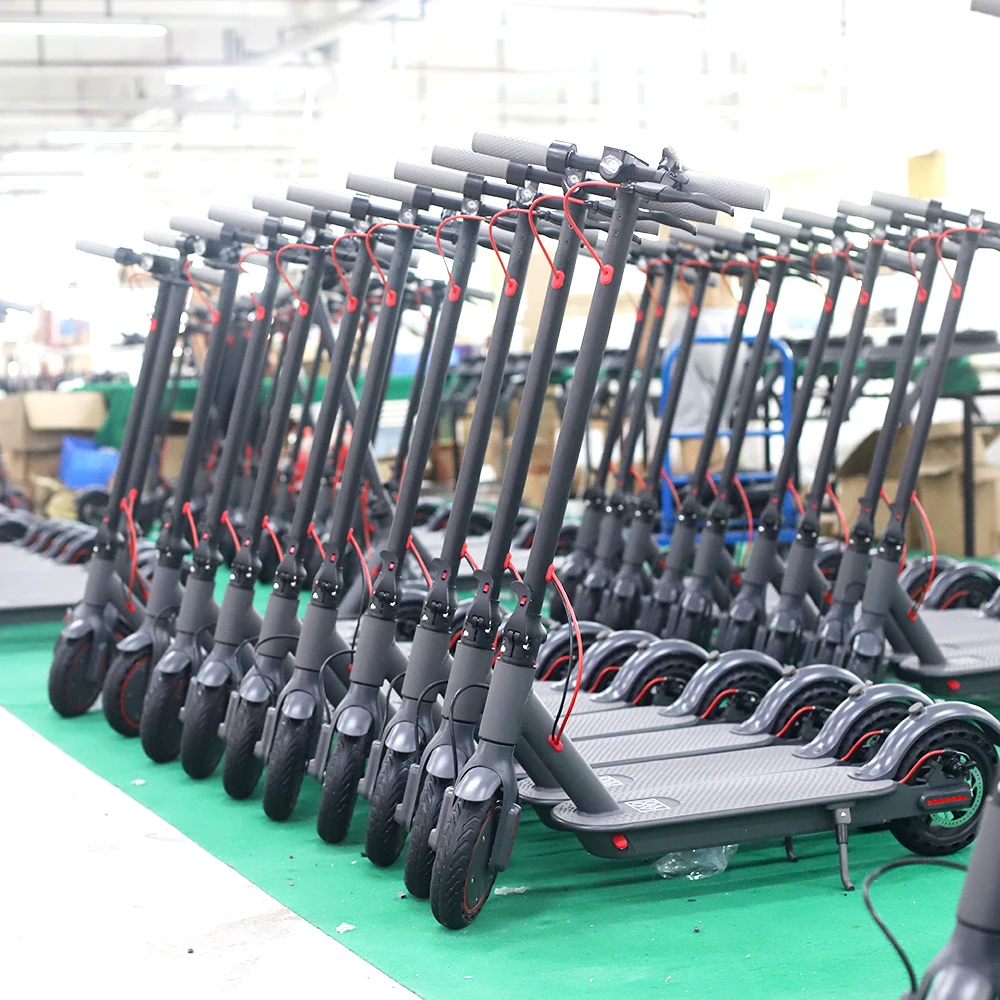
Shenzhen Yilianda Plastics Products Co., Ltd.
- Manufacturer
- Guangdong, China
- Lead time15 days
- Avg. response≤ 8h
Main productsElectric Scooters,Kick Scooters,Foot Scooters,Other Scooters Scooter Parts & Accessories,Self-balancing Electric Scooters
Main marketsWestern Europe(70.00%), North America(10.00%), Northern Europe(5.00%), Southern Europe(5.00%), Eastern Europe(3.00%), Oceania(2.00%), Central America(2.00%), South America(2.00%), Mid East(1.00%)

- Verified by SGS
- Manufacturer/Factory
- China Jiangsu
- Lead time30 days
- Avg. response≤ 9h
Main productsElectric Tricycle, Electric Scooter, Electric Bike, Electric Motorcycle, Electric Vehicle, Electric Scooter Spare Parts, Electric Bike Spare Parts, Vehicle, Scooter, Lithium Battery
Main marketsSouth America,Eastern Europe,North America,Western Europe,Africa

European Warehouse Stock Electric Scooter for Fast Regional Delivery.
$386.00 - $396.00
MOQ: 26 Pieces


High Torque Electric Scooter for Uphill Commuting and Delivery Services.
$386.00 - $396.00
MOQ: 26 Pieces

Affordable Electric Scooter with Electric Motor for Last Mile Delivery.
$386.00 - $396.00
MOQ: 26 Pieces

Electric Scooter with Powerful Motor for City Delivery Fleet Operators.
$386.00 - $396.00
MOQ: 26 Pieces


Wuxi Cmoto International Trading Co., Ltd
- Verified by CTI
- Trading Company
- China Jiangsu
- Lead time30 days
- Avg. response≤ 3h
Main productsMotorcycle, Electric Motorcycle
Main marketsSouth America,Southeast Asia/ Mideast,North America

Delivery Ready 3000W Electric Scooter with Reliable Braking for Urban Personal Travel
$550.00 - $580.00
MOQ: 30 unit

Delivery Ready 1500W Electric Scooter with 72V20ah Battery for Urban Personal Travel
$325.00 - $355.00
MOQ: 30 unit

Delivery Ready 1500W Electric Scooter with Reliable Braking for Urban Personal Travel
$380.00 - $410.00
MOQ: 30 unit

Delivery Ready 3000W Electric Scooter with 72V32ah Battery for Urban Personal Travel
$560.00 - $590.00
MOQ: 30 unit

Delivery Ready Electric Scooter with 130/70-12 Tires for Urban Personal Travel
$485.00 - $525.00
MOQ: 30 unit

Delivery Ready Electric Scooter with 120/70-12 Tires for Urban Personal Travel
$500.00 - $565.00
MOQ: 30 unit
Guangdong Futengda Technology Co., Ltd.
- Verified by TüVRheinland
- Manufacturer, Trading Company
- Lead time20 days
- Avg. response≤ 2h
Main productsElectric Bicycle, Electric Motorcycle, Electric Scooter, Electric Moped, Electric Tricycle
Main marketsSouth America(40%), Eastern Europe(20%), North America(15%)
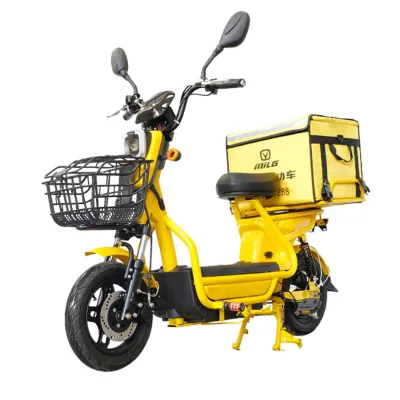
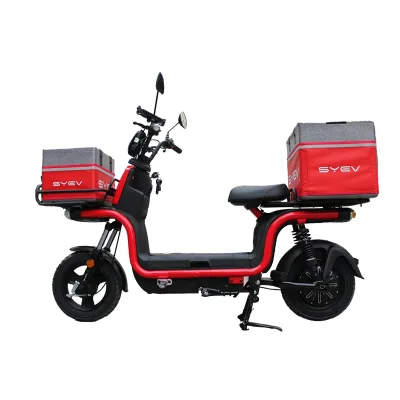
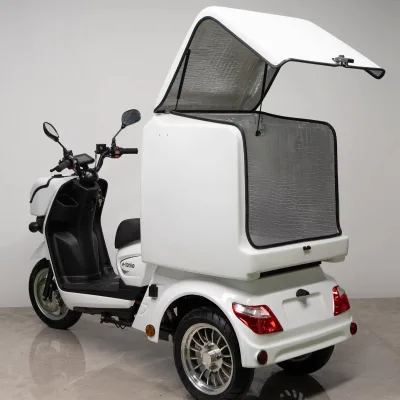
Long Range Electric Delivery Scooter Rechargeable Electric Scooter With Cabin Delivery
$340.00 - $360.00
MOQ: 2 pieces
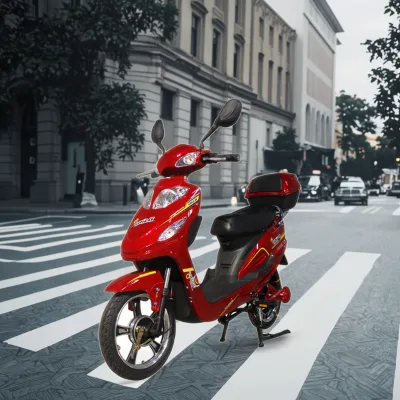
2025 EEC 500w Making Relaxed in City Electric Scooter Para Delivery and Commute
$398.3637 - $409.6587
MOQ: 2 cartons
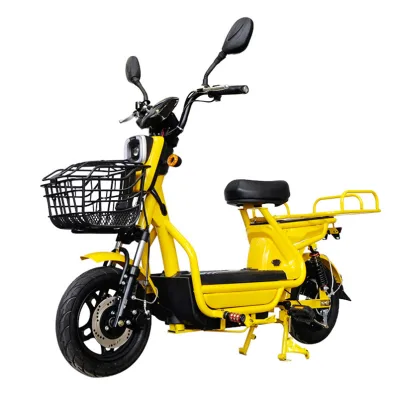
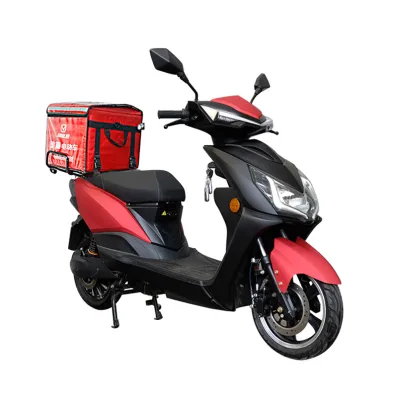
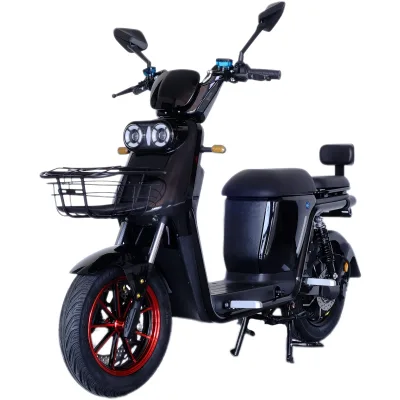
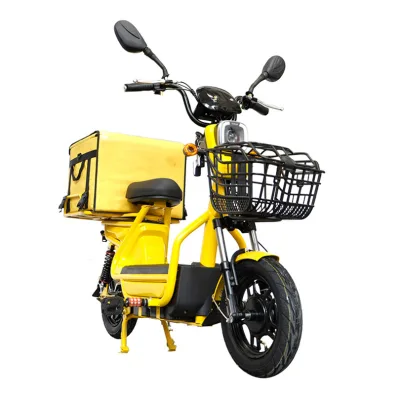
Food Delivery Mobility Scooter Food Delivery Electric Bike in Guangzhou
$360.5874 - $370.8901
MOQ: 2 pieces

Wuxi Chenxing International Group Co., Ltd.
- Verified by CTI
- Trading Company,Manufacturer/Factory,Group Corporation
- China Jiangsu
- Lead time23 days
- Avg. response≤ 2h
Main productsE-Bike, Bicycle, Electric Bike, E-Bicycle, Scooter, Electric Scooter, Electric Motorcycle, E-Motorcycle, Moped, Electric Tricycle
Main marketsSouth America,Eastern Europe,Mid East,North America,Southeast Asia,Eastern Asia,Oceania,Western Europe,Africa

Long Distance Electric Motorcycle for City Commuting and Delivery Electric Scooter
$149.00 - $150.00
MOQ: 50 Pieces

3000W Electric Motorcycle Long Distance Delivery and City Commuting Electric Scooter
$149.00 - $150.00
MOQ: 50 Pieces


Electric Motorcycle for Adults Long Range City Commuting and Delivery Electric Scooter
$149.00 - $150.00
MOQ: 50 Pieces


Chongqing DY Motorcycle Co., Ltd.
- Trading Company
- Chongqing, China
- Lead time30 days
- Avg. response≤ 5h
Main productsmotorcycle,cub,motos,motorbike,sportbike
Main marketsSouth America(50.00%), Africa(30.00%), Mid East(20.00%)

Hefei Sinopower Technologies Co., Ltd
- Verified by BV
- Manufacturer/Factory
- China Anhui
- Lead time120 days
- Avg. response≤ 6h
Main productsHydrogen Fuel Cell, Hydrogen Generator, Related Spare Parts, Air Compressor, Alkaline Electrolyzer, Pem Electrolyzer, Hydrogen Production Equipment, AEM Electrolyzer
Main marketsSouth America,Eastern Europe,Mid East,North America,Southeast Asia,Eastern Asia,Oceania,Western Europe,Africa

Nanjing Caremoving Rehabilitation Equipment Co., Ltd.
- Manufacturer/Factory
- China Jiangsu
- Lead time23 days
- Avg. response≤ 6h
Main productsManual Wheelchair, Electric Wheelchair, Mobility Disabled Scooter, Rollator Walker, Commode Chair
Main marketsEastern Europe,North America,Southeast Asia,Eastern Asia,Oceania,Western Europe
Hebei Best Electric Vehicle Co., Ltd.
- Manufacturer, Trading Company
- Hebei, China
- Lead time25 days
- Avg. response≤ 2h
Main productsElectric bike,Electric motorbike,Electric tricycle,Electric bike parts,Cargo electric tricycle
Main marketsSouth America(20.00%), Eastern Europe(15.00%), Africa(10.00%), Mid East(10.00%), North America(10.00%), South Asia(5.00%), Southern Europe(5.00%), Northern Europe(5.00%), Central America(5.00%), Western Europe(5.00%), Eastern Asia(5.00%), Southeast Asia(5.00%)
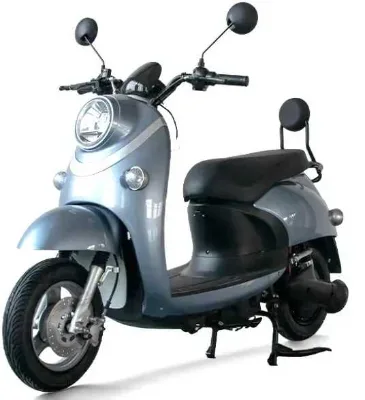
2-Wheel Electric Scooters for Adults Cargo & Delivery Urban Commuting Ideal for Young Riders
$175.0202 - $288.2682
MOQ: 2 units
Hangzhou Lantu Technology Co., Ltd
- Verified by SGS Group
- Manufacturer, Trading Company
- Lead time30 days
- Avg. response≤ 3h
Main productsElectric Bicycle, Electric Motorcycle, Electric Tricycle, Pedal Electric Scooter, Electric Bike Spare Parts
Main marketsNorth America(40%), Western Europe(40%), Oceania(20%)

- Trading Company
- Wuxi, China
- Lead time10 days
- Avg. response≤ 11h
Main productsELectric Scooter,ELectric Motorcycles,E-mobility,Electric tricycle,Electric four wheel
Main marketsNorth America(15.00%), Eastern Europe(13.00%), Africa(11.00%), Mid East(10.00%), Central America(8.00%), Domestic Market(7.00%), South Asia(7.00%), Southern Europe(5.00%), Southeast Asia(5.00%), Northern Europe(5.00%), South America(4.00%), Eastern Asia(4.00%), Western Europe(3.00%), Oceania(3.00%)
Wuxi Kaining Electric Technology Co., Ltd.
- Verified by Intertek
- Manufacturer, Trading Company
- Lead time20 days
- Avg. response≤ 5h
Main productsElectric Scooters, Electric Motorcycles, Electric Bicycle, Electric Bikes, Electric Vehicle Parts
Main marketsWestern Europe(30%), South America(25%), Southeast Asia(20%)
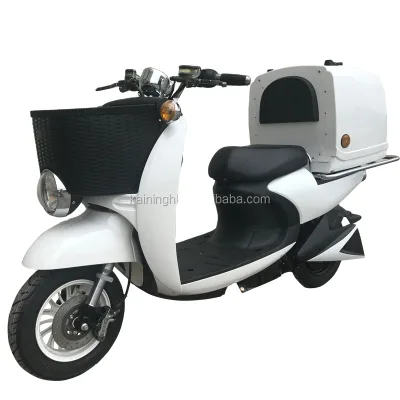
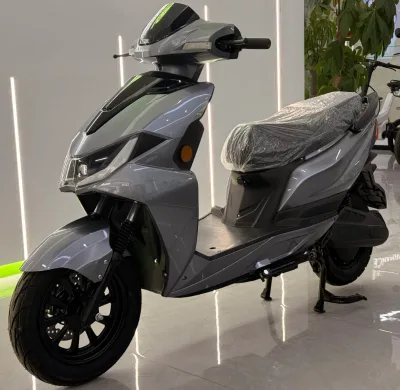
Factory Price Long Range Electric Scooter for Food Delivery
$532.00 - $562.00
Hangzhou Neighbor Intelligent Technology Co., Ltd.
- Verified by TüVRheinland
- Manufacturer, Trading Company
- Lead time15 days
- Avg. response≤ 4h
Main productsElectric Scooters, Mobility Scooters, Electric Dirt Bikes
Main marketsWestern Europe(42%), Southern Europe(21%), North America(20%)
Zhejiang Hangpai Electric Technology Co., Ltd.
- Verified by SGS Group
- Manufacturer, Trading Company
- Lead time45 days
- Avg. response≤ 3h
Main productsElectric Bike, Electric Scooter, Electric Motorcycle, Mobility Scooter, Electric Tricycle
Main marketsNorth America(57%), Western Europe(20%), South America(10%)

Julong Import & Export (wuxi) Co., Ltd.
- Trading Company
- Jiangsu, China
- Lead time45 days
- Avg. response≤ 8h
Main productsheavy loading scooter, Delivery scooter, Fast speed scooter, Fashion scooter, Two wheel scooter
Main marketsSoutheast Asia(50.00%), South America(20.00%), Domestic Market(20.00%), Western Europe(5.00%), Eastern Europe(5.00%)
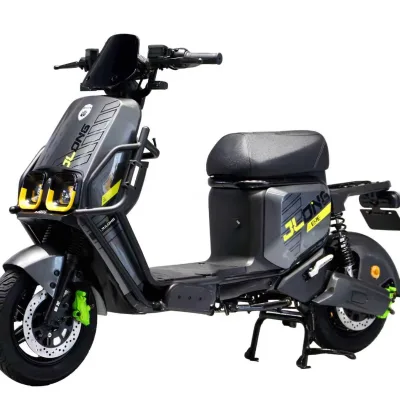
Electric Food Delivery Functional Scooter-Good Quality
$300.00 - $342.00
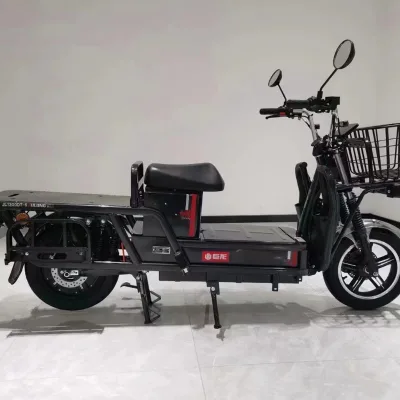
$428.00 - $434.00
MOQ: 100 pieces
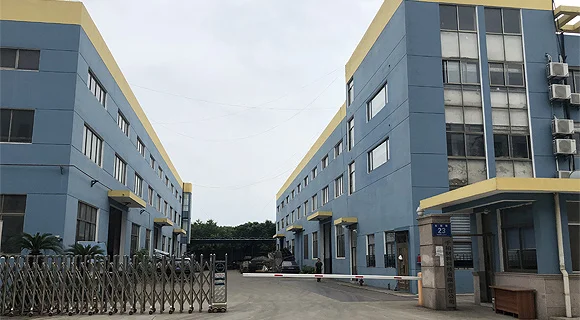
Wuxi Eternal Bliss Alloy Casting & Forging Co., Ltd.
- Trading Company
- Jiangsu, China
- Lead time45 days
- Avg. response≤ 1h
Main productsElectrical Bicycle,Electrical Scooters,Electrical Tricycles,Electrical Motorcycles,Electric Car
Main marketsNorthern Europe(100.00%), Eastern Asia(100.00%), Mid East(100.00%), Oceania(100.00%), Domestic Market(100.00%), Eastern Europe(100.00%), South Asia(100.00%), Southern Europe(100.00%), Central America(100.00%), North America(60.00%), Western Europe(15.00%), Southeast Asia(10.00%), South America(10.00%), Africa(5.00%)

Hangzhou Fanhuang Technology Co., Ltd.
- Trading Company
- Zhejiang, China
- Lead time45 days
- Avg. response≤ 4h
Main productselectric bike,electric moped,electric motorcycle,ebike kits,electric mobility scooter
Main marketsNorthern Europe(30.00%), Western Europe(25.00%), Oceania(15.00%), South America(15.00%), North America(10.00%), Eastern Europe(5.00%)
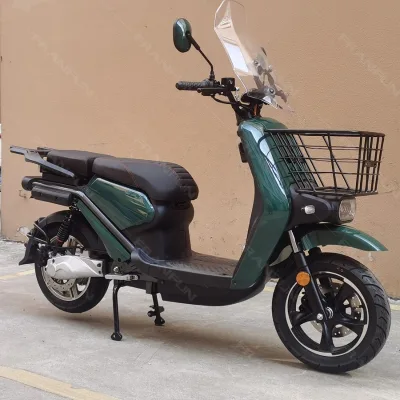
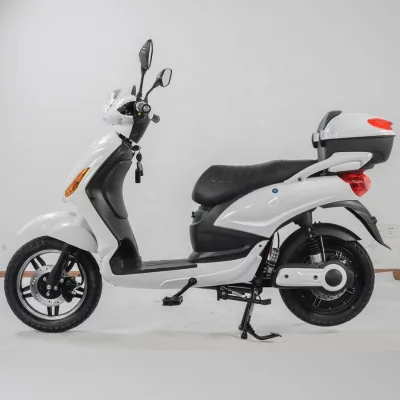
40HQ 105PCS 28 Days Fast Delivery Stable Quality Pedal Assist LCD Electric Scooter for Commuting
$438.4065 - $448.6732
MOQ: 105 pieces
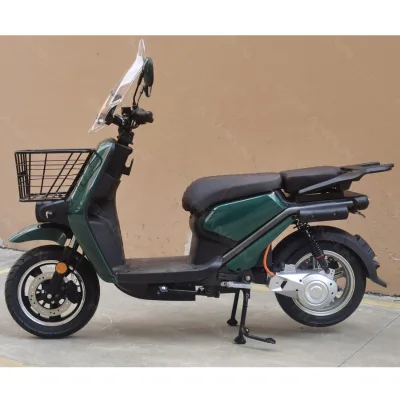
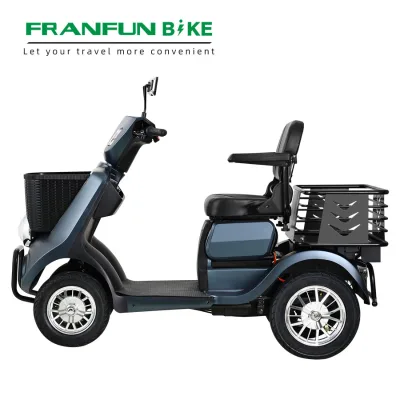
- Manufacturer, Trading Company
- Fujian, China
- Lead time10 days
- Avg. response≤ 7h
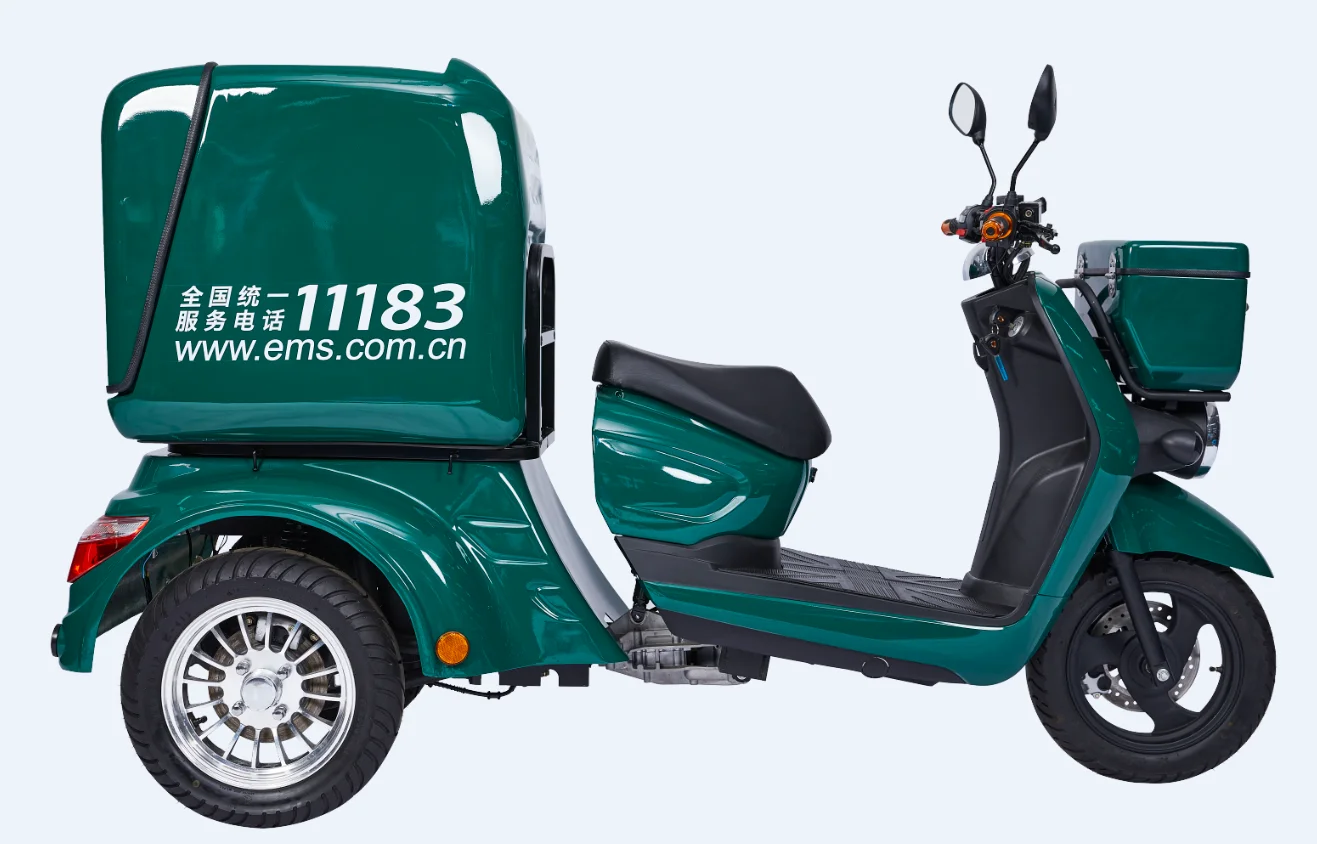
Main productsFood Delivery Box,Motorcycle Delivery Box,Motorcycle Accessories,FRP Delivery Box,Scooter Tail Box
Main marketsMid East(28.00%), Domestic Market(18.00%), Eastern Asia(8.00%), North America(8.00%), Oceania(7.00%), Southeast Asia(6.00%), Northern Europe(5.00%), South Asia(4.00%), Southern Europe(3.00%), South America(3.00%), Eastern Europe(3.00%), Central America(3.00%), Western Europe(3.00%), Africa(1.00%)

Zhejiang Lvhu Vehicle Co., Ltd.
- Manufacturer
- Zhejiang, China
- Lead time30 days
- Avg. response≤ 8h
Main productsElectirc scooter,Electric moped,Motorcycle scooter,2 wheel scooter,Mobility scooter
Main marketsWestern Europe(30.00%), North America(20.00%), South America(20.00%), Eastern Europe(15.00%), Eastern Asia(15.00%)

Wuxi YOLOGO Intelligent Technology Co., Ltd
- Verified by BV
- Trading Company,Manufacturer/Factory
- China Jiangsu
- Lead time30 days
- Avg. response≤ 5h
Main productsElectric Scooter, E-Motorcycle, Sporting Good, Delivery Scooter, Electric Tricycle, Electric Bike, Electric Motorcycle, Snow Electric Scooter, Lead Acid Scooter, Racing Motorcycle
Main marketsSouth America,Eastern Europe,Mid East,North America,Southeast Asia,Eastern Asia,Oceania,Western Europe,Africa
Linyi Youyuan Machinery Technology Co., Ltd.
- Verified by TüVRheinland
- Manufacturer, Trading Company
- Lead time30 days
- Avg. response≤ 2h
Main productsElectric Scooter, Electric Bicycle, Electric Tricycle, Electric Motorcycle
Taizhou Fang Xiang Technology Co., Ltd.
- Verified by Intertek
- Manufacturer, Trading Company
- Lead time30 days
- Avg. response≤ 1h
Main productsElectric Motorcycle, Electric Scooter
Main marketsSoutheast Asia(30%), Africa(23%), South Asia(23%)
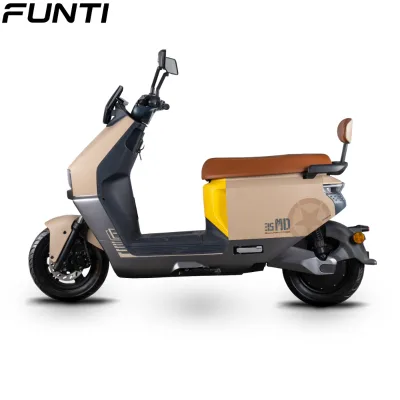
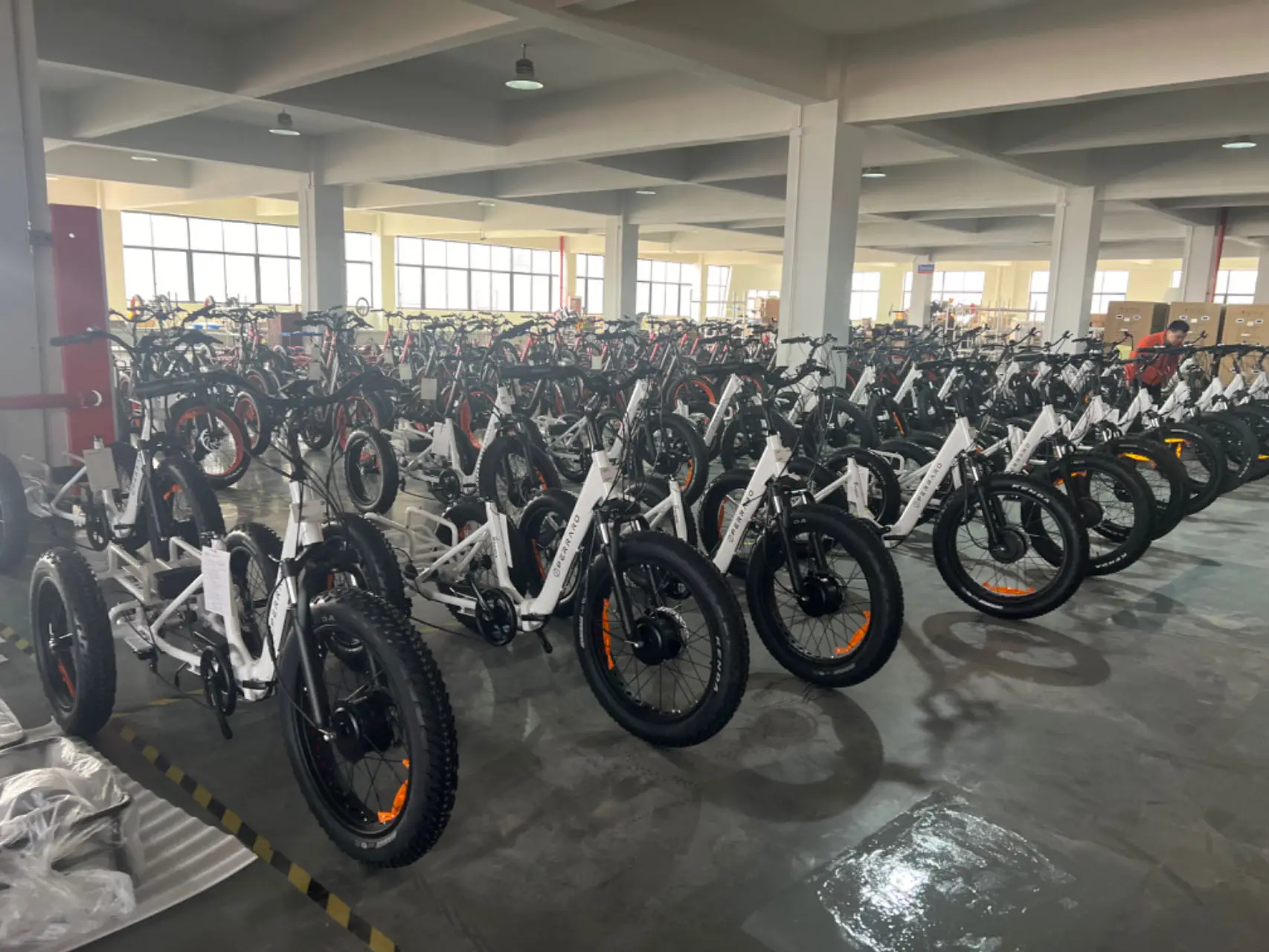
Factory Direct Wholesale Electric Scooters 20AH Battery Suitable for Delivery Services
$435.6948 - $466.8156
MOQ: 10 units
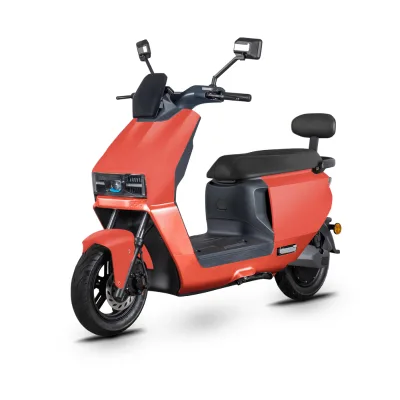
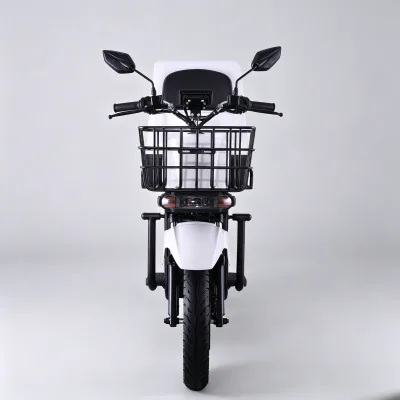
Hot Selling Electric Scooters for Ladies 72V20AH 1200W Motor Power for Delivery
$435.6948 - $466.8156
MOQ: 10 units
Hangzhou Yabo Technology Co., Ltd.
- Trading Company
- Zhejiang, China
- Lead time25 days
- Avg. response≤ 8h
Main productsGas Scooters,Motorcycles,Electric Scooters,Mobility Scooters,Electric Wheelchairs
Main marketsNorth America(50.00%), South America(20.00%), Western Europe(15.00%), Oceania(10.00%), Eastern Europe(5.00%)
Wuxi Tenghui Electric Vehicles Co., Ltd.
- Verified by SGS Group
- Manufacturer, Trading Company
- Jiangsu, China
- Lead time15 days
- Avg. response≤ 3h
Main productsElectric Tricycles, Electric Motorcycle, Electric Scooters, Electric Bicycle
Main marketsSouth Asia(50%), North America(30%), South America(10%)


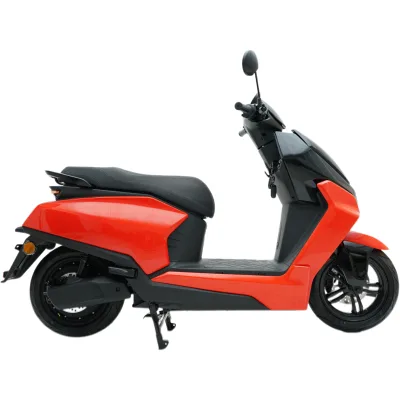
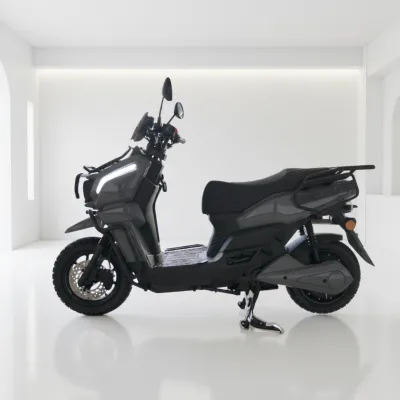
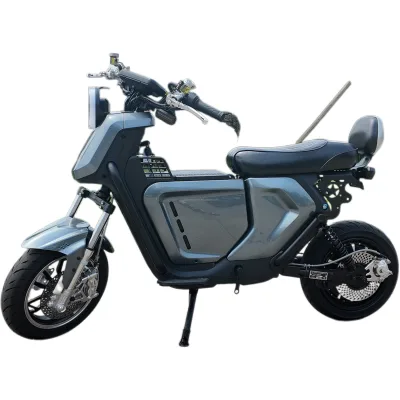


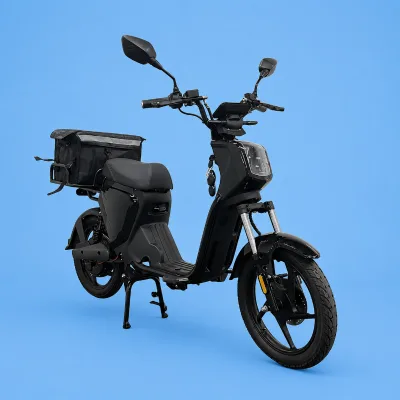
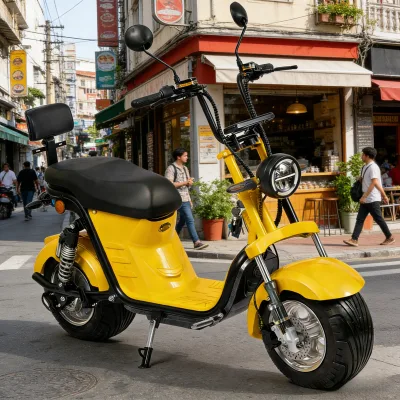
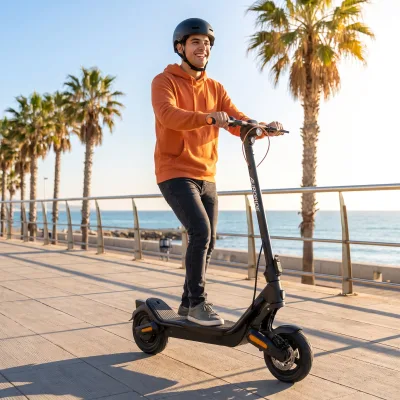
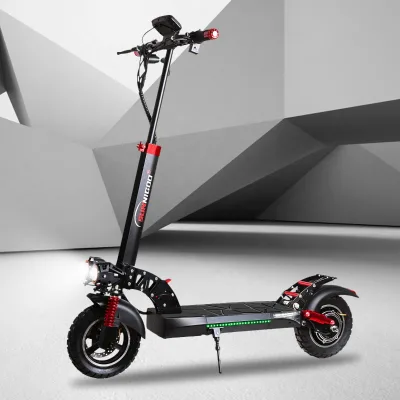
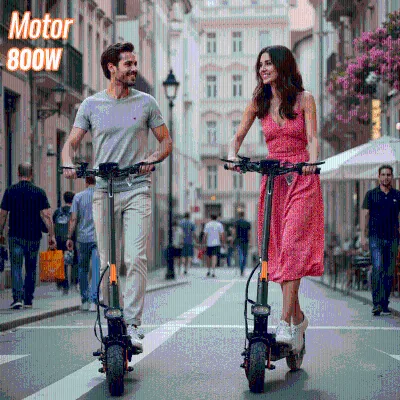


Comprehensive Sourcing Guide
Urban and Rural Delivery Electric Scooter Supplier Concentration and Factory Types
The sourcing landscape for urban and rural delivery electric scooters reveals distinct manufacturing clusters that influence supply chain dynamics and product specialization. Current data indicates a concentration of suppliers in China Jiangsu and China Hebei, with specific origins noted in Wuxi for certain models. These geographic hubs are not arbitrary; they represent established industrial zones where the supply chain for electric two-wheelers has matured over time. Buyers evaluating these regions should recognize that Jiangsu-based suppliers often present a mix of trading companies and direct manufacturers, whereas Hebei-based entities may offer different logistical advantages for heavy-duty or cargo-focused models. The presence of suppliers in Wuxi specifically suggests a localized ecosystem for frame manufacturing and assembly, which can impact the consistency of steel frame quality and overall build durability. Understanding these geographic distinctions allows buyers to align their sourcing strategy with the specific technical requirements of their delivery operations, whether they prioritize lightweight urban commuters or robust rural cargo carriers.
Supplier types vary significantly across these regions, with trading companies playing a prominent role in the current results. A trading company acts as an intermediary, consolidating products from multiple factories, which can simplify communication but may obscure the true origin of components. In contrast, factories with OEM and ODM capabilities offer greater flexibility for customization, allowing buyers to tailor specifications such as battery type, motor power, and frame material to their specific delivery needs. The distinction between a trading company and a manufacturer is critical when assessing lead times and quality control processes. Trading companies may have shorter response times due to dedicated sales teams, but they might rely on third-party factories for production, potentially introducing variability in lead times. Buyers must carefully distinguish between these entity types to ensure they are dealing with the actual source of production, which directly affects their ability to negotiate prices, request samples, and manage post-sale support for their delivery fleets.
How to Verify Urban and Rural Delivery Electric Scooter Suppliers
Verification is the cornerstone of mitigating risk when sourcing electric scooters for delivery operations, particularly when dealing with international suppliers. One of the primary verification indicators observed in the current results is SGS verification, which provides a layer of assurance regarding the supplier’s business legitimacy and operational standards. Buyers should prioritize suppliers who display such third-party verification badges, as these indicate that an independent agency has audited the company’s facilities and business practices. However, verification is not a static credential; it requires ongoing attention to ensure that the supplier’s current operations match the verified status. Buyers should request recent audit reports or video tours of the production floor to confirm that the factory’s actual capabilities align with the claims made in their profile. This step is essential for distinguishing between legitimate manufacturers and shell companies that may not have the capacity to fulfill large orders for delivery scooters.
Beyond basic verification, buyers must assess the technical certifications and product attributes that are critical for delivery use. The current data shows that many suppliers offer products with CE certification, which is a mandatory requirement for selling electric vehicles in many international markets. Some suppliers also provide EEC certification, which is relevant for European standards and indicates a higher level of compliance with safety and environmental regulations. Buyers should explicitly request copies of these certificates and verify their validity with the issuing bodies. Additionally, the presence of specific product attributes, such as IP67 waterproof ratings or specific braking systems like Disc Brake CBS, serves as a technical verification of the product’s suitability for harsh delivery conditions. Buyers should not rely solely on marketing keywords but should demand detailed specification sheets that confirm these technical claims, ensuring that the scooters can withstand the rigors of daily urban and rural delivery routes.
What to Compare Across Urban and Rural Delivery Electric Scooter Suppliers
When evaluating multiple suppliers, buyers must systematically compare key operational metrics to identify the most suitable partner for their delivery fleet. Lead time is a critical factor, with observed values ranging from zero to fifteen days, indicating significant variability in production capacity and inventory management. A lead time of zero may suggest ready-to-ship stock, which is advantageous for urgent orders, while a fifteen-day lead time might indicate a made-to-order process that allows for greater customization. Buyers should align their order planning with these lead times to avoid stockouts during peak delivery seasons. Response time is another vital metric, with observed averages around 3.94 to 4.71 hours. Faster response times often correlate with better customer service and more efficient problem resolution, which is crucial when dealing with complex logistics and technical queries. Buyers should prioritize suppliers who demonstrate consistent and rapid communication to ensure smooth order processing and timely updates on production status.
Product specifications and pricing structures also require careful comparison to ensure value for money. The current results show a wide price range, from $355 to $1400, reflecting differences in motor power, battery capacity, and build quality. For instance, a 1500W cargo scooter may cost significantly more than a standard 1000W urban model due to its enhanced durability and load-bearing capacity. Buyers should compare not just the unit price but also the Minimum Order Quantity (MOQ), which is observed at fifty units for some models. A lower MOQ allows for smaller initial test orders, reducing financial risk, while a higher MOQ may offer better per-unit pricing for large-scale deployments. Additionally, buyers should compare customization options, such as the availability of OEM/ODM services, battery types (Lead Acid vs. Lithium), and frame materials (Steel). By creating a detailed comparison matrix of these attributes, buyers can objectively assess which suppliers offer the best balance of cost, quality, and service for their specific delivery needs.
Common Urban and Rural Delivery Electric Scooter Sourcing Risks
Sourcing electric scooters for delivery operations involves several inherent risks that buyers must proactively manage to ensure business continuity. One significant risk is the variability in battery performance and lifespan, which is critical for delivery drivers who rely on consistent range throughout their shifts. The current data indicates options for both Lead Acid and Lithium batteries, each with distinct advantages and drawbacks. Lead Acid batteries are generally more affordable but heavier and have a shorter lifespan, while Lithium batteries offer better energy density and longevity but come at a higher cost. Buyers must verify the actual battery capacity and cycle life claims, as misleading specifications can lead to premature fleet failure and increased operational costs. Additionally, the risk of inadequate after-sales support for battery replacements and maintenance is high, particularly when dealing with international suppliers. Buyers should establish clear warranty terms and ensure that spare parts, especially batteries and controllers, are readily available to minimize downtime for their delivery drivers.
Another common risk is the discrepancy between product samples and mass production quality, which can result in inconsistent performance across the fleet. This is particularly relevant for steel frame scooters, where weld quality and structural integrity are crucial for carrying heavy loads. Buyers should request detailed technical specifications, such as wheelbase, ground clearance, and brake system types, to ensure the scooters meet their operational requirements. The current data shows variations in brake systems, from F/R Disc Brakes to Disc Brake CBS, each offering different levels of stopping power and safety. Buyers must verify that the mass-produced units match the sample’s performance, particularly in terms of braking efficiency and load-bearing capacity. Furthermore, the risk of non-compliance with local regulations is a significant concern, especially when importing scooters with different certification standards. Buyers must ensure that the suppliers provide valid CE or EEC certificates and that the scooters meet the specific legal requirements of their target markets to avoid customs seizures or legal penalties.
Urban and Rural Delivery Electric Scooter Regional Sourcing and Logistics
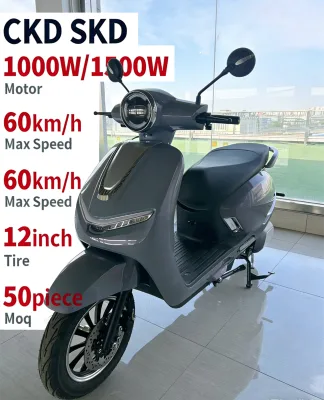
Regional sourcing decisions significantly impact logistics costs, lead times, and overall supply chain efficiency for delivery electric scooters. The current data highlights suppliers located in China Jiangsu and China Hebei, with specific origins in Wuxi and Hebei, China. These regions offer distinct logistical advantages, with Jiangsu being a major manufacturing hub for electronics and light industry, while Hebei is known for its heavy industry and steel production. Buyers should consider the proximity of these manufacturing clusters to major ports, as this can reduce inland transportation costs and expedite shipping times. For instance, suppliers in Wuxi may benefit from efficient access to Shanghai Port, facilitating faster export to global markets. Understanding these geographic nuances allows buyers to optimize their logistics strategy, selecting suppliers that offer the best balance of production quality and shipping efficiency. Additionally, buyers should evaluate the suppliers’ packing methods, such as Metal Frame packing or CKD/SKD configurations, which can significantly impact container loading efficiency and reduce shipping costs.
Logistics planning must also account for the specific requirements of delivery scooters, which often involve bulky components and heavy batteries. The current data shows various packing standards, including International Standards and CKD/SKD options, which are crucial for managing freight costs and customs clearance. CKD (Completely Knocked Down) and SKD (Semi-Knocked Down) kits allow for more efficient container loading, reducing per-unit shipping costs, but they require additional assembly efforts at the destination. Buyers should assess their local assembly capabilities and regulatory requirements before opting for CKD/SKD shipments. Furthermore, buyers should consider the impact of regional trade policies and tariffs on their total landed cost. Suppliers in different regions may face varying export restrictions or tariff rates, which can affect the final price and availability of the scooters. By carefully evaluating these logistical factors, buyers can develop a robust sourcing strategy that minimizes costs and ensures timely delivery of their electric scooter fleets.
Urban and Rural Delivery Electric Scooter Commercial Terms and Order Planning
Effective commercial terms and order planning are essential for managing the financial and operational aspects of sourcing delivery electric scooters. The current data reveals a wide range of pricing, from $355 to $1400, reflecting differences in specifications, certifications, and supplier positioning. Buyers should negotiate pricing based on volume, with larger orders typically commanding lower per-unit costs. However, buyers must also consider the Total Cost of Ownership (TCO), which includes maintenance, battery replacement, and potential downtime costs. A lower initial price may result in higher long-term costs if the scooters require frequent repairs or have short battery lifespans. Buyers should request detailed quotations that break down the costs of the scooter, battery, charger, and any additional accessories to ensure transparency. Additionally, buyers should negotiate favorable payment terms, such as partial upfront payments and balance upon shipment, to mitigate financial risk. Establishing clear commercial terms helps protect the buyer’s interests and ensures a fair and transparent transaction.
Order planning must align with the suppliers’ lead times and production capacities to avoid disruptions in the delivery fleet. The current data shows lead times ranging from zero to fifteen days, with some suppliers offering ready-to-ship stock. Buyers should plan their orders well in advance, especially during peak seasons, to ensure timely delivery. For customized orders, buyers should allow for additional lead time to accommodate production and quality control processes. Buyers should also establish a clear communication protocol with their suppliers, including regular updates on production status and shipping arrangements. This proactive approach helps identify and resolve potential issues early, minimizing the risk of delays. Furthermore, buyers should consider the scalability of their orders, ensuring that their suppliers have the capacity to fulfill larger orders as their delivery fleet grows. By carefully planning their orders and establishing strong commercial relationships, buyers can ensure a reliable and efficient supply of delivery electric scooters.
FAQs
What is the price range for urban delivery electric scooters?
Prices typically range from $355 to $1400 depending on specifications. Basic models with steel frames and lead acid batteries start around $355. High-performance units with lithium batteries and over 2000W motors can cost up to $1400. Buyers should verify exact pricing based on battery type and motor power requirements.
What certifications are available for these electric scooters?
Most suppliers offer CE certification for standard urban models. Higher-end delivery scooters often include EEC certification for broader market compliance. Buyers should confirm specific certification requirements with suppliers to ensure the product meets local regulatory standards for electric vehicles and transportation equipment in their target market.
What is the typical lead time for manufacturing?
Lead times vary significantly by supplier location and capacity. Some manufacturers in Jiangsu report a lead time of 15 days. Others in Hebei may list zero days for stock items or seven days for assembled units. Buyers must confirm current production schedules directly with suppliers to avoid delays.
What is the minimum order quantity for bulk purchases?
The minimum order quantity is generally set at 50 units for standard electric scooter models. This MOQ applies to most factory-direct suppliers offering customization options. Buyers seeking smaller quantities should verify if suppliers accept lower volumes or if they must purchase from trading companies with different terms.
What battery options are available for delivery scooters?
Suppliers provide both lead acid and lithium battery options. Lithium batteries offer longer ranges up to 150km per charge, while lead acid batteries are more cost-effective. Voltage options typically include 60V and 72V configurations. Buyers should select based on required range and budget constraints for their delivery operations.
What motor power options are available for heavy loads?
Motor power ranges from 1000W to over 2000W. Standard delivery scooters often feature 1000W or 1500W motors. Heavy-duty models for fast food or large cargo may use 2000W or higher power motors. Buyers should match motor power to their expected load weight and terrain requirements for optimal performance.