Source Mini 3 Speed Electric Scooter for Delivery, Commuting, and Tourism
Explore 30 listings for the Mini 3 Speed Electric Scooter, comparing models like M0211 and M0201 with varying motor powers and battery types. Buyers can evaluate specifications such as range, load capacity, and braking systems to find the right vehicle for delivery, commuting, or tourism.
Updated
Key considerations
Products List


Adult Electric Scooter Mini Electric Motorcycle 60V 1500W Electric Scooter
$310.00 - $349.00
MOQ: 2 Pieces


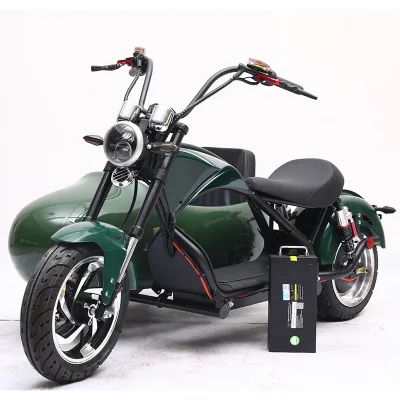
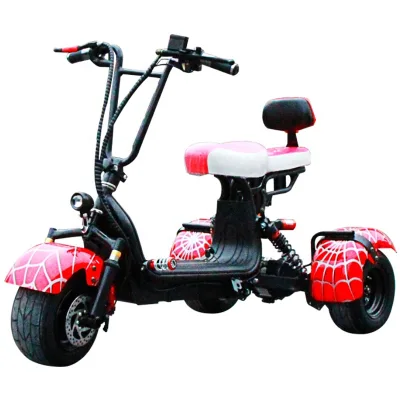


Best Electric Scooter for Adults Scooter Electric Adult Mobility Scooter
$385.00 - $466.00
MOQ: 1 Pieces

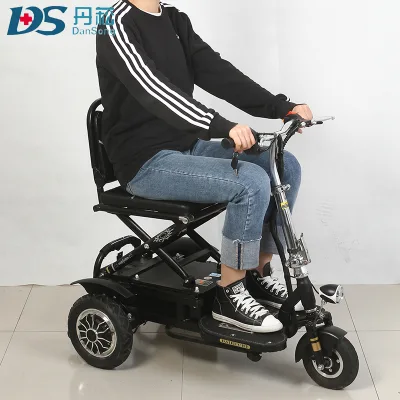
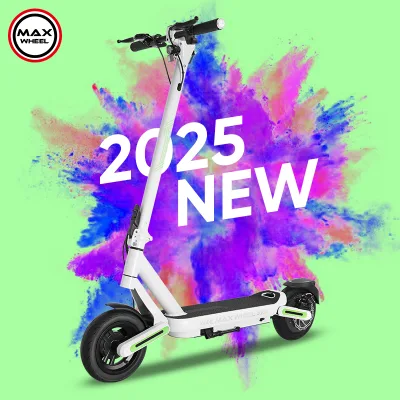
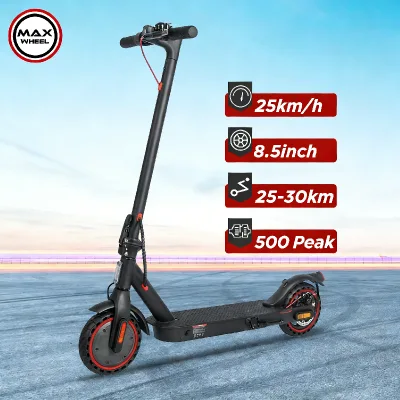
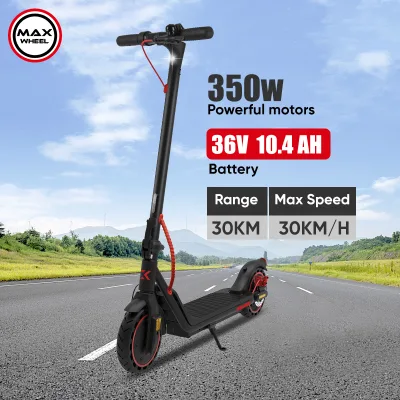


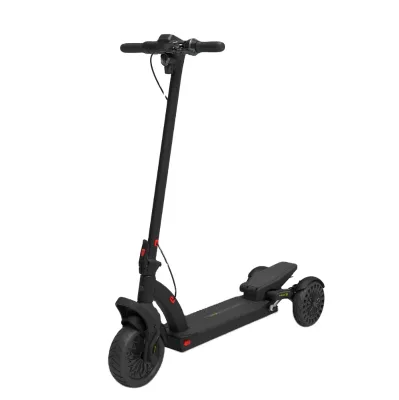


Comprehensive Sourcing Guide
Mini 3 Speed Electric Scooter Sourcing Guide
Procuring a Mini 3 Speed Electric Scooter requires careful alignment of technical specifications with intended use cases, particularly for short-distance urban mobility or last-mile delivery services. Buyers must distinguish between models designed for passenger transport and those optimized for cargo, as the structural integrity and load-bearing capacities vary significantly across different product configurations. The observed market data indicates a diverse range of options, including three-wheeled variants with open body types and two-wheeled models featuring foldable or rigid frames, each serving distinct operational needs.
Understanding the core mechanical differences is essential for making informed purchasing decisions. For instance, some listings highlight high-carbon steel frames with specific grade abilities, while others emphasize lightweight construction for portability. The presence of multiple speed gears, such as three-speed systems, offers versatility in navigating varied terrains, from flat urban streets to slight inclines. Buyers should evaluate how these mechanical attributes interact with motor power and battery capacity to ensure the selected scooter meets the required performance benchmarks for daily operations.
Product Scope and Observed Listing Signals
The current market landscape for mini electric scooters reveals a wide spectrum of product attributes, with observed prices ranging from 35 to 945 USD and minimum order quantities varying between 1 and 80 units. This price disparity often reflects differences in motor power, battery technology, and build quality, necessitating a thorough review of individual product listings to identify the best value proposition. Buyers should note that some models are explicitly marketed for passenger use with a maximum load capacity of 120kg, while others may support higher loads up to 150kg, depending on the frame design and material composition.
Listing signals also indicate significant variation in wheel configurations and tire specifications, which directly impact ride stability and comfort. Observed data includes models with three wheels and others with two wheels, featuring tire sizes such as 10*2.5 or 8-inch variants. Additionally, the folding capability of the scooter is a critical feature for storage and transport, with some models being foldable and others non-foldable. These physical attributes should be cross-referenced with the intended application to ensure the selected model aligns with logistical requirements and user preferences.
Technical Specifications to Verify
Verifying technical specifications is paramount to ensuring the scooter meets operational demands, particularly regarding motor power and voltage compatibility. Observed data shows motor powers ranging from 240W to 3000W, with voltage options including 36V and 48V configurations. Buyers must confirm that the motor type, such as brushless or rear hub motors, aligns with the desired efficiency and maintenance requirements. Additionally, the torque output, which can exceed 100 Nm in some models, is crucial for handling inclines and carrying loads, so verifying this metric against the expected terrain is essential.
Battery specifications and charging times also play a critical role in the scooter’s usability and downtime. Listings indicate battery types ranging from lithium to lead-acid, with capacities such as 12Ah and charging times exceeding three hours. The driving mileage, typically observed between 30-50km, should be validated against the daily travel requirements of the end-user. Furthermore, features like braking systems, whether disc brakes or other mechanisms, and gear options, including one or three-speed transmissions, must be confirmed to ensure safe and efficient operation under various conditions.
Compliance and Safety Documentation
Compliance with regional safety standards is a non-negotiable aspect of sourcing electric scooters, particularly when importing from manufacturing hubs like Hebei, China. Buyers must verify that products carry relevant certifications, such as CE, which indicates conformity with health, safety, and environmental protection standards for products sold within the European Economic Area. The presence of ISO certifications, where applicable, further assures adherence to international quality management principles, providing an additional layer of confidence in the manufacturing process and product reliability.
Safety features documented in product listings, such as front and tail lights, are essential for visibility and accident prevention, especially during low-light conditions. Buyers should ensure that these lighting systems are integrated properly and meet local regulatory requirements for road use. Additionally, the braking system’s effectiveness and the structural integrity of the frame, often made from high-carbon steel, must be assessed to guarantee rider safety. Requesting test reports or compliance certificates from suppliers can help mitigate risks associated with non-compliant or unsafe products.
Cost Drivers and Commercial Terms
Cost drivers for mini electric scooters include motor power, battery type, and material quality, all of which significantly influence the final price point. Models with higher motor wattages, such as 1000W or 2000W, and lithium batteries typically command higher prices due to enhanced performance and longevity. Buyers should analyze the cost-benefit ratio of these features against their operational needs, considering that higher initial investment may lead to lower maintenance costs and better overall efficiency over the product’s lifecycle.
Commercial terms, including minimum order quantities and packaging specifications, also impact the total cost of acquisition. Observed MOQs range from 1 to 80 units, allowing for flexibility in order sizes based on inventory requirements. Packaging details, such as carton packing with specific dimensions like 110×50×52cm or 186X38X86 cm, affect shipping costs and storage efficiency. Buyers should negotiate terms that align with their supply chain capabilities, ensuring that logistics costs do not erode the potential savings from bulk purchasing or favorable pricing structures.
Supplier Qualification and Quality Control
Supplier qualification involves assessing the manufacturer’s production capabilities, quality control processes, and track record in the electric scooter industry. Buyers should prioritize suppliers who demonstrate transparency in their manufacturing processes and provide detailed product specifications, including model numbers like M0211, M0201, and M0210. Verifying the supplier’s ability to offer customization options, such as color and branding, can also be crucial for businesses looking to establish a unique market presence.
Quality control measures, including pre-shipment inspections and adherence to production standards, are vital to ensuring product consistency and reliability. Buyers should request samples to evaluate build quality, motor performance, and battery efficiency before committing to larger orders. Additionally, establishing clear communication channels with suppliers for addressing any defects or discrepancies post-delivery is essential for maintaining operational continuity and customer satisfaction.
Long-Term Procurement Checks
Long-term procurement success depends on establishing robust relationships with suppliers who can provide consistent quality and support over time. Buyers should implement regular performance reviews to assess supplier reliability, delivery times, and after-sales service capabilities. Monitoring market trends and technological advancements in electric scooter design can also help in making informed decisions about future purchases and upgrades, ensuring that the fleet remains competitive and efficient.
Additionally, staying informed about regulatory changes and safety standards in target markets is crucial for maintaining compliance and avoiding potential legal issues. Buyers should maintain open lines of communication with suppliers to stay updated on any changes in product specifications or certifications. By proactively managing these aspects, businesses can mitigate risks and ensure a sustainable and profitable procurement strategy for mini electric scooters.
FAQs
What is the maximum load capacity for this electric tricycle?
The maximum load capacity is 120kg for the 3-wheel model. Some variants support up to 150kg depending on the specific configuration and battery type selected by the manufacturer for passenger use.
How long does the battery take to charge fully?
Charging time exceeds 3 hours for most units. This duration applies to both lithium and lead-acid battery options, ensuring the vehicle is ready for the next 30 to 50km driving range.
Which certifications are available for these electric scooters?
Available certifications include CE and ISO standards. These documents verify safety and quality compliance for the high-carbon steel frames and brushless motors used in the open body type designs.
Can the color be customized for bulk orders?
Yes, customized colors are available for bulk purchases. Buyers can request specific finishes to match branding requirements while maintaining the standard 10-inch or 8-inch wheel sizes and disc brake systems.
What is the motor power range for these models?
Motor power ranges from 240W up to 3000W depending on the model. Specific configurations include 400W or 500W options, with torque values exceeding 100 Nm for steep grade abilities.
Where are these electric tricycles manufactured?
These units originate from Hebei, China. The production facilities supply various models with different wheel counts and battery capacities, ensuring consistent quality for international B2B sourcing needs.
What is the minimum order quantity for these scooters?
Minimum order quantities range from 1 to 80 units. This flexibility allows buyers to test the market with small batches or secure larger stock for distribution based on their specific business requirements.