Super Light Road Bike Pedal Suppliers and Manufacturers
Find 21 verified suppliers offering Super Light Road Bike Pedal options with varying lead times, MOQs, and certifications. Compare response times, production capacities, and product specifications to select the right partner for your needs; review the available evidence before requesting comparable quotations from suitable candidates.
Updated
Suppliers List
Hebei Gefeida Trading Co., Ltd.
- Verified by SGS Group
- Trading Company
- Lead time20 days
- Avg. response≤ 6h
Main productsBicycle, Bicycle Accessories, Kids Toy
Main marketsNorth America(12%), Eastern Europe(12%), Oceania(10%)

Hebei Hongchi Bicycles Co., Ltd
- Verified by BV
- Manufacturer
- China Hebei
- Lead time15 days
- Avg. response≤ 7h
Main productsChainwheel&Crank, Bicycle Parts, Bicycle Accessories, Children Bike, Children Toy, Scooter, Stroller, Electric Car, Saddle, Basket

Ultralight Cycling Road Bike Bicycle Self-Locking Pedals Aluminum Alloy Bicycle Pedal
$0.37 - $0.45
MOQ: 500 Pieces


Hebei Laiqin Trading Co., Ltd.
- Trading Company
- Hebei, China
- Lead time15 days
- Avg. response≤ 3h
Main productsBicycle Parts,Shimano Parts,Electric forklift
Main marketsNorth America(25.00%), Eastern Europe(20.00%), Northern Europe(15.00%), Southern Europe(10.00%), South America(10.00%), Central America(10.00%), Western Europe(10.00%)
JIANGXI KAIDA IMPORT AND EXPORT CO., LTD.
- Trading Company
- Jiangxi, China
- Lead time25 days
- Avg. response≤ 7h
Main productsTricycle parts,scooter parts,E-bike parts,wheel hub,tyre
Main marketsSoutheast Asia(30.00%), Mid East(15.00%), Eastern Asia(15.00%), Eastern Europe(10.00%), South America(10.00%), Western Europe(10.00%), Africa(5.00%), North America(5.00%)
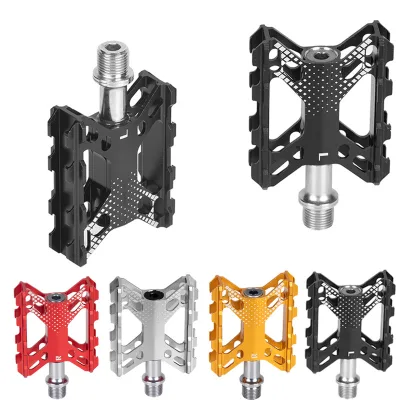
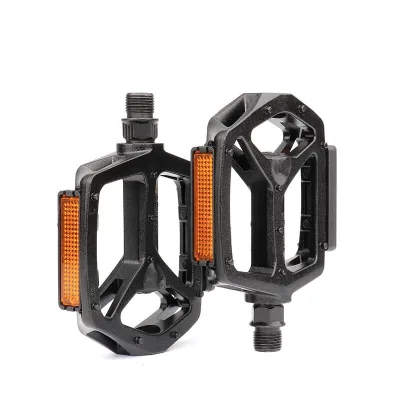
$1.3791 - $1.7688
MOQ: 50 pairs
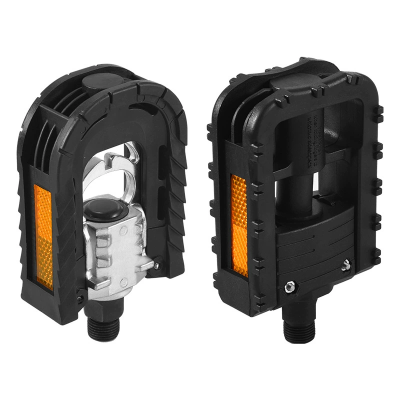
Popular Mountain Folding Pedals Aluminium Bike Pedals Ultralight MTB BMX Bicycle Pedal
$3.5571 - $3.9394
MOQ: 50 pairs
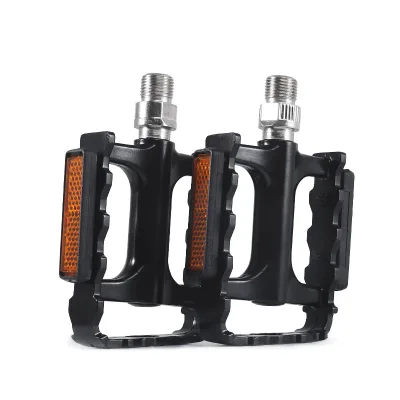
Universal Cycling Mountain Bike Pedals Aluminum Alloy Bicycle Pedal for MTB Road Bike
$3.0295 - $4.0668
MOQ: 50 pairs
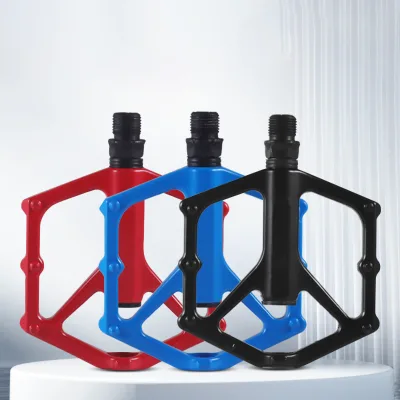
Hot Sale MTB Pedals Anti-slip Lightweight Bicycle Bike Pedal for Exercisers
$3.15 - $3.76
MOQ: 50 pairs
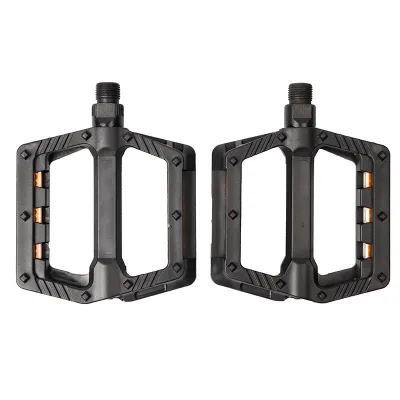
$1.3926 - $1.7328
MOQ: 50 pairs

Guangzong Shuanglong Bicycle Industry Co., Ltd.
- Manufacturer
- China Hebei
- Lead time30 days
- Avg. response≤ 12h
Main productsMountain Bike, Children Bicycle, Bicycle, Bicycle Parts
Main marketsSouth America,Africa,Southeast Asia/ Mideast

Ultra-Light Universal Durable Aluminum Alloy Material Mountain Bikes Bicycle Pedal
$1.50 - $3.00
MOQ: 300 Pairs

Ultra-Light Universal Durable Aluminum Alloy Mountain Bikes Bicycle Pedals
$1.50 - $3.00
MOQ: 300 Pairs

Ultra-Light Universal Durable Aluminum Alloy Material Mountain Bikes Bicycle Pedals
$1.50 - $3.00
MOQ: 300 Pairs


$0.80 - $1.20
MOQ: 300 Pairs

Hot Sell Black and Red Plastic Bike Parts Ultralight Non-Slip Bicycle Pedal Cycle Pedals
$0.80 - $1.20
MOQ: 300 Pairs

Xingtai Tianjiu Bicycle Parts Co., Ltd
- Verified by SGS
- Combined
- China Hebei
- Lead time30 days
- Avg. response≤ 4h
Main productsBicycle Parts, Bicycle, Bicycle Crank&Chainwheel, Bicycle Brake Sets, Saddle, Pedal, Bicycle Accessories, Bicycle Tire, Children Toy Vehicle, Bike Parts
Main marketsAfrica,Domestic,Europe
Kunzhuo Guanyang (guizhou) International Trade Co., Ltd.
- Verified by TüVRheinland
- Trading Company
- Lead time15 days
- Avg. response≤ 2h
Main productsGo Karts, ATVs, UTVs, Bike, Scooters
Main marketsNorth America(45%), Mid East(15%), Western Europe(15%)
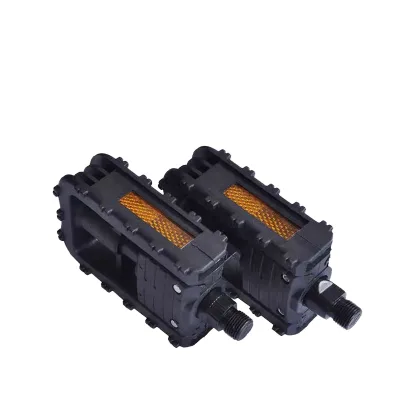
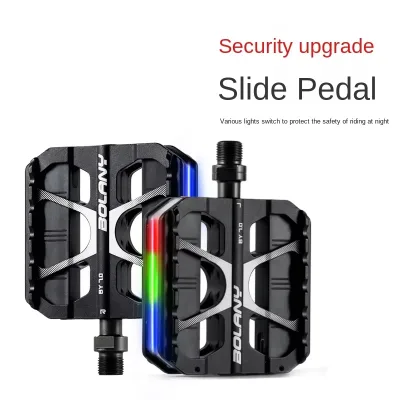
Road Bike Pedal Aluminum Alloy Ultralight 3-Bearing 7.0 Spindle Lightweight Color Warning Light
$31.7908 - $34.0648
MOQ: 2 pieces
- Verified by SGS Group
- Manufacturer, Trading Company
- Lead time21 days
- Avg. response≤ 1h
Main productsBaby tricycle, Baby balance bike, Bike, Bicycle spare parts, Baby bike
Main marketsDomestic Market(50%), Western Europe(20%), Mid East(10%)

XINGTAI WINWAY IMPORT & EXPORT TRADING CO., LTD.
- Trading Company
- China Hebei
- Lead time23 days
- Avg. response≤ 20h
Main productsMotorcycle Shock Absorber, Motorcycle Brake Shoe, Motorcycle Cable, Motorcycle Sprocket, Motorcycle Mirror, Motorcycle Speedometer, Motorcycle Headlight, Motorcycle Oil Seal, Motorcycle Spark Plug, Motorcycle Kick Staerter
Main marketsSouth America,Africa,Southeast Asia/ Mideast
Lewee International Trade (tianjin) Co., Ltd.
- Manufacturer, Trading Company
- Tianjin, China
- Lead time25 days
- Avg. response≤ 8h
Main productsElectric Cargo Bike,Tricycle Bike,Bicycle Parts,BMX Bike,Cruiser Bike
Main marketsEastern Europe(40.00%), Northern Europe(20.00%), Western Europe(10.00%), Southern Europe(10.00%), Southeast Asia(9.00%), South America(6.00%), North America(5.00%)
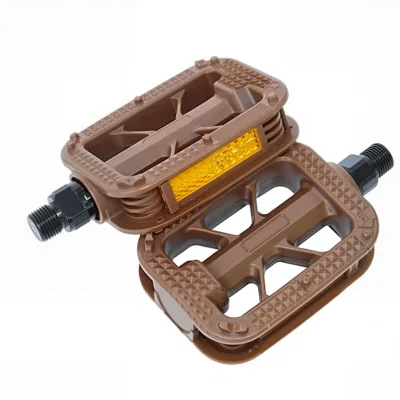
New Brown Plastic Ultralight Pedal for Road BMX Mountain Bikes-Sealed-Bearing
$0.4632 - $0.5651
MOQ: 200 pieces
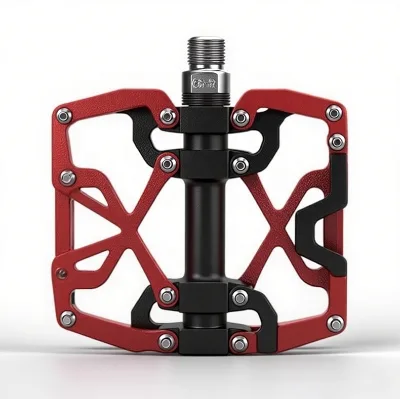
Ultra Strong Colorful CNC Machined 9/16" Cycling Sealed 3 Bearing Pedals Mountain Bike Pedals
$8.49 - $8.99
MOQ: 200 pieces
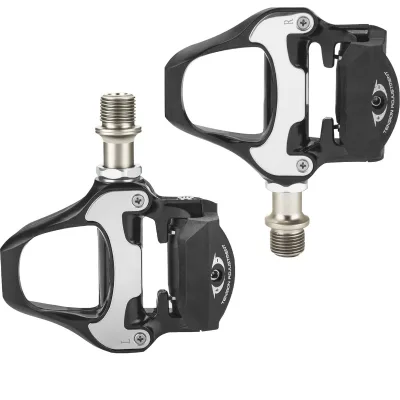
Road Bike Lock Pedals Road Bicycle Pedal Road Cycling Pedals with Cleats
$16.2881 - $18.1544
MOQ: 200 pieces
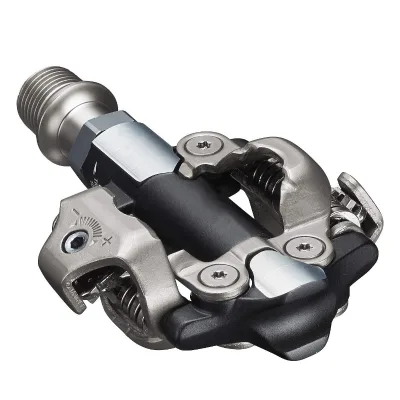
$71.0706 - $72.9338
MOQ: 200 pieces
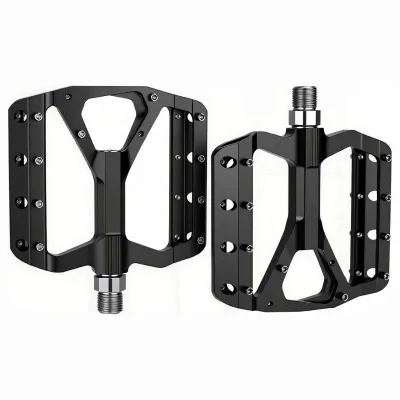
$13.00 - $13.60
MOQ: 200 pieces

Shenzhen Gravity Technology Co., Ltd.
- Trading Company
- China Guangdong
- Lead time45 days
- Avg. response≤ 2h
Main productsElectric Bike, Ebike, Electric Bicycle, Electric Road Bike, Electric Folding Bike, Bicycle, Bike, Mountain Electric Bike, E-Bike, Electric Dirt Bike
Main marketsSouth America,Southeast Asia/ Mideast,Europe,Australia,North America

Hard Plastic Road Bicycle Accessories Spare MTB Pedals Parts Pedales Bike Pedal
$2.00 - $10.00
MOQ: 2 Pieces


Ningbo Jalyn International Trading Co., Ltd.
- Trading Company,Manufacturer/Factory
- China Zhejiang
- Lead time30 days
- Avg. response≤ 17h
Main productsMotorcycle Parts, Motorcycle Accessories, Aftermarket Motorcycle Parts, ATV Parts, Bicycle Parts, Motorcycle Plastic Parts, Motorcycle Mirror, Motorcycle Handle Grips, Motorcycle Engine, Bicycle Accessories
Main marketsSouth America,Eastern Europe,North America,Eastern Asia,Oceania,Western Europe,Africa

Dongguan Enlee Outdoor Products Co., Ltd.
- Trading Company
- Gungdong, China
- Lead time15 days
- Avg. response≤ 8h
Main productsBicycle parts,Cycling equipment,Bicycle repair tools,Bicycle Accessories,Mountain Bikes
Main marketsSouth Asia(10.00%), Africa(10.00%), Southeast Asia(10.00%), Central America(10.00%), Eastern Asia(10.00%), North America(10.00%), Domestic Market(5.00%), Oceania(5.00%), Southern Europe(5.00%), Northern Europe(5.00%), Eastern Europe(5.00%), Western Europe(5.00%), South America(5.00%), Mid East(5.00%)
- Verified by Intertek
- Manufacturer, Trading Company
- Lead time40 days
- Avg. response≤ 3h
Main productsElectric Mountain Bike, Electric Trike, Electric City Bike, Electric Folding Bike, Electric Cargo Bike
Main marketsWestern Europe(40%), Eastern Europe(30%), Oceania(20%)
Danyang Zhanyang Metal Products Co., Ltd.
- Trading Company
- Jiangsu, China
- Lead time10 days
- Avg. response≤ 5h
Main productskitchen drainer,home using storing rack,home using storing trolley,corten steel garden fence,barbecue grill
Main marketsEastern Europe(25.00%), South America(20.00%), Central America(10.00%), Mid East(10.00%), North America(10.00%), Southern Europe(5.00%), Western Europe(5.00%), Northern Europe(5.00%), Southeast Asia(5.00%), South Asia(3.00%), Eastern Asia(3.00%), Africa(2.00%)
- Trading Company
- Zhejiang, China
- Lead time5 days
- Avg. response≤ 4h
Main productsBike parts,Cycling equipment,Yoga accessories,Sports wear,Indoor fitness
Main marketsNorth America(30.00%), Eastern Europe(20.00%), South America(20.00%), Northern Europe(10.00%), Southeast Asia(10.00%), South Asia(5.00%), Western Europe(5.00%)

- Verified by SGS
- Trading Company
- China Zhejiang
- Lead time15 days
- Avg. response≤ 11h
Main productsBike, Bicycle
Main marketsEurope,Australia
Hangzhou Qianghua Cup Industry Co., Ltd.
- Verified by TüVRheinland
- Manufacturer, Trading Company
- Lead time15 days
- Avg. response≤ 2h
Main productsCeramic Mug, Glass Cup, Water Bottle, Thermos Series, Stylish Vase
Main marketsNorth America(25%), Eastern Europe(15%), South America(10%)
Guangxi Bernee Trading Co., Ltd.
- Manufacturer, Trading Company
- Guangxi, China
- Lead time20 days
- Avg. response≤ 2h
Main productsmaking forks oem&odm,all bicycle parts selling,ebike parts selling,mtb bicycle selling,ebike selling
Main marketsEastern Europe(15.00%), Western Europe(15.00%), South Asia(10.00%), Northern Europe(10.00%), South America(10.00%), Domestic Market(5.00%), Africa(5.00%), Southern Europe(5.00%), Southeast Asia(5.00%), Central America(5.00%), North America(5.00%), Eastern Asia(5.00%), Mid East(5.00%), Oceania(5.00%)

Cixi City Liyang Bicycle Co., LTD
- Verified by SGS
- Combined
- China Zhejiang
- Lead time30 days
- Avg. response≤ 23h
Main marketsDomestic
Data Biotechnology (Hangzhou) Co., Ltd
- Manufacturer, Trading Company
- Zhejiang, China
- Lead time0 days
- Avg. response≤ 2h
Main productsBicycle,Electric bicycle,Bicycle accessories,Customized bicycle,electrocar
Main marketsNorth America(40.00%), Mid East(10.00%), Western Europe(10.00%), Eastern Europe(10.00%), South America(10.00%), Southern Europe(5.00%), Northern Europe(5.00%), Southeast Asia(5.00%), Eastern Asia(5.00%)
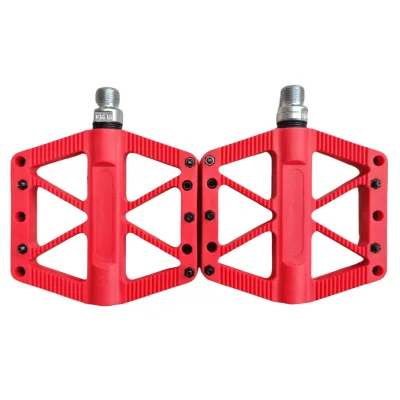
$5.9555 - $6.1609
MOQ: 20 pieces
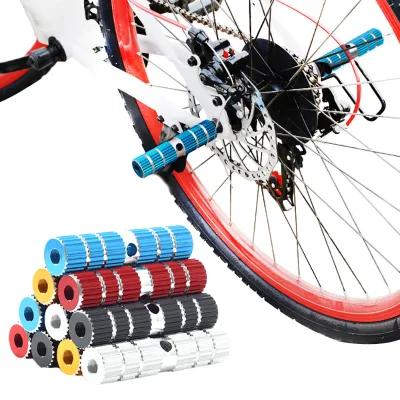
Anti-Slip Aluminum Alloy Mountain Road Cycling Bicycle Pedal Front and Rear Socle Axle Footrest Pegs
$0.4632 - $0.5142
MOQ: 100 pieces








Comprehensive Sourcing Guide
Super Light Road Bike Pedal Supplier Concentration and Factory Types
The current supplier landscape for super light road bike pedals reveals a distinct split between trading companies and direct manufacturers, each offering different advantages for procurement teams. Trading companies often aggregate products from various sources, providing a broader catalog that includes bicycle accessories, kids' toys, and general cycling equipment. These entities typically focus on customer service and order consolidation, making them suitable for buyers who need mixed SKUs or smaller initial orders. In contrast, manufacturers specialize in production capabilities, often highlighting specific technical capacities such as OEM, ODM, and own-brand development. This distinction is critical because it dictates the level of control a buyer has over product specifications, material sourcing, and quality assurance processes. Understanding whether a supplier is a trader or a maker helps in predicting their flexibility regarding customizations and their ability to scale production during peak seasons.
Location data indicates that production hubs are concentrated in specific regions, with Beijing and Hebei emerging as notable areas for pedal manufacturing. Suppliers located in Hebei often list their origin as Xingtai, a region known for its industrial output in bicycle components. This geographic clustering suggests that logistics and supply chain efficiency may be optimized for buyers sourcing from these areas, as raw materials and finished goods move through established local networks. However, buyers must verify the actual factory location versus the registered business address, as trading companies may list their office location while sourcing from distant factories. The presence of customized production capabilities, such as graphic processing and sample processing, is more commonly associated with manufacturers who have direct access to production lines. Buyers should prioritize suppliers who explicitly state their manufacturing status if they require strict quality control or proprietary design protection, as this reduces the risk of intellectual property leakage and ensures direct communication with the production team.
How to Verify Super Light Road Bike Pedal Suppliers
Verification is the first line of defense against unreliable partners, and buyers should prioritize suppliers with recognized third-party certifications. Current data shows that some suppliers hold SGS Group verification, while others possess BV (Bureau Veritas) certification. These verifications provide a baseline of trust regarding the company's legal existence and operational legitimacy. However, verification alone does not guarantee product quality or delivery reliability. Buyers must look beyond the badge and examine the specific scope of the verification. For instance, a supplier claiming ISOCE certification for their pedals should be asked to provide the actual certificate document, as generic claims can be misleading. The presence of system certifications like ISO is a strong indicator of standardized quality management processes, but buyers must confirm that the certification applies specifically to the pedal manufacturing line and not just the general corporate entity.
Response time and lead time metrics offer additional layers of verification regarding a supplier's operational efficiency. A response time of six hours or less suggests a dedicated sales team capable of addressing inquiries promptly, which is crucial for resolving technical questions about pedal compatibility or material specifications. Similarly, lead times ranging from fifteen to twenty days indicate the supplier's capacity to handle orders within a reasonable timeframe. Buyers should compare these metrics against their own project timelines to ensure alignment. It is also important to verify the supplier's capacity for customization, as some manufacturers offer ODM and OEM services while others only provide standard products. Asking for recent production samples or video tours of the factory floor can further validate their claims. Buyers should be cautious of suppliers who cannot provide clear evidence of their production capabilities or who have inconsistent response patterns, as these are red flags for potential operational instability.
What to Compare Across Super Light Road Bike Pedal Suppliers
When evaluating multiple suppliers, buyers must compare key commercial and technical dimensions to identify the best fit for their specific needs. One critical factor is the Minimum Order Quantity (MOQ), which varies significantly across the market. Some suppliers require an MOQ of thirty-two pieces, while others may demand fifty pairs or even five hundred units for certain product lines. This variation directly impacts the buyer's inventory risk and cash flow, especially for new product launches. Buyers should also compare price ranges, which can span from under two dollars to over seventeen dollars per unit, depending on materials and features. For example, steel pedals may be priced differently than aluminum alloy or carbon fiber options. Understanding the price-to-quality ratio is essential, as the lowest price may not always correlate with the best durability or performance, particularly for high-stress components like self-locking pedals.
Technical specifications and material composition are equally important comparison points. Buyers should examine attributes such as bearing type, weight, and compatible bike models. Some pedals are designed specifically for road bicycles, while others are compatible with mountain bikes, BMX, or even kids' bikes. The material, whether it is steel, aluminum alloy, or hard plastic, affects both the weight and the strength of the pedal. For super light road bike pedals, weight is a primary concern, with some products weighing as little as 120 grams. Buyers should also compare the pedal category, such as self-locking or clipless pedals, and check for additional features like bearing quality and color options. Customization availability is another key differentiator, with some suppliers offering logo printing and packaging customization. By systematically comparing these attributes, buyers can create a shortlist of suppliers that meet their technical requirements and budget constraints, ensuring a more informed decision-making process.
Common Super Light Road Bike Pedal Sourcing Risks
One of the primary risks in sourcing super light road bike pedals is the discrepancy between advertised specifications and actual product quality. Buyers may encounter suppliers who claim ultra-lightweight materials but deliver heavier, less durable products. This risk is particularly prevalent when dealing with trading companies that may not have direct oversight of the manufacturing process. Another significant risk is the inconsistency in lead times, which can disrupt supply chain schedules. Suppliers may quote short lead times to secure orders but fail to meet them due to production bottlenecks or material shortages. Buyers should be wary of suppliers who do not provide clear updates on order status or who have a history of delayed shipments. Additionally, the risk of intellectual property infringement is higher when working with suppliers who offer extensive customization options without proper legal agreements.
Quality control failures are another common risk, especially for pedals that require precise engineering for safety and performance. Self-locking mechanisms must function reliably under high stress, and any defect can lead to serious accidents. Buyers should verify that suppliers have robust quality assurance processes in place, including material testing and functional checks. The risk of receiving non-compliant products is also heightened when suppliers lack relevant certifications or fail to adhere to international standards. Buyers should request detailed product specifications and test reports to ensure compliance with safety regulations. Furthermore, the risk of communication breakdowns can lead to misunderstandings regarding product requirements, leading to costly rework or rejected shipments. To mitigate these risks, buyers should establish clear communication channels, conduct regular audits, and maintain detailed records of all agreements and specifications.
Super Light Road Bike Pedal Regional Sourcing and Logistics
Regional sourcing strategies can significantly impact logistics costs and delivery times for super light road bike pedals. Suppliers located in Hebei, China, often benefit from established industrial clusters that facilitate efficient production and distribution. This concentration of manufacturers in specific regions can lead to economies of scale, reducing production costs and improving availability. Buyers sourcing from these areas may find it easier to coordinate shipments and manage inventory due to the proximity of multiple suppliers. However, buyers must also consider the logistical challenges associated with international shipping, including customs clearance and transportation delays. Understanding the local infrastructure and logistics networks in the supplier's region can help buyers anticipate potential bottlenecks and plan accordingly.
Logistics planning should also account for the weight and volume of the products, as these factors influence shipping costs. Super light pedals may seem small, but bulk orders can still result in significant shipping expenses, especially when air freight is required for urgent deliveries. Buyers should compare shipping options and negotiate favorable terms with logistics providers. Additionally, buyers should consider the impact of regional trade policies and tariffs on their overall costs. Sourcing from regions with favorable trade agreements can reduce duties and improve profitability. It is also important to verify the supplier's packaging standards to ensure that products are protected during transit, minimizing the risk of damage. By carefully evaluating regional logistics factors, buyers can optimize their supply chain and reduce overall procurement costs.
Super Light Road Bike Pedal Commercial Terms and Order Planning
Commercial terms and order planning are critical components of a successful sourcing strategy for super light road bike pedals. Buyers should negotiate clear payment terms, such as escrow services or letters of credit, to protect their financial interests. These terms provide a layer of security by ensuring that payment is only released upon satisfactory delivery of the goods. Additionally, buyers should establish clear return and refund policies in case of quality issues or non-conformance. Order planning should also include a detailed timeline for production, shipping, and delivery, allowing for buffer periods to handle unexpected delays. Buyers should consider the supplier's capacity to handle large orders and their ability to scale production during peak seasons.
Inventory management is another key aspect of order planning, as maintaining optimal stock levels is essential for meeting customer demand without overstocking. Buyers should work closely with suppliers to forecast demand and adjust orders accordingly. This collaboration can help prevent stockouts and reduce holding costs. Buyers should also consider the supplier's flexibility in handling rush orders or changes in specifications, as market demands can shift rapidly. By establishing strong commercial relationships and implementing robust order planning processes, buyers can ensure a steady supply of high-quality super light road bike pedals, supporting their business growth and customer satisfaction.
FAQs
What is the minimum order quantity for road bike pedals?
Minimum order quantities vary by product, ranging from 32 pieces for steel self-locking pedals to 50 pairs for aluminum alloy options. Some heavy-duty rubber pedals require a higher volume of 500 units per order. Buyers should check specific product listings to confirm the exact MOQ before placing an order.
How long does it take to receive these bicycle pedals?
Lead times for these bicycle pedals typically range from 15 to 20 days depending on the supplier and customization needs. Some manufacturers offer faster turnaround times for standard items, while others may require additional time for graphic processing or light customization requests. Always confirm the specific delivery schedule with the seller.
Are these pedals suitable for mountain bikes and road bikes?
Yes, many available models are designed for both mountain bikes and road bicycles, with some also compatible with BMX bikes. Specific products feature self-locking mechanisms for road use or durable designs for off-road terrain. Buyers should verify the compatible bike type listed in the product attributes to ensure a proper fit.
What materials are used to make these ultralight pedals?
Materials vary significantly, including steel, aluminum alloy, and hard plastic depending on the specific model and price point. Some ultralight options use aluminum alloy to reduce weight, while others utilize steel for durability. Rubber is also used for heavy-duty traditional pedals. Check the material specification for each item.
Do suppliers offer customization services for these pedals?
Yes, many suppliers provide customization services including OEM, ODM, and own brand options. Customization can involve graphic processing, light customization, or specific branding requirements. Buyers should confirm if the supplier supports the specific type of customization needed before finalizing the order details.
What is the price range for these bicycle pedals?
Prices vary widely based on material and features, ranging from as low as 0.37 dollars for basic plastic models up to 17 dollars for specialized steel pedals. Aluminum alloy options typically fall between 1.80 and 10.50 dollars. The final price depends on the quantity ordered and the specific product attributes selected.
Where are these bicycle pedals manufactured?
These pedals are manufactured in various locations within China, including Beijing, Hebei, and Xingtai. Specific products list their place of origin in the product attributes, such as Beijing for steel models or Hebei for aluminum and rubber options. Buyers should verify the exact location for shipping and quality assurance purposes.