Source In Wheel Motor Electric Wheelchair for travel, home, and office
Compare 30 In Wheel Motor Electric Wheelchair options with aluminum alloy frames, 36V lithium batteries, and folding designs. Buyers can evaluate specs like 250W motors, 20-25km range, and 120kg load capacity for personal mobility needs; compare the available evidence and request quotations based on your requirements.
Updated
Key considerations
Products List
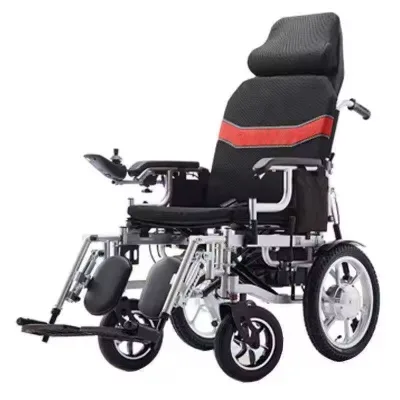
High Battery Life Power Motorised Reclining Electric Folding Wheel Chair Wheelchair Made in China
$245.3668 - $265.9871
MOQ: 2 pieces
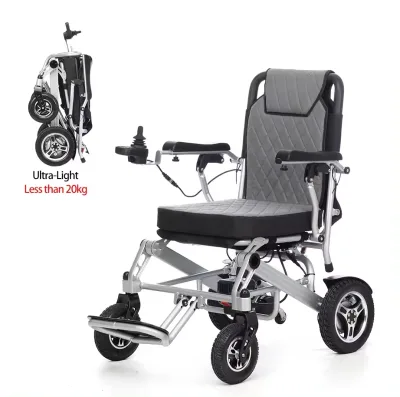

Power Wheelchair Electric Wheel Chair Electric Motor Powered Wheelchair
$340.00 - $497.00
MOQ: 2 Pieces


Comfortable Electric Power Wheelchair for Disabled Users with 150W Motors
$550.00 - $590.00
MOQ: 10 Pieces

Durable Electric Wheelchair with 24V Motor and Adjustable Speed Control
$340.00 - $380.00
MOQ: 10 Pieces


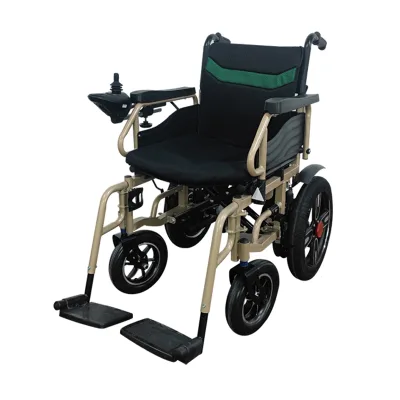
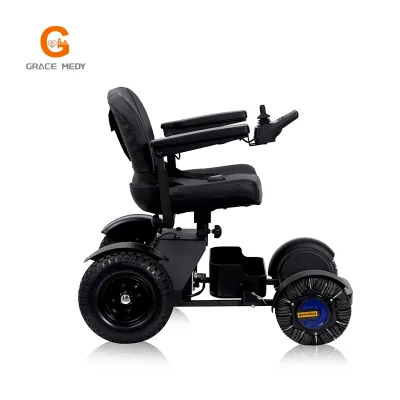
Wholesale Small Motorised Fast Electric Wheelchair for Adults Folding Design Made in China
$852.2579 - $889.3102
MOQ: 1 pieces
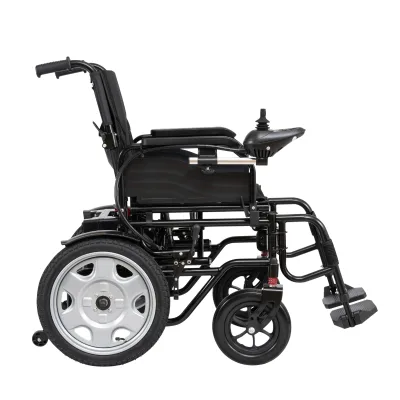

Power Wheelchair Electric Wheelchair Electric Motor Powered Wheelchair (EPW62)
$1000.00 - $1150.00
MOQ: 5 Pieces


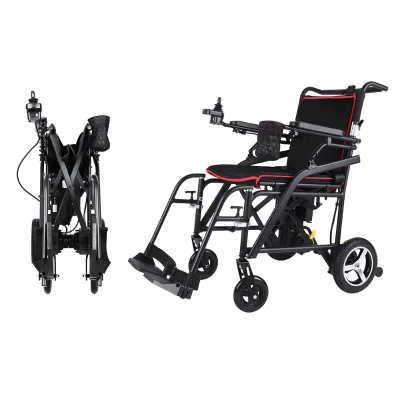
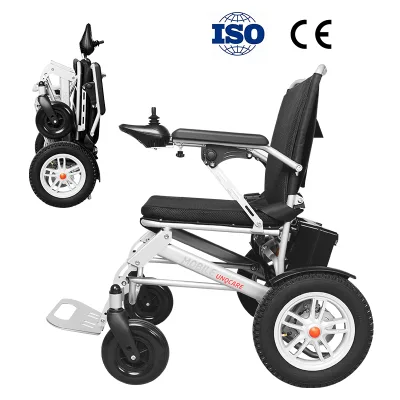


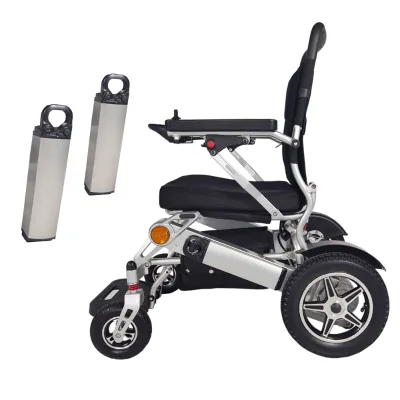
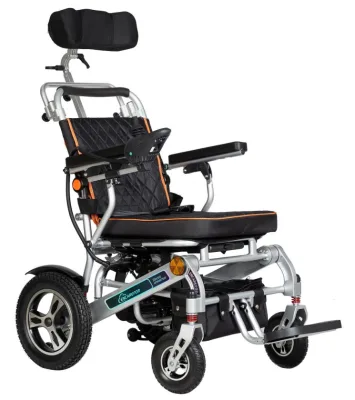
600W Brushless Motor Heavy Duty Wheelchair Powerful Electrical Wheelchair for Handicapped
$411.8113 - $504.469
MOQ: 2 pieces
Comprehensive Sourcing Guide
In Wheel Motor Electric Wheelchair Sourcing Guide
Procuring electric wheelchairs with integrated drive systems requires careful attention to component integration and mobility performance. Buyers must evaluate how the motor placement affects center of gravity, turning radius, and overall stability during operation. This guide focuses on verifying technical attributes, compliance documentation, and supplier reliability to ensure safe and effective procurement outcomes for end-users.
The following sections provide structured guidance for sourcing decisions. Each section addresses specific verification steps, commercial considerations, and quality control measures. By adhering to these evidence-based recommendations, procurement teams can mitigate risks associated with product performance, regulatory compliance, and long-term maintenance requirements in the medical mobility sector.
Product Scope and Observed Listing Signals
Market listings for electric wheelchairs frequently highlight aluminum alloy frames and folding mechanisms to emphasize portability and durability. Observed product attributes indicate a focus on lightweight construction, with net weights around 23kg and gross weights up to 25kg for specific configurations. These specifications suggest designs optimized for easy transport and storage, appealing to buyers who prioritize user independence and logistical convenience in daily mobility solutions.
Battery capacity and range are critical differentiators in current listings, with observed capacities ranging from 6Ah to 20Ah and ranges between 20-25km. Some products specify 36V 10Ah lithium batteries, while others list higher capacities like 12Ah or 20Ah. Buyers should verify the exact battery configuration for each SKU, as performance claims vary significantly. Understanding these variations helps in selecting the appropriate model for specific usage patterns and charging infrastructure availability.
Technical Specifications to Verify
Motor type and power output are fundamental technical parameters that directly influence performance and user experience. Listings indicate a mix of brushless and brushed motor options, with power ratings typically between 250W and 350W. Buyers must confirm whether the motor is a rear hub type or integrated into the wheel, as this affects maintenance complexity and torque delivery. Verifying the exact motor position and type ensures alignment with specific mobility needs and terrain requirements.
Braking systems and speed limits are essential safety features that require precise verification. Observed specifications include electromagnetic brakes and disk brakes, with maximum speeds generally under 30km/h. Buyers should confirm the braking mechanism type and response time for each product variant. Additionally, verifying the gear adjustment options, such as the 0-6 km/h range mentioned in some listings, ensures the wheelchair meets the user’s speed and control preferences for safe operation in various environments.
Compliance and Safety Documentation
Regulatory compliance is mandatory for medical mobility devices, with CE and ISO certifications commonly cited in product listings. Buyers must request valid certification documents to verify that the manufacturer meets European and international safety standards. These certifications indicate adherence to essential health, safety, and environmental protection requirements, which are critical for market access and user safety in regulated jurisdictions.
Safety features such as load capacity and structural integrity must be validated through official test reports. Observed maximum load capacities range from 100kg to 120kg, but buyers should verify these limits with certified test data. Ensuring that the wheelchair meets specified load ratings prevents structural failures and ensures user safety. Additionally, verifying the battery lifespan and charging time specifications helps in planning long-term usage and maintenance schedules effectively.
Cost Drivers and Commercial Terms
Pricing for electric wheelchairs varies based on battery capacity, motor type, and additional features like remote control or mobile app integration. Observed price ranges span from $190 to $1150, reflecting differences in component quality and functionality. Buyers should analyze the cost breakdown to understand how specific attributes, such as lithium battery capacity or aluminum alloy frame construction, impact the final price. This analysis helps in budgeting and selecting cost-effective solutions without compromising on essential safety and performance standards.
Minimum order quantities (MOQ) and lead times are key commercial terms that affect procurement planning. Observed MOQs range from 1 to 10 units, offering flexibility for small-scale purchases or trial orders. Buyers should confirm lead times for production and shipping, as these can vary based on customization requirements and supplier capacity. Understanding these terms helps in managing inventory levels and ensuring timely delivery to meet end-user needs without excessive stockpiling or delays.
Supplier Qualification and Quality Control
Supplier qualification involves verifying manufacturing capabilities, quality management systems, and after-sales support structures. Buyers should assess the supplier’s experience in producing electric wheelchairs and their adherence to international quality standards. Requesting factory audit reports or third-party verification can provide insights into production processes and quality control measures. This due diligence helps in selecting reliable suppliers who can consistently deliver products that meet specified technical and safety requirements.
Quality control procedures should include pre-shipment inspections and performance testing of key components. Buyers should verify that suppliers conduct routine checks on battery performance, motor functionality, and structural integrity before dispatch. Establishing clear quality acceptance criteria and inspection protocols ensures that received products meet agreed-upon specifications. Additionally, confirming the availability of spare parts and technical support services is crucial for maintaining wheelchair performance and user satisfaction over the product’s lifespan.
Long-Term Procurement Checks
Long-term procurement success depends on monitoring product performance, user feedback, and supplier reliability over time. Buyers should establish mechanisms for collecting user feedback on wheelchair comfort, durability, and ease of use. This feedback can inform future purchasing decisions and help identify areas for product improvement. Regularly reviewing supplier performance metrics, such as delivery times and defect rates, ensures continued alignment with procurement goals and quality expectations.
Battery replacement and maintenance costs are significant long-term considerations for electric wheelchairs. Buyers should verify the availability and cost of replacement batteries, as lithium batteries typically have a lifespan of 3-5 years. Understanding the total cost of ownership, including maintenance and replacement expenses, helps in making informed procurement decisions. Additionally, confirming the supplier’s commitment to product updates and technological improvements ensures that the procured wheelchairs remain relevant and effective for end-users over time.
FAQs
What is the maximum load capacity for this electric wheelchair?
The maximum load capacity is 120 kg. This specification ensures safe operation for heavier users while maintaining structural integrity. The aluminum alloy frame supports this weight distribution effectively. Always verify individual unit limits before purchase to ensure compliance with safety standards for your specific application needs.
How long does the battery take to charge fully?
The charging time ranges from 1 to 3 hours. This rapid charging capability utilizes a 36V 10Ah lithium battery system. Integrated battery placement simplifies maintenance and protects internal components. Quick turnaround times enhance operational efficiency for daily use scenarios requiring frequent power replenishment between sessions.
Can the wheelchair be folded for easy transport?
Yes, the wheelchair features manual folding capabilities. The folding dimensions measure 34x75x43 cm, allowing compact storage. This design facilitates easy transport in vehicles or small living spaces. The non-tilted structure ensures stability during the folding process while maintaining user comfort and safety during transit.
What certifications does the product hold for safety?
The product holds CE and ISO certifications. These credentials verify compliance with international safety and quality standards. Such certifications are essential for market entry in regulated regions. Buyers should request documentation to confirm specific standard versions applicable to their local regulatory requirements for importation.
What is the motor power specification for this model?
The motor power is available in 250W or 350W options. This brushless rear hub motor provides efficient torque between 30-50 Nm. The wattage ranges from 351 to 500 W depending on the configuration. These specifications support speeds under 30 km/h for safe and controlled mobility assistance.
Where is the product manufactured and shipped from?
The product originates from Hebei, China. This location serves as the primary place of origin for manufacturing. Buyers should consider logistics costs and lead times associated with this region. Sourcing from this area offers access to established supply chains for aluminum alloy components and lithium battery integration.