Adjustable Light Weight Bicycle Stem Suppliers and Manufacturers
Compare 23 verified suppliers offering adjustable light weight bicycle stems with varying lead times, MOQs, and certifications. Review product attributes like material and customization options, then request quotes directly from manufacturers in Hebei, China; review the available evidence before requesting comparable quotations from suitable candidates.
Updated
Suppliers List

Hebei Hongchi Bicycles Co., Ltd
- Verified by BV
- Manufacturer
- China Hebei
- Lead time15 days
- Avg. response≤ 7h
Main productsChainwheel&Crank, Bicycle Parts, Bicycle Accessories, Children Bike, Children Toy, Scooter, Stroller, Electric Car, Saddle, Basket

Guangzong Shuanglong Bicycle Industry Co., Ltd.
- Manufacturer
- China Hebei
- Lead time30 days
- Avg. response≤ 12h
Main productsMountain Bike, Children Bicycle, Bicycle, Bicycle Parts
Main marketsSouth America,Africa,Southeast Asia/ Mideast

Dongguan Enlee Outdoor Products Co., Ltd.
- Trading Company
- Gungdong, China
- Lead time15 days
- Avg. response≤ 8h
Main productsBicycle parts,Cycling equipment,Bicycle repair tools,Bicycle Accessories,Mountain Bikes
Main marketsSouth Asia(10.00%), Africa(10.00%), Southeast Asia(10.00%), Central America(10.00%), Eastern Asia(10.00%), North America(10.00%), Domestic Market(5.00%), Oceania(5.00%), Southern Europe(5.00%), Northern Europe(5.00%), Eastern Europe(5.00%), Western Europe(5.00%), South America(5.00%), Mid East(5.00%)

XINGTAI WINWAY IMPORT & EXPORT TRADING CO., LTD.
- Trading Company
- China Hebei
- Lead time23 days
- Avg. response≤ 20h
Main productsMotorcycle Shock Absorber, Motorcycle Brake Shoe, Motorcycle Cable, Motorcycle Sprocket, Motorcycle Mirror, Motorcycle Speedometer, Motorcycle Headlight, Motorcycle Oil Seal, Motorcycle Spark Plug, Motorcycle Kick Staerter
Main marketsSouth America,Africa,Southeast Asia/ Mideast

Xiamen HiuGong Machinery Co., Ltd.
- Verified by BV
- Manufacturer/Factory
- China Fujian
- Lead time23 days
- Avg. response≤ 24h
Main productsConstruction Equipments, Vehicles Spares, Light Industry & Daily Use, Plastic & Hardware Manufacturing
Main marketsSouth America,Eastern Europe,Mid East,North America,Southeast Asia,Eastern Asia,Oceania,Western Europe,Africa

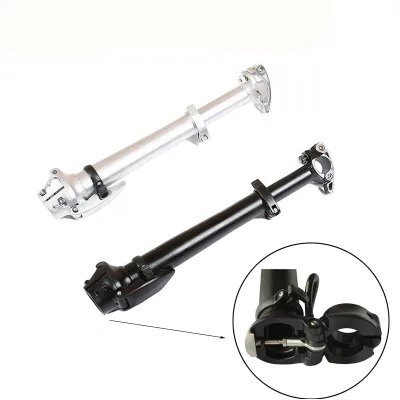
Bicycle Folding Height Adjustable Stem for Bicycle Increased Accessories
$0.60 - $5.00
MOQ: 100 Pieces

Guangxi Bernee Trading Co., Ltd.
- Manufacturer, Trading Company
- Guangxi, China
- Lead time20 days
- Avg. response≤ 2h
Main productsmaking forks oem&odm,all bicycle parts selling,ebike parts selling,mtb bicycle selling,ebike selling
Main marketsEastern Europe(15.00%), Western Europe(15.00%), South Asia(10.00%), Northern Europe(10.00%), South America(10.00%), Domestic Market(5.00%), Africa(5.00%), Southern Europe(5.00%), Southeast Asia(5.00%), Central America(5.00%), North America(5.00%), Eastern Asia(5.00%), Mid East(5.00%), Oceania(5.00%)
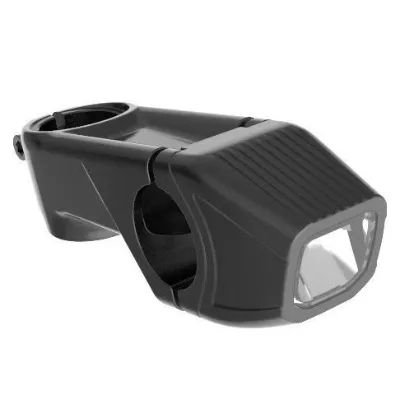
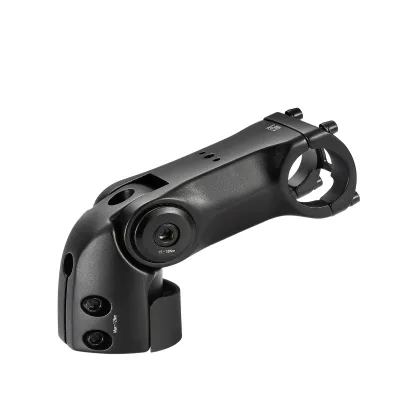
$13.80 - $15.99
MOQ: 50 pieces
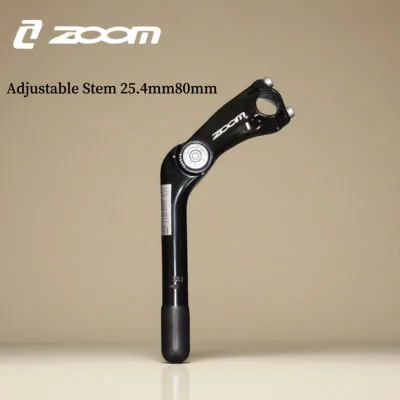
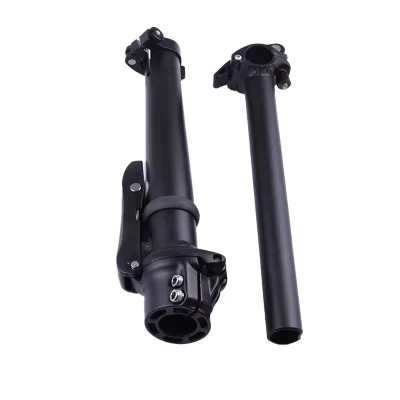
$15.00 - $19.00
MOQ: 50 pieces
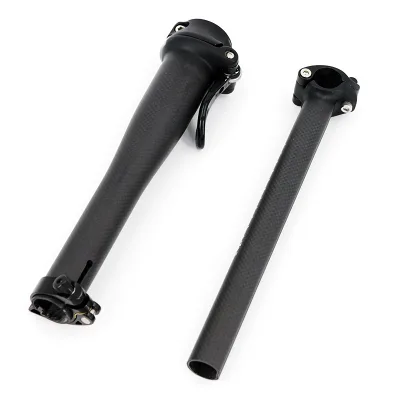
25.4 28.6mm Carbon Fiber Ultralight Folding Bike Adjustable Stem Quick-Release Bicycle Parts
$80.00 - $82.00
MOQ: 20 pieces
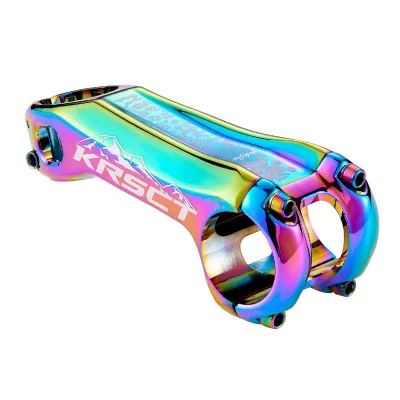
MTB Stem 20 Degree 80/90/100mm*31.8mm XC AM Mountain Mountain Bike Stem Bicycle Handlebar Riser Stem
$11.295 - $13.554
MOQ: 100 pieces
Hangzhou Thumbike Bicycle Co., Ltd.
- Manufacturer
- Zhejiang, China
- Lead time35 days
- Avg. response≤ 3h
Main productsebike,BMX,road bike,city bike
Main marketsNorth America(70.00%), Western Europe(10.00%), Northern Europe(5.00%), South America(5.00%), Oceania(5.00%), Eastern Europe(5.00%)
Yiwu Lutuo Network Technology Co., Ltd.
- Verified by TüVRheinland
- Trading Company
- Lead time0 days
- Avg. response≤ 4h
Main productsBicycle Pump, Bicycle Light, Bicycle Lock, Bicycle Pedal, Bicycle Mirror
Main marketsNorth America(35%), Southeast Asia(17%), Domestic Market(16%)

Xingtai Tianjiu Bicycle Parts Co., Ltd
- Verified by SGS
- Combined
- China Hebei
- Lead time30 days
- Avg. response≤ 4h
Main productsBicycle Parts, Bicycle, Bicycle Crank&Chainwheel, Bicycle Brake Sets, Saddle, Pedal, Bicycle Accessories, Bicycle Tire, Children Toy Vehicle, Bike Parts
Main marketsAfrica,Domestic,Europe

- Verified by TUVRHEINLAND
- Trading Company
- China Tianjin
- Lead time30 days
- Avg. response≤ 5h
Main productsBicycle, Electric Bicycle, Tricycle, Electric Motorcycle, Electric Scooter, Children Motorcycle, Children Scooter
Main marketsSouth America,Southeast Asia/ Mideast,Europe
Shenzhen Koof Technology Co., Ltd
- Manufacturer
- Guangdong, China
- Lead time15 days
- Avg. response≤ 7h
Main productsBike Handlebar,Bicycle Stem,Bicycle Seat Post,Bike Pedal,Water bottle cage
Main marketsDomestic Market(40.00%), North America(15.00%), Western Europe(15.00%), Southeast Asia(15.00%), Eastern Europe(15.00%)
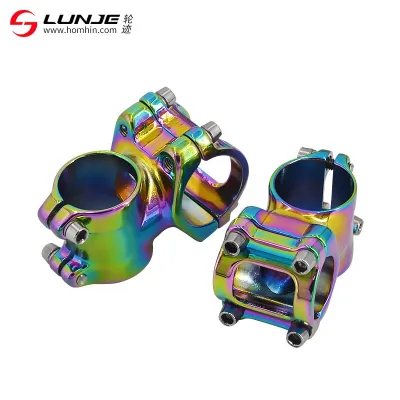
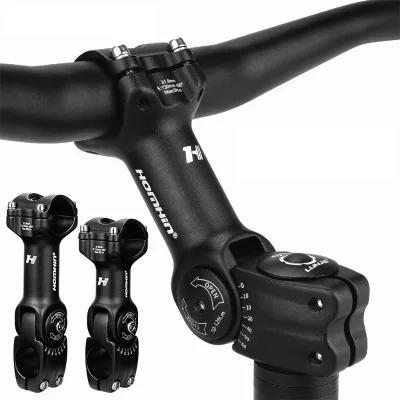
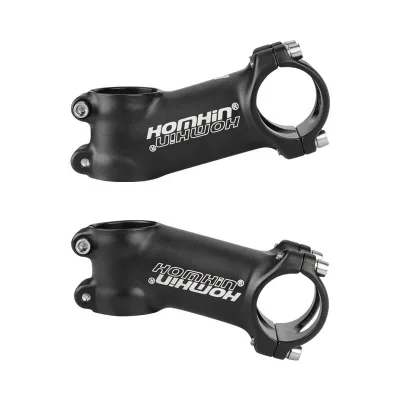
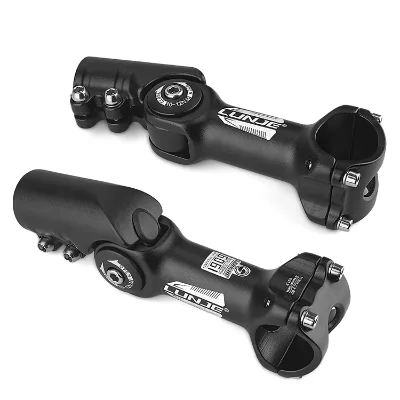
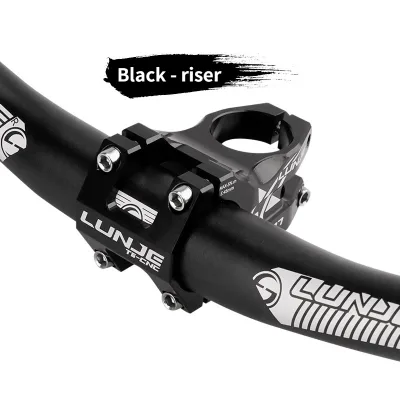
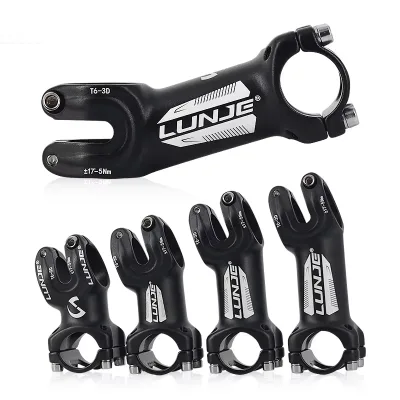
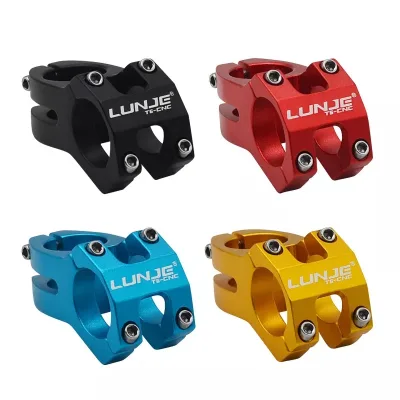
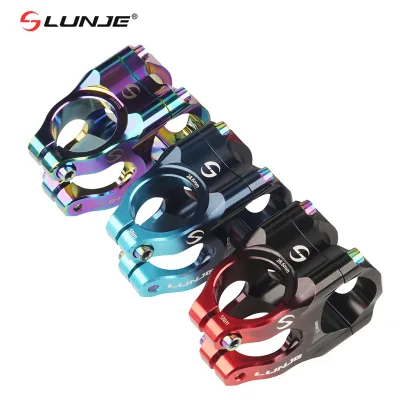
LUNJE Bicycle Parts Balance Bike Aluminum Alloy Ultra Light Riser Bicycle Stem
$5.90 - $6.20
MOQ: 2 acres
Hebei Haozun Trading Co., Ltd.
- Trading Company
- Hebei, China
- Lead time10 days
- Avg. response≤ 6h
Main productsMountain Bike, Bike Cassette, Bike Chain, Bike Tires, Shimano Parts
Main marketsWestern Europe(25.00%), North America(20.00%), South America(10.00%), Eastern Europe(10.00%), Mid East(10.00%), Oceania(7.00%), Southeast Asia(5.00%), Northern Europe(4.00%), Southern Europe(3.00%), Central America(3.00%), Africa(2.00%), Eastern Asia(1.00%)
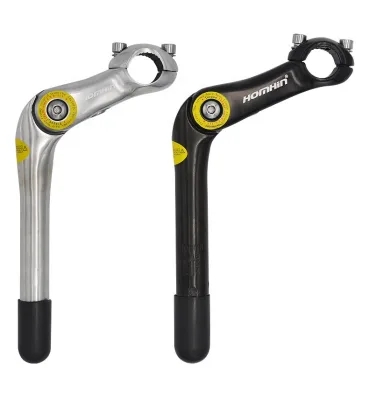
Customized Adjustable Retro Bicycle Stem Aluminium Alloy 25.4mm Goose Head Bike Stem
$5.50 - $6.60
MOQ: 100 pieces
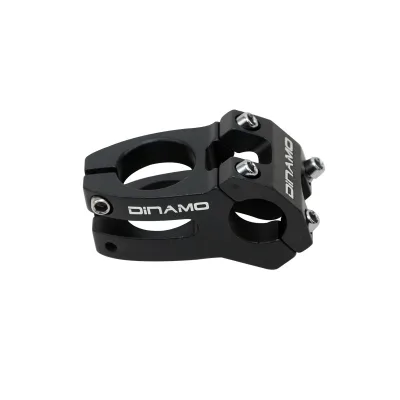
Customizable Aluminum Alloy 22.2mm Diameter BMX Bicycle Stem Lightweight Bike Stem
$2.80 - $4.10
MOQ: 50 pieces
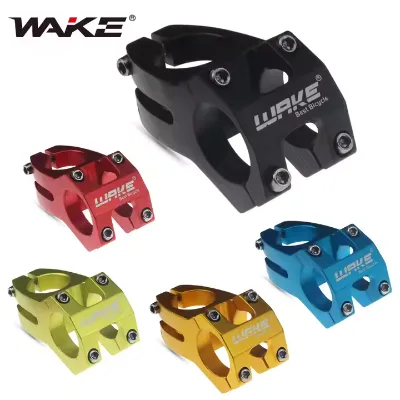
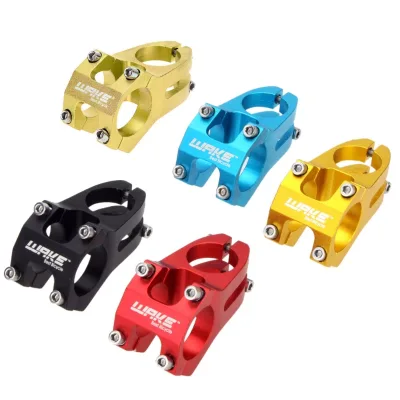
Wake Mountain Bike Stem Lightweight Stem Bicycle Parts Aluminum Alloy 31.8mm Bicycle Stem
$2.3654 - $2.5708
MOQ: 10 pieces
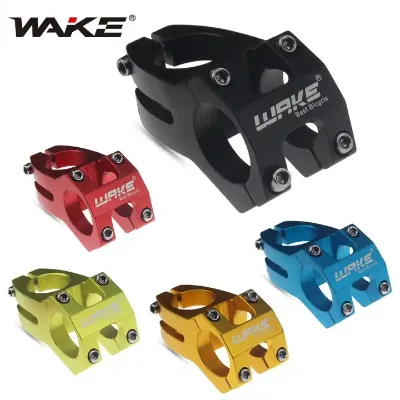
Customizable WAKE CNC Aluminum Alloy 3.18*45mm Bicycle Stem Lightweight Mountain Bike Stem
$2.60 - $3.40
MOQ: 50 pieces
Hebei Gefeida Trading Co., Ltd.
- Verified by SGS Group
- Trading Company
- Lead time20 days
- Avg. response≤ 6h
Main productsBicycle, Bicycle Accessories, Kids Toy
Main marketsNorth America(12%), Eastern Europe(12%), Oceania(10%)
JIANGXI KAIDA IMPORT AND EXPORT CO., LTD.
- Trading Company
- Jiangxi, China
- Lead time25 days
- Avg. response≤ 7h
Main productsTricycle parts,scooter parts,E-bike parts,wheel hub,tyre
Main marketsSoutheast Asia(30.00%), Mid East(15.00%), Eastern Asia(15.00%), Eastern Europe(10.00%), South America(10.00%), Western Europe(10.00%), Africa(5.00%), North America(5.00%)
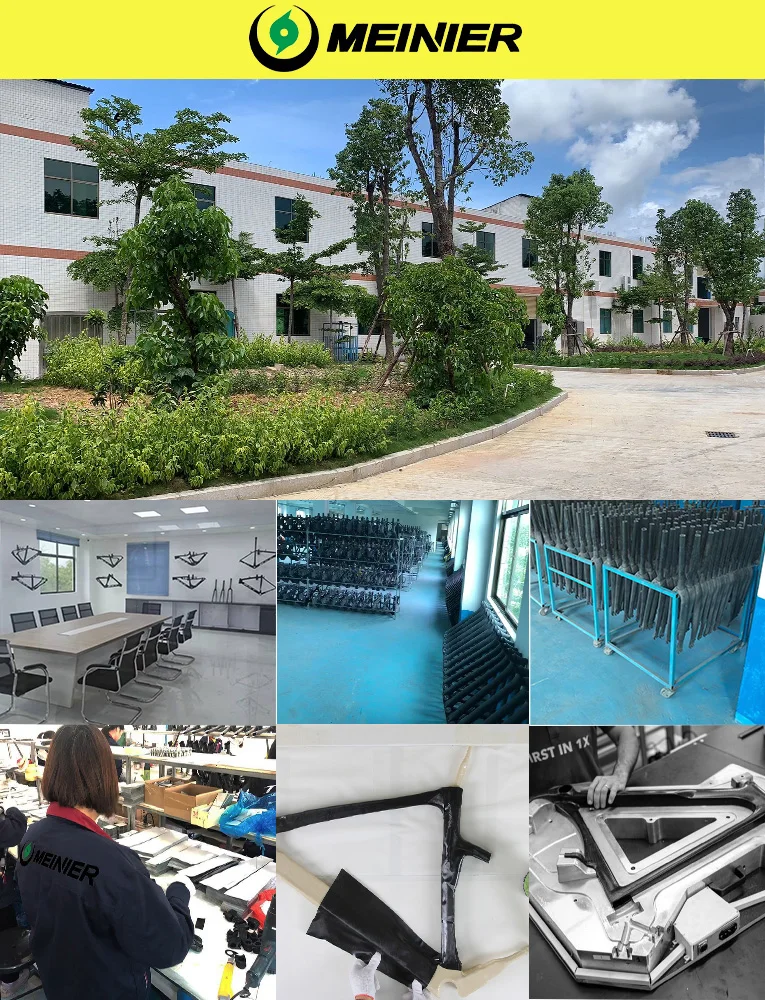
Shenzhen Menier Sports Goods Co., Ltd.
- Manufacturer, Trading Company
- Guangdong, China
- Lead time0 days
- Avg. response≤ 5h
Main productscarbon bicycle,carbon bicycle frame,carbon fork,children bikes,Folding frame
Main marketsEastern Europe(40.00%), South America(30.00%), North America(30.00%)
- Trading Company
- Jiangsu, China
- Lead time30 days
- Avg. response≤ 4h
Main productsBikes,Ebikes,Bicycle parts,Fitness equipments,Sport equipments
Main marketsNorth America(50.00%), Western Europe(15.00%), Oceania(10.00%), Eastern Europe(10.00%), Northern Europe(5.00%), South America(5.00%), Southeast Asia(3.00%), Domestic Market(2.00%)
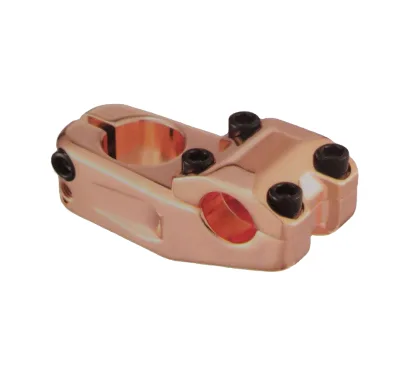
$7.50 - $8.00
MOQ: 100 pieces
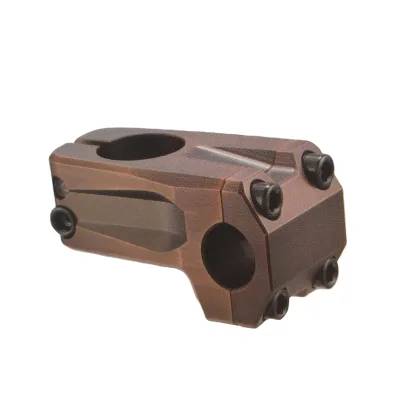
Customize Lightweight Adjustable Ultralight Bicycle Stem Folding Aluminum Alloy Bike Stems
$8.00 - $8.50
MOQ: 100 pieces
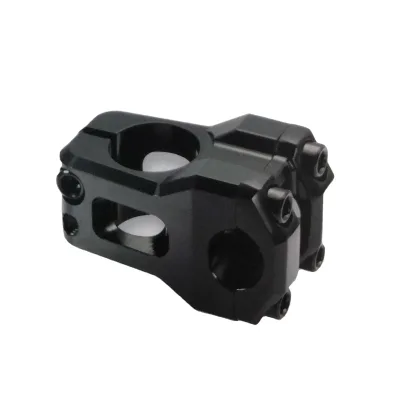
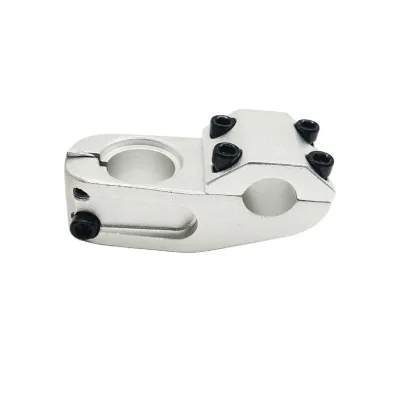
$7.50 - $8.00
MOQ: 10 pieces
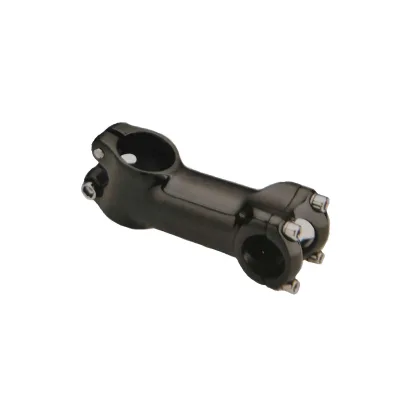
Wholesale Ultra-Light High Strength MTB Children's Mountain Bicycle Handle Aluminum Alloy Stem
$2.00 - $5.00
MOQ: 100 pieces
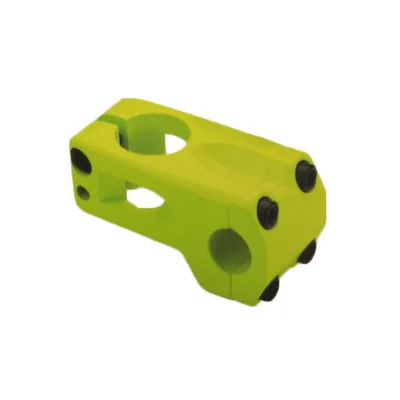
Hot Sale High Quality Alloy Bike Stem Adjustable Road City Mountain Bike Parts
$7.50 - $8.00
MOQ: 100 pieces

Dongguan Yanqing Precision Co., Ltd.
- Verified by CTI
- Trading Company
- China Guangdong
- Lead time15 days
- Avg. response≤ 3h
Main productsCNC Machined Parts, Custom Machined Parts, CNC Milled Parts, Auto Parts, Metal Medical Parts, Joints and Fasteners, Shafts, Bolts and Nuts, Fittings, CNC Turned Part
Main marketsSouth America,East Asia(Japan/ South Korea),Europe


$1.00 - $6.00
MOQ: 100 Pieces

$1.00 - $6.00
MOQ: 100 Pieces

$1.00 - $6.00
MOQ: 100 Pieces

Youngparts Short Stem Aluminum Alloy Stem Cycling Accessories Best Short Mountain Bike Stem
$1.00 - $6.00
MOQ: 100 Pieces

$1.00 - $6.00
MOQ: 100 Pieces

Ningbo Jalyn International Trading Co., Ltd.
- Trading Company,Manufacturer/Factory
- China Zhejiang
- Lead time30 days
- Avg. response≤ 17h
Main productsMotorcycle Parts, Motorcycle Accessories, Aftermarket Motorcycle Parts, ATV Parts, Bicycle Parts, Motorcycle Plastic Parts, Motorcycle Mirror, Motorcycle Handle Grips, Motorcycle Engine, Bicycle Accessories
Main marketsSouth America,Eastern Europe,North America,Eastern Asia,Oceania,Western Europe,Africa
- Trading Company
- Tianjin, China
- Lead time25 days
- Avg. response≤ 3h
Main productsBICYCLE,BICYCLE PARTS,MOTORCYCLE,MOTORCYCLE PARTS
Main marketsCentral America(50.00%), Eastern Europe(35.00%), Domestic Market(5.00%), Southern Europe(5.00%), Western Europe(5.00%)

Changzhou Luckyway Metal Technology Co., Ltd.
- Combined
- China Jiangsu
- Lead time23 days
- Avg. response≤ 5h
Main productsMotorcycle Parts, Auto Parts, Aluminum Welding Processing, CNC Machining, Bicycle Parts, Go Kart Parts, Forging Parts Processing, Die Casting Processing, Sheet Metal Fabricatiom, Lathe Processing
Main marketsEurope,Australia,North America
- Trading Company
- Jiangsu, China
- Lead time10 days
- Avg. response≤ 3h
Main productsBike shock absorber,Bike handlebar,Bike quick release,silicone rubber stopper,rubber T plug
Main marketsDomestic Market(70.00%), North America(15.00%), Western Europe(10.00%), Southeast Asia(5.00%)

Anhui Liteduro Technology Co., Ltd.
- Trading Company,Manufacturer/Factory
- China Anhui
- Lead time45 days
- Avg. response≤ 11h
Main productsBicycle Frame, Electric Bike Frame, Bike Shock, Bicycle Fork, Full Suspesion MTB Frame, Bicycle Assembly, Kids Bicycles, Mountain Bike, Wheelset, Electric Bicycle
Main marketsSouth America,Eastern Europe,Mid East,North America,Southeast Asia,Eastern Asia,Oceania,Western Europe,Africa

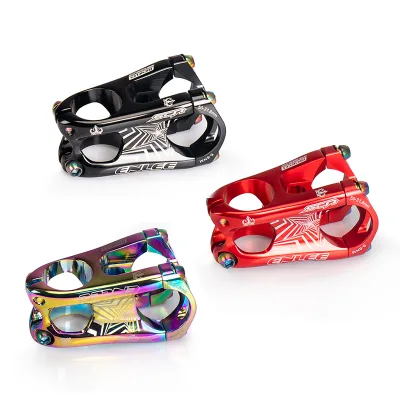
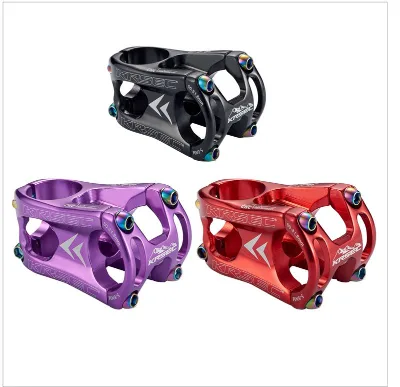
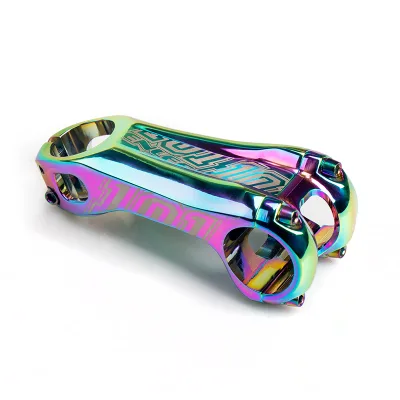
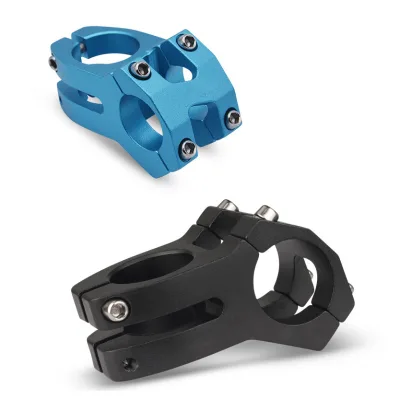
Bicycle Short Handlebar Stem DJ/Am/Fr/Dh Downhill MTB Mountain Bike Stem
$22.00 - $28.00
MOQ: 50 Pieces

Fujian Kumao E-Commerce Co., Ltd.
- Trading Company
- Fujian, China
- Lead time15 days
- Avg. response≤ 5h
Main productsBicycle Fork, Bicycle Pedal, Bicycle Crank, Bicycle Wheelset, Bicycle Handlebar
Main marketsNorth America(40.00%), Southeast Asia(25.00%), Western Europe(20.00%), South America(15.00%)










Comprehensive Sourcing Guide
Adjustable Light Weight Bicycle Stem Supplier Concentration and Factory Types
The current supplier landscape for adjustable light weight bicycle stems reveals a distinct concentration of manufacturing activity within China, specifically in the Hebei province. This regional clustering is significant for buyers seeking direct factory access, as the observed results indicate that multiple verified manufacturers are headquartered in this area. The presence of these factories suggests a mature industrial ecosystem where supply chains for aluminum and alloy components are well-established. Buyers evaluating this market should recognize that Hebei serves as a primary hub for bicycle parts production, offering logistical advantages for bulk orders. The concentration of suppliers in this specific location implies that shipping routes and freight forwarding services are likely optimized for this type of cargo, potentially reducing transit complexities. Understanding this geographic focus allows procurement teams to streamline their supplier shortlisting process by prioritizing entities with a documented presence in this known manufacturing cluster.
Beyond geography, the types of companies operating in this space vary, with a notable portion identifying as manufacturers rather than trading companies. This distinction is crucial for buyers who require direct control over production specifications and quality assurance protocols. The observed data highlights that many of these entities possess capabilities for both OEM and ODM services, indicating a flexibility in design and branding that caters to diverse market needs. Some suppliers also maintain their own brands, which can signal a level of market confidence and product maturity. However, buyers must carefully distinguish between pure manufacturers and those who may act as intermediaries, as this affects pricing structures and communication efficiency. The availability of customization options, such as color requests and specific material choices, further underscores the manufacturing-oriented nature of these suppliers. This environment supports buyers who need tailored solutions rather than off-the-shelf products, provided they can navigate the verification process effectively to ensure the supplier’s claimed capabilities match their actual production capacity.
How to Verify Adjustable Light Weight Bicycle Stem Suppliers
Verification is a critical step in mitigating risk when sourcing adjustable light weight bicycle stems from international markets. Buyers should prioritize suppliers who have undergone third-party verification processes, such as BV certification, which provides an additional layer of trust regarding the company’s legitimacy and operational standards. The presence of such verification badges on supplier profiles serves as an initial indicator of reliability, though it should not be the sole criterion for selection. It is essential to cross-reference these claims with other data points, such as the supplier’s response time and historical performance metrics. A responsive supplier, indicated by a lower response time value, often demonstrates better communication practices and a higher likelihood of resolving issues promptly. This responsiveness is particularly important when discussing technical specifications for stems, where precision in dimensions and material grades is paramount. Buyers should actively engage with potential suppliers to gauge their professionalism and technical knowledge before committing to any orders.
In addition to verification badges, buyers must scrutinize the specific product attributes and certifications listed for the adjustable light weight bicycle stems. The observed data includes references to certifications like ISOCE and standards such as ISO9001 and SGS, which are relevant for quality management and product safety. However, buyers should verify the validity and scope of these certifications directly with the issuing bodies or request updated documentation. It is also important to check if the supplier offers sample units, as indicated by some product listings, to physically assess the build quality, weight, and adjustability mechanisms. The material composition, whether aluminum or alloy, should be confirmed through detailed product specifications and, if possible, independent testing. Buyers should not rely solely on the supplier’s self-reported attributes but should seek evidence that supports these claims. This due diligence ensures that the final product meets the required performance standards and regulatory compliance for the target market, reducing the risk of receiving substandard or non-compliant goods.
What to Compare Across Adjustable Light Weight Bicycle Stem Suppliers
When evaluating multiple suppliers for adjustable light weight bicycle stems, buyers must compare key operational metrics to determine the best fit for their specific needs. Lead time is a primary factor, with observed values ranging from 15 to 30 days, depending on the supplier and order volume. Shorter lead times can be advantageous for maintaining inventory levels and responding quickly to market demands, but they may come at a higher cost. Buyers should also consider the Minimum Order Quantity (MOQ), which varies across suppliers, with some requiring as few as 500 pieces while others demand 1000 or more. This variation impacts the initial investment and inventory risk, so buyers with smaller budgets or testing phases may prefer suppliers with lower MOQs. Additionally, response time is a critical indicator of supplier reliability, with some suppliers demonstrating faster communication speeds than others. A quicker response time often correlates with better customer service and more efficient problem-solving, which is vital for complex sourcing projects.
Price is another essential dimension for comparison, with observed price ranges for stems varying significantly based on material, customization, and order volume. Buyers should analyze the price per unit in the context of the total cost of ownership, including shipping, tariffs, and potential rework costs. Some suppliers offer competitive pricing for standard models, while others may charge premiums for customized features or specific certifications. It is also important to compare the range of main products offered by each supplier, as a broader catalog may indicate a more versatile manufacturing capability. Suppliers specializing in a wide array of bicycle parts, from stems to complete bicycles, may offer better integration and consistency in quality. Buyers should also assess the customization options available, such as color, material, and branding, to ensure the supplier can meet their specific product requirements. By systematically comparing these factors, buyers can make informed decisions that balance cost, quality, and operational efficiency.
Common Adjustable Light Weight Bicycle Stem Sourcing Risks
Sourcing adjustable light weight bicycle stems from international suppliers involves several inherent risks that buyers must proactively manage. One significant risk is the discrepancy between claimed product specifications and the actual delivered goods. This can occur if the supplier misrepresents the material composition, such as claiming aluminum when the product is a lower-grade alloy, or if the weight does not match the advertised figures. Buyers should mitigate this risk by requesting detailed technical drawings and material certificates, and by conducting pre-shipment inspections or third-party testing. Another risk is the variability in quality control processes among different suppliers. Even within the same region, manufacturing standards can differ, leading to inconsistencies in product performance and durability. Buyers should establish clear quality acceptance criteria and communicate them explicitly to the supplier, ensuring that both parties have a shared understanding of the expected standards.
Communication and cultural barriers can also pose challenges, potentially leading to misunderstandings regarding design requirements or delivery schedules. Miscommunication can result in production delays or incorrect product configurations, which can be costly to rectify. Buyers should maintain clear and documented communication channels, using written confirmations for all critical agreements. Additionally, there is a risk associated with intellectual property protection, especially when working with suppliers who offer OEM services. Buyers must ensure that their designs and branding are protected through appropriate legal agreements and that the supplier adheres to confidentiality clauses. Finally, logistical risks, such as shipping delays or damage during transit, can impact the supply chain. Buyers should work with reliable freight forwarders and consider insurance for high-value shipments. By identifying and addressing these risks early in the sourcing process, buyers can build a more resilient and reliable supply chain for their adjustable light weight bicycle stems.
Adjustable Light Weight Bicycle Stem Regional Sourcing and Logistics
The regional concentration of suppliers in Hebei, China, offers distinct logistical advantages for buyers sourcing adjustable light weight bicycle stems. This area is a well-established manufacturing hub, which means that infrastructure for transporting goods is likely robust and efficient. Buyers can benefit from the availability of multiple shipping options, including sea freight for bulk orders and air freight for urgent or smaller shipments. The proximity of suppliers to major ports and logistics centers can reduce inland transportation costs and lead times. However, buyers must also consider the broader logistical implications of sourcing from this region, such as customs clearance procedures and import regulations in their home country. Understanding these requirements is essential for accurate cost estimation and timeline planning. Buyers should work with experienced freight forwarders who are familiar with the specific regulations for bicycle parts and accessories to ensure smooth transit.
Logistics planning should also account for the variability in supplier locations within the Hebei region. While many suppliers are clustered in specific cities like Xingtai, others may be located in different parts of the province. This can affect the consolidation of orders and the efficiency of collection services. Buyers who plan to source from multiple suppliers may need to coordinate logistics carefully to minimize handling and storage costs. Additionally, the seasonality of demand and production cycles can impact logistics availability. Buyers should plan their orders well in advance to secure shipping space, especially during peak seasons. The use of digital tracking tools and regular communication with logistics providers can help monitor the status of shipments and address any issues promptly. By leveraging the logistical advantages of the Hebei region while mitigating potential challenges, buyers can optimize their supply chain for adjustable light weight bicycle stems.
Adjustable Light Weight Bicycle Stem Commercial Terms and Order Planning
Commercial terms and order planning are critical components of a successful sourcing strategy for adjustable light weight bicycle stems. Buyers should negotiate clear payment terms that align with their cash flow needs and risk tolerance. Common terms include partial upfront payments with the balance due upon shipment or completion of inspection. It is important to understand the supplier’s payment policies and any associated fees or penalties for late payments or cancellations. Buyers should also clarify the Incoterms used, such as FOB or CIF, to determine who is responsible for shipping costs and insurance. This clarity helps in accurate cost calculation and risk allocation. Additionally, buyers should discuss warranty and return policies for defective products, ensuring that there is a mechanism for addressing quality issues post-delivery. These terms provide a safety net and protect the buyer’s investment.
Order planning involves forecasting demand and aligning it with supplier lead times and production capacities. Buyers should consider the MOQ requirements when planning their orders, as ordering in larger quantities may offer better pricing but increases inventory holding costs. It is advisable to start with smaller trial orders to test the supplier’s reliability and product quality before committing to larger volumes. Buyers should also plan for potential delays by maintaining a buffer stock or having alternative suppliers identified. Regular communication with the supplier regarding production status and shipment updates is essential to stay on track. By carefully managing commercial terms and order planning, buyers can ensure a smooth and efficient sourcing process for their adjustable light weight bicycle stems, minimizing disruptions and maximizing value.
FAQs
What is the price range for adjustable bicycle stems?
Adjustable bicycle stems are available at prices ranging from $0.39 to $3.00 per unit. The lowest cost options are typically basic aluminum models with a minimum order quantity of 500 pieces. Higher-priced items around $3.00 may feature steel construction or specialized designs. Buyers should verify specific pricing based on customization needs and order volume.
What materials are used for adjustable bicycle stems?
Manufacturers primarily use aluminum alloy and steel for adjustable bicycle stems. Aluminum models are favored for their lightweight properties and corrosion resistance, often weighing around 0.4kg. Steel stems provide durability and are suitable for various applications. Some products offer customization options for material selection to meet specific performance requirements or budget constraints.
What is the minimum order quantity for stems?
The minimum order quantity for adjustable bicycle stems is typically 500 pieces. Some suppliers may require a minimum of 1000 pieces for certain models or customizations. Buyers should confirm the exact MOQ with the supplier before placing an order, as requirements can vary based on product specifications and production capacity.
Where are adjustable bicycle stems manufactured?
Adjustable bicycle stems are manufactured in Hebei, China, specifically in the Xingtai region. This area is known for producing a wide range of bicycle parts and accessories. Buyers can expect products to originate from this location, which is a major hub for bicycle component manufacturing in China.
What certifications do adjustable bicycle stems have?
Adjustable bicycle stems may carry ISOCE certification and comply with ISO9001 and SGS standards. These certifications indicate adherence to quality management systems and product safety requirements. Buyers should verify specific certification details with the supplier, as not all products may display the same credentials. Customized products may have different certification requirements.
What is the lead time for stem orders?
The lead time for adjustable bicycle stems ranges from 15 to 30 days. This duration depends on the supplier's production schedule and order volume. Buyers should confirm the exact lead time with the supplier before placing an order, as it can vary based on customization needs and current production capacity.
Can adjustable bicycle stems be customized?
Yes, adjustable bicycle stems can be customized in terms of color, material, and design. Suppliers offer OEM and ODM services to meet specific buyer requirements. Customization options include color requests, material selection, and design modifications. Buyers should discuss their specific needs with the supplier to ensure the customized product meets their expectations.