USB 4G WiFi Modem Suppliers and Manufacturers in Guangdong
Compare 23 verified suppliers of USB 4G WiFi Modem based on location, lead time, response time, and certifications. Review product specs like frequency bands and interface types to select the right vendor for your needs; review the available evidence before requesting comparable quotations from suitable candidates.
Updated
Suppliers List
Shenzhen Expand Electronic Co., Ltd.
- Trading Company
- Guangdong, China
- Lead time8 days
- Avg. response≤ 12h
Main products5G Mobile Wifi CPE Router,4G Mobile Wifi CPE Router,4G 5G CPE Router,wireless adapter usb wifi,usb wifi adapter USB Wireless Adapter
Main marketsNorth America(40.00%), South America(20.00%), Western Europe(10.00%), Mid East(10.00%), Africa(10.00%), Eastern Europe(10.00%)
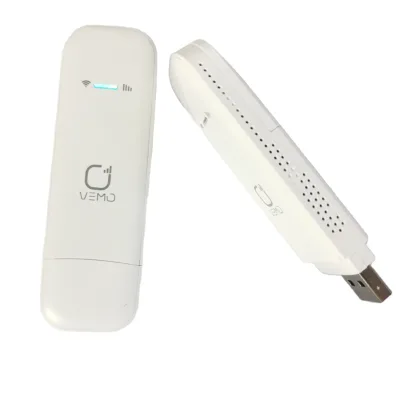
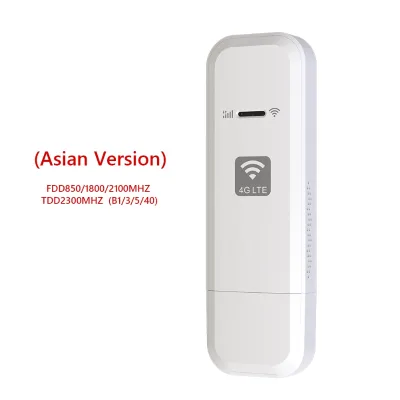
LDW931 4G Router 4G Dongle Portable WiFi Wireless LTE USB Modem Dongle Nano SIM Card Pocket Hotspot
$13.8897 - $15.4337
MOQ: 10 pieces
Shenzhen Kakakele Technology Limited
- Manufacturer, Trading Company
- Guangdong, China
- Lead time2 days
- Avg. response≤ 4h
Main productsGas Leakage Alarm,Smart Watch,Bluetooth Headphone,Smart Phone,Bluetooth Speaker
Main marketsNorth America(30.00%), Western Europe(15.00%), South America(10.00%), Oceania(10.00%), Central America(10.00%), Eastern Asia(5.00%), Northern Europe(5.00%), Southeast Asia(5.00%), Africa(3.00%), Southern Europe(2.00%), Mid East(2.00%), Eastern Europe(2.00%), South Asia(1.00%)
Shenzhen Danone Xintong Electronic Co., Ltd.
- Verified by Intertek
- Manufacturer, Trading Company
- Lead time7 days
- Avg. response≤ 2h
Main products4G Router, 5G Router, UPS, Signal Booster
Main marketsAfrica(40%), South America(15%), North America(5%)
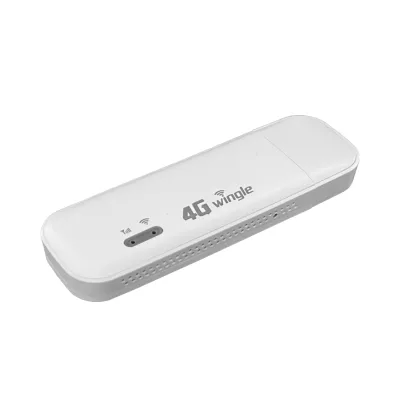
$12.8404 - $14.4069
MOQ: 100 pieces
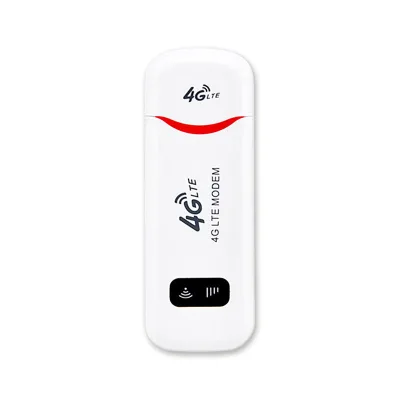
$5.00 - $7.88
MOQ: 1 pieces
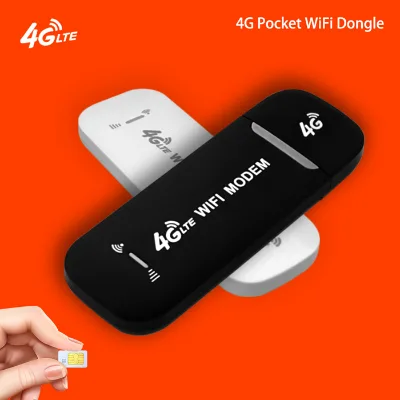
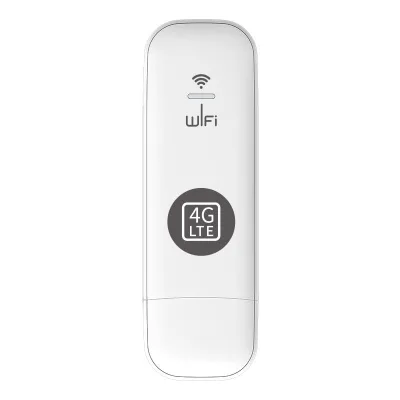
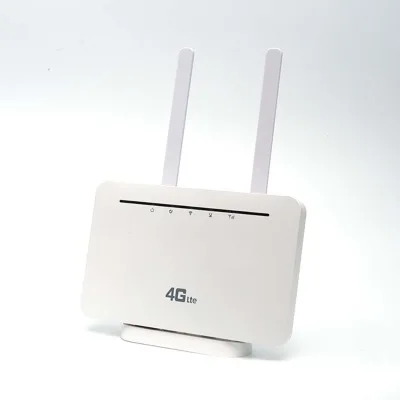

- Trading Company
- Guangdong, China
- Lead time3 days
- Avg. response≤ 3h
Main productsModem,Router,Security Product
Main marketsSouthern Europe(12.50%), Northern Europe(12.50%), Central America(12.50%), Western Europe(12.50%), Africa(12.50%), Eastern Europe(12.50%), South America(12.50%), North America(12.50%)

Shenzhen Ex-link Technology Co., Ltd.
- Verified by BV
- Trading Company
- China Guangdong
- Lead time15 days
- Avg. response≤ 10h
Main productsOutdoor Router, Indoor Router, WiFi Router, 3G/4G/5g Gateway, 4G CPE, 5g CPE, Modem, 5g Idu, 5g Portable Router, 4G Portable Router
Main marketsSouth America,Africa,Southeast Asia/ Mideast,Europe,Australia,North America
Shenzhen Qishun Technology Co., Ltd.
- Manufacturer, Trading Company, Distributor/Wholesaler, Other
- Lead time旺季: "1 - 5":7,"6 - 500":10,"> 500":"To be negotiated", 淡季: "1 - 5":7,"6 - 500":10,"> 500":"To be negotiated"
- Avg. response≤ 5h
Main products5G/4G Mobile Wifi,5G/4G CPE router,5G/4G USB Dongle,Wireless Router,Wireless USB Adapter
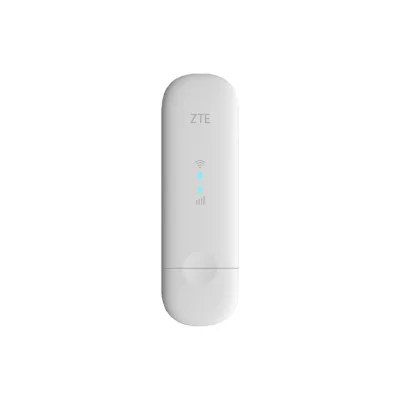
ZTE MF79 150Mbps Wireless Wifi Usb Dongle MF 79U 4G Router Wireless Modem
$20.7072 - $22.4086
MOQ: 5 pieces
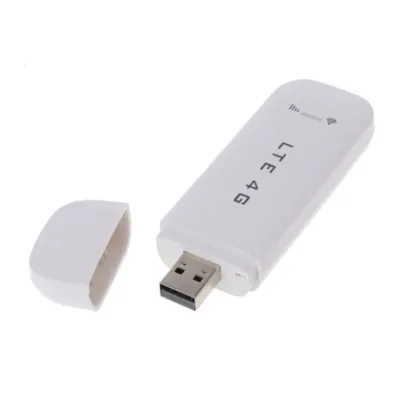
4G Usb Dongle 4g Lte Wireless Router with Sim Card Modem
$23.00 - $28.00
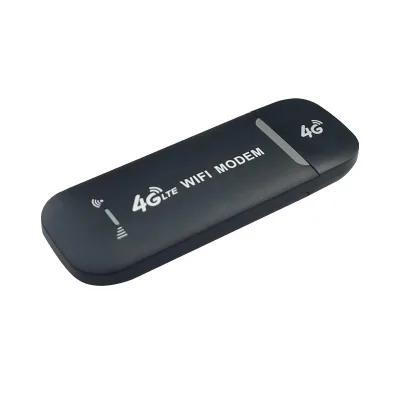
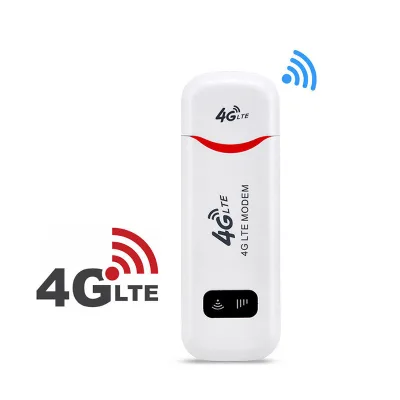
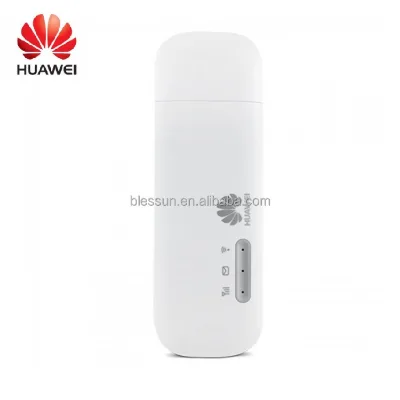
LTE Universal 4G USB MODEM WIFI Mobile 4g E8372h-820/153 Unlocked HW E8372 150Mbps Modem Wingle
$38.4898 - $46.8123
MOQ: 20 pieces
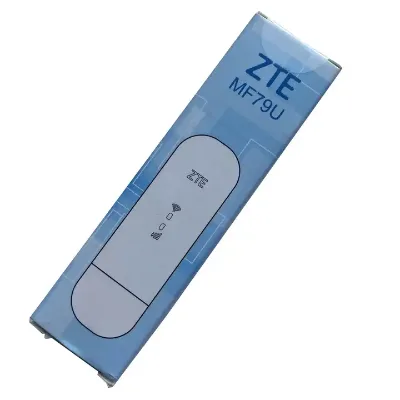
Wholesale 4G USB Modem ZTE MF79 ZTE MINI WIFI-4G MF79U
$18.00 - $19.50

Shenzhen E-Lins Communication Co., Limited
- Manufacturer/Factory
- China Guangdong
- Lead time15 days
- Avg. response≤ 1h
Main products5g Router, 4G Router, LTE Router, 5g Modem, 4G Modem, Swtich, Gateay, Controller, GSM Cellular Devices
Main marketsSouth America,Eastern Europe,Mid East,North America,Southeast Asia,Eastern Asia,Oceania,Western Europe,Africa


802.11ax Supported WiFi 6 Internet Modem Prices with High Performance LTE 5G
$68.00 - $212.00
MOQ: 1 Sets

4G LTE WiFi Modem Router with WiFi Serial Ports TR-069 SNMP Remote Management
$68.00 - $80.00
MOQ: 1 Sets
- Manufacturer, Trading Company
- Hong Kong S.A.R.
- Lead time0 days
- Avg. response≤ 2h
Main products4g router,pocket wifi,5g sim router,wifi dongle
Main marketsAfrica(62.00%), Southeast Asia(12.00%), Eastern Asia(5.00%), Mid East(4.00%), Eastern Europe(3.00%), Southern Europe(3.00%), Northern Europe(2.00%), South America(2.00%), North America(2.00%), Western Europe(2.00%), Central America(1.00%), Domestic Market(1.00%), South Asia(1.00%)
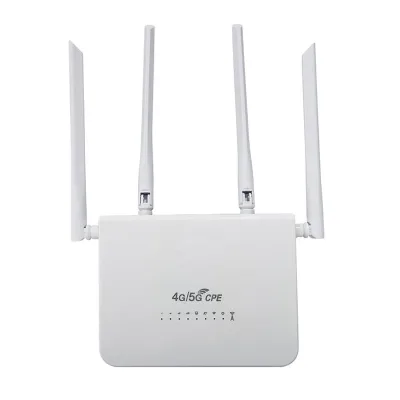
Low Price Router WiFi 300mbps 2.4ghz 5dbi WiFi Router English Software Router 4G SIM Card 4G Modem
$20.00 - $23.00
MOQ: 1 pieces
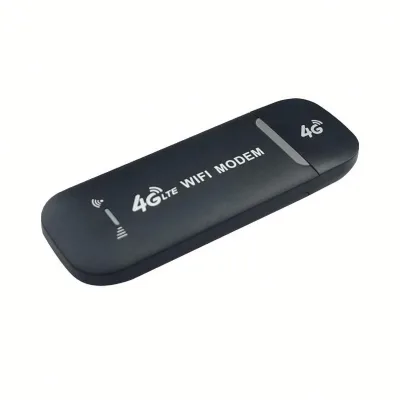
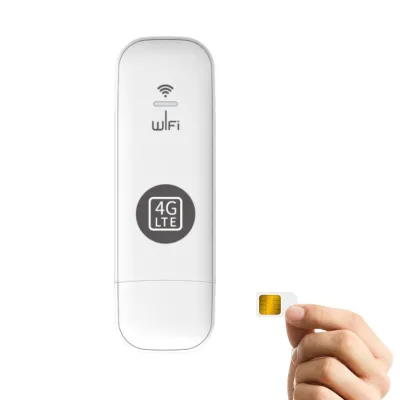
High Speed 150Mbps Wireless Mobile Hotspot 4G Dongle 4G LTE WiFi Router With SIM Card Slot USB Modem
$13.00 - $16.00
MOQ: 1 pieces
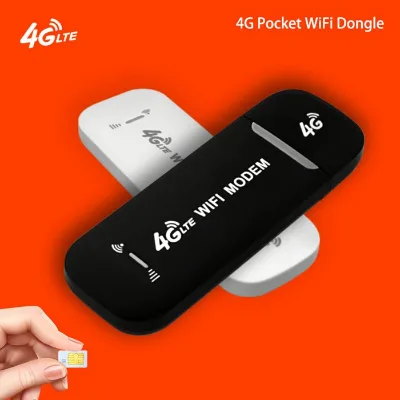
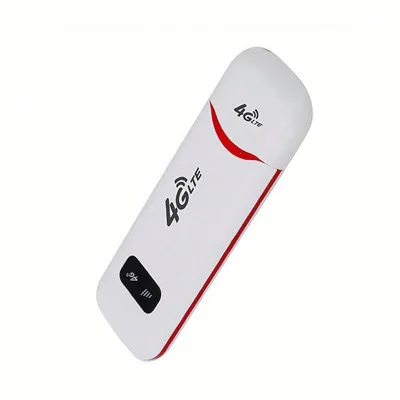
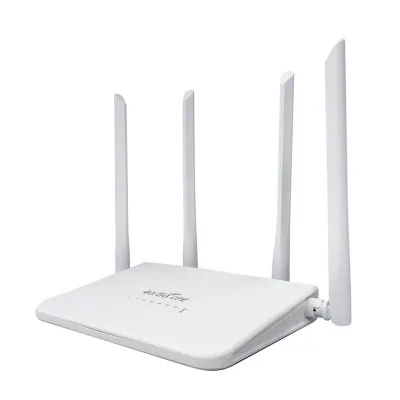
Industrial 4g Router Gsm Ethernet WiFi Router Lte Wireless Modem WiFi Router Modem 4g Lte Sim Card
$20.00 - $23.00
MOQ: 1 pieces
Shenzhen Gnetop Technology Co., Ltd.
- Trading Company
- Guangdong, China
- Lead time10 days
- Avg. response≤ 8h
Main products4G Wireless Router,5G Wireless Router,4G Dongle,5G MIFI
Main marketsMid East(50.00%), North America(15.00%), South America(15.00%), Southeast Asia(10.00%), Western Europe(5.00%), Africa(5.00%)
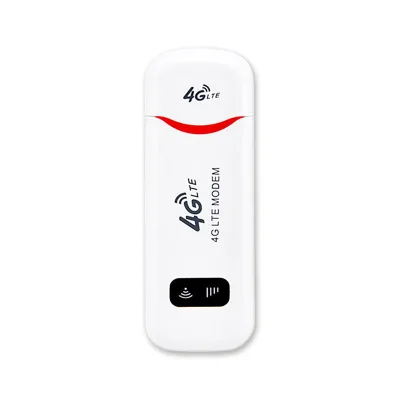
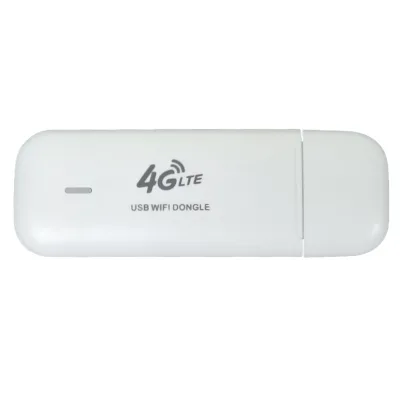
$19.418 - $23.5088
MOQ: 20 pieces
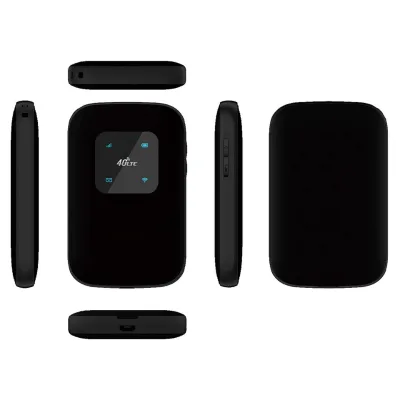
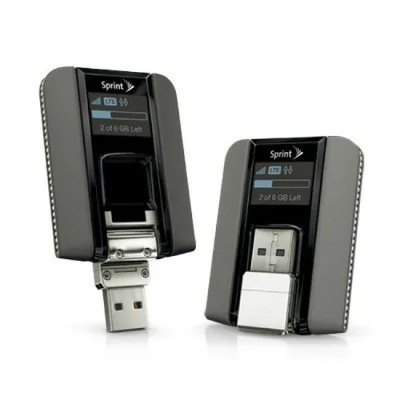
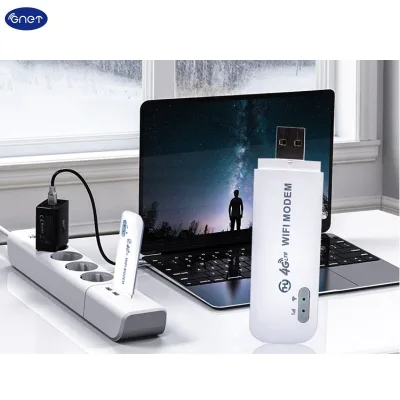
340U 4G LTE AirCard USB Unlocked GSM Mobile Broadband Modem Qual Comm Style
$50.00 - $59.00
MOQ: 1 pieces

Yihua Communication (Huizhou) Co., Ltd.
- Verified by SGS
- Trading Company,Manufacturer/Factory,Other
- China Guangdong
- Lead time60 days
- Avg. response≤ 7h
Main products5g CPE Router, 4G CPE Router, 5g Mobile WiFi, 4G Mobile WiFi, WiFi Router, Wireless Router, WiFi Modem, USB Modem, LTE Module, LTE Fwa
Main marketsSouth America,Eastern Europe,Mid East,North America,Southeast Asia,Eastern Asia,Oceania,Western Europe,Africa

High-Speed 4G WiFi Router CPE Modem with SIM Slot Wireless Connectivity
$14.70 - $15.50
MOQ: 1000 Pieces


Shenzhen Hooolink Technology Co., Limited
- Manufacturer
- Guangdong, China
- Lead time7 days
- Avg. response≤ 6h
Main productsopenwrt router,4G/5G MIFI,4G/5G router,ONU,wireless usb adapter
Main marketsEastern Europe(25.00%), North America(15.00%), South America(15.00%), Domestic Market(10.00%)
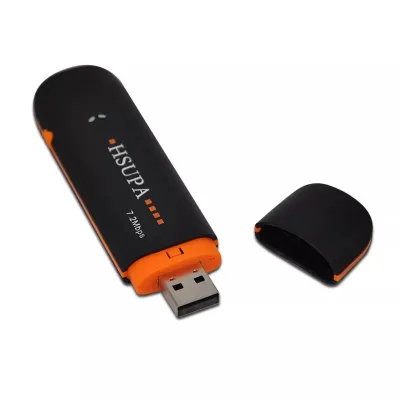
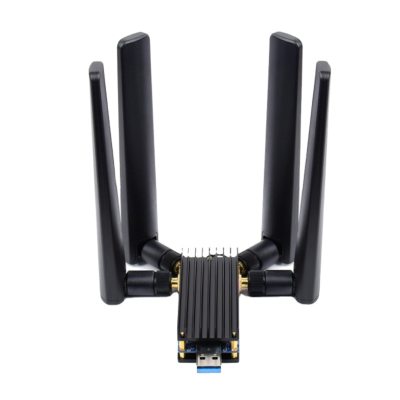
3G USB Dongle HSDPA 3G USB Network Card 3G USB Modem
$4.58 - $4.90
- Trading Company
- Lead time旺季: "1 - 2":31,"3 - 10":32,"11 - 100":36,"> 100":"To be negotiated", 淡季: "1 - 2":31,"3 - 10":32,"11 - 100":36,"> 100":"To be negotiated"
- Avg. response≤ 4h
Main productstv stick,tv box,ups,antenna,bms
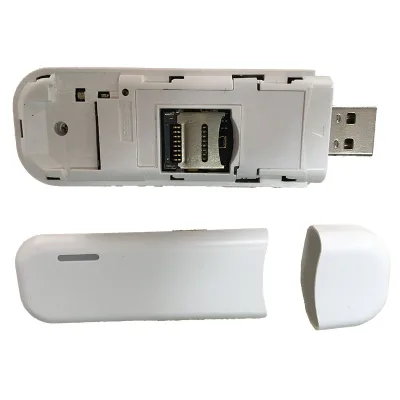
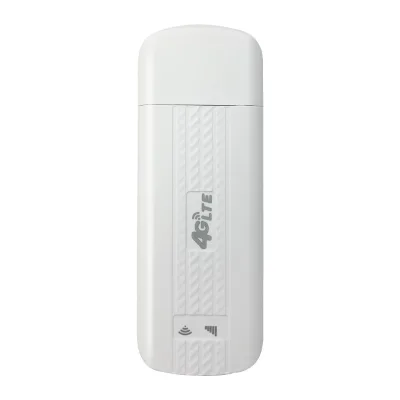
Unlocked 4G Wifi Network Card 150Mbps 4G USB Modem Mini Portable 4G Wireless Dongle
$9.2144 - $11.181
MOQ: 2 pieces
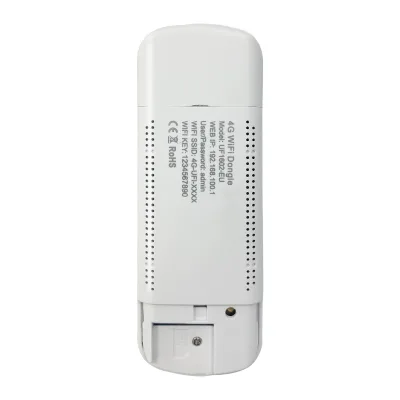
3G 4G LTE 5G USB Modem Sim Card Wireless 150Mbps Mini Ufi Dongle 4G WiFi Dongle
$9.1319 - $11.0821
MOQ: 2 pieces
Shenzhen Harvilon Technology Co., Ltd.
- Manufacturer, Trading Company
- Guangdong, China
- Lead time10 days
- Avg. response≤ 2h
Main products4G Dongle,4G CPE Router,4G Mifi,5G Mifi,5G CPE Router
Main marketsSouth America(15.00%), Mid East(12.00%), Southern Europe(10.00%), Africa(10.00%), Southeast Asia(10.00%), North America(10.00%), Northern Europe(5.00%), South Asia(5.00%), Western Europe(5.00%), Domestic Market(5.00%), Eastern Europe(5.00%), Central America(3.00%), Oceania(3.00%), Eastern Asia(2.00%)

Shenzhen Newlotus Technology Ltd
- Verified by BV
- Trading Company,Manufacturer/Factory,Group Corporation
- China Guangdong
- Lead time23 days
- Avg. response≤ 8h
Main productsSignal Booster, WiFi Signal Booster, Mobile Signal Booster, Wireless Signal Repeater, Esim Mifi Router, 4G CPE Router, Mesh System Solution for Whole Home Router, 4G Mifi Router, 4G CPE Outdoor Router, OEM&ODM Esim Mifi Router
Main marketsSouth America,Eastern Europe,Mid East,North America,Southeast Asia,Eastern Asia,Oceania,Western Europe,Africa

Outdoor USB Dongle 3G 4G LTE WiFi Router with SIM Card Slot Wireless Hotspot Modem Signal Share
$19.00 - $22.00
MOQ: 1000 Pieces

High Speed 150Mbps 3G USB Dongle Unlocked 4G LTE Wireless Hotspot Modem SIM WiFi Router
$19.00 - $22.00
MOQ: 1000 Pieces


OEM 3G 4G LTE USB Modem Dongle High Speed 150Mbps SIM Card 2.4G WiFi Router
$19.00 - $22.00
MOQ: 1000 Pieces

High Speed 3G Wireless USB Dongle 4G LTE Modem WiFi Router with SIM Card Portable Hotspot
$19.00 - $22.00
MOQ: 1000 Pieces

3G 4G LTE Wireless Hotspot Modem 2.4G&5g Portable SIM Card WiFi Router
$32.00 - $38.00
MOQ: 1000 Pieces

Shenzhen Yun Da Tong Technology Co., Ltd.
- Manufacturer, Trading Company, Distributor/Wholesaler
- Guangdong, China
- Lead time3 days
- Avg. response≤ 4h
Main productsWIFI CPE,gsm gprs modem,M2M modem,dtu,Router
Main marketsSoutheast Asia(18.00%), South America(13.00%), North America(10.00%), Mid East(10.00%), Domestic Market(7.00%), Southern Europe(5.00%), Northern Europe(5.00%), Africa(5.00%), Western Europe(5.00%), Eastern Asia(5.00%), Eastern Europe(5.00%), Oceania(5.00%), South Asia(4.00%), Central America(3.00%)

Dongguan Bowen Electronic Technology Limited
- Trading Company
- Dongguan, China
- Lead time0 days
- Avg. response≤ 2h
Main productsToys&Hobbies,Educational Toys,Puzzle & Games,Blocks&Model Building Toys,Remote Control Toys
Main marketsNorth America(25.00%), South America(20.00%), Eastern Europe(10.00%), Western Europe(8.00%), Central America(8.00%), Northern Europe(6.00%), Southern Europe(5.00%), Southeast Asia(5.00%), Eastern Asia(4.00%), Africa(3.00%), Mid East(3.00%), Oceania(2.00%), South Asia(1.00%)

- Trading Company
- China Guangdong
- Lead time15 days
- Avg. response≤ 18h
Main productsCustom Battery Packs, Electric Bike Battery, LiFePO4 Battery Packs, LiFePO4 Battery Cells, Custom Polymer Battery, Cylindrical Battery Cells, Gpon ONU, Xpon Ont, Gpon Olt, Fiber Opitic Equipment
Main marketsDomestic


5g Mobile Hotspot Modem 5g Wireless WiFi Hotspot Router with SIM Card Slot
$75.00 - $85.00
MOQ: 1 Pieces

Professional Router LTE SIM Card WiFi Router Wireless Hotspot 3G 4G Router
$18.00 - $26.00
MOQ: 1 Pieces
Xiamen Four-Faith Communication Technology Co., Ltd.
- Manufacturer, Trading Company
- Fujian, China
- Lead time3 days
- Avg. response≤ 3h
Main productsIndustrial Router,Data Transmission Unit,Lora Module,Zigbee Module,Industrial Personal Computer
Main marketsDomestic Market(30.00%), Western Europe(10.00%), Oceania(9.00%), Southeast Asia(7.00%), Eastern Asia(6.00%), North America(6.00%), Northern Europe(6.00%), South America(6.00%), Mid East(5.00%), Africa(5.00%), Central America(4.00%), Eastern Europe(4.00%), South Asia(2.00%)
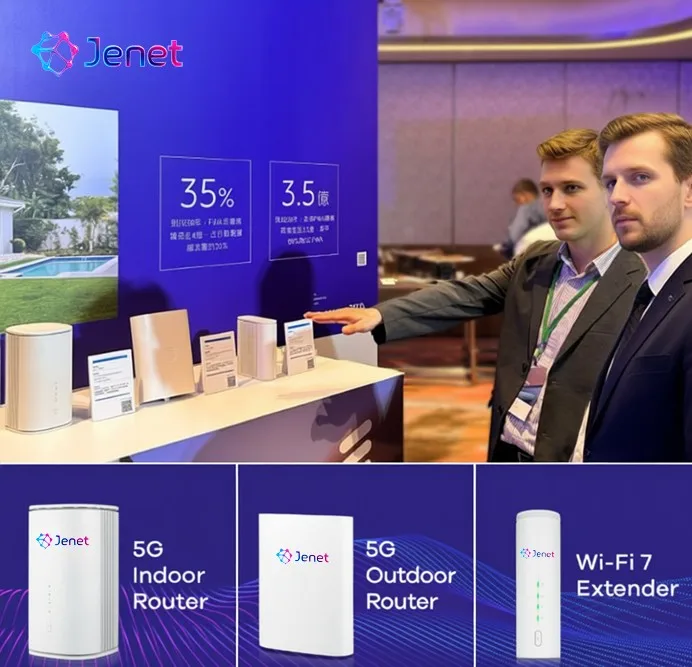
Hunan Jenet Communications Equipment Co., Ltd.
- Trading Company
- Hunan, China
- Lead time7 days
- Avg. response≤ 7h
Main products4G CPE Router,4G MIFI Router,4G WIFI Router,5G CPE Router,5G MIFI Router
Main marketsMid East(25.00%), North America(15.00%), South America(10.00%), Southeast Asia(10.00%), Africa(8.00%), Eastern Asia(5.00%), Oceania(5.00%), Eastern Europe(5.00%), Southern Europe(4.00%), Northern Europe(4.00%), Central America(4.00%), Western Europe(4.00%), South Asia(1.00%)
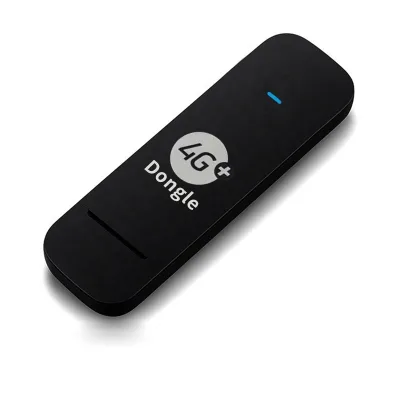
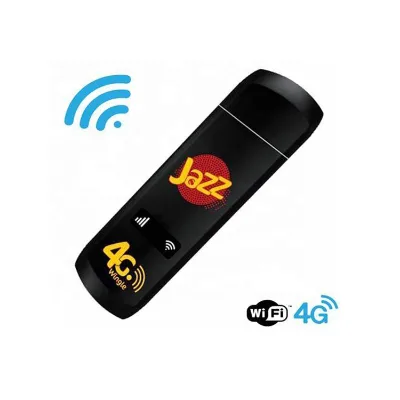
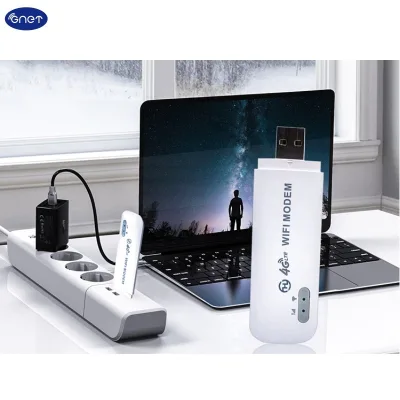
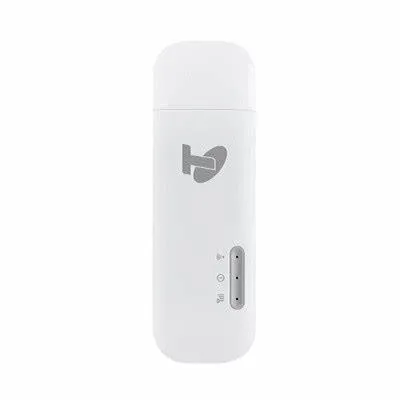
Hot SellingUSB Dongle E8372-608 Wifi Modem 4G USB Dongle
$32.00 - $38.00
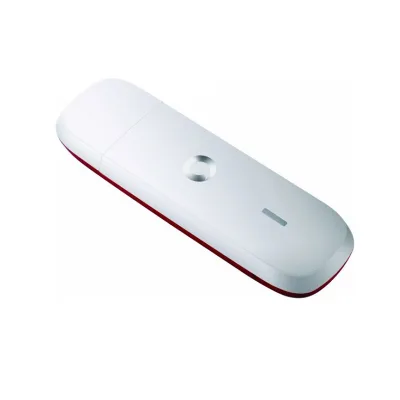
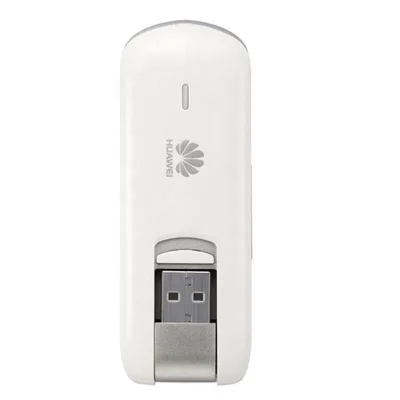
$29.9815 - $31.0143
MOQ: 1 pieces
Hunan Hualai Technology Co., Ltd.
- Trading Company
- Hunan, China
- Lead time0 days
- Avg. response≤ 8h
Main productswireless module,antenna,IC componets,resistor,battery
Main marketsNorthern Europe(10.00%), Western Europe(10.00%), Eastern Asia(10.00%), Southern Europe(10.00%), Oceania(10.00%), Africa(10.00%), Eastern Europe(10.00%), South America(10.00%), North America(10.00%), South Asia(5.00%), Mid East(5.00%)

Nanjing Yoongwin Technology Co., Ltd.
- Verified by SGS
- Combined
- China Jiangsu
- Lead time23 days
- Avg. response≤ 8h
Main productsUPS, Fusion Splicer, Communication Antenna, Solar Security Camera, Wireless Bridge, Gateway, Ap, Microwave Components, Server, Satellite Terminal Equipment
Main marketsDomestic

Xiamen Bivocom Technologies Co., Ltd.
- Manufacturer
- Fujian, China
- Lead time3 days
- Avg. response≤ 1h
Main productsIndustrial Cellular Modem,Industrial Cellular Router,Industrial Cellular Gateway,Industrial Cellular RTU,5G IoT Gateways
Main marketsDomestic Market(38.00%), Oceania(8.00%), Eastern Asia(8.00%), South America(6.00%), Central America(6.00%), Southeast Asia(6.00%), South Asia(5.00%), Eastern Europe(5.00%), Mid East(5.00%), Africa(4.00%), Western Europe(3.00%), Northern Europe(2.00%), North America(2.00%), Southern Europe(2.00%)
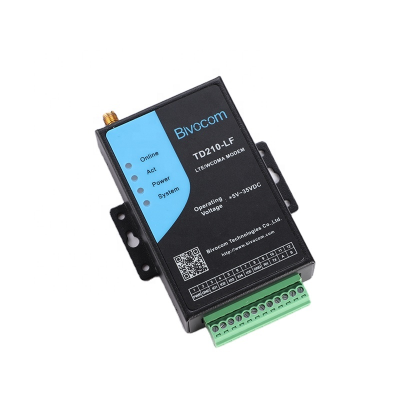
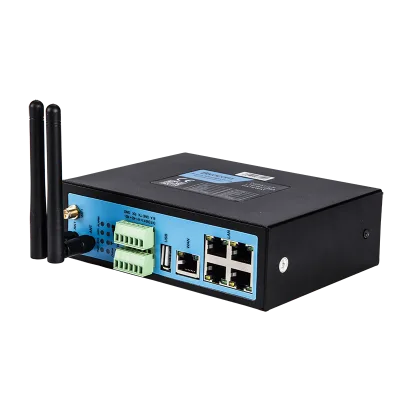
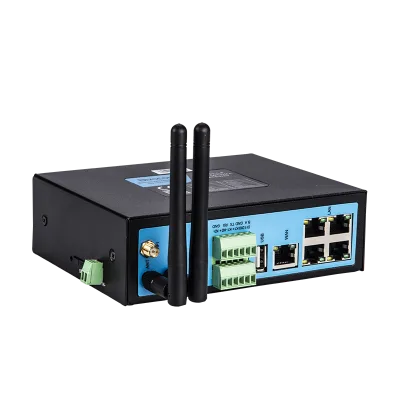
M2M load balancing router with dual sim 4g wifi modem 12v wireless hotspot gateway
$143.7406 - $308.013
MOQ: 1 Minimum

Shen Zhen Coexistence Electronics Co.,Ltd
- Trading Company
- Guangdong, China
- Lead time5 days
- Avg. response≤ 5h
Main productsWiFi Router, WiFi Internet Radio, WiFi Moudle, WiFi Repeater, Wall AP
Main marketsEastern Asia(90.00%), Eastern Europe(10.00%)
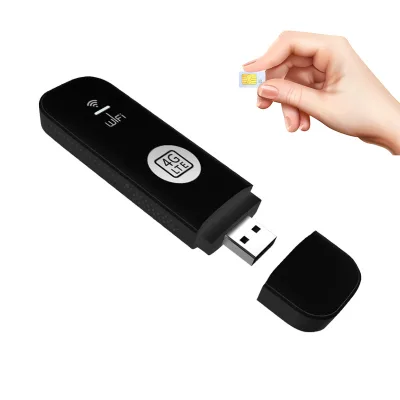
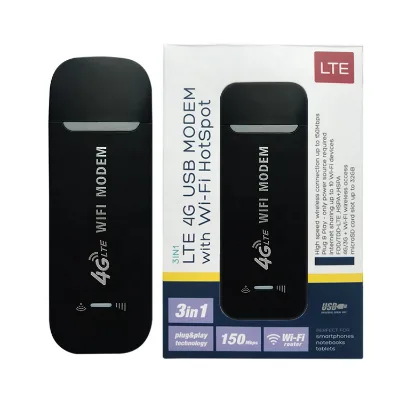
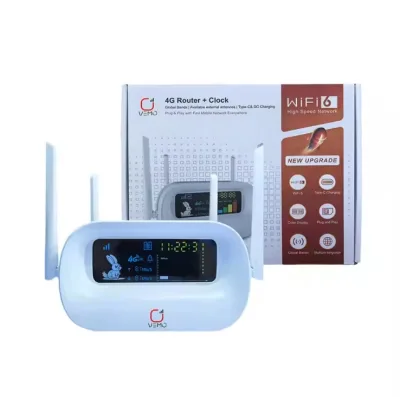
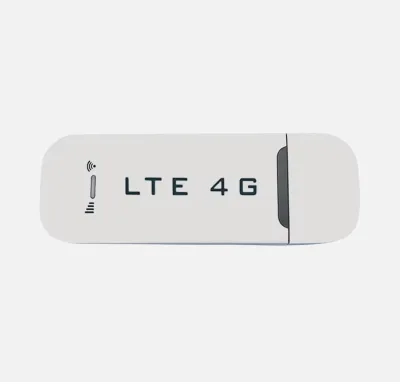


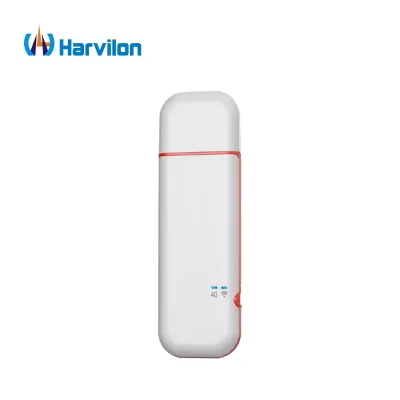
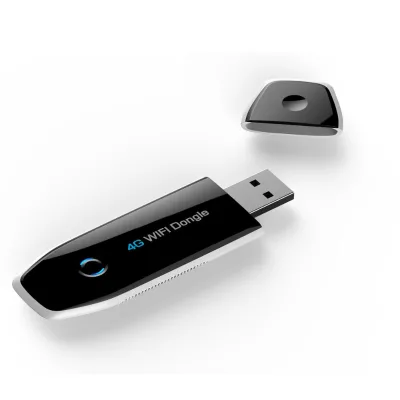
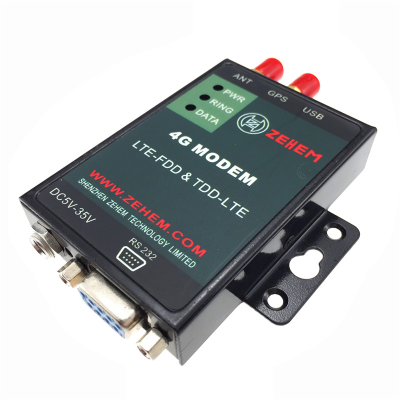
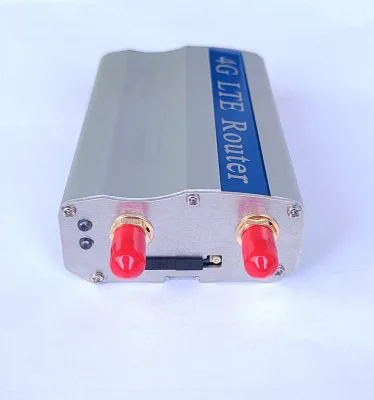


Comprehensive Sourcing Guide
USB 4G WiFi Modem Supplier Concentration and Factory Types
The current supplier landscape for USB 4G WiFi modems reveals a distinct concentration of manufacturing and trading entities within Guangdong, China. This regional clustering is significant because it indicates a mature supply chain ecosystem where component sourcing, assembly, and logistics are highly optimized. Buyers evaluating these suppliers will find that the majority of results originate from this specific province, which serves as a global hub for consumer electronics and computer hardware. The presence of suppliers in this location suggests that lead times and shipping logistics may be more predictable compared to sourcing from less established industrial zones. When assessing potential partners, it is crucial to recognize that this geographic concentration does not automatically guarantee quality or competitive pricing, but it does provide a baseline for understanding the operational context of these vendors. The density of suppliers in Guangdong often correlates with faster response times and a higher volume of available stock, as seen in the product attributes indicating "Stock" status for several items.
Within this regional cluster, the supplier types vary between pure trading companies and combined manufacturer-trading entities. Some suppliers identify themselves solely as trading companies, which may imply a focus on sales, customer service, and aggregation of products from various factories. Others list their company type as both Manufacturer and Trading Company, suggesting they have direct control over production lines while also handling export logistics. This distinction is vital for buyers who need to determine whether they are dealing with the source of production or an intermediary. The main products listed by these suppliers often extend beyond USB modems to include related items like 5G CPE routers, wireless adapters, and even broader consumer electronics such as smart watches and Bluetooth headphones. This diversification can indicate the supplier’s capacity to handle multiple product lines, but it also requires buyers to verify if the specific USB 4G WiFi Modem is a core competency or a secondary offering. Understanding this factory type helps in negotiating better terms and ensuring that technical support aligns with the supplier’s actual capabilities.
How to Verify USB 4G WiFi Modem Suppliers
Verifying the legitimacy and capability of USB 4G WiFi Modem suppliers requires a careful examination of their certifications and system credentials. One key indicator found in the current results is the Declaration of Conformity, which serves as a baseline assurance that the products meet certain regulatory standards. However, buyers should not rely solely on this document; it is essential to cross-reference it with specific product certifications like CE and RoHS, which are explicitly listed for certain models such as the U6-G LTE 4G USB Modem. These certifications are critical for ensuring that the devices are safe for consumer use and compliant with international environmental and safety regulations. Buyers should request copies of these certificates and verify their validity through the issuing bodies. Additionally, the presence of OEM branding options suggests that suppliers are willing to customize products, which often requires a higher level of operational maturity and quality control. Verifying the ability to provide private molds, as indicated by some product attributes, further confirms the supplier’s manufacturing depth.
Beyond certifications, buyers must assess the supplier’s responsiveness and operational reliability through their stated response times and lead times. The data shows a range of response times, with some suppliers responding within 4 hours and others taking up to 12 hours. A faster response time often correlates with better customer service and quicker resolution of pre-sales inquiries, which is crucial for maintaining smooth communication during the sourcing process. Similarly, lead times vary, with some suppliers offering a lead time of just 2 days, while others indicate 8 days. These figures should be treated as estimates and confirmed directly with the supplier, as actual production and shipping times can fluctuate based on order volume and stock availability. Buyers should also check the product status, such as whether items are listed as "Stock" or "New," to gauge immediate availability. By combining verification of certifications with an analysis of operational metrics like response speed and lead time, buyers can build a more comprehensive profile of each supplier’s reliability and suitability for their specific needs.
What to Compare Across USB 4G WiFi Modem Suppliers
When comparing suppliers, buyers should focus on key commercial and operational dimensions such as price, minimum order quantity (MOQ), and product specifications. The price range for USB 4G WiFi modems in the current results varies, with some models priced between $11.99 and $13.29, while others range from $13.89 to $15.50. These price differences may reflect variations in chipset quality, supported frequency bands, or included features like warranty coverage. Buyers should not assume that the lowest price is always the best option; instead, they should evaluate the cost against the specific technical requirements of their target market. For instance, some modems support specific FDD bands like B1/B3/B5/B7/B8/B20/B28, which are crucial for compatibility with certain regional networks. The MOQ is another critical factor, with some suppliers requiring a minimum order of 10 units. This low MOQ can be advantageous for buyers testing the market or fulfilling small-scale orders, while higher MOQs might offer better unit pricing for bulk purchases.
In addition to price and MOQ, buyers should compare the technical attributes and warranty terms offered by different suppliers. Product attributes such as interface type, weight, and package size can impact logistics and user experience. For example, some modems have a single gross weight of 0.06 kg, while others weigh up to 0.200 kg, which affects shipping costs. Warranty terms also vary, with some suppliers offering a one-year warranty and others providing no explicit warranty information. Buyers should prioritize suppliers that offer clear warranty policies and after-sales support, as this reduces long-term risk. Furthermore, the brand name attribute, which is often listed as OEM, indicates that suppliers are open to white-labeling, which is important for buyers who want to brand the products themselves. By systematically comparing these dimensions, buyers can identify suppliers that offer the best balance of cost, quality, and service for their specific business model.
Common USB 4G WiFi Modem Sourcing Risks
One significant risk in sourcing USB 4G WiFi modems is the potential mismatch between advertised specifications and actual product performance. Buyers must be cautious of suppliers who list broad frequency band support without specifying regional compatibility. For example, a modem supporting B1/B3/B5 bands may not function optimally in regions requiring B7 or B20 bands. This discrepancy can lead to customer dissatisfaction and returns if the product is not suitable for the intended market. Additionally, the interface type and SIM card support are critical details that must be verified. Some modems support SIM cards but do not include them, which can be a hidden cost for buyers who need to source SIM cards separately. Buyers should also be wary of suppliers who do not provide clear information about the chipset, as this component determines the modem’s speed and stability. The presence of a Qualcomm 9600 chipset, for instance, is a specific detail that buyers should look for to ensure reliable performance.
Another risk is the variability in supplier reliability and after-sales support. While some suppliers offer warranties and have fast response times, others may lack these assurances. Buyers should be prepared for potential delays in communication or production, especially if they are dealing with trading companies that may not have direct control over manufacturing. The lead time of 2 to 8 days is a range that buyers must manage carefully, as it can impact inventory planning. Furthermore, the lack of standardized certifications across all suppliers poses a compliance risk. Buyers must ensure that the products they source meet the regulatory requirements of their target markets, such as CE and RoHS for Europe. Failure to verify these certifications can result in customs delays or legal issues. By anticipating these risks and conducting thorough due diligence, buyers can mitigate potential problems and ensure a smoother sourcing process.
USB 4G WiFi Modem Regional Sourcing and Logistics
Sourcing USB 4G WiFi modems from Guangdong, China, offers logistical advantages due to the region’s well-developed infrastructure and proximity to major shipping ports. The concentration of suppliers in this area facilitates efficient consolidation of goods, which can reduce shipping costs and lead times. Buyers should consider the impact of regional logistics on their overall supply chain strategy. For instance, the single package size of some modems, such as 10X5X15 cm, allows for compact and cost-effective packaging. This is particularly beneficial for buyers who need to ship large quantities without incurring excessive volumetric weight charges. Additionally, the weight of the products, ranging from 0.06 kg to 0.200 kg, further influences shipping costs. Buyers should calculate the total landed cost, including freight, insurance, and duties, to determine the true profitability of their orders.
However, buyers must also be aware of potential logistical challenges, such as customs clearance and regulatory compliance in their home countries. Different regions have varying import regulations for electronic devices, and buyers must ensure that their suppliers provide the necessary documentation to facilitate smooth customs processing. The presence of certifications like CE and RoHS can help in this regard, as they demonstrate compliance with international standards. Buyers should also consider the impact of seasonal fluctuations on shipping times, especially during peak periods like holidays or major shopping events. By planning ahead and working with suppliers who have experience in international logistics, buyers can minimize disruptions and ensure timely delivery of their products. Understanding the regional logistics landscape is essential for optimizing the supply chain and maintaining competitive pricing.
USB 4G WiFi Modem Commercial Terms and Order Planning
Effective order planning for USB 4G WiFi modems requires a clear understanding of commercial terms, including payment methods, pricing structures, and inventory management. Buyers should negotiate favorable payment terms, such as partial upfront payments or escrow services, to protect their interests. The MOQ of 10 units for some suppliers allows for flexible ordering, enabling buyers to start with small quantities and scale up as demand grows. This approach reduces the risk of overstocking and allows for better cash flow management. Buyers should also consider the price ranges, which vary from $11.99 to $15.50, and negotiate based on volume discounts. Establishing a long-term relationship with a supplier can lead to better pricing and priority treatment during peak demand periods.
Inventory management is another critical aspect of order planning. Buyers should monitor the product status, such as "Stock" or "New," to ensure timely availability. Suppliers with a lead time of 2 days offer greater flexibility for urgent orders, while those with an 8-day lead time require more advanced planning. Buyers should also consider the warranty terms, as a one-year warranty provides peace of mind and reduces the risk of losses due to product defects. By aligning their order planning with the supplier’s capabilities and commercial terms, buyers can optimize their supply chain and ensure consistent product availability. Regular communication with suppliers and periodic reviews of performance metrics can help maintain a healthy and efficient sourcing relationship.
FAQs
What is the typical lead time for 4G USB WiFi modems?
Suppliers in Guangdong, China typically offer a lead time of 8 days for standard orders. Some manufacturers with faster production lines can deliver within 2 days. Buyers should confirm specific timelines with the supplier before placing bulk orders to ensure timely delivery for their projects.
What is the minimum order quantity for these devices?
The minimum order quantity is generally set at 10 units for most 4G USB WiFi modems. This low MOQ allows buyers to test market demand with minimal initial investment. Always verify the exact MOQ with the supplier, as it may vary based on customization requirements or stock availability.
How quickly do suppliers respond to inquiries?
Response times vary, with some suppliers replying within 4 hours and others taking up to 12 hours. Faster response times often indicate a more active sales team. Buyers should prioritize suppliers with shorter response times to ensure efficient communication throughout the sourcing and negotiation process.
Are these modems available with OEM branding?
Yes, many suppliers offer OEM branding options for their 4G USB WiFi modems. This allows buyers to customize the device with their own brand name and logo. Private molds are also available for certain models, providing a unique product identity for specific market segments or enterprise clients.
What certifications do these modems typically hold?
Common certifications include CE and RoHS, ensuring compliance with European safety and environmental standards. Some suppliers also provide a Declaration of Conformity. Buyers should request specific certification documents to verify that the products meet the regulatory requirements of their target markets before finalizing any purchase agreements.
What is the price range for 4G USB WiFi modems?
Prices typically range from approximately $11.99 to $15.50 per unit. The exact cost depends on the model, features, and order quantity. Buyers can find competitive pricing for standard models, while specialized versions with specific frequency bands or higher data rates may command a premium price.