Source Windows Machine Vision Software for Inspection, Measurement, and Calibration
Explore 30 listings for Windows Machine Vision Software featuring models like Kepler Pro and DolphinCV. Buyers can compare features such as image processing, calibration, and defect detection across suppliers in China; compare the available evidence and request quotations based on your requirements.
Updated
Key considerations
Products List

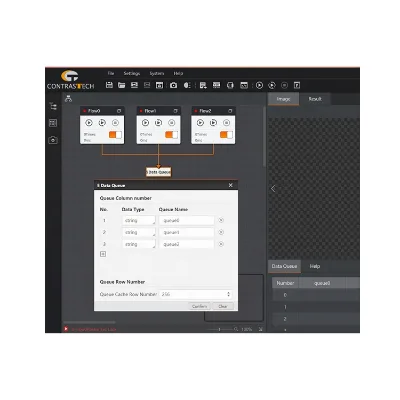
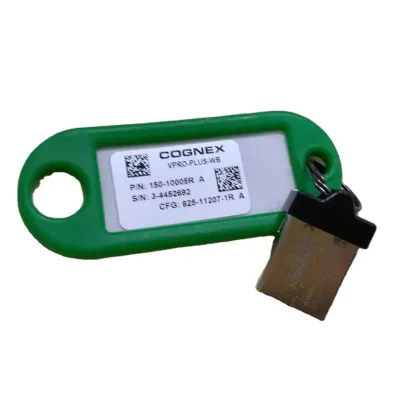
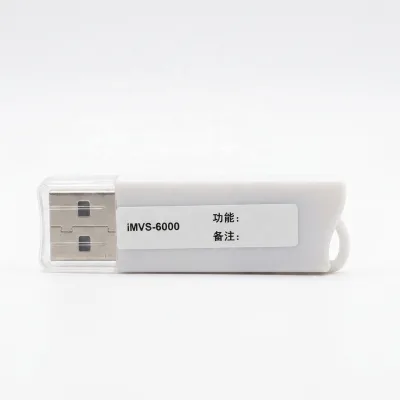
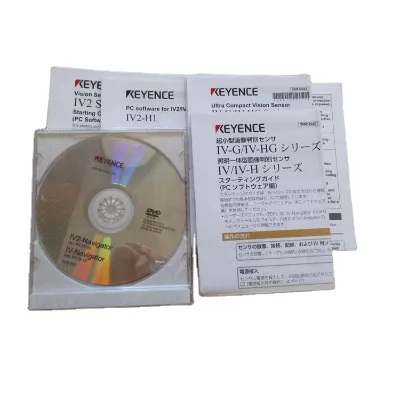

Custom Deep Learning Machine Vision Inspection Solutions for Quality Control
$50000.00 - $80000.00
MOQ: 1 Sets


Advanced Nut Automated Optical Inspection System for Quality Assurance
$20000.00 - $100000.00
MOQ: 1 Pieces

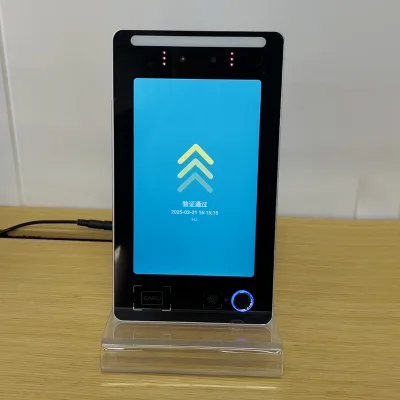


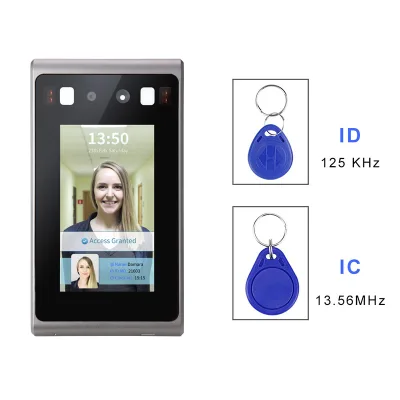





Comprehensive Sourcing Guide
Windows Machine Vision Software Sourcing Guide
Procuring machine vision software for Windows environments requires a disciplined approach to aligning technical capabilities with specific industrial inspection needs. Buyers must evaluate how well the software integrates with existing hardware ecosystems, particularly focusing on compatibility with standard Windows operating systems and peripheral devices. The decision process should prioritize solutions that offer robust image processing operators, such as affine transformations and binarization, which are critical for accurate defect detection and measurement in automated lines.
Beyond basic compatibility, sourcing teams need to assess the depth of calibration and counterpoint features available within the software suite. Effective machine vision systems rely on precise point calibration and distortion correction to ensure consistent performance across varying lighting and positional conditions. Buyers should verify that the selected software supports both trial and official versions, allowing for thorough testing before committing to a full-scale deployment, thereby mitigating the risk of integration failures in complex manufacturing environments.
Product Scope and Observed Listing Signals
The current market for Windows-based machine vision software includes a diverse range of offerings, from specialized trial versions to comprehensive official releases. Listings often highlight specific model numbers such as Kepler Pro P6 or P7, indicating distinct feature sets tailored for different levels of complexity and throughput. Buyers should observe that some products are marketed as trial versions, which can serve as valuable tools for initial validation, while others are positioned as complete, branded solutions ready for immediate industrial deployment.
Observed listing signals also reveal variations in packaging and physical attributes, even for digital or semi-digital software products. Some entries include specific package dimensions and gross weights, suggesting bundled hardware or physical media components alongside the software license. This physical aspect can impact logistics and inventory management, requiring procurement teams to account for shipping methods like DHL or FedEx when evaluating total landed costs and delivery timelines for these specialized technical assets.
Technical Specifications to Verify
When evaluating technical specifications, buyers must prioritize the supported operating systems to ensure seamless deployment within their existing IT infrastructure. The majority of relevant software solutions explicitly support Windows, with some advanced packages also offering Linux compatibility for hybrid environments. Verification of operating system support is the foundational step, as incompatibility can lead to significant integration delays and additional licensing costs for alternative platforms that may not be required for the specific application.
Image processing capabilities represent another critical technical dimension that requires rigorous verification. Buyers should confirm the presence of essential operators such as image morphing, filtering, and polar unwarping, which are necessary for handling complex visual data. Additionally, the availability of calibration operators, including N-point calibration and distortion correction, ensures that the software can maintain high accuracy in measurement and defect detection tasks, which are paramount for quality control in precision manufacturing settings.
Compliance and Safety Documentation
While machine vision software is primarily a digital tool, compliance and safety documentation remain essential for ensuring operational integrity and regulatory adherence. Buyers should request detailed documentation regarding software licensing agreements, data privacy policies, and intellectual property rights, especially when dealing with proprietary algorithms or customized versions of the software. These documents protect the buyer from legal risks and ensure that the software can be legally deployed and maintained within the organization’s operational framework.
Furthermore, technical support documentation is a crucial component of the compliance and safety ecosystem for industrial software. Buyers must verify the availability of free technical support and clear guidelines for troubleshooting and maintenance. Access to comprehensive support resources ensures that any technical issues can be resolved promptly, minimizing downtime and maintaining the continuity of production lines. This support structure is vital for long-term reliability and should be explicitly confirmed before finalizing any procurement decision.
Cost Drivers and Commercial Terms
Cost drivers for Windows Machine Vision Software are influenced by several factors, including the version type, feature set, and level of customization required. Trial versions may offer lower initial costs or free access for evaluation purposes, while official or network versions typically involve higher licensing fees that reflect the full suite of capabilities and ongoing support. Buyers should carefully analyze the pricing structure to determine whether a one-time purchase or a subscription model better aligns with their budgetary constraints and long-term strategic goals.
Commercial terms also encompass shipping methods and packaging requirements, which can impact the total cost of acquisition. Even for software-centric products, physical components or bundled hardware may incur shipping costs via carriers like UPS, FedEx, or TNT. Buyers should negotiate clear terms regarding delivery timelines, return policies, and warranty coverage to ensure that the financial investment is protected. Understanding these commercial nuances helps in creating a more accurate total cost of ownership model for the procurement project.
Supplier Qualification and Quality Control
Supplier qualification is a critical step in ensuring the reliability and authenticity of the machine vision software being procured. Buyers should verify that suppliers are authorized distributors or direct manufacturers, as indicated by claims of "100% Original 100% Brand" products. This verification helps mitigate the risk of receiving counterfeit or pirated software, which can compromise system security and performance. Establishing a clear chain of custody and verifying supplier credentials are essential practices for maintaining supply chain integrity.
Quality control measures should extend beyond the initial purchase to include ongoing performance monitoring and support evaluation. Buyers should assess the supplier’s ability to provide consistent updates, bug fixes, and technical assistance throughout the software’s lifecycle. Additionally, verifying the supplier’s location and operational history can provide insights into their reliability and responsiveness. A qualified supplier should demonstrate a commitment to quality through transparent communication and a proven track record of successful deployments in similar industrial applications.
Long-Term Procurement Checks
Long-term procurement checks involve establishing a framework for continuous evaluation and optimization of the machine vision software investment. Buyers should implement regular audits of software performance, user feedback, and system integration stability to identify areas for improvement or potential upgrades. This proactive approach ensures that the software continues to meet evolving production requirements and technological advancements, preventing obsolescence and maximizing the return on investment over time.
Additionally, maintaining strong relationships with suppliers and staying informed about industry trends can provide valuable insights for future procurement decisions. Buyers should monitor developments in image processing technologies, calibration methods, and operating system compatibility to anticipate future needs. By fostering a culture of continuous improvement and strategic sourcing, organizations can ensure that their machine vision systems remain competitive, efficient, and aligned with their broader operational objectives in the long run.
FAQs
What operating systems are supported by the Kepler Pro P6 software?
The Kepler Pro P6 software supports both Linux and Windows operating systems. This dual compatibility allows developers to integrate machine vision capabilities into diverse industrial environments. Users can deploy the solution on standard PC hardware running Windows or on Linux-based embedded systems, ensuring flexibility for various automation setups and development workflows.
Can I get a trial version of the Kepler Pro software?
Yes, a trial version of the Kepler Pro software is available for evaluation. This allows potential buyers to test core functionalities like image processing and calibration before committing to a purchase. The trial facilitates technical assessment and helps verify compatibility with existing hardware and software ecosystems in industrial applications.
What image processing operators are included in the software?
The software includes operators for image morph, binarization, filtering, and polar unwarping. It also supports affine transformation, image fixture, and image correction. These tools enable comprehensive analysis and manipulation of visual data, supporting tasks such as defect detection, measurement, and precise location identification in automated inspection systems.
What calibration features does the machine vision software provide?
The software provides N-point calibration, point calibration, and calib transformation. It also includes distortion calibration and image correction capabilities. These features ensure accurate spatial mapping and measurement, which are critical for high-precision industrial applications requiring reliable alignment between camera coordinates and real-world physical dimensions.
Is OEM service available for this machine vision software?
Yes, OEM services are available for this machine vision software. This allows manufacturers to integrate the software into their own branded products or custom solutions. The availability of OEM support facilitates deeper customization and seamless integration into specific industrial automation workflows, enhancing the value proposition for end-users and system integrators.
What is the origin of the Kepler Pro software?
The Kepler Pro software originates from Zhejiang, China. This location indicates the manufacturing and development base for the product. Buyers sourcing from this region can leverage established supply chains and technical support networks, ensuring reliable delivery and access to specialized engineering resources for implementation and troubleshooting.