Portable Mini Pocket Label Printer Suppliers and Manufacturers
Compare 23 verified Portable Mini Pocket Label Printer suppliers in China Zhejiang, Hunan, and Fujian. Review lead times, MOQs, certifications, and prices before contacting factories for samples or bulk orders; review the available evidence before requesting comparable quotations from suitable candidates.
Updated
Suppliers List

- Verified by SGS
- Trading Company
- China Zhejiang
- Lead time30 days
- Avg. response≤ 4h
Main productsHome Storage & Organization, Travel Bag Cooler Bag Cosmetic Bag
Main marketsNorth America

Hunan Pon Information Technology Co., Ltd.
- Trading Company
- Hunan, China
- Lead time7 days
- Avg. response≤ 2h
Main productsFiber optic equipments,OTDR,Fusion Splicer,OLT,Desk Socket
Main marketsSouth America(20.00%), North America(20.00%), Southern Europe(10.00%), Western Europe(10.00%), Southeast Asia(10.00%), Eastern Europe(10.00%), South Asia(5.00%), Mid East(5.00%), Northern Europe(5.00%), Africa(5.00%)
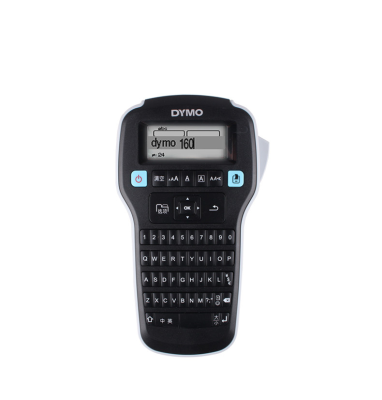
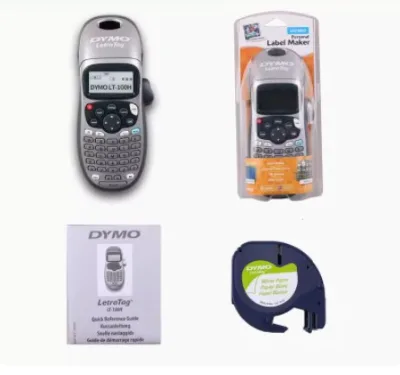
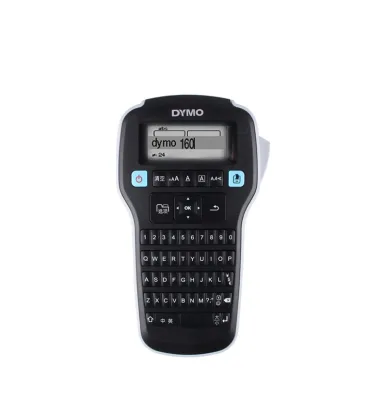
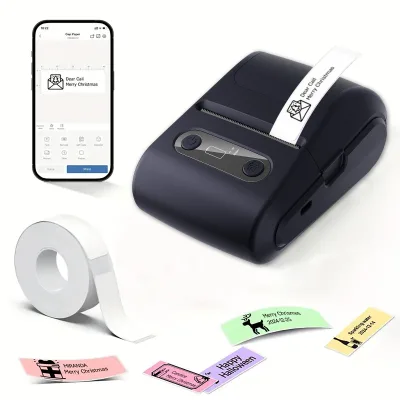
Good price tag label printer portable handheld thermal cable label sticker printer
$25.9162 - $36.2833
MOQ: 1 Minimum
Xiamen Lujiang Technology Co., Ltd.
- Verified by SGS Group
- Manufacturer, Trading Company
- Lead time30 days
- Avg. response≤ 2h
Main productsMini Pocket Printer, Label Printer, Tattoo Printer, A4 Printer, AI Printer
Main marketsWestern Europe(70%), Domestic Market(20%), North America(10%)
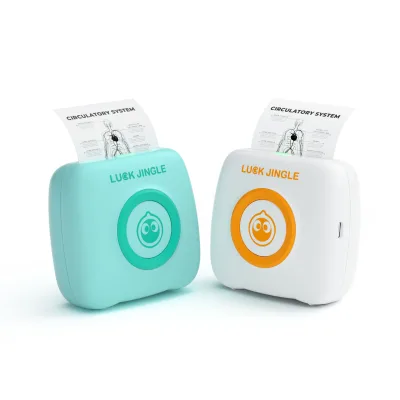
$11.14 - $12.57
MOQ: 2 pieces
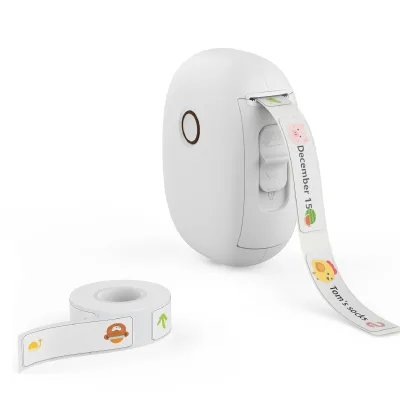
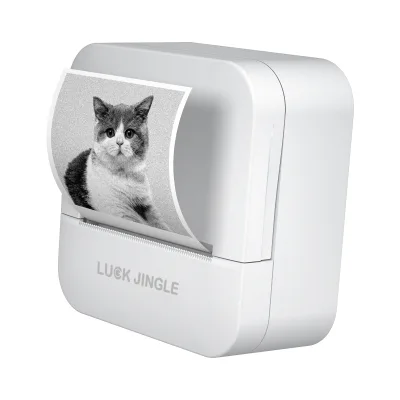

Ultra-clear Printer Small Portable Printing Label Mini-pocket Ink-free Photo Thermal Printer
$7.71 - $9.00
MOQ: 2 pieces
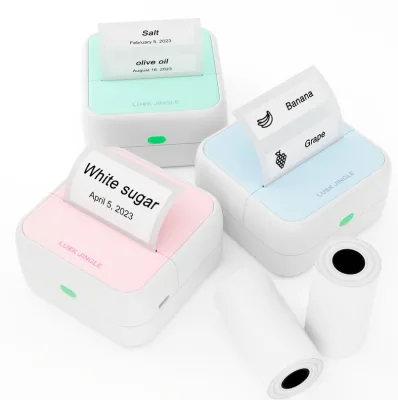
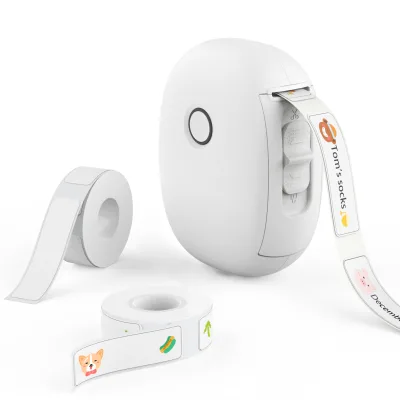
Mini Printer with Inkless Bluetooth Connection, Note Printing, Label Printing Printer No Reviews yet
$7.86 - $8.43
MOQ: 2 pieces

Xiamen Orange Sun Electronic Technology Co., Ltd.
- Verified by SGS
- Combined
- China Fujian
- Lead time15 days
- Avg. response≤ 3h
Main marketsDomestic


New Mini Thermal Pocket Mobile Printer Portable Printer Android Mini Thermal Wireless Printer
$10.00 - $12.00
MOQ: 100 Pieces


Jinjiang Jiayi Supply Chain Management Co., Ltd.
- Verified by BV
- Trading Company
- China Fujian
- Lead time30 days
- Avg. response≤ 2h
Main productsGift, Shoe, Garment, Machine
Main marketsDomestic
Hangzhou Kaima Signage Co., Ltd.
- Verified by TüVRheinland
- Manufacturer, Trading Company
- Lead time7 days
- Avg. response≤ 3h
Main productsWire Number Printer, Cable Marker Ribbon, Automatic Wire Machine, Wire Mark Machine Ribbon, Crimping Machine
Main marketsDomestic Market(30%), Southeast Asia(20%), North America(15%)

Shenzhen Edoo-Iot Technology Co., Ltd.
- Verified by SGS
- Combined
- China Guangdong
- Lead time15 days
- Avg. response≤ 1h
Main productsPDA, Barcode Scanner, Printer, Cash Register, Handheld Barcode Scanners, Wireless Barcode Scanners, Barcode Scan Engine, Desktop Scanner, POS System, POS
Main marketsSouth America,Africa,Southeast Asia/ Mideast,East Asia(Japan/ South Korea),Domestic,Europe,Australia,North America

WILLITA INK JET TECHNOLOGY(WUHAN) CO.,LTD.
- Verified by SGS
- Combined
- China Hubei
- Lead time15 days
- Avg. response≤ 4h
Main productsInkjet Printer, Laser Marking Machine, Tij Inkjet Printer, Industrial Inkjet Printer, Inkjet Printer Inks, Handheld Inkjet Printer, Wall Printer
Main marketsSouth America,Africa,Southeast Asia/ Mideast,East Asia(Japan/ South Korea),Europe,Australia,North America
Chongqing Greensun Smart Card Co., Ltd.
- Trading Company
- Chongqing, China
- Lead time5 days
- Avg. response≤ 2h
Main productssmart card,card counting machine,card counter,card reader,card printer
Main marketsDomestic Market(60.00%), Southeast Asia(30.00%), South Asia(10.00%)

Beijing Spirit Technology Development Co., Ltd.
- Verified by SGS
- Combined
- China Beijing
- Lead time15 days
- Avg. response≤ 7h
Main marketsSouth America,Africa,Others(foreignTradeCapacity.exportBusinessCapacityMarketOther),Europe,North America

Factory Mini Portable Printer Handheld For Mobile Phone Mini Sticker Printer Mobile Printer
$35.00 - $44.00
MOQ: 20 Pieces

Low Cost Mini Pocket Printer Wireless Portable Printer for Stickers Tickets and Labels
$35.00 - $44.00
MOQ: 20 Pieces
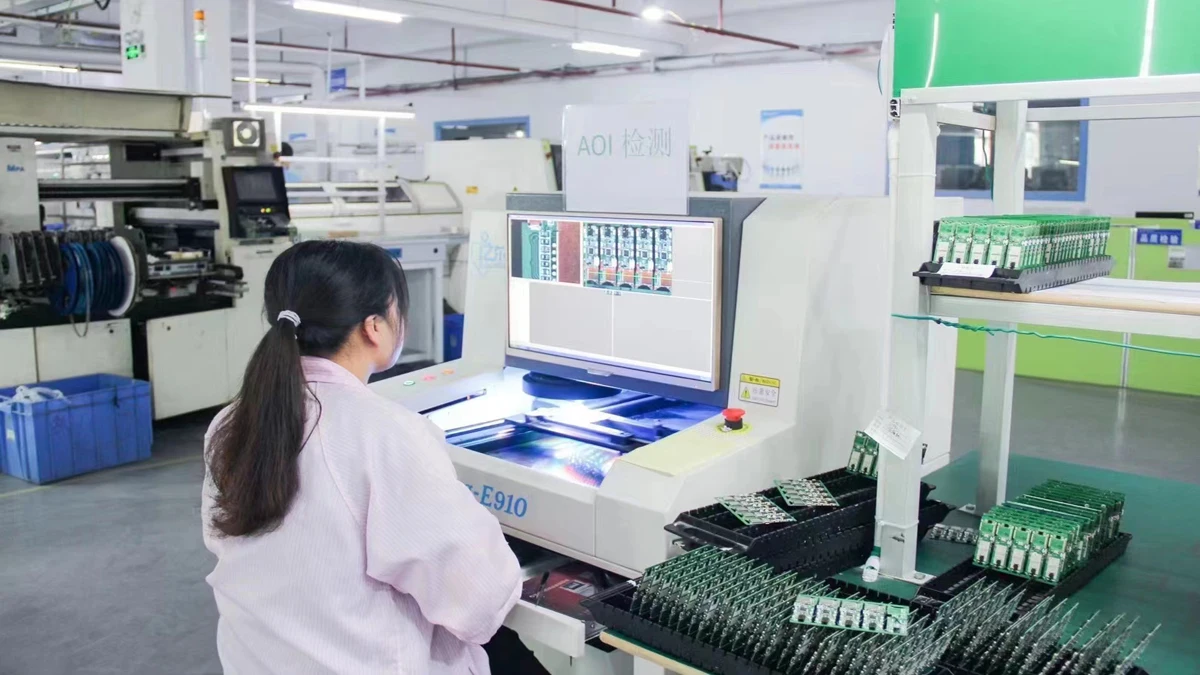
Shenzhen Beixingchen Technology Co., Ltd.
- Manufacturer, Trading Company, Distributor/Wholesaler
- Guangdong, China
- Lead time30 days
- Avg. response≤ 2h
Main productsMini printer,smart plug,smart spearker,wireless charger,phone holder
Main marketsSouth America(40.00%), Mid East(20.00%), Northern Europe(10.00%), Southeast Asia(10.00%), North America(10.00%), Eastern Europe(10.00%)

- Verified by BV
- Trading Company,Manufacturer/Factory,Other
- China Guangdong
- Lead time15 days
- Avg. response≤ 4h
Main productsPOS System, POS Terminal, Thermal Printer, Label Printer, Barcode Scanner, Cash Drawer, PDA, Customer Display, Money Counter, Coin Sorter
Main marketsSouth America,Eastern Europe,Mid East,North America,Southeast Asia,Eastern Asia,Oceania,Western Europe,Africa

Mini Portable Handheld Printer 3 Inch Bluetooth Thermal Label Receipt Printer
$39.00 - $42.00
MOQ: 1 Pieces

Brand New Handheld Pocket Wireless Mini Portable Thermal Label Printer with CE FCC
$2.00 - $29.90
MOQ: 2 Pieces

Mini Thermal Printer Portable Label Print Printer for Shipping Stickers and Barcodes
$43.00 - $55.00
MOQ: 2 Pieces

- Manufacturer/Factory
- China Beijing
- Lead time15 days
- Avg. response≤ 3h
Main productsWireless Calling System, Nurse Calling System, Mini Fan, Networking Products, Intercom System
Main marketsSouth America,Eastern Europe,Mid East,North America,Southeast Asia,Eastern Asia,Oceania,Western Europe,Africa
Shenzhen Huayu Electronics Technology Co., Ltd.
- Manufacturer, Trading Company
- Guangdong, China
- Lead time15 days
- Avg. response≤ 3h
Main productsMenstrual Heating Pad, EMS Massage Belt, Light Shading Eye Mask, Heated Eye Massager Mask
Main marketsNorth America(30.00%), Western Europe(30.00%), Oceania(20.00%), Africa(10.00%), Southeast Asia(10.00%)

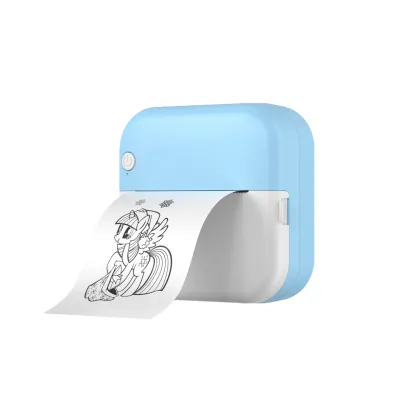
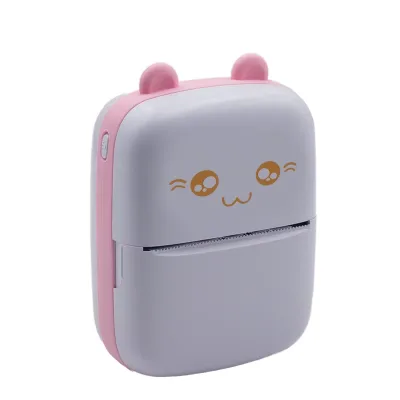
Cheap Mini Printer Barcode Label Sticker Printer Usb Call Center Sticker Label
$4.50 - $4.80
MOQ: 50 pieces
Shenzhen Aidisheng Trading Co., Ltd.
- Trading Company
- Guangdong, China
- Lead time15 days
- Avg. response≤ 2h
Main productsRC Airplanes,Toy Guns,Fidget Toys,RC Cars,Cosmetic Toys
Main marketsNorth America(30.00%), Africa(10.00%), Southern Europe(10.00%), Southeast Asia(10.00%), Eastern Europe(10.00%), Western Europe(10.00%), South America(10.00%), Mid East(4.00%), Oceania(4.00%), Northern Europe(2.00%)
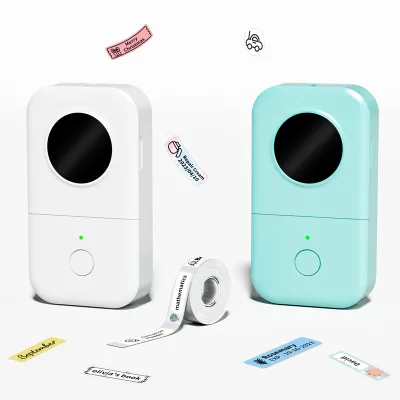
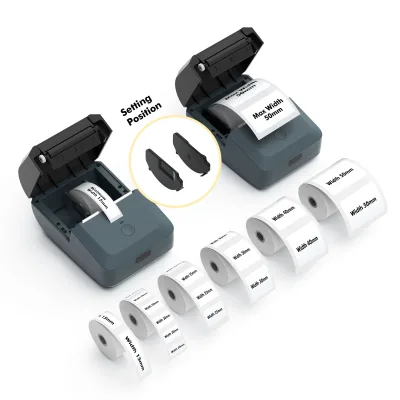
$5.0351 - $15.1354
MOQ: 5 Minimum
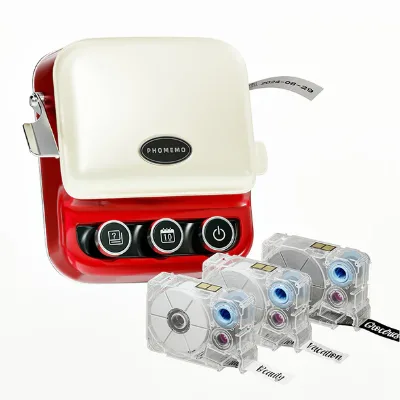
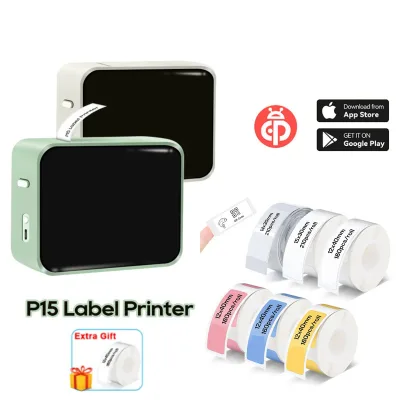
Label Maker P15 Mini Portable Thermal Pocket Printer Machine Use in Small Business/Supermarket/Notes
$36.99 - $42.29
MOQ: 1 pieces

ZHONGSHAN KWANGNA GLOBAL SUPPLY CHAIN CO., LTD
- Trading Company
- China Guangdong
- Lead time0 days
- Avg. response≤ 2h
Main productsMosquito Repellent Light, Small Kitchen Air Conditioner, Air Frier, Coffee Maker, Vacuum Cup, Coffee Steel Cup, Portable Mini Fan, Steel Milk Cup, Rice Cooker, Smart Rice Cooker

Compact portable Bluetooth Wireless Mini Thermal Inkless Sticker Barcode Machine Label Printer
$18.00 - $19.00
MOQ: 500 Pieces

Wireless Bluetooth Compact portable Mini Thermal Inkless Sticker Barcode Machine Label Printer
$18.00 - $19.00
MOQ: 500 Pieces

Bluetooth portable Wireless Thermal Inkless Compact Mini Sticker Barcode Machine Label Printer
$18.00 - $19.00
MOQ: 500 Pieces

Mini Bluetooth Wireless Compact portable Thermal Inkless Sticker Barcode Machine Label Printer
$18.00 - $19.00
MOQ: 500 Pieces

Thermal Inkless Bluetooth Wireless Compact portable Mini Sticker Barcode Machine Label Printer
$18.00 - $19.00
MOQ: 500 Pieces

Thermal Inkless Bluetooth Wireless Compact portable Mini Sticker Barcode Machine Label Printer
$18.00 - $19.00
MOQ: 500 Pieces
Shenzhen Yinxiaoqian Technology Co., Ltd.
- Manufacturer, Trading Company
- Guangdong, China
- Lead time10 days
- Avg. response≤ 2h
Main productsHalf-Inch Printer, Two-Inch Printer, A4 Printer, Face Machine, Label Paper
Main marketsDomestic Market(40.00%), North America(20.00%), Eastern Europe(10.00%), Eastern Asia(10.00%), Northern Europe(5.00%), Mid East(5.00%), Southeast Asia(5.00%), Africa(3.00%), Oceania(2.00%)


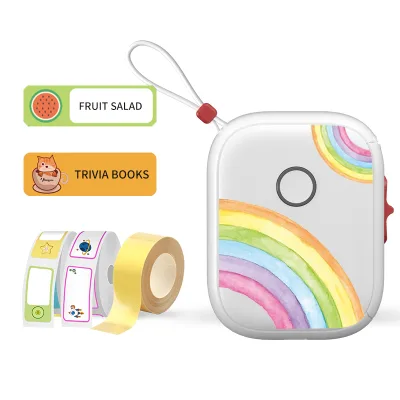
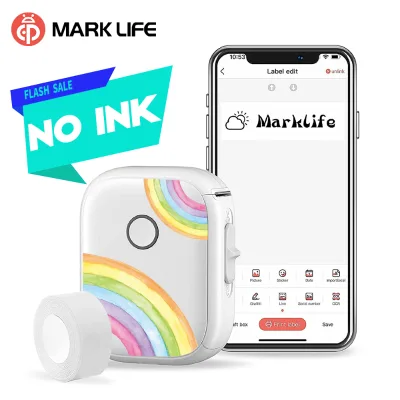
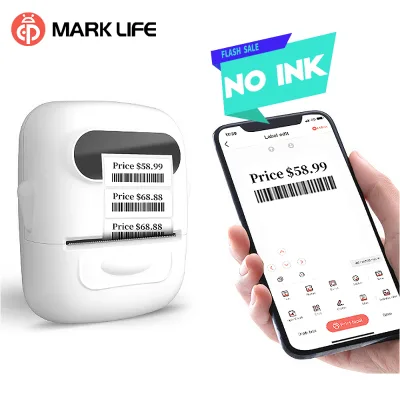
Portable Printer Impresora De Etiquetas Mini Printer
$12.3473 - $15.4337
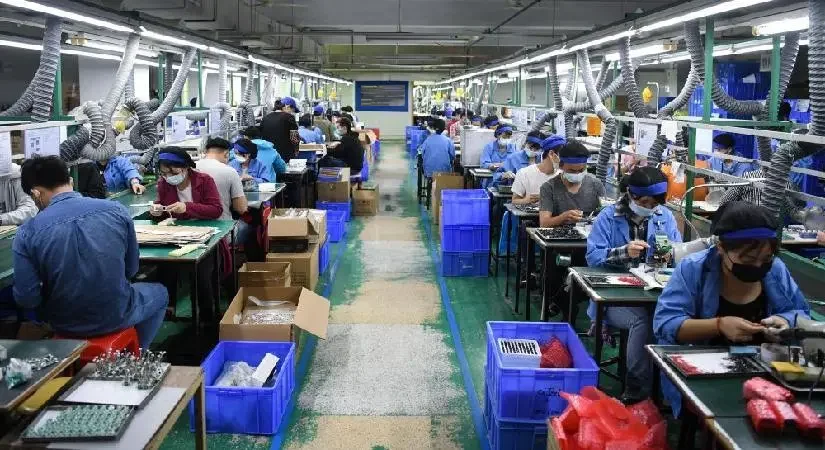
Guangzhou Bide Iot Technology Co., Ltd.
- Manufacturer, Trading Company, Distributor/Wholesaler
- Guangdong, China
- Lead time7 days
- Avg. response≤ 2h
Main productsThermal printer,Barcode Scanner,POS cash register,PDA,Thermal Paper
Main marketsNorth America(40.00%), Mid East(20.00%), Eastern Europe(20.00%), South America(20.00%)

Xiamen Cashino Technology Co., Ltd.
- Verified by BV
- Combined
- China Fujian
- Lead time30 days
- Avg. response≤ 11h
Main productsThermal Printing Mechanism, Receipt Printer, Panel Printer, Mobile Printer, Kiosk Thermal Printer, Bluetooth Printer, POS Printer, Thermal Printer, Mobile Thermal Printer, Bluetooth Thermal Printer
Main marketsSouth America,Africa,Southeast Asia/ Mideast,East Asia(Japan/ South Korea),Domestic,Europe,Australia,North America


Mobile Smart Label Thermal Printer 58mm Mini Wireless Handheld Barcode Label Printer for Warehouse
$38.00 - $42.00
MOQ: 1 Pieces


Dongguan Aitgm Technology Co., Ltd
- Verified by SGS
- Combined
- China Guangdong
- Lead time15 days
- Avg. response≤ 2h
Main productsAutomatic Labeling Machine, Barcode Printer, Data Collector, Barcode Scanner, Barcode Label, Blank Adhesive Label, RFID Label, High Temperature Label, Removable Label, Anti-Counterfeiting Code Label
Main marketsDomestic

Shenzhen Tuofengda Digital Technology Co., Ltd.
- Verified by SGS
- Combined
- China Guangdong
- Lead time15 days
- Avg. response≤ 4h
Main productsLabel Printer, Thermal Printer, Mini Printer, Inkless Printer, Mini Photo Printer, Barcode Printer, Mini Barcode Printer, Cameral Printer, Mini Label Printer, Mini Cameral Printer
Main marketsDomestic
Hefei Merion International Trade Co., Ltd.
- Trading Company
- Anhui, China
- Lead time3 days
- Avg. response≤ 1h
Main productshandheld inkjet printer,wrapping machine,3D printer pen,ink cartridge,Laser marking machine
Main marketsNorth America(30.00%), Southeast Asia(15.00%), Eastern Asia(11.00%), Eastern Europe(10.00%), South America(10.00%), Mid East(9.00%), Africa(8.00%), Oceania(8.00%)
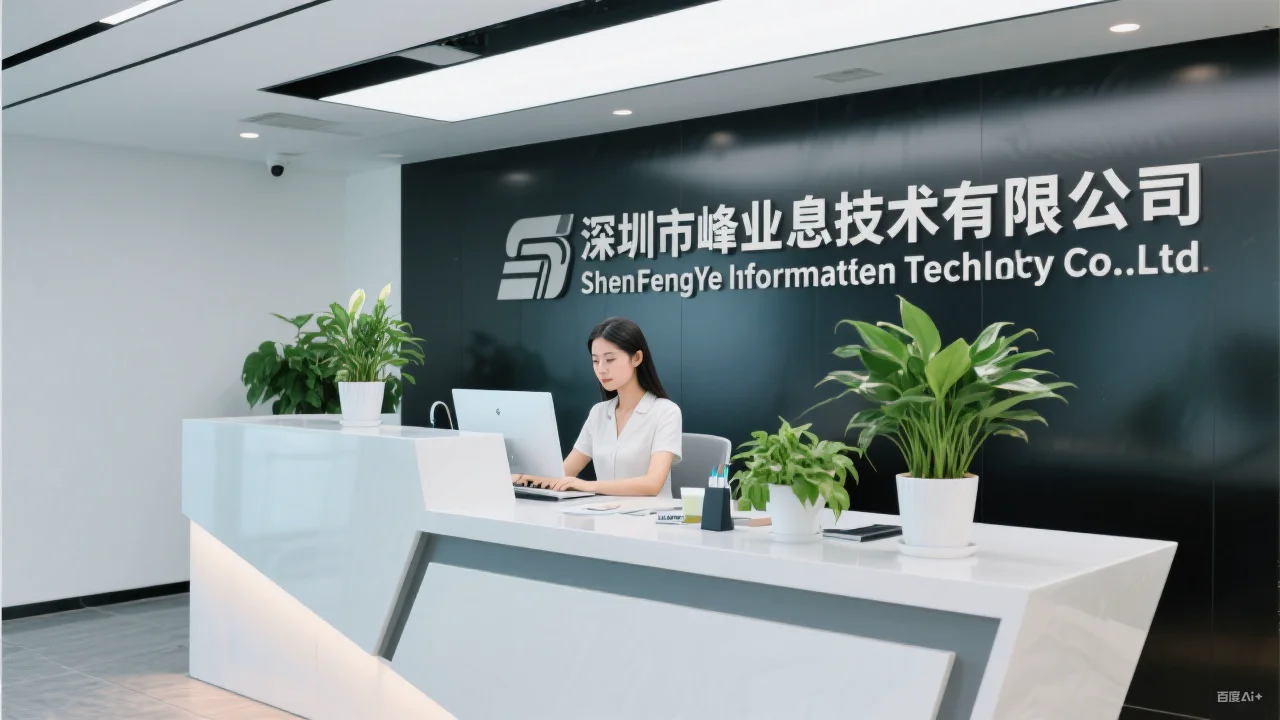
Shenzhen Fengye Information Technology Co., Ltd.
- Manufacturer, Trading Company, Agent
- Guangdong, China
- Lead time5 days
- Avg. response≤ 1h
Main productsLabel printer,Bar code scanner,Adhesive label stickers,Carbon ribbon/color ribbon,Barcode Handheld Terminal
Main marketsNorth America(35.00%), South America(15.00%), Eastern Europe(10.00%), Northern Europe(6.00%), Western Europe(6.00%), Africa(6.00%), Eastern Asia(6.00%), Oceania(5.00%), Southeast Asia(5.00%), Southern Europe(3.00%), Mid East(3.00%)








Comprehensive Sourcing Guide
Portable Mini Pocket Label Printer Supplier Concentration and Factory Types
The current supplier landscape for portable mini pocket label printers reveals a distinct geographic and structural distribution that buyers must navigate carefully. Evidence indicates that manufacturing and trading entities are concentrated in specific regions, with Zhejiang and Hunan identified as key operational hubs in China. Zhejiang suppliers often operate as trading companies, leveraging their location to facilitate export logistics while sourcing from broader manufacturing networks. In contrast, other suppliers located in Hunan may focus on specialized telecommunications equipment, suggesting that not all label printer suppliers have identical core competencies. This geographic spread implies that buyers should not assume uniformity in production capabilities based solely on location. The presence of both trading companies and manufacturers in the results highlights a critical distinction in sourcing strategy. Trading companies typically offer a wider variety of products and may provide more flexible order terms, whereas manufacturers often possess deeper technical control over the production process. Buyers must determine whether they prioritize product diversity and service flexibility or direct factory access and potential cost savings. Understanding this concentration helps in targeting the right type of supplier for specific business needs, whether it be small-batch customization or large-scale volume production.
Furthermore, the types of companies listed provide insight into the supply chain structure. Some suppliers are verified by SGS, indicating a level of third-party validation regarding their business operations and product quality. This verification status is a crucial filter for buyers seeking reliable partners. The company types range from pure trading entities to those that combine manufacturing with trading activities. This hybrid model can offer the best of both worlds, providing direct production oversight while maintaining commercial flexibility. However, it also requires buyers to verify the actual manufacturing location and capacity. The main products listed for these suppliers often include home storage, travel bags, and other consumer electronics, suggesting that many of these companies are diversified general traders rather than specialized label printer factories. This diversification can be advantageous for buyers looking for a single source for multiple product categories but may raise questions about the depth of expertise in label printing technology. Buyers should assess whether the supplier’s primary focus aligns with their specific requirements for portable mini pocket label printers. The presence of ODM and OEM capabilities in some profiles suggests that customization is a viable option, allowing buyers to tailor products to their brand identity. This flexibility is a significant advantage in a competitive market where unique product features can drive sales.
How to Verify Portable Mini Pocket Label Printer Suppliers
Verifying the credibility and capability of Portable Mini Pocket Label Printer suppliers requires a multi-layered approach that goes beyond surface-level listings. The first step is to examine the verification status provided by the platform. Suppliers with SGS verification have undergone a third-party assessment, which adds a layer of trust regarding their business legitimacy and operational standards. Buyers should prioritize suppliers with such verifications, as they have demonstrated a commitment to transparency and quality management. Additionally, the presence of system certifications such as ISO 9001, CE, FCC, and RoHS is a strong indicator of a supplier’s adherence to international quality and safety standards. These certifications are not merely decorative; they reflect the supplier’s ability to produce goods that meet specific regulatory requirements in target markets. Buyers should request copies of these certificates and verify their validity through the issuing bodies. This due diligence helps mitigate the risk of dealing with non-compliant products that could face customs issues or safety recalls. The combination of platform verification and industry certifications provides a robust foundation for assessing supplier reliability.
Beyond certifications, buyers should evaluate the supplier’s response time and communication efficiency. A response time of around 3.29 hours, as observed in some profiles, indicates a responsive and engaged sales team. Quick responses are crucial for resolving technical queries, negotiating terms, and addressing post-sales issues. Buyers should test the supplier’s responsiveness by sending detailed inquiries and assessing the quality and speed of their replies. Furthermore, the availability of after-sales service and warranty terms is a critical verification point. Some suppliers offer a one-year warranty and support for iOS and Android systems, which suggests a commitment to long-term customer satisfaction. Buyers should clarify the scope of this warranty, including what components are covered and the process for claiming repairs or replacements. The presence of a software development kit (SDK) is another important factor, indicating that the supplier supports custom app integration, which is essential for many business applications. By combining verification of credentials, assessment of communication, and evaluation of support services, buyers can build a comprehensive profile of each potential supplier. This thorough verification process ensures that the chosen partner is not only capable of producing high-quality products but also reliable in their business practices.
What to Compare Across Portable Mini Pocket Label Printer Suppliers
When evaluating multiple suppliers for portable mini pocket label printers, buyers must compare a range of specific attributes to identify the best fit for their business needs. One of the most critical factors is the minimum order quantity (MOQ). Suppliers may have varying MOQs, ranging from as low as one unit to higher thresholds like fifty units. For startups or small businesses, a low MOQ is essential for testing the market and managing inventory costs. Conversely, larger enterprises may benefit from suppliers with higher capacities and lower per-unit prices for bulk orders. Another key comparison point is the price range. Prices for these devices can vary significantly, from around $2.00 to over $50.00, depending on features, customization, and order volume. Buyers should analyze the price-to-feature ratio, considering specifications such as battery capacity, resolution, and connectivity options. A higher price may be justified by superior build quality, longer battery life, or advanced printing capabilities. It is also important to compare the lead times for production and delivery. Some suppliers offer quick turnaround times of seven days, while others may require thirty days. This difference can impact inventory planning and customer satisfaction, especially for time-sensitive orders.
In addition to price and lead time, buyers should compare the technical specifications and customization options available. Features such as Bluetooth connectivity, thermal printing technology, and compatibility with various operating systems are standard but may vary in implementation. The maximum resolution, battery capacity, and paper size compatibility are specific technical details that should be matched against the buyer’s application requirements. For instance, a supplier offering a 203dpi resolution and a 1000mAh battery may be more suitable for high-volume, long-duration use compared to a basic model. Customization options, including logo printing, color choices, and packaging, are also vital for branding purposes. Suppliers that offer ODM and OEM services provide greater flexibility for creating unique products. The availability of SDKs for custom software development is another differentiator, allowing buyers to integrate the printers into their own ecosystems. By systematically comparing these attributes, buyers can create a weighted scoring matrix to objectively evaluate each supplier. This structured approach ensures that the final decision is based on comprehensive data rather than subjective impressions, leading to a more successful sourcing outcome.
Common Portable Mini Pocket Label Printer Sourcing Risks
Sourcing portable mini pocket label printers from international suppliers involves several inherent risks that buyers must proactively manage. One significant risk is the variability in product quality and consistency. Since many suppliers are trading companies, they may source products from multiple factories, leading to inconsistencies in build quality and performance. Buyers may receive units that differ in battery life, print quality, or software stability, which can damage their brand reputation. This risk is exacerbated by the lack of direct oversight over the manufacturing process. To mitigate this, buyers should request samples from multiple units to test for consistency before placing a large order. Another risk is the potential for intellectual property infringement, especially when dealing with suppliers that offer extensive customization. Buyers must ensure that their designs and branding are protected and that the supplier does not share their intellectual property with competitors. Clear contractual agreements regarding confidentiality and IP rights are essential to safeguarding business interests.
Additionally, buyers face risks related to logistics and customs clearance. Portable devices containing batteries are subject to strict shipping regulations, which can lead to delays or additional costs if not properly declared. Suppliers must be experienced in handling hazardous goods shipping to ensure compliance with international air and sea freight regulations. Failure to comply can result in seized shipments or fines. Another risk is the adequacy of after-sales support. If a supplier’s support team is unresponsive or lacks technical expertise, resolving product issues can become a major operational headache. Buyers should verify the supplier’s support infrastructure, including the availability of spare parts and the clarity of warranty terms. The risk of currency fluctuation and payment security is also present in international trade. Using secure payment methods such as escrow services can protect buyers from fraud and ensure that funds are only released upon satisfactory delivery. By identifying and addressing these risks early in the sourcing process, buyers can establish a more resilient supply chain and minimize potential disruptions to their business operations.
Portable Mini Pocket Label Printer Regional Sourcing and Logistics
The regional concentration of suppliers in China, particularly in Zhejiang and Hunan, offers both advantages and challenges for international buyers. Zhejiang’s proximity to major ports like Shanghai and Ningbo facilitates efficient export logistics, reducing transit times and shipping costs for many destinations. Suppliers in this region are often well-versed in international trade practices, making the export process smoother. However, buyers should be aware that not all suppliers in these regions may have the same logistical capabilities. Some may rely on third-party logistics providers, which can introduce variability in service quality. Buyers should inquire about the supplier’s preferred shipping methods and their experience with handling battery-containing products. The lead time for production, which can range from seven to thirty days, must be factored into the overall logistics planning. Longer lead times may require earlier ordering and more robust inventory management strategies to avoid stockouts.
Furthermore, the choice of shipping method depends on the urgency of the order and the destination. Air freight is faster but more expensive, while sea freight is cost-effective for large volumes but takes longer. Buyers should negotiate shipping terms with the supplier to determine who bears the responsibility for customs clearance and import duties. Incoterms such as FOB, CIF, or DDP should be clearly defined in the contract to avoid misunderstandings. The packaging of the products is also a logistical consideration. Suppliers may offer standard box packaging or customized options, which can affect the number of units per container and overall shipping efficiency. Buyers should ensure that the packaging is durable enough to protect the devices during transit, especially given the fragile nature of electronic components. By understanding the regional logistics landscape and planning accordingly, buyers can optimize their supply chain for cost and efficiency. This includes selecting suppliers with strong logistical networks and negotiating favorable shipping terms to ensure timely delivery of goods to their customers.
Portable Mini Pocket Label Printer Commercial Terms and Order Planning
Effective commercial terms and order planning are essential for a successful sourcing relationship with Portable Mini Pocket Label Printer suppliers. Buyers should negotiate clear payment terms that align with their cash flow needs. Common terms include a deposit upon order placement and the balance paid before shipment or upon receipt of goods. Using escrow services can provide an additional layer of security for both parties. It is also important to define the currency of payment to avoid exchange rate risks. For long-term partnerships, buyers may negotiate volume discounts or preferential pricing based on annual purchase commitments. These commercial terms should be documented in a formal contract to ensure mutual understanding and legal enforceability. Order planning involves forecasting demand and aligning it with the supplier’s production capacity. Buyers should consider the supplier’s lead time and MOQ when planning their inventory levels. For suppliers with a thirty-day lead time, buyers need to place orders well in advance to avoid delays.
Additionally, buyers should establish a clear communication protocol for order updates and issue resolution. Regular check-ins with the supplier can help track production progress and address any potential problems early. It is also advisable to plan for contingencies, such as supply chain disruptions or quality issues. Having a backup supplier or maintaining a safety stock can mitigate the impact of such events
FAQs
What is the typical lead time for portable mini pocket label printers?
The typical lead time for these printers is 30 days, though some suppliers offer faster delivery within 7 days. Buyers should verify specific timelines with the manufacturer before placing orders to ensure timely receipt of goods.
What is the minimum order quantity for these portable printers?
Minimum order quantities vary significantly, ranging from 1 unit to 50 units depending on the supplier. Some vendors accept single items while others require bulk purchases, so check the specific product listing for exact requirements.
Are these printers available with customization options?
Yes, customization is available for many models, allowing buyers to request specific branding or design changes. Suppliers often support OEM and ODM services, enabling tailored solutions for promotional or business use cases effectively.
What certifications do these portable printers typically hold?
Common certifications include CE, FCC, RoHS, and ISO 9001, ensuring safety and quality standards are met. Some suppliers also hold BSCI and IEC 62133 certifications, providing assurance regarding environmental and electrical safety compliance.
Where are these portable mini pocket label printers manufactured?
Manufacturing locations include Zhejiang, Hunan, and Fujian provinces in China. Buyers should confirm the specific origin of the product to understand shipping logistics and potential regional quality variations associated with different manufacturing hubs.
What is the price range for these portable label printers?
Prices generally range from 2.00 to 51.83 USD per unit, depending on features and order volume. Basic models start lower, while specialized versions with higher resolution or specific certifications may cost more than standard options.
How quickly do suppliers typically respond to inquiries?
Response times vary, with some suppliers replying within 2 hours and others taking up to 3.29 hours. Fast response is crucial for resolving technical questions or negotiating terms before finalizing a purchase agreement with the vendor.