Shipping Label Maker Thermal Printer Suppliers and Manufacturers
Compare 33 verified suppliers of Shipping Label Maker Thermal Printer from China Zhejiang and Fujian. Evaluate response times, lead times, certifications, and pricing to source reliable factories for your thermal printing needs today; review the available evidence before requesting comparable quotations from suitable candidates.
Updated
Suppliers List

Hangzhou Codewel New Material Co., Ltd.
- Verified by BV
- Trading Company,Manufacturer/Factory
- China Zhejiang
- Lead time23 days
- Avg. response≤ 6h
Main productsThermal Transfer Ribbon, Portable POS Printer, Printhead, Barcode Printer, Adhesive Label, Cash Register Paper, Thermal Paper, TTR Slitter Machine, Barcode Ribbon, Handheld Inkjet Printer
Main marketsSouth America,Eastern Europe,Mid East,North America,Southeast Asia,Eastern Asia,Oceania,Western Europe,Africa

Xiamen Orange Sun Electronic Technology Co., Ltd.
- Verified by SGS
- Combined
- China Fujian
- Lead time15 days
- Avg. response≤ 3h
Main marketsDomestic
Hspos Technology Co., Ltd. (zhongshan)
- Verified by SGS Group
- Manufacturer, Trading Company
- Lead time20 days
- Avg. response≤ 3h
Main productsThermal Printer, Portable Printer, POS Printer, Kiosk Printer, Label Printer
Main marketsSouth America(20%), Eastern Europe(20%), Mid East(10%)
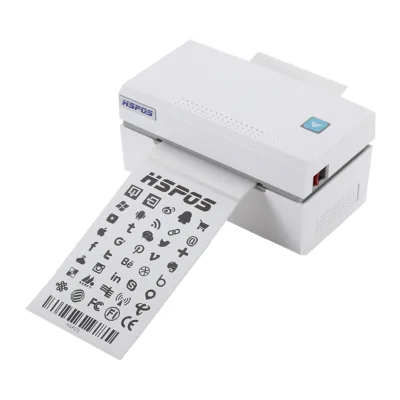

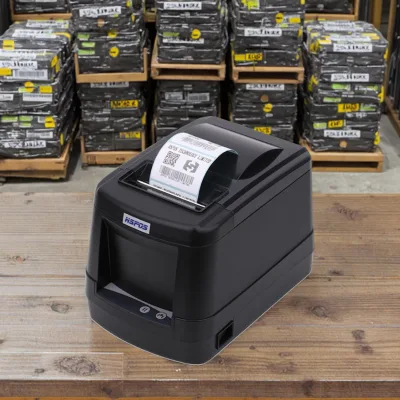
$52.00 - $56.00
MOQ: 1 pieces

Xiamen Cashino Technology Co., Ltd.
- Verified by BV
- Combined
- China Fujian
- Lead time30 days
- Avg. response≤ 11h
Main productsThermal Printing Mechanism, Receipt Printer, Panel Printer, Mobile Printer, Kiosk Thermal Printer, Bluetooth Printer, POS Printer, Thermal Printer, Mobile Thermal Printer, Bluetooth Thermal Printer
Main marketsSouth America,Africa,Southeast Asia/ Mideast,East Asia(Japan/ South Korea),Domestic,Europe,Australia,North America

Jinjiang Jiayi Supply Chain Management Co., Ltd.
- Verified by BV
- Trading Company
- China Fujian
- Lead time30 days
- Avg. response≤ 2h
Main productsGift, Shoe, Garment, Machine
Main marketsDomestic
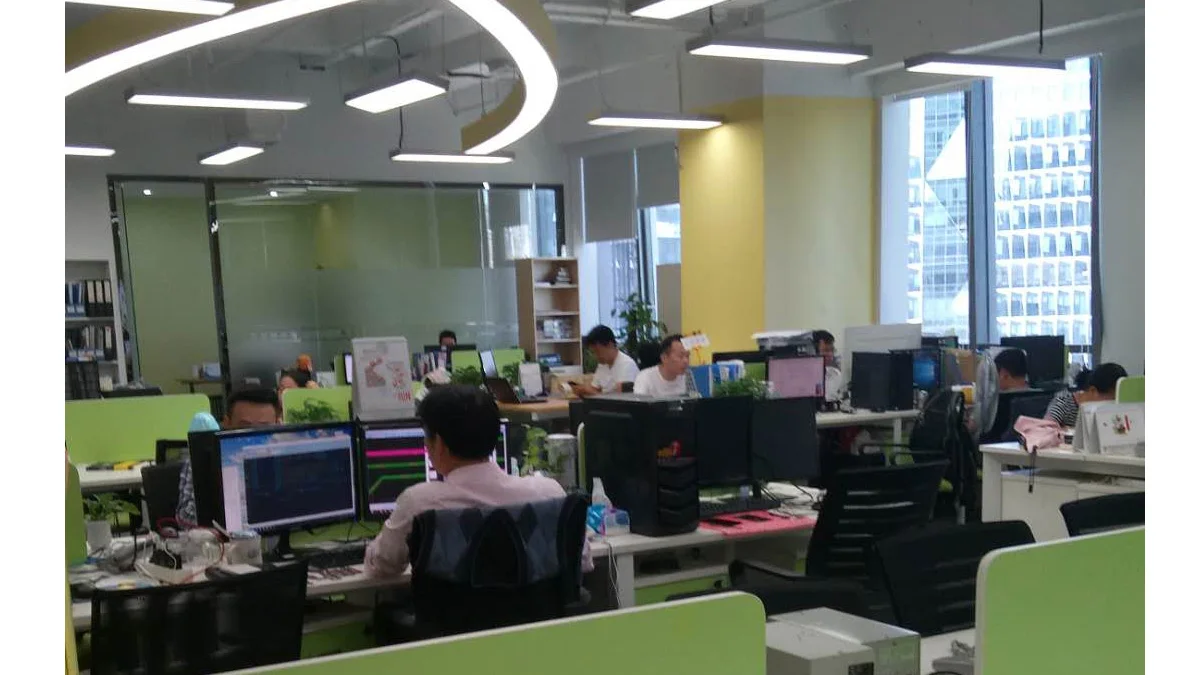
Hunan Pon Information Technology Co., Ltd.
- Trading Company
- Hunan, China
- Lead time7 days
- Avg. response≤ 2h
Main productsFiber optic equipments,OTDR,Fusion Splicer,OLT,Desk Socket
Main marketsSouth America(20.00%), North America(20.00%), Southern Europe(10.00%), Western Europe(10.00%), Southeast Asia(10.00%), Eastern Europe(10.00%), South Asia(5.00%), Mid East(5.00%), Northern Europe(5.00%), Africa(5.00%)
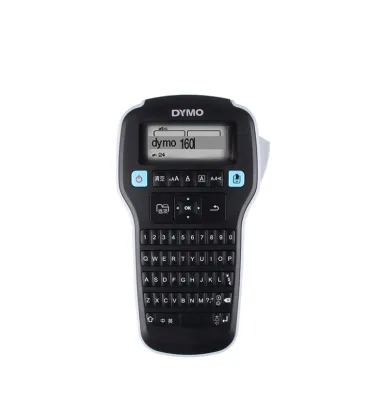
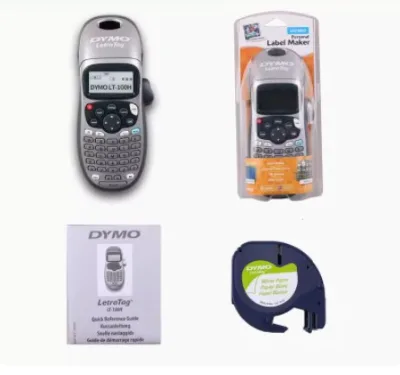
Good price tag label printer portable handheld thermal cable label sticker printer
$25.9162 - $36.2833
MOQ: 1 Minimum
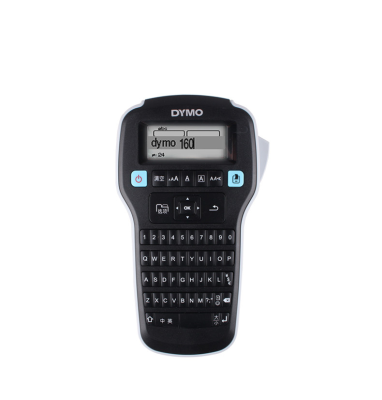
Guangzhou Yoko Electronics Co., Ltd.
- Verified by TüVRheinland
- Manufacturer, Trading Company
- Lead time12 days
- Avg. response≤ 4h
Main productsMobile Computer, Barcode Scanner, Industrial Tablet, RFID Device, Thermal Printer
Main marketsDomestic Market(30%), North America(10%), Southeast Asia(10%)

- Verified by BV
- Trading Company,Manufacturer/Factory,Other
- China Guangdong
- Lead time15 days
- Avg. response≤ 4h
Main productsPOS System, POS Terminal, Thermal Printer, Label Printer, Barcode Scanner, Cash Drawer, PDA, Customer Display, Money Counter, Coin Sorter
Main marketsSouth America,Eastern Europe,Mid East,North America,Southeast Asia,Eastern Asia,Oceania,Western Europe,Africa

Durable Barcode Receipt Label Maker Printer Ribbon Thermal Label Printer Supplies
$2.00 - $95.00
MOQ: 1 Pieces

80mm 3inch Thermal Shipping Label Portable Printer Thermal Printer Label Printer
$28.90 - $29.90
MOQ: 2 Pieces


Label Barcode Printer Thermal Label Printer Thermal Receipt and Label Printer
$60.00 - $85.00
MOQ: 50 Pieces


4inch Cheap High Resolution Thermal Receipt Sticker Shipping Label Printer
$2.00 - $95.00
MOQ: 1 Pieces
Guangzhou Heimi Information Technology Co., Ltd.
- Verified by SGS Group
- Manufacturer, Trading Company
- Lead time5 days
- Avg. response≤ 3h
Main productsPos Terminal, Label Printer, Barcode Scanner, Data Collector, Label Sticker
Main marketsDomestic Market(60%), South America(10%), Southeast Asia(10%)

Shenzhen Lanchuangwei Technology Co., Ltd.
- Manufacturer, Trading Company
- Guangdong, China
- Lead time7 days
- Avg. response≤ 1h
Main productsLabel Printer, Receipt Printer, Print Head, Barcode Scanner, Scan Engine
Main marketsDomestic Market(40.00%), North America(10.00%), Eastern Europe(8.00%), Eastern Asia(5.00%), South America(5.00%), Western Europe(5.00%), Southern Europe(5.00%), Northern Europe(5.00%), Southeast Asia(5.00%), South Asia(4.00%), Mid East(3.00%), Central America(2.00%), Africa(2.00%), Oceania(1.00%)

Guangzhou Label Printing Co., Ltd.
- Combined
- China Guangdong
- Lead time23 days
- Avg. response≤ 19h
Main productsLabel, Sticker, Printing Labels, Self Adhesive Stickers, Single Label, Bottle Labels, Bar Code Label
Main marketsSouth America,Africa,Southeast Asia/ Mideast,Domestic
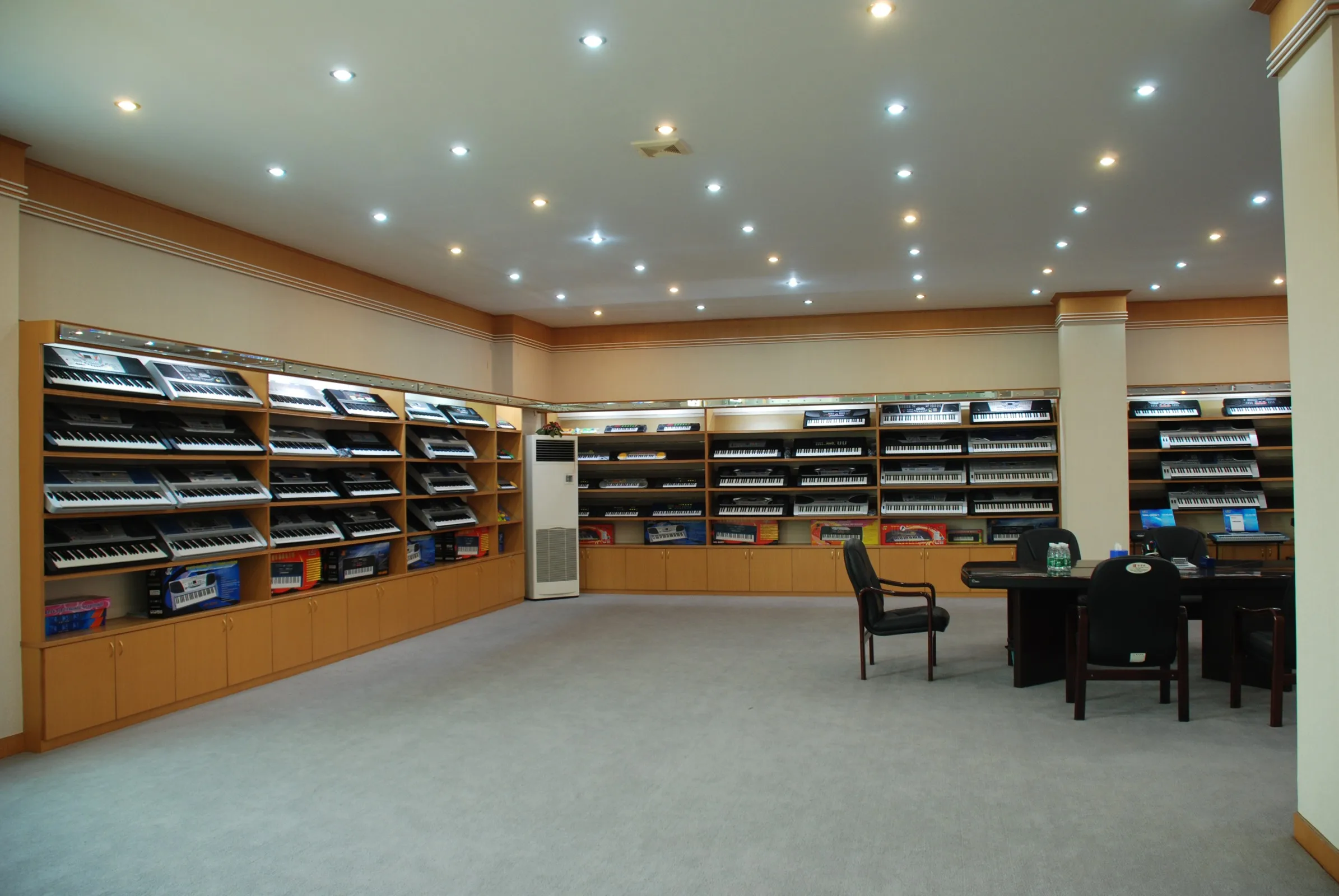
Guangzhou Lanyou Electronic Technology Co., Ltd.
- Manufacturer, Trading Company, Buying Office
- Guangdong, China
- Lead time15 days
- Avg. response≤ 6h
Main productsThermal printer,Label Maker,printer consumables,scanner,pos system
Main marketsNorth America(60.00%), Eastern Europe(20.00%), Southeast Asia(10.00%), South Asia(5.00%)
HBA (Guangzhou) Intelligent Technology Co., Ltd.
- Verified by SGS Group
- Manufacturer, Trading Company
- Lead time3 days
- Avg. response≤ 2h
Main productsPos System, Barcode Scanner, Cash Drawer, Touch Screen Monitor, Thermal Printer
Main marketsEastern Europe(41%), Domestic Market(31%), North America(15%)

- Manufacturer/Factory
- China Beijing
- Lead time15 days
- Avg. response≤ 3h
Main productsWireless Calling System, Nurse Calling System, Mini Fan, Networking Products, Intercom System
Main marketsSouth America,Eastern Europe,Mid East,North America,Southeast Asia,Eastern Asia,Oceania,Western Europe,Africa
Shenzhen Carav Electronics Co., Ltd.
- Verified by Intertek
- Manufacturer, Trading Company
- Lead time15 days
- Avg. response≤ 2h
Main productsCash Register, Thermal Printer, Bar Code Scanner, Monitor, Cash Drawer
Main marketsNorth America(35%), South America(15%), Mid East(15%)
Xiamen Jingpu Electronic Technology Co., Ltd.
- Verified by TüVRheinland
- Manufacturer, Trading Company
- Lead time15 days
- Avg. response≤ 3h
Main productsThermal Printer
Main marketsDomestic Market(50%), Southeast Asia(30%), North America(15%)
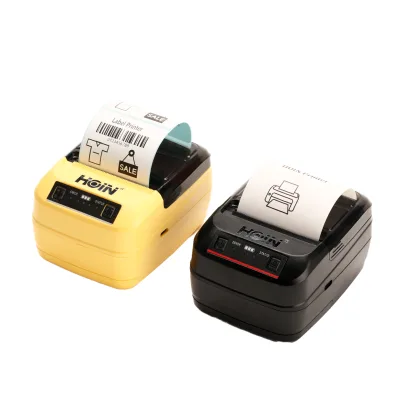
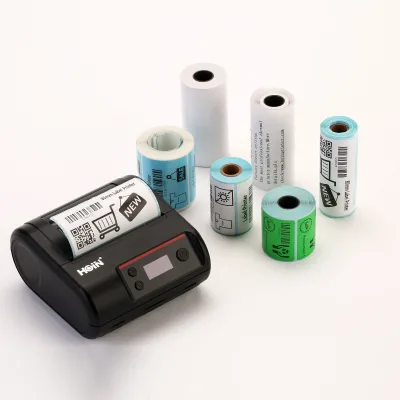
Shenzhen Hoin Electronic Technology Co., Ltd.
- Verified by Intertek
- Manufacturer, Trading Company
- Lead time15 days
- Avg. response≤ 3h
Main productsThermal Receipt Printer, Portable Bluetooth Printer, Label Barcode Printer, Thermal Transfer Printer, Barcode Scanner
Main marketsSouth America(30%), Southeast Asia(12%), North America(10%)
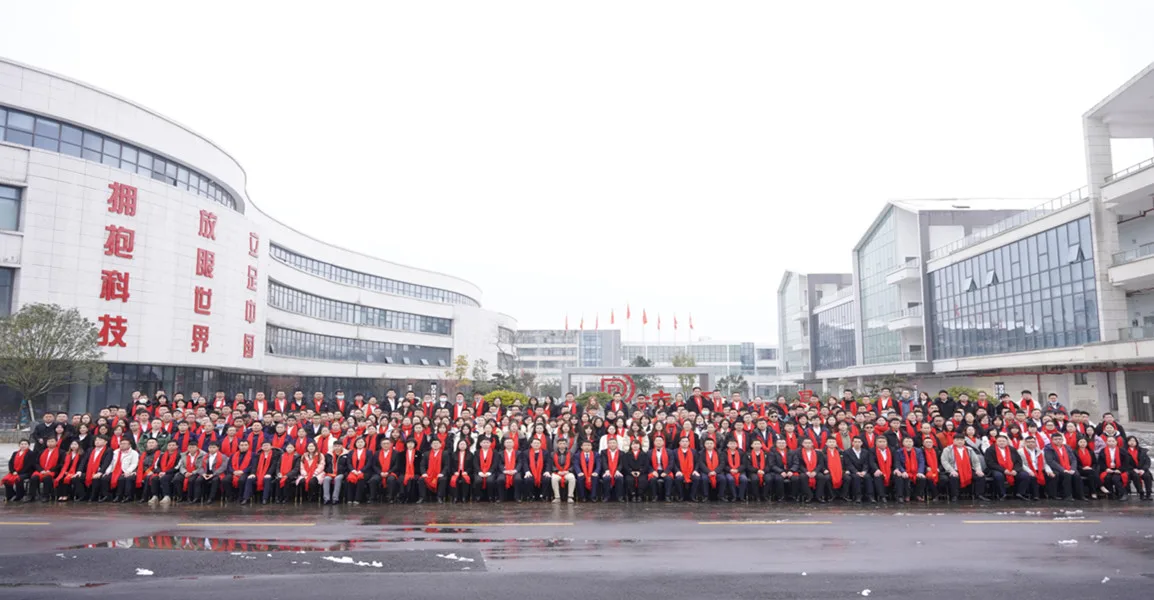
Hunan Dingyizhiyuan Science And Technology Co., Ltd.
- Manufacturer
- Hunan, China
- Lead time5 days
- Avg. response≤ 3h
Main productsThermal Transfer Ribbon,Thermal Transfer Printer
Main marketsDomestic Market(100.00%)
Shenzhen Huayu Electronics Technology Co., Ltd.
- Manufacturer, Trading Company
- Guangdong, China
- Lead time15 days
- Avg. response≤ 3h
Main productsMenstrual Heating Pad, EMS Massage Belt, Light Shading Eye Mask, Heated Eye Massager Mask
Main marketsNorth America(30.00%), Western Europe(30.00%), Oceania(20.00%), Africa(10.00%), Southeast Asia(10.00%)
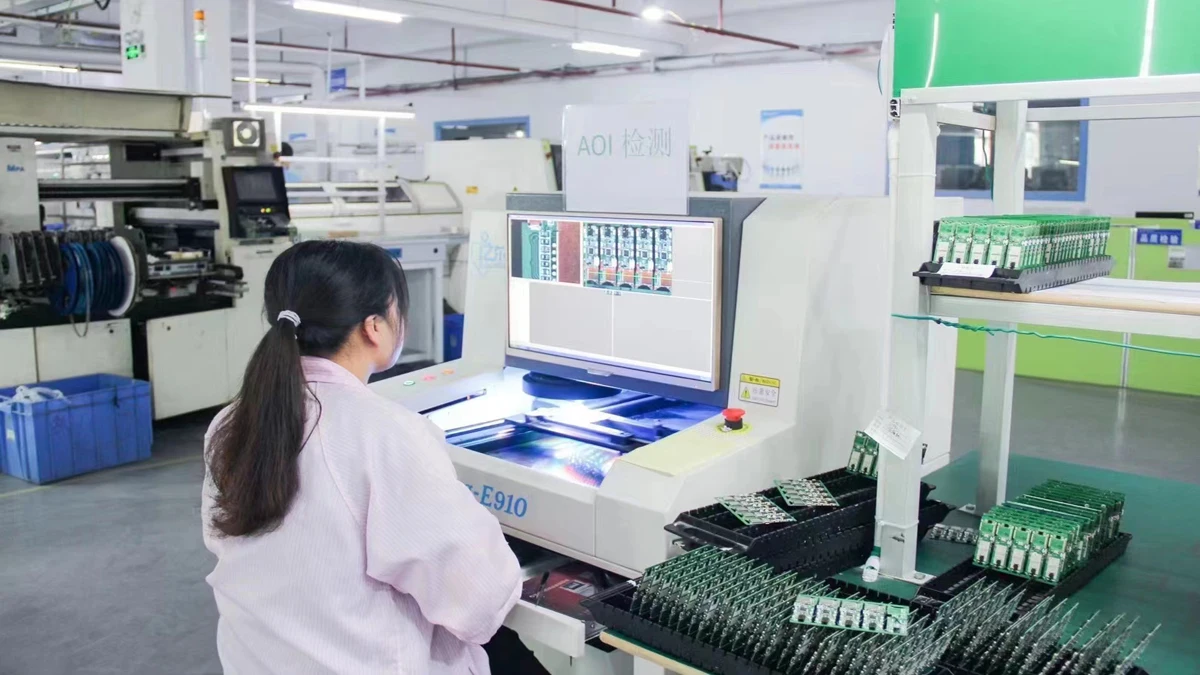
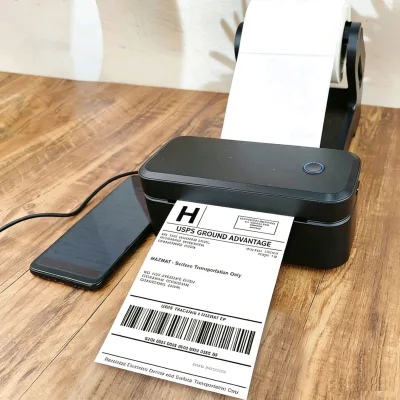
Shenzhen Beixingchen Technology Co., Ltd.
- Manufacturer, Trading Company, Distributor/Wholesaler
- Guangdong, China
- Lead time30 days
- Avg. response≤ 2h
Main productsMini printer,smart plug,smart spearker,wireless charger,phone holder
Main marketsSouth America(40.00%), Mid East(20.00%), Northern Europe(10.00%), Southeast Asia(10.00%), North America(10.00%), Eastern Europe(10.00%)
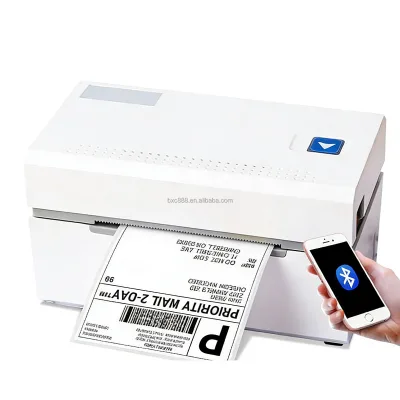
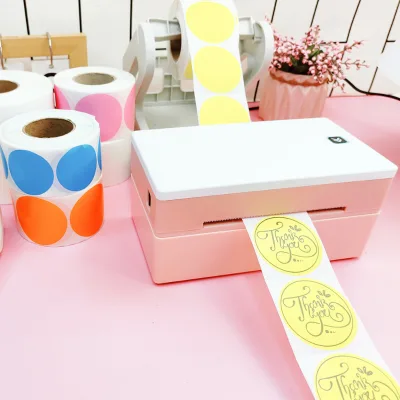
$19.90 - $40.68
MOQ: 5 Minimum
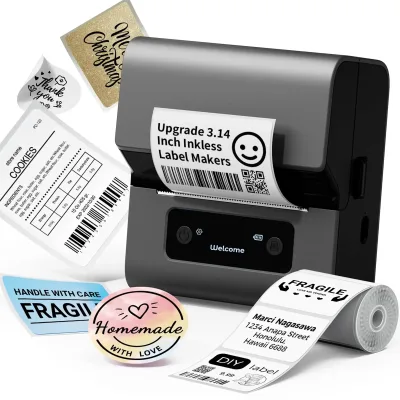
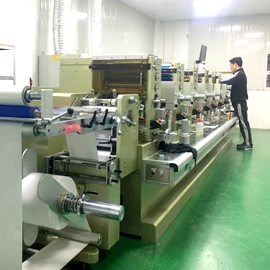
Guangzhou Fangtek Electronic Co., Ltd.
- Manufacturer, Trading Company
- Guangdong, China
- Lead time7 days
- Avg. response≤ 8h
Main productsthermal printer,Adhesive Labels,Thermal Transfer Ribbon,Barcode Scanner,Printing Labels
Main marketsSoutheast Asia(31.00%), South Asia(25.00%), North America(13.00%), South America(10.00%), Eastern Europe(5.00%)
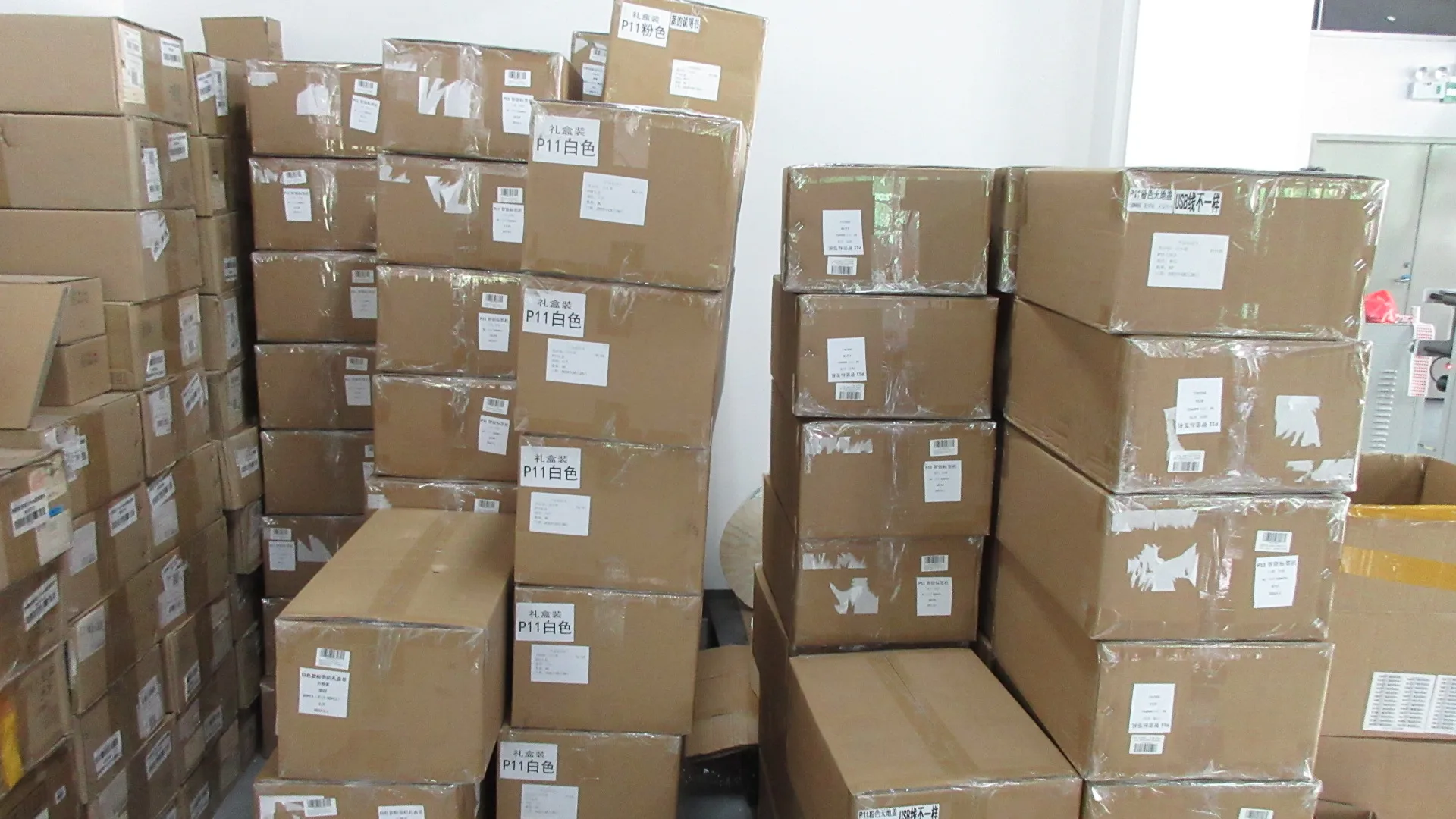
Shenzhen Yinxiaoqian Technology Co., Ltd.
- Manufacturer, Trading Company
- Guangdong, China
- Lead time10 days
- Avg. response≤ 2h
Main productsHalf-Inch Printer, Two-Inch Printer, A4 Printer, Face Machine, Label Paper
Main marketsDomestic Market(40.00%), North America(20.00%), Eastern Europe(10.00%), Eastern Asia(10.00%), Northern Europe(5.00%), Mid East(5.00%), Southeast Asia(5.00%), Africa(3.00%), Oceania(2.00%)

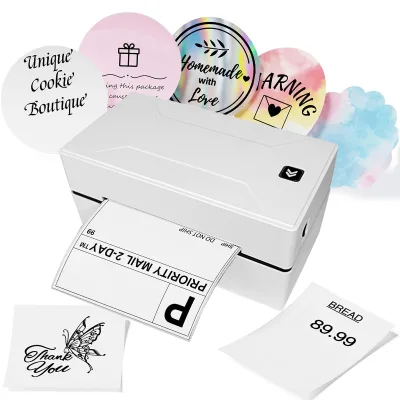

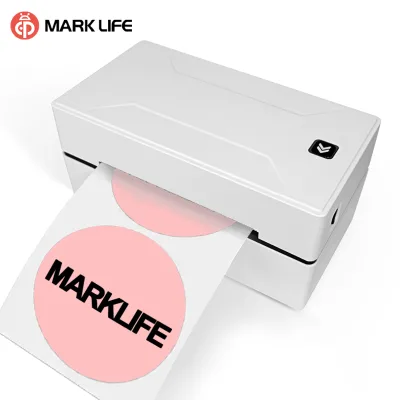
High Quality Portable Black and White Printer for Labels Neck Label Printer Satin Care Label Printer
$47.2245 - $55.0433
MOQ: 1 Minimum
Guangzhou Wenchuang Electronic Technology Co., Ltd.
- Manufacturer, Trading Company
- Guangdong, China
- Lead time0 days
- Avg. response≤ 2h
Main productspassbook printer,dot matrix printer,receipt printer,printer parts,printer ribbon
Main marketsDomestic Market(10.00%), Africa(10.00%), Southeast Asia(10.00%), Southern Europe(10.00%), South America(10.00%), Central America(10.00%), Oceania(5.00%), South Asia(5.00%), Eastern Europe(5.00%), Northern Europe(5.00%), North America(5.00%), Western Europe(5.00%), Eastern Asia(5.00%), Mid East(5.00%)
Haozheng (guangzhou) Intelligent Technology Co., Ltd.
- Verified by TüVRheinland
- Trading Company
- Lead time5 days
- Avg. response≤ 1h
Main productsLabel Printer, Child Photo Printer, A4 Thermal Printer, Receipt Printer, Barcode Scanner
Main marketsEastern Europe(15%), Eastern Asia(15%), North America(10%)
Xiamen Lujiang Technology Co., Ltd.
- Verified by SGS Group
- Manufacturer, Trading Company
- Lead time30 days
- Avg. response≤ 2h
Main productsMini Pocket Printer, Label Printer, Tattoo Printer, A4 Printer, AI Printer
Main marketsWestern Europe(70%), Domestic Market(20%), North America(10%)

Beijing Spirit Technology Development Co., Ltd.
- Verified by SGS
- Combined
- China Beijing
- Lead time15 days
- Avg. response≤ 7h
Main marketsSouth America,Africa,Others(foreignTradeCapacity.exportBusinessCapacityMarketOther),Europe,North America


Custom logo Label Printer Sticker Machine Black and White 3inch Inkless Sticker Printer
$37.00 - $46.00
MOQ: 20 Pieces
Henan Nuomi Electronic Technology Co., Ltd.
- Verified by TüVRheinland
- Trading Company
- Lead time3 days
- Avg. response≤ 1h
Main productsRemote Controls For Cranes, Remote Control For Construction Machinery, Remote Control For Special Vehicles, Remote Control For Port Machinery, Remote Control For Explosion-Proof Machinery
Main marketsSouth Asia(22%), South America(10%), Southeast Asia(10%)
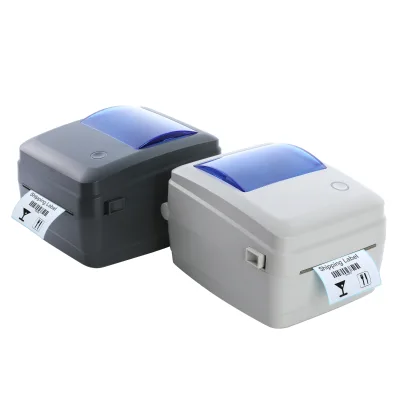
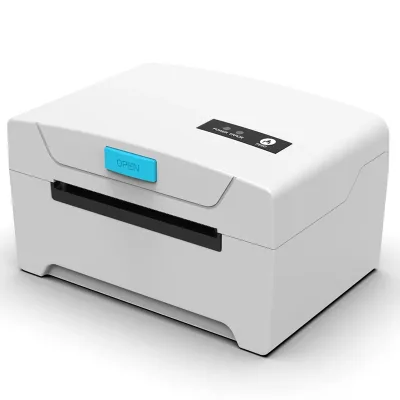
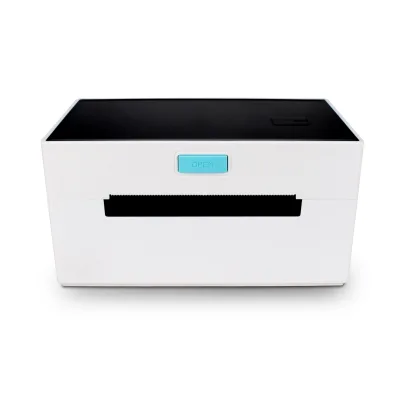
Wholesale Price HQ480B Thermal Receipt Printer 108mm Thermal Shipping Label Printer
$51.00 - $62.00
MOQ: 1 Minimum
Guangzhou Bide Iot Technology Co., Ltd.
- Manufacturer, Trading Company, Distributor/Wholesaler
- Guangdong, China
- Lead time7 days
- Avg. response≤ 2h
Main productsThermal printer,Barcode Scanner,POS cash register,PDA,Thermal Paper
Main marketsNorth America(40.00%), Mid East(20.00%), Eastern Europe(20.00%), South America(20.00%)
$37.00 - $42.00
MOQ: 1 pieces
Hunan Masung Information Technology Co., Ltd.
- Verified by SGS Group
- Manufacturer, Trading Company
- Lead time15 days
- Avg. response≤ 1h
Main productsThermal Printer, Thermal Transfer Printer, Barcode Scanner, Self-service Kiosk

Shenzhen rCloud Technology Co., Ltd
- Manufacturer
- China Guangdong
- Lead time15 days
- Avg. response≤ 7h
Main productsCard Reader, RFID Card Reader, Magnetic Card Reader, IC Card Reader, Hybrid Card Reader, DIP Card Reader, Bar Type LCD Display, Double Sided Monitor, LED Gaming Monitor, Curved Gaming Monitor
Main marketsSouth America,Southeast Asia/ Mideast,Europe,North America


A4 Shipping Label 216mm Direct Printing Thermal Printer for Logistics and Waybill
$465.00 - $522.00
MOQ: 100 Pieces

Dongguan Aitgm Technology Co., Ltd
- Verified by SGS
- Combined
- China Guangdong
- Lead time15 days
- Avg. response≤ 2h
Main productsAutomatic Labeling Machine, Barcode Printer, Data Collector, Barcode Scanner, Barcode Label, Blank Adhesive Label, RFID Label, High Temperature Label, Removable Label, Anti-Counterfeiting Code Label
Main marketsDomestic
Sichuan Shenmai Technology Co., Ltd.
- Trading Company
- Sichuan, China
- Lead time5 days
- Avg. response≤ 8h
Main productsTranslation And Recording Equipment,Printer,Computer Accessories,Tablet PC,VR Device
Main marketsSouth Asia(100.00%), Central America(100.00%), Oceania(100.00%), Domestic Market(80.00%), Southeast Asia(2.00%), Eastern Europe(2.00%), Southern Europe(2.00%), Northern Europe(2.00%), South America(2.00%), Western Europe(2.00%), Eastern Asia(2.00%), Mid East(2.00%), North America(2.00%), Africa(2.00%)
Shanxi Changkun Electronic Technology Co.,ltd
- Verified by SGS Group
- Manufacturer, Trading Company
- Lead time15 days
- Avg. response≤ 4h
Main productsSlushie Maker, Microphones, Kids' Cameras, Mini Printer, Small Home Appliances
Main marketsNorth America(25%), Domestic Market(20%), Eastern Asia(15%)





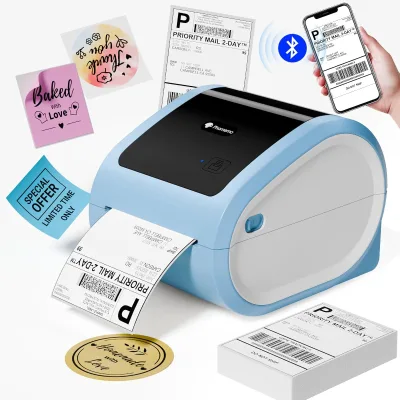
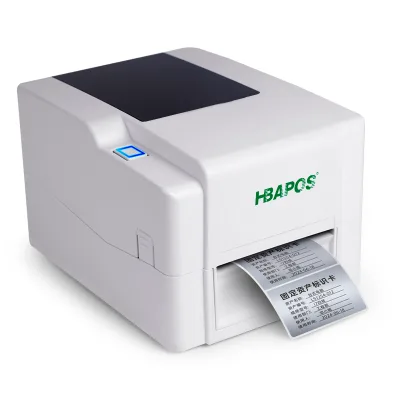
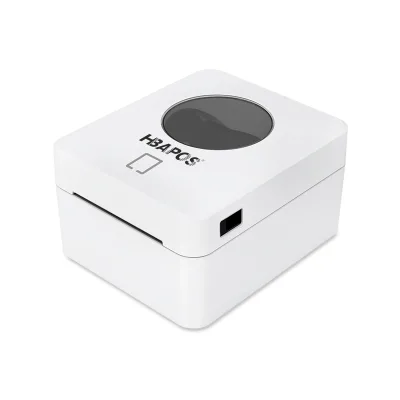
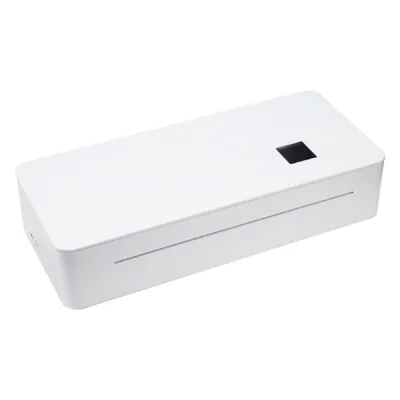


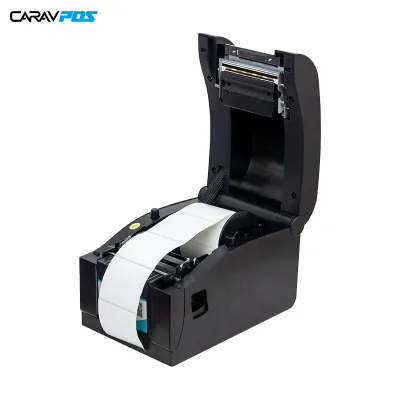
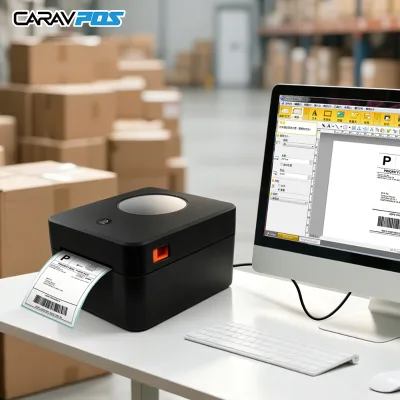
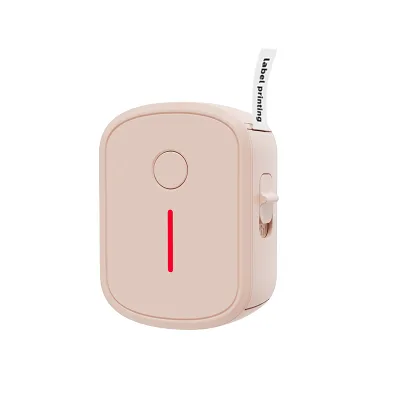
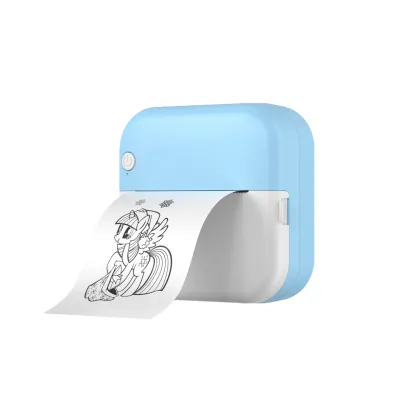

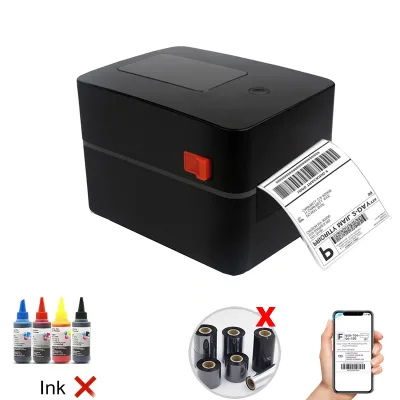
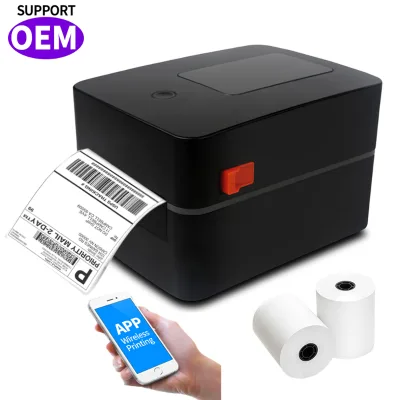
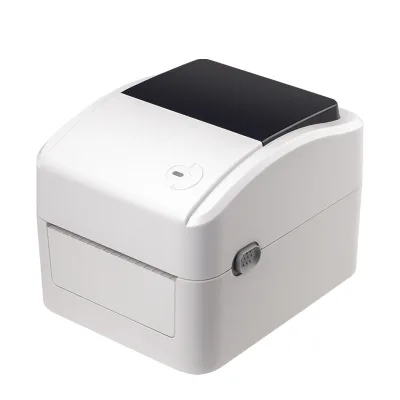
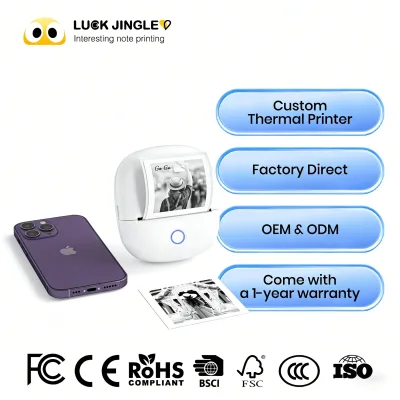
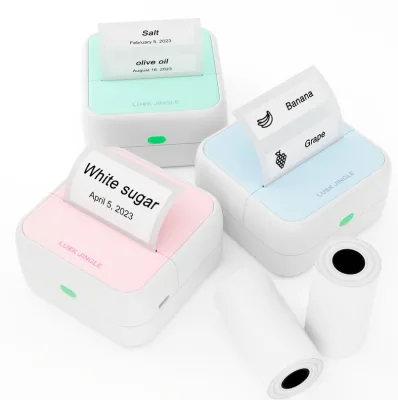
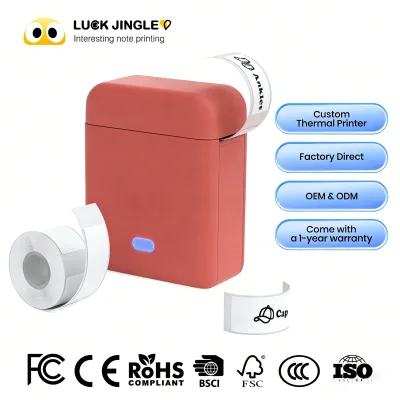
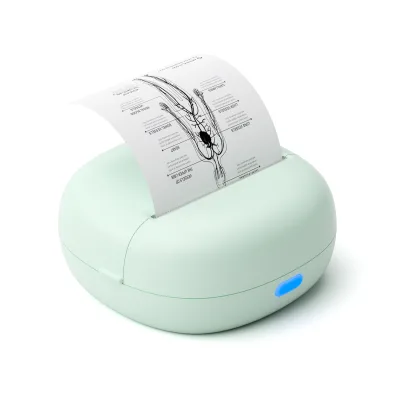
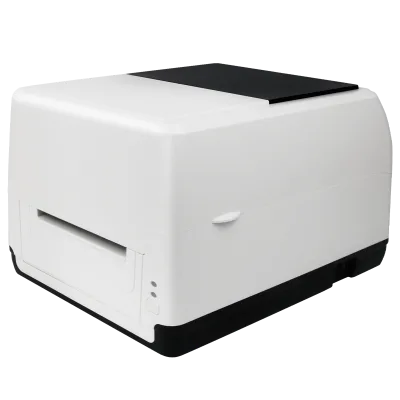
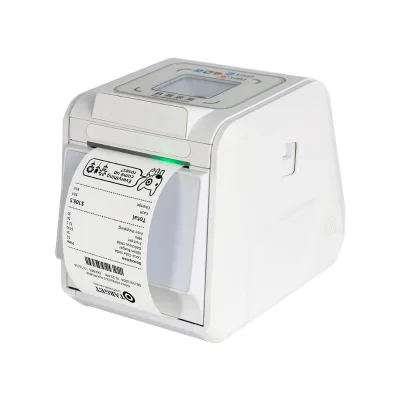


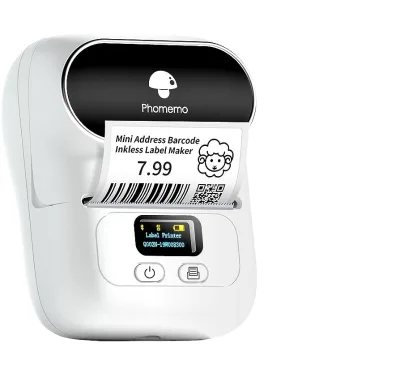
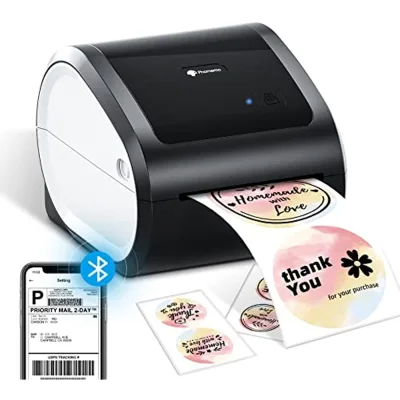


Comprehensive Sourcing Guide
Shipping Label Maker Thermal Printer Supplier Concentration and Factory Types
The current supplier landscape for shipping label maker thermal printers reveals a distinct geographic concentration in China, with specific manufacturing hubs identified in Zhejiang and Fujian provinces. These regions serve as critical nodes for the production of thermal transfer ribbons, portable POS printers, and various adhesive label solutions. Suppliers in these areas often operate as either trading companies or manufacturer/factory entities, offering a blend of direct production capabilities and supply chain management services. The presence of both types indicates a mature ecosystem where buyers can choose between direct factory engagement for cost efficiency or trading companies for broader product aggregation and logistical support. This dual structure allows for flexibility in sourcing strategies, depending on whether the buyer prioritizes manufacturing control or supply chain convenience.
Within these clusters, the primary product offerings include thermal printers, barcode printers, and related consumables like thermal paper and ribbons. The diversity of main products suggests that many suppliers have diversified their portfolios to meet the comprehensive needs of logistics and retail sectors. For instance, some suppliers focus on desktop printers with high-resolution capabilities, while others specialize in handheld or portable inkjet printers for mobile labeling applications. This variety ensures that buyers can find specialized equipment tailored to specific operational requirements, such as high-speed warehouse labeling or compact retail receipt printing. The concentration of these specific product types in Zhejiang and Fujian highlights the regional expertise in electronics assembly and thermal printing technology, providing a reliable base for sourcing high-quality label maker solutions.
How to Verify Shipping Label Maker Thermal Printer Suppliers
Verification is a critical step in ensuring the reliability of suppliers offering shipping label maker thermal printers. Buyers should prioritize suppliers who hold recognized system certifications, such as BSCI and ISO 9001, which indicate adherence to international quality management and social compliance standards. Additionally, third-party verification badges like BV and SGS provide an extra layer of confidence regarding the supplier’s operational integrity and product quality. These certifications are not merely decorative; they serve as tangible evidence that the supplier has undergone rigorous audits and meets specific industry benchmarks. Buyers should actively check for these credentials on supplier profiles to mitigate the risk of engaging with unverified entities that may lack consistent quality control processes.
Beyond certifications, buyers should assess the supplier’s response time and verification status to gauge their professionalism and reliability. A response time of around 2.84 to 5.25 hours suggests a responsive customer service team capable of addressing inquiries promptly, which is essential for resolving technical issues or negotiating terms efficiently. Furthermore, the presence of verification badges from reputable agencies like BV and SGS indicates that the supplier’s business operations have been independently validated. Buyers should also look for suppliers who offer OEM and ODM capabilities, as this demonstrates their ability to customize products to meet specific brand requirements. By combining certification checks with response time analysis, buyers can build a robust profile of supplier reliability, ensuring that their sourcing decisions are backed by verified data rather than assumptions.
What to Compare Across Shipping Label Maker Thermal Printer Suppliers
When evaluating suppliers for shipping label maker thermal printers, buyers must compare key operational metrics such as lead times, minimum order quantities (MOQs), and pricing structures. Lead times can vary significantly, with some suppliers offering a 15-day turnaround while others may require up to 23 days. This difference can impact inventory management and order fulfillment strategies, making it crucial for buyers to align supplier capabilities with their production schedules. Similarly, MOQs range from as low as one unit for certain mini printers to higher quantities for industrial-grade equipment. Understanding these thresholds helps buyers determine the feasibility of small-batch testing versus large-scale procurement, ensuring that they can start with manageable orders before committing to larger volumes.
Pricing and customization options are also vital comparison points. Prices for thermal printers can range from approximately $7 to over $100, depending on features like print speed, resolution, and connectivity options. Buyers should compare these prices against the specified technical attributes, such as print resolution of 203 dpi or 384 dots/line, and print speeds ranging from 70mm/s to 150mm/s. Additionally, the availability of customization services, including private molds and SDK support, adds value for buyers seeking branded solutions. By systematically comparing these factors, buyers can identify suppliers that offer the best balance of cost, speed, and customization, ensuring that their sourcing decisions are both economically viable and technically suitable for their specific operational needs.
Common Shipping Label Maker Thermal Printer Sourcing Risks
One significant risk in sourcing shipping label maker thermal printers is the potential mismatch between advertised specifications and actual product performance. Buyers may encounter discrepancies in critical attributes such as print resolution, paper width compatibility, or connectivity interfaces. For example, a printer advertised with a 80mm print width might have limitations in handling specific label roll diameters or paper types. These mismatches can lead to operational inefficiencies, such as frequent jams or poor print quality, which disrupt workflow in high-volume environments. To mitigate this risk, buyers should request detailed technical datasheets and, if possible, sample units to verify that the printer meets their exact paper and label requirements before placing large orders.
Another risk involves the reliability of after-sales support and warranty terms. While some suppliers offer a one-year warranty and free spare parts, the actual implementation of these services can vary. Buyers may face challenges in obtaining timely technical support or replacement parts, especially if the supplier is located in a different time zone or lacks a robust local service network. Additionally, the complexity of integrating thermal printers with existing software systems can pose technical hurdles if the supplier does not provide adequate SDK support or documentation. Buyers should carefully review warranty conditions and support policies, ensuring that they have clear recourse in case of hardware failures or software integration issues. Proactive due diligence in these areas can prevent costly downtime and ensure smoother long-term operations.
Shipping Label Maker Thermal Printer Regional Sourcing and Logistics
Sourcing shipping label maker thermal printers from specific regions in China, such as Zhejiang and Fujian, offers logistical advantages due to established manufacturing clusters and efficient supply chains. Suppliers in these areas are often well-integrated with local logistics networks, enabling faster dispatch and reduced shipping costs. For instance, products packed in standard export cartons or individual units can be efficiently consolidated for bulk shipments. Buyers should consider the impact of regional logistics on lead times and shipping reliability, as proximity to major ports can facilitate smoother export processes. Understanding these logistical nuances helps buyers plan their inventory replenishment cycles more accurately, minimizing the risk of stockouts or delays in receiving critical labeling equipment.
Additionally, the packaging standards employed by suppliers in these regions can affect the safety and condition of the printers during transit. Products are typically packed in cartons with specific dimensions, such as 270 mm * 170 mm * 240 mm for larger units, ensuring secure handling. Buyers should verify that the packaging meets international shipping standards to prevent damage during transit. Furthermore, the origin of the products, often listed as China or specific provinces like Fujian, Xiamen, provides transparency regarding the manufacturing source. This information can be useful for compliance purposes and for assessing the environmental impact of the supply chain. By leveraging the logistical strengths of these regions, buyers can optimize their sourcing strategy for efficiency and reliability.
Shipping Label Maker Thermal Printer Commercial Terms and Order Planning
Effective order planning for shipping label maker thermal printers requires careful consideration of commercial terms, including payment structures, escrow services, and contract flexibility. Buyers should prioritize suppliers who offer secure payment options, such as escrow, to protect their financial interests until the goods are received and verified. This is particularly important for first-time transactions or large orders, where the risk of non-delivery or quality issues is higher. Additionally, understanding the supplier’s return and refund policies is crucial for managing potential disputes. Buyers should negotiate clear terms regarding quality assurance and dispute resolution to ensure that they have adequate protection in case of product defects or delivery failures.
Furthermore, buyers should align their order volumes with the supplier’s production capacity and lead times to avoid bottlenecks. For suppliers with OEM/ODM capabilities, lead times may be longer due to customization requirements, so early planning is essential. Buyers should also consider the scalability of their orders, ensuring that the supplier can handle increased volumes without compromising quality or delivery schedules. By establishing clear commercial terms and planning orders strategically, buyers can build a resilient supply chain that supports their operational needs. This approach minimizes risks and ensures that the procurement process is smooth, predictable, and aligned with business objectives, ultimately contributing to long-term success in the labeling and logistics sectors.
FAQs
What is the price range for thermal shipping label printers?
Prices for thermal shipping label printers typically range from $7.00 to $103.00 per unit depending on specifications. Miniature models start around $7.00, while desktop units with higher resolution and speed command premiums up to $63.00 or $103.00. Buyers should verify exact pricing based on order volume and customization needs.
What are the minimum order quantities for these printers?
Minimum order quantities vary significantly by product type. Miniature portable label makers often require a minimum of just one unit, making them ideal for sampling. Larger desktop thermal printers generally have a minimum order quantity of two units. Buyers should confirm specific MOQs with suppliers before placing bulk orders.
How fast do these thermal printers produce labels?
Print speeds vary by model and printing mode. Mini portable printers typically achieve speeds between 70mm and 90mm per second. Desktop thermal label printers can reach up to 150mm per second for black printing or 101.6mm per second for color. Resolution is commonly 203dpi for standard applications.
What certifications do these manufacturers hold?
Manufacturers in this category commonly hold ISO 9001 and ISO 9001:2015 system certifications. Some suppliers also possess BSCI certification for social compliance. Verification services like BV and SGS are also utilized to confirm supplier reliability. Buyers should request current certificates to ensure compliance with international standards.
Where are these thermal printers manufactured?
These thermal printers are primarily manufactured in China. Specific production hubs include Zhejiang and Fujian provinces, with Xiamen being a notable location for mini printer production. Buyers sourcing from these regions benefit from established supply chains for thermal printing components and assembly.
What is the typical lead time for orders?
Lead times for thermal shipping label printers generally range from 15 to 23 days. Suppliers with faster response times may offer quicker turnaround for standard stock items. Buyers should confirm exact delivery schedules with suppliers, as lead times can vary based on order volume and customization requirements.
Can I customize these printers with my own brand?
Customization is available for many thermal printer models. Suppliers offer OEM and ODM services, allowing buyers to apply private molds and branding. Some mini printers explicitly support private mold customization. Buyers should discuss specific branding requirements and minimum quantities for custom orders directly with manufacturers.