Vanilla Whey Protein Suppliers and Manufacturers in China
Compare 26 verified suppliers offering Vanilla Whey Protein with details on location, lead times, and certifications. Review product specs like active substance content and packaging before contacting factories for quotes; review the available evidence before requesting comparable quotations from suitable candidates.
Updated
Suppliers List

Tianjin Zhuofeng Biotechnology Co., Ltd.
- Verified by BV
- Trading Company
- China Tianjin
- Lead time15 days
- Avg. response≤ 6h
Main productsFood Additives, Plant Extract, Amino Acid, Nutrient Supplements, Feed Additives, Vitamin, Water Treatment, Coffee Bean/Cacao Beans, Cocoa Butter Cocoa Powder, Plastic Particle
Main marketsSoutheast Asia/ Mideast


90% Whey Protein Whey Isolate Protein Powder Select Material Stricyly Whey Protein
$3100.00 - $6200.00
MOQ: 1 Tons

Whey Protein Powder Vanilla Milk Chocolate Isolate Protein Powder Muscle Building Dietary Supplement
$2.80 - $8.50
MOQ: 1000 kg


Whey Protein Concentrate Whey Protein Isolate Powder Sport Supplement Body Building
$11.00 - $13.00
MOQ: 1000 kg
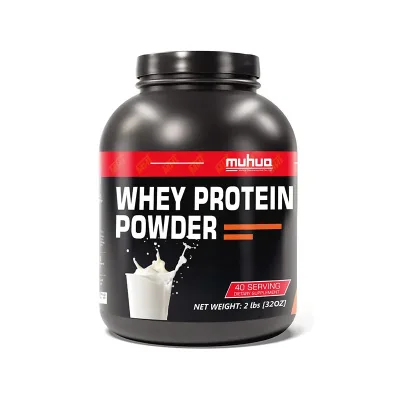
Guangzhou Muhua Pharmaceutical Co., Ltd.
- Verified by Intertek
- Trading Company
- Lead time15 days
- Avg. response≤ 3h
Main productsHealth Food
Main marketsDomestic Market(30%), North America(25%), Eastern Europe(15%)

- Verified by TUVRHEINLAND
- Trading Company
- China Hebei
- Lead time30 days
- Avg. response≤ 7h
Main productsSLES 70%, LABSA 96%, SLS/K12, Soap Noodles, HPMC, Titanium Dioxide, Soy Wax, Aos 35% 92%, Monohydrous/Anhydrous Citric Acid, Petroleum Jelly
Main marketsSoutheast Asia/ Mideast
Guangzhou Linnuo Pharmaceutical Co., Ltd.
- Verified by TüVRheinland
- Manufacturer, Trading Company
- Lead time15 days
- Avg. response≤ 1h
Main productsGummy, Powders, Capsules, Solid Drink, Tablets
Main marketsNorth America(30%), Western Europe(30%), South America(10%)

Tianjin Wan Kang Biotechnology Co., Ltd.
- Verified by SGS
- Trading Company
- China Tianjin
- Lead time15 days
- Avg. response≤ 2h
Main productsCocoa Product, Whole Milk Powder, Creatine Monohydrate, Xanthan Gum, Whey Protein, L-Carnitine, Kojic Acid, Glycerin, Vitamin, Nicotinamide Mononucleotide
Main marketsOthers(foreignTradeCapacity.exportBusinessCapacityMarketOther)

Vanilla-Flavored Whey Protein Concentrate Vanilla-Flavored Whey Protein Concentrate
$2.10 - $5.10
MOQ: 1 kg


Tianjin Dongfang Import and Export Co., Ltd.
- Trading Company
- China Tianjin
- Lead time15 days
- Avg. response≤ 7h
Main productsFood Additive, Medical Intermediate, Nutritional Supplement, Vitamin, Natural Plant Extracts, Amino Acid
Main marketsSoutheast Asia/ Mideast,Europe
Zhengzhou Zhongsheng Enterprise Marketing Planning Co., Ltd.
- Trading Company
- Henan, China
- Lead time0 days
- Avg. response≤ 1h
Main productsHealthcare Supplements,Vitamins,Mushroom/Enzyme,Food & Beverage Beverages Tea Slimming Tea
Main marketsNorth America(35.00%), Southern Europe(25.00%), Eastern Asia(15.00%), Mid East(15.00%), Africa(10.00%)
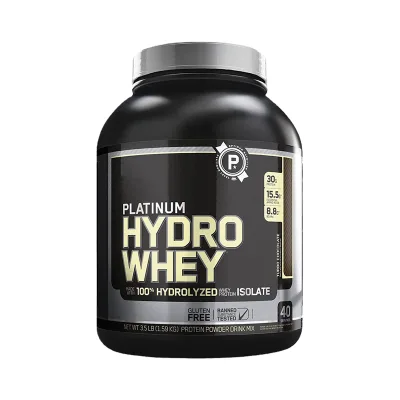
$8.90 - $12.00
MOQ: 50 pieces
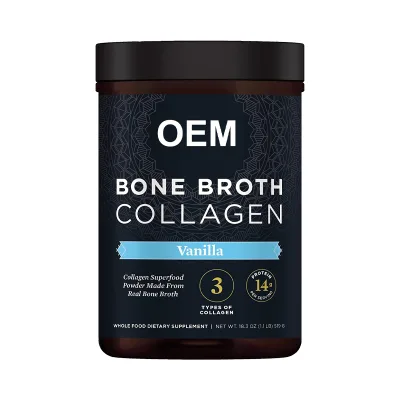
$5.90 - $8.90
MOQ: 50 pieces
Guangzhou Hemp Biotechnology Co., Ltd.
- Verified by SGS Group
- Manufacturer, Trading Company
- Lead time14 days
- Avg. response≤ 2h
Main productsHerbal Supplement, Dietary Supplement, Collagen Supplement, Fish Oil Supplement, Sport Nutrition Powder
Main marketsNorth America(15%), South America(12%), Eastern Europe(10%)
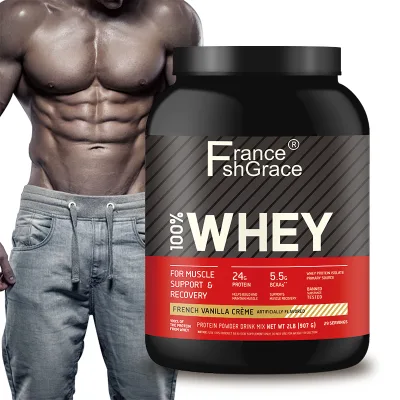
Whey Protein Powder 907G Naturally Flavored Vanilla Help Build and Maintain Muscle
$8.90 - $9.80
MOQ: 100
Jiangmen Xinchuangli Food Co., Ltd.
- Verified by TüVRheinland
- Manufacturer, Trading Company
- Lead time30 days
- Avg. response≤ 3h
Main productsSoft Candy, Tablets Candy, Powders Candy, Drops, Capsules
Main marketsNorth America(60%), South America(15%), Southeast Asia(10%)

Xi'an Xinlu Biotechnology Co., Ltd.
- Verified by SGS
- Trading Company
- China Shaanxi
- Lead time15 days
- Avg. response≤ 3h
Main productsResveratrol, Glutathione, Coenzyme Q10, Chitosan, Catechin, Artesunate, Cycloastragenol, Gastrodin, Hydroxychlorohydrin, Sulforaphane
Main marketsSoutheast Asia/ Mideast,Domestic,Europe,North America

Factory 99% Whey Protein Concentrate Powder Nutritional Supplement Whey Protein Isolate
$20.00 - $40.00
MOQ: 1 kg

Private Label OEM Whey Protein Powder Wholesale Price of Isolate Whey Protein Powder
$2.00 - $2.50
MOQ: 10 Bottle
Guangdong Teyi Health Industry Co., Ltd.
- Manufacturer
- Guangdong, China
- Lead time7 days
- Avg. response≤ 3h
Main productshealth food,pet food,food and beverage
Main marketsAfrica(15.00%), South America(13.00%), Eastern Asia(10.00%), North America(10.00%), Domestic Market(9.00%), Mid East(8.00%), Northern Europe(8.00%), Central America(7.00%), Southeast Asia(5.00%), South Asia(5.00%), Western Europe(4.00%), Eastern Europe(2.00%), Oceania(2.00%), Southern Europe(2.00%)

Shaanxi Yuantai Biological Technology Co., Ltd.
- Verified by CTI
- Manufacturer/Factory
- China Shaanxi
- Lead time15 days
- Avg. response≤ 7h
Main productsAstaxanthin, Nicotinamide Mononucleotide, Arbutin, Sialic Acid, Resveratrol, Creatine Monohydrate, Coenzyme Q10, Retinal, Centella Asiatica Extract, Hesperidin
Main marketsSouth America,Eastern Europe,Mid East,North America,Southeast Asia,Eastern Asia,Oceania,Western Europe,Africa
Anhui Shujian Pharmaceutical Co., Ltd.
- Verified by TüVRheinland
- Manufacturer, Trading Company
- Lead time20 days
- Avg. response≤ 2h
Main productsDietary Supplement Powder, Dietary Supplement Tablet, Dietary Supplement Gummy, Dietary Supplement Capsules, Dietary Supplement Softgel
Main marketsNorth America(95%), Western Europe(4%), Oceania(1%)
Zhengzhou Friend Biological Engineering Co., Ltd.
- Verified by TüVRheinland
- Manufacturer, Trading Company
- Lead time10 days
- Avg. response≤ 1h
Main productsBrown Sugar Ginger Tea, Supplement Tablet, Gummy, Ginger Tea Blocks, Sports Nutrition
Main marketsDomestic Market(15%), Eastern Europe(10%), Southeast Asia(10%)
Dongying Guangyuan Biotechnology Co., Ltd.
- Verified by TüVRheinland
- Manufacturer, Trading Company
- Lead time10 days
- Avg. response≤ 1h
Main productsHealth Food
Main marketsDomestic Market(50%), Oceania(10%), South America(7%)
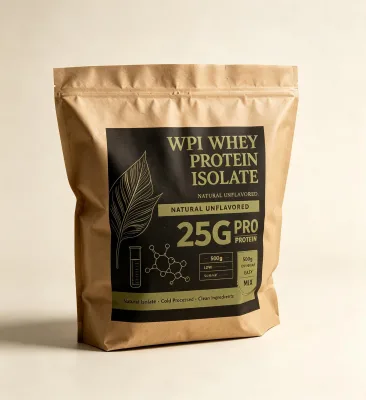
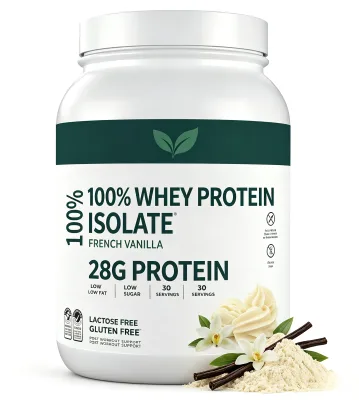
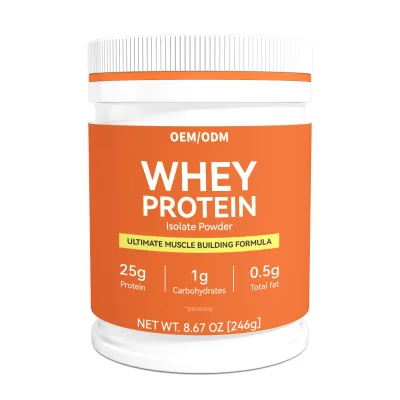
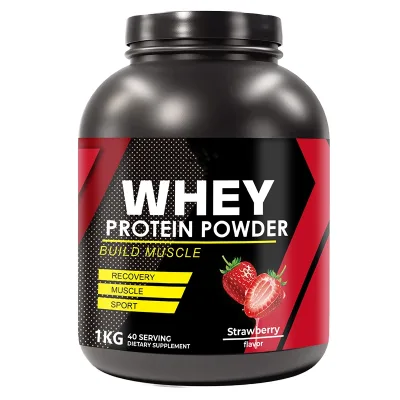
Whey Protein Powder Men and Women High Nutrition Strong Whey Muscle Building Protein Isolate Powder
$3.00 - $6.00
MOQ: 1000 Minimum
Shenzhen Lifeworth Biotechnology Co., Ltd.
- Manufacturer, Trading Company
- Lead time旺季: "1 - 500":25,"> 500":"To be negotiated", 淡季: "1 - 500":25,"> 500":"To be negotiated"
- Avg. response≤ 7h
Main productsCoffee, Vitamins, Tea, Collagen, Energy Drink
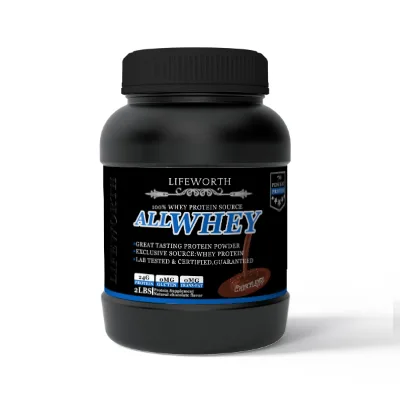
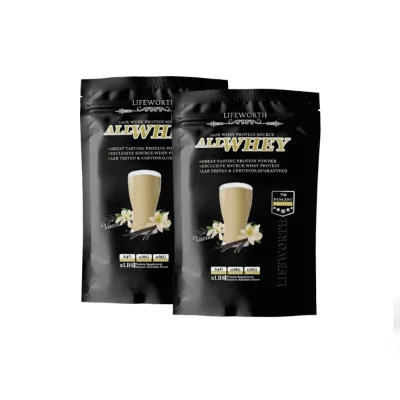
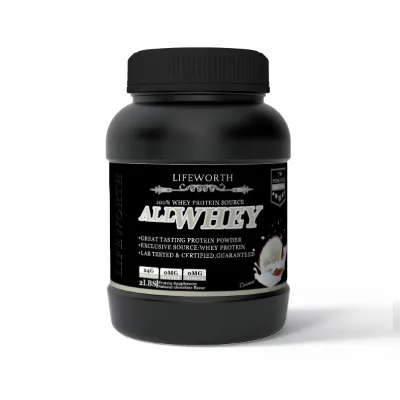
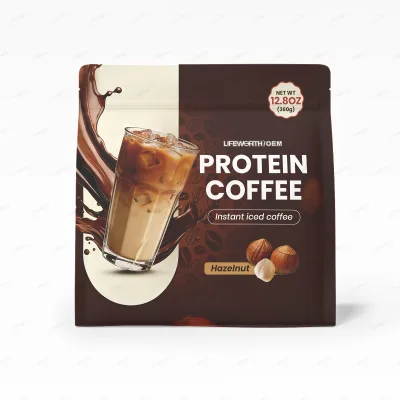
LIFEWORTH Whey Multi-Protein 2lb Grass-Fed Flavored for Muscle Growth Wholesale Supply
$6.80 - $8.90
MOQ: 500 bags
Inkea Health Technology (guangdong) Co., Ltd.
- Verified by Intertek
- Manufacturer, Trading Company
- Lead time30 days
- Avg. response≤ 6h
Main productsProtein Powder, Soft Gels, Capsules, Nutrition Bar, Tablets
Main marketsDomestic Market(67%), North America(6%), Southern Europe(4%)

Gabe Health Technology Co.,Ltd
- Verified by TUVRHEINLAND
- Combined
- China Guangdong
- Lead time30 days
- Avg. response≤ 11h
Main marketsSoutheast Asia/ Mideast,Domestic,North America
Henan Shizhen Hanfang Pharmaceutical Technology Co., Ltd.
- Verified by SGS Group
- Manufacturer, Trading Company
- Lead time30 days
- Avg. response≤ 2h
Main productsElectrolyte Powder, Mushroom Coffee Powder, Capsules, Gummies, Ice Cream Powder
Main marketsDomestic Market(87%), Western Europe(8%), Africa(5%)
- Manufacturer, Trading Company
- Taiwan, China
- Lead time60 days
- Avg. response≤ 5h
Main productsfood supplement,Collagen Jelly,weight loss pills,herbal supplement,health beverage
Main marketsDomestic Market(30.00%), Eastern Asia(30.00%), South Asia(20.00%), Southeast Asia(10.00%), North America(10.00%)
$12.8254 - $15.3902
MOQ: 1 kilograms
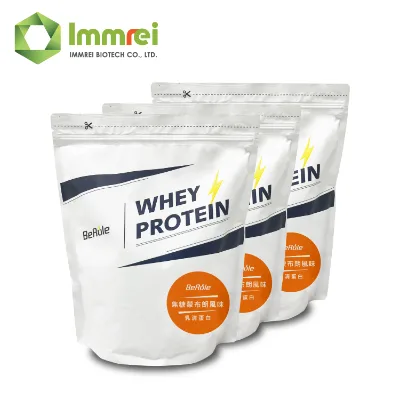
Japan Manufacturer Private Label Customized Oem Whey Protein Powder
$0.0616 - $0.2054
MOQ: 3000 Minimum

LIFE EXPLORATION TECHNOLOGIES LIMITED
- Manufacturer, Trading Company
- Hong Kong S.A.R.
- Lead time25 days
- Avg. response≤ 3h
Main productsGummy Candy,Effervescent Tablets,Slim Plum,Jelly Stick,Oral Liquid Drink
Main marketsSoutheast Asia(30.00%), North America(20.00%), Oceania(9.00%), Western Europe(5.00%), Southern Europe(5.00%), Mid East(5.00%), Eastern Europe(5.00%), Domestic Market(5.00%), South America(5.00%), South Asia(4.00%), Central America(2.00%), Eastern Asia(2.00%), Northern Europe(2.00%), Africa(1.00%)

Henan Tangbainian Health Management Co., Ltd.
- Verified by SGS
- Combined
- China Henan
- Lead time15 days
- Avg. response≤ 3h
Main productsHealth Food Candy Gummy Tablet Candy Softgel
Main marketsDomestic
Beijing Sunvoton International Trade Co., Ltd.
- Verified by TüVRheinland
- Trading Company
- Lead time15 days
- Avg. response≤ 1h
Main productsCapsules, Powder, Tablet, Tea, Gummies
Main marketsNorth America(25%), South America(20%), Oceania(10%)
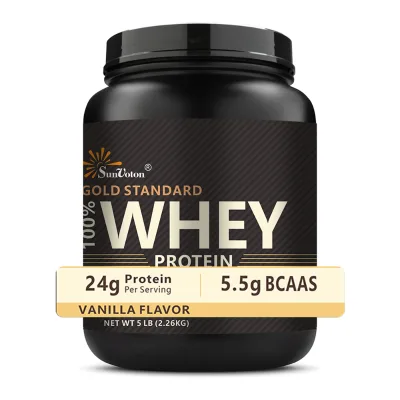
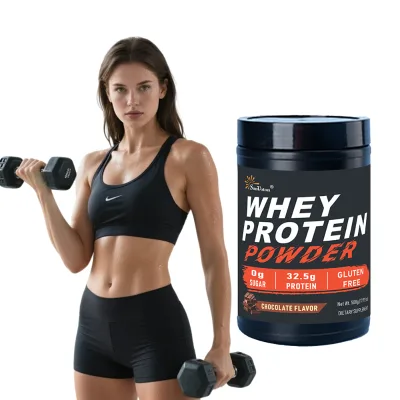
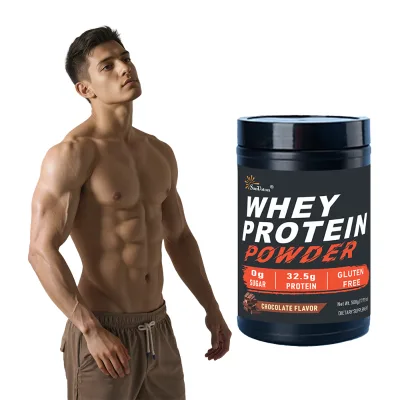
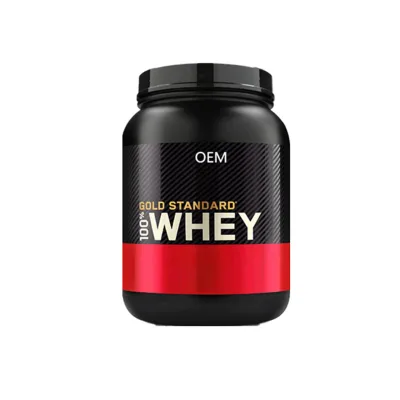
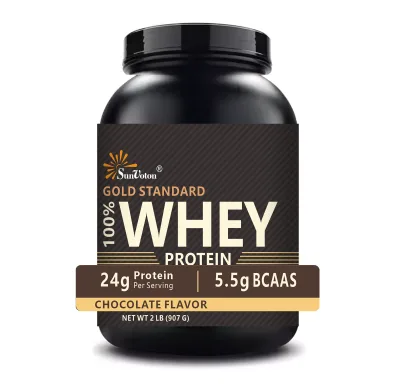
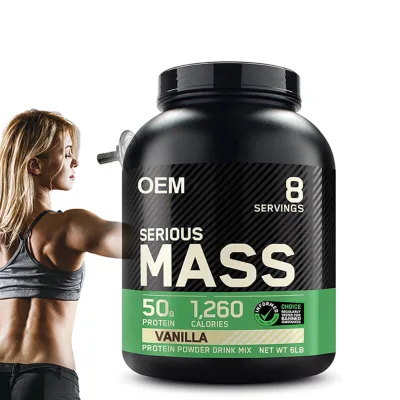
100% Natural Protein Powder, Vegan Enhanced Whey Protein Powder for Men and Women
$6.50 - $7.50
MOQ: 10 units

Hangzhou Focus Health Products Co., Ltd
- Verified by SGS
- Trading Company
- China Zhejiang
- Lead time15 days
- Avg. response≤ 16h
Main marketsSouth America,Southeast Asia/ Mideast,Europe,North America


Protein Powder Whey Protein and Isolate Pea Protein Mixed Unflavored No Preservatives
$5.80 - $6.00
MOQ: 100 kg

Hefei Amedcare Import and Export Trade Co., Ltd.
- Verified by BV
- Combined
- China Anhui
- Lead time30 days
- Avg. response≤ 5h
Main productsChinese Medicine, Vitamin Syrup, Flower Tea, Slim Tea, Iron Syrup, Vitamim B Syrup, Multivitamin Syrup, Soft Capsule
Main marketsSouth America,Europe


High-Quality Whey Protein Prowder for Enhanced Muscle Recovery and Growth
$15.00 - $20.00
MOQ: 500 bottle
Fujian Shengshi Jiatai Biotechnology Co., Ltd.
- Trading Company, Buying Office, Distributor/Wholesaler
- Fujian, China
- Lead time0 days
- Avg. response≤ 1h
Main productsSweetener,Essence,Thickener,Flavor enhancer,Colorant
Main marketsCentral America(4.00%), South Asia(4.00%), Northern Europe(4.00%), Western Europe(3.00%), South America(3.00%), North America(3.00%), Oceania(2.00%), Domestic Market(2.00%), Africa(2.00%), Southeast Asia(2.00%), Eastern Asia(1.00%), Eastern Europe(1.00%), Mid East(1.00%), Southern Europe(1.00%)










Comprehensive Sourcing Guide
Vanilla Whey Protein Supplier Concentration and Factory Types
The current supplier landscape for Vanilla Whey Protein reveals a distinct concentration of manufacturing and trading entities within specific geographic regions, with China Tianjin emerging as a notable hub for these operations. This location data suggests that buyers seeking vanilla-flavored whey protein isolates or concentrates may find a higher density of potential partners in this area, potentially benefiting from established supply chains for dairy derivatives and flavoring agents. The presence of both trading companies and direct manufacturers in this cluster allows for varied sourcing strategies, where buyers can choose between the flexibility of a trading company that aggregates products from multiple factories or the direct pricing and customization control offered by a factory with its own production lines. Understanding this geographic concentration is the first step in narrowing down the search, as it helps buyers anticipate logistical patterns and regional regulatory environments that may apply to their specific orders.
Within this concentrated market, the types of suppliers vary significantly in their operational focus and product capabilities. Many entities identify primarily as trading companies, which means they act as intermediaries connecting buyers with various production facilities rather than owning the manufacturing equipment themselves. These trading companies often specialize in categories such as food additives, plant extracts, and nutrient supplements, offering a broad portfolio that includes Vanilla Whey Protein alongside other health care supplements. In contrast, some suppliers may have more specialized capabilities, such as light customization, sample processing, or graphic processing, which are critical for buyers looking for private label solutions. The distinction between a pure trading entity and a manufacturer with trading capabilities is crucial, as it impacts the level of transparency, the ability to conduct factory audits, and the flexibility to negotiate custom specifications for vanilla flavoring and protein concentration levels.
How to Verify Vanilla Whey Protein Suppliers
Verifying the authenticity and reliability of Vanilla Whey Protein suppliers requires a multi-layered approach that goes beyond simple profile reviews. One critical step is to check for third-party verification badges, such as those provided by BV or Intertek, which indicate that an independent agency has assessed the supplier’s business legitimacy and operational capabilities. These verifications provide a baseline of trust, confirming that the company exists and operates within the parameters declared in their profile. However, buyers should not rely solely on these badges; they must also scrutinize the specific details provided in the supplier’s product listings to ensure consistency. For instance, if a supplier claims to be a manufacturer but lists a main product category that is overly broad or inconsistent with whey protein production, it may indicate a trading company rather than a direct factory. Cross-referencing the supplier’s stated location with their verification address can also help confirm their physical presence and operational scale.
Another essential verification step involves examining the product attributes and certifications listed for the Vanilla Whey Protein items. Buyers should look for detailed specifications regarding the content of active substances, shelf life, and storage conditions, as these details reflect the supplier’s attention to quality control. For example, some listings specify a protein content of greater than 90% or a moisture content of 10% max, which are important metrics for ensuring product quality. Additionally, checking for compliance with food grade standards and any relevant safety certifications is vital, as Vanilla Whey Protein is often used in health supplements and food products where safety is paramount. Buyers should also verify the supplier’s response time and communication efficiency, as a quick and professional response can indicate a well-organized operation that is likely to handle order fulfillment and after-sales support effectively.
What to Compare Across Vanilla Whey Protein Suppliers
When evaluating multiple suppliers for Vanilla Whey Protein, buyers must compare key operational metrics to determine the best fit for their specific needs. One of the most critical factors is the minimum order quantity (MOQ), which can vary significantly across different suppliers. Some suppliers may offer an MOQ of just one unit, which is ideal for small businesses or those testing the market, while others may require a minimum of 1000kg, catering to large-scale industrial buyers. Understanding these MOQ differences is essential for budgeting and inventory planning, as ordering in larger quantities often leads to lower per-unit costs but requires greater storage capacity and capital investment. Buyers should also compare the lead times, which indicate how long it takes for the supplier to produce and ship the goods after the order is confirmed. A lead time of 15 days, for example, allows for better supply chain planning compared to longer or undefined lead times.
Price and customization options are another crucial area for comparison. The price range for Vanilla Whey Protein can vary widely, with some suppliers offering prices as low as $2.10 per unit while others charge up to $13.00 per unit, depending on the protein concentration, flavoring quality, and packaging. Buyers should not only look at the lowest price but also consider the value provided, including the quality of the vanilla flavor, the purity of the whey protein, and the packaging materials used. Additionally, customization capabilities should be assessed, as some suppliers offer available customization for packaging, labeling, and even flavor profiles. This is particularly important for buyers looking to create a unique brand identity or meet specific regulatory requirements in their target markets. Comparing these factors across multiple suppliers helps buyers make an informed decision that balances cost, quality, and operational flexibility.
Common Vanilla Whey Protein Sourcing Risks
Sourcing Vanilla Whey Protein from international suppliers carries inherent risks that buyers must proactively manage to ensure a smooth procurement process. One significant risk is the potential for product inconsistency, where the actual quality of the Vanilla Whey Protein may differ from the samples provided or the specifications listed in the product description. This can occur due to variations in raw material sources, manufacturing processes, or storage conditions during transit. To mitigate this risk, buyers should request detailed product specifications and test reports, such as those confirming the protein content, moisture levels, and absence of contaminants. Additionally, conducting pre-shipment inspections or hiring third-party inspection services can help verify that the goods meet the agreed-upon standards before they are shipped. This step is crucial for avoiding disputes and ensuring that the final product meets the buyer’s quality expectations.
Another common risk is the potential for logistical delays or damage during shipping, which can disrupt the buyer’s supply chain and lead to missed deadlines. Vanilla Whey Protein is sensitive to heat and moisture, so improper storage or handling during transit can compromise its quality and shelf life. Buyers should ensure that their suppliers use appropriate packaging materials, such as sealed bags or containers, and provide clear storage instructions, such as keeping the product in a cool, dry place. Additionally, buyers should consider the supplier’s location and the available shipping routes, as some regions may have more reliable logistics networks than others. Establishing clear communication channels and setting realistic expectations for delivery times can also help manage this risk. By understanding and addressing these common sourcing risks, buyers can protect their interests and ensure a successful procurement experience.
Vanilla Whey Protein Regional Sourcing and Logistics
The regional sourcing of Vanilla Whey Protein involves navigating various logistical considerations that can impact cost, speed, and reliability. Suppliers located in China Tianjin, for example, may offer competitive pricing due to the region’s established manufacturing infrastructure and access to raw materials. However, buyers must also consider the logistical implications of sourcing from this region, including shipping costs, transit times, and customs procedures. Understanding the local logistics network and the supplier’s experience in exporting to the buyer’s target market is essential for ensuring smooth delivery. Buyers should also evaluate the supplier’s packaging and labeling practices to ensure they comply with international shipping standards and regulatory requirements in the destination country. This includes proper labeling of ingredients, allergens, and storage instructions, which are critical for safe handling and consumer compliance.
In addition to shipping logistics, buyers should consider the regional availability of vanilla flavoring agents and other additives used in the production of Vanilla Whey Protein. Suppliers in regions with access to high-quality vanilla extracts may offer superior flavor profiles, which can be a key differentiator for buyers seeking premium products. However, this may come at a higher cost, so buyers must balance quality with budget constraints. Additionally, buyers should be aware of any regional trade agreements or tariffs that may affect the cost of importing Vanilla Whey Protein from specific countries. Understanding these regional factors allows buyers to make informed decisions about their sourcing strategy, optimizing for cost, quality, and reliability. By carefully evaluating the logistical and regional aspects of sourcing, buyers can minimize risks and maximize the value of their Vanilla Whey Protein procurement.
Vanilla Whey Protein Commercial Terms and Order Planning
Effective order planning for Vanilla Whey Protein requires a thorough understanding of the commercial terms offered by suppliers, including payment methods, pricing structures, and after-sales support. Many suppliers offer flexible payment terms, such as a 50% advance payment via TT and the remaining 50% against a copy of the bill of lading, which helps balance the risk between the buyer and the seller. Buyers should carefully review these terms to ensure they align with their financial policies and risk tolerance. Additionally, buyers should consider the supplier’s sample availability, as obtaining samples before placing a large order is a crucial step in verifying product quality and flavor. Some suppliers offer samples for free or at a reduced cost, which can help buyers make an informed decision without significant upfront investment.
Beyond payment and samples, buyers should also plan for long-term order fulfillment by establishing clear communication channels and setting expectations for delivery schedules. Suppliers with a quick response time, such as those with a response time of 3 or 5.98 hours, are likely to be more responsive to inquiries and issues that may arise during the order process. Buyers should also consider the supplier’s capacity for customization and their ability to handle large orders, as this can impact the scalability of their supply chain. By carefully planning their commercial terms and order logistics, buyers can build a reliable and efficient sourcing relationship with their Vanilla Whey Protein suppliers, ensuring consistent quality and timely delivery for their business needs.
FAQs
What is the price range for Vanilla Whey Protein?
Prices for Vanilla Whey Protein typically range from $2.10 to $13.00 per kilogram depending on purity and packaging. Lower-cost options around $2.10 often require higher minimum orders, while premium isolates may cost up to $13.00. Buyers should verify specific unit costs based on their required quantity and customization needs.
What is the minimum order quantity for these products?
Minimum order quantities vary significantly, ranging from just 1 kilogram to 1000 kilograms. Some suppliers accept small trial orders of 100 kilograms, while others require bulk purchases of 1000 kilograms. Buyers seeking smaller batches should look for suppliers with lower MOQs, whereas large-scale operations can benefit from bulk pricing tiers.
How long does shipping take for whey protein?
Standard lead times for manufacturing and shipping are approximately 15 days. This timeframe allows for production, quality control, and logistics preparation. Buyers should account for this duration when planning inventory, as expedited shipping options may not be standard for all suppliers offering these specific nutritional supplements.
Where are these whey protein suppliers located?
Suppliers offering Vanilla Whey Protein are primarily located in China, with specific operations in Tianjin and Guangdong. These regions are known for their robust manufacturing capabilities in food additives and health supplements. Buyers can expect consistent supply chains from these verified industrial hubs in China.
What is the shelf life of Vanilla Whey Protein?
The shelf life for Vanilla Whey Protein generally exceeds 12 months, with some products lasting up to 24 months. Proper storage in a cool, dry place is essential to maintain quality. Buyers should check specific product labels for exact expiration dates and storage recommendations to ensure optimal freshness upon delivery.
Are samples available for Vanilla Whey Protein?
Samples are available from several suppliers to help buyers evaluate product quality before placing large orders. This allows for testing of taste, solubility, and texture. Buyers should contact suppliers directly to request sample availability and any associated costs, ensuring they can verify the product meets their specific formulation requirements.