Multi Function Skid Steer Loader Suppliers and Manufacturers
Compare 24 verified suppliers offering multi function skid steer loaders with varying lead times, certifications, and response speeds. Review product specs like load capacity and emission standards, then contact suppliers directly to request quotes; review the available evidence before requesting comparable quotations from suitable candidates.
Updated
Suppliers List

Henan Ideal Machinery Equipment Co., Ltd.
- Combined
- China Henan
- Lead time15 days
- Avg. response≤ 6h
Main productsSteel Bar Cutting Machine, Steel Bar Bending Machine, Steel Bar Straightening and Cutting Machine, Stirrup Bending Machine, Tamping Rammer, Plate Compactor, Trowelling Machine, Concrete Cutting Machine, Road Roller, Concrete Viabratory Screed
Main marketsSouth America,Africa,Southeast Asia/ Mideast,East Asia(Japan/ South Korea),Domestic,Europe,Australia,North America


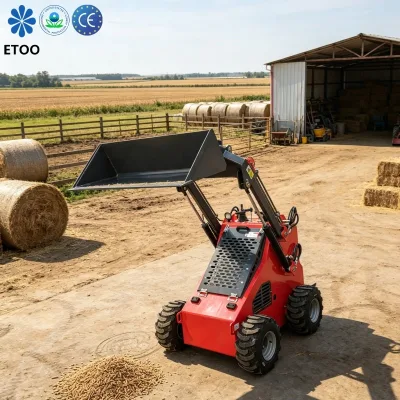
High Operating Efficiency Mini Skid Steer Loader with Digger Attachment
$14500.00 - $15900.00
MOQ: 1 Pieces


Shandong Yineng Heavy Industry Co., Ltd.
- Verified by TUVRHEINLAND
- Combined
- China Shandong
- Lead time15 days
- Avg. response≤ 3h
Main productsWheel Loader, Loader, Mini Loader, Front Loader, Backhoe Loader, Skid Steer Loader, Compact Loader, Pay Loader, Shovel Loader, Grass/Log/Wood Grapple Loader
Main marketsAfrica

Taian Mountain Machinery Science and Technology Co., Ltd.
- Combined
- China Shandong
- Lead time60 days
- Avg. response≤ 21h
Main productsMini Dumper, Mini Wheel Loader, Mini Skid Steer Loader, Skid Steer Loader, Mini Excavator, Attachment
Main marketsSouth America,Europe,Australia,North America

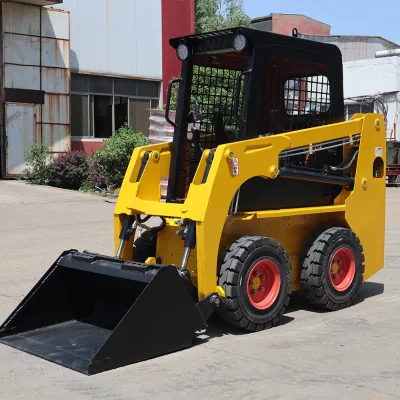
Construction Equipment Diesel Engine Multi-Function Strong Skid Steer Loader
$16800.00 - $19800.00
MOQ: 1 Unit

High Quality Compact Loader Multifunction Construction Engineering Skid Steer Loader
$16800.00 - $19800.00
MOQ: 2 Unit


SHANDONG VOCHAINS IMP & EXP CO., LTD.
- Verified by SGS
- Trading Company
- China Shandong
- Lead time30 days
- Avg. response≤ 11h
Main productsShantui Dozer, Excavator, Mini Excavator, Wheel Loader, Backhoe Loader, Agricultural Machinery, Heavy Equipment, Undercarrage Parts, Engine Parts, Construction Machinery Parts
Main marketsAfrica,Southeast Asia/ Mideast

Shandong Tairui Fude Machinery Co., Ltd.
- Verified by BV
- Manufacturer
- China Shandong
- Lead time15 days
- Avg. response≤ 4h
Main productsmulti function engineering machinery

CE Certificate Hot Sale Multi Function Various Industry Use Skid Steer Loader
$2699.00 - $3300.00
MOQ: 1 unit

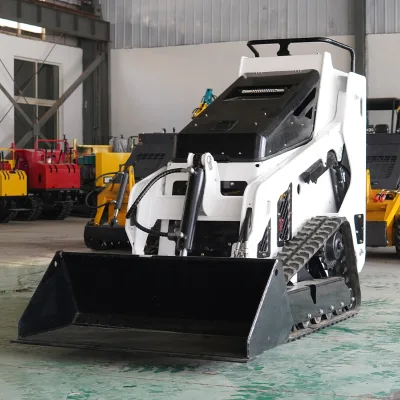
Multi Function Various Fields Use Wheel Track Drive Optional Attachments Skid Steer
$2699.00 - $3300.00
MOQ: 1 unit

CE Certificate Factory Direct Sale Various Fields Use Multi Function Skid Steer
$2699.00 - $3300.00
MOQ: 1 unit

Rigid Flexible Multi Function Various Fields Use Skid Steer with Attachments
$2699.00 - $3300.00
MOQ: 1 unit

Hot Sale Various Country Use Multi Function Wheel Crawler Drive Skid Steer
$2699.00 - $3300.00
MOQ: 1 unit

Various Fields Use Customize Engine Multi Function Wheel Track Drive Skid Steer
$2699.00 - $3300.00
MOQ: 1 unit
Shandong Kerdiss Machinery Co., Ltd.
- Trading Company
- Shandong, China
- Lead time20 days
- Avg. response≤ 1h
Main productslawn mower,Skid-steer loader,Compact loader,Remote-controlled lawn mower,Crawler loader
Main marketsNorth America(20.00%), Africa(15.00%), Oceania(15.00%), Eastern Europe(15.00%), South America(15.00%), Eastern Asia(10.00%), Southeast Asia(10.00%)
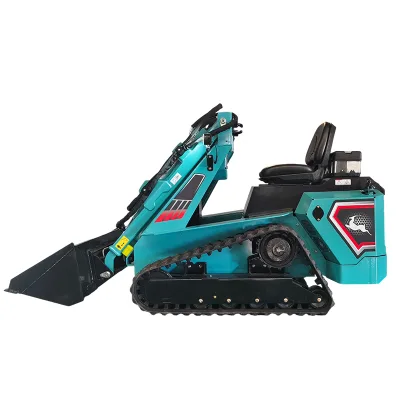
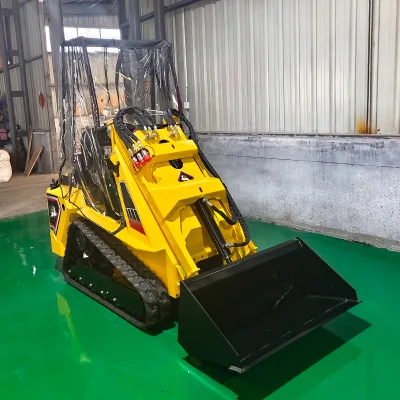
$3404.569 - $3920.4128
MOQ: 1 sets
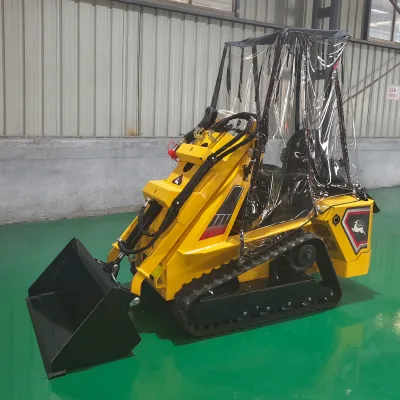
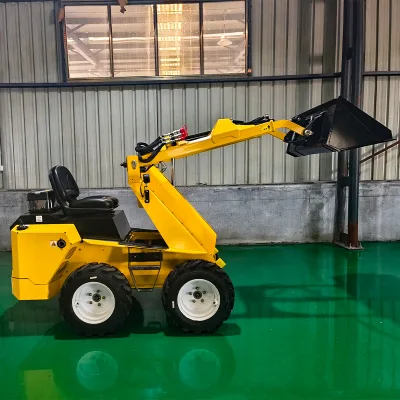
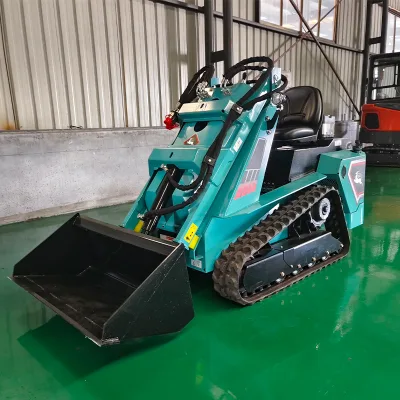
International Heavy Duty Skid Steer Loader With Brush Grapple Stump Bucket Grapple Attachment
$3650.00 - $4150.00
MOQ: 1 sets
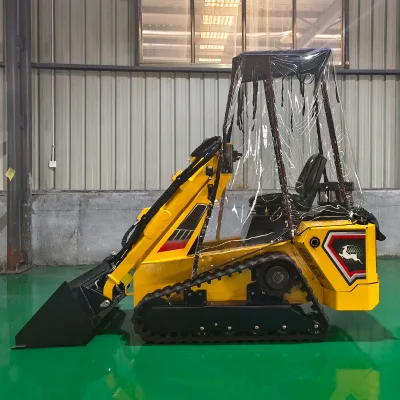
$3404.569 - $3920.4128
MOQ: 1 sets

Jinkung Industrial (Shandong) Corporation
- Verified by TUVRHEINLAND
- Combined
- China Shandong
- Lead time30 days
- Avg. response≤ 3h
Main productsPolyurethane Foam Machine, Mining Machinery, Construction Engineering Equipment, Excavators, Rollers, Agriculture Equipments, Loaders
Main marketsSouth America,East Asia(Japan/ South Korea),Europe,North America


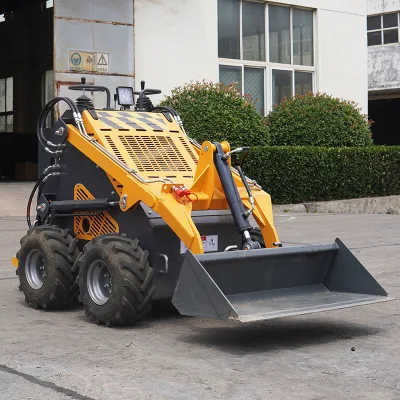
Multi-Function Mini Skid Steer Loader Chinese Brand Skid Steer Loader with Attachment
$1900.00 - $2300.00
MOQ: 1 Pieces
Shandong Huateng Machinery Co., Ltd.
- Verified by SGS Group
- Manufacturer, Trading Company
- Lead time15 days
- Avg. response≤ 2h
Main productsElectric forklift, Diesel forklift, Excavator, Lift tables, Electric stacker
Main marketsDomestic Market(50%), Eastern Asia(20%), Eastern Europe(10%)
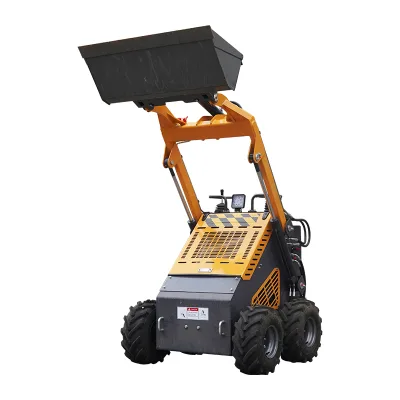
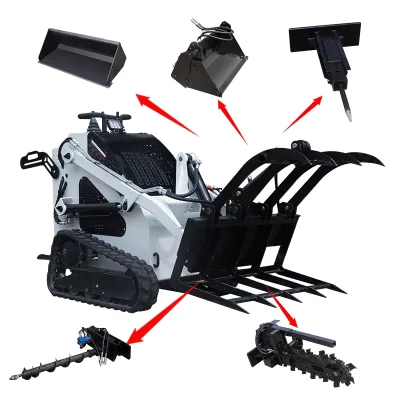
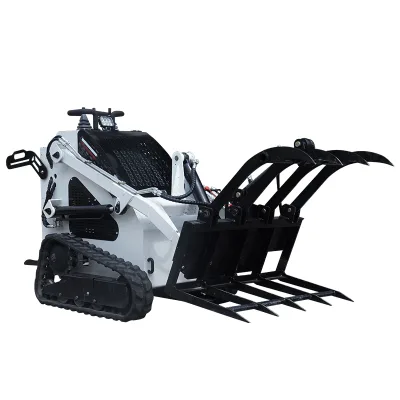
$1622.1468 - $1931.1272
MOQ: 1 pieces
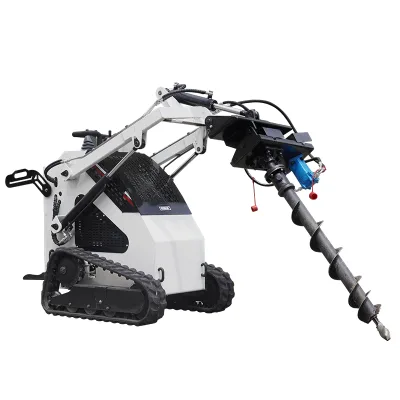
Jining Shengheng Heavy Industry Machinery Co., Ltd.
- Manufacturer
- Shandong, China
- Lead time3 days
- Avg. response≤ 2h
Main productsDismantling equipment,Mowing and logging,Road maintenance,Drilling machine,Loading and unloading screening
Main marketsSouth America(20.00%), Mid East(15.00%), Western Europe(15.00%), Eastern Europe(15.00%), North America(15.00%), Africa(12.00%), Domestic Market(8.00%)
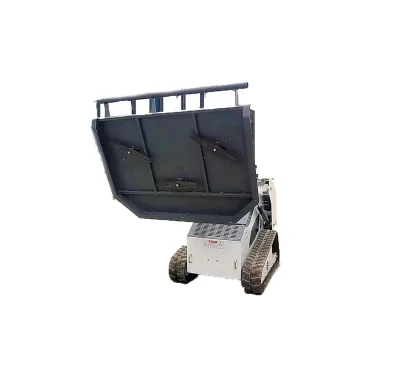
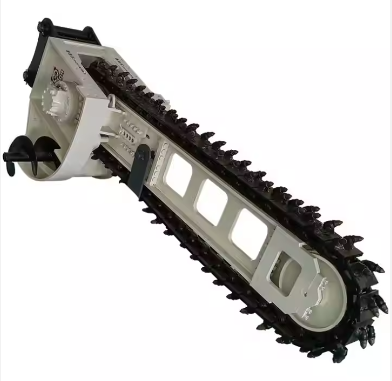
Highly Mobile and Efficient Skid Steer Wheel Loader for Diverse Working Conditions Log Loader
$4500.00 - $5000.00
MOQ: 1 pieces
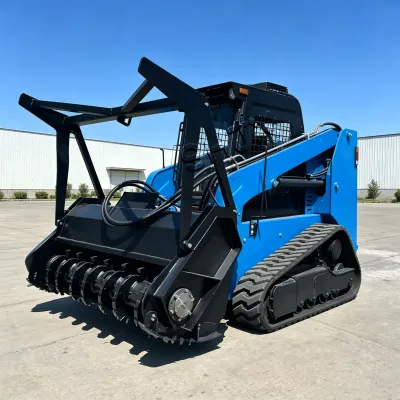

Shanghai Shytger Industry & Trade Co., Ltd.
- Verified by SGS
- Trading Company,Manufacturer/Factory
- China Shanghai
- Lead time23 days
- Avg. response≤ 21h
Main productsForklift, Electric Forklift, Crane Container, Diesel Forklift, Gasoline Forklift, Electric Stacker, Hand Pallet Truck, Electric Pallet Truck, Wheel Loader, Forklift Parts
Main marketsSouth America,Eastern Europe,Mid East,North America,Southeast Asia,Eastern Asia,Oceania,Western Europe,Africa
Shandong Landward Heavy Industry Machinery Co., Ltd.
- Verified by TüVRheinland
- Manufacturer, Trading Company
- Lead time10 days
- Avg. response≤ 5h
Main productsExcavator, Loader, Forklift, Lawn Mower, Mini Dumper
Main marketsWestern Europe(31%), Southern Europe(20%), North America(15%)
Shandong Dongwang Machinery Manufacturing Co., Ltd.
- Verified by TüVRheinland
- Manufacturer, Trading Company
- Lead time30 days
- Avg. response≤ 3h
Main productsExcavator, Loader, Tractors, Forklift
Main marketsDomestic Market(34%), North America(10%), South America(10%)
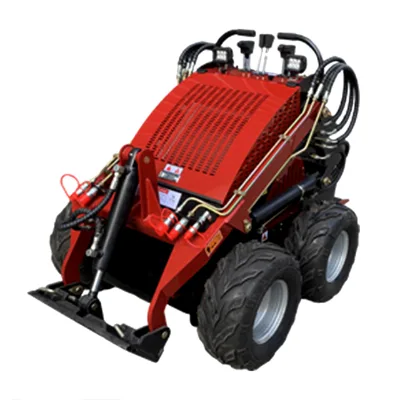
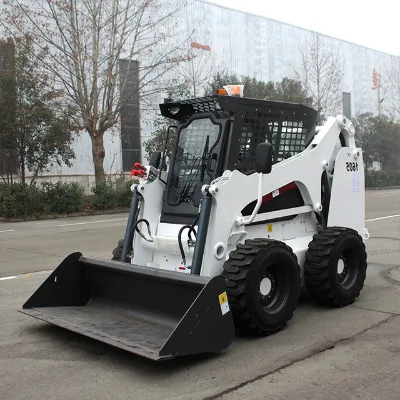
Factory Supply 360kg with Fork Multifunctional Mini Skid Steer Loader
$1600.00 - $1800.00
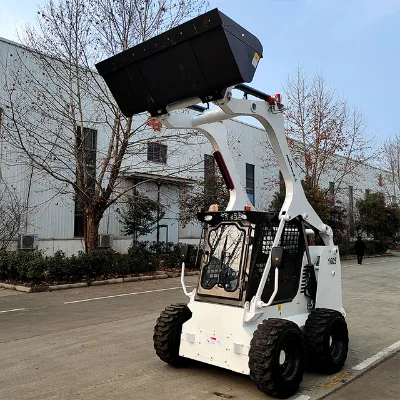
High Quality S500 Joystick Control 25hp Skid Steer Loader With Rubber Track for Sale
$2060.1515
MOQ: 1 Minimum
Etoo Machinery (Jining) Co.,Ltd
- Trading Company
- Shandong, China
- Lead time7 days
- Avg. response≤ 4h
Main productsTRICYCLE,loader,mower,mini dumper,foaming machine
Main marketsNorth America(38.00%), Mid East(25.00%), Northern Europe(16.00%), Eastern Europe(8.00%), Southern Europe(8.00%), Eastern Asia(5.00%)
Shandong Fangwei Machinery Co., Ltd.
- Verified by SGS Group
- Manufacturer, Trading Company
- Lead time5 days
- Avg. response≤ 2h
Main productsElectric Forklift, Scissor Lift, Excavators, Electric Stacker, Diesel Forklift

Yantai Guanming International Trade Co., Ltd.
- Verified by TUVRHEINLAND
- Combined
- China Shandong
- Lead time30 days
- Avg. response≤ 2h
Main productsMini Excavator, Loader, Wheel Excavator, Hydraulic Breaker, Skid Steer Loader, Backhoe Loader, Big Excavator, Electric Forklift, off-Road Forklift, Construction Machinery Attachments
Main marketsSouth America,Europe,North America
Shandong Infront Machinery Co., Ltd.
- Verified by TüVRheinland
- Manufacturer, Trading Company
- Lead time7 days
- Avg. response≤ 2h
Main productsMini Excavator, Skid Steer Loader, Lawn Mower, Dump Truck, Roller
Main marketsNorth America(50%), Western Europe(30%), Oceania(5%)
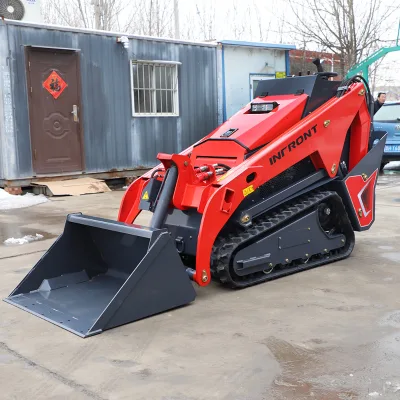
Promotion Wheel Track Skid Steer Loader Bucket Auger Drill Skidsteer Loader
$2588.00 - $4580.00
MOQ: 1 sets
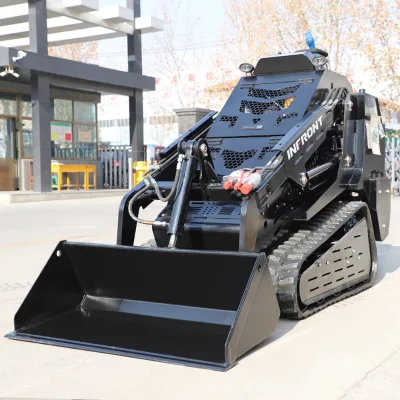

Jining Competitor Hydraulic Co., Ltd.
- Trading Company
- China Shandong
- Lead time0 days
- Avg. response≤ 9h
Main productsHydraulic Motor, Hydraulic Pump, Final Drive Travel Motor, Swing Machinery Swing Motor, Control Main Valve, Undercarriage Parts, Electrical Parts, Excavator Parts


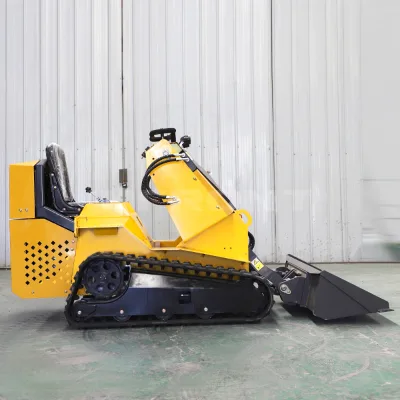
China Hot Selling Mini Skid Steer Loader Skid Steer Loader with Attachments Mini Skid Steer Loader
$1680.00 - $3870.00
MOQ: 1 Pieces

China Manufacturer Skid Steer Loaders for Sale Track Loader Skid Steer Bucket Backhoe Loader
$2060.00 - $4070.00
MOQ: 1 Pieces

Chinese Famous Brand OEM Skid Steer Loader with Different Kinds of Buckets and with The Best Price
$1990.00 - $4170.00
MOQ: 1 Pieces

Ramtec Engineering Machinery Co., Ltd.
- Verified by SGS
- Combined
- China Shandong
- Lead time23 days
- Avg. response≤ 6h
Main productsHydraulic Breaker, Hydraulic Hammer, Hydraulic Rock Hammer, Skid Steer Loader, Jack Hammer, Excavator Attachments, Hydraulic Break Hammer, Skid Loader, Hydraulic Crusher, Demolition Grapple
Main marketsDomestic


$1200.00 - $50000.00
MOQ: 1 Pieces


Yantai Rima Machinery Co., Ltd.
- Manufacturer/Factory
- China Shandong
- Lead time23 days
- Avg. response≤ 9h
Main productsLog Splitter, Log Trailer with Crane, Hydraulic Rotator, Mini Excavator, Grapple, Sawmill, Mower, Wood Chipper, Firewood Processor, Log Crane
Main marketsSouth America,Eastern Europe,Mid East,North America,Southeast Asia,Eastern Asia,Oceania,Western Europe,Africa
- Verified by SGS Group
- Trading Company
- Lead time0 days
- Avg. response≤ 2h
Main productsElectric Forklift, Diesel Forklift, Dual Fuel (Gasoline & LPG) Forklift
Main marketsNorth America(30%), South America(10%), Southeast Asia(10%)
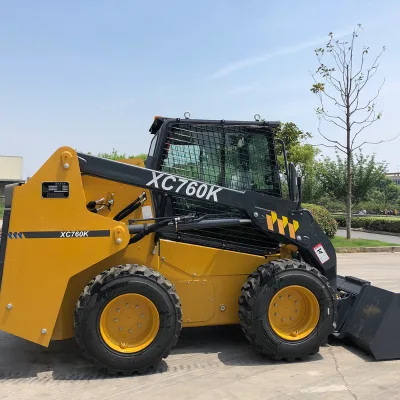
Small Backhoe Loader XC760K Tractor Skid Steer Loader with Attachment
$29999.00 - $39999.00
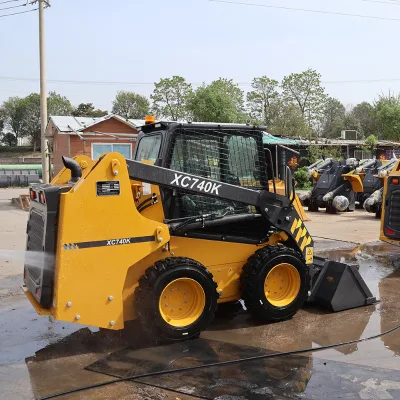
Skid-steer XC740K Minicargador 1ton Mini Skid Steer Backhoe Skid Steer Loader
$39999.00 - $49999.00
Shandong Chances Machinery Co., Ltd.
- Verified by TüVRheinland
- Manufacturer, Trading Company
- Lead time7 days
- Avg. response≤ 3h
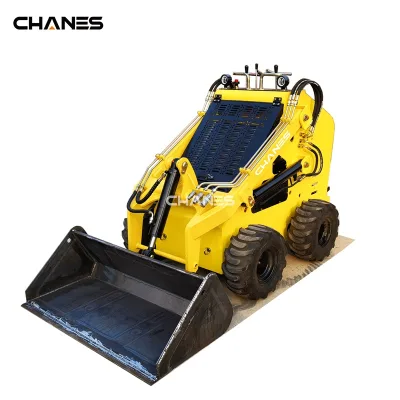
Main productsMini Skid Steer Loader, Mini Excavator, Skid Steer Loader, Road Roller, Mower
Main marketsNorth America(40%), Oceania(30%), Southeast Asia(20%)
Xuzhou Hcn Machinery Technology Co., Ltd.
- Manufacturer, Trading Company
- Jiangsu Province, China
- Lead time20 days
- Avg. response≤ 3h
Main productsSkid Steer Loader, Skid Steer Skid Attachments, Wheel Loader Attachments, Telescopic Handler Attachments, Forklift Attachments
Main marketsDomestic Market(45.00%), Oceania(15.00%), South Asia(8.00%), North America(8.00%), South America(8.00%), Southeast Asia(5.00%), Eastern Europe(4.00%), Africa(3.00%), Western Europe(2.00%), Mid East(2.00%)
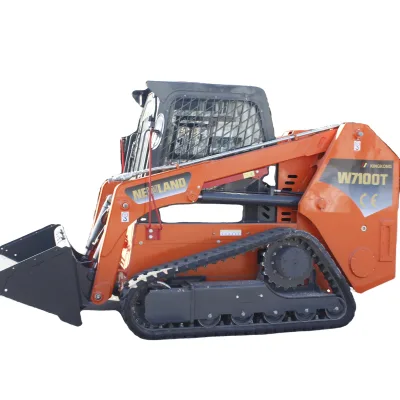
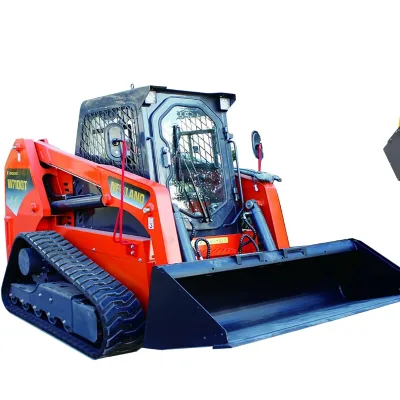
Tracked Skid Steer Loader Snow W7100T
$28000.00 - $30000.00
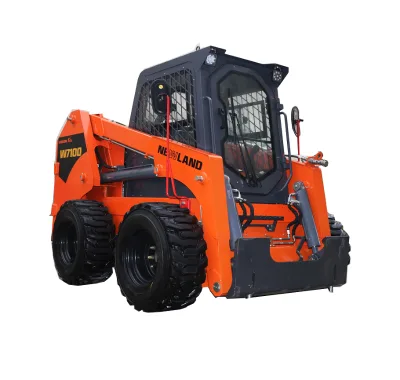
Steel Skid Steer Loader Wheel Type or Track Type China for Sale
$29450.00 - $30000.00
- Verified by Intertek
- Manufacturer, Trading Company
- Lead time15 days
- Avg. response≤ 2h
Main productsForklift, Warehouse Equipment, Loader, Skid Steer Loader, Excavator
Main marketsAfrica(15%), South America(12%), Western Europe(12%)
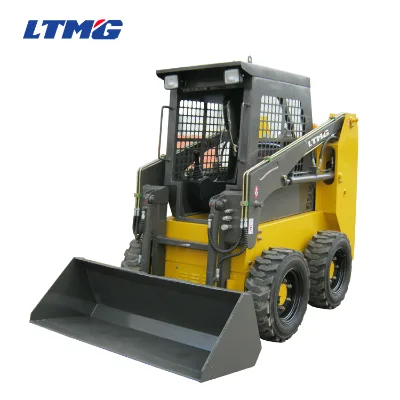
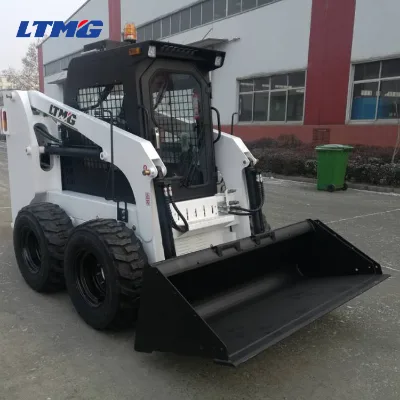
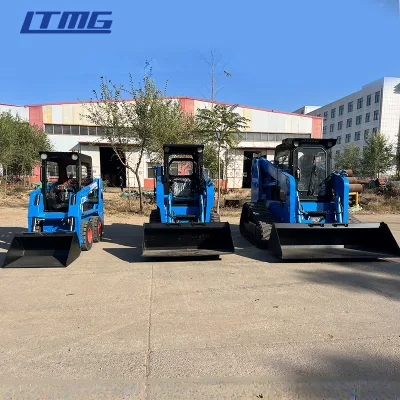
35 HP Skid Steer Loader 500kg Skid Steer Loader with 0.3 Bucket
$13250.00 - $15000.00
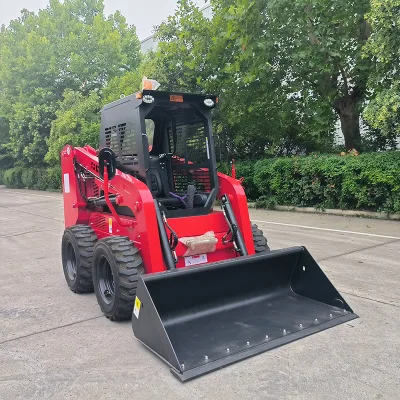
ISO SAE Operation 700kg 800kg 1000kg 1200KG Wheel Skid Steer Loader with CE EPA Certificates
$12984.7134
MOQ: 1 Minimum

Shandong Jiahe Construction Machinery Co., Ltd.
- Trading Company
- Shandong, China
- Lead time30 days
- Avg. response≤ 5h
Main productsExcavator,Backhoe,Machinery,digger,Loader
Main marketsOceania(20.00%), Northern Europe(18.00%), Southern Europe(10.00%), North America(10.00%), Western Europe(10.00%), Eastern Europe(10.00%), Southeast Asia(5.00%), South America(5.00%), Central America(3.00%), Eastern Asia(3.00%), South Asia(2.00%), Mid East(2.00%), Domestic Market(1.00%), Africa(1.00%)
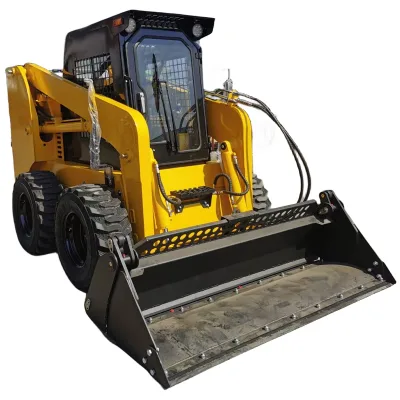
Hot-sale 1100KG Skid Steer Loader with 4 in 1 Bucket
$20000.00 - $35000.00




Comprehensive Sourcing Guide
Multi Function Skid Steer Loader Supplier Concentration and Factory Types
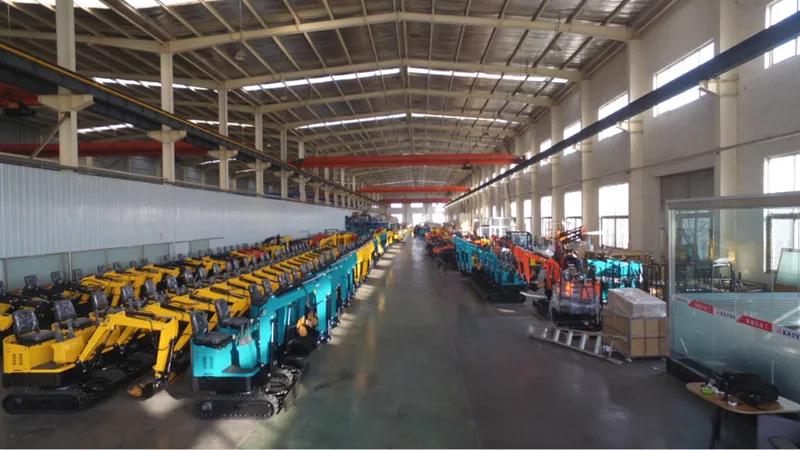
The current supplier landscape for multi function skid steer loaders reveals a distinct geographic concentration in China, specifically within the provinces of Henan and Shandong. These regions serve as primary manufacturing hubs for construction and building machinery, offering buyers access to a dense network of production facilities. Suppliers located in Henan often highlight their origin in product attributes, indicating a strong local supply chain for components such as engines and hydraulic systems. Meanwhile, Shandong-based manufacturers frequently emphasize their role as combined entities, blending trading capabilities with direct factory operations. This dual nature allows them to offer a broader range of main products, including wheel loaders, mini excavators, and various attachments, which can be advantageous for buyers seeking a single source for multiple construction equipment needs. The presence of these specific locations provides a tangible anchor for assessing the logistical and operational context of potential partners, helping buyers understand the regional industrial strengths that drive production efficiency and cost structures in this sector.
Factory types in this category vary significantly, ranging from pure trading companies to combined entities capable of both OEM and ODM services. Many suppliers explicitly state their capacity for customization, allowing buyers to tailor specifications such as engine power, color, and logo to their specific project requirements. Some manufacturers hold ISO9001:2015 and ISO14001:2015 certificates, signaling a commitment to quality management and environmental standards, while others may only display ISO certification for tires or specific product components. The ability to produce skid steer loaders with varying horsepower ratings, from 50HP to 100HP, and different transmission types, including hydraulic and automatic options, demonstrates the flexibility of these factories. Buyers should carefully review the company type and rd_capacity fields to determine if a supplier can handle complex customizations or if they are better suited for standard, off-the-shelf models. Understanding these distinctions is crucial for aligning supplier capabilities with the specific technical and branding needs of the procurement project.
How to Verify Multi Function Skid Steer Loader Suppliers
Verifying the legitimacy and capability of Multi Function Skid Steer Loader suppliers requires a meticulous examination of their certification records and verification badges. Buyers should prioritize suppliers who display recognized third-party verification, such as TUVRHEINLAND, which adds a layer of trust regarding the company’s operational integrity. Additionally, checking for system certifications like ISO9001:2015 is essential, as it indicates that the supplier adheres to international quality management standards. However, buyers must distinguish between comprehensive company certifications and product-specific certifications, such as ISO for tires or CE marks for machinery safety. The absence of a displayed certification does not necessarily imply non-compliance, but it does require further due diligence. Buyers should request copies of valid certificates and verify their authenticity through the issuing bodies. This step is particularly important for suppliers claiming to offer OEM services, as it ensures that the manufacturing processes meet the required quality benchmarks for durability and performance in demanding construction environments.
Beyond certifications, assessing the supplier’s response time and communication efficiency is a critical verification step. The data indicates varying response times, with some suppliers responding within two hours and others taking over twenty hours. A faster response time often correlates with a more active sales team and better customer service infrastructure, which is vital for resolving technical queries and negotiating terms efficiently. Buyers should also examine the main products listed to ensure the supplier specializes in skid steer loaders rather than offering them as a minor part of a diverse catalog. Suppliers with a focused product line, such as those listing skid steer loaders, mini loaders, and attachments as primary items, are likely to have deeper technical expertise and more robust after-sales support. Furthermore, checking for the availability of spare parts services and customized logo options can provide insights into the supplier’s long-term commitment to customer satisfaction. These verification steps help buyers filter out unreliable partners and identify suppliers who are well-equipped to handle the complexities of international machinery procurement.
What to Compare Across Multi Function Skid Steer Loader Suppliers
When evaluating multiple suppliers for multi function skid steer loaders, comparing key operational metrics such as lead time, MOQ, and price ranges is essential for making an informed decision. Lead times can vary significantly, with some suppliers offering a standard fifteen-day turnaround while others may require up to sixty days for production and delivery. This variance can impact project timelines, so buyers must align supplier lead times with their delivery schedules. Similarly, MOQs are often set at one unit, providing flexibility for small-scale purchases, but buyers should confirm if bulk discounts are available for larger orders. Price comparisons should also consider the total cost of ownership, including shipping and potential customization fees. The observed price ranges for skid steer loaders typically fall between fifteen thousand and nineteen thousand dollars, depending on specifications such as engine power, bucket capacity, and attachment options. Buyers should request detailed quotations that break down these costs to ensure transparency and avoid hidden charges.
In addition to operational metrics, comparing technical specifications and customization options is crucial for selecting the right equipment. Suppliers offer a wide range of features, including different engine capacities, tire designs, and transmission types. For instance, some models feature radial tires and automatic transmissions, while others may offer side dumping styles or specific hinge pin heights. Buyers should compare these attributes against their operational requirements to ensure compatibility with their existing fleet or job site conditions. The availability of customization, such as adjustable colors and logos, can also be a deciding factor for companies looking to maintain brand consistency. Furthermore, examining the product attributes like tipping load, bucket capacity, and operating load helps buyers assess the machine’s performance capabilities. By systematically comparing these technical details across suppliers, buyers can identify the best value proposition that balances cost, performance, and customization needs, ensuring they select a supplier that can deliver equipment tailored to their specific operational demands.
Common Multi Function Skid Steer Loader Sourcing Risks
One of the primary risks in sourcing multi function skid steer loaders is the potential discrepancy between advertised specifications and actual product performance. Buyers may encounter suppliers who list generic attributes, such as "Euro" emission standards or "Chinese/Imported" engines, without providing specific model numbers or certification details. This lack of transparency can lead to receiving equipment that does not meet local regulatory requirements or operational expectations. Additionally, the risk of quality inconsistency is heightened when dealing with suppliers who offer extensive customization options without clear quality control processes. Buyers must be cautious of suppliers who do not provide detailed product attributes, such as hydraulic pump flow rates or hinge pin heights, as these details are critical for ensuring the machine’s compatibility with specific attachments and job site conditions. To mitigate this risk, buyers should request comprehensive technical datasheets and, if possible, arrange for third-party inspections before shipment. This due diligence helps ensure that the equipment meets the specified standards and performs as expected in real-world applications.
Another significant risk is the variability in after-sales support and spare parts availability. While some suppliers explicitly state that they support spare parts services and customized logos, others may not provide clear information on their post-sale support infrastructure. This ambiguity can lead to prolonged downtime if critical components fail and replacements are not readily available. Buyers should verify the supplier’s commitment to after-sales service by asking for detailed information on warranty terms, response times for technical support, and the availability of replacement parts. Additionally, the risk of logistical delays cannot be overlooked, especially when sourcing from regions with complex supply chains. Buyers should confirm the supplier’s experience in international shipping and their ability to handle customs clearance and documentation efficiently. By proactively addressing these risks through thorough verification and clear contractual agreements, buyers can protect their investments and ensure a smoother procurement process for multi function skid steer loaders.
Multi Function Skid Steer Loader Regional Sourcing and Logistics
Sourcing multi function skid steer loaders from China, particularly from the Henan and Shandong provinces, offers distinct logistical advantages and challenges. These regions are well-established manufacturing hubs with robust infrastructure for heavy machinery production, facilitating efficient raw material sourcing and component assembly. Buyers benefit from the proximity to major ports, which can streamline the export process and reduce transit times. However, the geographic concentration also means that buyers must carefully coordinate with suppliers to manage production schedules and shipping logistics. It is essential to confirm the supplier’s experience in handling international shipments, including proper packaging to prevent damage during transit. Some suppliers offer wooden case packaging, while others may use nude packages, which can impact the cost and complexity of logistics. Buyers should discuss packaging options and insurance coverage with their suppliers to ensure the equipment arrives in optimal condition. Understanding the regional logistics landscape helps buyers plan their supply chain more effectively and anticipate potential delays or additional costs associated with international trade.
Furthermore, buyers should consider the impact of regional trade policies and tariffs on their sourcing strategy. While China remains a competitive source for construction machinery, changes in trade regulations can affect pricing and delivery timelines. Buyers must stay informed about any applicable tariffs or import duties in their destination country to accurately calculate the total landed cost. Additionally, coordinating with freight forwarders who have experience in handling heavy machinery can help optimize shipping routes and reduce costs. Buyers should also evaluate the supplier’s ability to provide necessary documentation, such as certificates of origin and inspection reports, to facilitate smooth customs clearance. By leveraging the logistical advantages of sourcing from established manufacturing hubs while proactively managing potential challenges, buyers can ensure a reliable and cost-effective supply chain for their Multi Function Skid Steer Loader procurement. This strategic approach minimizes disruptions and enhances the overall efficiency of the sourcing process.
Multi Function Skid Steer Loader Commercial Terms and Order Planning
Effective order planning for multi function skid steer loaders requires a clear understanding of commercial terms, including payment structures, delivery schedules, and warranty provisions. Buyers should negotiate payment terms that align with their cash flow needs, such as using secure payment methods like escrow to protect their funds until the goods are shipped and verified. It is crucial to define the delivery terms explicitly, specifying whether the price includes shipping, insurance, and customs duties. Suppliers may offer different incoterms, such as FOB or CIF, which determine the point at which risk and responsibility transfer from the seller to the buyer. Buyers should also clarify the lead time for production and delivery, ensuring it aligns with their project timelines. Additionally, discussing warranty terms and after-sales support policies is essential to mitigate the risk of post-purchase issues. By establishing clear commercial terms and planning orders meticulously, buyers can avoid misunderstandings and ensure a smooth transaction process.
Moreover, buyers should consider the scalability of their orders and the supplier’s capacity to handle bulk purchases. While many suppliers have an MOQ of one unit, larger orders may require longer lead times and potentially different pricing structures. Buyers should communicate their volume requirements early in the negotiation process to secure favorable terms and ensure the supplier can meet their demand. It is also advisable to discuss the possibility of future orders and long-term partnerships, which can lead to better pricing and priority service. By integrating commercial terms into a comprehensive order planning strategy, buyers can optimize their procurement process, reduce costs, and build a reliable supply chain for their Multi Function Skid Steer Loader needs. This proactive approach ensures that all aspects of the transaction are aligned with the buyer’s business objectives and operational requirements.
FAQs
What is the price range for multi function skid steer loaders?
Prices typically range from $14,500 to $19,800 depending on specifications. Models with higher horsepower or specialized attachments command premium rates. Buyers should verify exact costs based on customization needs and order volume to ensure accurate budgeting for their procurement projects.
What certifications do these loaders usually have?
Most suppliers provide CE and ISO certifications for their equipment. Some manufacturers also hold ISO9001:2015 and ISO14001:2015 system certificates. These credentials ensure compliance with international quality and environmental standards, providing buyers with confidence in the manufacturing processes and product safety.
What is the typical lead time for delivery?
Lead times vary significantly among suppliers, ranging from 15 days to 60 days. Faster delivery options are available from certain manufacturers, while others may require longer production periods. Buyers should confirm specific timelines with suppliers to align with their project schedules effectively.
What is the minimum order quantity for these machines?
The minimum order quantity is generally one unit, allowing for flexible purchasing. This low MOQ supports buyers who need single machines for specific projects or small-scale operations. It enables easier testing of supplier reliability and product performance before committing to larger bulk orders.
Where are these loaders primarily manufactured?
Manufacturing locations are primarily in China, specifically in Henan and Shandong provinces. These regions are known for their robust construction machinery industries. Buyers can expect a concentration of suppliers in these areas, offering diverse options for sourcing high-quality skid steer loaders.
What engine power options are available?
Engine power options range from 39HP to 100HP, catering to various load capacities. Some models feature 50HP, 60HP, or 75HP engines. Buyers should select power levels based on their specific operational requirements and the weight of materials they intend to move.