Nonwoven Fabric Car Body Cover Suppliers and Manufacturers
Source 21 verified suppliers for Nonwoven Fabric Car Body Cover options. Compare key dimensions including location, lead times, MOQ, response times, and pricing to identify suitable partners. Review product specifications and request samples to verify quality before placing orders; review the available evidence before requesting comparable quotations from suitable candidates.
Updated
Suppliers List
Cangzhou Haoshi Automotive Supplies Co., Ltd.
- Manufacturer, Trading Company
- Hebei, China
- Lead time0 days
- Avg. response≤ 2h
Main productsCar Seat Cover,Car Cover,Car Pillow,Car Washing Equipment,Car Glass Film
Main marketsSouth America(22.00%), Southern Europe(15.00%), Central America(10.00%), Africa(7.00%), Southeast Asia(6.00%), Eastern Asia(6.00%), Oceania(5.00%), Domestic Market(5.00%), Northern Europe(5.00%), Eastern Europe(5.00%), Western Europe(5.00%), Mid East(5.00%), North America(4.00%)
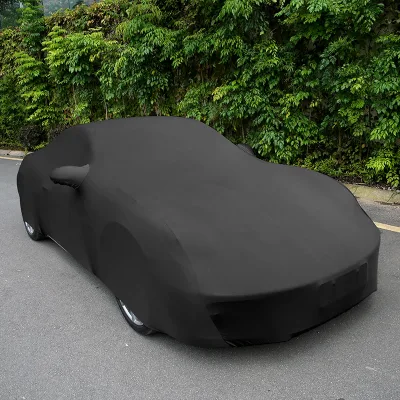
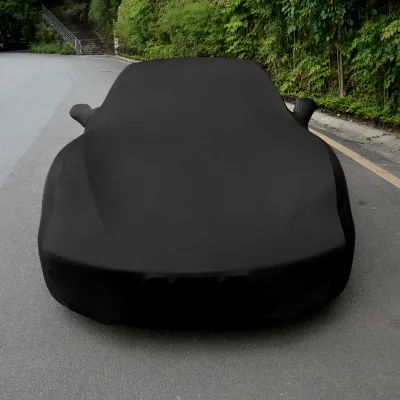
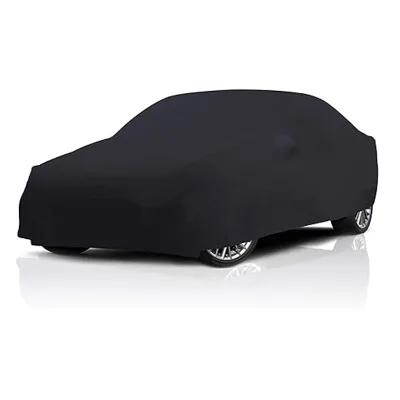
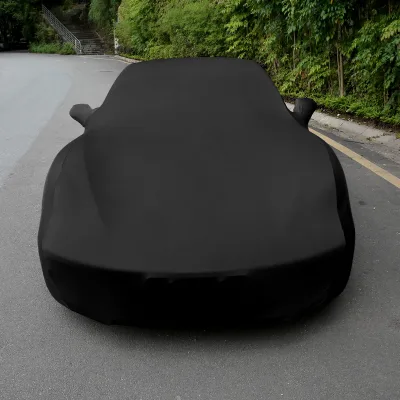
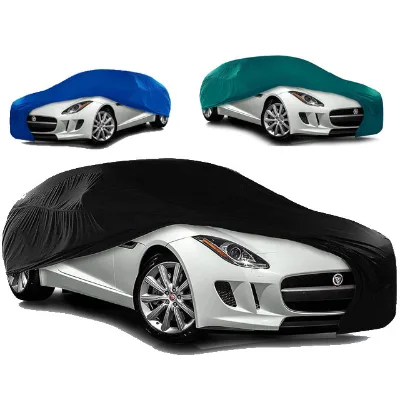
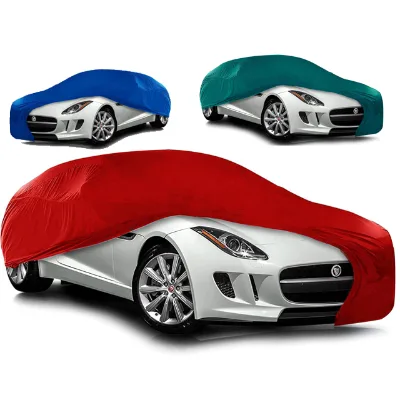
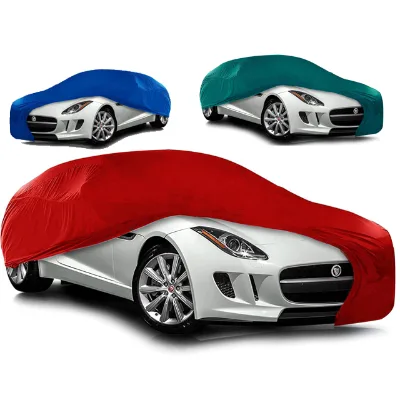
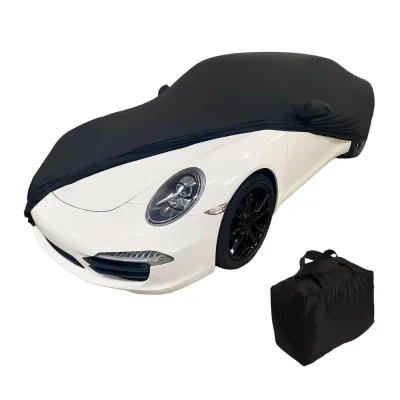
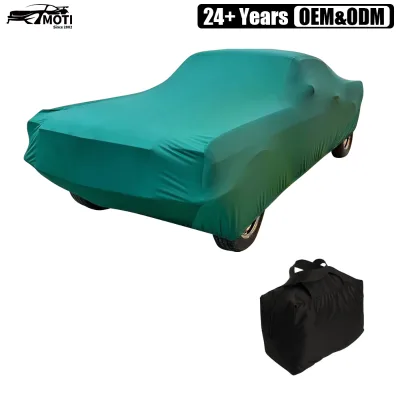
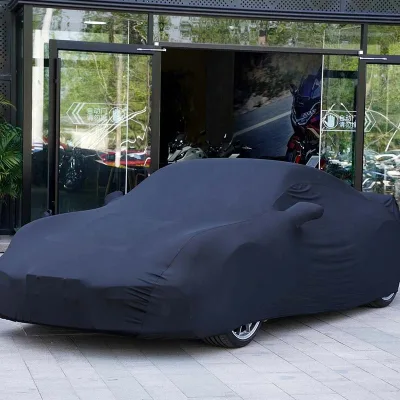
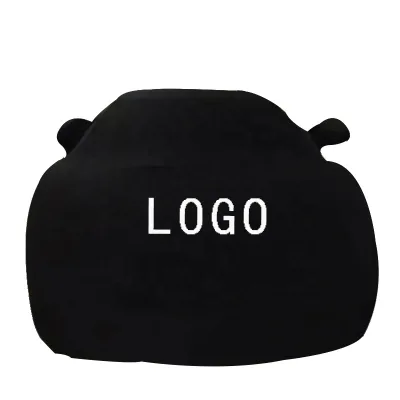
Super Sports Car Cover Accessories Indoor Durable Car Cover Elastic Velvet Fabric
$42.00 - $45.00
MOQ: 10 pieces
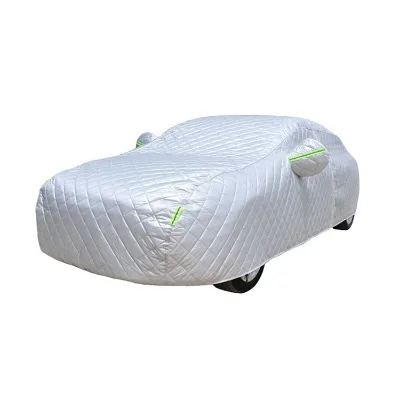

Shanghai Anma Industry Co., Ltd.
- Trading Company
- China Shanghai
- Lead time30 days
- Avg. response≤ 6h
Main productsCar Accessories, Car Spare Parts, Car Tools, Car Interior Accessories, Car Exterior Accessories, Car Electrical Accessories, Car Lights, Car Mirror, Car Emergency Kits, Car Care Products
Main marketsSouth America,Others(foreignTradeCapacity.exportBusinessCapacityMarketOther),Southeast Asia/ Mideast,Europe,North America


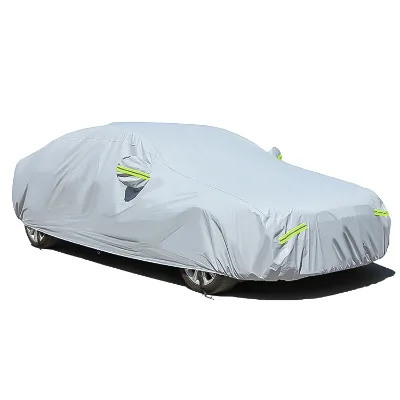
3 Layer Nonwoven Waterproof UV Protection Car Body Cover for Universal Car
$9.00 - $13.00
MOQ: 500 Pieces

Indoor Dustproof Car Body Cover Universal Sunproof Car Covers UV Protection
$7.60 - $10.60
MOQ: 500 Pieces

Shanghai Autobuy Industry (Group) Co., Ltd
- Verified by BV
- Trading Company
- China Shanghai
- Lead time30 days
- Avg. response≤ 25h
Main productsCar Acccessories, Car Seat Cover, Wheel Caps, Car Cover, Racing Seats, Modified Seats, Wiper Blades, Car Mats, Car Seat Cushion, Auto Parts
Main marketsSoutheast Asia/ Mideast


Multifunction Disposable Car Covers Polyester Car Cover Protection Anti UV
$0.75 - $1.26
MOQ: 500 pieces

Quick-Dry Polyester Car Cover - Full-Body Foldable Waterproof UV-Protective Lightweight
$12.50 - $13.00
MOQ: 100 sets

Lightweight Polyester Full-Cover Car Cover - Foldable Quick-Dry Waterproof UV-Resistant
$12.50 - $13.00
MOQ: 100 sets

Premium Foldable Polyester Cloth Car Cover - All-Weather Breathable Dust-Repellent Waterproof
$12.50 - $13.00
MOQ: 100 sets
Hangzhou Huilong Auto Accessories Co., Ltd.
- Manufacturer, Trading Company
- Zhejiang, China
- Lead time25 days
- Avg. response≤ 5h
Main productsCar cover, Boat cover, Seat cover, Tent, Car umbrella, Other covers for out furniture
Main marketsNorth America(0.00%), South America(0.00%), Eastern Europe(0.00%), Domestic Market(0.00%), Southeast Asia(0.00%)
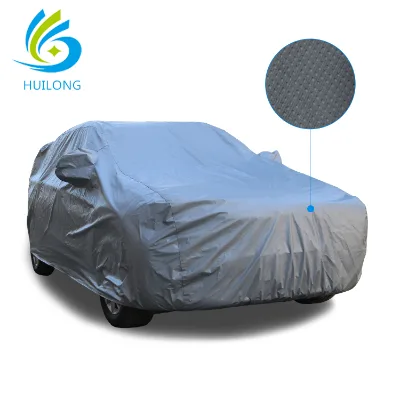
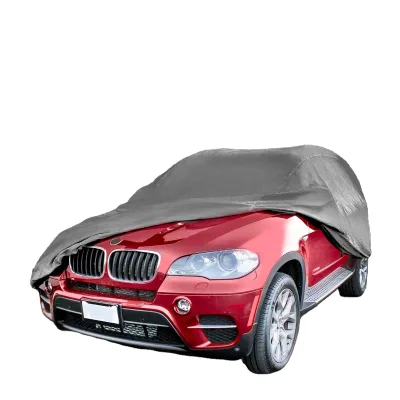
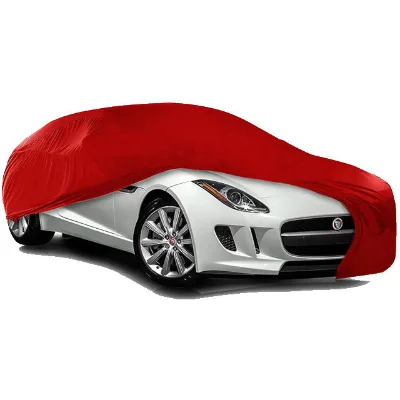
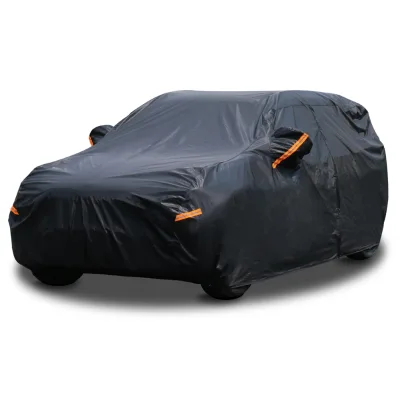
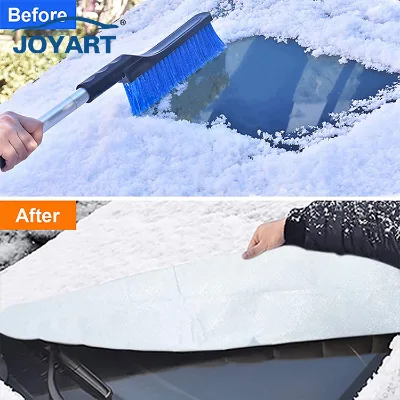
$25.3093 - $29.715
MOQ: 300 pieces

Ningbo Autocare Car Accessory Co., Ltd.
- Trading Company
- China Zhejiang
- Lead time30 days
- Avg. response≤ 18h
Main productsAuto Accessories, Car Accessories, Car Steering Wheel Cover, Steering Wheel Cover, Seat Cushion, Sun Shade
Main marketsSouth America,Africa,Southeast Asia/ Mideast,East Asia(Japan/ South Korea),Europe,Australia,North America
Cangzhou Medido Trading Co., Ltd.
- Verified by SGS Group
- Trading Company
- Lead time20 days
- Avg. response≤ 1h
Main productsCar Seat Covers, Steering Wheel Covers, Seat Cushions & Pillow, Car foot mat, Tricycles
Main marketsNorth America(20%), South America(20%), Mid East(20%)
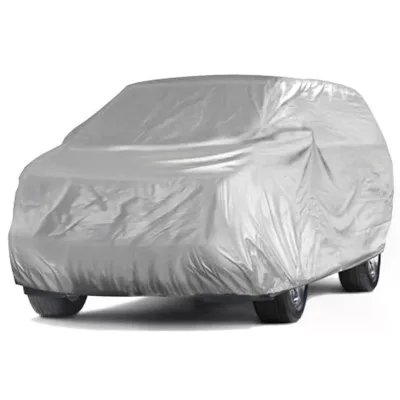
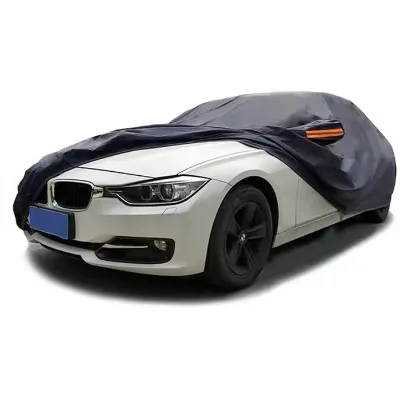
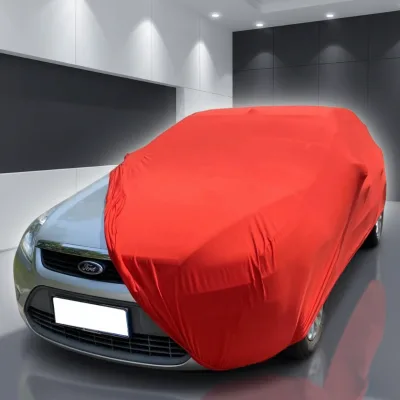
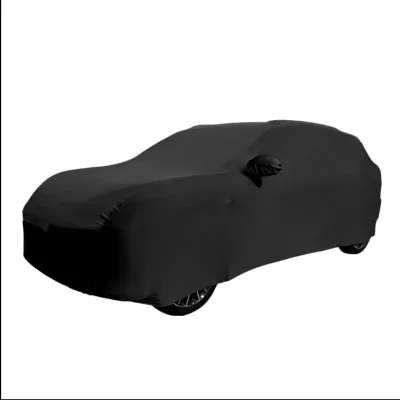
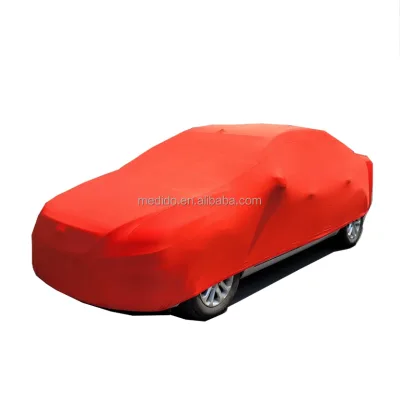
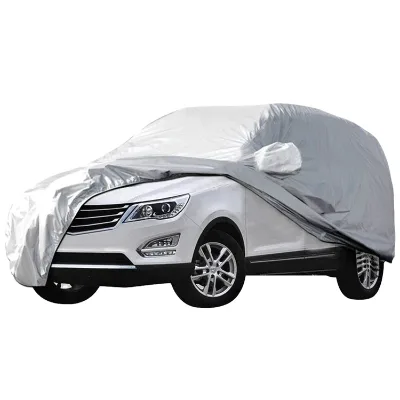
Durable Fabric Extreme Body Car Cover Outdoor Universal Car Waterproof Car Covers
$13.00 - $15.00
MOQ: 500

Laizhou Jinhong Textile Co., Ltd.
- Combined
- China Shandong
- Lead time23 days
- Avg. response≤ 13h
Main productsPP Spunbond Nonwoven Fabric, Weed Mat, Nonwoven Fabric, Landscape Fabric, Ground Cover, Weed Control Fabric, Plant Cover, Disposable Coverall
Main marketsEast Asia(Japan/ South Korea),Europe,North America
Heze Guard Outdoor Products Co., Ltd.
- Verified by TüVRheinland
- Manufacturer, Trading Company
- Lead time35 days
- Avg. response≤ 1h
Main productsCar Cover, Motorcycle Cover, Caravan Cover, Furniture Cover, Boat Cover
Main marketsNorth America(45%), Western Europe(15%), Eastern Europe(10%)
Huimin Xurui Auto Supplies Co., Ltd.
- Manufacturer, Trading Company
- Shandong, China
- Lead time60 days
- Avg. response≤ 1h
Main productsCar Cover,Motorcycle Cover,Caravan Cover,Furniture Cover,Boat Cover
Main marketsNorth America(30.00%), Central America(10.00%), Western Europe(10.00%), Eastern Europe(10.00%), South America(10.00%), Africa(6.00%), Southeast Asia(6.00%), Mid East(5.00%), Domestic Market(3.00%), South Asia(3.00%), Eastern Asia(3.00%), Oceania(2.00%), Northern Europe(1.00%), Southern Europe(1.00%)
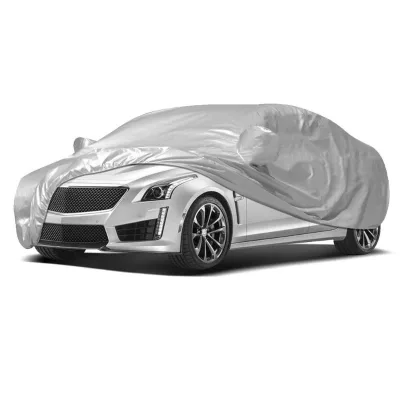
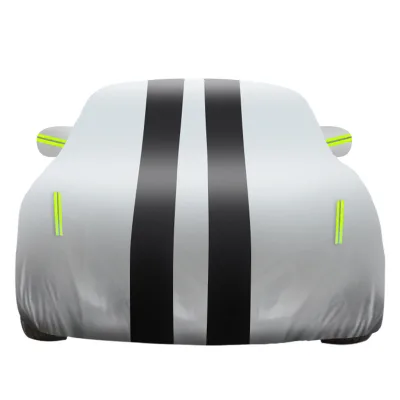
New Upgrade Car Cover Secure and Durable Car Body Cover Waterproof Ugly Weather Protection
$7.50 - $8.50
MOQ: 2000 pieces
- Verified by SGS Group
- Manufacturer, Trading Company
- Lead time30 days
- Avg. response≤ 3h
Main productsCar Top Hat, Car Fender Cover, Key Board, Car Seat Cover(5pieces), Car Cover
Main marketsNorth America(60%), Oceania(20%), South America(6%)
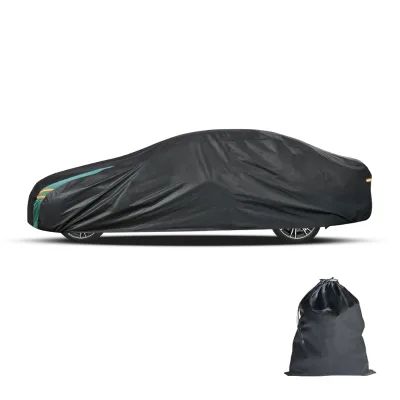
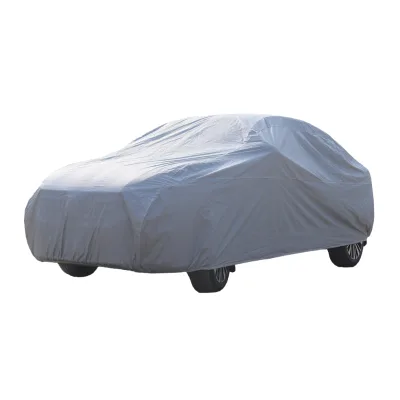
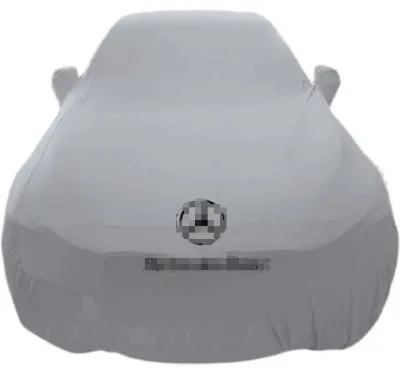
Car Cover Showcase Car Cover Waterproof
$4.00 - $6.00

- Verified by BV
- Trading Company
- China Zhejiang
- Lead time23 days
- Avg. response≤ 5h
Main productsCamping Chair, Camping Table, Garden Chair, Garden Table, Tent, Sleeping Bag, Camping Mat, Car Tent
Main marketsSouth America,Southeast Asia/ Mideast,East Asia(Japan/ South Korea),Europe,North America

High Quality Anti-Hail Car Cover Eco-Friendly Material UV Protecting Nonwoven Fabric Car Cover
$12.50 - $13.00
MOQ: 50 pieces

$16.50 - $20.00
MOQ: 50 pieces
Xiamen Easepal Enterprises Limited
- Verified by Intertek
- Manufacturer, Trading Company
- Lead time35 days
- Avg. response≤ 2h
Main productsCar Cover, Seat Cover, RV Cover, Boat Seat, Cargo Rack
Main marketsNorth America(60%), Northern Europe(8%), Mid East(8%)

Ningbo Pengzhan AUTO Accessories Co., Ltd.
- Trading Company
- China Zhejiang
- Lead time30 days
- Avg. response≤ 11h
Main productsCar Mats and Carpet Mats, Auto Mats and Other Auto Accessories, PVC Car Mats and Rubber Mats, Car Accessories and Auto Parts, Industry Products and Plastic Products, Car Covers and Motor Covers, Steering Wheel Covers, Car Roof Rack, Seat Cushion, Car Seat Cover
Main marketsEurope,North America
Linyi Rongpai Auto Supplies Co., Ltd.
- Manufacturer, Trading Company
- Shandong, China
- Lead time10 days
- Avg. response≤ 2h
Main productsCar cover,Motorcycle cover,Trailer belt,hardware,Auto parts
Main marketsNorthern Europe(25.00%), Central America(25.00%), Eastern Asia(25.00%), Southeast Asia(25.00%)

- Verified by SGS
- Trading Company
- China Zhejiang
- Lead time15 days
- Avg. response≤ 15h
Main productsCar Mat, Car Air Freshener, Car Seat Cover, Steering Wheel Cover, Car Phone Holder, Car Roof Tent, Car Sunshade, Jerry Can
Main marketsEurope,Australia

Ningbo Jiangbei JK Auto Accessories Co., Ltd.
- Verified by BV
- Trading Company,Manufacturer/Factory
- China Zhejiang
- Lead time0 days
- Avg. response≤ 12h
Main productsCar Cover, Seat Cover, Tailgate Pad, Motorcycle Cover, Boat Cover, RV Cover, Pet Seat Cover, Car Fender Cover, Car Organizer, Luggage Cover

3-Layer Non Woven Full Body Car Cover with Insulated Portable Collapsible
$15.00 - $23.00
MOQ: 1000 Pieces

Waterproof Multi Layer Non Woven Car Cover with Portable and Breathable
$15.00 - $23.00
MOQ: 1000 Pieces


Jining handaochang trade co., ltd.
- Trading Company
- Shandong Province, China
- Lead time7 days
- Avg. response≤ 1h
Main productsCar Covers,Motorcycle Cover
Main marketsDomestic Market(25.00%), Oceania(25.00%), Southeast Asia(25.00%), Eastern Europe(25.00%)
Hangzhou Pulato Science And Technology Co., Ltd.
- Verified by Intertek
- Manufacturer, Trading Company
- Lead time15 days
- Avg. response≤ 4h
Main productsCar Cover, Motorcycle Cover, RV Cover, Car Roof Bag, Motorcycle Bag
Main marketsWestern Europe(40%), North America(20%), Eastern Europe(10%)
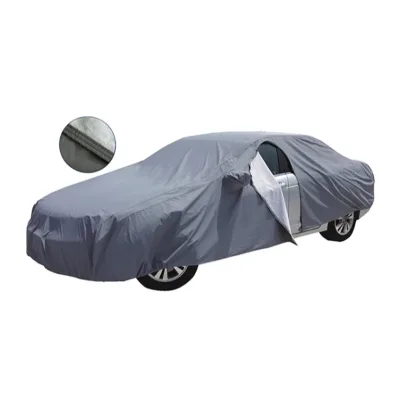
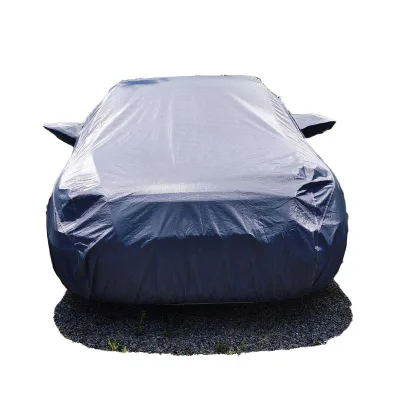
Three Layer PVC Cotton Car Cover Waterproof Hail Proof Protection Sports Car Cover
$9.2333 - $12.2313
MOQ: 200 pieces

Shanghai Haocover Outdoor Products Co. Ltd.
- Verified by SGS
- Trading Company,Manufacturer/Factory
- China Jiangsu
- Lead time60 days
- Avg. response≤ 17h
Main productsCar Cover, Motorcycle Cover, Furniture Cover, Boat Cover, BBQ Cover, ATV Cover, UTV Cover
Main marketsSouth America,Eastern Europe,North America,Southeast Asia,Eastern Asia,Oceania,Western Europe


Non-Woven Premium Waterproof Car Cover Dustproof Scratch-Resistance with Storage Bag Auto Car Cover
$41.00 - $43.00
MOQ: 100 Pieces

Custom Elastic Soft Feeling Covers Breathable Dustproof Auto Car Cover
$30.00 - $40.00
MOQ: 100 Pieces
Hangzhou Beeland Technology Co., Ltd.
- Verified by TüVRheinland
- Trading Company
- Lead time35 days
- Avg. response≤ 4h
Main productsFurniture Covers, Car Covers, Shade Sails, Garden Supplies
Main marketsWestern Europe(40%), North America(30%), Northern Europe(10%)

Ningbo Jiangbei Jk Auto Accessories Co., Ltd.
- Manufacturer
- Zhejiang, China
- Lead time35 days
- Avg. response≤ 7h
Main productsCar Cover,Car Seat Cover,Motorcycle Cover,Boat Covers,Luggage Cover
Main marketsWestern Europe(50.00%), Mid East(10.00%), North America(10.00%), South America(10.00%), South Asia(5.00%), Northern Europe(5.00%), Africa(5.00%), Eastern Asia(5.00%)
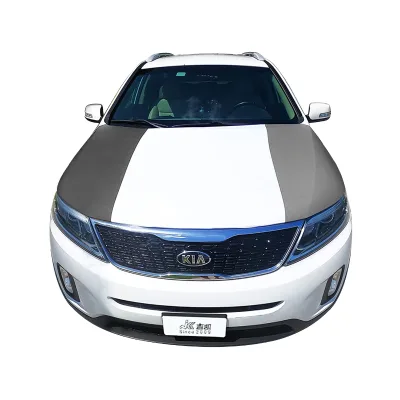
$10.2611 - $18.4696
MOQ: 50 pieces
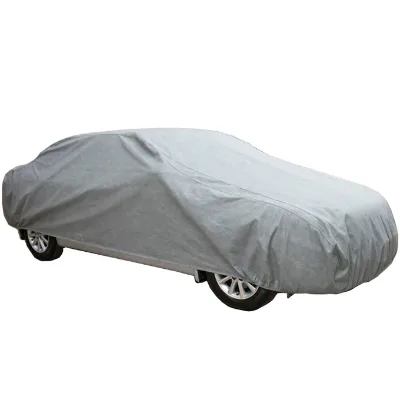
Custom Best Quality Foldable Outdoor Car Cover Waterproof Protection
$10.469 - $15.7035
MOQ: 100 pieces






Comprehensive Sourcing Guide
Nonwoven Fabric Car Body Cover Supplier Concentration and Factory Types
The current supplier landscape for nonwoven fabric car body covers reveals a distinct split between manufacturing capabilities and trading operations, primarily anchored in specific Chinese industrial zones. Evidence indicates that a significant portion of suppliers are located in Hebei, China, where manufacturers and trading companies coexist to serve the global market. These Hebei-based entities often specialize in products like indoor velvet covers or specialized hail-proof outdoor covers, utilizing materials such as milk silk or thickened cotton blends. The presence of both manufacturer and trading company types in this region suggests a mature supply chain where direct factory access is available alongside the logistical flexibility of trading firms. Buyers evaluating this cluster should note that while Hebei is a confirmed location for these specific product types, the concentration of suppliers here implies a competitive environment focused on volume and customization. The diversity in company types means that buyers can choose between direct factory pricing and the broader inventory access that trading companies provide, depending on their specific order volume and customization needs.
In contrast, other suppliers in the results are identified as trading companies located in China, Shanghai, or sourcing from Zhejiang, China. These entities often focus on different material specifications, such as PVC or PEVA waterproof covers, which may differ from the nonwoven options found in Hebei. The Shanghai-based trading company, for instance, lists a wide range of car accessories and spare parts, indicating a broader portfolio that may include nonwoven covers as part of a larger procurement strategy. This distinction is crucial for buyers because trading companies may not have direct control over the manufacturing process, potentially affecting lead times and quality control consistency. The Zhejiang origin noted in product attributes for some waterproof covers further diversifies the sourcing geography, suggesting that buyers should not assume all nonwoven fabric suppliers are concentrated in a single province. Understanding this geographic and structural diversity allows buyers to tailor their search strategy, seeking out Hebei-based manufacturers for specialized fabric work or Shanghai/Zhejiang-based traders for broader automotive accessory bundles.
How to Verify Nonwoven Fabric Car Body Cover Suppliers
Verifying the legitimacy and capability of Nonwoven Fabric Car Body Cover suppliers requires a careful examination of their stated company types and product evidence. Buyers should first distinguish between manufacturers and trading companies, as this impacts direct communication and quality assurance. For suppliers identified as manufacturers, particularly those in Hebei, buyers can request factory audits or video tours to confirm production lines. The presence of specific product attributes, such as "OEM&ODM: Accept OEM&ODM Service," serves as a strong indicator of manufacturing capability, suggesting the supplier has the machinery and expertise to customize designs. Conversely, for trading companies, verification should focus on their supply chain relationships and inventory depth. Buyers can ask for proof of their supplier agreements or request samples from multiple batches to ensure consistency. The response time data, such as a 2-hour response for some suppliers versus a 5.43-hour response for others, can also serve as a proxy for operational efficiency and customer service dedication, though it should not be the sole metric for verification.
Additionally, buyers must scrutinize the product evidence provided to ensure it aligns with their specific requirements for nonwoven fabric covers. The product attributes listed, such as material composition (e.g., "600D+220 cotton + 45g non-woven fabric"), function (e.g., "UV Protection, Snow protection, waterproof"), and certifications (e.g., "ISO,RoHS,CE"), provide critical data points for verification. Buyers should request test reports or certificates that correspond to these claims, especially for outdoor covers that promise hail or UV protection. The "Place of Origin" field in product attributes, such as "Zhejiang, China" or "Hebei, China," should be cross-referenced with the supplier's registered address to prevent misrepresentation. Furthermore, the availability of samples, explicitly noted as "Available" for several products, is a key verification step. Buyers should order samples to physically inspect the fabric weight, stitching quality, and fitment. This hands-on verification is essential because online descriptions may not fully capture the tactile quality or durability of the nonwoven material, ensuring that the final product meets the buyer's standards before committing to a larger order.
What to Compare Across Nonwoven Fabric Car Body Cover Suppliers
When comparing suppliers, buyers should prioritize key operational metrics such as Minimum Order Quantity (MOQ), lead time, and pricing structures to determine the best fit for their business model. The data shows a wide range in MOQs, from as low as 10 units for some customized indoor covers to 500 units for standard waterproof models. This variance allows buyers with smaller budgets or testing needs to engage with low-MOQ suppliers, while those seeking bulk distribution can leverage higher-volume suppliers for better economies of scale. Lead times also vary significantly, with some suppliers indicating a 30-day lead time, which is typical for manufacturing and shipping processes. Buyers must compare these lead times against their inventory requirements to avoid stockouts or excess holding costs. Additionally, response times, ranging from 2 hours to over 5 hours, can impact the efficiency of negotiations and problem-solving. Faster response times often correlate with more responsive customer service, which is crucial for resolving issues related to customization or shipping delays.
Pricing and product specifications are equally critical comparison points. The price range for car covers varies from approximately $7.60 to $45.00, depending on material quality, size, and customization options. Buyers should compare the price per unit against the specified material weight and features, such as "Three-dimensional cutting fit body" or "Anti Sunlight & Snow" protection. For instance, a cover priced at $27.50 with hail protection features may offer better value than a cheaper $9.80 PVC cover if the buyer's market demands higher durability. The availability of OEM services and customization options, such as "Custom Logo Printed" or "Customized Colors," adds value for buyers looking to brand their products. Buyers should also compare the packaging details, such as "Opp Bag/Non-woven bag" versus "PP PEPP bag," as this affects shipping costs and product presentation. By systematically comparing these dimensions, buyers can create a weighted scorecard that balances cost, quality, and service levels, ensuring they select a supplier that aligns with their strategic goals and customer expectations.
Common Nonwoven Fabric Car Body Cover Sourcing Risks
One of the primary risks in sourcing nonwoven fabric car body covers is the discrepancy between advertised material specifications and the actual product received. Suppliers may list materials such as "Milk silk" or "600D+220 cotton" but deliver products with lower density or inferior durability. This risk is particularly prevalent with low-MOQ suppliers who may prioritize cost over quality. Buyers must be vigilant about verifying material weights, such as "Per square meter: 180 grams" or "220 grams," through physical sample testing. Another significant risk is the inconsistency in fitment, especially for "Universal" sized covers. While universal covers are marketed to fit a wide range of vehicles, variations in car body shapes can lead to poor fitment, resulting in customer returns and dissatisfaction. Buyers should request detailed size charts and fitment guides from suppliers to ensure the covers align with their target vehicle models. Additionally, the risk of delayed shipments is heightened by the varying lead times and potential logistical bottlenecks, particularly for suppliers with longer response times or those located in regions with complex shipping routes.
Quality control failures are another common risk, particularly for covers claiming specific functions like "Waterproof" or "UV Protection." If the nonwoven fabric lacks proper coating or lamination, it may fail to provide the promised protection, leading to product damage and brand reputation loss. Buyers should verify these claims by requesting third-party test reports or conducting their own durability tests. The risk of intellectual property infringement is also present, especially when working with suppliers offering OEM services. Buyers must ensure that their custom designs and logos are protected and that the supplier does not share their designs with competitors. Furthermore, the reliance on trading companies can introduce risks related to communication gaps and lack of direct oversight. Trading companies may not have the same level of technical expertise as manufacturers, potentially leading to misunderstandings about product specifications. Buyers should mitigate these risks by establishing clear communication channels, conducting regular quality audits, and maintaining detailed records of all agreements and specifications to ensure accountability throughout the supply chain.
Nonwoven Fabric Car Body Cover Regional Sourcing and Logistics
Sourcing nonwoven fabric car body covers from China involves navigating distinct regional logistics advantages and challenges, primarily centered around Hebei, Shanghai, and Zhejiang. Suppliers in Hebei, China, benefit from proximity to major manufacturing hubs and established textile industries, which can facilitate faster production times for fabric-based products. This region's concentration of manufacturers suggests a robust local supply chain for raw materials, potentially reducing lead times for customized orders. However, buyers must consider the inland logistics costs, which may differ from coastal shipping options. In contrast, suppliers located in Shanghai or sourcing from Zhejiang, China, have access to major ports like Shanghai and Ningbo, offering more direct and potentially faster shipping routes for international buyers. This coastal advantage can be critical for buyers requiring quick turnaround times or those shipping to markets with strict delivery windows. The choice between inland and coastal suppliers should be weighed against the specific logistics needs of the buyer, including budget constraints and delivery urgency.
Logistics planning must also account for the packaging and weight specifications provided by suppliers, as these directly impact shipping costs. For example, products with a "Single gross weight" of 2.000 kg or 15.0 kg will have different freight implications, especially when shipped in bulk. Buyers should compare the "Single package size" dimensions, such as 43X33X20 cm or 42X23X16 cm, to optimize container loading and reduce per-unit shipping costs. Additionally, the type of packaging, whether "Opp Bag/Non-woven bag" or "PP PEPP bag," can affect the durability of the product during transit and the ease of customs clearance. Buyers should work with suppliers to ensure that packaging meets international shipping standards to prevent damage. Furthermore, understanding the regional trade regulations and import duties for the destination country is essential for accurate cost calculation. Buyers should consult with freight forwarders to determine the most cost-effective shipping methods, whether by sea or air, based on the order volume and urgency. By carefully planning logistics around regional supplier locations and product specifications, buyers can minimize costs and ensure timely delivery of their nonwoven fabric car body covers.
Nonwoven Fabric Car Body Cover Commercial Terms and Order Planning
Effective order planning for nonwoven fabric car body covers requires a thorough understanding of commercial terms, including payment structures, warranty policies, and after-sales support. Buyers should negotiate clear payment terms, such as partial upfront payments and balance upon shipment, to mitigate financial risk. It is crucial to verify if the supplier offers escrow services or other secure payment methods to protect the buyer's funds until the goods are received and inspected. Additionally, buyers should clarify the warranty period and return policies for defective products, ensuring that there is a mechanism for addressing quality issues. The availability of samples, often provided at a cost or free for qualified buyers, should be leveraged to finalize product specifications before placing bulk orders. Buyers should also consider the supplier's capacity to handle rush orders or changes in design, as flexibility in production can be a significant advantage in dynamic markets. Establishing a strong relationship with the supplier through consistent communication and fair negotiation can lead to better pricing and priority treatment for future orders.
FAQs
What is the minimum order quantity for car covers?
The minimum order quantity varies by supplier and product type. Some manufacturers accept orders as low as 10 units for indoor velvet covers, while others require 200 or 500 units for waterproof PVC or PEVA options. Buyers should check specific product listings to confirm the exact MOQ before placing an order.
Are indoor car covers waterproof?
Indoor car covers are primarily designed to be dustproof and scratch-proof rather than fully waterproof. They often use materials like milk silk or velvet to protect against indoor dust and minor abrasions. For outdoor use requiring waterproofing, buyers should look for covers made from 600D fabric with waterproof film or PVC materials.
What materials are used for car body covers?
Car body covers are made from various materials including milk silk, velvet, PVC, PEVA, cotton, and non-woven fabric. Indoor covers often use soft, stretchable fabrics like milk silk for a snug fit. Outdoor covers typically utilize durable materials like 600D polyester with cotton layers or waterproof films for UV and hail protection.
Do suppliers offer OEM services for car covers?
Yes, many suppliers accept OEM and ODM services for car covers. Buyers can customize logos, colors, and sizes to meet specific branding needs. This service is available for both indoor velvet covers and outdoor waterproof options, allowing businesses to create unique products tailored to their market requirements and customer preferences.
What is the typical lead time for car cover orders?
Lead times vary significantly among suppliers. Some manufacturers offer immediate availability with a lead time of zero days for standard items. Others, particularly trading companies, may require up to 30 days for production and shipping. Buyers should confirm the specific lead time with the supplier before finalizing their purchase order.
Are car covers available with certifications?
Some car cover suppliers provide products with certifications such as ISO, RoHS, and CE. These certifications indicate compliance with international quality and safety standards. Buyers seeking certified products should verify the specific certifications listed for each product, as not all car covers, especially basic indoor ones, may carry these official endorsements.