Wine Bottle Aluminum Foil Capsule Suppliers and Manufacturers
Compare 15 verified suppliers offering wine bottle aluminum foil capsules with varying lead times, MOQs, and customization options. Review response times and material specifications to select the right partner for your packaging needs; review the available evidence before requesting comparable quotations from suitable candidates.
Updated
Suppliers List

Zouping Taialu Industry Co., Ltd
- Trading Company
- China Shandong
- Lead time15 days
- Avg. response≤ 10h
Main productsCoating Aluminum Foil, Heat Transfer Material, Cap Making Machine, Aluminum Cap, Beverage Cap, Water Cap, Composite Aluminum Foil, Bottle Sealing Film, Yogurt Lid, Ring Pull Cap
Main marketsSoutheast Asia/ Mideast,Europe
Baoding City Zhenghui Printing & Packing Industrial Co., Ltd.
- Verified by SGS Group
- Manufacturer, Trading Company
- Lead time15 days
- Avg. response≤ 6h
Main productsHair Foil, Chocolate Foil Paper, Aluminum Foil Laminated Packaging Film, Sealing Film And Sealing Lid, Aluminum Foil Bag
Main marketsDomestic Market(35%), North America(30%), Oceania(15%)
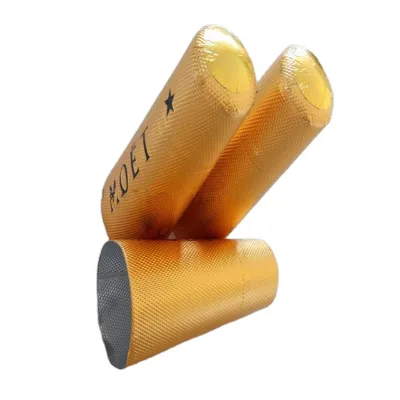
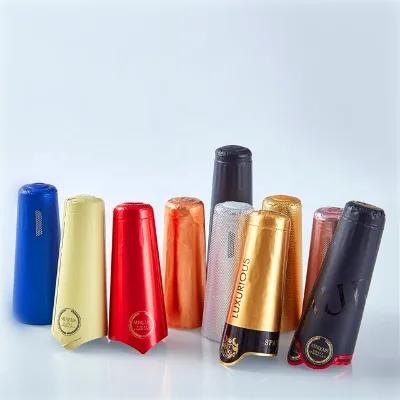
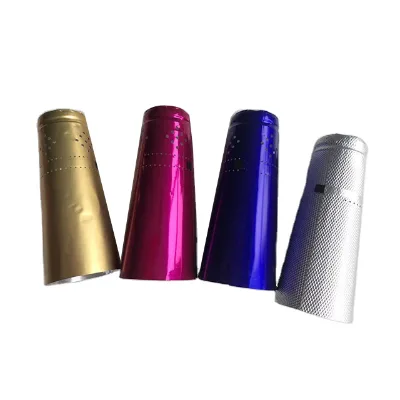
Hot Selling Custom logo Aluminum Foil Capsules Tin Foil for Champagne and Wine Bottles
$0.05 - $0.06
MOQ: 10000 Minimum
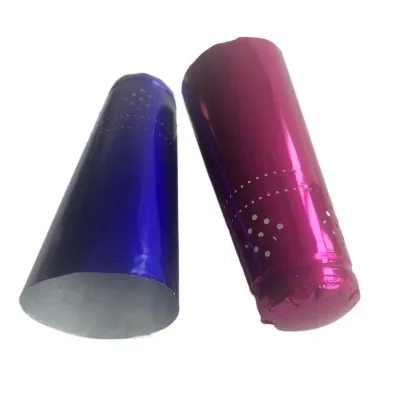
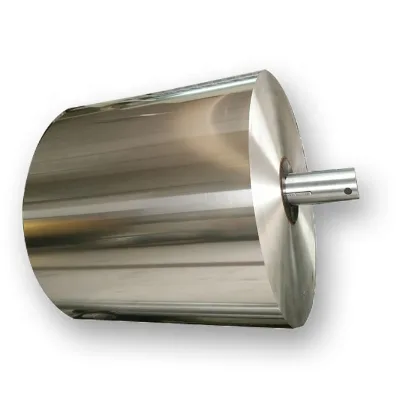
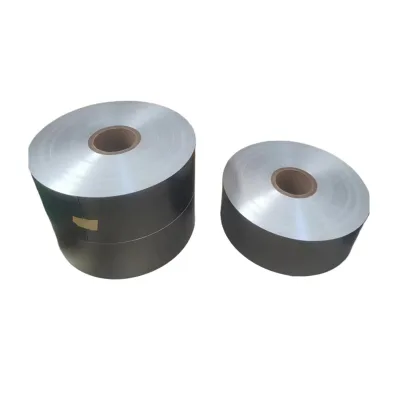
High-quality Custom Printing ECO Embossed Aluminum Foil Champagne Bottle Capsules
$0.003 - $0.006
MOQ: 100000 Minimum
Yantai Best Way International Trade Co., Ltd.
- Trading Company
- Shandong, China
- Lead time15 days
- Avg. response≤ 11h
Main productsALUMINUM/PLASTIC BOTTLE CAP,PVC/ALUMINUM CAPSULE,GLASS BOTTLE,CORK/STOPPER,PACKAGING MACHINERY
Main marketsSoutheast Asia(20.00%), Mid East(20.00%), South Asia(15.00%), Africa(15.00%), South America(10.00%), Domestic Market(5.00%), Eastern Europe(5.00%), Western Europe(5.00%), North America(5.00%)
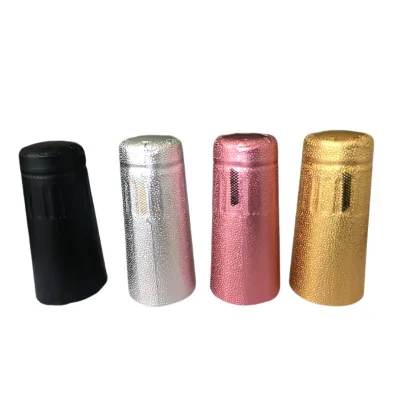
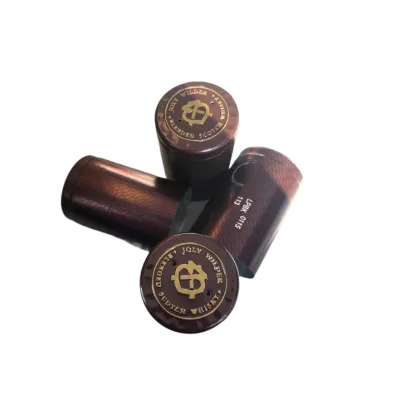
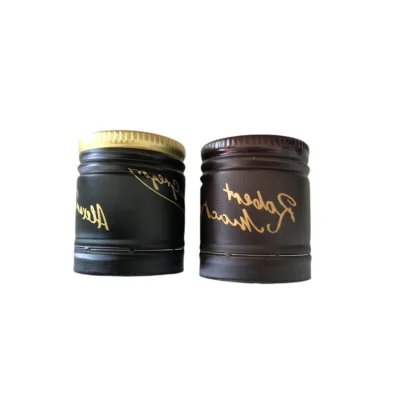
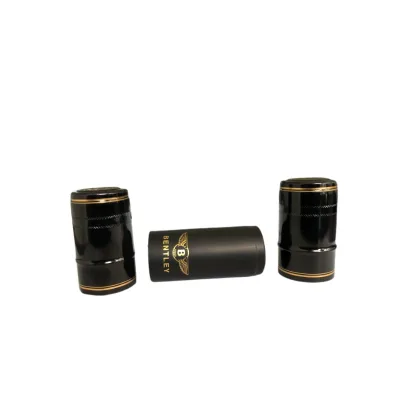
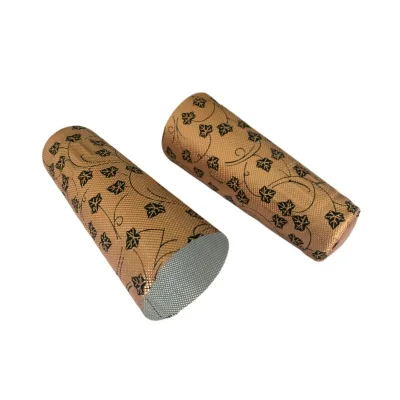
34*120mm Champagne Capsule Custom logo Sparkling Wine Aluminium Capsule
$0.04 - $0.05
MOQ: 50000 pieces

Silver Dragon Industrial Limited
- Trading Company,Manufacturer/Factory
- China Guangdong
- Lead time15 days
- Avg. response≤ 13h
Main productsPlastic Bags, Labels, Non Woven Bags, Paper Bags, Cling Film, Packing Tapes, Paper Containers, Laminated Bags, Nitto Adhesive Tapes
Main marketsSouth America,Eastern Europe,Mid East,North America,Southeast Asia,Eastern Asia,Oceania,Western Europe,Africa

Yantai Changyou Glass Co., Ltd.
- Verified by BV
- Manufacturer/Factory,Group Corporation
- China Shandong
- Lead time38 days
- Avg. response≤ 2h
Main productsSpirits Bottle, Wine Bottle, Cosmetic Bottle, Non-Alcoholic Beverages, Pharmaceutical Bottle, Glass Jar, Olive Oil Bottle, Aluminum Cap, Cork Stopper
Main marketsSouth America,Eastern Europe,North America,Southeast Asia,Eastern Asia,Western Europe,Africa


$0.04 - $0.05
MOQ: 20000 Pieces

Custom PVC Heat Shrink Clear Tin Aluminum Wine Bottle Wine Shrink Capsule for 750ml Wine Bottle Cap
$0.037 - $0.04
MOQ: 10000 Pieces


Factory Direct Sales 31*120mm Champagne Liquor Wine Accept Custom Logo PVC Aluminum Foil Capsule
$0.07 - $0.08
MOQ: 50000 Pieces

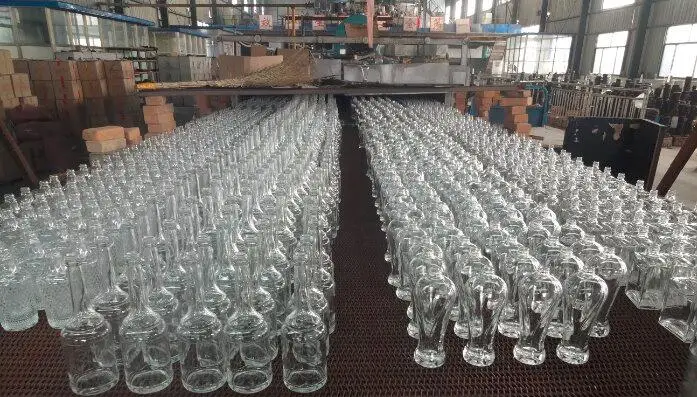
- Trading Company
- Sichuan, China
- Lead time12 days
- Avg. response≤ 2h
Main productsLiquor Glass Bottles, Juice Beverage Bottles, Lids Bottle Caps, Glass Jars, Wine Boxes
Main marketsNorth America(20.00%), Southeast Asia(15.00%), South America(10.00%), Central America(10.00%), Mid East(10.00%), Oceania(7.00%), Eastern Europe(7.00%), Eastern Asia(5.00%), Western Europe(5.00%), Africa(5.00%), South Asia(2.00%), Southern Europe(2.00%), Northern Europe(2.00%)
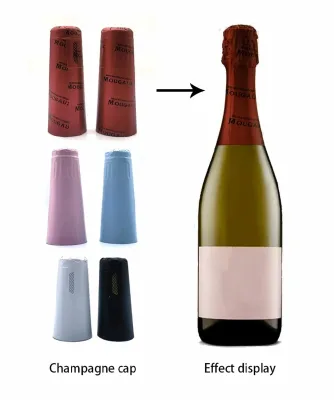
$0.05 - $0.08
MOQ: 20000 Minimum
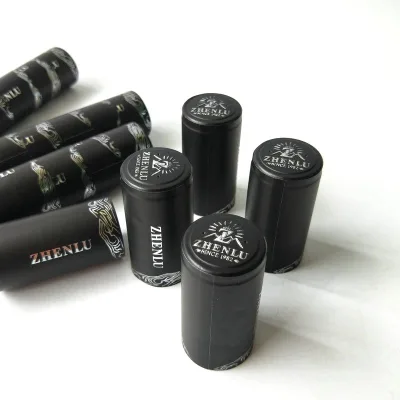
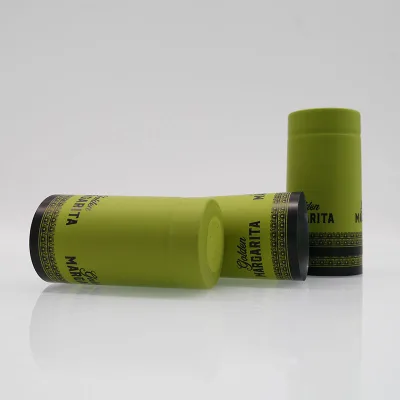
$0.0207 - $0.0413
MOQ: 20000 pieces
Lechenda (Huizhou) Ind Co., Ltd.
- Trading Company
- Guangdong, China
- Lead time0 days
- Avg. response≤ 1h
Main productsplastic packing bag,Paper gift box packages,biodegradable material package,Football draft board,PEVA shower curtain
Main marketsDomestic Market(40.00%), North America(20.00%), Western Europe(10.00%), Eastern Europe(5.00%), South Asia(5.00%), Southern Europe(5.00%), Africa(5.00%), Eastern Asia(5.00%), Mid East(5.00%)
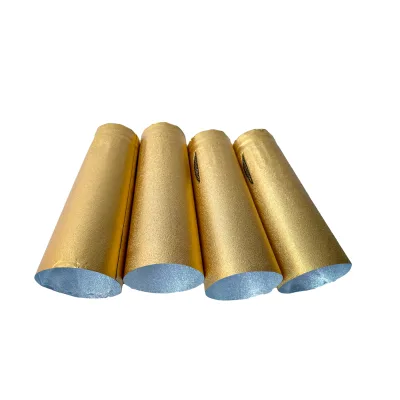
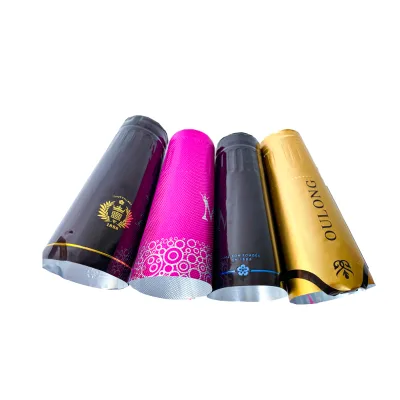
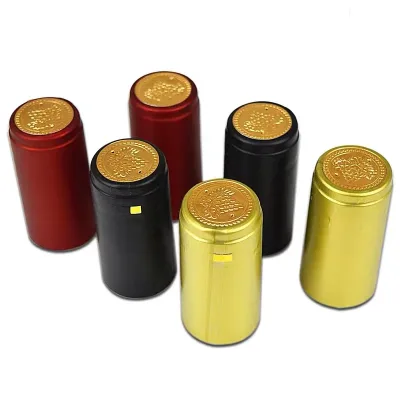
Aluminium Wine Bottle Cap Cap for Pet Bottle Heat Seal Aluminum Foil Caps
$0.01 - $0.20
MOQ: 1000 Minimum
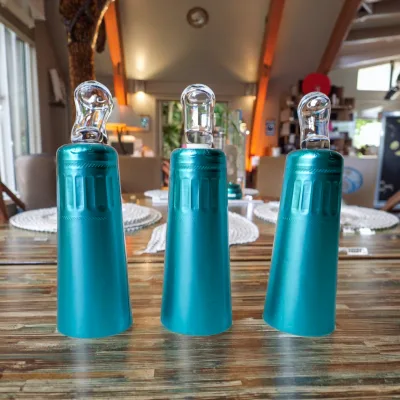
$0.0308 - $0.2054
MOQ: 5000 Minimum
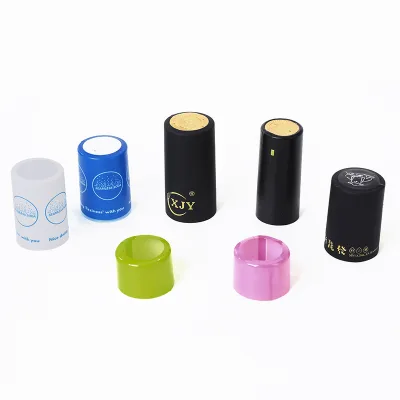

Yueqing Airoc Packing Co., Ltd.
- Verified by TUVRHEINLAND
- Trading Company,Manufacturer/Factory
- China Zhejiang
- Lead time180 days
- Avg. response≤ 4h
Main productsChocolate Aluminum Foil, Butter Wrap Paper, Hamburger Wrapper, Bottle Labels, Sticker Labels, Yogurt Lids, Ice Cream Cone Paper, Baking Paper, Food Box, Machine
Main marketsSouth America,Eastern Europe,Mid East,North America,Southeast Asia,Eastern Asia,Western Europe

- Verified by SGS
- Trading Company,Manufacturer/Factory
- China Shandong
- Lead time23 days
- Avg. response≤ 2h
Main productsGlass Bottle, Bottle Stopper, Bottle Cap, Glass Jar, Metal Label, Gift Box, Capsule
Main marketsSouth America,Eastern Europe,North America,Eastern Asia,Oceania,Western Europe,Africa

$0.01 - $0.10
MOQ: 10000 Pieces

Wine Bottle Aluminum Foil Champagne Capsules 34mm Shrink Pilfer-Proof Foil Easy Open End Bottle Caps
$0.01 - $0.10
MOQ: 10000 Pieces

Hangzhou Topwell Packing Co., Ltd.
- Verified by SGS
- Trading Company
- China Zhejiang
- Lead time15 days
- Avg. response≤ 10h
Main marketsAfrica,Southeast Asia/ Mideast,Domestic,Europe,North America

Custom Print Colorful Champagne Wine Aluminum Foil Capsule Seals Bottle Cap with Tear Tape
$0.01 - $0.04
MOQ: 10000 Pieces

$0.01 - $0.04
MOQ: 10000 Pieces

Custom Color Aluminum Foil Capsules Champagne Sparkling Wine Bottle Capsules with Logo Printing
$0.01 - $0.04
MOQ: 10000 Pieces

Free Sample Custom Logo Print Aluminum Foil Wine Liquor Whiskey Multilayer Shrink Capsule
$0.015 - $0.035
MOQ: 10000 Pieces

Best-Selling Items Embossed Logo Aluminum Foil Wine Capsule for Champagne Bottles
$0.015 - $0.035
MOQ: 10000 Pieces

Custom Aluminum Foil Wine Bottle Champagne Capsules with Heat-Shrinkable Caps and Tear-off Tabs
$0.01 - $0.04
MOQ: 10000 Pieces
- Verified by SGS Group
- Trading Company
- Lead time25 days
- Avg. response≤ 2h
Main productsBottle cap, Bottle stopper, Label, Glass bottle, Paper tube
Main marketsNorth America(65%), South America(25%), Eastern Europe(5%)
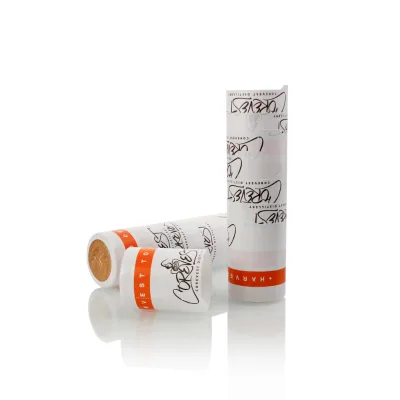
Premium Luxury Aluminum PVC Capsules Aluminum Foil Wine Capsules for Liquor and Wine Bottles
$0.03 - $0.04
MOQ: 20000
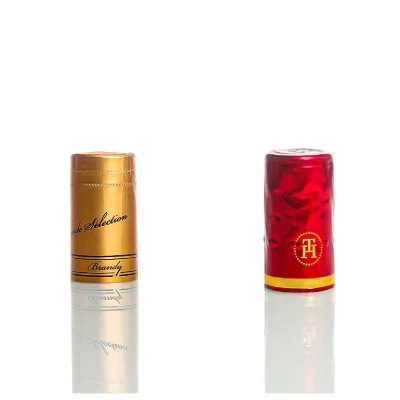
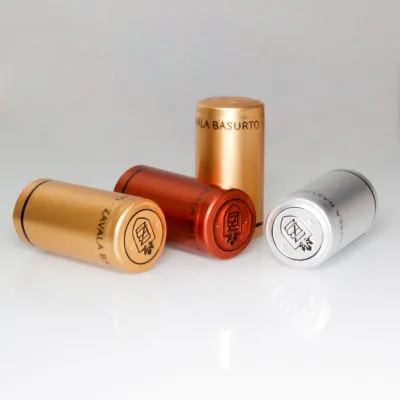
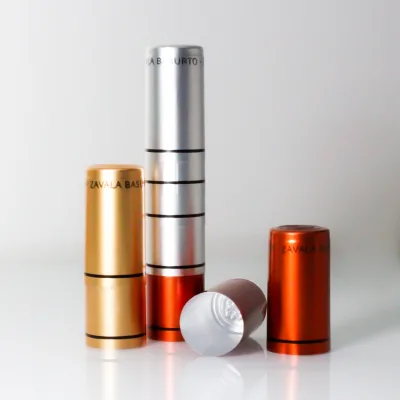
$0.03 - $0.04
MOQ: 10000 pieces
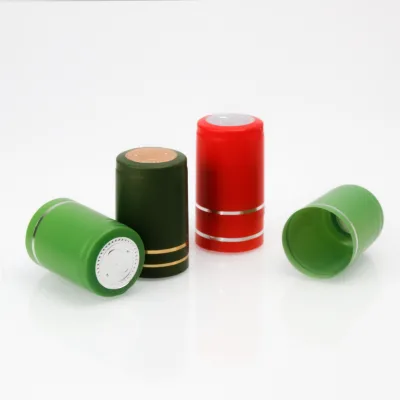
Hot Sale Top Hot Stamping Logo Hand Application Tamper-Evident PVC Capsules for Wine Bottle
$0.01 - $0.02
MOQ: 10000 pieces
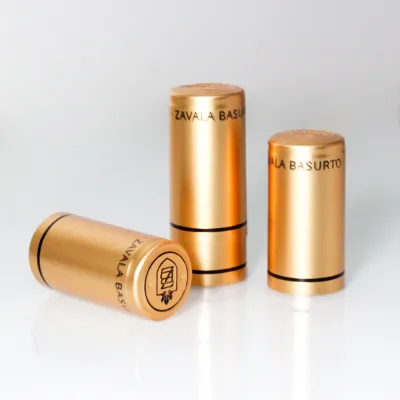
$0.03 - $0.04
MOQ: 10000 pieces
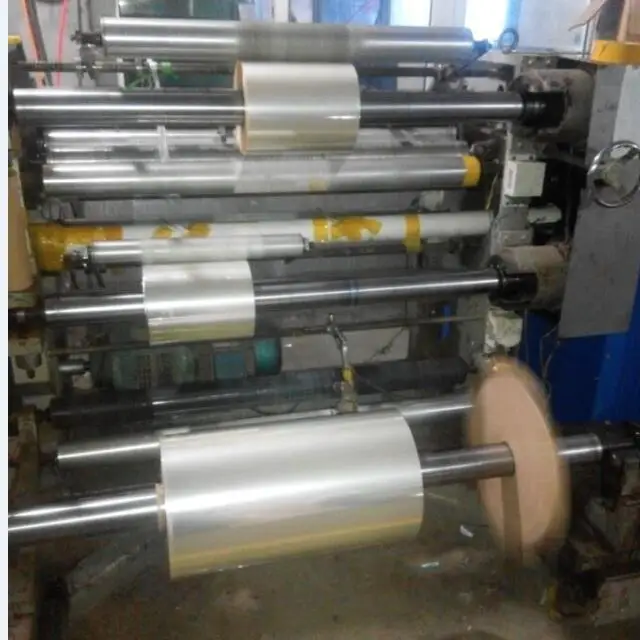
Hebei Kaya Packaging Co., Ltd.
- Trading Company
- Hebei, China
- Lead time30 days
- Avg. response≤ 5h
Main productsshrink film,shrink label,shrink band,shrink sleeve,packaging film
Main marketsNorth America(50.00%), South America(30.00%), Western Europe(20.00%)
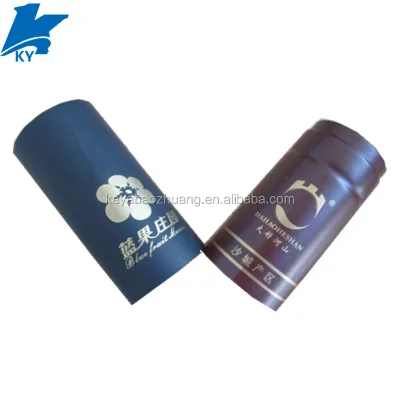
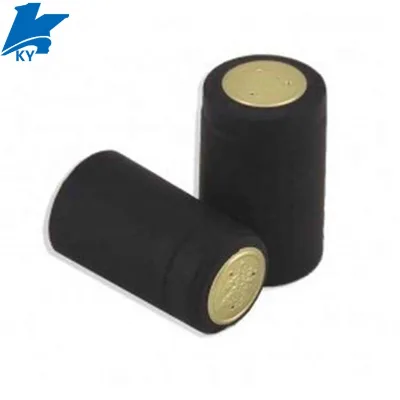
Black Heat Shrink Capsule / Shrink Caps for Wine Bottles
$0.018 - $0.025
Yuncheng County Guanyu Plastic Co., Ltd.
- Manufacturer, Trading Company
- Shandong, China
- Lead time15 days
- Avg. response≤ 3h
Main productsShrink Capsule, Heat Shrink Cap, Shrink Band, Shrink Sleeve, Shrink Label
Main marketsDomestic Market(60.00%), Africa(10.00%), Southeast Asia(10.00%), South Asia(5.00%), Northern Europe(5.00%), Eastern Europe(5.00%), Mid East(5.00%)
Yantai Changyou Glass Co., Ltd.
- Verified by SGS Group
- Trading Company
- Lead time10 days
- Avg. response≤ 1h
Main productsGlass Bottle, Glass Jar, Liquor Bottle Cap and Closure, Bottle Stopper, Bottle Label
Main marketsNorth America(25%), Southeast Asia(14%), South America(12%)
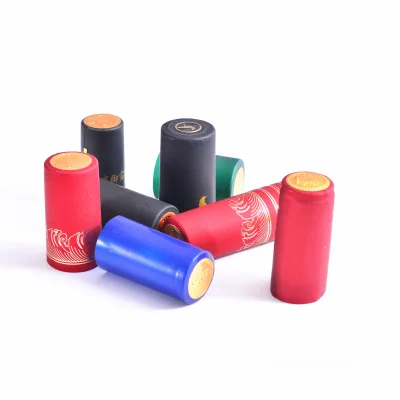
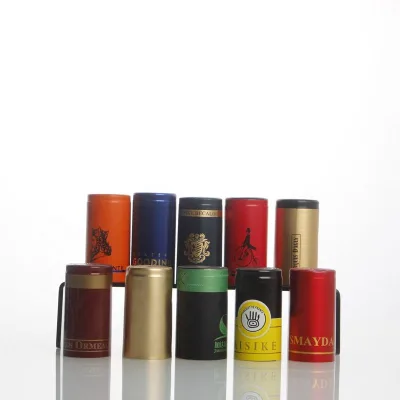
$0.03 - $0.04
MOQ: 10000 pieces

Ruida Industrial (Hangzhou) Co., Ltd.
- Verified by BV
- Trading Company
- China Zhejiang
- Lead time30 days
- Avg. response≤ 16h
Main productsPet Film, Polyester Film, BOPA Film, CPP Film, BOPP Film, PVC Film, Vacuum Metalized Film, BOPE Film, Vmbopp Film, VMCPP Film
Main marketsSouth America,Southeast Asia/ Mideast,Europe





Comprehensive Sourcing Guide
Wine Bottle Aluminum Foil Capsule Supplier Concentration and Factory Types
The current supplier landscape for wine bottle aluminum foil capsules reveals a distinct concentration of manufacturing and trading entities within specific geographic regions. Evidence indicates that a significant portion of these suppliers are located in China, with specific mentions of Shandong and Hebei provinces. This geographic clustering suggests established industrial hubs where raw material access and specialized packaging machinery are readily available. Buyers should recognize that suppliers in these regions often benefit from integrated supply chains, which can streamline the production of complex aluminum foil products. The presence of both manufacturers and trading companies in these areas offers buyers a range of engagement models. Trading companies may provide broader product assortments and simplified communication, while manufacturers might offer deeper customization capabilities and direct control over production quality. Understanding this distribution helps buyers target their search efforts more effectively, focusing on regions known for high-volume packaging output.
Company types vary significantly among the available suppliers, influencing the nature of the business relationship. Some entities operate exclusively as trading companies, acting as intermediaries between factories and international buyers. Others identify as both manufacturers and trading companies, suggesting they may have in-house production facilities while also managing external partnerships. This dual role can be advantageous for buyers seeking flexibility in order sizes and product specifications. The main products listed by these suppliers extend beyond simple capsules to include related items such as heat transfer materials, composite aluminum foils, and various bottle sealing films. This breadth of product offering indicates that many suppliers are specialized in aluminum packaging solutions rather than general merchandise. Buyers evaluating these suppliers should consider whether their specific needs align with the supplier’s primary focus. A supplier specializing in aluminum foil caps may have more refined processes for shrink-fit applications and embossing techniques compared to a generalist packaging provider.
How to Verify Wine Bottle Aluminum Foil Capsule Suppliers
Verifying the legitimacy and capability of Wine Bottle Aluminum Foil Capsule suppliers requires a multi-layered approach that goes beyond basic profile reviews. One critical step is to check for third-party verification badges, such as those provided by SGS Group. These verifications offer an additional layer of confidence regarding the supplier’s operational standards and business practices. Buyers should prioritize suppliers who display such credentials, as they indicate a willingness to undergo external audits. Additionally, examining the supplier’s response time can provide insights into their operational efficiency and customer service commitment. A faster response time, such as those observed in the range of six to nine hours, often correlates with a more responsive and organized procurement team. This metric is particularly important for buyers who need quick turnaround on samples or urgent order adjustments. It serves as a proxy for how well the supplier can handle real-time communication and problem-solving during the sourcing process.
Another essential verification step involves assessing the supplier’s customization capabilities and technical specifications. Many suppliers advertise available customization for their aluminum foil capsules, including logo printing, specific dimensions, and material thicknesses. Buyers should request detailed product attributes to ensure these claims are substantiated. For instance, checking if the supplier offers specific alloy types like 8011 aluminum or specific temper conditions such as soft temper can reveal their technical depth. Furthermore, verifying the origin of the materials is crucial, especially for food-grade applications. Suppliers should be able to confirm that their aluminum foil meets relevant food safety standards. Buyers should also inquire about the supplier’s ability to provide samples before committing to large orders. This allows for a physical assessment of the capsule’s quality, shrinkage performance, and print fidelity. By combining verification of credentials with technical due diligence, buyers can mitigate the risk of partnering with unreliable vendors.
What to Compare Across Wine Bottle Aluminum Foil Capsule Suppliers
When evaluating multiple suppliers for wine bottle aluminum foil capsules, buyers must compare several key operational metrics to determine the best fit for their needs. One of the most significant factors is the minimum order quantity (MOQ). Suppliers may have vastly different MOQs, ranging from small batches for testing to large volumes for mass production. For example, some suppliers may require an MOQ of 10,000 units, while others might have higher thresholds such as 100,000 units or even one ton for raw foil materials. Buyers should align their order volume with the supplier’s MOQ to avoid excessive inventory costs or production delays. Additionally, comparing lead times is essential for supply chain planning. Lead times can vary based on the complexity of the order, customization requirements, and current production capacity. Buyers should request specific lead time estimates for their order size to ensure timely delivery.
Price and payment terms are also critical comparison points. While unit prices may appear similar, the total cost of ownership can differ significantly based on packaging, shipping, and payment conditions. Some suppliers may offer competitive pricing for standard products but charge premiums for custom logos or specific colors. Buyers should also examine the payment terms, such as whether a deposit is required upfront or if escrow services are available. Another important factor is the range of product standards and sizes offered. Suppliers may provide various dimensions, such as 27100mm or 34120mm, to fit different bottle necks. Buyers should ensure the supplier can accommodate their specific bottle specifications. Furthermore, comparing the supplier’s main products can reveal their expertise. A supplier whose main products include various types of aluminum caps and sealing films may have more specialized knowledge than a general packaging trader. This specialization can lead to better quality control and more innovative solutions for unique packaging challenges.
Common Wine Bottle Aluminum Foil Capsule Sourcing Risks
Sourcing wine bottle aluminum foil capsules involves several potential risks that buyers must actively manage to ensure a smooth procurement process. One common risk is the discrepancy between sample quality and mass production output. Suppliers may provide high-quality samples that do not reflect the consistency of larger batches. This can lead to issues with shrinkage, print alignment, or material thickness in the final products. To mitigate this risk, buyers should establish clear quality standards and request pre-shipment inspections. Another significant risk is the lack of transparency regarding material composition. Some suppliers may use lower-grade aluminum alloys or insufficient thicknesses to reduce costs. Buyers should verify the alloy type, such as 8011, and the specific thickness requirements, such as 20-40 microns, to ensure the capsules meet their durability and aesthetic needs. This verification is crucial for maintaining the integrity of the wine bottle seal and presentation.
Communication and cultural barriers can also pose risks, particularly when dealing with international suppliers. Misunderstandings regarding customization details, such as logo placement or color matching, can result in costly errors. Buyers should maintain detailed written specifications and confirm all details with the supplier before production begins. Additionally, there is a risk of supply chain disruptions due to raw material shortages or production bottlenecks. Suppliers with limited capacity or those managing multiple large orders may struggle to meet deadlines. Buyers should assess the supplier’s production capacity and reliability by reviewing their response times and past performance indicators. Furthermore, buyers should be cautious of suppliers who do not offer flexible payment terms or escrow services, as this can increase financial risk. By identifying and addressing these risks proactively, buyers can protect their interests and ensure a successful sourcing outcome.
Wine Bottle Aluminum Foil Capsule Regional Sourcing and Logistics
Regional sourcing plays a pivotal role in determining the logistics and cost structure for wine bottle aluminum foil capsules. The concentration of suppliers in China, particularly in provinces like Shandong and Hebei, offers buyers access to a robust manufacturing ecosystem. Sourcing from these regions can provide competitive pricing due to economies of scale and established supply chains for aluminum raw materials. However, buyers must also consider the logistical implications of importing from these locations. Shipping costs, transit times, and import duties can significantly impact the total cost of the product. Buyers should evaluate the proximity of the supplier to major ports to minimize inland transportation costs. Additionally, understanding the local infrastructure and export capabilities of the region can help in planning efficient logistics strategies. Suppliers in these areas are often experienced in international shipping and can provide valuable insights into documentation and compliance requirements.
Logistics planning should also account for the specific packaging requirements of aluminum foil capsules. These products are often sensitive to moisture and physical damage, requiring careful handling and packaging. Buyers should ensure that the supplier uses appropriate packaging methods, such as carton packing with pallets, to protect the goods during transit. Furthermore, buyers should consider the lead time implications of regional sourcing. While production may be fast, international shipping can add weeks to the delivery timeline. Buyers should plan their inventory accordingly to avoid stockouts. Additionally, buyers should be aware of any regional trade agreements or tariffs that may affect the cost of importing from China. By carefully analyzing the regional sourcing landscape and logistics options, buyers can optimize their supply chain for efficiency and cost-effectiveness. This includes selecting suppliers who offer reliable shipping solutions and have experience in exporting to the buyer’s destination.
Wine Bottle Aluminum Foil Capsule Commercial Terms and Order Planning
Effective order planning for wine bottle aluminum foil capsules requires a thorough understanding of commercial terms and supplier capabilities. Buyers should negotiate clear payment terms that balance risk and cash flow. Common terms may include a percentage advance payment with the balance due before shipment or upon receipt of documents. Buyers should also inquire about the availability of escrow services to protect their payments until the goods are received and verified. Additionally, buyers should clarify the supplier’s policy on defects and returns. A clear warranty or replacement policy for defective capsules can save significant costs and logistical headaches. Buyers should also consider the supplier’s capacity for handling rush orders or changes in specifications. Suppliers with flexible production lines and quick response times are better equipped to handle dynamic market demands.
Order planning should also involve a detailed assessment of the supplier’s customization options and associated costs. Custom logos, specific colors, and unique dimensions may incur additional charges or longer lead times. Buyers should request a comprehensive price breakdown that includes unit costs, tooling fees, and shipping expenses. This transparency allows for accurate budgeting and cost comparison across different suppliers. Furthermore, buyers should plan for quality control measures, such as third-party inspections or sample approvals, before placing large orders. Establishing a clear communication protocol with the supplier can help prevent misunderstandings and ensure that the final products meet expectations. By carefully managing commercial terms and order planning, buyers can build a reliable and efficient supply chain for their Wine Bottle Aluminum Foil Capsule needs. This proactive approach minimizes risks and maximizes the value derived from the sourcing relationship.
FAQs
What is the price range for wine bottle aluminum foil capsules?
Prices typically range from $0.05 to $0.50 per unit depending on customization and material specifications. Basic shrink capsules start around $0.10, while embossed or complex laminated options may cost up to $0.50. Buyers should verify exact pricing based on order volume and specific design requirements.
What is the minimum order quantity for these capsules?
Minimum order quantities vary significantly by supplier and product type. Standard shrink capsules often require a minimum of 10,000 units, whereas specialized embossed or laminated foil rolls may require a minimum of 100,000 units or 1 ton. Buyers must confirm the specific MOQ with the supplier before placing an order.
How long does production take for custom aluminum capsules?
Standard lead times are approximately 15 days for most suppliers. However, this duration can vary based on the complexity of customization, such as logo printing or specific size requirements. Buyers should confirm the exact production timeline with the supplier to ensure timely delivery for their specific order.
Are custom logos and designs available for these capsules?
Yes, customization is widely available for aluminum foil capsules. Suppliers offer options for custom logos, colors, and sizes, including flexo printing and embossed designs. Buyers can request samples to verify the quality of customization before committing to a larger order, ensuring the final product meets their branding standards.
What materials are used for wine bottle aluminum capsules?
Capsules are primarily made from aluminum foil, often in alloys like 8011. Some products use laminated materials, such as aluminum combined with LDPE, for enhanced durability and sealing properties. The material thickness typically ranges from 20 to 40 microns, ensuring a secure fit and professional appearance on wine bottles.
Where are these aluminum foil capsules manufactured?
Manufacturing locations include China, specifically in regions like Shandong and Hebei. Suppliers in these areas offer various production capabilities, including light customization and sample processing. Buyers should verify the specific origin of the product to ensure it meets their sourcing preferences and logistical requirements.