Source 8mm Filter Copper Pneumatic Fittings for Air Line, Air Compressor, Air Drill
Compare 30 listings of 8mm Filter Copper Pneumatic Fittings from verified suppliers. Buyers can evaluate specifications, materials, and pricing for applications in air lines, compressors, and drills. These components support normal temperature operations and various pressure ranges up to 2.5 MPa for industrial use.
Updated
Key considerations
Products List




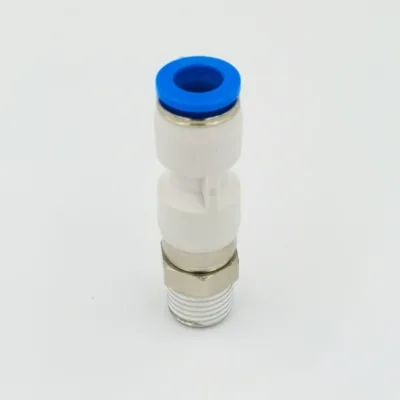
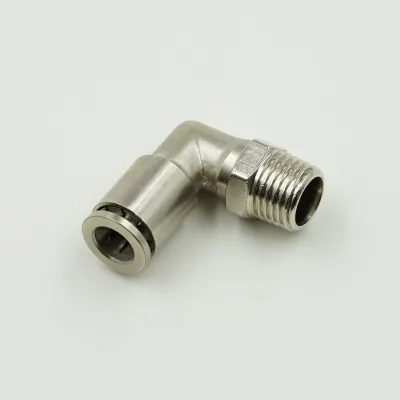
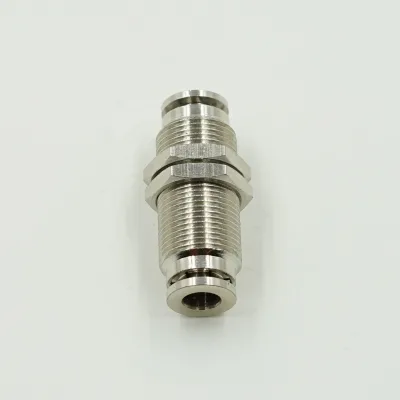
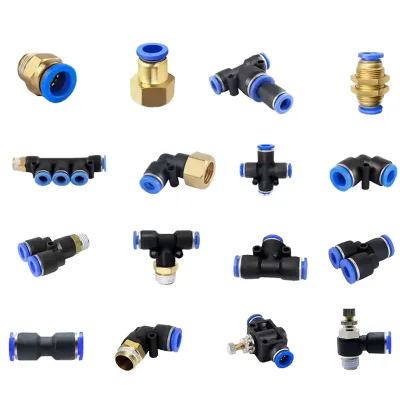

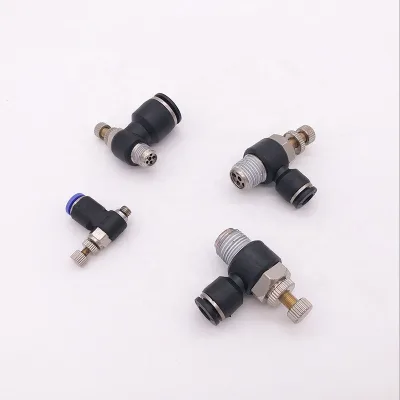

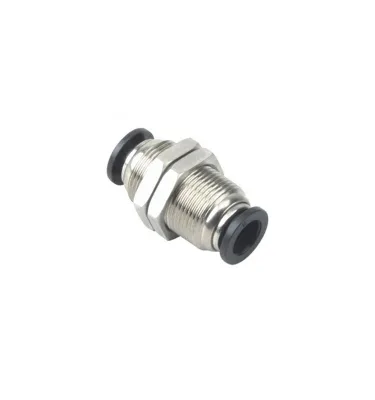
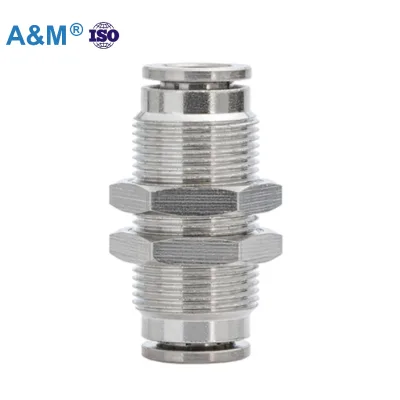
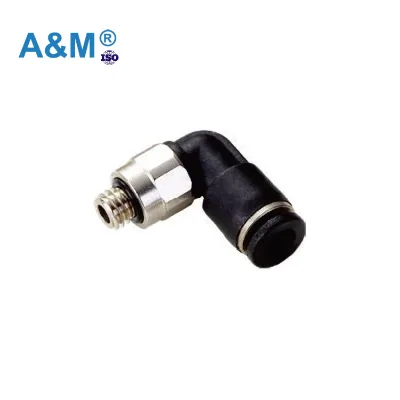
Comprehensive Sourcing Guide
8mm Filter Copper Pneumatic Fittings Sourcing Guide
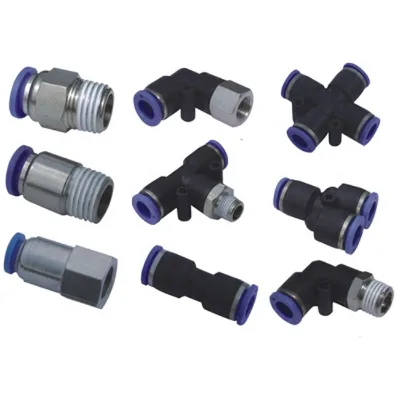
Procuring 8mm Filter Copper Pneumatic Fittings requires a disciplined approach to verifying material integrity and functional compatibility within industrial air systems. Buyers must prioritize components that explicitly support air line, air compressor, and air transport screwdriver applications, as these are the primary use cases observed in current market listings. The selection process should begin with confirming the fitting type, such as quick connectors or specific filter models, to ensure alignment with the intended machinery accessory or fastener requirements.
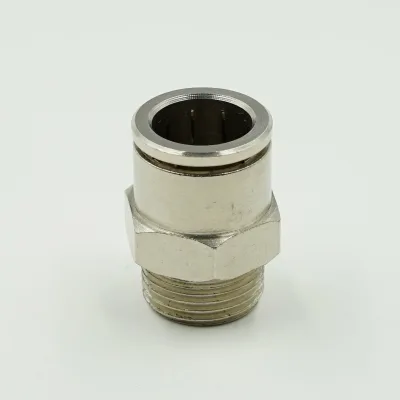
Material composition is a critical differentiator, with copper and brass being the most frequently cited options for these fittings. Sourcing teams should verify that the selected components meet the necessary mechanical strength and corrosion resistance standards for normal temperature operations. It is essential to cross-reference the specific model numbers, such as IPDT-G or IPLP, against the operational pressure and temperature ranges to prevent premature failure in high-cycle environments.
Product Scope and Observed Listing Signals
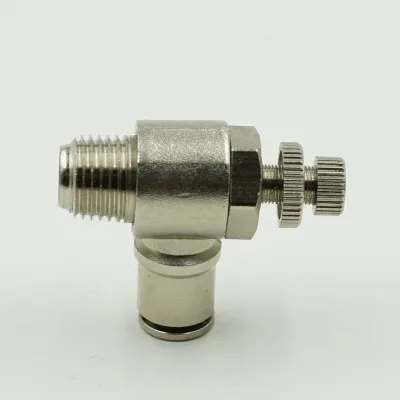
The current market for 8mm Filter Copper Pneumatic Fittings displays a diverse range of product models, including CU-CNC-001, IPDT-G, IPLP, NTH-G(2), IPUT, and ATE. These models cater to varying operational needs, with some designed for air lines and others for grinding machinery or impact wrenches. Buyers should note that while copper is a common material, other listings specify brass, plastic, or mixed material constructions, necessitating careful review of the material certification to ensure the fitting meets the specific chemical and physical demands of the application.
Listing signals indicate that customization is widely available, with suppliers supporting 2D/3D CAD, PDF, IGES, and STEP drawing formats. This flexibility allows for tailored solutions, but it also introduces complexity in the verification process. Procurement teams must ensure that the customized designs still adhere to the standard production tolerances of ±0.01mm to ±0.05mm and surface roughness requirements of Ra 0.8 to Ra 3.2. The availability of custom samples with a lead time of 7-10 working days provides an opportunity to validate fit and function before committing to bulk orders.
Technical Specifications to Verify
Operating pressure and temperature ranges are the most critical technical parameters to verify when sourcing these fittings. Observed data indicates a wide variance, with some models supporting up to 2.5MPa (360psi) and operating temperatures from -30°C to 80°C, while others are rated for 0~1.0MPa (150psi) and -20°C to 70°C. Buyers must match these specifications precisely to their system’s maximum pressure and environmental conditions to avoid leaks or catastrophic failures. Negative pressure capabilities, such as -100kpa, should also be confirmed if vacuum applications are part of the workflow.
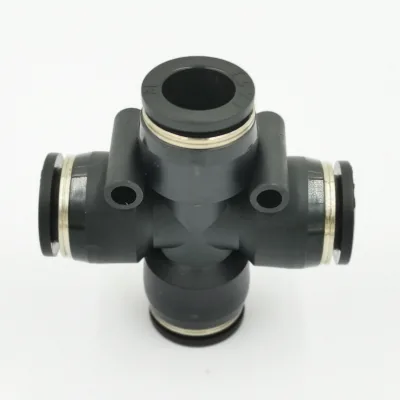
Tube compatibility is another vital technical consideration, with polyurethane and nylon tubes being the standard application partners for these fittings. The fitting’s internal geometry must align with the outer diameter of the chosen tubing to ensure a secure, leak-free connection. Additionally, surface treatments like powder coating, polishing, passivation, tin plating, or nickel plating can influence durability and friction characteristics. Buyers should specify the required treatment based on the corrosive nature of the environment and the frequency of maintenance cycles.
Compliance and Safety Documentation
Material certification is a non-negotiable aspect of compliance, with En 10204-3.1 and Material Test Reports being the standard documentation provided for copper and brass components. These documents verify the chemical composition and mechanical properties of the raw materials, ensuring they meet the specified standards. Procurement teams should request these certificates for every batch, particularly for custom orders, to maintain traceability and ensure that the fittings do not contain prohibited substances that could violate environmental regulations.
Quality control standards further reinforce compliance, with ISO 9001, ISO14001:2015, and ISO45001:2018 being commonly cited certifications among suppliers. These standards indicate a robust management system for quality, environmental impact, and occupational health and safety. Buyers should verify that the supplier performs 100% inspection before shipment, as this practice significantly reduces the risk of receiving defective parts. While RoHS and REACH are mentioned in background contexts, explicit confirmation of compliance with these directives should be sought to ensure global market access.
Cost Drivers and Commercial Terms
The cost of 8mm Filter Copper Pneumatic Fittings is influenced by material prices, machining complexity, and surface treatment requirements. CNC machining is the primary production method, allowing for high precision but also contributing to unit costs, especially for custom designs. Buyers should anticipate a price range that reflects the quality of the copper or brass used and the intricacy of the filter mechanism. Bulk pricing may offer savings, but the minimum order quantity (MOQ) for samples is often just one piece, while bulk orders may require 100 pieces or more.
Lead times and payment terms are key commercial factors that impact supply chain reliability. Mass production lead times typically range from 15 to 25 working days, which must be factored into inventory planning. Packaging methods, such as wooden boxes or inner boxes with outer cartons and pallets, also affect shipping costs and protection during transit. Buyers should negotiate clear terms regarding packaging standards to minimize damage risks and ensure efficient handling upon arrival at the destination warehouse.
Supplier Qualification and Quality Control
Supplier qualification begins with verifying their production capabilities and quality management systems. Suppliers offering batch production with customization options should demonstrate a consistent track record of meeting tight tolerances and surface finish requirements. Buyers should assess the supplier’s ability to handle various drawing formats and their responsiveness to sample requests. A reliable supplier will provide detailed technical support and transparent communication regarding any potential deviations from the initial design specifications.
Quality control processes must be rigorously evaluated, with a focus on the 100% inspection protocol before shipment. Buyers should request sample reports or audit the supplier’s inspection procedures to ensure that every fitting meets the specified operating pressure and temperature ratings. The availability of material certifications and adherence to standards like ASME, TEMA, JIS Code, China GB Code, EN, and GB further validates the supplier’s commitment to quality. Establishing a clear feedback loop for any defects is essential for maintaining long-term supply chain integrity.
Long-Term Procurement Checks
Long-term procurement success depends on continuous monitoring of supplier performance and product reliability. Buyers should track failure rates and maintenance intervals to identify any trends in product degradation or performance issues. Regular audits of the supplier’s quality control processes and material certifications help ensure ongoing compliance with industry standards. Building a strong relationship with the supplier can facilitate better support for custom orders and quicker resolution of any technical challenges that arise during implementation.
Supply chain resilience is enhanced by diversifying suppliers and maintaining a buffer stock of critical fittings. Buyers should periodically review the market for new models or improved materials that may offer better performance or cost efficiency. Staying informed about changes in standards and regulations, such as updates to ISO or environmental directives, ensures that the procurement strategy remains aligned with current best practices. Proactive engagement with suppliers on future product developments can provide a competitive advantage in operational efficiency and cost management.
FAQs
What materials are used for 8mm Filter Copper Pneumatic Fittings?
These fittings are manufactured from brass, copper, iron, aluminum, steel, nylon, and plastic. The specific material depends on the model, such as the IPDT-G which uses copper or the IPLP which uses plastic. This variety ensures compatibility with different industrial environments and fluid types.
Can I get custom samples for these pneumatic fittings?
Yes, custom samples are available for these products. The lead time for producing samples is typically 7 to 10 working days. This allows buyers to verify quality and specifications before committing to larger bulk orders, ensuring the components meet specific application requirements.
What is the minimum order quantity for bulk purchases?
The minimum order quantity is 1 piece for samples and 100 pieces for bulk production. This flexible MOQ structure supports both testing phases and larger manufacturing needs. Buyers can start with a small sample order to validate performance before scaling up to full production runs.
What certifications do these pneumatic fittings hold?
Products hold ISO 9001, ISO 14001, and ISO 45001 certifications. Material certification includes EN 10204-3.1 and material test reports. Quality control follows ISO 9001 standards with 100% inspection before shipment, ensuring reliability and compliance with international industrial standards for pneumatic components.
What is the operating pressure range for these fittings?
Operating pressure varies by model, ranging from 0 to 1.0 MPa for some types and up to 2.5 MPa for others. The maximum pressure can reach 1.5 MPa. These ranges accommodate various air line and compressor applications, ensuring safe operation under standard industrial conditions.
How are these fittings packaged for shipment?
Packaging options include wooden boxes, inner boxes, outer cartons, and pallets. The specific packaging depends on the product model and order size. This ensures safe transport and protection during shipping, maintaining the integrity of the precision-machined components until they reach the buyer's facility.