Source anti-static nylon test tube brush for Lab, Hospital, School
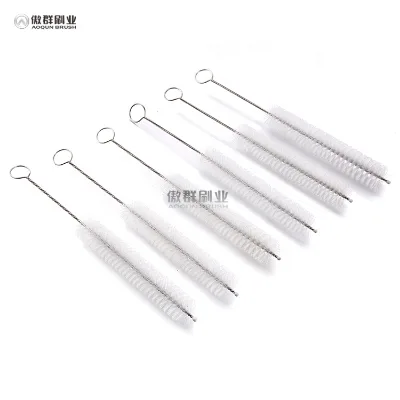
Compare 30 anti-static nylon test tube brush options from verified suppliers. These cleaning brushes feature customizable bristle lengths and durable nylon filaments for laboratory, hospital, and school applications. Buyers can review specifications including bristle shapes, wire frameworks, and various sizes to find the right cleaning tool for their specific needs in industrial or DIY settings.
Updated
Key considerations
Products List






Comprehensive Sourcing Guide
Anti-Static Nylon Test Tube Brush Sourcing Guide
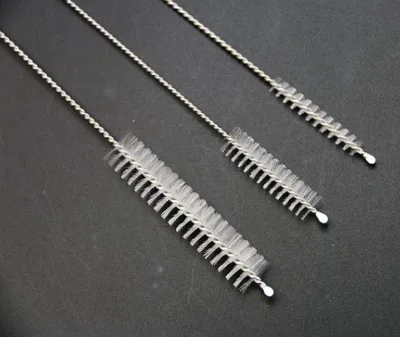
Procurement professionals seeking anti-static nylon test tube brushes must first recognize that the supplied product data describes general laboratory cleaning brushes rather than explicitly certified anti-static variants. The available listings highlight nylon filament materials and stainless steel wire frameworks suitable for cleaning applications in labs, hospitals, and schools. Buyers should verify if specific anti-static properties are standard or require a custom order, as the provided facts list general cleaning functions without explicit electrostatic discharge ratings.
When evaluating suppliers, it is critical to distinguish between standard nylon brushes and those engineered for static-sensitive environments. The observed product range includes various bristle lengths and diameters, with customization available for specific needs. Sourcing teams should request detailed technical sheets confirming the anti-static nature of the nylon filament, as the general product descriptions focus on wear resistance and antibacterial properties rather than static control.
Product Scope and Observed Listing Signals
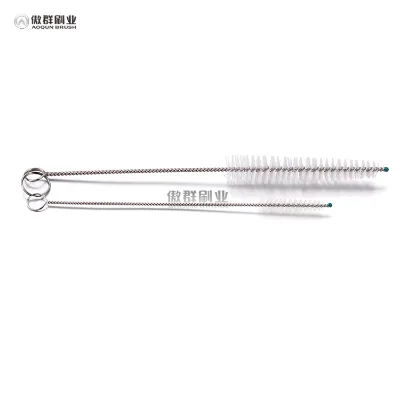
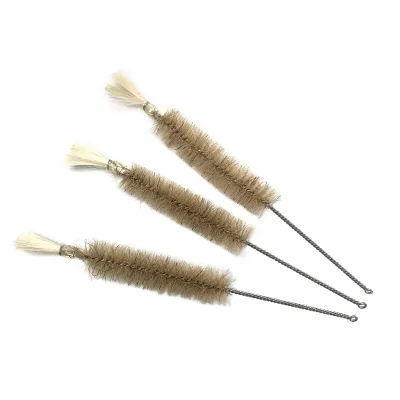
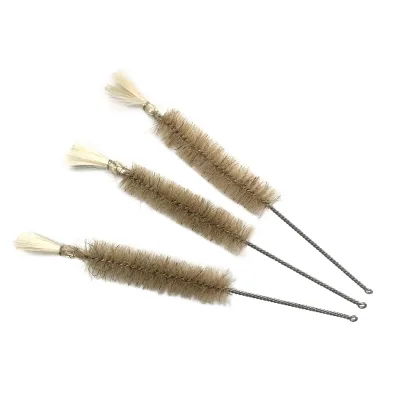
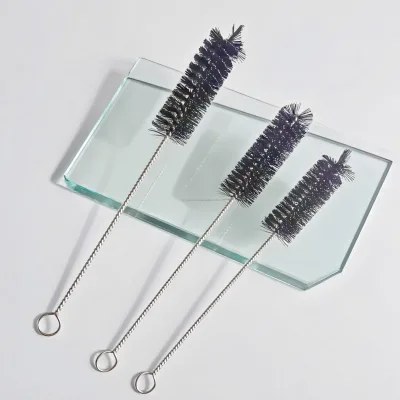
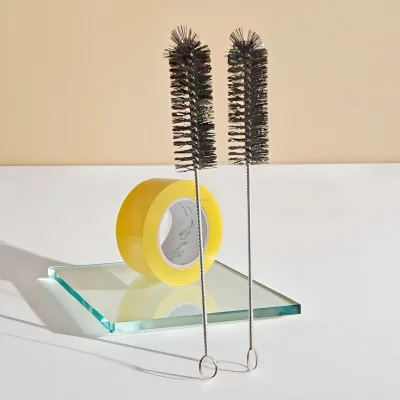
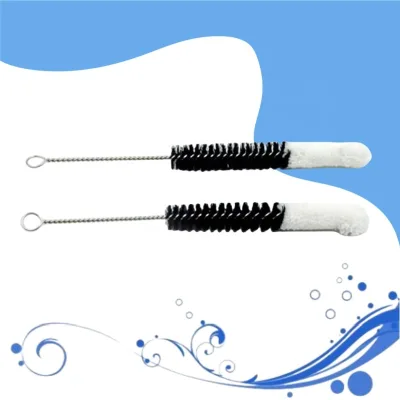
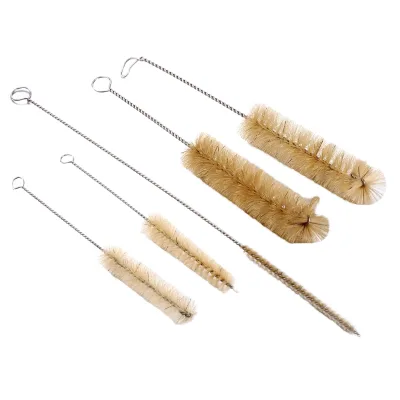
The market offers a diverse range of tube brushes with varying specifications, including models with diameters from 1mm up to 500mm and bristle lengths ranging from 1 inch to 4 inches. These products are typically packaged in cartons with single package sizes varying significantly based on the brush dimensions. The observed listings indicate that the brushes are available in multiple colors, including white, black, and transparent options, catering to different laboratory identification needs.
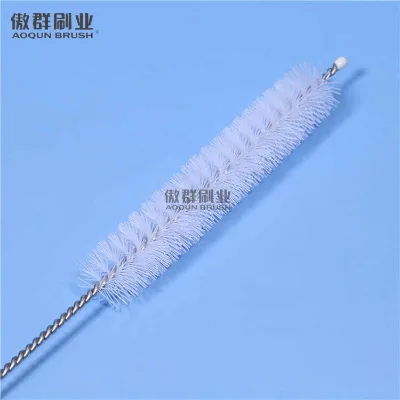
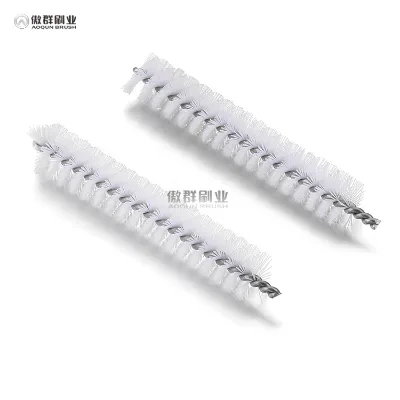
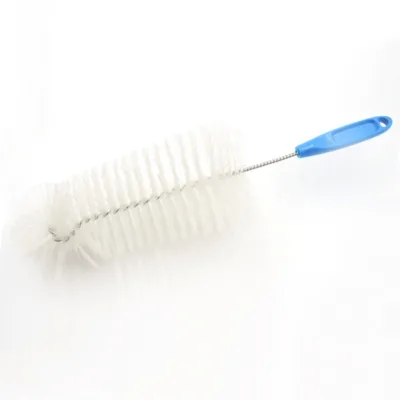
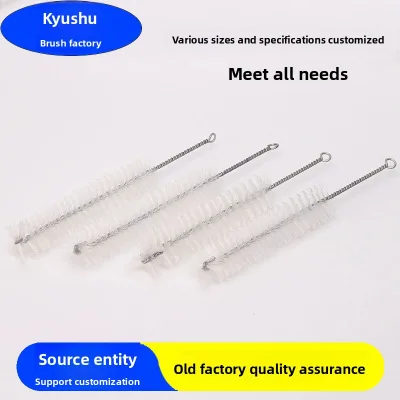
Buyers must carefully review the filament shape options, which include cross wire, abnormality, straight wire, and curved wire configurations. The product scope extends to cylindrical, conical, and oval-shaped brushes designed for different vessel geometries. While the data confirms the availability of OEM and ODM support, the specific anti-static feature is not explicitly detailed in the general product attributes, requiring direct supplier confirmation for specialized applications.
Technical Specifications to Verify
Technical verification should begin with the filament material and framework composition, as the data specifies nylon brush filaments paired with stainless steel or iron wire frameworks. Buyers need to confirm the exact bristle length and diameter compatibility with their specific test tube sizes, noting that customizable options exist for both parameters. The single gross weight of the items varies between 0.120 kg and 0.230 kg, which impacts shipping calculations and handling requirements.
It is essential to validate the maximum diameter and single package dimensions to ensure logistical compatibility with warehouse storage and transport. The product models range from 10mm to 35mm in specific configurations, with additional sizes like 18mm and 20mm available. Procurement teams should request sample testing to verify the physical durability and cleaning efficiency of the nylon filaments, ensuring they meet the rigorous demands of laboratory cleaning supplies.
Compliance and Safety Documentation
Compliance verification requires checking for certifications such as ISO9001, ROHS, CNAS, IAF, and SVHC, which are listed as available for these products. These certifications indicate adherence to quality management systems and restrictions on hazardous substances, which is crucial for laboratory environments. Buyers should ensure that the specific batch of anti-static brushes carries the relevant documentation, as the general listing may not guarantee that every unit meets these specific safety standards.
Safety documentation must also address the material grade, which is listed as suitable for DIY and industrial applications. The product origin is confirmed as Guangdong, China, with a port of Guangzhou for export. Procurement teams should request proof of compliance for the specific anti-static treatment, as the standard certifications cover general manufacturing quality but may not explicitly validate static control performance without additional testing reports.
Cost Drivers and Commercial Terms
Cost drivers for these brushes include the complexity of the filament shape, the material grade of the wire framework, and the level of customization required for bristle length and diameter. The observed price range spans from 0.03 to 5.75 USD, reflecting the variability in product specifications and order volumes. Buyers should anticipate that specialized anti-static treatments or custom filament shapes may incur higher unit costs compared to standard straight-wire models.
Commercial terms involve a minimum order quantity (MOQ) ranging from 1 to 5000 units, offering flexibility for both small-scale trials and large-scale procurement. The warranty period is listed as 3 years, which provides a baseline for quality assurance expectations. Procurement teams should negotiate based on the specific model number and customization level, as the selling units are typically single items, and bulk discounts may apply depending on the total volume ordered.
Supplier Qualification and Quality Control
Supplier qualification should focus on their ability to provide OEM, ODM, and OBM support, as indicated by the available customization options. The brand name AOQUN is associated with these products, suggesting a specific manufacturer identity that buyers can investigate for reputation and reliability. It is vital to verify the supplier's capacity to maintain consistent quality across different production runs, especially when customizing bristle lengths or filament shapes.
Quality control processes must include checks on the filament function, which is described as cleaning, anti-rust, and wear-resistant. The product standard is listed as GMP, indicating a focus on Good Manufacturing Practice, which is essential for laboratory equipment. Buyers should implement incoming quality inspections to verify that the delivered brushes match the specified model numbers and that the nylon filaments are free from defects that could compromise cleaning performance.
Long-Term Procurement Checks
Long-term procurement strategies should include regular audits of the supplier's ability to maintain the GMP standard and provide consistent certification documentation. Since the product origin is fixed in China, supply chain resilience depends on the supplier's ability to manage lead times and maintain inventory levels for various model numbers. Buyers should establish a schedule for re-evaluating the anti-static properties of the brushes to ensure they remain effective over the product's lifecycle.
Continuous monitoring of the product attributes, such as the filament shape and bristle length, is necessary to adapt to changing laboratory requirements. The availability of customizable support allows for adjustments in product specifications, but these changes must be documented and validated to prevent quality drift. Procurement teams should maintain a database of supplier performance metrics, including warranty claims and delivery reliability, to inform future sourcing decisions and mitigate supply chain risks.
FAQs
What materials are used in these lab cleaning brushes?
The brushes utilize nylon brush filament for the bristles and stainless steel wire or iron wire for the framework. This combination ensures durability and effective cleaning performance for laboratory glassware. The product is made of plastic components as well, providing a robust structure for repeated use in hospital and school settings without compromising hygiene standards.
Can I customize the bristle length for specific tubes?
Yes, customization is available for the bristle length to suit various tube sizes. The product supports OEM, ODM, and OBM customization services. Buyers can request specific dimensions to ensure a tight fit within test tubes, enhancing cleaning efficiency. This flexibility allows laboratories to tailor the brushes to their exact equipment specifications for optimal results.
What certifications do these test tube brushes hold?
These brushes hold ISO9001, ROHS, CNAS, IAF, and SVHC certifications. They also comply with GMP standards, ensuring quality and safety for laboratory environments. These credentials verify that the manufacturing process meets international quality management and environmental requirements, making them suitable for use in hospitals, schools, and industrial settings where strict compliance is necessary.
What is the minimum order quantity for these brushes?
The minimum order quantity ranges from 1 to 5000 units depending on the specific configuration and customization requirements. Buyers can start with a small sample order or place larger bulk orders for institutional use. This flexible MOQ allows both small labs and large industrial facilities to procure the necessary cleaning supplies without excessive initial inventory commitment.
Where are these nylon brushes manufactured?
These brushes are manufactured in Guangdong, China, with the port of shipment being Guangzhou. The products originate from China and are packed in cartons for safe transport. This location ensures efficient logistics and supply chain management for international buyers, facilitating timely delivery of cleaning supplies to laboratories and hospitals worldwide.
What functions do the nylon filaments provide?
The nylon filaments provide cleaning, anti-rust, and wear-resistant functions. Some variants also offer antibacterial properties to maintain hygiene in laboratory settings. The cross wire, abnormal, straight, and curved wire shapes enhance cleaning effectiveness on various glassware surfaces. These features ensure long-lasting performance and reliable cleaning results for test tubes and cylinders.