Industrial Foldable Folding Stool with Backrest Suppliers and Manufacturers
Compare 24 verified suppliers of Industrial Foldable Folding Stool with Backrest across locations, response times, lead times, and product specifications. Review pricing, MOQ, and customization options to source the right partner for your needs; review the available evidence before requesting comparable quotations from suitable candidates.
Updated
Suppliers List

- Trading Company
- China Fujian
- Lead time0 days
- Avg. response≤ 5h
Main productsFurniture, Table, Chair, Rack, Shelf, Folding Table, Folding Chair, Dinning Table and Chair Set, Table and Chair Set, Ladder

- Verified by BV
- Trading Company
- China Zhejiang
- Lead time30 days
- Avg. response≤ 12h
Main productsHousehold Products, Recreation& Game Products, Outdoor Products, Garden Products, Pet Products, Car Products, Daily Use Products
Main marketsSouth America,Africa,Southeast Asia/ Mideast,East Asia(Japan/ South Korea),Europe,Australia,North America

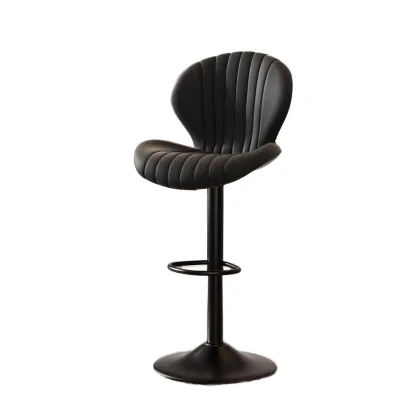
Portable Collapsible Metal Frame Bar Folding Stool with Backrest Leather Padded
$20.00 - $23.00
MOQ: 1 Pieces

25 Inch Counter Height Bar Folding Stool with Backrest for Gardening Kitchen Shop Cafe
$9.00 - $12.00
MOQ: 1 Pieces

26 Inch Bar Folding Stool with Backrest Leather Padded for Outdoor Indoor Kitchen Shop Cafe
$14.00 - $17.00
MOQ: 1 Pieces

Shuifu Huiyang Agricultural Technology Co., Ltd.
- Verified by SGS
- Trading Company
- China Yunnan
- Lead time23 days
- Avg. response≤ 3h
Main productsBamboo Products, Bamboo Crafts, Bamboo Chopsticks, Bamboo Skewers, Bamboo Weaving, Bamboo Tray, Bamboo Box, Bamboo Placemat, Bamboo Fruit Bowl, Lamp Shades
Main marketsDomestic
Taizhou Bebone Imp. & Exp. Co., Ltd.
- Trading Company
- Zhejiang, China
- Lead time45 days
- Avg. response≤ 5h
Main productsPlastic Living Room Sets, Kid's Furniture Sets, Plastic Stool, Storage Basket, Laundry Basket
Main marketsEastern Asia(30.00%), North America(20.00%), Western Europe(20.00%), Southeast Asia(15.00%), Mid East(10.00%), Northern Europe(5.00%)
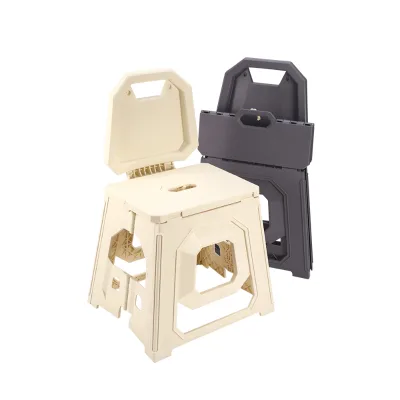
11.8 Inch Seat Height Plastic Travel Camping Folding Backrest Stool With Latch Back
$3.6971 - $4.4401
MOQ: 1000 pieces
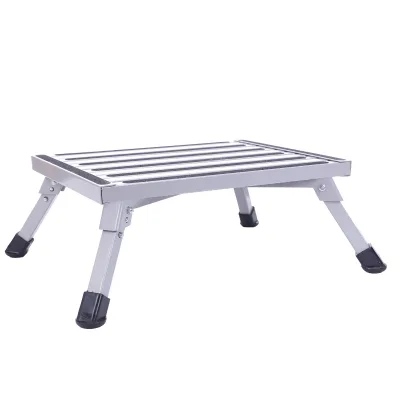
Folding Camping Metal Chair With Folded Lazy Legs Aluminium Folding Chair Step Stool
$19.5729 - $20.5496
MOQ: 100 pieces
Chaozhou Yazhiyi Medical Device Co., Ltd.
- Manufacturer, Trading Company
- Guangdong, China
- Lead time10 days
- Avg. response≤ 1h
Main productsMedical equipment,Medical trolley,Medical furniture,medical apparatus and instruments,furniture
Main marketsSoutheast Asia(35.00%), Africa(25.00%), Mid East(23.00%), Southern Europe(9.00%), South Asia(8.00%)
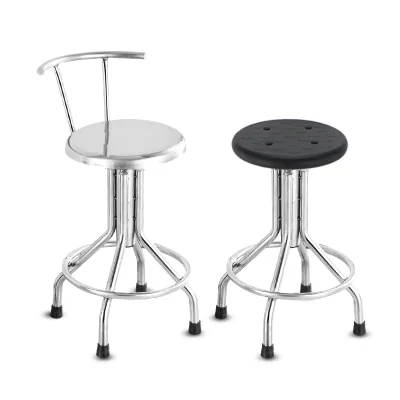
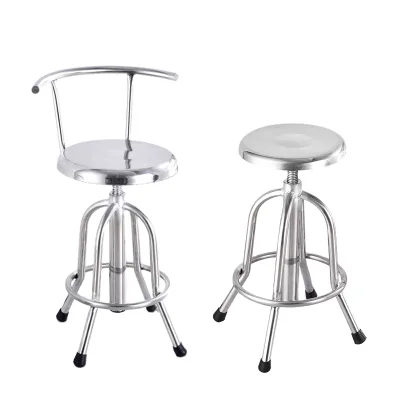
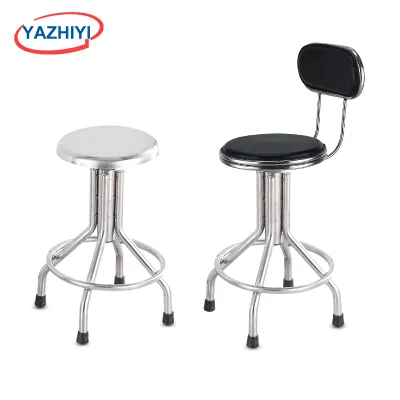
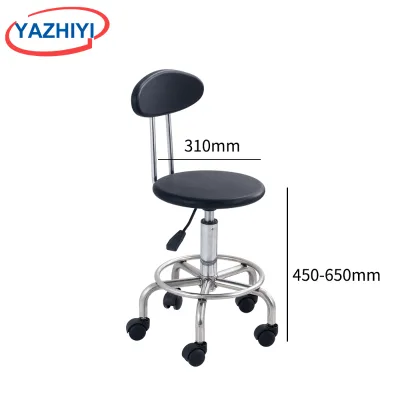
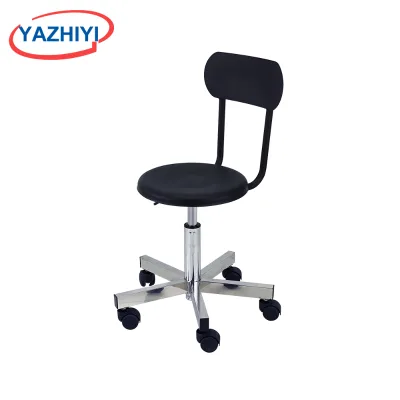
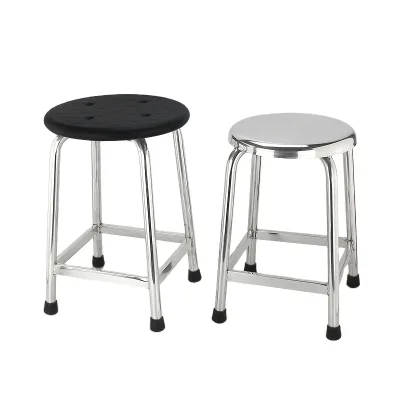
Hot Sale & High Quality Factory Use Chair Stainless Steel Round Stool With Metal Legs
$3.20 - $21.00
MOQ: 1 Minimum

Zhangzhou More Star Furniture Co., Ltd.
- Verified by TUVRHEINLAND
- Manufacturer/Factory
- China Fujian
- Lead time60 days
- Avg. response≤ 8h
Main productsCoffee Table, Bunk Bed, Bookshelf, TV Stand, Computer Desk, Kitchen Cabinet, Wardrobe, Display Rack, Dining Table, Kitchen Cart
Main marketsMid East,North America,Southeast Asia,Western Europe

Guangzhou Shileva Medical Equipment Co., Ltd.
- Verified by TUVRHEINLAND
- Combined
- China Guangdong
- Lead time23 days
- Avg. response≤ 1h
Main productsHospital Bed, Medical Bed, ABS Trolley and Carts, ICU Bed, Hospital Trolley, Cabinet, Hospital Stretcher, Hospital Cart, Hospital Mattress, Stainless Steel Trolley and Carts
Main marketsSoutheast Asia/ Mideast,North America

Langfang Airun Imp. & Exp. Co., Ltd.
- Verified by BV
- Trading Company
- China Hebei
- Lead time15 days
- Avg. response≤ 7h
Main productsDining Table, Coffee Table, Dining Chair, Hotel Chair, Leisure Chair, Plastic Chair, Metal Chair, Fabric Covered Chair, TV Stand, Sideboard
Main marketsSouth America,Africa,Southeast Asia/ Mideast,Europe,North America


Portable Backrest Simple Stool Conference Training Office Chair Home Dormitory Event Folding Chair
$7.80 - $10.00
MOQ: 100 Pieces


Simple Home Computer Office Conference Staff Chair Ergonomic Backrest Stool Chair
$6.20 - $10.00
MOQ: 100 Pieces


$4.00 - $6.00
MOQ: 200 Pieces
Hangzhou Kushuai Technology Co., Ltd.
- Trading Company
- Zhejiang, China
- Lead time15 days
- Avg. response≤ 1h
Main productsGym products,Furniture,Plastic products,Packaging and Printing,Home gardening
Main marketsSouth America(30.00%), Eastern Europe(30.00%), Western Europe(20.00%), North America(20.00%)
Baidi (changzhou) International Trade Co., Ltd.
- Trading Company
- Jiangsu, China
- Lead time30 days
- Avg. response≤ 4h
Main productsBar Stool, Vanity Stool, Office Chair, E-Sports Gaming Chair, Stool Accessories
Main marketsNorth America(100.00%)
First-Horse Metal Products Co., Ltd. Jiangmen
- Verified by SGS Group
- Manufacturer, Trading Company
- Lead time0 days
Main productsClothes Hanger, Ironing Board, Dish Rack, Dustbin, Pot

- Verified by SGS
- Trading Company
- China Guangdong
- Lead time60 days
- Avg. response≤ 13h
Main productsSofa Dining Table Bed Chair Coffee Table, Living Room Furniture, Dining Room Furniture, Bedroom Furniture, Hotel Furniture, Office Furniture, Outdoor Furniture, Mattress
Main marketsSouth America,Eastern Europe,Mid East,North America,Southeast Asia,Eastern Asia,Oceania,Western Europe,Africa


Classic Wooden Backrest Stool for Traditional Living Rooms and Seating Areas
$500.00 - $1000.00
MOQ: 1 Pieces


Qingdao Otia Industry and Trade Co., Ltd.
- Verified by SGS
- Trading Company,Manufacturer/Factory
- China Shandong
- Lead time105 days
- Avg. response≤ 4h
Main productsFolding Wagon, Garden Cart, Shopping Cart, Wheel Barrow, Aluminum Storage Box, Wheels
Main marketsSouth America,Eastern Europe,Mid East,Eastern Asia,Western Europe,Africa

Stool with Handle Bag Small Stool for Queuing Camping Fully Foldable Chair
$6.00 - $6.10
MOQ: 100 Pieces


Ningbo Youshine Trading Co., Ltd.
- Verified by BV
- Trading Company
- China Zhejiang
- Lead time45 days
- Avg. response≤ 6h
Main productsOutdoor Furniture, Gravity Chair, Garden Chair, Beach Chair, Camping Chair, Outdoor Portable Toilet, Plastic Table, Beach Umbrella, Garden Umbrella, Garden Furniture
Main marketsEast Asia(Japan/ South Korea),Europe,North America

Feistel Durable Outdoor Folding Fishing Chair Plastic Foldable Step Stool
$1.00 - $3.00
MOQ: 1000 Pieces


Xiamen Anzhiyan Industrial and Trade Co., Ltd.
- Verified by TUVRHEINLAND
- Trading Company,Manufacturer/Factory
- China Fujian
- Lead time0 days
- Avg. response≤ 19h
Main productsMetal Bed, Iron Bed, Metal Chair, Bookshelf

High-Quality Plastic Folding Stool Folding Stool Portable Folding Foot Stool
$12.00 - $20.00
MOQ: 100 Pieces


Henan Quye Outdoor Products CO., LTD.
- Verified by Intertek
- Manufacturer, Trading Company
- Lead time50 days
- Avg. response≤ 3h
Main productsAutomatic Pop-Up Tent, Inflatable Tent, Lightweight, Disaster Relief Tent, Tunnel Tent
Main marketsEastern Asia(50%), Domestic Market(23%), North America(4%)

Cixi Shuangyuan Electric Co., Ltd.
- Verified by BV
- Combined
- China Zhejiang
- Lead time30 days
- Avg. response≤ 25h
Main productsPoker Chip, Poker Chip Set, Poker, Chip, Casino Poker Chip, Sticker Chip, Poker Chips, Casino Chip Set, High Quality Poker Chip, Clay Poker Chip
Main marketsSouth America,Southeast Asia/ Mideast,East Asia(Japan/ South Korea),Domestic,Europe,Australia,North America

- Verified by BV
- Trading Company,Manufacturer/Factory,Group Corporation
- China Shandong
- Lead time0 days
- Avg. response≤ 3h
Main productsAwning, Pergola, Sunshade, Outdoor Product, Mop, Gazebos, Canopy, Fences, Retractable Awning
Main marketsSouth America,Eastern Europe,Mid East,North America,Southeast Asia,Eastern Asia,Oceania,Western Europe,Africa

Easy to Carry Camping Outdoor Fishing Foldable Chair Colorful Collapsible Stool
$2.60 - $3.00
MOQ: 100 Pieces


Hengshui Lihao Import And Export Trading Co., Ltd.
- Trading Company
- Hebei, China
- Lead time15 days
- Avg. response≤ 4h
Main productsMen's clothing,Women's clothing,Underwear,watch,socks
Main marketsNorth America(50.00%), Eastern Europe(10.00%), Southeast Asia(9.00%), Western Europe(5.00%), South America(5.00%), Africa(4.00%), Eastern Asia(4.00%), Mid East(4.00%), Oceania(4.00%), Domestic Market(1.00%), South Asia(1.00%), Southern Europe(1.00%), Northern Europe(1.00%), Central America(1.00%)
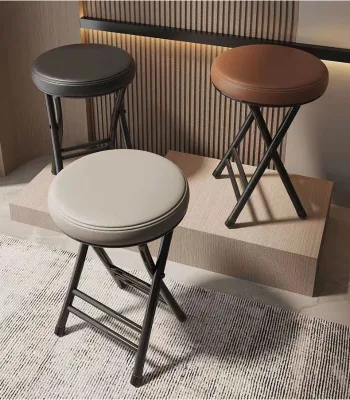
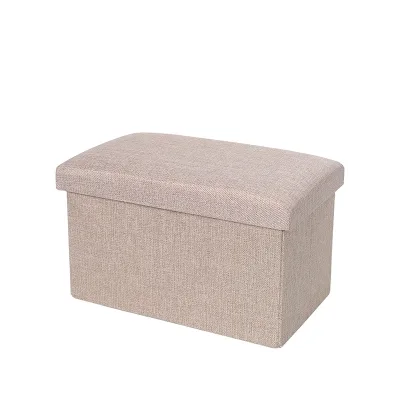
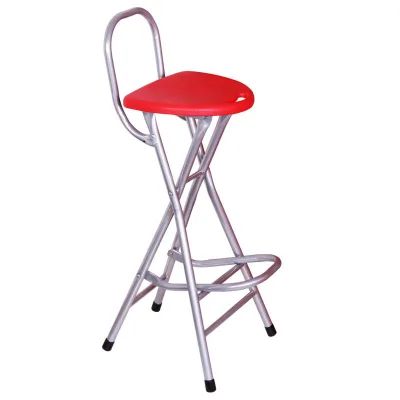
High bar Stool Foldable Backrest Counter Height Leisure bar Chair Metal Frame
$18.00 - $20.00
MOQ: 3 pieces
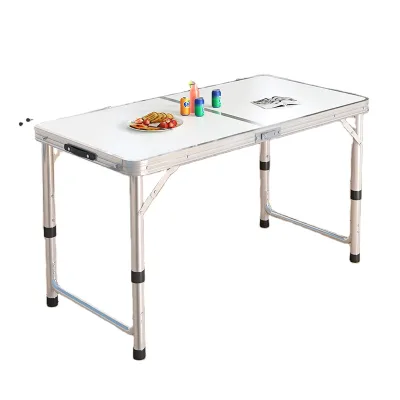
Outdoor Foldable Chair and Table Walking Stick Chair and Table Camping Recliner Chair for BBQ
$30.00 - $60.00
MOQ: 10 Minimum

Ningbo General Union Co., Ltd.
- Verified by BV
- Trading Company
- China Zhejiang
- Lead time30 days
- Avg. response≤ 10h
Main productsChristmas Tree, Party Supply, Christmas Ball, LED Light Strip, Halloween Product, Holiday Decoration, Santa Claus, Valentine's Day Product, Balloon Decoration, Birthday Decoration
Main marketsSouth America,Southeast Asia/ Mideast,Europe,North America

Upgraded Folding Telescopic Stool with Carry Bag for Camping and Outdoor Use
$3.99 - $4.99
MOQ: 50 Sets

Henan Billiver Trading Co., Ltd.
- Verified by Intertek
- Trading Company
- Lead time10 days
- Avg. response≤ 3h
Main productsArtificial Flower , Outdoor Lamp, Wedding Props, Flower Ball
Main marketsNorth America(40%), Eastern Europe(40%), Oceania(20%)
HANGZHOU FANYUE INDUSTRIAL CO.,LTD
- Trading Company
- Zhejiang, China
- Lead time30 days
- Avg. response≤ 7h
Main productsTent,Outdoor Furniture,Sleeping Bag,Camping Gears
Main marketsWestern Europe(30.00%), North America(30.00%), Eastern Asia(20.00%), Mid East(10.00%), South America(5.00%), Oceania(5.00%)

NINGBO XUSHENG LEISURE PRODUCTS CO., LTD.
- Trading Company
- China Zhejiang
- Lead time30 days
- Avg. response≤ 13h
Main productsBeach Chair, Patio Swing Chair, Garden Tools, Outdoor Furniture, Patio Umbrella, BBQ, Sun Lounger, Tent & Awning, Cast Aluminium Garden Furniture, Rattan Furniture
Main marketsSouth America,Africa,Southeast Asia/ Mideast,East Asia(Japan/ South Korea),Domestic,Europe,Australia,North America
Shaoxing Jianye Outdoor Products Co., Ltd.
- Verified by Intertek
- Manufacturer, Trading Company
- Lead time30 days
- Avg. response≤ 9h
Main productsPlastic Furniture Set
Main marketsNorth America(55%), Northern Europe(25%), Eastern Europe(15%)






Comprehensive Sourcing Guide
Industrial Foldable Folding Stool with Backrest Supplier Concentration and Factory Types
The Industrial Foldable Folding Stool with Backrest market features a diverse mix of manufacturing entities, primarily concentrated in specific Chinese provinces known for furniture production. Current data indicates that suppliers are located in regions such as Fujian, Zhejiang, and Yunnan, each offering distinct advantages based on their local industrial ecosystems. Fujian-based suppliers often specialize in metal and PU-padded folding chairs, leveraging established supply chains for raw materials like steel frames and synthetic leather. These manufacturers typically operate as trading companies or direct factories, providing a range of products from basic dining stools to more complex commercial-grade seating. The presence of suppliers in Fujian suggests a mature cluster for metal furniture assembly, where knock-down (KD) designs are common to optimize shipping volume. Buyers should note that while some suppliers list themselves as trading companies, they may have direct access to factory lines, allowing for greater flexibility in customization and order sizes. Understanding this geographic distribution helps in identifying suppliers who can meet specific logistical needs, particularly for bulk orders requiring efficient container loading.
In contrast, suppliers in Zhejiang and Yunnan offer different product profiles and material specializations. Zhejiang-based entities often focus on household and commercial recreation products, including portable metal frame bar stools with leather padding. These suppliers may emphasize versatility, offering items suitable for both indoor cafes and outdoor events. Meanwhile, Yunnan-based suppliers bring a unique perspective by incorporating bamboo materials into their folding stool offerings, appealing to buyers seeking eco-friendly or aesthetically distinct options. This regional diversity means that the "industrial" aspect of the stool can vary significantly, from heavy-duty metal constructions to lightweight bamboo frames. Buyers must carefully review the main products listed by each supplier to ensure alignment with their specific industrial requirements. For instance, a supplier specializing in bamboo crafts may not be the best fit for high-traffic commercial environments requiring robust metal frames. Therefore, assessing the supplier's primary product focus and geographic origin is crucial for determining their capability to deliver the specific type of industrial foldable stool needed.
How to Verify Industrial Foldable Folding Stool with Backrest Suppliers
Verifying the credibility of suppliers for industrial foldable folding stools requires a multi-layered approach that goes beyond simple profile reviews. One critical step is to check for third-party verification badges, such as BV or SGS, which indicate that the supplier has undergone independent audits of their business operations and product quality. For example, some suppliers in the current results display BV verification, signaling a level of trustworthiness in their business practices. Additionally, buyers should examine the supplier's response time, as a quicker response often correlates with better customer service and operational efficiency. A response time of under five hours, as seen with some suppliers, suggests a responsive team capable of addressing urgent inquiries or custom requests. However, a slower response time does not necessarily indicate poor quality, but it may require more patience during the negotiation and sampling phases. Buyers should also look for detailed product attributes, such as material specifications, load capacities, and customization options, which demonstrate the supplier's transparency and technical knowledge.
Another essential verification step involves assessing the supplier's production capabilities and quality control processes. Buyers should request detailed product specifications, including dimensions, weight limits, and material compositions, to ensure the stools meet industrial standards. For instance, verifying that a stool has a maximum load capacity of 110-120kg per chair is crucial for commercial use. Additionally, checking for certifications related to safety and durability, such as SGS verification for bamboo products, can provide assurance of product quality. Buyers should also inquire about the supplier's ability to provide samples, as this allows for physical inspection of the product's build quality and finish. It is important to verify that the supplier offers customization options, such as logo printing, color variations, and packaging adjustments, to meet specific branding needs. Furthermore, buyers should confirm the supplier's establishment year and company type, as longer-established companies may have more refined processes and stable supply chains. By combining these verification steps, buyers can build a comprehensive profile of each supplier's reliability and suitability for their industrial foldable stool requirements.
What to Compare Across Industrial Foldable Folding Stool with Backrest Suppliers
When evaluating multiple suppliers for industrial foldable folding stools, buyers must compare key operational metrics to determine the best fit for their needs. One primary factor is the minimum order quantity (MOQ), which can vary significantly across suppliers. Some suppliers may offer an MOQ of just one piece, ideal for sampling or small-scale testing, while others may require a minimum of 300 pieces, suitable for bulk commercial orders. Understanding these MOQ differences is crucial for budgeting and inventory planning. Additionally, buyers should compare the lead times for both samples and mass production. For example, sample lead times may range from 7 to 15 working days, while mass production lead times can extend from 15 to 50 working days, depending on the order size and customization requirements. Suppliers with shorter lead times may be preferable for urgent orders, but buyers should also consider the potential impact on quality and cost.
Price is another critical comparison point, but it should be analyzed in conjunction with other factors such as material quality and customization options. Prices for industrial foldable stools can range from as low as $2.56 to over $20 per unit, depending on the complexity of the design, material used, and order volume. Buyers should request detailed quotations that break down costs for materials, labor, and shipping to ensure transparency. Additionally, comparing the supplier's response time can provide insights into their customer service quality. Suppliers with faster response times, such as those under three hours, may be more efficient in handling inquiries and resolving issues. Buyers should also evaluate the range of products offered, including variations in color, size, and design, to ensure the supplier can meet specific aesthetic or functional requirements. By systematically comparing these metrics, buyers can make informed decisions that balance cost, quality, and service levels.
Common Industrial Foldable Folding Stool with Backrest Sourcing Risks
Sourcing industrial foldable folding stools from international suppliers involves several potential risks that buyers must proactively manage. One significant risk is the discrepancy between sample quality and mass production output. Suppliers may provide high-quality samples that do not reflect the consistency of bulk orders, leading to dissatisfaction upon delivery. To mitigate this, buyers should clearly specify quality standards in the contract and request pre-shipment inspections. Another risk is the variability in lead times, which can be affected by raw material shortages, production bottlenecks, or logistical delays. Buyers should establish clear communication channels and regular updates to monitor production progress and address any delays promptly. Additionally, customization requests, such as specific logos or colors, can introduce complexities in production and increase the risk of errors. Buyers should provide detailed design files and confirm all specifications with the supplier before production begins.
Logistical risks are also prevalent, particularly regarding shipping costs and delivery times. Industrial foldable stools, while designed for compact storage, can still be bulky and heavy, impacting freight charges. Buyers should compare shipping options and negotiate favorable terms with freight forwarders. Furthermore, there is a risk of non-compliance with local safety and quality standards in the buyer's market. Buyers must ensure that the supplier's products meet relevant certifications and regulations, such as load-bearing standards or material safety requirements. Another risk is the financial stability of the supplier, which can affect their ability to fulfill orders. Buyers should verify the supplier's business credentials and consider using secure payment methods, such as escrow services, to protect their funds. By identifying and addressing these risks early in the sourcing process, buyers can minimize disruptions and ensure a smooth procurement experience.
Industrial Foldable Folding Stool with Backrest Regional Sourcing and Logistics
The geographic location of suppliers plays a crucial role in determining logistics efficiency and cost for industrial foldable folding stools. Suppliers located in Fujian, Zhejiang, and Yunnan offer distinct logistical advantages based on their proximity to major ports and transportation networks. Fujian-based suppliers, for instance, benefit from access to Xiamen and Fuzhou ports, facilitating efficient export to global markets. This proximity can reduce transit times and shipping costs, particularly for orders destined for North America or Europe. Buyers should consider the supplier's location when evaluating shipping options and negotiating delivery terms. Additionally, suppliers in Zhejiang may leverage the region's robust manufacturing infrastructure and logistics networks, offering competitive shipping rates and reliable delivery schedules. Understanding these regional logistics dynamics helps buyers optimize their supply chain and reduce overall procurement costs.
Logistics planning also involves considering the packaging and stacking efficiency of the stools. Industrial foldable stools are often designed to be compact, with specifications such as packing sizes of 96x36x31.5cm for six pieces per carton. Buyers should verify the packaging details with the supplier to ensure optimal container utilization. Efficient packaging can significantly reduce shipping volumes and costs, making it a critical factor in logistics planning. Additionally, buyers should assess the supplier's experience in handling international shipments, including documentation and customs clearance. Suppliers with a track record of successful exports are more likely to navigate logistical challenges effectively. Buyers should also consider the impact of seasonal fluctuations on shipping availability and costs, planning orders accordingly to avoid delays. By integrating regional logistics insights into their sourcing strategy, buyers can enhance supply chain resilience and cost-efficiency.
Industrial Foldable Folding Stool with Backrest Commercial Terms and Order Planning
Effective order planning for industrial foldable folding stools requires careful attention to commercial terms and payment structures. Buyers should negotiate clear payment terms, such as a deposit followed by balance payment upon shipment, to balance risk and cash flow. Additionally, understanding the supplier's return and refund policies is essential, particularly for customized orders where returns may be restricted. Buyers should also clarify the responsibilities for shipping costs, insurance, and customs duties, ensuring that all parties understand their obligations. Incoterms, such as FOB or CIF, should be explicitly stated in the contract to avoid disputes over liability and cost allocation. Furthermore, buyers should establish a timeline for order placement, production, and delivery, aligning it with their sales cycles and inventory needs. This proactive planning helps prevent stockouts and ensures timely availability of products.
Customization and branding are key commercial considerations that impact order planning. Buyers should confirm the supplier's capabilities for OEM/ODM services, including logo printing, color customization, and packaging design. Clear specifications and approval processes for custom elements are crucial to avoid production errors. Additionally, buyers should discuss volume discounts and pricing tiers, as larger orders may qualify for reduced unit costs. It is also important to verify the supplier's warranty and after-sales support policies, ensuring that any defects or issues are addressed promptly. By establishing comprehensive commercial terms and a detailed order plan, buyers can secure favorable conditions and minimize operational risks. This structured approach to commercial planning ensures a smooth transaction and fosters a long-term partnership with reliable suppliers.
FAQs
What is the typical price range for foldable stools with backrests?
Prices for these items generally range from $2.56 to $23.00 per unit. The cost varies significantly based on material, padding, and customization options. Basic metal frames with sponge padding are on the lower end, while leather-padded or custom-branded stools command higher prices. Buyers should check specific product listings for exact quotes.
What is the minimum order quantity for these stools?
MOQs vary by supplier and product type. Some manufacturers require a minimum of 300 pieces for standard folding chairs, while others accept orders as low as one piece for sample or custom bar stools. Buyers should verify the specific MOQ for their chosen model, as some suppliers list negotiable terms for bulk orders.
Where are these stools typically manufactured?
Manufacturing hubs for these products include Fujian, Zhejiang, and Yunnan in China. Suppliers in these regions specialize in furniture, household products, and bamboo crafts. The origin affects shipping logistics and lead times. Buyers should confirm the specific production location to ensure alignment with their supply chain requirements and quality standards.
How long does production take for bulk orders?
Mass production lead times typically range from 15 to 50 working days, depending on the order quantity and MOQ. Sample production usually takes 7 to 15 working days. Some suppliers list a general lead time of 30 days. Buyers should confirm exact timelines with the supplier before placing orders to avoid delays.
Are customization options available for these stools?
Yes, many suppliers offer customization for color, size, logo, and carton printing. Options include custom materials like plastic or bamboo, and specific padding types such as PU or sponge. Buyers can request custom dimensions and branding. It is important to verify customization capabilities and any associated costs or MOQs with the supplier directly.
What is the typical response time for suppliers?
Supplier response times vary, with some responding within 2.96 hours and others taking up to 11.84 hours. Faster response times often indicate higher engagement levels. Buyers should prioritize suppliers with quicker response rates for better communication. Checking the response time metric helps in selecting reliable partners for timely order processing and support.
What certifications do these suppliers hold?
Some suppliers hold verification from BV or SGS, indicating adherence to specific quality and safety standards. These certifications provide assurance regarding product quality and manufacturing processes. Buyers should request certification documents to verify compliance with their market requirements. Not all suppliers may display these credentials, so direct verification is recommended for critical orders.