Source Cosmetic Grade Amber Plastic Jar for cosmetics, chemicals, and aerosols
Compare 30 listings for Cosmetic Grade Amber Plastic Jar options from verified suppliers. Buyers can evaluate specifications, MOQs, and lead times for jars used in cosmetics, chemicals, and aerosol applications; compare the available evidence and request quotations based on your requirements.
Updated
Key considerations
Products List


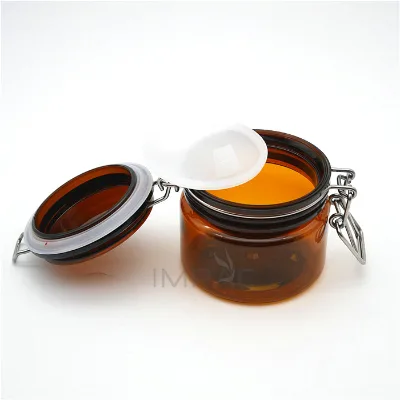
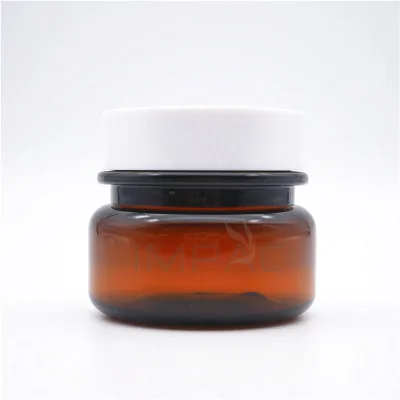
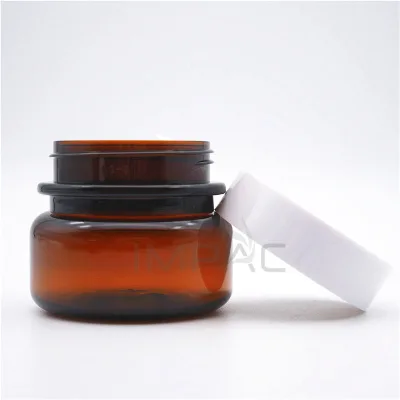
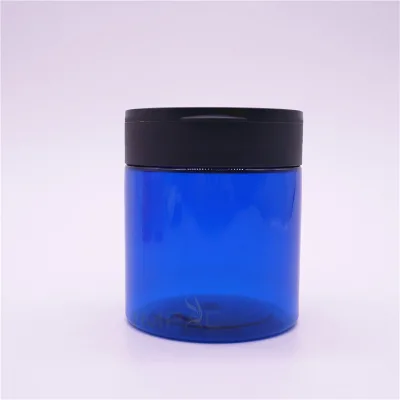
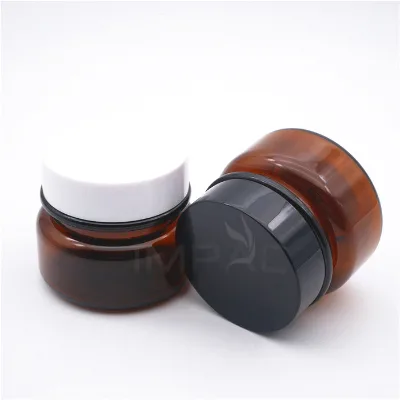
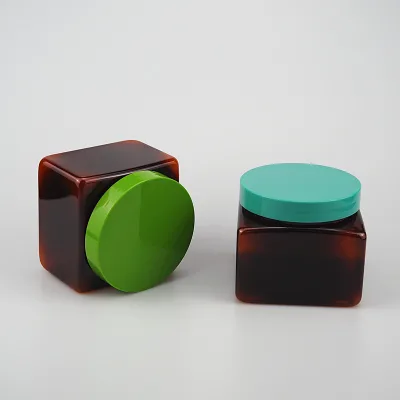
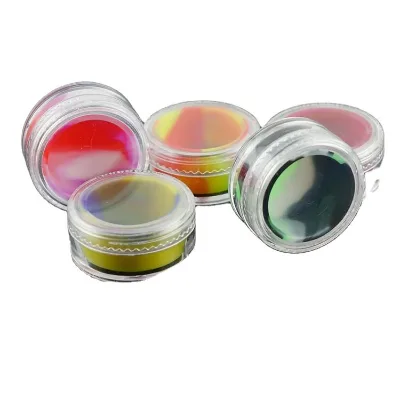
Cute Cosmetic Amber Pet Plastic Jars with Screw Lid 60g 2oz Container
$0.105 - $1.0508
MOQ: 10000 Minimum





Comprehensive Sourcing Guide
Cosmetic Grade Amber Plastic Jar Sourcing Guide
Sourcing cosmetic grade amber plastic jars requires a careful balance of material integrity, regulatory compliance, and supply chain reliability. Buyers must navigate a market where product attributes vary significantly across suppliers, making it essential to distinguish between observed listing signals and verified technical specifications. The following guide provides a structured approach to evaluating potential suppliers, ensuring that procurement decisions are grounded in factual data rather than marketing claims. By focusing on key verification steps, buyers can mitigate risks associated with material quality, production capacity, and delivery timelines.
This guide emphasizes the importance of cross-referencing supplier-provided information with independent verification methods. While many listings highlight features such as eco-friendly materials or custom branding, these attributes must be validated through direct communication and sample testing. The procurement process should prioritize transparency in pricing, minimum order quantities, and lead times, as these factors directly impact inventory management and cash flow. Additionally, understanding the specific applications for which these jars are designed helps in selecting the most suitable product for your brand’s needs.
Product Scope and Observed Listing Signals
The observed product landscape for cosmetic packaging includes a variety of materials, with plastic being a dominant choice due to its versatility and cost-effectiveness. Listings frequently mention specific models such as OPPP1202 and WL-PJ009, indicating a range of standardized options available to buyers. These products often come in various sizes, including 10ml, 15ml, 20ml, and larger volumes like 60ml and 220ml, catering to different cosmetic formulations. The presence of customization options suggests that suppliers are willing to adapt packaging to meet specific brand requirements, which is crucial for maintaining brand identity in a competitive market.
In addition to standard offerings, some suppliers provide specialized features such as screw caps and non-spill designs, which enhance user experience and product safety. The observed data also highlights the importance of packaging methods, with options ranging from individual boxes to export cartons and safe export packs. These details are critical for buyers concerned with product protection during transit. Furthermore, the mention of eco-friendly attributes indicates a growing trend towards sustainable packaging solutions, although buyers should verify these claims through appropriate certifications and material specifications.
Technical Specifications to Verify
When evaluating cosmetic grade amber plastic jars, buyers must verify critical technical specifications to ensure product suitability. Key attributes to confirm include the material composition, such as PP or PET plastic, and the specific dimensions and thickness of the jars. The observed data mentions sizes like 15g, 30g, and 50g, as well as volume capacities of 60ml and 220ml, which must align with your product’s formulation and branding needs. Additionally, the sealing type, such as screw caps, should be tested for leak resistance and ease of use, as these factors directly impact customer satisfaction.
Another crucial aspect is the customization capabilities of the supplier, including color matching to PANTONE standards and branding options. Buyers should request samples to assess the quality of the plastic, the clarity of the amber tint, and the overall finish of the jars. The observed data also highlights the importance of production capacity, with some suppliers claiming a daily capacity of 50,000 pieces, which is essential for large-scale orders. Verifying these specifications through direct communication and sample testing ensures that the selected supplier can meet your quality and volume requirements.
Compliance and Safety Documentation
Compliance with safety and regulatory standards is paramount when sourcing cosmetic packaging. Buyers should request documentation for certifications such as CIQ, which indicates adherence to specific quality and safety protocols. While some listings mention CE certification, this should be treated as a background signal rather than a guaranteed attribute, and buyers must verify the current status of such certifications with the supplier. Additionally, the mention of SGS standards suggests that some suppliers undergo rigorous testing for material safety and performance, which is crucial for ensuring that the packaging does not interact negatively with cosmetic formulations.
Buyers should also inquire about the industrial use classifications of the jars, such as their suitability for cosmetics, aerosols, or chemicals. The observed data highlights the importance of verifying the specific applications for which the jars are designed, as this impacts the choice of material and sealing mechanism. Furthermore, buyers should ensure that the supplier provides clear information on the origin of the materials, such as the use of plastic bottoms or collars made from PET plastic, to assess the overall safety and sustainability of the packaging.
Cost Drivers and Commercial Terms
Understanding the cost drivers and commercial terms is essential for effective procurement planning. The observed data indicates a wide range of minimum order quantities (MOQs), from 5 pieces to 30,000 pieces, which allows buyers to select suppliers based on their order volume and inventory strategy. Lead times also vary, with some suppliers offering delivery cycles of 7-10 days, while others require 10-20 or even 20-25 days. These variations can significantly impact production schedules and inventory management, so buyers should align their procurement timelines with supplier capabilities.
Pricing structures should be evaluated in conjunction with MOQs and lead times to determine the total cost of ownership. Buyers should also consider the availability of free samples, which can reduce the risk of selecting an unsuitable supplier. Additionally, the mention of customized branding and eco-friendly options may incur additional costs, so buyers should request detailed quotes that include all potential fees. By carefully analyzing these commercial terms, buyers can negotiate favorable conditions and ensure that their procurement strategy supports their business objectives.
Supplier Qualification and Quality Control
Supplier qualification is a critical step in ensuring the reliability and quality of cosmetic packaging. Buyers should verify the supplier’s place of origin, with many listings indicating production in China, particularly in regions like Zhejiang and Jiangsu. This information can help buyers assess the supplier’s proximity to raw material sources and logistics hubs, which may impact lead times and shipping costs. Additionally, buyers should inquire about the supplier’s quality control processes, including testing procedures for material integrity and sealing performance.
The observed data highlights the importance of verifying the supplier’s production capacity and customization capabilities. Suppliers claiming a daily capacity of 50,000 pieces should be able to provide evidence of their production facilities and equipment. Buyers should also assess the supplier’s ability to handle custom orders, including color matching and branding requirements. By conducting thorough due diligence and requesting references or case studies, buyers can select suppliers that demonstrate a commitment to quality and reliability.
Long-Term Procurement Checks
Long-term procurement success depends on establishing ongoing relationships with reliable suppliers and implementing continuous quality monitoring. Buyers should schedule regular reviews of supplier performance, focusing on metrics such as delivery accuracy, product quality, and responsiveness to issues. The observed data suggests that some suppliers offer customized solutions, which can be beneficial for long-term partnerships, but buyers must ensure that these capabilities remain consistent over time. Additionally, buyers should stay informed about changes in regulatory requirements and market trends that may impact packaging specifications.
To mitigate risks, buyers should diversify their supplier base and maintain a pipeline of alternative sources. This strategy ensures continuity in case of supply chain disruptions or quality issues with a primary supplier. Buyers should also invest in building strong communication channels with suppliers to facilitate quick resolution of any problems. By prioritizing long-term relationships and continuous improvement, buyers can secure a stable supply of high-quality cosmetic packaging that supports their brand’s growth and reputation.
FAQs
What materials are used for cosmetic jars?
Cosmetic jars are typically made from plastic or PP materials. Some variants feature PET plastic collars and plastic bottoms. These materials ensure durability and suitability for industrial use in cosmetics. The choice of material impacts the jar's weight and chemical resistance, making it essential for preserving product integrity during storage and transport.
Can I customize the packaging for orders?
Yes, customization is available for cosmetic jars. Buyers can request specific packing methods such as boxes or export cartons. Custom orders are accepted to meet unique branding needs. This flexibility allows businesses to align packaging with their marketing strategies while ensuring safe delivery and professional presentation of the cosmetic products to end consumers.
What is the typical lead time for production?
The lead time generally ranges from 7 to 25 days depending on the order specifics. Some standard items may be delivered within 7-10 days, while others require 10-20 or 20-25 days. This variation depends on production capacity and current demand. Buyers should confirm exact timelines with suppliers to ensure timely delivery for their inventory planning.
Which certifications are available for these products?
Products may carry CIQ certification, indicating compliance with specific quality standards. Some listings reference SGS standards for safety and quality assurance. These certifications help verify that the cosmetic jars meet regulatory requirements for industrial use. Buyers should request valid certification documents to ensure the products are suitable for their target markets and regulatory environments.
What are the common MOQ requirements?
Minimum Order Quantities vary, typically ranging from 5 to 30,000 pieces. Some suppliers require 10,000 or 30,000 pieces per order. Lower MOQs may be available for samples or specific configurations. Buyers should check individual supplier listings to determine the exact MOQ, as it significantly impacts pricing tiers and production scheduling for bulk cosmetic packaging orders.
Where are these cosmetic jars manufactured?
These jars are primarily manufactured in China, with origins in regions like Zhejiang and Jiangsu. Ningbo is also noted as a production location. Sourcing from these areas offers access to established manufacturing hubs with high daily capacities. Buyers can leverage these locations for cost-effective production while ensuring reliable supply chains for their cosmetic packaging needs.