Source ABS Cosmetic Lipstick Tube for Lip Care, Foundation, and Skin
Compare 30 ABS Cosmetic Lipstick Tube options from verified Chinese manufacturers. Buyers can review detailed specifications including size, material, and customization features for lip care, foundation, and skin applications. Explore various surface treatments like screen printing and hot stamping alongside different MOQ requirements to find the perfect packaging solution for your brand needs today.
Updated
Key considerations
Products List


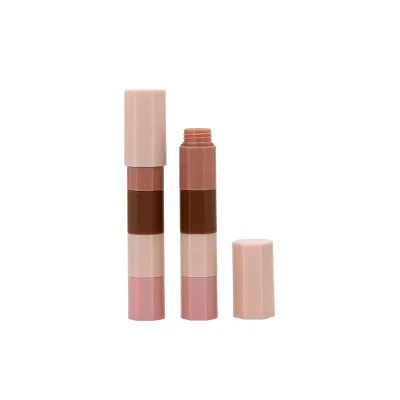


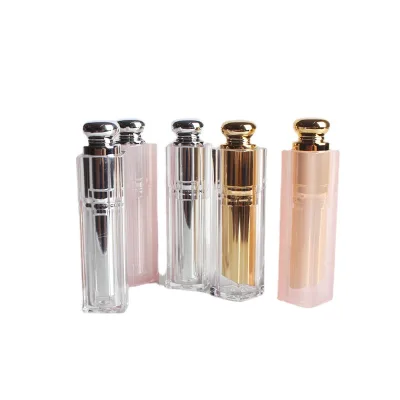

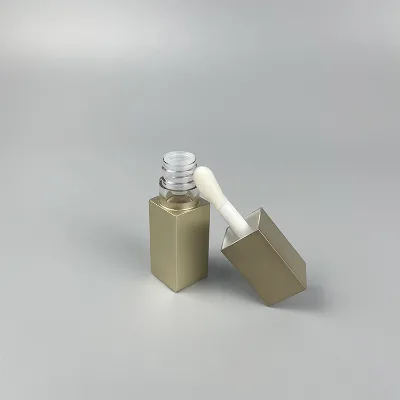
ODM Durable Lipstick Tube for Fashion-Forward Makeup Cosmetic Packaging
$0.1333 - $0.2668
MOQ: 10000 Minimum
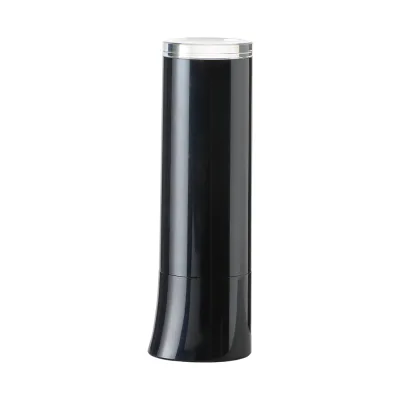
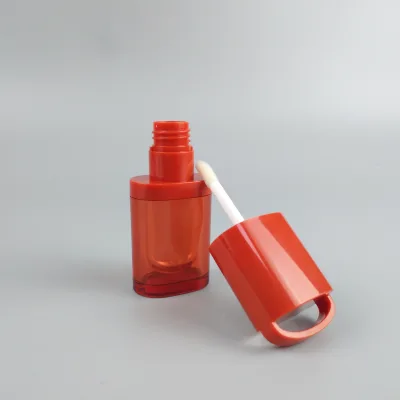
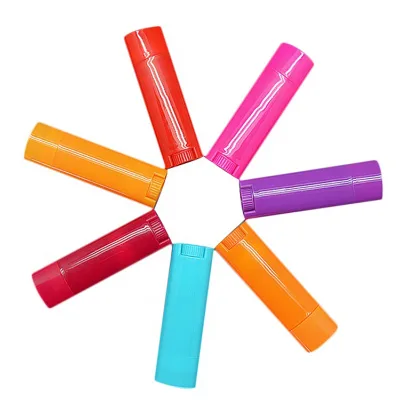
Mini Lipstick Tube Container Custom Empty Lipstick Tube for Cosmetic Packaging
$0.05 - $0.25
MOQ: 5000 pieces
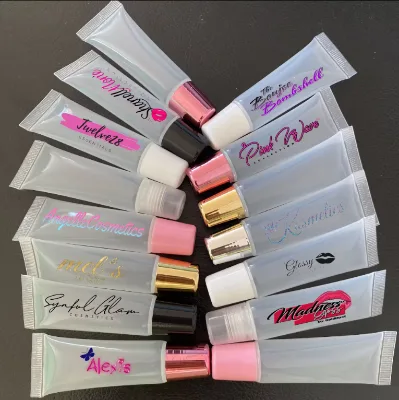
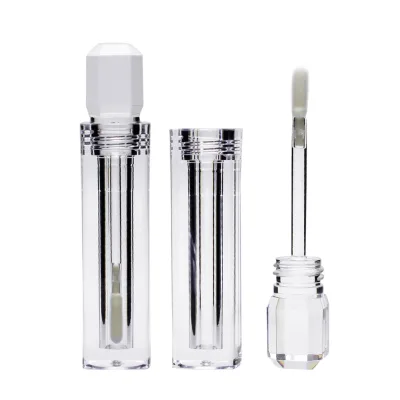
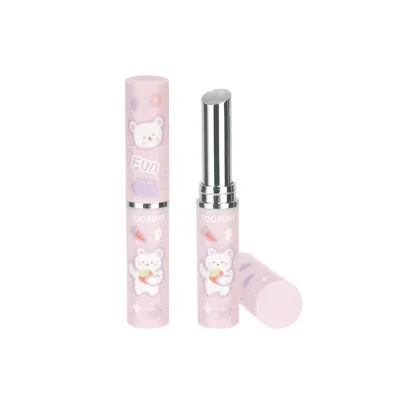
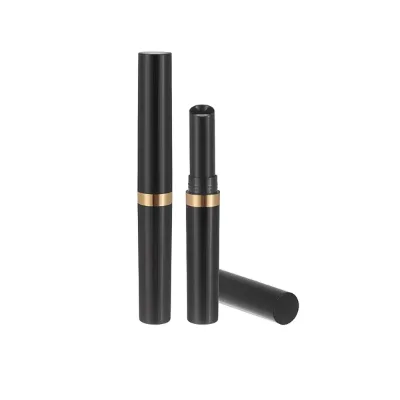
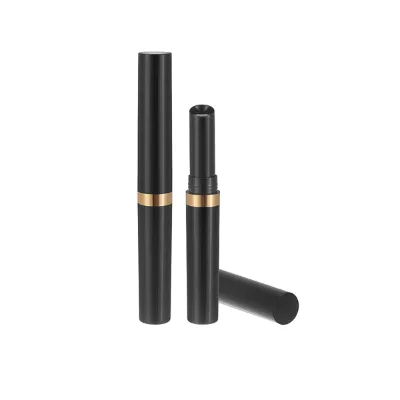
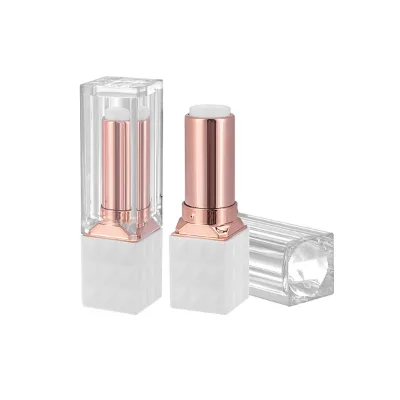
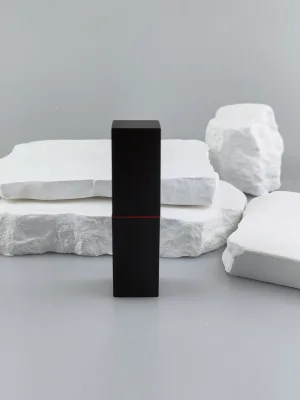

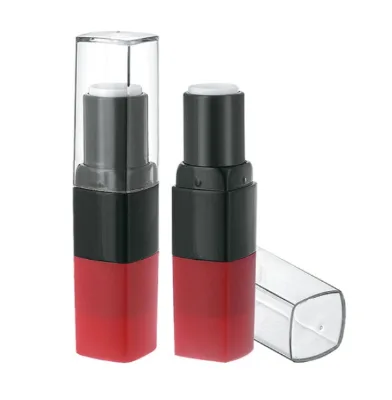
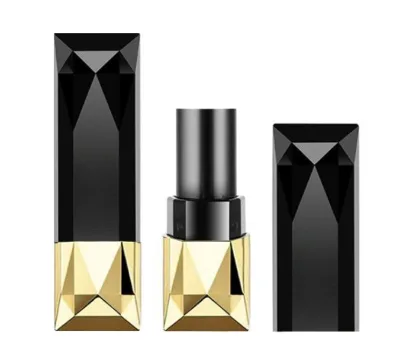

Colorful Lipstick Tube Empty Lipstick Tube Customized Gloss Lipstick Tube
$0.10 - $1.00
MOQ: 10000 Pieces

Comprehensive Sourcing Guide
ABS Cosmetic Lipstick Tube Sourcing Guide
Sourcing high-quality ABS cosmetic lipstick tubes requires a strategic approach that balances aesthetic customization with functional durability. Buyers must prioritize suppliers who offer robust surface treatment options, such as screen printing and hot stamping, to achieve premium branding finishes. The material choice of ABS plastic ensures rigidity and impact resistance, which is critical for maintaining the structural integrity of the tube during shipping and daily consumer use. Understanding these material properties helps procurement teams select packaging that protects the product while enhancing shelf appeal.
The procurement landscape for these components is diverse, with manufacturers offering various models like WK-80-5 and PD-65 to suit different design needs. Buyers should evaluate the available customization options, including color matching and specific size dimensions, to ensure the packaging aligns with their brand identity. It is essential to verify that the supplier can handle the specific form factor required, whether for liquid or paste formulations, and confirm that the tube’s internal mechanism is compatible with the intended cosmetic product. This alignment prevents functional failures and ensures a seamless user experience.
Product Scope and Observed Listing Signals
The market for ABS lipstick tubes presents a wide range of product specifications, with observed prices ranging from $0.05 to $2.06 per unit. This variance often reflects differences in material thickness, surface treatment complexity, and order volume. Buyers should note that minimum order quantities (MOQs) typically start at 12 units for samples but scale up to 30,000 units for full production runs. Understanding these commercial thresholds is vital for budgeting and inventory planning, as smaller orders may incur higher per-unit costs due to setup fees and limited production efficiency.
Listing signals indicate that many suppliers provide customized solutions, with colors and sizes tailored to specific client requirements. Common models such as ELT-1 and HX-D19mm suggest a standardized yet adaptable product line. Buyers should pay close attention to packing details, which vary from inner trays and PE bags to full carton packing, as this impacts logistics and storage costs. The presence of specific model numbers and size specifications, such as 19.8*72.7mm, allows for precise communication with suppliers, reducing the risk of receiving incorrect or incompatible packaging components.
Technical Specifications to Verify
When evaluating technical specifications, buyers must verify the exact dimensions and capacity of the lipstick tubes to ensure compatibility with their formulations. Standard sizes observed include 1975.4mm and 22.478.2mm, with cup sizes available in 12.1 or 12.7mm variants. These measurements are critical for ensuring that the lipstick core fits securely within the tube and that the twist-up mechanism operates smoothly. Procurement teams should request detailed technical drawings or samples to confirm that the internal threading and external dimensions match their product design requirements precisely.
Surface treatment options play a significant role in the final aesthetic and durability of the packaging. Suppliers offer screen printing and hot stamping services, which can be customized to match brand colors and logos. Buyers should verify the quality of these finishes, ensuring they are resistant to scratching and fading. Additionally, the material composition, often described as aluminum-plastic or pure ABS, should be confirmed to meet specific performance criteria. Understanding these technical details helps in selecting a supplier who can deliver both visual appeal and functional reliability.
Compliance and Safety Documentation
Compliance with international standards is a non-negotiable aspect of sourcing cosmetic packaging. Many suppliers provide certifications such as ISO and ISO9001, indicating adherence to quality management systems. Buyers should request copies of these certificates to verify the supplier’s commitment to consistent production standards. Additionally, standards like CE and SGS are often mentioned, suggesting that the products meet specific safety and environmental requirements. These certifications provide assurance that the packaging materials are safe for contact with cosmetics and do not contain harmful substances.
Documentation should also include test results related to material safety and durability. Buyers should inquire about SGS testing reports, which can verify the absence of heavy metals and other hazardous materials. It is crucial to ensure that the packaging complies with the regulatory requirements of the target market, whether it is the European Union, North America, or Asia. By maintaining a robust documentation process, procurement teams can mitigate risks associated with non-compliance and ensure that the final product meets all legal and safety standards.
Cost Drivers and Commercial Terms
Several factors influence the final cost of ABS lipstick tubes, including material costs, surface treatment complexity, and order volume. Buyers should negotiate based on tiered pricing structures, where larger orders result in lower per-unit costs. The observed MOQ range of 12 to 30,000 units allows for flexibility, but buyers must balance inventory holding costs with the benefits of bulk purchasing. Understanding these cost drivers helps in creating a realistic budget and avoiding unexpected expenses related to small batch production or complex customization requests.
Commercial terms also include payment conditions, lead times, and shipping arrangements. Buyers should clarify the production lead time, which can vary based on the complexity of the design and the current order backlog. It is advisable to establish clear communication channels with the supplier to track production progress and address any issues promptly. Additionally, buyers should consider the total landed cost, including freight and customs duties, to make informed decisions about supplier selection and order timing.
Supplier Qualification and Quality Control
Supplier qualification involves a thorough assessment of the manufacturer’s capabilities, including their production facilities, quality control processes, and customer service. Buyers should verify the supplier’s origin, with many manufacturers located in regions like Ningbo, China, known for their expertise in cosmetic packaging. It is essential to conduct factory audits or request video tours to assess the production environment and quality control measures. This due diligence helps in identifying suppliers who can consistently deliver high-quality products and meet delivery deadlines.
Quality control should be integrated into the procurement process through regular inspections and sample approvals. Buyers should establish clear quality standards and communicate them effectively to the supplier. Implementing a pre-shipment inspection process can help identify and rectify defects before the goods are dispatched. Additionally, maintaining a strong relationship with the supplier through regular feedback and performance reviews ensures continuous improvement and reliability in the supply chain.
Long-Term Procurement Checks
Long-term procurement success depends on continuous monitoring of supplier performance and market trends. Buyers should regularly review supplier metrics, such as on-time delivery rates, defect rates, and responsiveness to issues. This data-driven approach allows for objective evaluation and informed decision-making regarding supplier relationships. By maintaining a diversified supplier base, buyers can mitigate risks associated with supply chain disruptions and ensure business continuity.
Staying updated on industry trends and regulatory changes is also crucial for long-term procurement strategies. Buyers should engage with suppliers to discuss new technologies, materials, and design innovations that can enhance their product offerings. Regularly revisiting procurement policies and adjusting them based on market conditions ensures that the sourcing strategy remains effective and competitive. This proactive approach helps in building a resilient supply chain that can adapt to changing customer demands and market dynamics.
FAQs
What certifications do the cosmetic tubes hold?
The cosmetic tubes hold ISO and ISO9001 certifications to ensure quality standards. Some products also meet CE and SGS standards for safety. These certifications verify that the manufacturing processes adhere to international requirements for plastic and aluminum-plastic materials used in makeup sets.
Can I customize the color and surface treatment?
Yes, customization is available for both color and surface treatment options. Buyers can choose from various colors or request specific screen printing and hot stamping finishes. This flexibility allows brands to tailor the appearance of their foundation or lip care packaging to match their unique identity.
What is the minimum order quantity for these tubes?
The minimum order quantity varies significantly depending on the specific product model selected. Some items require as few as 12 units, while others may need up to 30,000 units. Buyers should check the specific MOQ listed for models like PD-65 or ELT-1 before placing an order.
Where are these cosmetic tubes manufactured?
These cosmetic tubes are manufactured in China, with specific origins noted in Ningbo. The production facilities utilize processes like screen printing and hot stamping to finish the plastic or aluminum-plastic tubes. This location supports efficient supply chains for global buyers seeking cost-effective packaging solutions.
What materials are used to make these tubes?
The tubes are primarily made from plastic or aluminum-plastic materials. These materials are selected for their durability and suitability for liquid or paste cosmetics. The choice of material ensures the packaging is recyclable and safe for use with foundation, lip care, and other skin products.
How are the tubes packed for shipping?
Packing methods depend on the tube size and specific product model. Options include inner trays with PE bags inside cartons or standard carton packing. Some models specify about 1000 pieces per carton, ensuring safe transport while maintaining the integrity of the cosmetic packaging during international shipping.