Source Water Soluble Reinforced Shrink Wrap for bottles, cans, and films
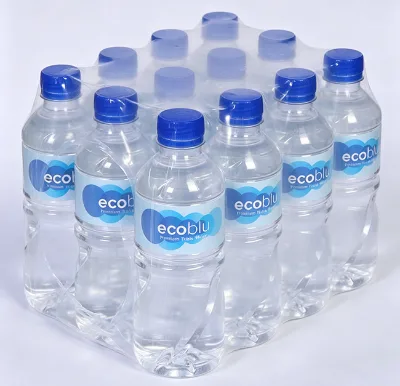
Find 30 listings for Water Soluble Reinforced Shrink Wrap suitable for bottles, cans, and film packing. Compare specifications like thickness, width, and material to select the right protective packaging for your beverage or carbonated product lines; compare the available evidence and request quotations based on your requirements.
Updated
Key considerations
Products List



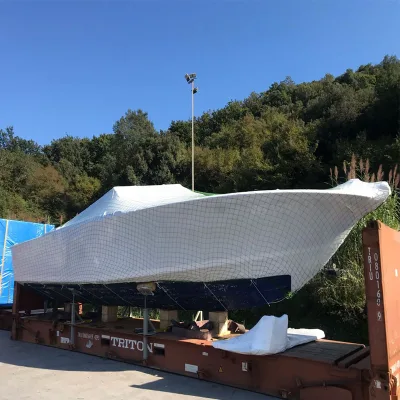
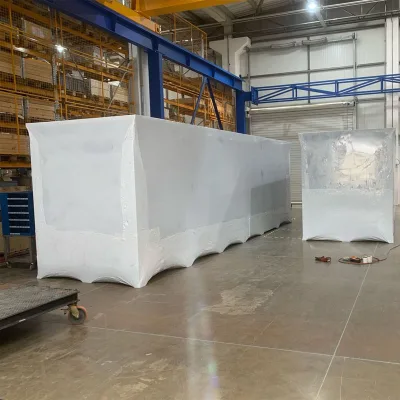
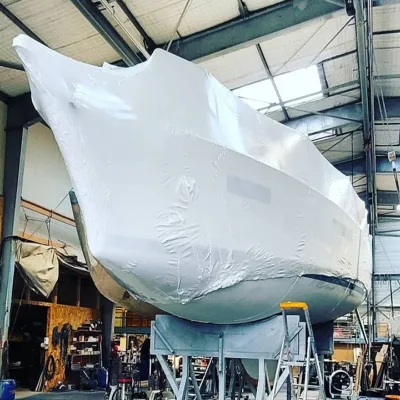
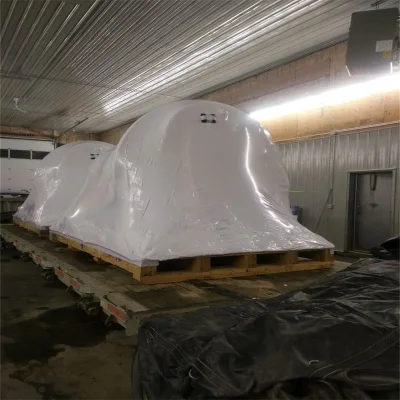
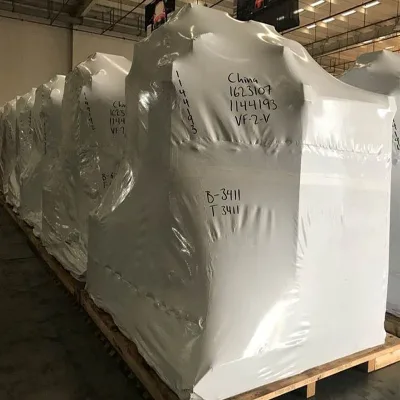
Super Heat Reinforced Shrink Wrap FR 9 Mil- Flame Retardant White with UVI
$2.2875 - $2.4958
MOQ: 1 kilograms
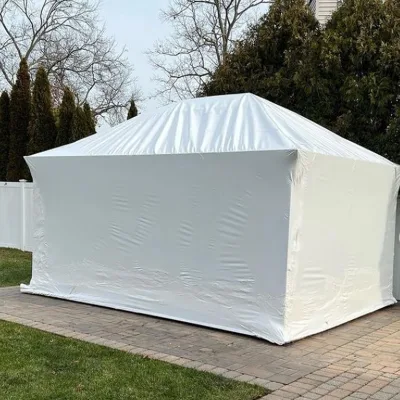


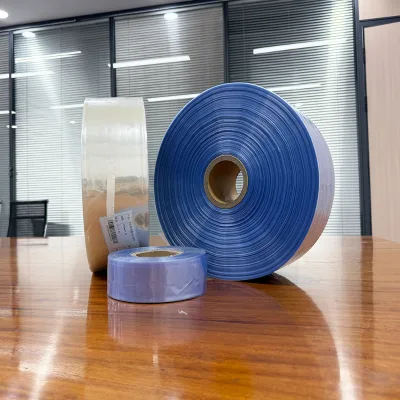
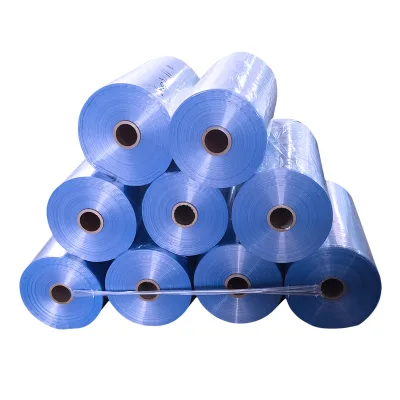
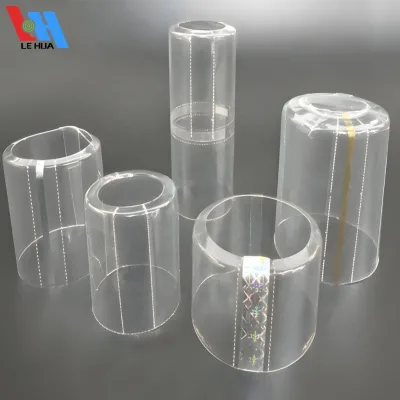
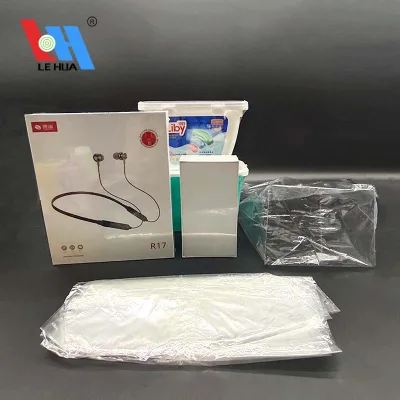
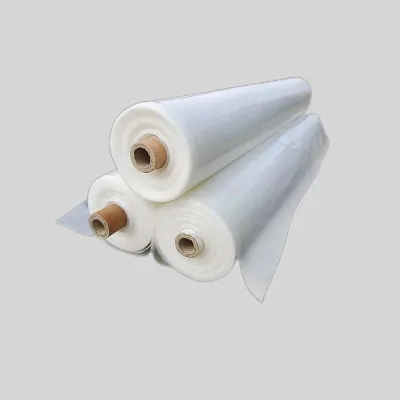
Saleable Shrink Plastic Food Packaging Heat Shrink Sleeving Wrap Film
$0.0019 - $0.0513
MOQ: 5 Minimum




Comprehensive Sourcing Guide
Water Soluble Reinforced Shrink Wrap Sourcing Guide
Procuring specialized packaging films requires a clear distinction between standard polyethylene shrink wraps and advanced water-soluble variants. While the supplied product data highlights automatic wrapping machines and PE film options for beverage applications, it does not explicitly confirm the availability of water-soluble reinforced shrink wrap. Buyers must therefore verify if the supplier’s T Series pallet wrapping machines or their PE film rolls are compatible with water-soluble materials. The observed listings focus on transparent or printing films with thicknesses ranging from 8mil to 12mil, which are typical for standard protective packaging rather than dissolvable applications.
Sourcing this niche material demands careful alignment of machinery capabilities with film properties. The provided context mentions servo systems and pre-tension film frames, which are critical for handling films with specific tensile strengths. Reinforced shrink wraps often require different tension settings to prevent tearing during the shrinking process. Buyers should confirm whether the supplier’s automatic grade machines can accommodate the unique elasticity and dissolution rates of water-soluble films. Without explicit confirmation, assuming compatibility with standard PE film specifications could lead to operational inefficiencies or machine damage.
Product Scope and Observed Listing Signals
The observed product listings primarily describe automatic wrapping machines and standard PE films for beverage bottle packaging. Key attributes include a capacity of 40-45 packs per minute and a model series designated as T Series. These machines are designed for glass bottles, PET bottles, and cans, utilizing either print film wrapping with or without trays. The film type is specified as transparent or printing film, with a hardness described as soft. This scope indicates a focus on traditional shrink wrapping solutions rather than the specialized water-soluble reinforced category.
Buyers should interpret these signals as a baseline for standard packaging needs. The listed specifications, such as a single gross weight of 5.0 kg and a single package size of 35x35x20 cm, suggest roll-based packaging films. The mention of gravure printing and up to seven colors points to high-quality visual branding capabilities. However, these features do not inherently support water-soluble applications. Procurement teams must explicitly inquire if the supplier can provide water-soluble variants that meet reinforced strength requirements, as the current data reflects conventional polyethylene film properties.
Technical Specifications to Verify
Verifying the technical specifications of water-soluble reinforced shrink wrap is crucial for ensuring packaging integrity. Buyers must confirm the film’s dissolution rate in water, as this determines its suitability for specific waste management or safety applications. The supplied data lists a thickness range of 8mil to 12mil, which may be insufficient for reinforced water-soluble films that require higher durability before dissolution. It is essential to verify if the supplier offers thicker or multi-layered options that maintain strength during handling but dissolve quickly when exposed to water.
Additionally, the reinforcement structure must be examined for compatibility with existing machinery. The observed machines use a pre-tension film frame structure, which may need adjustment for films with different tensile properties. Buyers should ask for detailed tensile strength data and elongation percentages for the water-soluble variant. The transparency and color options listed, such as opaque or up to seven colors, should be confirmed for the water-soluble product. Ensuring that the film’s physical properties align with the machine’s servo system capabilities will prevent operational issues during high-speed wrapping processes.
Compliance and Safety Documentation
Compliance with safety and environmental standards is a primary concern when sourcing water-soluble materials. Buyers must request documentation that verifies the film’s non-toxicity and safe dissolution byproducts. While the supplied context mentions ISO 9001 as a low-confidence background standard, it does not confirm specific environmental certifications for water-soluble films. Procurement teams should inquire about compliance with relevant international standards for biodegradable or water-soluble packaging materials. This ensures that the product meets regulatory requirements in the buyer’s target markets.
Safety data sheets (SDS) are essential for handling and storage procedures. Buyers should verify if the supplier provides SDS for the water-soluble reinforced shrink wrap, detailing any potential hazards during manufacturing or use. The observed product attributes do not mention specific safety certifications, so this information must be explicitly requested. Additionally, confirm if the film meets food-contact regulations if it is used for beverage packaging. Ensuring that all compliance documentation is up-to-date and verifiable protects the buyer from legal and reputational risks associated with non-compliant packaging materials.
Cost Drivers and Commercial Terms
Cost drivers for water-soluble reinforced shrink wrap include raw material complexity and specialized manufacturing processes. The supplied data lists a price range of 0-100000 USD, which likely refers to the machinery rather than the film itself. Buyers should clarify the unit price for the film rolls, as water-soluble materials typically command a premium due to their specialized formulation. The observed MOQ range of 1-5000 units suggests flexibility, but buyers must confirm if minimum order quantities apply to the film or the machinery. Understanding the cost structure helps in budgeting for both initial procurement and ongoing supply needs.
Commercial terms such as delivery time and after-sales service are also critical. The listed delivery time of 30-60 days and one-year guarantee apply to the machinery, but buyers should verify if similar terms extend to film supplies. The supplier’s offer of engineer local installation services is valuable for machinery setup but may not apply to film quality issues. Buyers should negotiate clear terms for film quality disputes and returns. Understanding the total cost of ownership, including potential machine adjustments for new film types, ensures a more accurate financial assessment of the procurement decision.
Supplier Qualification and Quality Control
Supplier qualification involves assessing their capability to produce or source high-quality water-soluble reinforced shrink wrap. Buyers should verify the supplier’s production facilities and quality control processes for film manufacturing. The observed origin is Zhangjiagang, China, a known hub for packaging machinery, but this does not guarantee expertise in water-soluble films. Procurement teams should request samples to test dissolution rates and tensile strength. The listed sample availability is a positive indicator, but buyers must ensure that the samples represent the actual production quality.
Quality control checks should include regular audits of film consistency and packaging integrity. The observed packing type of one roll in one cardboard with 6 or 8 rolls per pallet suggests standard handling practices. Buyers should confirm if these practices are maintained for water-soluble films, which may have different storage requirements. Additionally, verify the supplier’s ability to provide consistent batch-to-batch quality. Establishing a robust quality control framework with the supplier ensures that the water-soluble reinforced shrink wrap meets the buyer’s performance expectations and reduces the risk of supply chain disruptions.
Long-Term Procurement Checks
Long-term procurement checks focus on supply chain stability and product evolution. Buyers should monitor the supplier’s ability to scale production of water-soluble reinforced shrink wrap as demand grows. The observed customization availability is a positive sign, but buyers must ensure that custom specifications can be maintained over time. Regular reviews of film performance in real-world applications are essential to identify any degradation in quality or changes in dissolution properties. This proactive approach helps in maintaining packaging efficiency and compliance with evolving environmental regulations.
Additionally, buyers should assess the supplier’s commitment to innovation and product improvement. The listed technology, such as servo systems and pre-tension frames, indicates a focus on advanced machinery, but similar innovation should be expected for film products. Engaging in long-term partnerships with suppliers who invest in R&D ensures access to improved water-soluble materials. Buyers should also establish clear communication channels for feedback and issue resolution. By prioritizing long-term relationships and continuous improvement, procurement teams can secure a reliable supply of high-quality water-soluble reinforced shrink wrap.
FAQs
Can this machine handle glass and PET bottles?
Yes, the machine suits glass bottles, PET bottles, and cans for film packing. It is designed for beverage applications and supports half winding with pre-tension film frame structures for stable operation on various bottle types.
What is the delivery time for this wrapping machine?
The delivery time ranges from 30 to 60 days for this automatic wrapping machine. This lead time applies to the T Series models which feature servo systems for steady performance and include one-year guarantees for buyer peace of mind.
Which customization options are available for the film?
Customization is available for the film type, including transparent or printing film with up to seven colors. The machine supports gravure printing and offers packing types with or without trays to match specific product requirements for bottles and cans.
How is the machine driven and what is its capacity?
The machine is driven by an electric system using a servo technology for steady operation. Its capacity ranges from 20 to 80 packs per minute depending on the specific model, making it suitable for water filling or carbonated beverage lines.
What after-sale service is provided for this equipment?
Engineers go local to install the machine as part of the after-sale service. This ensures proper setup and operation, supported by a one-year guarantee and design services provided by the manufacturer based in Zhangjiagang, China.
What materials are used for the machine frame?
The machine frame is constructed from carbonate steel for durability and stability. This robust structure supports the automatic grade operation and ensures the equipment can handle the specified film wrapping processes for bottles and cans effectively.