Source Cosmetic Cosmetics Storage Container for Bathroom, Kitchen, Living Room
Find 30 Cosmetic Cosmetics Storage Container options from verified Chinese suppliers. Compare rectangular and transparent plastic models with varying capacities and certifications for bathroom, kitchen, and living room organization needs; compare the available evidence and request quotations based on your requirements.
Updated
Key considerations
Products List





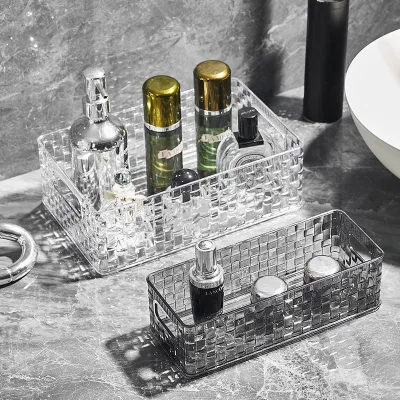
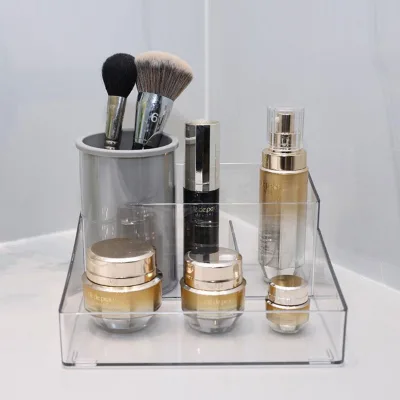
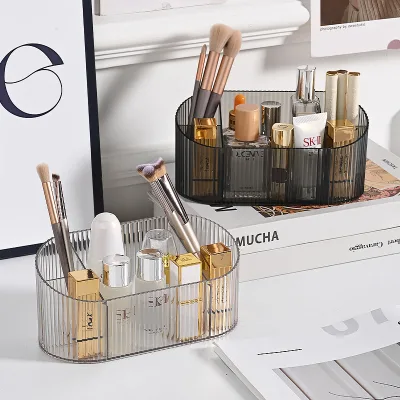
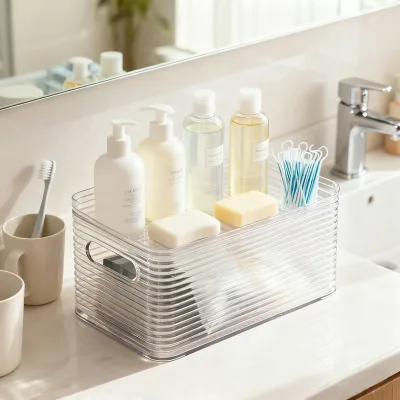
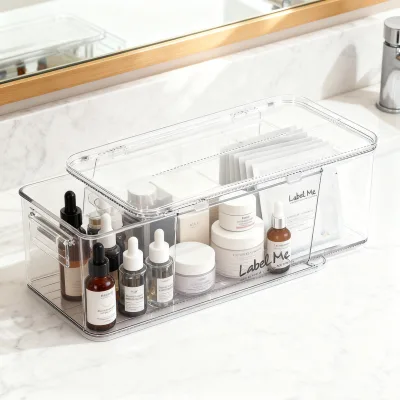


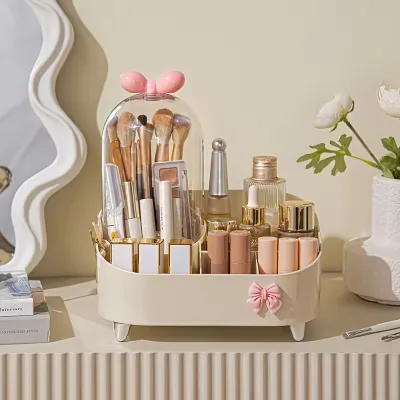

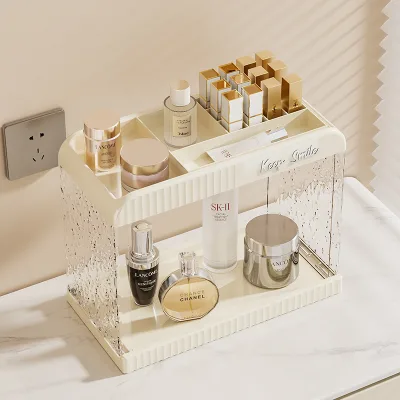





Comprehensive Sourcing Guide
Cosmetic Cosmetics Storage Container Sourcing Guide
Sourcing cosmetic storage containers requires a nuanced understanding of material compatibility, aesthetic alignment, and functional durability. Buyers must navigate a market where products range from simple rectangular bins to specialized modular systems designed for vanity organization. The primary challenge lies in distinguishing between generic plastic storage and purpose-built cosmetic organizers that protect product integrity while enhancing visual appeal. This guide provides evidence-based procurement strategies to help buyers select suppliers who meet rigorous quality and compliance standards.
Effective sourcing begins with defining clear technical and commercial requirements before engaging with manufacturers. The observed market offers significant variation in capacity, material composition, and design style, necessitating a structured evaluation process. By focusing on verified attributes such as certification status, load capacity, and customization options, buyers can mitigate risks associated with poor quality or non-compliant products. This approach ensures that the selected storage solutions align with both brand identity and operational needs.
Product Scope and Observed Listing Signals
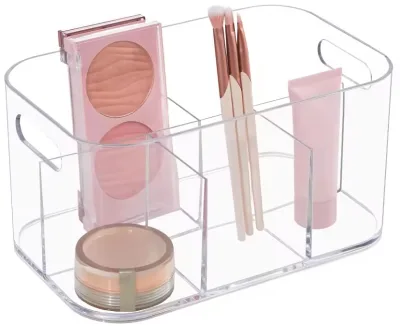
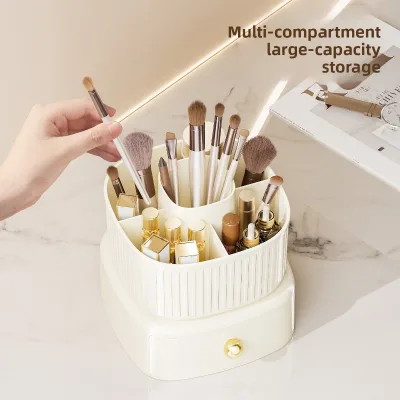
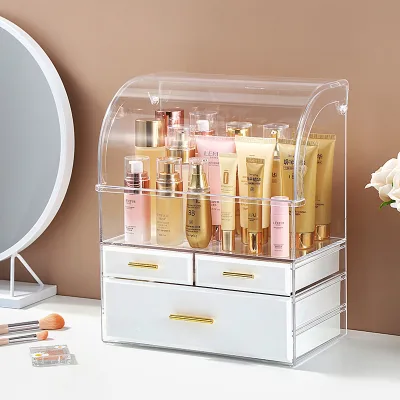
The current market landscape for cosmetic storage containers features a diverse array of products, primarily constructed from polypropylene (PP) and other plastic materials. Observed listings indicate a strong preference for transparent or translucent designs, which allow users to quickly identify contents without opening the container. These units often come in rectangular or box shapes, catering to both modern minimalist aesthetics and classical styles. The typical capacity ranges from 1 to 3 liters, making them suitable for organizing various cosmetic items, from skincare bottles to makeup brushes, in bathrooms, living rooms, or dedicated makeup rooms.
Commercial signals reveal a wide price range, with observed values spanning from $0.01 to $45 USD, reflecting differences in material quality, branding, and order volume. Minimum order quantities (MOQs) vary significantly, starting from as low as 1 unit for samples up to 30,000 units for large-scale industrial orders. Many suppliers offer customization options, including customer logos and specific packaging preferences, such as individual boxes or plastic film wrapping. These variables allow buyers to tailor procurement strategies to their specific volume requirements and branding goals, ensuring flexibility in supply chain management.
Technical Specifications to Verify
When evaluating technical specifications, buyers should prioritize dimensional accuracy and structural integrity. Observed models often feature precise dimensions, such as 24.9 x 16.3 x 15.2 cm, with tight tolerances of less than ±1mm to ensure consistent stacking and fit. Load capacity is another critical factor, with some units rated to hold up to 50kg, while others are designed for lighter loads of ≤5kg. Buyers must verify these specifications against their intended use case, ensuring that the container can withstand the weight of densely packed cosmetic products without deforming or failing.
Material properties and manufacturing techniques also play a crucial role in product performance. Injection molding is a common technique, producing durable and smooth-finished containers that are easy to clean and maintain. Buyers should confirm the material grade, such as PP, for its resistance to chemicals found in cosmetics, ensuring that the container does not degrade or leach harmful substances over time. Additionally, features like stackability and foldability, although less common in rigid cosmetic boxes, can offer logistical advantages for storage and shipping, reducing overall costs and space requirements.
Compliance and Safety Documentation
Compliance with international standards is essential for ensuring product safety and market access. Many observed listings highlight certifications such as CE, RoHS, Reach, and ISO9001:2000, indicating adherence to strict environmental and quality management protocols. Buyers must request and verify these certificates to confirm that the materials used are free from hazardous substances and that the manufacturing process meets recognized quality benchmarks. This verification is particularly important for products intended for use in regulated markets, where non-compliance can lead to legal liabilities and brand damage.
Safety documentation should also include information on material safety data sheets (MSDS) and product testing reports. Buyers should inquire about specific tests conducted on the containers, such as durability, chemical resistance, and food-grade safety if applicable. Although not all listings provide detailed test results, requesting this information demonstrates a commitment to quality and safety. Ensuring that the supplier can provide comprehensive compliance documentation helps mitigate risks and builds trust with end-users who prioritize safe and sustainable products.
Cost Drivers and Commercial Terms
Several factors influence the final cost of cosmetic storage containers, including material costs, production volume, and customization requirements. The use of high-quality PP and complex manufacturing techniques like injection molding can increase production costs, while larger order volumes typically result in lower per-unit prices. Buyers should analyze the price range of $0.01 to $45 USD in the context of these variables, understanding that lower prices may correlate with simpler designs or lower material grades. Customization options, such as adding customer logos or specific packaging, often incur additional fees, which should be factored into the total cost of ownership.
Commercial terms, including MOQs and lead times, significantly impact procurement planning. With MOQs ranging from 1 to 30,000 units, buyers can negotiate terms that align with their inventory management strategies. It is crucial to clarify lead times and payment terms with suppliers to avoid delays and cash flow issues. Buyers should also consider the total cost of logistics, including shipping and handling, which can vary based on the product's weight and dimensions. Transparent communication regarding these terms helps in building a sustainable and cost-effective supply chain.
Supplier Qualification and Quality Control
Supplier qualification is a critical step in ensuring the reliability and consistency of cosmetic storage container supplies. Buyers should assess suppliers based on their production capabilities, quality control processes, and past performance. Observing certifications like ISO9001:2000 provides insight into the supplier's commitment to quality management systems. Additionally, buyers should request samples to evaluate the physical quality of the products, checking for defects, dimensional accuracy, and material consistency. This hands-on verification helps identify potential issues before committing to large orders.
Quality control measures should be established throughout the production process, from raw material inspection to final product testing. Buyers should inquire about the supplier's quality control protocols, including in-process inspections and final random sampling. Implementing a robust quality assurance plan, such as pre-shipment inspections, can help detect and rectify defects before products leave the factory. Clear communication of quality expectations and regular feedback loops with suppliers are essential for maintaining high standards and ensuring that the delivered products meet the buyer's requirements.
Long-Term Procurement Checks
Long-term procurement success depends on continuous monitoring and evaluation of supplier performance and product quality. Buyers should establish key performance indicators (KPIs) to track metrics such as on-time delivery, defect rates, and responsiveness to issues. Regular audits and reviews of supplier compliance with agreed-upon standards help maintain high levels of quality and reliability. By fostering a collaborative relationship with suppliers, buyers can address potential problems proactively and drive continuous improvement in the supply chain.
Sustainability and ethical sourcing are increasingly important considerations for long-term procurement strategies. Buyers should evaluate suppliers' environmental practices, such as waste management and energy efficiency, to align with corporate sustainability goals. Additionally, verifying that suppliers adhere to ethical labor practices and fair trade principles helps mitigate reputational risks. By prioritizing sustainable and ethical sourcing, buyers can build a resilient supply chain that supports both business growth and positive social impact, ensuring long-term value and stability.
FAQs
What materials are used for cosmetic storage containers?
The containers are primarily made from PP plastic or general plastic materials. These materials ensure durability and safety for storing cosmetics. The product is designed to be eco-friendly and natural, meeting health standards. This composition supports long-term use in various home environments while maintaining structural integrity.
Can these storage boxes be customized with a logo?
Yes, customization is available for these storage boxes. Buyers can accept their own custom logo on the product. This service allows for branding opportunities in industrial or commercial settings. The customization feature adds value for businesses seeking unique packaging solutions for their cosmetic products.
What certifications do the storage containers hold?
The storage containers hold CE, RoHS, Reach, and ISO9001: 2000 certifications. These credentials verify compliance with international safety and quality standards. Such certifications ensure the products are safe for industrial alcohol and cosmetic applications. Buyers can trust the quality and regulatory adherence of these sourced items.
What is the typical MOQ for these products?
The typical MOQ is 300 PCS for standard orders. However, observed ranges vary from 1 to 30,000 units depending on the supplier. This flexibility allows buyers to scale orders according to their inventory needs. Lower MOQs are available for specific models, facilitating easier entry for new buyers.
Where are these cosmetic storage containers manufactured?
These containers are manufactured in China, specifically in Qingdao, Shandong, and Zhejiang. These regions are known for robust manufacturing capabilities in plastic goods. The origin ensures access to established supply chains and efficient logistics. Buyers can expect reliable production quality from these designated manufacturing hubs.
What are the dimensions of the storage boxes?
Common dimensions include 24.9x 16.3 x15.2cm for specific models. Other sizes like 600*400*315 are also available for different needs. The dimensional tolerance is kept within <±1mm for precision. These sizes are suitable for makeup rooms, bathrooms, and kitchen organization tasks.