Source ASTM Child Resistant Pill Bottle for Vitamins, Pharma, and Supplements
Compare 30 ASTM Child Resistant Pill Bottle options from Chinese manufacturers. Buyers can evaluate HDPE and PET materials, screw cap closures, and customization features for vitamins, pharmaceuticals, and herbal supplements; compare the available evidence and request quotations based on your requirements.
Updated
Key considerations
Products List


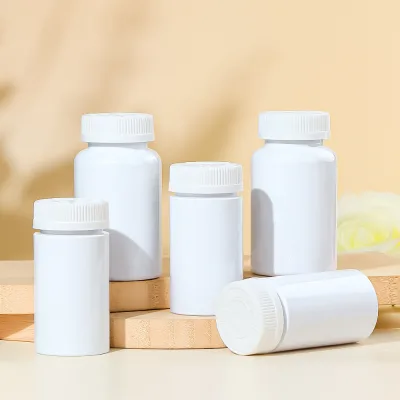
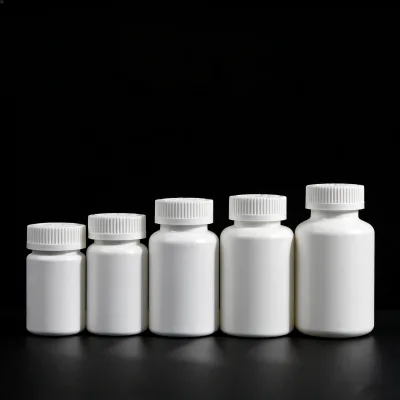
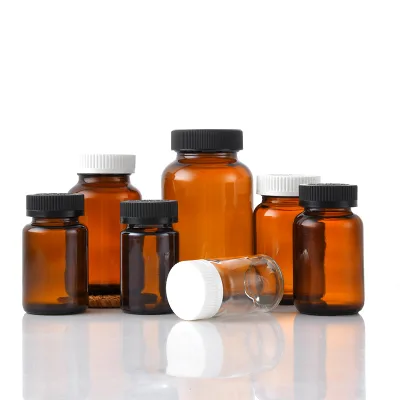

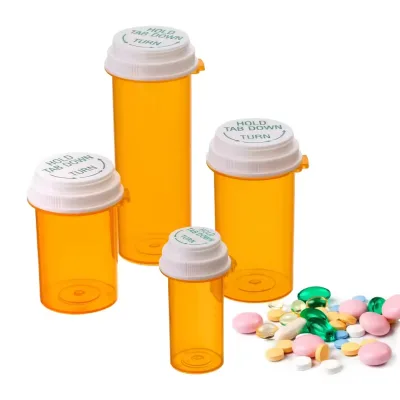
100cc White Plastic Pill Bottles for Medicine with White Child Resistant Plastic Cap
$0.1187 - $0.1343
MOQ: 10000 Pieces

520ml HDPE Bottle Child Proof Cap Pill Bottle Packaging Medicine Pharmaceutical Pill Bottles
$0.21 - $0.2178
MOQ: 10000 Pieces

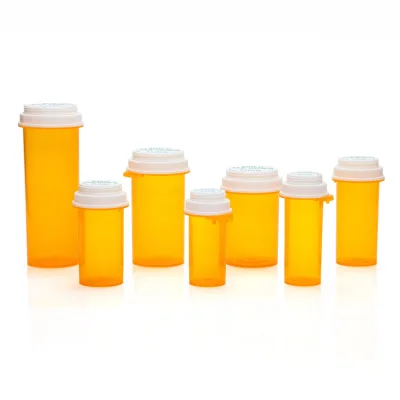
225ml HDPE Bottle Child Proof Cap Pill Bottle Packaging Medicine Pharmaceutical Pill Bottles
$0.1209 - $0.1287
MOQ: 10000 Pieces

Empty 625cc Brown PET Pill Bottles for Medicine with Child Resistant Plastic Cap
$0.2603 - $0.2757
MOQ: 10000 Pieces


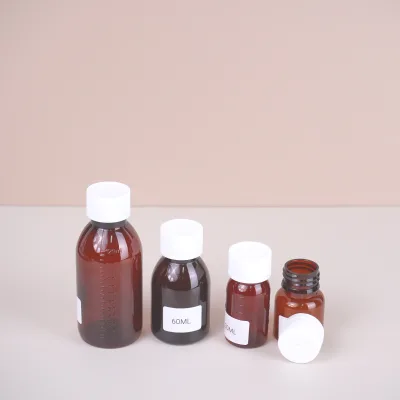


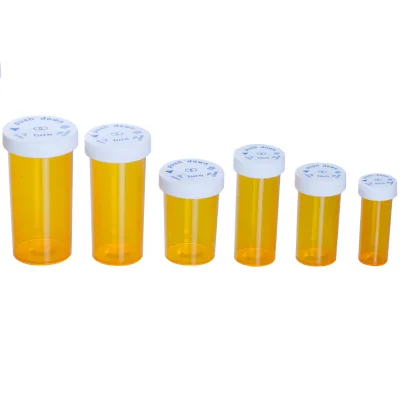
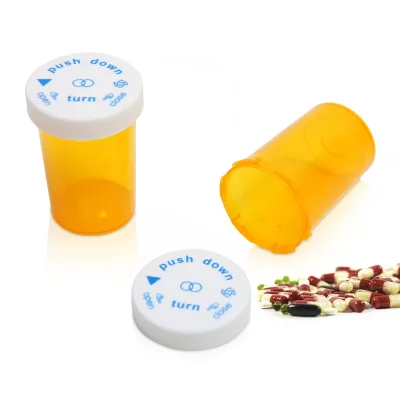
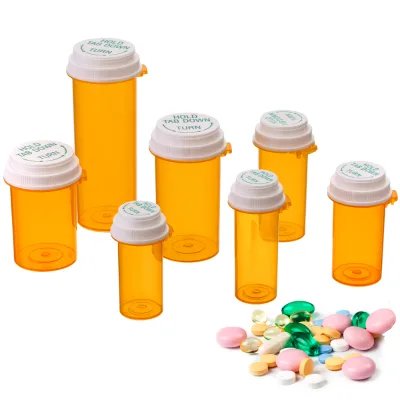
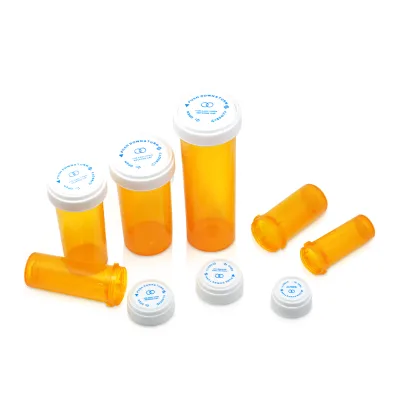
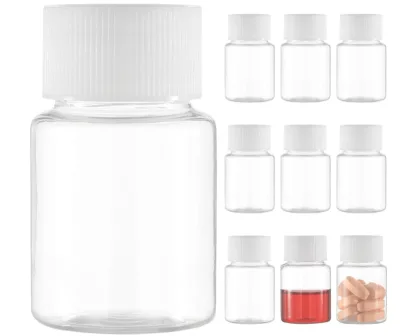
Plastic clear Mini Pill Child Proof Child Resistant Vial Container 50ml
$12.80 - $13.96
MOQ: 100 cartons
Comprehensive Sourcing Guide
ASTM Child Resistant Pill Bottle Sourcing Guide
Procuring child-resistant packaging requires balancing strict safety mandates with operational efficiency and material integrity. Buyers must navigate a complex landscape where regulatory compliance intersects with supply chain logistics. The core challenge lies in identifying suppliers who not only meet the stringent ASTM F763 standards but also offer scalable production capabilities. This guide provides a structured approach to evaluating potential vendors, ensuring that every decision is grounded in verified data rather than marketing claims.
The following sections detail the critical parameters for sourcing these specialized containers. From technical specifications like closure types and material compositions to commercial terms such as MOQs and delivery conditions, each aspect is examined through the lens of risk mitigation. By adhering to the evidence-based insights provided, procurement teams can establish robust vendor relationships that prioritize safety, consistency, and cost-effectiveness without compromising on quality or regulatory adherence.
Product Scope and Observed Listing Signals
The observed market signals indicate a diverse range of packaging solutions tailored for pharmaceutical and supplement applications. Listings frequently highlight HDPE and PET materials, which are selected for their durability and chemical resistance. Key attributes such as screw caps, CRC (Child Resistant Closure), and PLC caps are prominently featured, signaling the primary function of these containers. The presence of measuring cups as a special feature suggests an added value proposition for consumer convenience, particularly in the vitamin and herbal supplement sectors.
Volume capacities typically range from 50ml to 200ml, with specific models like MD-012 and MD-010 representing common industry standards. Colors vary from clear and white to brown and black, catering to light-sensitive product requirements. The observation of "Eco-Friendly" and "Recyclable" attributes reflects growing market demand for sustainable packaging options. Buyers should note that while these features are listed, they must be verified against specific product datasheets to ensure they align with brand sustainability goals and regulatory requirements in target markets.
Technical Specifications to Verify
Verifying technical specifications is paramount to ensuring product compatibility and safety. Buyers must confirm the exact closure mechanism, whether it is a standard screw cap or a specialized CRC system, as this directly impacts the child-resistant rating. Material composition, specifically HDPE or PET, must be validated for each batch to prevent inconsistencies in barrier properties. The weight of the bottles, observed between 20g and 25g, serves as a quick indicator of material thickness and structural integrity, which are critical for protecting contents during transit.
Model numbers such as MD-443 and MD-435 should be cross-referenced with supplier technical sheets to confirm dimensional accuracy and cap compatibility. The single gross weight and volume specifications, often listed as 100ml or 150ml, must be precise to avoid filling line errors. Additionally, surface handling techniques like silk screen printing should be evaluated for adhesion and durability. Buyers should request physical samples to test the tactile feedback of the closure mechanism, ensuring it meets the required force thresholds for child resistance while remaining accessible to adults.
Compliance and Safety Documentation
Regulatory compliance is non-negotiable in the pharmaceutical packaging sector. Buyers must insist on comprehensive documentation, including ISO, SGS, and FDA certifications, which serve as baseline indicators of manufacturing quality. The presence of a Certificate of Analysis (CoA) is essential for verifying that each batch meets specified material and safety standards. These documents provide the necessary traceability and assurance that the packaging does not leach harmful substances into the contents, a critical concern for health-related products.
Beyond standard certifications, buyers should verify adherence to specific ASTM standards for child-resistant closures. While exact standard numbers may vary by region, the core requirement is that the packaging passes rigorous testing protocols designed to prevent access by children under five years of age. Suppliers should provide test reports from accredited third-party laboratories. It is crucial to ensure that the certification status is current and covers the specific models being procured, as compliance for one model does not automatically extend to others in the supplier’s catalog.
Cost Drivers and Commercial Terms
Understanding the cost structure is vital for effective budgeting and negotiation. The observed price range of $0.03 to $13.96 USD reflects significant variation based on material, complexity, and order volume. MOQs typically start at 100 units but can extend to 20,000 sets, influencing unit economics substantially. Buyers should analyze the trade-off between lower MOQs and higher per-unit costs versus the economies of scale achieved with larger orders. Customization options, such as specific colors or printing, may incur additional setup fees, which should be factored into the total cost of ownership.
Commercial terms like EXW, FOB, CIF, and DDU define the risk and cost allocation between buyer and supplier. Transportation methods, whether by sea or air, will impact lead times and overall logistics costs. The observation of "Manufacturer Price" and "Wholesale Price" suggests that direct sourcing from factories can yield better margins. Buyers should clarify whether packaging costs, such as cartons and pallets, are included in the quoted price. Transparent communication regarding these terms helps prevent unexpected expenses and ensures accurate financial planning for the procurement cycle.
Supplier Qualification and Quality Control
Supplier qualification extends beyond initial certification checks to include ongoing quality assurance processes. Buyers should assess the supplier’s production capacity and consistency, particularly given the high MOQs observed. The ability to provide free samples is a positive indicator of supplier confidence and facilitates initial quality testing. However, buyers must establish clear quality control protocols, including incoming inspection criteria and defect rate thresholds. Regular audits of the supplier’s facility can provide insights into their manufacturing practices and commitment to quality.
Communication and responsiveness are also key indicators of supplier reliability. The availability of customization and eco-friendly options suggests flexibility, but buyers must ensure that these capabilities do not compromise standard production timelines. Lead times, influenced by delivery terms and transportation methods, should be clearly defined and monitored. Establishing a robust quality control framework, including periodic third-party inspections, helps mitigate risks associated with supply chain disruptions. Building a partnership based on transparency and mutual accountability ensures long-term stability and product integrity.
Long-Term Procurement Checks
Sustaining a successful procurement strategy requires continuous monitoring and adaptation. Buyers should regularly review supplier performance metrics, including on-time delivery rates, product quality consistency, and responsiveness to issues. The dynamic nature of regulatory requirements means that compliance documentation must be updated and verified periodically. Engaging in periodic business reviews with suppliers can help identify areas for improvement and foster collaborative problem-solving. This proactive approach ensures that the supply chain remains resilient and aligned with evolving market demands.
Additionally, buyers should stay informed about industry trends and technological advancements in packaging materials and designs. The shift towards eco-friendly and recyclable materials presents both opportunities and challenges. Evaluating the long-term viability of current suppliers in light of these trends is essential. Maintaining a diversified supplier base can mitigate risks associated with single-source dependencies. By continuously refining procurement strategies and maintaining rigorous quality standards, buyers can ensure the consistent delivery of safe, compliant, and cost-effective packaging solutions.
FAQs
How can I verify that an ASTM Child Resistant Pill Bottle meets requirements?
Ask the supplier for test documentation and certification records such as ISO, SGS, FDA, and COA before ordering. Request a free sample to inspect the cap mechanism yourself, since caps may come in CRC, PLC, or screw styles. Confirm which certification documents cover the specific model, such as MD-010 or MD-012, and clarify any testing responsibilities in your contract.
What customization options are available for these pill bottles?
Customization is available, and buyers can typically specify color, size, and screen-printed branding. Listing options include clear, white, brown, transparent blue, and black bottles paired with plastic caps. You can also discuss cap style, since CRC, PLC, and screw caps are offered. Provide artwork early, confirm the model number, and request a sample so the customized design can be reviewed before mass production.
What materials and sizes are these child resistant pill bottles made in?
The bottles are made from HDPE, with some listings offering PET plastic, and standard volumes range from 50 to 200ml, including 100ml, 120ml, and 150ml options. HDPE provides durability and recyclability for vitamins, pharmaceuticals, and herbal supplements. Weights vary by model, with listed bottle weights of 20g, 22g, 23g, and 25g across models such as MD-435 and MD-443.
Which bottle colors and closure types can I choose from?
Listed color choices include a clear bottle with plastic cap, white bottle with plastic cap, brown bottle with plastic lid, transparent blue bottle with plastic cap, and black bottle with plastic cap. Closure types include CRC, PLC, and screw caps, all using a lid-based sealing method. Availability can vary by model, so confirm the exact color and cap combination for your chosen model before placing an order.
Can I get samples before committing to a bulk order?
Yes, free samples are offered, which lets you evaluate the bottle material, cap mechanism, and printing quality before mass production. After approving a sample, you would place an order subject to the supplier's minimum order quantity, with listed MOQs ranging from 100 to 20000 sets depending on the listing. Confirm who pays freight and how long sample delivery takes by sea or by air.
How are the bottles packed, shipped, and priced for wholesale?
Goods are packed in cartons and go on pallets wrapped for protection during transit. Shipping is available by sea or by air, with delivery terms including EXW, FOB, CIF, CNF, and DDU. Pricing is offered at manufacturer, factory, and wholesale levels, though the listed price range spans roughly 0.03 to 13.96 USD depending on the specific listing and specification, so request quotations for your exact model.