Source Recycled Material Screen Display Box for Food, Electronics, Apparel
Compare 30 listings for Recycled Material Screen Display Box options suitable for food, electronics, and apparel packaging. Buyers can review dimensions, certifications, and lead times from manufacturers in Shanghai and Zhejiang; compare the available evidence and request quotations based on your requirements.
Updated
Key considerations
Products List


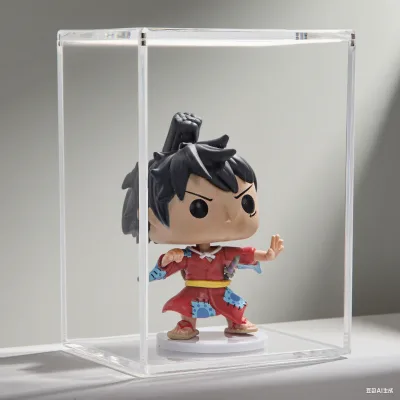
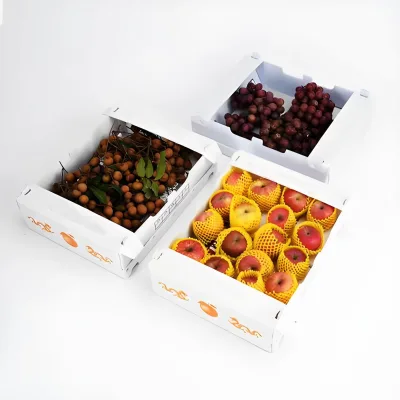

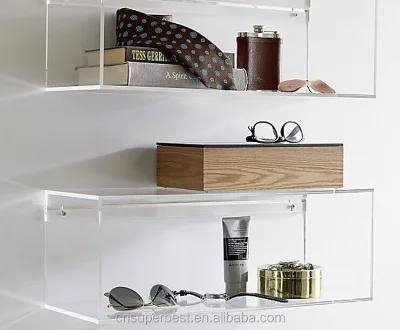
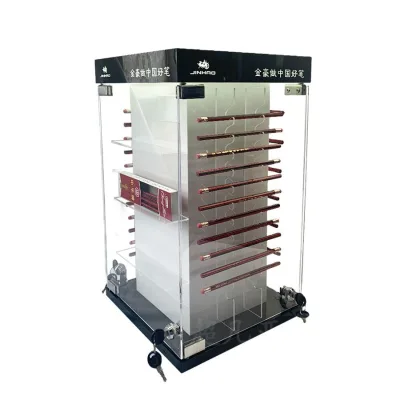
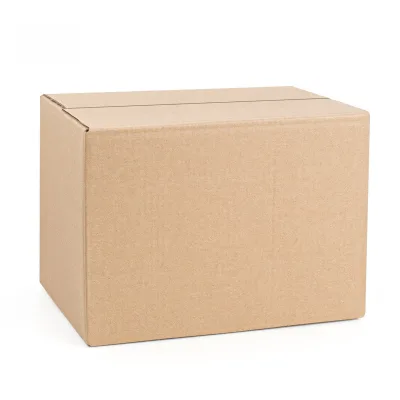
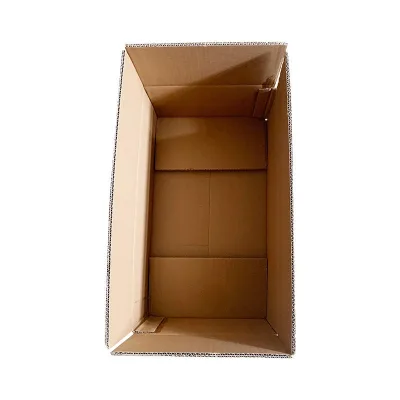

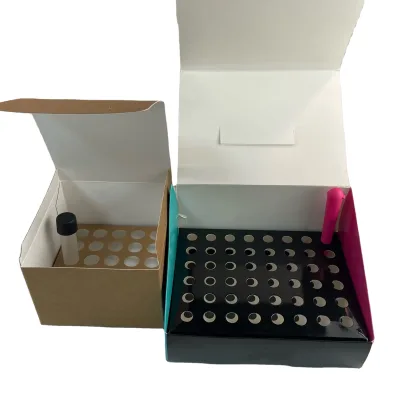
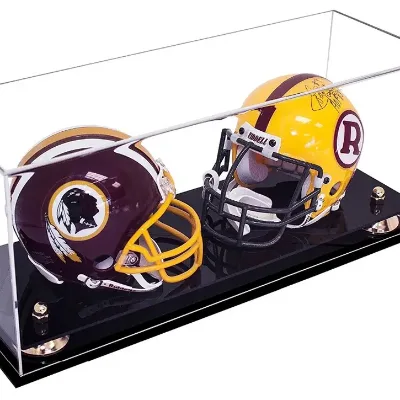


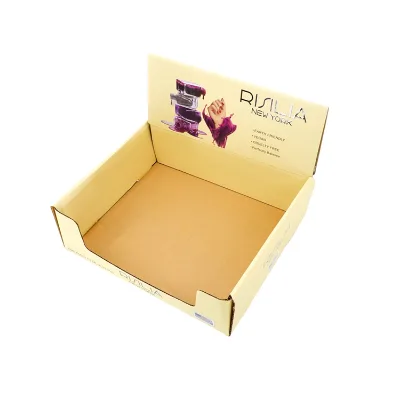
Customizable Full Color Cardboard Display Box with LED Screen
$211.00 - $244.00
MOQ: 100 Square Meters
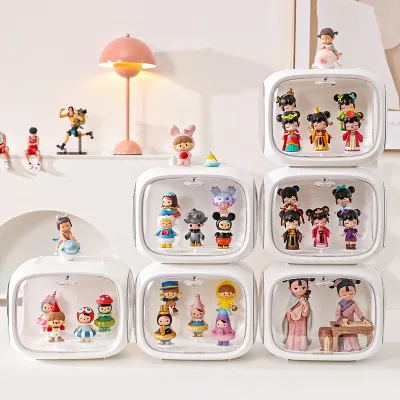
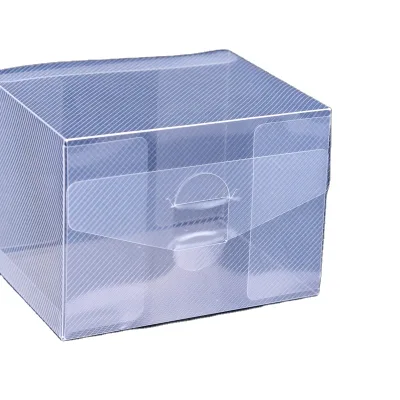
Factory Wholesale PET Plastic Packaging Display Box with Recycled Materials Custom Color Printing
$0.1026 - $0.3088
MOQ: 1000 pieces



Comprehensive Sourcing Guide
Recycled Material Screen Display Box Sourcing Guide
Product Scope and Observed Listing Signals
The market for recycled material screen display boxes encompasses a diverse range of packaging solutions designed for retail environments, particularly for electronics, apparel, cosmetics, and household goods. Buyers will observe listings that specify materials such as recycled paper, laminated materials, and even metal components, indicating a broad spectrum of structural possibilities. The application scope is clearly defined by suppliers who list these items as suitable for food, electronic, apparel, cosmetics, and household use, ensuring that the packaging meets the aesthetic and functional demands of various consumer product categories. This versatility allows procurement teams to source unified packaging strategies across different product lines while maintaining a sustainable brand image.
Observed listing signals reveal significant variation in customization options and production capabilities. Suppliers frequently offer OEM branding with logos according to customer requests, accepting art files in PDF, CDR, and Ai formats to facilitate precise design implementation. The dimension and size are often customizable, with options ranging from small to large, and specific models like FP15000014, FP5011, FP3117, and FP035 appearing in the data. These signals suggest that buyers can expect tailored solutions rather than off-the-shelf products, with many manufacturers emphasizing their ability to meet specific client needs through flexible design and structural adaptations.
Technical Specifications to Verify
When evaluating technical specifications, buyers must prioritize the structural integrity and dimensional accuracy of the recycled material screen display boxes. The observed data highlights attributes such as "Solid Durable" structures and customizable sizes, which are critical for ensuring that the display can withstand the weight of products like electronics or apparel without compromising stability. Verification should include confirming the exact dimensions required for the retail shelf space, as suppliers offer dimensions "as You Required" or "as Your Requirement." It is essential to validate that the chosen material, whether recycled paper or laminated material, provides sufficient rigidity and durability for the intended application, especially for heavier items.
Printing and finishing specifications are equally important for brand representation and product visibility. Listings indicate the availability of CMYK, Pantone, and single-color printing options, with techniques including offset, flexo, and general printing methods. Buyers should verify the print quality standards and color accuracy processes to ensure brand consistency. Additionally, the choice between single-sided and two-sided printing pages must align with the display’s design requirements. Confirming the specific model numbers and associated technical details helps in comparing suppliers effectively, ensuring that the final product meets both aesthetic and functional expectations for the retail environment.
Compliance and Safety Documentation
Compliance and safety documentation are paramount when sourcing recycled material packaging, particularly for industries with strict regulatory requirements. The observed listings frequently mention certifications such as SGS, BV, TUV, and ISO standards, which serve as indicators of a supplier’s commitment to quality and environmental responsibility. Buyers should request and verify these certifications to ensure that the recycled materials meet specific safety and quality benchmarks. The presence of ISO9001/14001 certifications suggests adherence to international quality and environmental management systems, which is crucial for maintaining supply chain integrity and meeting corporate sustainability goals.
In addition to general certifications, buyers must ensure that the packaging materials are safe for their specific application, especially if the display is used for food or cosmetic products. The mention of UV certification in some listings may relate to printing inks or material treatments, which should be verified for toxicity and regulatory compliance. It is advisable to request detailed material safety data sheets and test reports from suppliers to confirm that the recycled content does not introduce harmful substances. This due diligence helps mitigate risks associated with product contamination and ensures that the packaging aligns with both local and international safety regulations.
Cost Drivers and Commercial Terms
Cost drivers for recycled material screen display boxes include material selection, customization complexity, and order volume. The observed MOQ ranges from 1 to 3000 pieces, with some listings specifying an MOQ of 1000 PCS, which significantly impacts unit pricing. Buyers should consider how the choice between recycled paper, laminated materials, or metal affects the overall cost, as well as the complexity of printing and structural design. Customization options, such as specific dimensions and logo printing, can also influence pricing, so it is important to balance design requirements with budget constraints to achieve cost-effective solutions.
Commercial terms and lead times are critical factors in procurement planning. Sample delivery times are typically around 7 to 8 days, while mass production times can extend to 12 days or more, with lead times ranging from 7 to 10 working days for some suppliers. Buyers should clarify these timelines to align with their product launch schedules. Shipment options include sea, air, or express delivery, each with different cost and speed implications. Understanding these commercial terms helps in forecasting total landed costs and ensuring timely delivery to retail locations or distribution centers.
Supplier Qualification and Quality Control
Supplier qualification involves assessing the manufacturer’s experience, production capacity, and quality control processes. The observed data mentions a "31 Years Factory Manufacture" attribute, indicating that some suppliers have extensive industry experience, which can be a valuable indicator of reliability and expertise. Buyers should verify the supplier’s location, with origins in Shanghai, Zhejiang, and Taizhou City, China, to understand the logistical advantages and potential supply chain risks associated with each region. Evaluating the supplier’s ability to handle custom orders and their track record with similar products is essential for ensuring consistent quality.
Quality control measures should be clearly defined and agreed upon before production begins. Buyers should inquire about the supplier’s internal quality assurance processes, including inspections during production and final pre-shipment checks. The mention of "Master Carton or Pallet" packing suggests that suppliers have established packaging standards to protect the display boxes during transit. It is advisable to request samples for quality evaluation and to establish clear acceptance criteria for defects, print quality, and structural integrity. Regular communication and clear specifications help minimize the risk of receiving substandard products.
Long-Term Procurement Checks
Long-term procurement checks focus on sustainability, scalability, and continuous improvement. Buyers should regularly review the supplier’s commitment to using recycled materials and their efforts to reduce environmental impact. Verifying the ongoing validity of certifications such as SGS, BV, and ISO is crucial for maintaining compliance and ensuring that the supplier’s practices remain up-to-date with evolving regulations. Engaging in periodic audits or quality reviews can help identify areas for improvement and ensure that the supplier continues to meet the buyer’s standards over time.
Scalability is another key consideration for long-term partnerships. Buyers should assess the supplier’s ability to handle increased order volumes as their business grows, ensuring that production capacity and lead times remain consistent. Establishing a strong relationship with the supplier can facilitate better communication, faster problem resolution, and potential cost savings through volume discounts. Regularly reviewing performance metrics, such as on-time delivery rates and defect rates, helps in making informed decisions about continuing or expanding the partnership, ensuring a stable and reliable supply of recycled material screen display boxes.
FAQs
What materials are used to make these recycled material screen display boxes?
These display boxes are made from recycled material, with some models using paper or laminated material depending on the application. Metal components can also appear in certain electronic display versions. Buyers can request material certifications such as SGS, BV, TUV, or ISO, and dimensions are produced according to customer requirements.
What is the minimum order quantity for recycled material screen display boxes?
The listed minimum order quantity is 1000 pieces for most models, although the broader observed range spans 1 to 3000 pieces depending on the specific product. Small trial orders may be negotiable with suppliers. Confirm the exact MOQ for your chosen model, size, and customization level before placing an order.
Can I customize the size, logo, and printing of the display box?
Yes, customization is available. Size is produced as you require, logos are applied according to customer request, and printing options include CMYK, Pantone, single color, offset, or flexo printing on one or two sides. Accepted art file formats are PDF, CDR, and AI, so prepare artwork in one of those formats.
How long do sampling and mass production take?
Sample delivery time is about 7 days, with some listings showing 8 days, and mass production takes around 12 days. Overall lead time can be 7 to 10 working days depending on the model. Stock samples may be provided free of charge, while customized samples follow the standard sampling timeline.
Which certifications do the recycled material screen display boxes carry?
Listed material certifications include SGS, BV, TUV, and ISO, and product standards reference SGS ISO as well as ISO, SGS, and BV combinations. Some listings also mention ISO9001/14001 certification. Certification coverage varies by model, so request the specific certificate documents from the supplier before ordering.
How are the display boxes packed and shipped?
Packing options include carton packing, master carton, kraft paper, or pallets, and packing can be arranged to your requirement. Shipment is available by sea, by air, or by express. Confirm carton dimensions, pallet configuration, and freight terms with the supplier so the packing method suits your destination and volume.
Where are these recycled material screen display boxes produced?
The listed origin locations include Shanghai and Zhejiang Province in China, with one model referencing Taizhou City in Zhejiang. Origin is stated per product listing, so verify the exact production location for the model you select. This matters for logistics planning, lead time, and any regional compliance requirements.
What applications suit these recycled material screen display boxes?
Applications include electronics, apparel, household goods, food, and cosmetics, depending on the model and structure. Boxes are described as solid and durable for packing use. Choose paper or laminated material variants for retail display, and confirm compatibility with your product weight, which is listed at 350 for one model.