Source Fine Mist Spray Pet Bottle for Cosmetic, Lotion, and Home Use
Find 30 Fine Mist Spray Pet Bottle options from China. Compare models like BX-767A and HZ02, featuring PET and PP materials with custom logos and sprayer pumps for cosmetic and home packaging needs; compare the available evidence and request quotations based on your requirements.
Updated
Key considerations
Products List


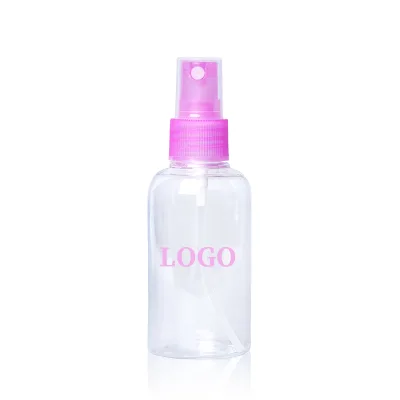
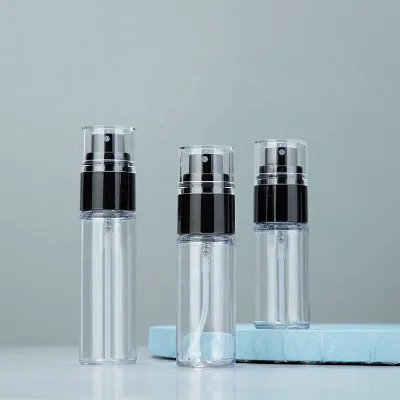


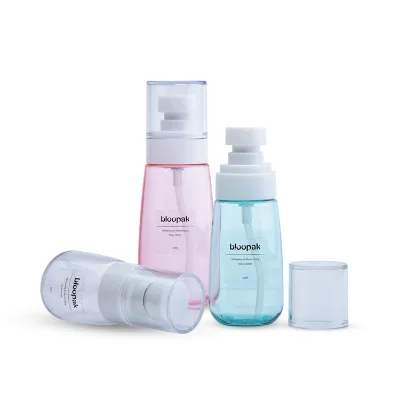
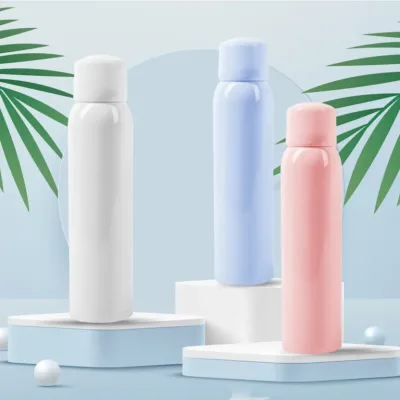
50ml 100ml Cosmetic Packaging Mist Sprayer Pet Fine Mist Sprayer Bottle
$0.15 - $0.20
MOQ: 10000 Pieces







Comprehensive Sourcing Guide
Fine Mist Spray Pet Bottle Sourcing Guide
Sourcing fine mist spray PET bottles requires a disciplined approach to material selection and functional verification. Buyers must prioritize bottles constructed from PET plastic bodies paired with PP caps to ensure chemical compatibility and structural integrity. The observed market data indicates a strong presence of suppliers in Zhejiang and Guangdong, China, offering models such as BX-767A and HZ02. These origins are critical for evaluating logistics costs and supply chain resilience. Procurement teams should verify that the PET material meets specific thickness requirements, typically around 1 mm, to prevent leakage or deformation during filling and transport.
The customization landscape for these containers is extensive, allowing brands to tailor volume, color, and branding elements. Standard capacities range from small 10 ml and 30 ml formats up to larger 200 ml and 1000 ml options, catering to diverse cosmetic and lotion applications. Buyers should confirm whether the supplier offers OEM services and custom logo printing via silk-screening, heat transfer, or UV printing. Understanding the minimum order quantities, which vary from 100 to 30,000 pieces, is essential for aligning inventory strategies with production schedules. Early engagement with suppliers regarding sample availability can significantly reduce the risk of mismatched expectations.
Product Scope and Observed Listing Signals
The current market listings reveal a wide spectrum of product configurations tailored for cosmetic packaging needs. Observed models include the BX220922 and Y10 transparent variants, which feature cylinder or round shapes suitable for hand creams, toners, and lotions. The presence of sprayer pumps and screw caps indicates versatile sealing mechanisms designed to maintain product freshness and prevent accidental dispensing. Buyers should note that some listings specify industrial use for cosmetics, while others highlight home usage, suggesting a broad applicability across personal care and household cleaning sectors. This diversity allows procurement teams to source unified packaging solutions for multiple product lines.
Listing signals also highlight specific packaging and logistical details that impact total landed costs. Products are often packed in cartons or pallets, with batch sizes varying significantly. For instance, some batches have a package size of 16x2x10 cm, while others measure 20x20x20 cm, affecting container loading efficiency. Gross weights per batch are recorded, such as 20.000 kg, which aids in calculating freight expenses. Additionally, the availability of free or freight-collect samples provides a tangible method for quality assessment before committing to large orders. These operational details are crucial for accurate budgeting and warehouse planning.
Technical Specifications to Verify
Verifying technical specifications is paramount to ensuring the final product meets performance standards. Buyers must confirm the exact plastic type, ensuring it is PET for the body and PP for the cap, as these materials offer superior clarity and chemical resistance. The sealing type, whether pump sprayer or screw cap, must align with the product’s viscosity and dispensing requirements. Thickness verification is critical, with observations indicating a standard of 1 mm, which balances durability with material cost. Any deviation from these specifications can lead to packaging failures, such as cracking or leaking, which damage brand reputation.
Surface handling and printing capabilities are equally important for brand differentiation. Suppliers offer various printing methods, including silk-screening, hot stamping, and digital printing, allowing for high-quality logo application. Buyers should verify the color options, noting that custom colors are often available to match brand identities. The model numbers, such as HZ02 or BX-767A, serve as unique identifiers for reordering and quality consistency. It is essential to request detailed technical drawings or samples to confirm that the sprayer mechanism delivers a fine mist rather than a stream, ensuring optimal user experience for cosmetic applications.
Compliance and Safety Documentation
Compliance and safety documentation form the backbone of responsible procurement for cosmetic packaging. Buyers must request material safety data sheets to confirm that the PET and PP components are free from harmful substances like BPA. Since these bottles are intended for cosmetic use, verifying compliance with relevant food-grade or cosmetic-grade standards is essential. Although specific certification names are not provided in the observed data, buyers should inquire about ISO certifications or local regulatory approvals in the manufacturing regions of Zhejiang and Guangdong. This due diligence protects against legal liabilities and ensures product safety for end consumers.
Additionally, buyers should assess the supplier’s ability to provide documentation for custom printing inks and adhesives. If custom logos or colors are requested, verifying that the inks are non-toxic and durable is crucial. The sealing integrity of the bottles must be tested to prevent contamination during the product’s shelf life. Buyers should also consider the environmental impact of the packaging, exploring options for recyclable materials or recycled PET content if sustainability is a brand priority. Clear communication with suppliers regarding these compliance requirements helps establish a transparent and trustworthy supply chain relationship.
Cost Drivers and Commercial Terms
Cost drivers for fine mist spray PET bottles include material prices, customization complexity, and order volume. The observed price range of 0-2.5 USD suggests that basic models are cost-effective, while customizations like specific colors or printing increase the unit price. Minimum order quantities, ranging from 100 to 30,000 pieces, significantly influence pricing tiers. Buyers should negotiate based on their projected annual volume to secure better rates. Understanding the lead time, typically 7-10 days, is also vital for cash flow management and inventory planning. Early ordering can mitigate risks associated with supply chain disruptions.
Commercial terms such as payment methods and sample policies play a crucial role in the procurement process. Bank transfer is a common payment term, but buyers should clarify the deposit and balance payment structure. Sample policies vary, with some suppliers offering free samples while others require freight collection. Evaluating these terms helps in assessing the supplier’s flexibility and commitment to customer satisfaction. Buyers should also consider the cost of tooling for custom molds, if applicable, and whether these costs are refundable upon reaching a certain order volume. Transparent commercial terms reduce financial uncertainty and facilitate smoother transactions.
Supplier Qualification and Quality Control
Supplier qualification involves a thorough assessment of manufacturing capabilities and quality control systems. Buyers should verify the supplier’s production capacity and experience in cosmetic packaging, particularly for models like HZ and MGUP PACK. Requesting references or case studies from previous clients can provide insights into reliability and service quality. Quality control measures, such as incoming material inspections and final product testing, are essential to ensure consistency. Buyers should inquire about the supplier’s defect rate and their process for handling non-conforming products. A robust quality control system minimizes the risk of receiving defective batches.
Furthermore, evaluating the supplier’s responsiveness and communication skills is crucial for long-term partnership success. Buyers should assess how quickly the supplier responds to inquiries and resolves issues. The availability of customized services, such as logo printing and color matching, indicates a supplier’s flexibility and customer-centric approach. Buyers should also consider the supplier’s location, with options in Zhejiang and Guangdong offering different logistical advantages. Establishing clear communication channels and regular performance reviews helps maintain high standards and fosters a collaborative relationship. This proactive approach ensures that the supplier remains aligned with the buyer’s evolving needs.
Long-Term Procurement Checks
Long-term procurement checks focus on continuous improvement and risk mitigation. Buyers should regularly review supplier performance metrics, including on-time delivery rates, product quality, and responsiveness. Conducting periodic audits of the supplier’s facilities can ensure ongoing compliance with quality and safety standards. Buyers should also monitor market trends and material price fluctuations to anticipate cost changes. Establishing a diversified supplier base can reduce dependency on a single source and enhance supply chain resilience. Regular communication with suppliers about future needs and challenges helps in planning and strategy alignment.
Additionally, buyers should stay informed about regulatory changes and sustainability trends in the packaging industry. Adapting to new requirements, such as increased use of recycled materials or stricter chemical regulations, is essential for long-term viability. Buyers should encourage suppliers to innovate and offer eco-friendly alternatives to traditional PET bottles. Implementing a feedback loop with end-users can provide valuable insights into product performance and areas for improvement. By maintaining a proactive and adaptive procurement strategy, buyers can ensure a stable and efficient supply of fine mist spray PET bottles for their cosmetic products.
FAQs
What materials are used for fine mist spray pet bottles?
These bottles are primarily constructed from PET plastic, often combined with PP caps for durability. The body material is specified as PET plastic spray bottle, ensuring lightweight and shatter-resistant properties. Some variants also feature a collar made from PET material. This combination provides a robust solution for cosmetic packaging products while maintaining cost-effectiveness for bulk orders.
Can I customize the logo on these PET spray bottles?
Yes, customization is available for logos on these bottles. Buyers can choose from silk-screening, heat transfer printing, gold stamp, UV printing, or digital printing methods. The minimum order for customized logos is typically 5000 pieces. OEM services are also available, allowing for custom colors and specific branding requirements to meet unique marketing needs.
What are the standard volume options for these spray bottles?
Standard volume options include 10 ml, 30 ml, 50 ml, 80 ml, 100 ml, 120 ml, 200 ml, 250 ml, 500 ml, and 1000 ml. These sizes cater to various cosmetic and lotion applications. The bottles are designed with a pump sprayer sealing type, ensuring consistent fine mist delivery. Specific models like BX-767A and HZ02 offer these diverse capacity choices.
What is the typical MOQ for ordering these PET bottles?
The minimum order quantity varies by supplier and customization level. Standard orders may start at 100 pieces, while customized logo orders often require a minimum of 5000 pieces. Some suppliers list an MOQ of 1000 pieces for specific models. Buyers should verify the exact MOQ with the manufacturer, as it depends on the selected volume, color, and printing method.
Where are these PET spray bottles typically manufactured?
These bottles are primarily manufactured in China, with specific origins noted in Zhejiang and Guangdong provinces. Suppliers in these regions offer competitive pricing and efficient lead times, typically ranging from 7 to 10 days. The manufacturing base supports large-scale production for global cosmetic packaging needs, ensuring consistent quality and availability for international buyers.
What sealing types are available for these cosmetic spray bottles?
The primary sealing type is a pump sprayer, designed for fine mist application. Some models also feature a screw cap for secure closure. The bottles are engineered to work seamlessly with various pump mechanisms, ensuring leak-proof performance. This sealing method is ideal for lotions, toners, and other liquid cosmetic products requiring precise dispensing.