Source Biodegradable Produce Bags for Shopping, Packing, and Gift
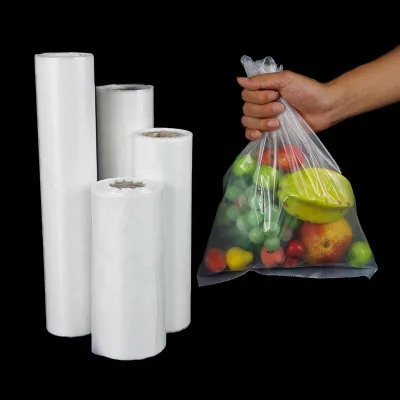
Compare 30 listings of Biodegradable Produce Bags featuring options like straight bags, vest bags, and wicket styles. Buyers can evaluate customization, certifications, and lead times for shopping, promotion, and household uses; compare the available evidence and request quotations based on your requirements.
Updated
Key considerations
Products List


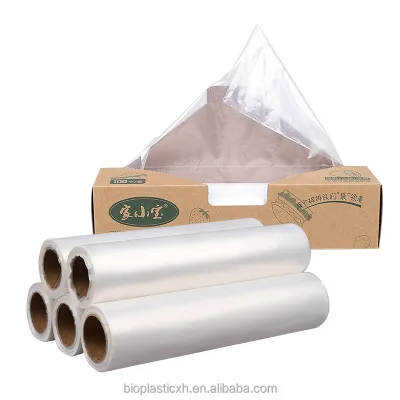
for Fruit or Vegetable Bag on a Roll Biodegradable Printed Produce Bags
$0.10 - $0.70
MOQ: 20000 Pieces


Custom Made High Quality Fully Biodegradable and Compostable Produce Bag
$6.00 - $10.00
MOQ: 5000 Rolls


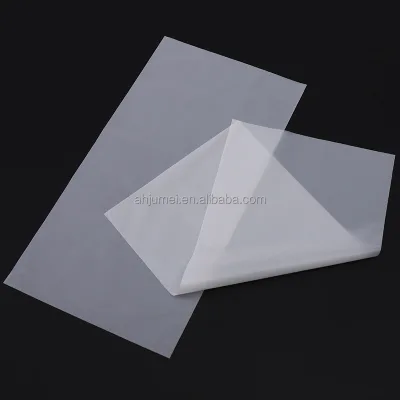
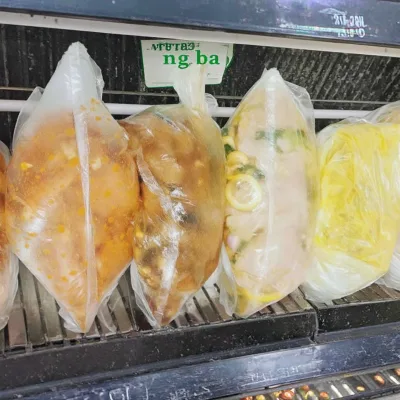
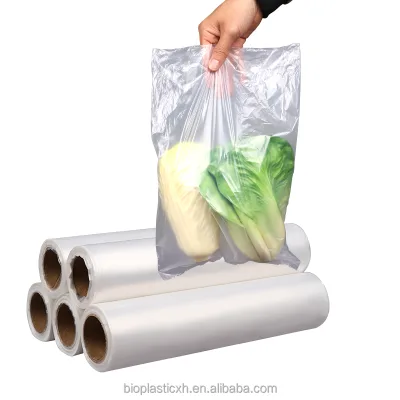
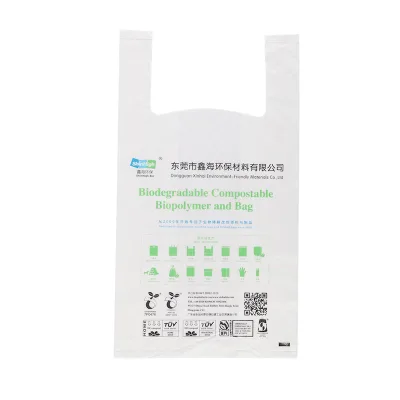
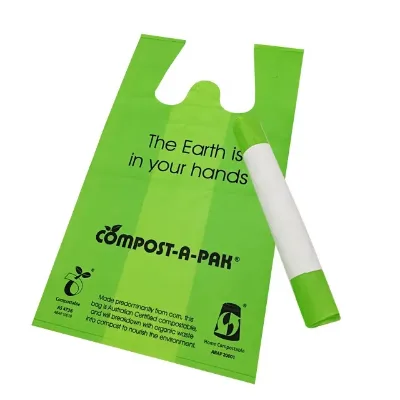
Compostable Produce Bags Eco-Friendly and Biodegradable for Fresh Produce
$0.19 - $0.36
MOQ: 5000 pieces


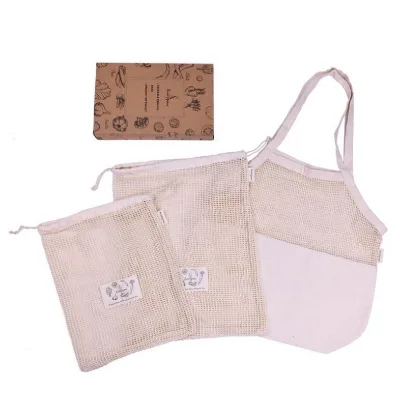
Biodegradable Reusable Organic Cotton Vegetable Bags Cotton Mesh Produce Bag with Printed Patch
$0.3022 - $0.3127
MOQ: 200 Minimum



Comprehensive Sourcing Guide
Biodegradable Produce Bags Sourcing Guide
Sourcing Biodegradable Produce Bags requires a careful balance between environmental claims and functional performance, ensuring that the packaging meets both sustainability goals and practical retail needs. Buyers must navigate a market where terms like "biodegradable" and "compostable" are often used interchangeably, yet carry distinct regulatory and technical implications. The primary objective is to identify suppliers who can provide transparent documentation regarding the material composition and end-of-life processing of their products. This guide outlines the critical steps for evaluating suppliers, verifying technical specifications, and ensuring compliance with international standards to mitigate risk in the supply chain.
Procurement teams should focus on verifying the specific type of biodegradable material used, such as PLA, PBAT, or corn starch blends, as these determine the bag’s durability and decomposition conditions. It is essential to confirm whether the bags are designed for home composting or industrial facilities, as this distinction affects disposal logistics and consumer communication. Additionally, buyers must assess the supplier’s ability to customize bag dimensions, thickness, and printing to align with brand identity and operational requirements. Establishing clear communication channels early in the sourcing process helps prevent misunderstandings regarding product performance and regulatory adherence.
Product Scope and Observed Listing Signals
The current market for Biodegradable Produce Bags offers a diverse range of product types, including straight bags, vest bags, and wicket bags, each suited to different retail environments. Observed listings indicate that these bags are commonly used for shopping, promotion, packing, and household applications, with a particular emphasis on grocery and garbage disposal uses. The weight limit for these products typically ranges from under 5 kg to 5-10 kg, suggesting versatility in handling various produce weights. Buyers should note that transparency levels vary, with many options being translucent to allow for product visibility while maintaining a premium aesthetic.
Customization is a key feature in this segment, with suppliers offering logo printing, customized colors, and specific thickness requirements to meet brand standards. The material composition often includes PE or biomaterials, with some products explicitly highlighting features such as moisture proofing, recyclability, and bio-degradability. Observed models like FK-G-019 and FK-G-002 demonstrate the variety in design, with options for flat bottoms and self-sealing closures. Procurement teams should evaluate these signals to determine which product attributes align with their specific operational needs and sustainability targets.
Technical Specifications to Verify
When evaluating Biodegradable Produce Bags, buyers must verify critical technical specifications such as thickness, GSM, and sealing methods to ensure product reliability. The thickness is often customizable, allowing for adjustments based on the weight and fragility of the produce being packaged. GSM values are typically determined by customer orders, meaning buyers should specify their requirements clearly to avoid inconsistencies in product quality. Sealing methods, such as heat sealing, are standard, but buyers should confirm the compatibility of these methods with their existing packaging equipment to prevent operational disruptions.
Material composition is another vital specification, with options including PLA, PBAT, and corn starch blends. These materials influence the bag’s strength, flexibility, and decomposition rate, so buyers should request detailed material data sheets to understand the exact blend used. Additionally, the closure type, such as self-sealing mechanisms, and handle styles, like patch handles, should be verified to ensure they meet ergonomic and functional requirements. Buyers should also confirm the bag’s capacity, which can range from 1L to 1.5L, to ensure it suits the intended produce items.
Compliance and Safety Documentation
Compliance with international standards is crucial for Biodegradable Produce Bags, particularly when targeting markets with strict environmental regulations. Certifications such as ISO, BSCI, TUV Ok Compost, and Seedling are commonly observed, indicating that the products meet specific quality and sustainability criteria. Buyers should request copies of these certifications to verify their validity and ensure they cover the specific product lines being sourced. Additionally, compliance with EN 13432 and FDA standards is often required for food-contact applications, so buyers must confirm that the bags are safe for direct produce contact.
Beyond certifications, buyers should inquire about the testing protocols used to validate biodegradability claims. This includes understanding the conditions under which the bags decompose, such as temperature and humidity levels in industrial composting facilities. Documentation should also cover any chemical restrictions or safety standards relevant to the target market, such as REACH or Prop 65. By thoroughly reviewing these documents, buyers can mitigate the risk of non-compliance and ensure that their products meet all regulatory requirements.
Cost Drivers and Commercial Terms
Several factors influence the cost of Biodegradable Produce Bags, including material composition, customization requirements, and order volume. The use of biomaterials like PLA and PBAT can be more expensive than traditional plastics, so buyers should compare quotes based on material quality and performance. Customization options, such as logo printing and specific thicknesses, may also impact pricing, so it is important to define these requirements clearly to avoid unexpected costs. Minimum order quantities (MOQs) vary, with some suppliers requiring as little as 1 unit and others up to 50,000, so buyers should align their orders with their inventory needs.
Lead times and delivery terms are also significant commercial considerations, with typical lead times ranging from 10 to 30 days. Buyers should negotiate clear delivery schedules and penalties for delays to ensure supply chain reliability. Payment terms, such as deposits or letters of credit, should be discussed upfront to establish a mutually agreeable financial arrangement. Additionally, buyers should inquire about sample policies, as some suppliers offer free samples to help evaluate product quality before committing to large orders.
Supplier Qualification and Quality Control
Supplier qualification is a critical step in sourcing Biodegradable Produce Bags, requiring a thorough assessment of the supplier’s manufacturing capabilities and quality control processes. Buyers should verify the supplier’s production facilities, including their equipment for plastic packaging bags and printing processes. It is also important to assess the supplier’s experience in producing biodegradable products, as this indicates their expertise in handling specialized materials. Requesting references or case studies from previous clients can provide additional insights into the supplier’s reliability and product quality.
Quality control measures should be clearly defined, including inspection protocols for raw materials, in-process checks, and final product testing. Buyers should ensure that the supplier has a robust system for tracking and addressing defects, as well as a process for continuous improvement. Regular audits of the supplier’s facilities can help maintain high standards and identify potential issues early. By establishing a strong quality control framework, buyers can ensure that the Biodegradable Produce Bags meet their specifications and performance expectations.
Long-Term Procurement Checks
Long-term procurement success with Biodegradable Produce Bags depends on ongoing monitoring of supplier performance and market trends. Buyers should establish key performance indicators (KPIs) to track metrics such as delivery times, product quality, and compliance with sustainability claims. Regular reviews of these metrics can help identify areas for improvement and ensure that the supplier continues to meet expectations. Additionally, buyers should stay informed about changes in regulations and consumer preferences related to biodegradable packaging, as these factors can impact product demand and compliance requirements.
Building a strong relationship with the supplier is also essential for long-term success, involving open communication and collaborative problem-solving. Buyers should engage in regular discussions about product development and innovation, exploring new materials or designs that could enhance sustainability and performance. By maintaining a proactive approach to procurement, buyers can adapt to market changes and ensure a steady supply of high-quality Biodegradable Produce Bags. This strategic focus helps mitigate risks and supports the achievement of long-term sustainability goals.
FAQs
What materials are used for Biodegradable Produce Bags?
These bags are manufactured from PE or biomaterials including PLA, Pbat, and corn starch. This composition ensures the product is bio-degradable and recyclable while maintaining moisture-proof properties suitable for food, promotion, and household applications.
Can these bags be customized with a logo?
Yes, customization is available with logo printing options. Buyers can request specific bag colors and printing designs as required. The OEM service allows for tailored branding, making these straight or vest bags ideal for shopping, packing, and promotional gifts.
What certifications do the biodegradable bags hold?
The products hold ISO, BSCI, TUV Ok Compost, Seedling, and En13432 FDA certifications. These credentials verify the biodegradable nature and safety of the bags, ensuring compliance with international standards for food contact and environmental sustainability in global trade.
What is the typical lead time for orders?
The standard lead time ranges from 10 to 30 days depending on the order specifics. Some production lines indicate a delivery time of 20 days, while others allow 10-25 days. Buyers should confirm exact timelines based on their specific customization and volume requirements.
What is the minimum order quantity for these bags?
The minimum order quantity starts at 500kg for certain product models. However, general listings show an MOQ range from 1 to 50,000 units. Buyers should verify the specific MOQ for their chosen model, such as FK-G-019 or FK-G-002, to ensure alignment with production capacity.
Are samples available for quality verification?
Samples can be provided free of charge to assist with quality verification. This allows buyers to assess the softness, translucency, and sealing quality before committing to bulk orders. It is a practical step for validating the product's suitability for grocery or garbage usage.