Source CE ISO Turbine Dental Handpiece for Child, Adult, and Clinic Use
Find and compare 30 CE ISO Turbine Dental Handpiece options for child, adult, and clinic applications. Review specifications including high-speed models with up to 420,000 RPM, autoclavable designs, and various bur types to select the right equipment for your practice.
Updated
Key considerations
Products List


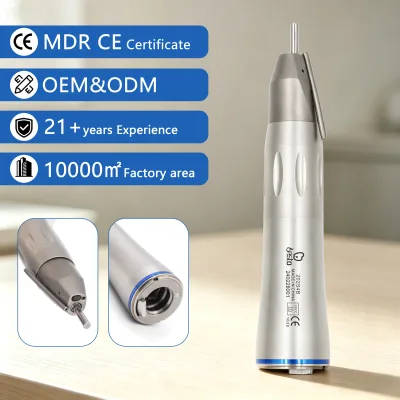
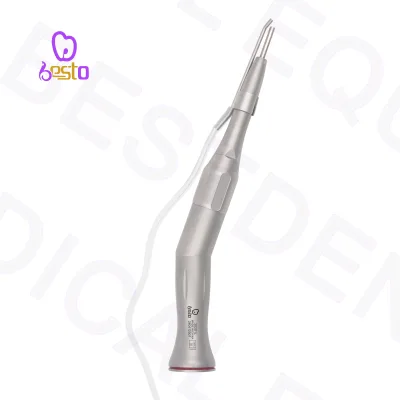
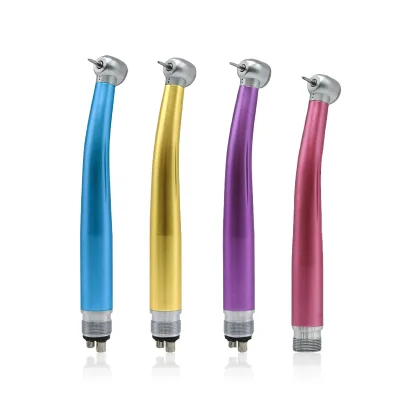
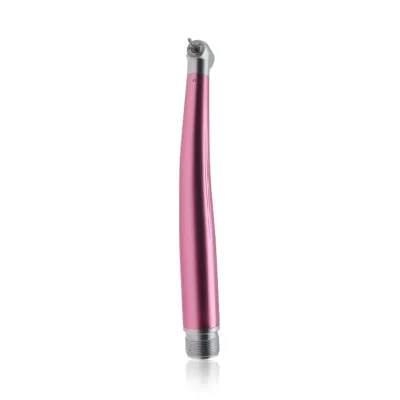


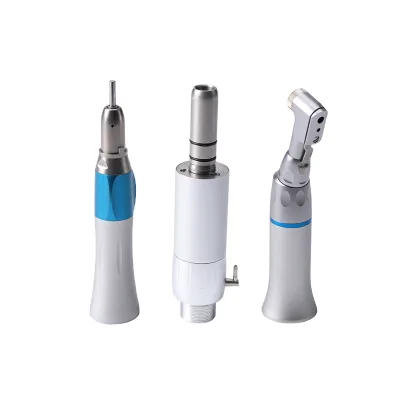
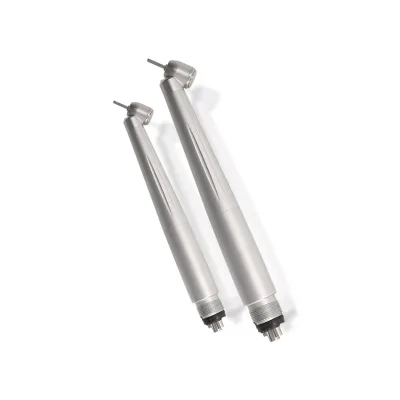
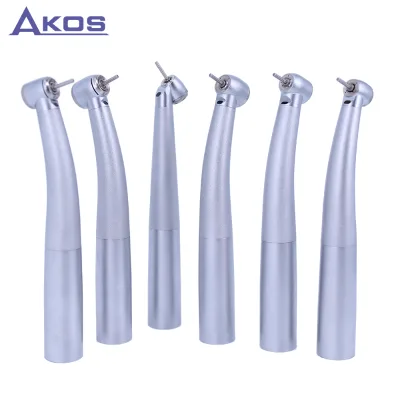
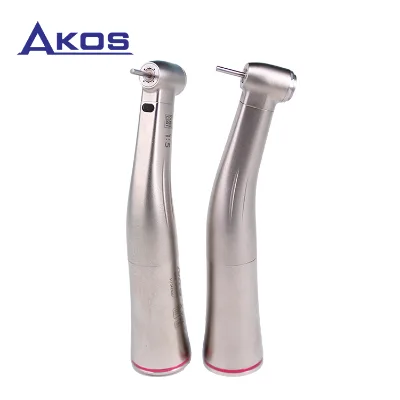
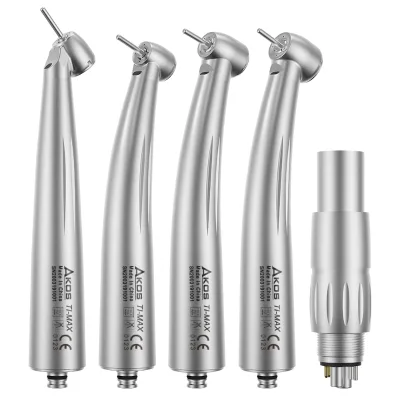
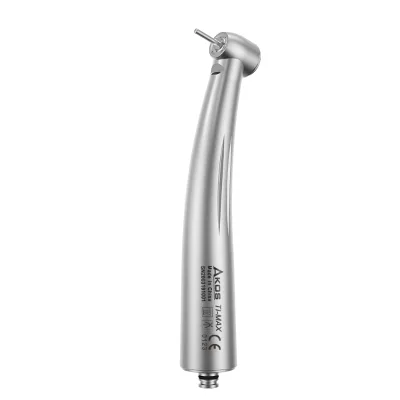
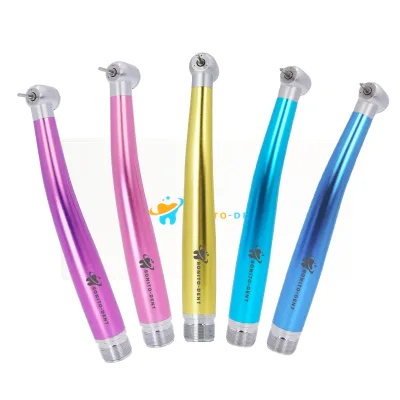
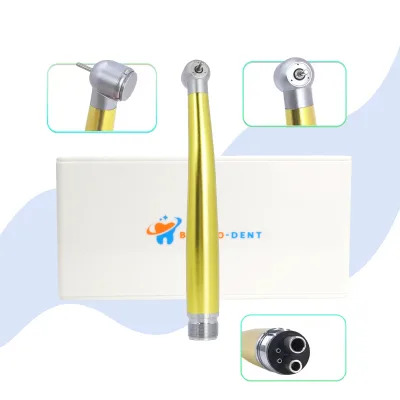
Dental Laboratory Products Dental air Turbine E Generator Handpiece
$51.8723 - $53.9473
MOQ: 1 Minimum
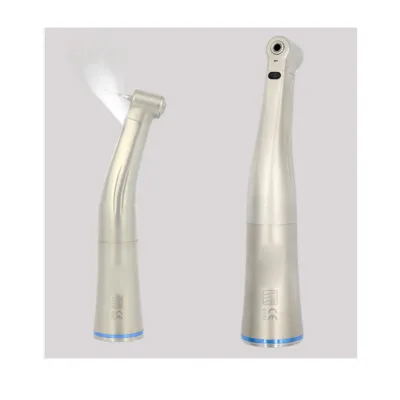
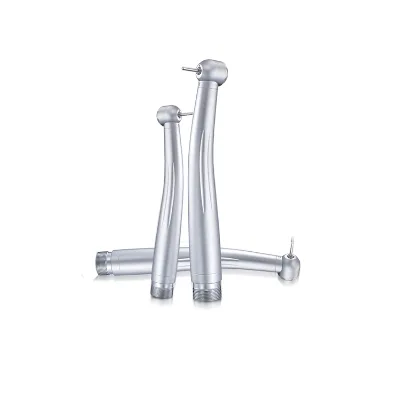
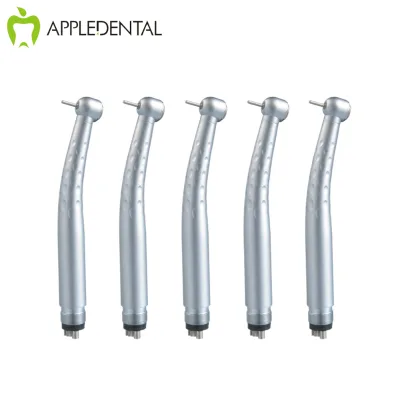
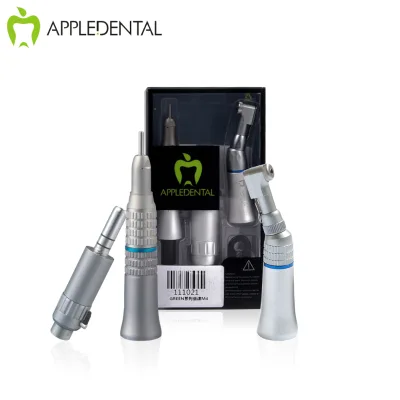
Comprehensive Sourcing Guide
CE ISO Turbine Dental Handpiece Sourcing Guide
Procuring high-speed dental turbines requires careful evaluation of technical specifications and supplier reliability to ensure clinical performance and patient safety. The market offers a variety of models, ranging from low-speed handpieces to high-speed turbines with speeds up to 420,000 RPM. Buyers must distinguish between these variants based on their specific clinical needs, such as restorative procedures or surgical applications. Understanding the core differences in bur types, water spray configurations, and bearing materials is essential for making an informed purchasing decision that aligns with practice requirements.
This guide focuses on evidence-based sourcing strategies for CE and ISO certified dental handpieces, primarily sourced from Guangdong, China. It emphasizes the importance of verifying critical attributes like autoclavability, noise levels, and light integration before placing orders. By adhering to strict verification protocols, dental practices can mitigate risks associated with equipment failure and ensure compliance with international safety standards. The following sections provide detailed insights into product scope, technical verification, compliance, cost structures, supplier qualification, and long-term maintenance checks.
Product Scope and Observed Listing Signals
The current market landscape for dental handpieces includes a diverse range of products, with observed prices varying significantly from $3.99 to $140 USD. This wide price range reflects differences in build quality, bearing types, and additional features such as LED lighting or fiber optic illumination. Buyers should note that the minimum order quantity (MOQ) typically ranges from 1 to 10 units, allowing for flexible procurement strategies for both individual practitioners and larger clinics. Understanding these market signals helps in budgeting and selecting suppliers that offer the best value for specific clinical needs.
Product listings often highlight key attributes such as material composition, condition, and customization options. Most observed products are made of stainless steel, ensuring durability and resistance to corrosion during repeated sterilization cycles. The condition is consistently listed as "New," and customization is available for many suppliers, allowing for tailored solutions. Additionally, the shelf life is generally stated as one year, and after-sale services often include replacement policies. These factors contribute to the overall value proposition and should be carefully weighed against the initial purchase price and long-term operational costs.
Technical Specifications to Verify
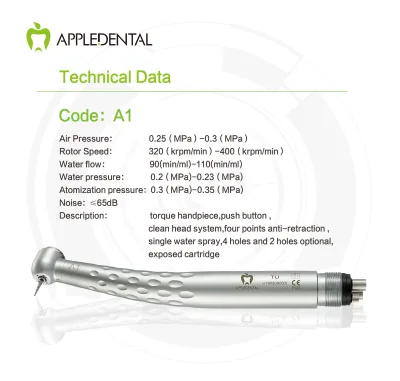
Verifying technical specifications is crucial for ensuring that the selected handpiece meets clinical requirements. Key attributes to check include the rotating speed, with options ranging from low-speed handpieces to high-speed turbines reaching up to 420,000 RPM. The bur type is another critical factor, with common sizes including 2.35 mm and 1.6 mm FG burs. Additionally, the water spray type, whether internal and external or inner sprays, affects cooling efficiency and visibility during procedures. Buyers should also consider the head diameter, with options for middle or small heads, to ensure compatibility with existing dental equipment.
Other important specifications include the noise level, which should be ≤70db for patient comfort, and the light source, with options for fiber optic or LED lighting. The exhaust way, whether internal or external, impacts the cleanliness of the operating field. Bearing quality is another significant factor, with German bearings and ceramic bearings offering different performance characteristics. The connection type, with or without a quick connector, and the number of holes, such as four holes, also influence usability and integration with dental units. These details must be verified to ensure optimal performance and compatibility.
Compliance and Safety Documentation
Compliance with international standards is non-negotiable for dental handpieces, particularly those intended for use in regulated markets. The CE mark indicates conformity with health, safety, and environmental protection standards for products sold within the European Economic Area. Similarly, ISO certification ensures that the manufacturer adheres to rigorous quality management systems. Buyers should request documentation to verify these certifications, ensuring that the products meet the necessary regulatory requirements. This step is essential for mitigating legal risks and ensuring patient safety.
In addition to certifications, buyers should verify the autoclavability of the handpieces, with many models rated for sterilization at 135 degrees Celsius. This capability is crucial for maintaining hygiene and preventing cross-contamination between patients. The shelf life of the products, typically one year, should also be confirmed to ensure that the equipment remains effective and safe for use. By prioritizing compliance and safety documentation, dental practices can ensure that their equipment meets the highest standards of quality and reliability.
Cost Drivers and Commercial Terms
Several factors influence the cost of dental handpieces, including material quality, bearing type, and additional features such as lighting and water spray systems. High-speed turbines with German or ceramic bearings tend to be more expensive due to their superior performance and durability. The inclusion of LED lights or fiber optic illumination also adds to the cost, providing better visibility during procedures. Buyers should consider these features when evaluating the total cost of ownership, as they can significantly impact clinical efficiency and patient outcomes.
Commercial terms, such as MOQ and after-sale service, also play a role in the overall cost structure. While MOQs are generally low, ranging from 1 to 10 units, bulk purchases may offer discounts. After-sale services, including replacement policies, can reduce long-term costs by minimizing downtime due to equipment failure. Buyers should negotiate these terms carefully to ensure they receive the best value for their investment. Additionally, understanding the packing details, such as box sizes and quantities per package, can help in logistics planning and storage management.
Supplier Qualification and Quality Control
Selecting a reliable supplier is critical for ensuring the quality and consistency of dental handpieces. Buyers should verify the supplier's location, with many manufacturers based in Guangdong, China, a hub for dental equipment production. It is essential to confirm the supplier's ability to provide CE and ISO certifications, as well as any other relevant quality standards. Requesting samples before placing large orders can help assess the build quality, performance, and compliance of the products. This step is crucial for identifying potential issues early in the procurement process.
Quality control measures should also be evaluated, including the supplier's manufacturing processes and testing protocols. Buyers should inquire about the bearing quality, with options such as German bearings and ceramic bearings, and verify the autoclavability of the handpieces. Additionally, checking the supplier's after-sale service policies, such as replacement guarantees, can provide peace of mind. By conducting thorough due diligence, dental practices can ensure that they partner with suppliers who prioritize quality and reliability, reducing the risk of equipment failure and ensuring consistent clinical performance.
Long-Term Procurement Checks
Long-term procurement success depends on regular monitoring of equipment performance and supplier reliability. Buyers should establish a schedule for routine maintenance and sterilization checks to ensure that handpieces remain in optimal condition. This includes verifying the integrity of the bearings, water spray systems, and light sources. Regular inspections can help identify potential issues before they lead to equipment failure, minimizing downtime and ensuring consistent patient care. Additionally, keeping track of the shelf life and replacement policies can help in planning for future purchases.
Building a strong relationship with the supplier is also important for long-term procurement. Buyers should maintain open communication regarding any issues or concerns, leveraging after-sale services such as replacement policies. Regular feedback on product performance can help suppliers improve their offerings and address any recurring issues. By staying proactive in monitoring equipment performance and maintaining strong supplier relationships, dental practices can ensure a steady supply of high-quality handpieces, supporting their clinical operations and patient care standards.
FAQs
What certifications do these dental handpieces hold?
These dental handpieces hold CE and ISO certifications, ensuring compliance with international safety and quality standards for medical devices. This validation supports their use in professional clinical settings, providing buyers with confidence in regulatory adherence and product reliability for both adult and pediatric applications.
Can these handpieces be customized for specific needs?
Yes, customization is available for these dental handpieces, allowing buyers to tailor specifications to their clinical requirements. This flexibility supports diverse operational needs, ensuring that the equipment can be adapted for specific procedural workflows while maintaining the high-performance standards expected in professional dental practices.
What is the maximum speed of the high-speed model?
The high-speed model achieves a maximum speed of 420,000 RPM, providing efficient cutting performance for various dental procedures. This high rotational speed is supported by German bearings, ensuring stability and precision during operation, which is critical for achieving clean cuts and reducing treatment time in clinical settings.
How is the lighting integrated into the handpiece design?
Lighting is integrated via fiber optics or LED light sources, depending on the specific model selected. Some variants include LED light for enhanced visibility, while others may lack light sources entirely. This variation allows practitioners to choose the configuration that best suits their procedural lighting requirements and preferences.
Are these handpieces autoclavable for sterilization?
Yes, these handpieces are autoclavable at 135 degrees, ensuring effective sterilization between patient uses. This feature supports strict infection control protocols in dental clinics, allowing for safe and repeated use of the equipment without compromising hygiene standards or the structural integrity of the handpiece components.
What is the net weight of the different models?
The net weight varies by model, ranging from 88g to 200g. Lighter models, such as those weighing 88g or 135g, offer reduced fatigue during extended procedures, while heavier models at 200g may provide different balance characteristics. Buyers can select the weight that best matches their ergonomic preferences.