Source CE Dental Laboratory Case with Clip for trays, pans, and storage
Compare 30 CE Dental Laboratory Case with Clip options from verified Chinese suppliers. These plastic work trays and neaten cases feature manual operation, CE certification, and various colors for dental lab separating and model storage applications; compare the available evidence and request quotations based on your requirements.
Updated
Key considerations
Products List
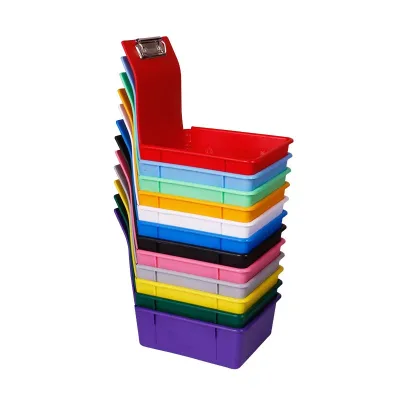
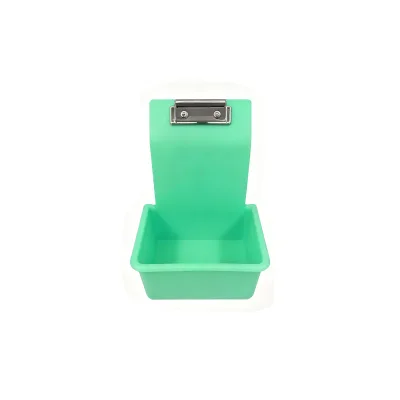
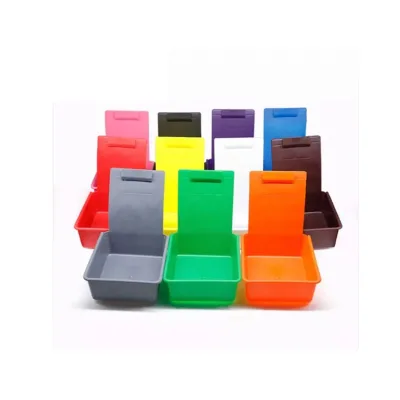
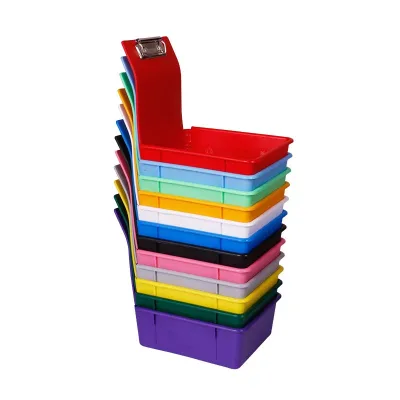
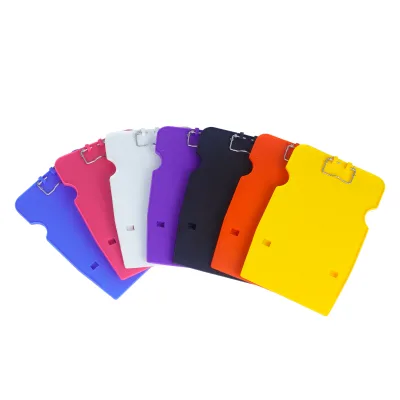


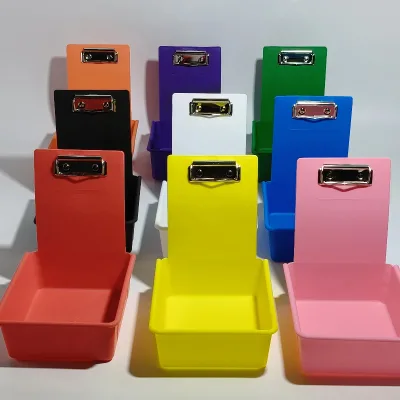
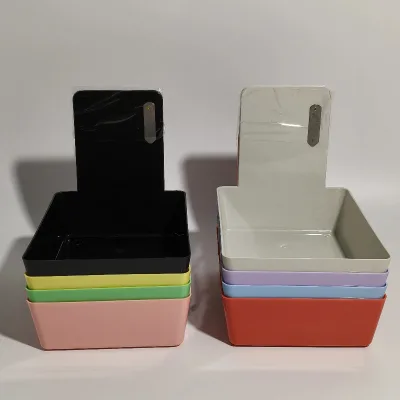


Dental Model Sorting and Placement Box with Iron Clip Dental Lab Work Pan Case Box
$0.55 - $1.00
MOQ: 100 Pieces


Dental Lab Working Case Pan Tray Durable Plastic Work Case Pans with Clip Holder
$0.55 - $1.00
MOQ: 100 Pieces


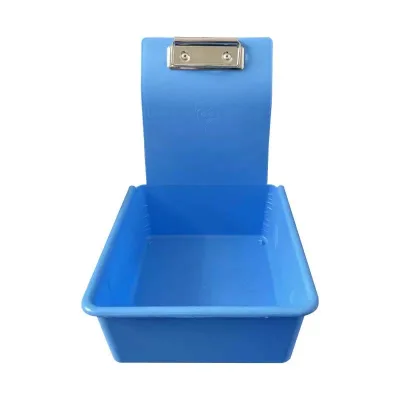
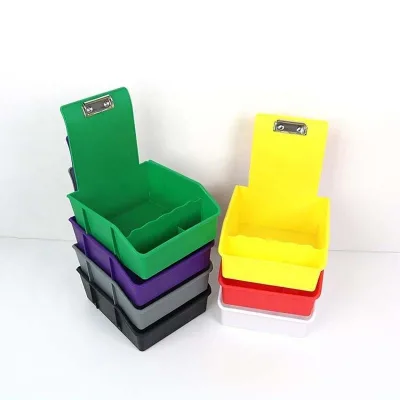
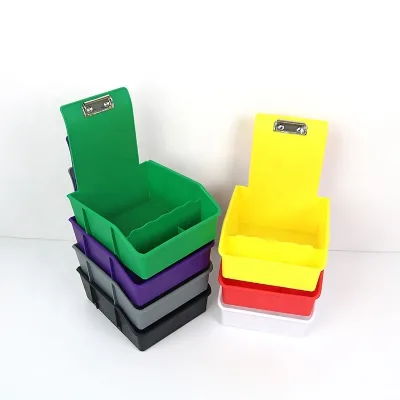
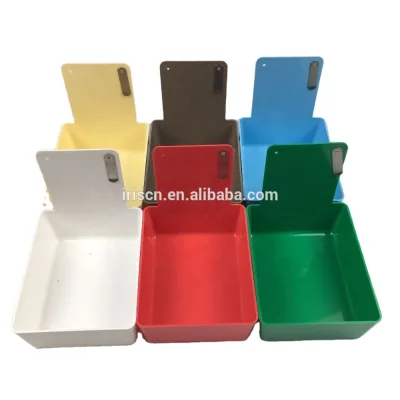
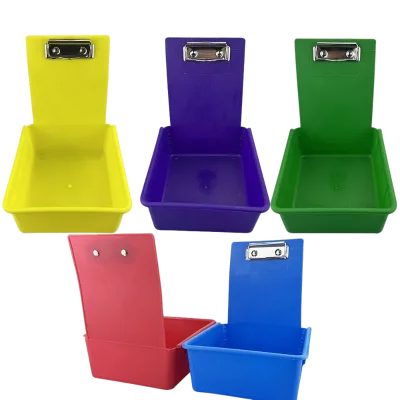
$0.8796 - $1.2402
MOQ: 100 Minimum



Comprehensive Sourcing Guide
CE Dental Laboratory Case with Clip Sourcing Guide
Procuring CE-certified dental laboratory cases with clip mechanisms requires a disciplined approach to verifying both material integrity and functional reliability. These tools are essential for organizing and transporting dental models, ensuring that delicate plaster or resin structures remain secure during transit and storage. Buyers must prioritize suppliers who provide transparent documentation regarding the CE marking, as this certification indicates compliance with European health, safety, and environmental protection standards. Without verified certification, the risk of regulatory non-compliance in international markets increases significantly, potentially leading to customs delays or product recalls.
The market offers a variety of options ranging from manual, single-piece units to bulk industrial supplies, each with distinct operational characteristics. Observations indicate that these cases are typically constructed from durable plastic materials, such as polypropylene, designed to withstand repeated cleaning and sterilization cycles common in dental laboratories. The inclusion of a clip holder is a critical feature, providing a secure closure mechanism that prevents accidental opening and protects the contents from contamination or damage. Sourcing decisions should be guided by the specific volume requirements of the laboratory, balancing the need for individual unit flexibility against the cost efficiencies of bulk procurement.
Product Scope and Observed Listing Signals
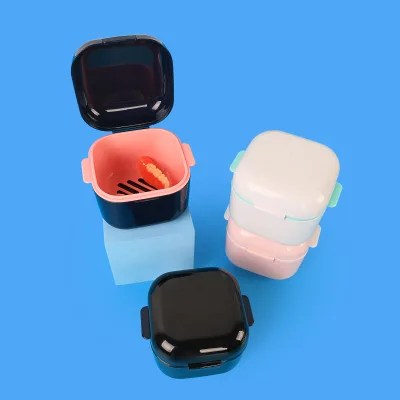
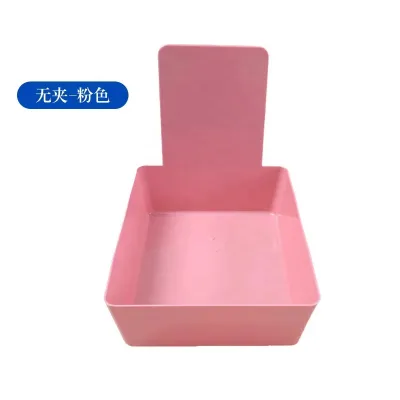
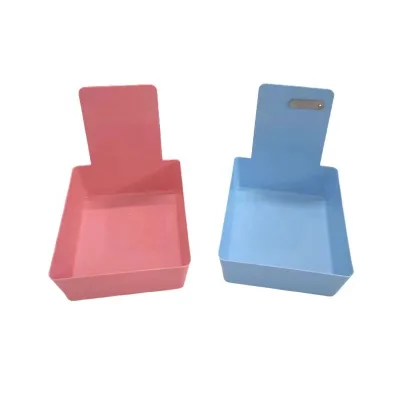
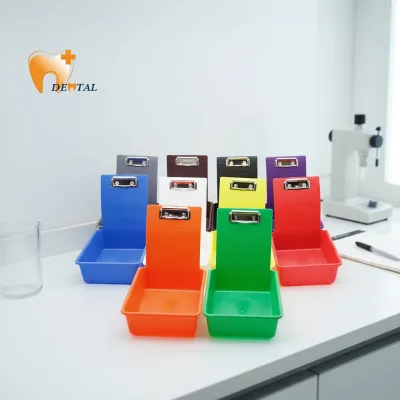
Current market listings reveal a diverse range of product attributes, including multiple color options such as blue, green, red, yellow, white, orange, black, grey, purple, cyan, sky blue, and pink. This variety allows laboratories to implement color-coding systems for different types of dental models or patient records, enhancing organizational efficiency. The product names vary, with terms like "Neaten Case," "Dental Lab Work Pan," and "Plastic Work Case Pans with clip holder" appearing frequently. These variations suggest that while the core function remains consistent, manufacturers may differentiate their offerings through specific design features or branding strategies.
Observed specifications highlight significant variability in physical dimensions and packaging. Single package sizes range from compact units measuring 10x10x20 cm to larger configurations like 22x25x15 cm and 24x21x10 cm. This diversity in size accommodates different model dimensions, from small partial dentures to full arch impressions. Additionally, the gross weight of individual units varies, with observations noting weights of 0.500 kg and 0.200 kg, indicating differences in material thickness or structural reinforcement. Buyers should carefully match these physical specifications to their laboratory’s workflow to ensure optimal storage and handling efficiency.
Technical Specifications to Verify
Verifying the material composition is a primary technical requirement, as the durability and chemical resistance of the case directly impact its lifespan. Most observed products are made from plastic, specifically polypropylene (PP), which offers a favorable balance of strength, lightweight properties, and resistance to common dental chemicals. Buyers should confirm that the material is food-grade or medical-grade if the cases will come into direct contact with sterilization agents or biological samples. The manual power source classification indicates that these are non-electronic, passive storage solutions, which simplifies maintenance and reduces the risk of mechanical failure.
Dimensional accuracy and packaging consistency are critical for logistics and storage planning. The single gross weight and package dimensions must align with the supplier’s declared specifications to avoid unexpected shipping costs or storage issues. For instance, some listings indicate a single package size of 20x10x10 cm with a gross weight of 0.200 kg, while others show larger dimensions. Buyers should request detailed technical drawings or physical samples to verify that the clip mechanism functions smoothly and that the internal dimensions adequately accommodate the intended dental models without excessive slack or tightness.
Compliance and Safety Documentation
The presence of CE certification is a non-negotiable requirement for sourcing these products for markets in Europe and other regions that recognize CE marking. Buyers must request valid CE certificates from suppliers, ensuring that the documentation is current and covers the specific model numbers being purchased. The certification should attest to compliance with relevant directives, such as the Medical Devices Regulation (MDR) if the product is classified as a medical device, or general product safety directives if it is considered a laboratory accessory. Without proper documentation, the product may be deemed non-compliant, leading to legal and operational risks.
In addition to CE certification, other quality certifications may be present, though their specific applicability depends on the supplier’s claims. Buyers should verify any additional certifications, such as ISO standards, to ensure they meet the laboratory’s internal quality management requirements. The warranty period, often listed as one year, provides a baseline for product reliability, but buyers should clarify the terms of coverage, including whether it covers manufacturing defects or normal wear and tear. Clear warranty terms are essential for managing long-term procurement costs and ensuring that defective units can be replaced or repaired efficiently.
Cost Drivers and Commercial Terms
Pricing for these dental laboratory cases varies significantly based on order volume, material quality, and customization options. Observed price ranges span from low-cost individual units to higher-priced bulk orders, reflecting the economies of scale inherent in plastic manufacturing. Buyers should analyze the cost per unit across different minimum order quantities (MOQs), which range from single pieces to thousands of units. Understanding these pricing tiers helps in optimizing inventory levels and cash flow, allowing laboratories to balance the need for immediate availability with the benefits of bulk purchasing discounts.
Commercial terms, including lead times and payment conditions, also influence the total cost of ownership. Lead times can vary from a few days to several weeks, depending on the supplier’s production capacity and current order backlog. For example, some suppliers offer delivery within 5-10 workdays, while others may require 15-30 working days. Buyers should negotiate clear delivery schedules and penalty clauses for delays to mitigate supply chain disruptions. Additionally, understanding the packaging details, such as 50 pieces per carton, helps in calculating shipping costs and storage requirements accurately.
Supplier Qualification and Quality Control
Evaluating supplier qualifications is crucial for ensuring consistent product quality and reliable service. Buyers should assess the supplier’s production capabilities, including their supply ability, which may range from 1000 pieces per day to higher volumes. A robust supply chain ensures that orders can be fulfilled promptly, even during peak demand periods. Additionally, suppliers should have established quality control processes in place, such as random sampling inspections or full batch testing, to ensure that each unit meets the specified dimensions and functional requirements.
After-sales support is another key factor in supplier selection. Suppliers offering online technical support can provide valuable assistance in troubleshooting issues or providing guidance on product usage. Buyers should verify the availability and responsiveness of this support before finalizing a contract. Furthermore, the option to request samples allows buyers to physically inspect the product quality, test the clip mechanism, and verify the material durability. This step is essential for validating the supplier’s claims and ensuring that the product meets the laboratory’s specific needs before committing to a large order.
Long-Term Procurement Checks
Establishing long-term procurement relationships requires regular performance monitoring and periodic re-evaluation of supplier capabilities. Buyers should track key performance indicators such as on-time delivery rates, product defect rates, and responsiveness to customer inquiries. Consistent performance in these areas indicates a reliable supplier who can support the laboratory’s ongoing needs. Additionally, buyers should stay informed about changes in regulatory requirements, such as updates to CE marking standards or new material safety regulations, to ensure continued compliance.
Continuous improvement in product design and material technology may also impact procurement decisions. Suppliers who invest in research and development may offer improved products with enhanced durability, better clip mechanisms, or more eco-friendly materials. Buyers should engage in regular dialogue with suppliers to discuss potential upgrades or new product offerings. By maintaining a proactive approach to supplier management, laboratories can ensure that their procurement strategy remains aligned with their operational goals and regulatory obligations, securing a steady supply of high-quality dental laboratory cases.
FAQs
What certifications are available for CE Dental Laboratory Case with Clip products?
CE certification is available for these dental lab work pans. The product is classified as Class I medical instrument. This ensures compliance with relevant safety standards for dental laboratory equipment. Buyers can verify this quality certification directly on the product page before placing orders for their clinical or laboratory needs.
How much is the minimum order quantity for CE Dental Laboratory Case with Clip?
The minimum order quantity varies by supplier. Some vendors require a minimum of 10 pieces, while others accept just 1 piece. This flexibility allows small clinics to test samples before committing to larger bulk purchases. Buyers should check specific supplier listings to confirm the exact MOQ applicable to their order size.
Which materials are used to make CE Dental Laboratory Case with Clip trays?
These trays are primarily manufactured from PP plastic. The material ensures durability and resistance to common dental laboratory chemicals. The plastic construction makes the neaten case lightweight yet sturdy for handling dental models. Buyers can rely on this material composition for long-term use in professional dental laboratory environments.
Can buyers get samples of CE Dental Laboratory Case with Clip before bulk ordering?
Yes, samples are offered by many suppliers. This allows buyers to inspect the quality, color options, and clip mechanism before committing to a large purchase. The sample availability reduces sourcing risk. Buyers can request these samples to verify that the product meets their specific dental laboratory requirements and quality expectations.
What is the typical lead time for CE Dental Laboratory Case with Clip orders?
Delivery times typically range from 5 to 30 working days depending on the supplier. Some manufacturers offer faster delivery within 5 to 10 workdays, while others may require 15 to 30 working days. Buyers should confirm the specific lead time with their chosen vendor to ensure timely delivery for their laboratory operations.
Where are CE Dental Laboratory Case with Clip products manufactured?
These products are manufactured in China, specifically in regions like Jiangsu, Anhui, and Hebei. The place of origin indicates the manufacturing hub for these dental lab separating trays. Buyers can trace the supply chain back to these specific Chinese provinces when evaluating supplier locations and logistics for their procurement needs.