Source Class II Wireless Tens Machine for Pain Relief
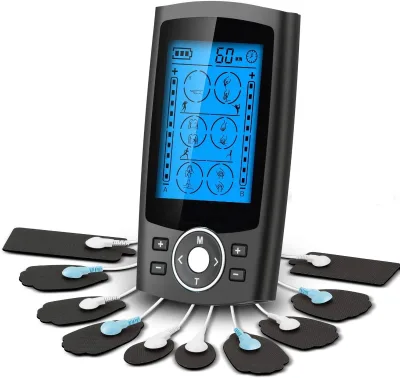
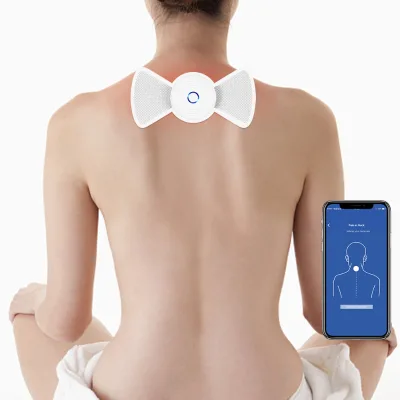
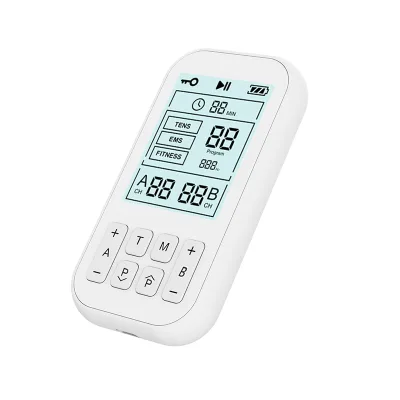
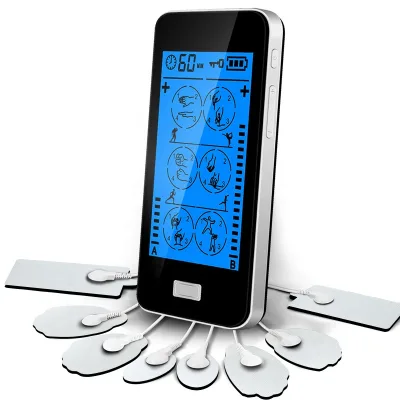
Find and compare 30 Class II Wireless Tens Machine options from China. These devices offer EMS and TENS therapy for pain relief, muscle conditioning, and body relaxing. View specs like battery capacity, intensity levels, and modes to select the right unit for your needs.
Updated
Key considerations
Products List
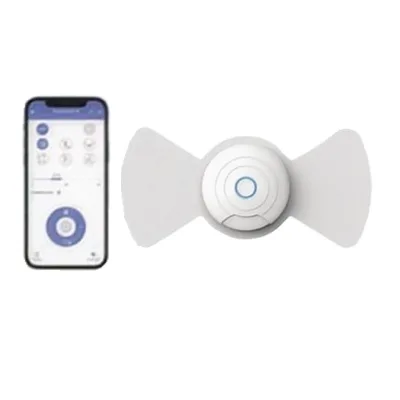
App Operation Muscle Simulator Tens and Ems Pain Relief Wireless China Tens Machine
$10.282 - $19.0216
MOQ: 20 Minimum
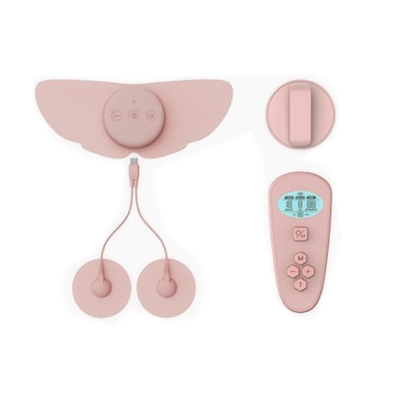
Abdominal Tensing Machine Ens Tens Unit Rechargeable Wireless Tens Machine From China
$6.1695 - $16.9661
MOQ: 20 Minimum
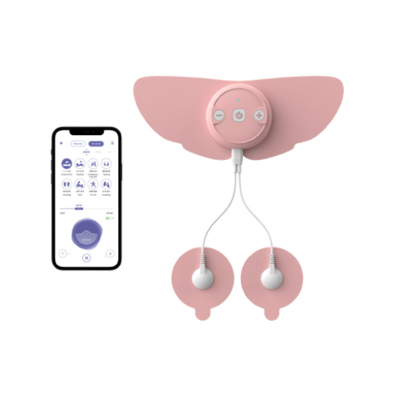
26 Mode 4 in 1 Wireless Tens Machine Unit for From China for Physical Therapy Equipment
$10.2057 - $21.4302
MOQ: 20 Minimum
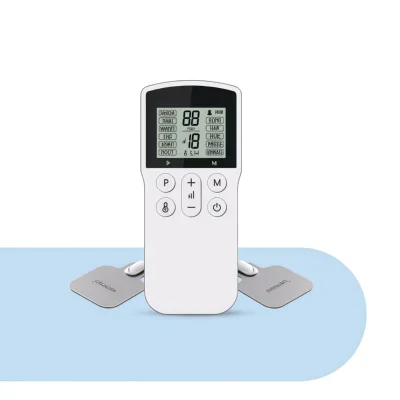
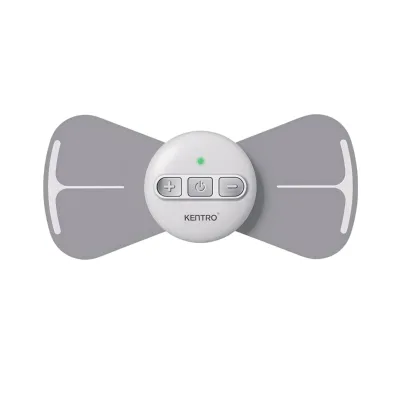
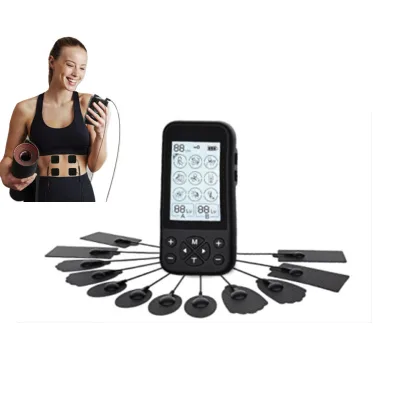
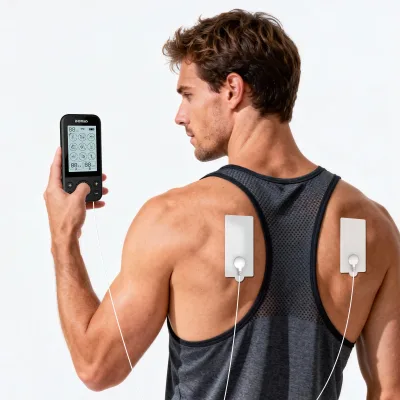
Mini Digital TENS Machine Physical Therapy Equipments Tens Machine Easy Use
$12.2971 - $13.3219
MOQ: 1 pieces
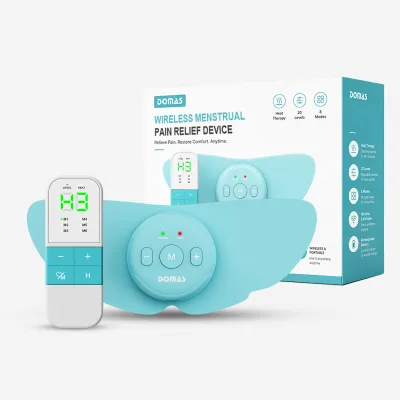
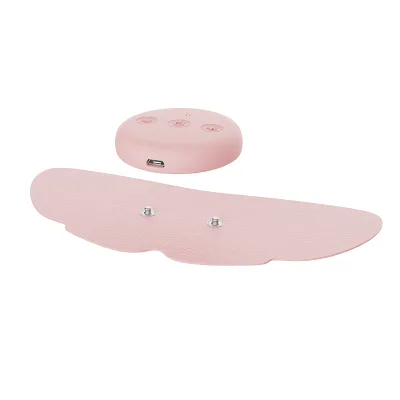
Women's Wireless TENS Machine Body Application for Calming Pain Convenient and Effective Therapy
$13.4131 - $30.9522
MOQ: 2 pieces
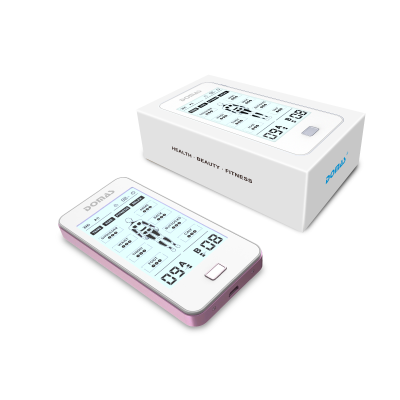
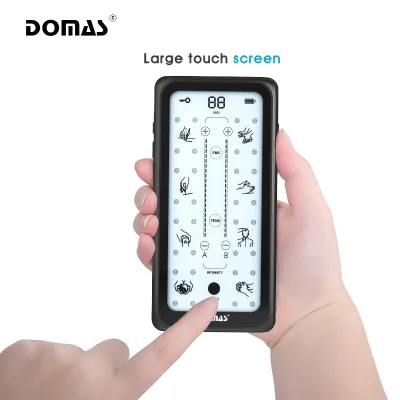
Hospital Tens Machine Large Touch Screen Tens Unit Waterproof TENS Electrodes Easy Use
$18.4442 - $19.4689
MOQ: 2 pieces
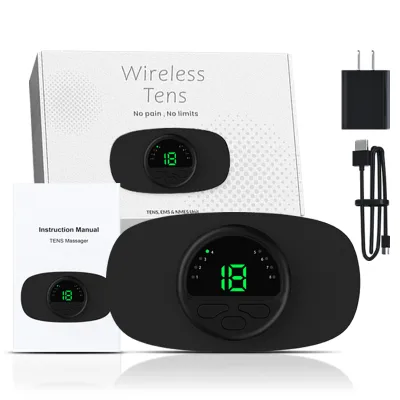
Factory Wholesale Digital TENS Machine Other Body Massage Stimulation Device
$3.5874 - $4.304
MOQ: 1 pieces
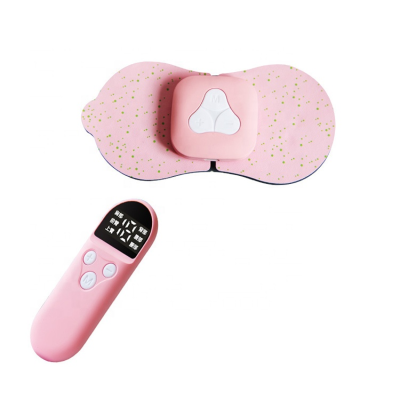
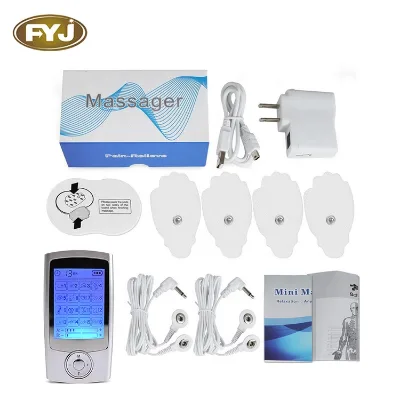
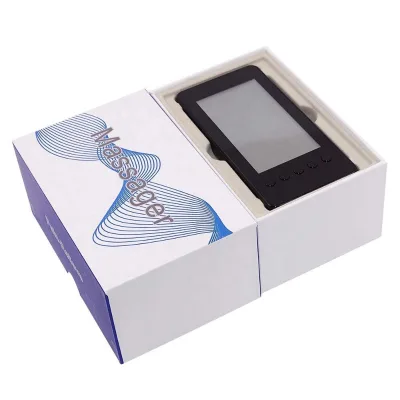
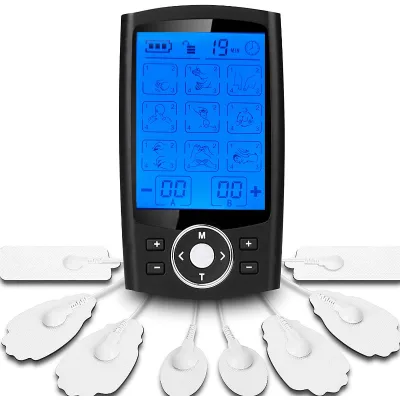
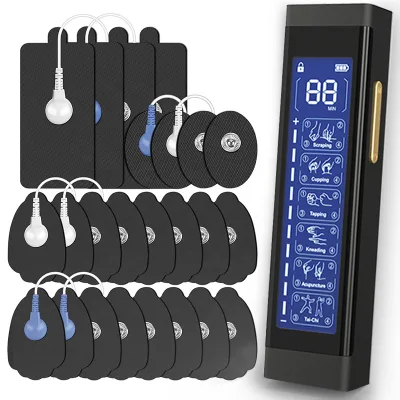
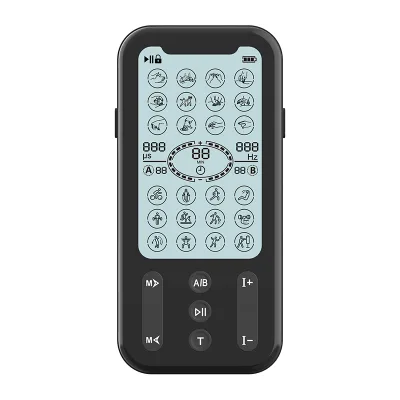
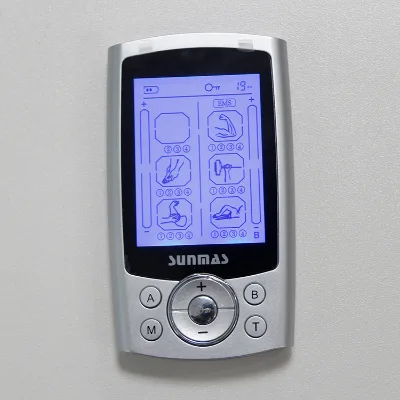
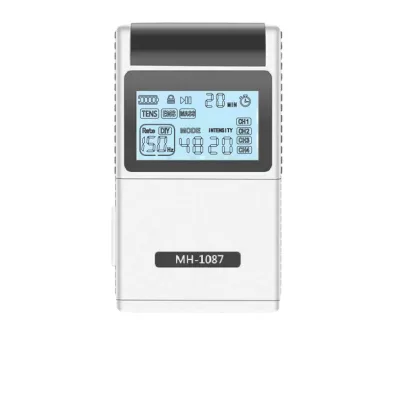
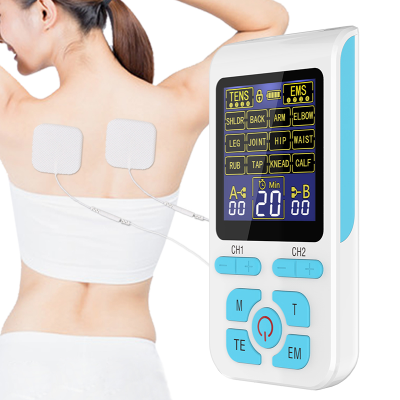
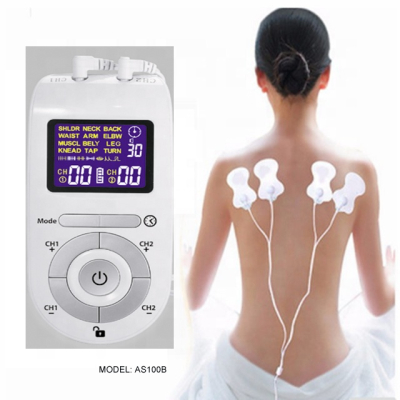
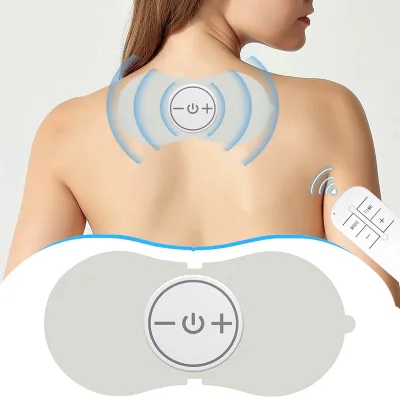
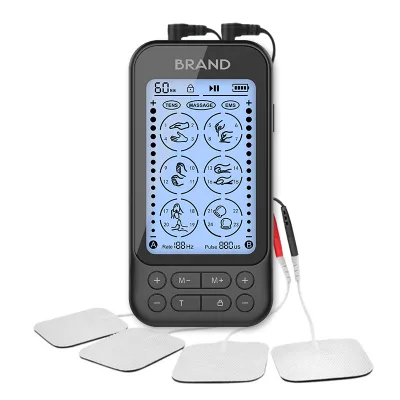
Comprehensive Sourcing Guide
Class II Wireless Tens Machine Sourcing Guide
Procuring Class II wireless TENS units requires a disciplined approach to verifying regulatory classification and technical performance. Buyers must distinguish between general wellness devices and medical-grade pain relief tools, as the Class II designation implies specific risk management and quality system requirements. The observed market listings indicate a concentration of manufacturers in Guangdong, China, offering a wide array of models that vary significantly in battery capacity, intensity levels, and connectivity features. Understanding these distinctions is critical for aligning procurement with end-user needs and regulatory compliance in target markets.
This guide outlines the essential verification steps for sourcing these devices, focusing on technical specifications, compliance documentation, and supplier qualification. By examining the observed product attributes, such as battery types, mode counts, and material compositions, buyers can establish robust evaluation criteria. The following sections provide a structured framework for assessing suppliers, negotiating commercial terms, and implementing quality control measures to ensure the delivered products meet both functional expectations and safety standards.
Product Scope and Observed Listing Signals
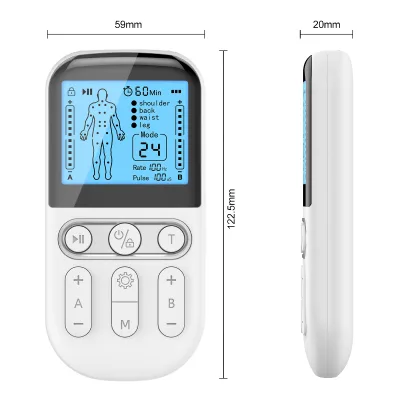
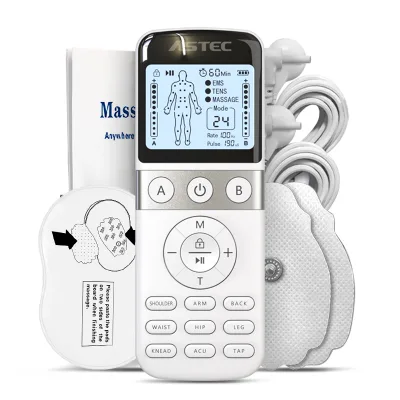
The current market landscape for wireless TENS units features diverse product configurations, ranging from basic wired massagers to advanced Bluetooth-enabled devices. Observed listings highlight models with varying battery capacities, such as 180mAh Li-batteries, and different intensity settings, including 20 or 25 levels. These variations directly impact user experience and device longevity, making it essential for buyers to specify requirements clearly. The presence of multiple modes, such as 24 or 26 distinct programs, suggests a focus on versatile pain relief and muscle conditioning applications, catering to both therapeutic and general wellness markets.
Material composition and physical attributes also play a significant role in product differentiation. Listings indicate the use of ABS plastic and other materials, with weights as low as 25g for portable units. Color options like white and pink, along with plug types including UK, US, and EU standards, reflect efforts to meet regional aesthetic and electrical preferences. Buyers should note that while these features are commonly advertised, they are observations from specific listings and may not apply to all potential suppliers. Verifying these attributes through direct supplier communication is necessary to ensure consistency across large orders.
Technical Specifications to Verify
Battery performance and power management are critical technical factors for wireless TENS devices. Buyers should verify the actual battery capacity, such as the observed 180mAh Li-battery, and confirm charging methods and lifespan expectations. The voltage specifications, typically around 3.7V, must align with safety standards for portable electronics. Additionally, the intensity levels, ranging from 16 to 25 levels in observed models, should be tested for smoothness and accuracy. Ensuring that the device can maintain consistent output across all intensity settings is vital for effective pain relief and muscle stimulation therapies.
Connectivity and software integration represent another key area for technical verification. Some models support Bluetooth connectivity, allowing for app-based control and data tracking, while others rely on standalone operation. Buyers should assess the reliability of wireless connections and the functionality of accompanying software, if applicable. Timer settings, adjustable from 0 to 60 minutes, offer flexibility for different treatment protocols. It is also important to verify the durability of the device’s casing and the quality of electrode connections, as these components directly affect user safety and device longevity during repeated use.
Compliance and Safety Documentation
Regulatory compliance is paramount when sourcing Class II medical devices. Buyers must request evidence of proper classification, such as FDA 510(k) clearance or CE marking under the Medical Device Regulation, depending on the target market. The Class II designation implies that the device poses moderate risks and requires special controls to ensure safety and effectiveness. Suppliers should provide detailed technical files, including risk management documentation and clinical evaluations, to substantiate their claims. Verifying these documents with relevant regulatory bodies is essential to avoid legal liabilities and ensure market access.
Electrical safety and electromagnetic compatibility are also critical compliance areas. Buyers should confirm that devices meet relevant international standards for electrical safety, such as IEC 60601-1, and electromagnetic compatibility, such as IEC 60601-1-2. These standards ensure that the devices operate safely in various environments and do not interfere with other medical equipment. Additionally, biocompatibility testing for materials that come into contact with the skin, such as electrode pads and device casings, should be verified. Requesting test reports from accredited laboratories provides assurance that the products meet necessary safety thresholds for consumer use.
Cost Drivers and Commercial Terms
Pricing for wireless TENS units varies based on several factors, including battery capacity, feature sets, and order volume. Observed price ranges suggest competitive pricing, but buyers should be cautious of unusually low quotes that may indicate compromised quality or hidden costs. Minimum Order Quantities (MOQs) typically range from 10 to 1000 units, influencing unit economics and inventory management. Larger orders often benefit from volume discounts, but buyers must balance cost savings with storage capabilities and demand forecasts to avoid excess inventory.
Payment terms and lead times are significant commercial considerations. Suppliers may offer various payment structures, such as deposits and balance payments upon shipment, which affect cash flow management. Lead times can vary based on production capacity and customization requirements, such as OEM or ODM services. Buyers should negotiate clear delivery schedules and penalty clauses for delays to mitigate supply chain risks. Additionally, warranty terms, typically one year for observed models, should be explicitly defined, including procedures for returns, repairs, and replacements to protect against post-sale issues.
Supplier Qualification and Quality Control
Supplier qualification involves assessing manufacturing capabilities, quality management systems, and after-sales support. Buyers should verify that suppliers have established quality control processes, including incoming material inspections, in-process checks, and final product testing. Certifications such as ISO 13485 for medical device quality management are strong indicators of a supplier’s commitment to quality. Additionally, evaluating the supplier’s technical support capabilities, such as online assistance and troubleshooting resources, ensures long-term partnership stability and customer satisfaction.
Quality control measures should extend to packaging and labeling compliance. Buyers must ensure that products are packaged securely to prevent damage during transit and that labeling meets regulatory requirements for the target market. This includes clear instructions for use, safety warnings, and component identification. Implementing pre-shipment inspections is a recommended practice to verify product conformity before goods leave the factory. These inspections should cover functional testing, aesthetic checks, and packaging accuracy, providing an additional layer of assurance before final payment and shipment.
Long-Term Procurement Checks
Continuous monitoring of supplier performance is essential for maintaining product quality and supply chain reliability. Buyers should establish key performance indicators (KPIs) related to delivery times, defect rates, and customer feedback to evaluate supplier effectiveness over time. Regular audits, either on-site or virtual, can help identify potential issues early and ensure ongoing compliance with quality standards. Building a strong relationship with suppliers through open communication and collaborative problem-solving fosters trust and encourages continuous improvement in product design and manufacturing processes.
Market trends and regulatory changes require proactive adaptation in procurement strategies. Buyers should stay informed about updates in medical device regulations and technological advancements in TENS therapy. This includes monitoring competitor offerings and customer preferences to adjust product specifications accordingly. Additionally, diversifying the supplier base can mitigate risks associated with single-source dependencies. By maintaining a flexible and informed procurement approach, buyers can ensure a steady supply of high-quality Class II wireless TENS units that meet evolving market demands and regulatory requirements.
FAQs
What is the battery capacity of the ROBL 9187 model?
The ROBL 9187 model features an 180mAh lithium battery. This power source supports wireless operation for pain relief applications. The device operates at 3.7V and weighs only 25g. It includes online technical support and a one-year warranty. The unit is constructed from durable ABS material for reliable daily use.
How many modes does the Ens Tens Unit 9116B offer?
The Ens Tens Unit 9116B offers six distinct modes. It provides twenty intensity levels for customized therapy. The device features massage and EMS functions in a pink color. It supports ODM and OEM services for branding. The minimum order quantity is twenty units for bulk procurement.
Can the Bluetooth Tens Machine 9116H adjust timer settings?
Yes, the Bluetooth Tens Machine 9116H allows timer adjustment from zero to sixty minutes. It includes twenty-six modes and twenty-five intensity levels. The device supports EMS functions for muscle conditioning. It has an 180mAh lithium battery capacity. OEM and ODM services are available for this model.
What is the power output of the KEN wired Tens Unit?
The KEN wired Tens Unit KRT2610 has a power output of 15W. It offers sixteen intensity levels and multiple time settings. The device supports massage, EMS, and easy operation. It is packaged with forty-eight units per carton. OEM and ODM services are available for this health care product.
Which plug types are supported by the wireless Tens machines?
The wireless Tens machines support UK, US, and EU plug types. This ensures compatibility across different international markets. The devices are designed for convenient pain relief and muscle conditioning. They feature various modes and intensity levels. The units are manufactured in Guangdong, China, with online support.
What is the minimum order quantity for the ROBL 9187?
The minimum order quantity for the ROBL 9187 is twenty units. This model is classified as a Class II instrument. It features an 180mAh battery and 24 modes. The device weighs 25g and is made of ABS. It includes a one-year warranty and online technical support.