Source Lower Body Matel Base Mannequin for Retail
Find 30 Lower Body Matel Base Mannequin options for clothes shops, shopping malls, and window displays. Compare fiberglass and PP models with customizable sizes, colors, and wall-mounted or stand styles from China suppliers; compare the available evidence and request quotations based on your requirements.
Updated
Key considerations
Products List




48 Inch Lifesize Wooden Mannequin Children Male with Base and Flexible Body
$100.00 - $400.00
MOQ: 100 Pieces
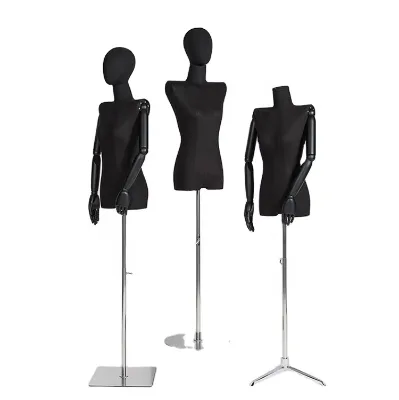
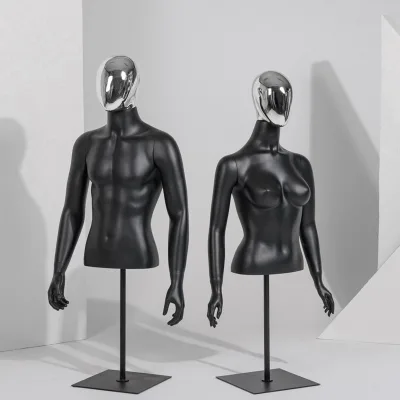
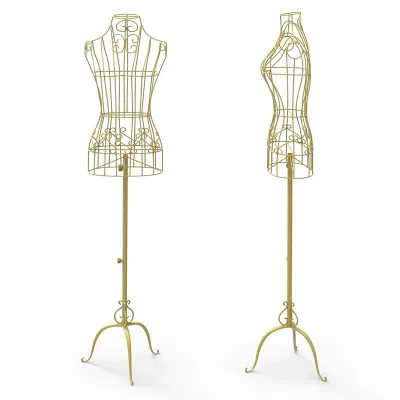
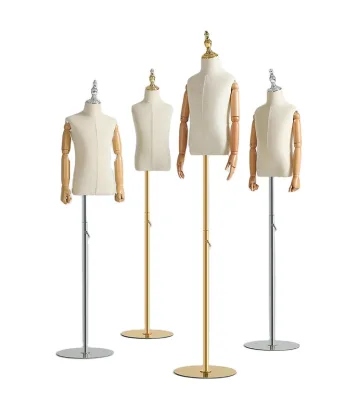


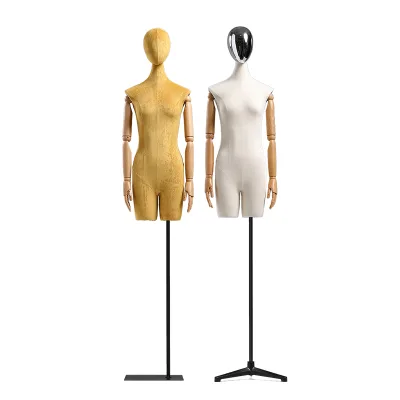
Velvet Female Mannequin with Gold Silver Arms Adjustable Half Body Mannequin
$36.00 - $45.00
MOQ: 20 pieces


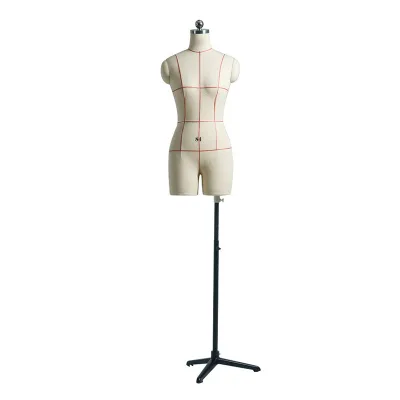
OEM ODM Female Half Body Display Mannequin with Fabric Surface and Metal Base
$98.00 - $125.00
MOQ: 5 Pieces


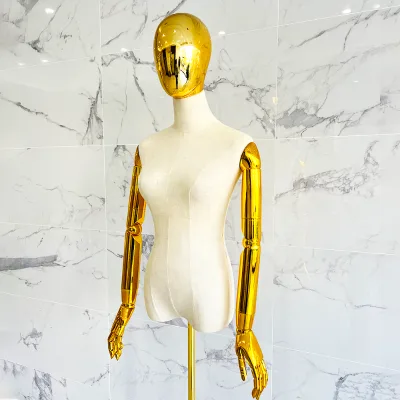
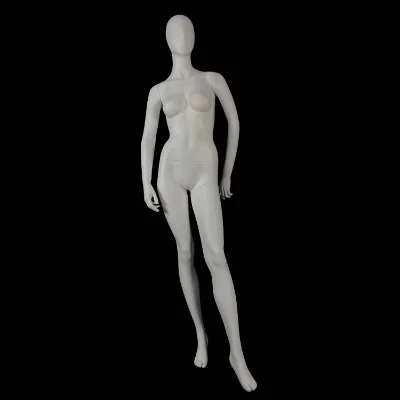

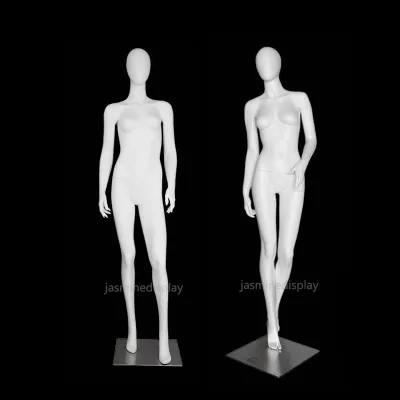

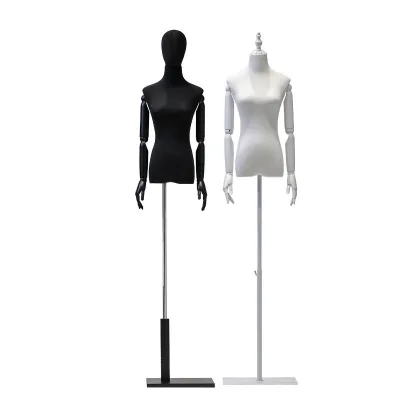
Comprehensive Sourcing Guide
Lower Body Matel Base Mannequin Sourcing Guide
Procuring lower body mannequins with metal bases requires careful attention to material composition and structural stability, as these elements directly impact display durability and aesthetic appeal. The observed market data indicates a diverse range of options, with fiberglass and polypropylene (PP) being the primary materials identified in current listings. Fiberglass models often provide a high-end finish suitable for premium retail environments, while PP variants may offer cost-effective solutions for high-volume window displays. Buyers must distinguish between these material types early in the sourcing process to ensure the selected mannequin aligns with their specific brand positioning and budget constraints.
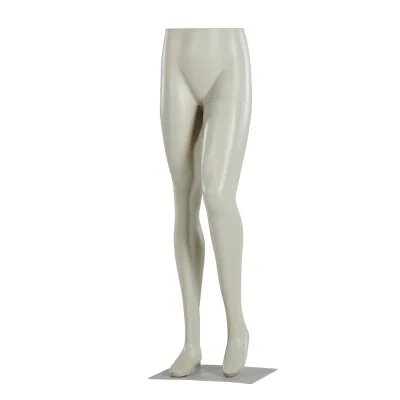
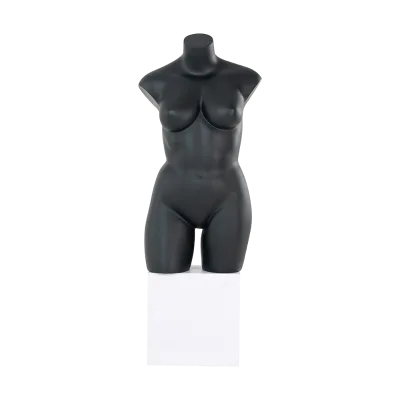
The term "matel base" likely refers to metal bases, which are critical for supporting the weight of the mannequin and ensuring it remains upright during customer interaction. Observed specifications include metal plate bases and glass bases, indicating that base material varies significantly across suppliers. A metal plate base, often square in shape, provides a robust foundation for lower-body mannequins, particularly those designed for plus-size or realistic proportions. Understanding the base type is essential for determining floor space requirements and ensuring the mannequin can withstand the intended usage environment, whether in a shopping mall or a boutique clothes shop.
Product Scope and Observed Listing Signals
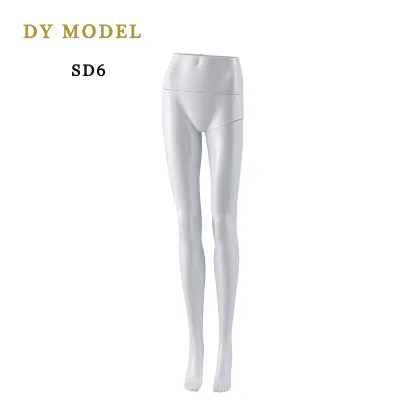
The current product landscape for lower body mannequins includes a variety of styles, with wall-mounted and stand-type models being the most prevalent. Listings frequently highlight customization options for colors, sizes, and specific model numbers, allowing buyers to tailor products to their store’s visual identity. For instance, observed models include specific identifiers like HX-361-F09 and SD-6, which correspond to different manufacturers and design specifications. These variations suggest that buyers should not assume uniformity across all listings and must verify the exact model number and customization capabilities with each supplier before placing an order.
Gender and age group specifications are clearly defined in most listings, with a strong focus on female adult mannequins. Some products are explicitly labeled as "plus size" or "realistic," catering to specific retail demographics that require accurate representation of body types. The application is predominantly listed for clothes shops and shopping malls, indicating that these mannequins are designed for high-visibility retail environments. Buyers should ensure that the selected mannequin’s style, such as stand or wall-mounted, matches their store’s layout and display strategy to maximize visual impact and customer engagement.
Technical Specifications to Verify
When evaluating technical specifications, buyers must prioritize the single package dimensions and gross weight to calculate shipping costs and handling requirements accurately. Observed data shows single package sizes ranging from approximately 126x35x21 cm to 127x45x36 cm, with gross weights around 10 kg per piece. These dimensions are crucial for planning warehouse storage and logistics, especially when ordering in bulk. Buyers should confirm whether the packaging is designed for single-item cartons to minimize damage during transit and ensure that the receiving team can handle the weight safely without specialized equipment.
Articulation and head type are other critical technical details that affect the mannequin’s functionality and display versatility. Most observed lower body mannequins are non-articulated, meaning they have fixed poses, which simplifies dressing but limits dynamic display options. Additionally, some models may include specific head types, such as EHM, which can influence the overall aesthetic and realism of the display. Buyers should verify whether the mannequin includes a head or is strictly a lower-body unit, as this impacts the completeness of the display and the need for additional accessories or complementary upper-body mannequins.
Compliance and Safety Documentation
Safety and compliance are paramount when selecting mannequins for public retail spaces, particularly those with metal or glass bases that may pose tipping hazards. While specific certification statuses like CE are mentioned in background data, buyers must verify the actual compliance documentation provided by each supplier to ensure the products meet local safety standards. This includes checking for stability tests that confirm the base can support the mannequin’s weight without tipping, especially in high-traffic areas like shopping malls. Buyers should request test reports or stability certificates from suppliers to mitigate liability risks and ensure customer safety.
Material safety is another key consideration, particularly regarding the finish and coating of fiberglass or PP mannequins. Buyers should inquire about the non-toxic nature of the materials used, ensuring they are safe for close contact with customers and do not emit harmful volatile organic compounds (VOCs). Additionally, the quality level of the product, often described as "high-end" in listings, should be backed by evidence of durable finishes that resist chipping or fading. Verifying these aspects helps maintain a professional store environment and protects the brand’s reputation for quality and safety.
Cost Drivers and Commercial Terms
Pricing for lower body mannequins varies significantly based on material, customization, and order volume, with observed price ranges spanning from $1.3 to $400 USD. The minimum order quantity (MOQ) typically starts at 5 pieces, making it accessible for small boutiques, while larger orders may benefit from economies of scale. Buyers should consider the total cost of ownership, including shipping and handling, which can be substantial given the package dimensions and weight. Understanding the price structure helps in budgeting accurately and negotiating better terms with suppliers, especially when ordering multiple units for a new store opening.
Payment terms and lead times are critical commercial factors that influence procurement planning. Observed payment methods include TT, PayPal, credit card, and LC, offering flexibility for different buyer preferences. Sample lead times are generally 5-7 days, while production times range from 7 to 15 days, depending on customization requirements. Buyers should plan their inventory replenishment or store launch schedules around these lead times to avoid stockouts. Additionally, confirming the sample order support ensures that buyers can evaluate product quality before committing to larger orders, reducing the risk of receiving unsatisfactory products.
Supplier Qualification and Quality Control
Supplier qualification involves verifying the origin and manufacturing capabilities of the providers, with observed origins including Fujian and Zhejiang in China. Buyers should assess the supplier’s experience in producing mannequins, particularly those with metal bases, to ensure they have the necessary expertise and equipment. Requesting references or case studies from previous clients can provide insights into the supplier’s reliability and product consistency. Additionally, verifying the supplier’s ability to handle customization requests, such as specific colors or sizes, is essential for maintaining brand consistency across multiple store locations.
Quality control measures should be established to ensure that each mannequin meets the specified standards before shipment. Buyers should implement a rigorous inspection process, checking for defects in the base attachment, surface finish, and overall structural integrity. Given the high-end quality level often claimed by suppliers, buyers should define clear acceptance criteria for color accuracy, material durability, and packaging quality. Establishing a quality control protocol helps minimize returns and ensures that the mannequins enhance the store’s visual appeal without compromising on safety or aesthetics.
Long-Term Procurement Checks
Long-term procurement success depends on establishing a reliable supply chain that can support ongoing inventory needs and potential product updates. Buyers should maintain open communication with suppliers to stay informed about new models or customization options that may align with evolving retail trends. Regularly reviewing supplier performance metrics, such as on-time delivery rates and product defect rates, helps identify potential issues early and allows for corrective actions. Building a strong relationship with a trusted supplier can lead to better pricing, priority production, and improved support for future orders.
Sustainability and end-of-life considerations are increasingly important in procurement decisions, particularly for plastic-based mannequins. Buyers should inquire about the recyclability of materials like PP and explore options for responsible disposal or recycling programs. Additionally, considering the durability of the mannequins can reduce long-term costs by minimizing the need for frequent replacements. By focusing on these long-term factors, buyers can create a more sustainable and cost-effective procurement strategy that supports their brand’s values and operational efficiency.
FAQs
What materials are used for lower body mannequin legs?
Lower body mannequin legs are typically constructed from fiberglass or PP plastic. Fiberglass models offer a realistic, high-end finish suitable for upscale displays. PP plastic provides a durable, cost-effective alternative. Both materials can be customized in color and size to meet specific retail requirements.
Can I customize the color and size of the mannequin?
Yes, customization is available for both color and size. Buyers can select from options like grey, black, or white. The product size can also be adjusted to fit specific needs. This flexibility ensures the mannequin aligns perfectly with your store's aesthetic and display requirements.
What is the minimum order quantity for these mannequins?
The minimum order quantity is five pieces. This low MOQ allows retailers to test the product quality before committing to larger orders. It is ideal for small boutiques or stores looking to refresh their window displays without a significant initial investment in inventory.
How long does production take for custom orders?
Production time typically ranges from seven to fifteen days. Sample orders can be prepared within five to seven days. This lead time allows for efficient planning. Buyers should account for these durations when scheduling store renovations or seasonal display updates to ensure timely delivery.
What base types are available for lower body mannequins?
Available base types include metal plates and glass bases. Metal bases provide stability for heavier models, while glass bases offer a sleek, modern look. The base type can be selected based on the display environment and the specific aesthetic goals of the retail space.
Where are these mannequins manufactured?
These mannequins are manufactured in China, specifically in regions like Fujian and Zhejiang. This location supports efficient production and logistics. Buyers can expect high-quality manufacturing standards consistent with international retail display requirements. The origin ensures competitive pricing and reliable supply chain management.