Find Class I Underarm Crutch for Indoor, Outdoor, and Adjustable Use
Source 30 verified listings for Class I Underarm Crutch with adjustable heights and multi-foot designs. Compare specifications including weight capacity, materials, and certifications from suppliers in China.
Key considerations
Products List


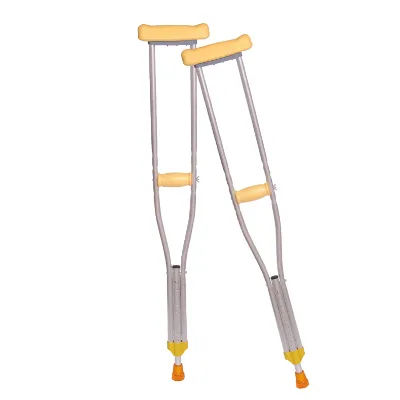

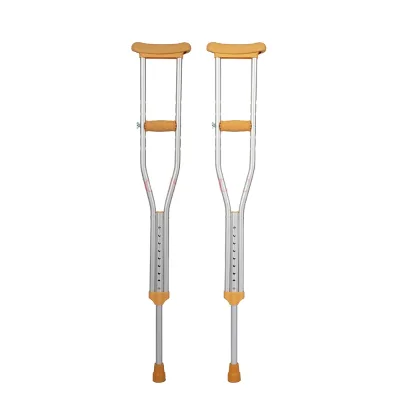

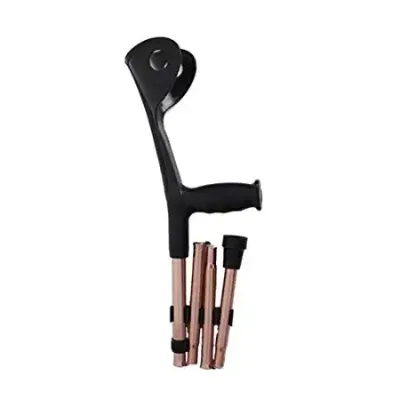


Comprehensive Sourcing Guide
Strategic Sourcing Guide for Class I Underarm Crutches
The global medical device and mobility aid market presents a complex landscape for B2B procurement professionals seeking Class I underarm crutches. These devices, often categorized as multi-foot canes or walking sticks with specific structural requirements, serve as essential mobility support for patients recovering from injuries or managing chronic conditions. Sourcing these products requires a disciplined approach that balances technical specifications, regulatory compliance, and supply chain reliability. This guide provides a comprehensive framework for evaluating potential suppliers and products, ensuring that procurement decisions are grounded in verified facts and industry standards rather than marketing assertions.
Technical Specifications and Product Configuration
When evaluating Class I underarm crutches, the primary focus must be on the physical attributes that define functionality and user safety. The core product category often encompasses items described as multi-foot canes, walking sticks, or adjustable height devices. A critical technical parameter is the height adjustability, which allows the device to accommodate users of varying statures. Observed specifications indicate a size range typically spanning from 73cm to 96cm, ensuring a broad fit for adult populations. The structural material is predominantly aluminium alloy, chosen for its optimal balance of lightweight durability and load-bearing capacity.
The weight capacity is a non-negotiable specification. Data indicates that certain models support a maximum weight capacity of up to 140kg, while others are rated for 120kg. Procurement teams must verify the specific load rating for each model before bulk ordering, as this directly correlates to patient safety. The product dimensions are equally vital for logistics and storage. Packaging standards vary, with some units packed in cartons measuring 963333cm, while others utilize standard packing configurations such as 1002530cm or 952931cm. The net weight of individual units is generally low, ranging from 0.25kg to 0.85kg, which significantly impacts shipping costs.
Furthermore, the design includes specific functional features such as integrated lighting for low-visibility environments and customizable foot types, including single or multi-foot options. The assembly requirement is another key specification; many units are supplied in a state requiring final assembly by the end-user or distributor. This "assemble" attribute must be clearly communicated to the target market to ensure proper usage. The product origin is frequently cited as Jiangsu or Shanghai, China, which provides context for the manufacturing ecosystem but requires verification of the specific factory location for quality assurance purposes.
Regulatory Compliance and Certification Verification
Compliance with international safety standards is paramount when sourcing medical mobility aids. The supply chain for Class I devices must demonstrate adherence to recognized certifications. Available data highlights the presence of CE, RoHS, and ISO certifications. The CE mark indicates conformity with health, safety, and environmental protection standards for products sold within the European Economic Area. RoHS compliance ensures that the product is free from specific hazardous substances, which is critical for medical devices that come into prolonged contact with users. ISO certification suggests that the manufacturer follows international quality management standards.
However, buyers must exercise caution regarding the universality of these claims. While some product listings explicitly state CE, ISO, and RoHS, others may only list CE or ISO. It is the responsibility of the procurement team to request valid, up-to-date certification documents for the specific batch or model being purchased. The absence of a certification on a product listing does not necessarily imply non-compliance, but it does necessitate a formal request for proof. Additionally, the product standard codes, such as G. W.: 11.5kg or specific model numbers like BME10011 and LCS201L, serve as unique identifiers that should be cross-referenced with regulatory databases to ensure the product meets the intended market's legal requirements.
Cost Drivers and Pricing Dynamics
Understanding the cost structure of Class I underarm crutches is essential for budgeting and margin analysis. The observed price range for these products spans from $0.01 to $38.50 USD. This wide variance suggests that pricing is heavily influenced by the level of customization, the complexity of the design, and the order volume. Basic models with standard colors and fixed features likely occupy the lower end of the spectrum, while customized units with specific logos, unique colors, or enhanced features command higher prices.
The Minimum Order Quantity (MOQ) is a significant factor in total cost of ownership. The observed MOQ range extends from 1 to 500 units. For small-scale distributors or hospitals testing a new product line, a low MOQ of 1 unit offers flexibility. However, larger procurement volumes often benefit from economies of scale, though the specific discount tiers are not explicitly defined in the provided data. Buyers should negotiate based on their projected annual volume. Additionally, the payment terms, such as TT (Telegraphic Transfer) and LC (Letter of Credit), play a role in cash flow management. LC terms are generally preferred for large international transactions to mitigate risk, while TT is suitable for established relationships.
Typical Applications and Usage Environments
Class I underarm crutches are designed for versatile usage across different environments. The product attributes indicate suitability for both indoor and outdoor use, making them ideal for rehabilitation centers, home care settings, and community mobility. The inclusion of a light feature suggests specific applications in low-light conditions, enhancing safety for users navigating stairs or dimly lit areas. The adjustable height and aluminum alloy construction make these devices suitable for a wide demographic, from pediatric to geriatric patients.
The "Alternate Type" principle mentioned in the specifications implies that these crutches may be used in scenarios requiring intermittent support or as a transition tool between full mobility and restricted movement. The customizable nature of the product, including color and logo options, allows for branding by healthcare providers or rehabilitation facilities, turning the crutch into a marketing tool while serving its medical function. The weight capacity of 120kg to 140kg ensures that the devices can support a broad range of body types, including larger adults, which is a critical consideration for inclusive procurement strategies.
Supplier Evaluation and Operational Capabilities
Selecting the right supplier involves more than just comparing prices; it requires a deep dive into their operational capabilities. The manufacturing lead time is a critical metric, with observed data indicating a standard production time of one week. This rapid turnaround is advantageous for urgent procurement needs but requires careful planning to avoid stockouts. The origin of the products, primarily from Jiangsu and Shanghai, China, suggests access to a mature manufacturing ecosystem with established supply chains for aluminum and other raw materials.
Suppliers should be evaluated on their ability to handle customization requests. The availability of customization for logos, colors, and specific product types (such as different foot configurations) is a strong indicator of a flexible manufacturing partner. However, buyers must verify the supplier's capacity to maintain quality consistency across customized batches. The packing specifications, such as 50 pieces per carton or specific carton dimensions, are essential for calculating freight costs and warehouse storage requirements. A supplier that offers standard packing alongside customized packaging options provides greater logistical flexibility.
Quality Control and Inspection Protocols
Ensuring product quality is the final pillar of a successful procurement strategy. Given the medical nature of Class I underarm crutches, rigorous quality control (QC) is mandatory. Buyers should implement a multi-stage inspection process that includes pre-production sample approval, in-process monitoring, and pre-shipment inspection. The focus should be on verifying the structural integrity of the aluminum alloy, the accuracy of the height adjustment mechanisms, and the stability of the foot components.
Inspection protocols must also cover the packaging integrity. With carton dimensions varying significantly (e.g., 803036cm vs. 1393329cm), the risk of damage during transit is a real concern. The gross weight of the packaging, such as 11.5kg for certain models, must be accounted for in shipping calculations. Additionally, the presence of certifications like CE and ISO should be validated through third-party audits or direct verification with the issuing bodies. The "New" condition of the products is a baseline requirement, but buyers must ensure that "New" implies factory-fresh goods without prior exposure to environmental degradation or storage issues.
Long-Term Procurement Considerations
Sourcing Class I underarm crutches is not a one-time transaction but a long-term strategic partnership. Buyers should consider the scalability of the supplier's operations. As demand fluctuates, the ability to adjust production volumes without compromising lead times or quality is crucial. The observed lead time of one week is a strong starting point, but buyers must assess the supplier's buffer capacity during peak seasons.
Furthermore, the customization capabilities offer a pathway for product differentiation. Suppliers that support logo customization and color variations enable buyers to build a unique brand identity in the competitive mobility aid market. However, these customizations must be managed carefully to avoid delays. The payment terms, including TT and LC, should be negotiated to align with the buyer's financial policies and risk tolerance. Finally, the continuous monitoring of regulatory changes is essential. As standards evolve, suppliers must remain compliant, and buyers must stay informed to ensure their inventory remains legally marketable. By adhering to these strategic principles, procurement professionals can secure a reliable supply of high-quality Class I underarm crutches that meet the diverse needs of their customers.
FAQs
What certifications do class i underarm crutches typically have?
These crutches often carry CE, RoHS, and ISO certifications. Some listings may only show CE or ISO, so buyers must request valid documents for the specific batch to ensure compliance with international safety standards before ordering.
How much weight can these crutches support safely?
The maximum weight capacity ranges from 120kg to 140kg depending on the model. Procurement teams must verify the specific load rating for each unit to ensure patient safety and meet the needs of diverse user demographics.
Can I customize the color and logo on these devices?
Yes, customization for colors like bronze, black, or silver and logos is available. Buyers should confirm specific design requirements with the supplier to ensure the final product matches their branding or aesthetic preferences.
What is the typical manufacturing lead time for these crutches?
The standard manufacturing lead time is one week. This rapid turnaround supports urgent procurement needs, but buyers should plan ahead to avoid stockouts during peak seasons or high-volume order periods.
Where are these class i underarm crutches manufactured?
Products originate primarily from Jiangsu and Shanghai, China. This location provides access to a mature manufacturing ecosystem, though buyers should verify the specific factory location for quality assurance purposes.
What is the price range for these mobility aids?
The observed price range spans from 0.01 to 38.5 USD. Pricing varies based on customization levels, design complexity, and order volume, with basic models costing less than customized units with specific features.