Source CNC Machine Carbide Boring Cutter for Steel, Stainless, Cast Iron
Source 30 CNC Machine Carbide Boring Cutter options with varying diameters, shank sizes, and precision levels. Compare specifications for steel, stainless steel, and cast iron machining applications to find the right tool for your needs; compare the available evidence and request quotations based on your requirements.
Updated
Key considerations
Products List


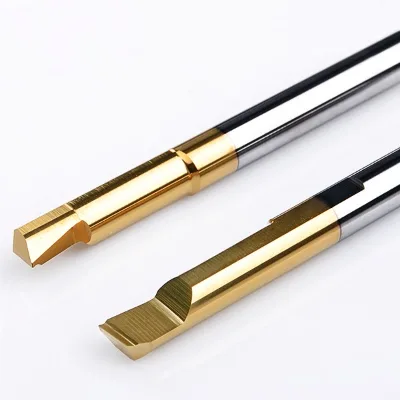
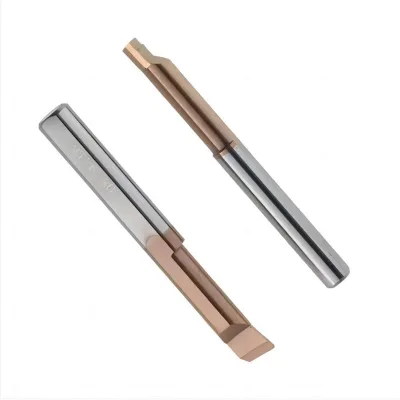
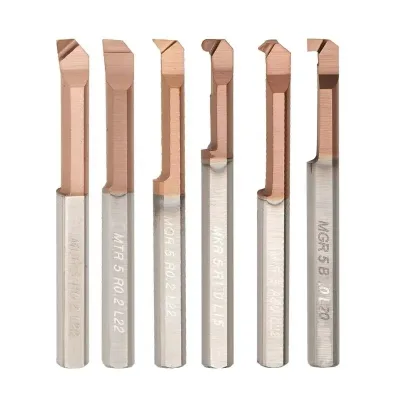
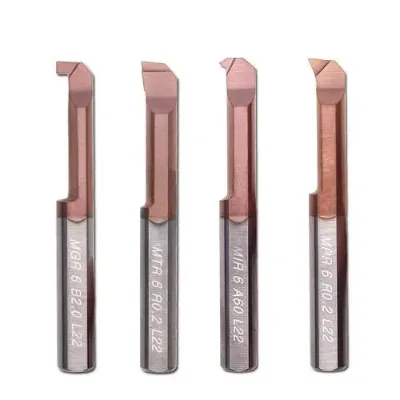
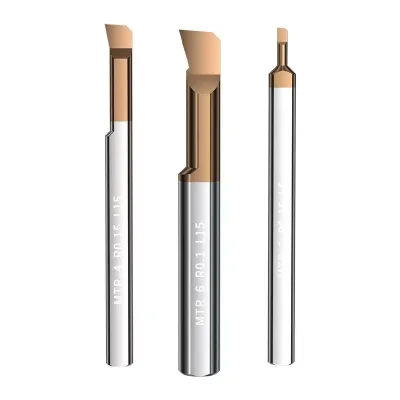
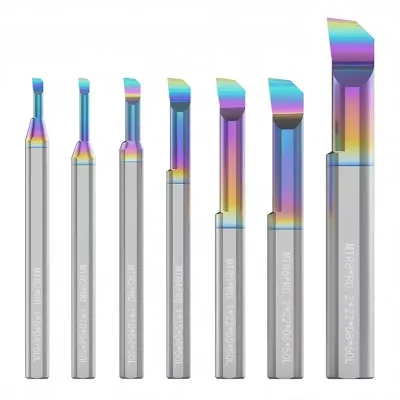

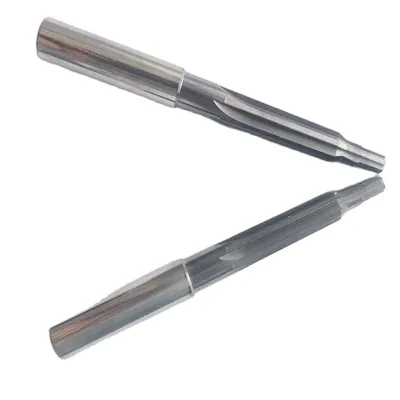
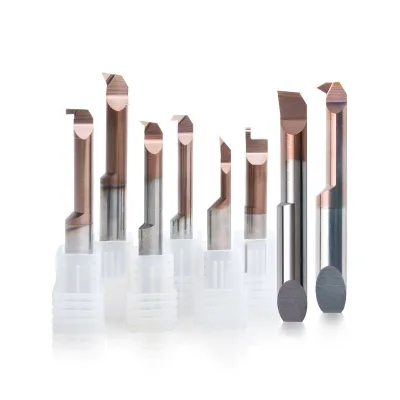
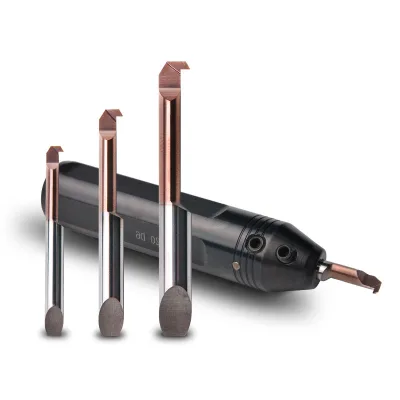
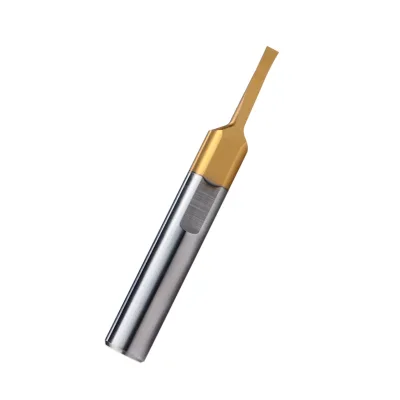
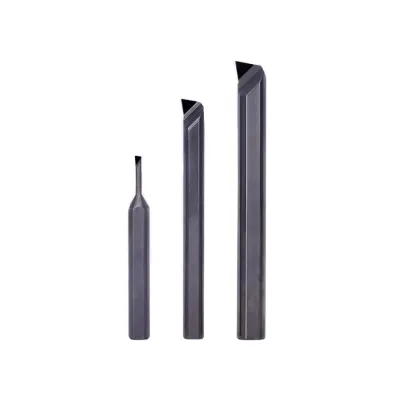


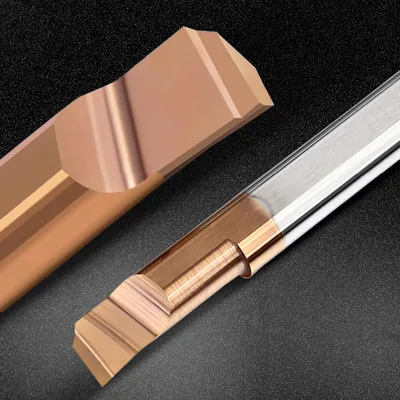
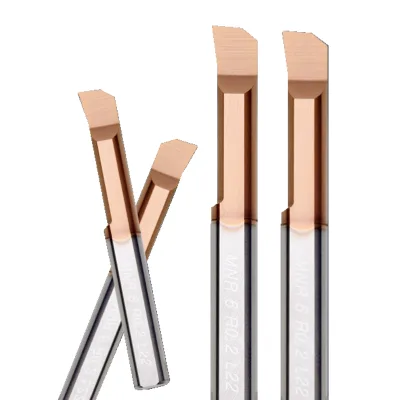
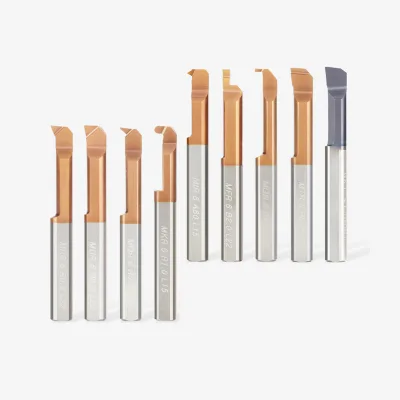
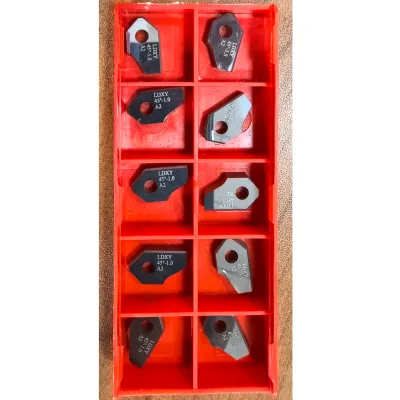

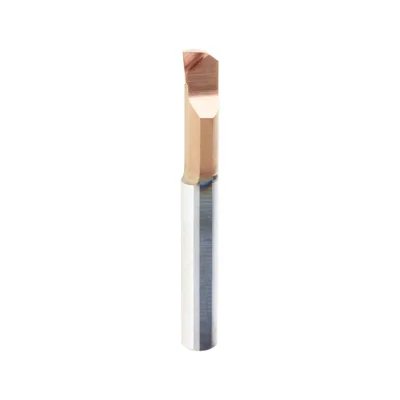
Comprehensive Sourcing Guide
CNC Machine Carbide Boring Cutter Sourcing Guide
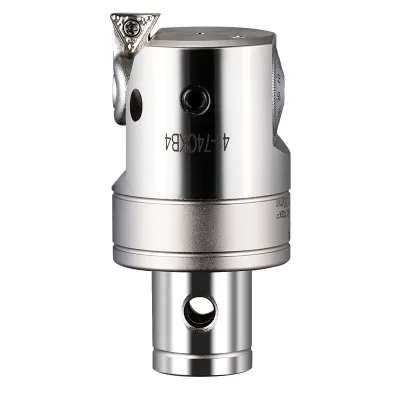
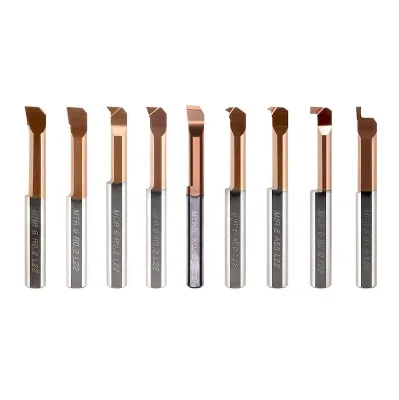
Selecting the right carbide boring cutter requires aligning tool geometry with specific machining operations, particularly for hole boring and precision internal turning. Buyers must evaluate whether the tool supports single-blade configurations or integral structures, as these design choices directly impact stability and chip evacuation during medium processing tasks. The observed market includes models like MTHR and MNR, which cater to diverse diameter requirements ranging from 1.5mm to 6.0mm or larger, ensuring compatibility with various CNC lathe setups.
Procurement decisions should also account for shank diameter and penetration depth capabilities, which define the tool’s reach and rigidity within the workpiece. With shank diameters typically spanning 3mm to 8mm and penetration depths between 0.4mm and 1.8mm, operators can match tool specifications to part complexity. Understanding these physical constraints helps prevent tool deflection and ensures consistent surface finishes, especially when working with challenging materials such as stainless steel or cast iron, where precision is paramount.
Product Scope and Observed Listing Signals
The current market landscape for carbide boring cutters reveals a wide variance in product attributes, with prices ranging from $2.5 to $957 USD and minimum order quantities (MOQs) between 1 and 20 pieces. This broad spectrum indicates that buyers can source both standard off-the-shelf items and specialized custom tools, depending on their production volume and specific geometric needs. The presence of customization options, including OEM and ODM support, allows manufacturers to tailor tools for unique machining challenges, such as specific least diameters or custom tip arcs.
Observed listings highlight key differentiators such as coating types, including bronze or general coated finishes, which influence wear resistance and cutting efficiency. Additionally, packing methods vary from plastic tubes and carton boxes to box-plus-carton configurations, reflecting different logistical preferences and protection levels for delicate carbide edges. Buyers should carefully review these listing signals to ensure that the supplier’s offerings align with their operational requirements, particularly regarding precision tolerances and material compatibility for steel or cast iron applications.
Technical Specifications to Verify
When verifying technical specifications, buyers must prioritize precision ratings, with many tools offering tolerances of ±0.005mm or labeled as high precision. It is crucial to confirm the tip arc radius, which typically ranges from R0.03 to R0.10, as this affects the surface finish and corner strength of the bored hole. Additionally, the least diameter capability, observed between 1.1mm and 10.1mm depending on the model, must be checked against the smallest hole size required in the production schedule to avoid tool interference or insufficient cutting depth.
Shank diameter and cutter length are equally critical parameters that determine tool rigidity and reach. Specifications often list shank diameters from 3mm to 8mm and cutter lengths ranging from 5mm to 32mm, with full lengths extending up to 60mm. Buyers should verify these dimensions against their CNC machine’s tool holder capacity and the depth of the holes being machined. Ensuring a proper match between tool geometry and machine constraints prevents vibration and extends tool life, particularly in deep-hole boring applications where stability is essential.
Compliance and Safety Documentation
Compliance documentation is a foundational element of procurement, with ISO 9001 certification appearing as a common quality management standard among suppliers. Buyers should request valid certification copies to verify that the manufacturer adheres to internationally recognized quality processes, ensuring consistent product quality and reliable performance. While some listings mention logo printing options or lack thereof, the presence of formal certifications provides assurance regarding the supplier’s commitment to standardized manufacturing practices and traceability.
Safety and regulatory compliance also extend to material safety standards, such as REACH, which may be relevant depending on the coating materials used. Although specific test results are not always listed, buyers should inquire about the chemical composition of coatings and the absence of hazardous substances to ensure workplace safety. Verifying that the supplier provides necessary safety data sheets (SDS) and complies with local import regulations helps mitigate legal risks and ensures that the tools can be safely integrated into existing production environments without regulatory hurdles.
Cost Drivers and Commercial Terms
Cost drivers for carbide boring cutters include material composition, coating technology, and the complexity of the tool’s geometry. Tungsten steel is a common material, offering a balance of hardness and toughness, while specialized coatings can enhance durability and reduce friction during cutting. Buyers should analyze the price-to-performance ratio, considering that higher precision tools or those with custom geometries may command premium prices. Understanding these factors helps in budgeting for tooling costs and evaluating the total cost of ownership, including replacement frequency and machining efficiency gains.
Commercial terms such as MOQ, lead times, and payment conditions significantly impact procurement strategy. With MOQs as low as 1 piece, small-batch buyers can test new tools without significant inventory commitment, while larger orders may benefit from volume discounts. Buyers should negotiate clear terms regarding packaging, shipping, and warranty policies to protect their investment. Transparent communication about lead times and availability ensures that production schedules are not disrupted, allowing for better planning and inventory management in the supply chain.
Supplier Qualification and Quality Control
Supplier qualification involves assessing the manufacturer’s production capabilities, quality control processes, and track record in the industry. Buyers should verify the supplier’s origin, with many manufacturers located in regions like Guangdong or Zhuzhou, known for carbide tool production. Evaluating the supplier’s ability to provide consistent quality across batches is essential, as variations in hardness or coating thickness can lead to premature tool failure. Requesting sample tools for testing allows buyers to validate performance claims and ensure compatibility with their specific machining conditions.
Quality control measures should include rigorous inspection of critical dimensions, such as shank diameter, cutter length, and tip geometry. Buyers should inquire about the supplier’s internal testing procedures, including hardness testing and coating adhesion checks, to ensure that tools meet specified tolerances. Establishing a clear communication channel for feedback and issue resolution is also vital, as it enables quick adjustments to tool specifications or production processes. A reliable supplier will demonstrate transparency and responsiveness, fostering a long-term partnership that supports continuous improvement in machining operations.
Long-Term Procurement Checks
Long-term procurement success depends on establishing a robust supplier relationship that prioritizes consistency, innovation, and support. Buyers should regularly review supplier performance metrics, including on-time delivery rates, defect rates, and responsiveness to technical queries. Maintaining open lines of communication allows for collaborative problem-solving and the development of custom solutions for evolving machining needs. Periodic audits or site visits, if feasible, can provide deeper insights into the supplier’s manufacturing processes and quality assurance systems, ensuring ongoing compliance with agreed-upon standards.
Additionally, buyers should stay informed about advancements in carbide tool technology, such as new coating materials or geometric designs that offer improved performance. Engaging with suppliers who invest in R&D can provide access to cutting-edge tools that enhance productivity and reduce machining costs. By fostering a partnership based on mutual trust and shared goals, buyers can secure a reliable supply of high-quality carbide boring cutters, supporting sustained operational efficiency and competitive advantage in the market.
FAQs
What materials can this CNC Machine Carbide Boring Cutter process?
This tool is designed for machining steel, stainless steel, and cast iron workpieces. It utilizes tungsten steel construction with a single-blade integral structure. The square shank design ensures stability during medium processing applications. High precision is maintained at plus or minus 0.005mm tolerance for accurate hole boring operations.
What are the available shank diameter specifications?
Shank diameters range from 3.0mm to 8.0mm depending on the specific model. Some variants offer a 4mm to 6mm shank size. These dimensions accommodate various CNC machine tool holders. The square shank type provides secure mounting for effective torque transmission during heavy cutting tasks.
Is customization available for these boring cutters?
Yes, customization is available with ODM and OEM support. Buyers can request specific modifications to meet unique machining requirements. The products support logo printing options or remain without logo printing. Plastic tubes and carton boxes are used for standard packing to ensure safe delivery.
What is the minimum order quantity for these tools?
The minimum order quantity is typically 10 pieces. However, some listings indicate an MOQ of 1 piece for testing purposes. This flexibility allows buyers to order small batches for evaluation. Bulk orders may benefit from standardized packaging and consistent pricing structures across different supplier channels.
What certifications do these carbide boring cutters hold?
These tools are certified under ISO 9001 standards. This certification ensures quality management in the manufacturing process. The products originate from Guangdong and Zhuzhou in China. Buyers can verify these credentials to ensure compliance with international quality benchmarks for industrial cutting tools.
What is the penetration depth range for this cutter?
The penetration depth ranges from 0.4mm to 1.8mm. This specification allows for precise material removal in hole boring applications. The tip arc radius varies from R0.03 to R0.10 for different surface finishes. These parameters ensure controlled cutting performance for various steel and cast iron components.