Source Common Rail Fuel Injector Tester for Trucks, Cars, and Diesel Engines
Compare 30 common rail fuel injector testers from verified suppliers in China. These devices support testing for conventional mechanical injectors, common rail systems, and pump test benches with customizable options and various voltage requirements; compare the available evidence and request quotations based on your requirements.
Updated
Key considerations
Products List


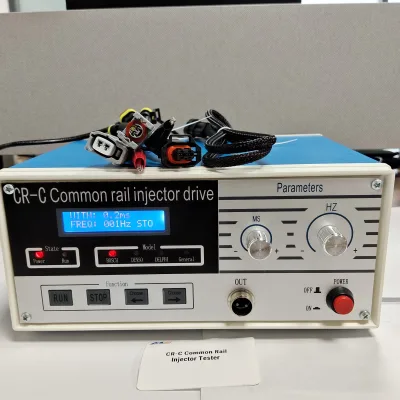
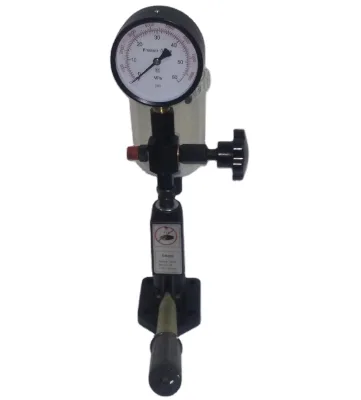
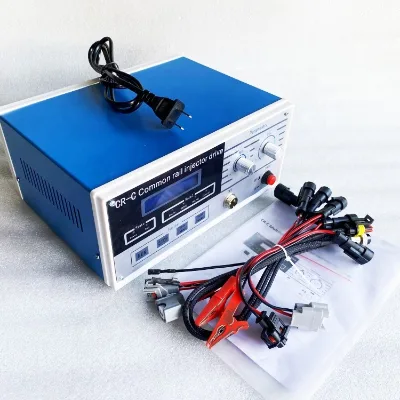
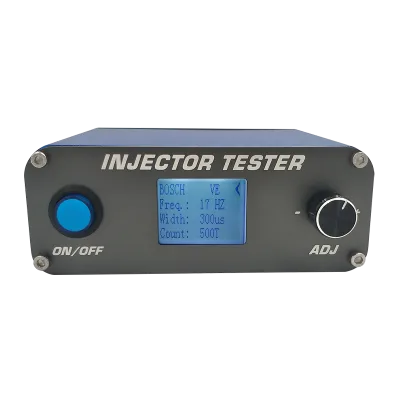
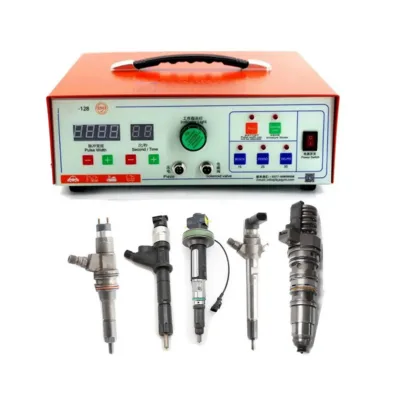
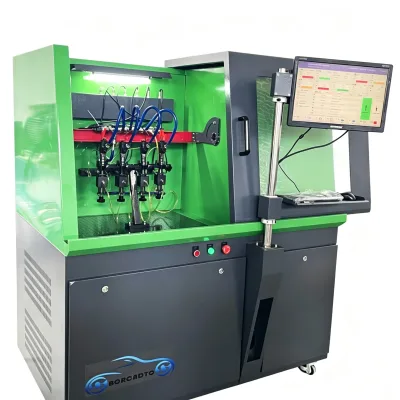


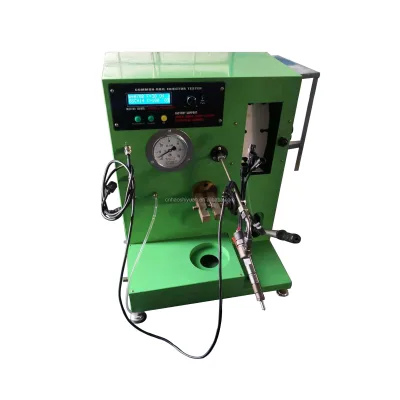
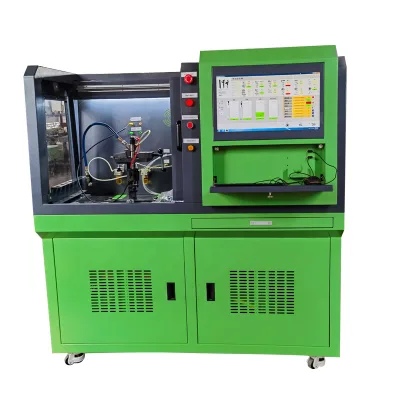


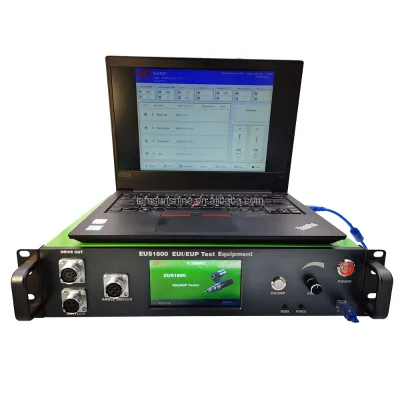
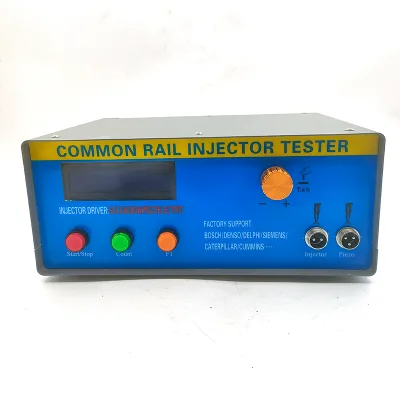
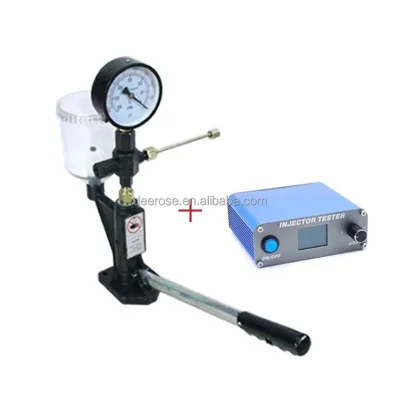
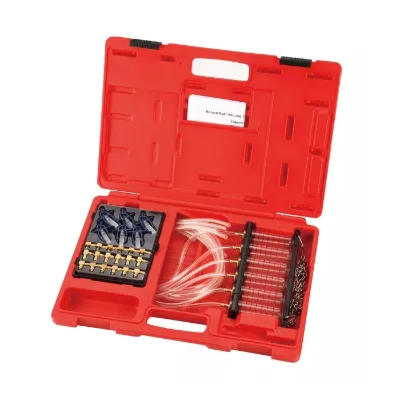
Comprehensive Sourcing Guide
Common Rail Fuel Injector Tester Sourcing Guide
Procuring a Common Rail Fuel Injector Tester requires careful alignment between technical capabilities and specific diagnostic needs. Buyers must first determine whether the equipment supports conventional mechanical injectors, common rail systems, or both. The observed market includes devices labeled as car fault detectors, pump test benches, and specialized injector testers, each serving distinct maintenance workflows. Understanding these functional distinctions prevents purchasing mismatched hardware that cannot handle modern diesel truck or heavy-duty vehicle requirements.
Selection also depends on the intended operational environment and update mechanisms. Some units rely on internet-based software updates for calibration and data management, while others utilize hard disk storage for offline operation. This distinction impacts long-term usability, especially in regions with limited connectivity. Buyers should verify that the chosen model supports the specific vehicle brands and injector types they encounter most frequently, ensuring the hardware remains relevant as fleet technologies evolve.
Product Scope and Observed Listing Signals
The current market presents a diverse range of injector testing equipment, with prices spanning from approximately $36.80 to $10,800 USD. This wide variance reflects differences in complexity, brand reputation, and included accessories. Lower-cost items may serve as basic diagnostic tools or accessories, whereas higher-priced units often represent comprehensive test benches capable of handling high-pressure common rail systems. Buyers must scrutinize product descriptions to distinguish between simple handheld testers and full-scale bench systems that require significant floor space and power infrastructure.
Minimum order quantities (MOQ) typically range from one to ten pieces, indicating flexibility for small workshops and larger distributors alike. Many suppliers offer customization options, including OEM and ODM support, allowing businesses to brand equipment or modify features for specific operational needs. Packaging varies significantly, with options including express delivery for smaller units, plywood boxes for medium-sized devices, and wooden cases for heavy machinery. Understanding these logistical signals helps buyers estimate total landed costs and plan warehouse storage effectively.
Technical Specifications to Verify
Key technical parameters include voltage requirements, weight, and physical dimensions. Observed units operate on 220V or 380V power supplies, necessitating verification of facility electrical compatibility before installation. Weight ranges from lightweight handheld devices to heavy benches exceeding 700kg, impacting shipping costs and floor load requirements. Buyers should confirm the working temperature limits, such as the observed 40°C threshold, to ensure reliable performance in various workshop environments without overheating or malfunctioning.
Model numbers and material composition provide further clarity on device durability and function. Common models include CR1000, CR1800-AHE, CR918, and NTS709, each potentially offering different testing protocols. Materials like steel construction suggest robustness for industrial use, while color options such as green, yellow, or blue may aid in visual identification within busy service centers. Buyers must cross-reference these specifications with their existing diagnostic software and hardware interfaces to ensure seamless integration into their current maintenance ecosystem.
Compliance and Safety Documentation
Certification status is a critical factor in ensuring equipment meets international safety and quality standards. Observed listings frequently mention ISO and CE certifications, indicating adherence to specific manufacturing and safety protocols. Buyers should request valid certification documents directly from suppliers to verify authenticity and scope. These certifications not only ensure operator safety but also facilitate customs clearance and regulatory compliance in various global markets, reducing the risk of shipment delays or legal issues.
Standardization also extends to packaging and labeling requirements. Products may adhere to specific standard dimensions or weight limits, such as the observed 5kg standard package or 4.2CBM volume for larger units. Clear labeling helps in inventory management and ensures that handling procedures align with the equipment's physical characteristics. Buyers should verify that all documentation, including user manuals and safety warnings, is provided in the required language and format to support proper installation and operation by local technicians.
Cost Drivers and Commercial Terms
Several factors influence the final cost of common rail fuel injector testers, including customization, packaging, and shipping method. Customization support, such as OEM branding or specific feature modifications, often incurs additional charges. Packaging choices also impact costs, with express delivery being suitable for small, lightweight items but potentially expensive for heavy machinery requiring wooden cases or plywood boxes. Buyers should request detailed quotes that break down these costs to avoid unexpected expenses during the procurement process.
Payment terms and lead times are equally important considerations. While specific lead times are not universally disclosed, buyers should inquire about production schedules, especially for customized orders. Understanding the supplier's capacity to meet deadlines helps in planning inventory replenishment and minimizing downtime. Additionally, buyers should clarify warranty terms and after-sales support options, ensuring that any technical issues or maintenance needs can be addressed promptly without significant additional costs.
Supplier Qualification and Quality Control
Evaluating supplier reliability involves assessing their production capabilities, quality control processes, and customer support infrastructure. Buyers should verify the supplier's location, with many manufacturers based in Shandong, China, a hub for automotive testing equipment. Proximity to manufacturing centers can facilitate easier communication and faster resolution of technical issues. Additionally, suppliers offering both OEM and ODM services demonstrate flexibility and experience in meeting diverse client requirements, which is a positive indicator of their operational maturity.
Quality control measures should be explicitly discussed, including pre-shipment inspections and testing protocols. Buyers should request evidence of rigorous testing procedures to ensure that each unit meets specified performance standards. Establishing clear communication channels with the supplier's technical support team is crucial for resolving any post-purchase issues. Building a relationship with a supplier who prioritizes quality and transparency helps mitigate risks and ensures a smoother procurement experience.
Long-Term Procurement Checks
Sustaining a successful procurement strategy requires ongoing monitoring of supplier performance and product reliability. Buyers should regularly review feedback from other users and track any recurring issues with specific models or batches. Maintaining open lines of communication with suppliers allows for timely updates on new technologies or improved models that may better suit evolving diagnostic needs. This proactive approach ensures that the testing equipment remains effective and relevant in a rapidly changing automotive landscape.
Additionally, buyers should periodically reassess their technical requirements against the capabilities of their current equipment. As diesel engine technologies advance, older testers may become obsolete or incompatible with newer injector systems. Establishing a schedule for equipment upgrades or replacements helps prevent operational bottlenecks and ensures that maintenance teams have access to the most accurate diagnostic tools. Continuous evaluation of procurement practices supports long-term efficiency and cost-effectiveness in fleet maintenance operations.
FAQs
What testing functions does the Nantai CR1000 injector tester perform?
The Nantai CR1000 injector tester performs tests on both common rail injectors and conventional mechanical injectors. This versatile equipment allows workshops to diagnose various fuel system issues efficiently. It supports internet updates for the latest diagnostic protocols, ensuring accurate results for modern diesel engines without requiring physical media changes.
Can I customize the Common Rail Fuel Injector Tester for my brand?
Yes, customization is available for these testing units. Suppliers offer OEM support, allowing you to brand the equipment with your own logo and specifications. This service helps businesses maintain consistent branding across their workshop tools while ensuring the hardware meets specific operational requirements for diesel injector maintenance tasks.
What certifications do these injector testing machines typically hold?
These machines typically hold ISO and CE certifications, ensuring compliance with international safety and quality standards. The ISO certification verifies manufacturing quality, while CE marking indicates conformity with health, safety, and environmental protection standards for products sold within the European Economic Area, providing confidence in the equipment's reliability.
How is the software updated for the CR918 injector tester?
The CR918 injector tester can be updated via hard disk. This method ensures that diagnostic data and software protocols remain current without relying solely on internet connectivity. It provides a reliable way to maintain the tester's functionality and accuracy for various diesel truck models and injector types over time.
What is the minimum order quantity for these testing benches?
The minimum order quantity is typically one piece. This low MOQ allows workshops to purchase single units for immediate deployment. It reduces initial investment risks for small businesses looking to add diesel injector testing capabilities to their service offerings without committing to large bulk orders from manufacturers.
Where are these common rail fuel injector testers manufactured?
These testers are manufactured in Shandong, China, with some specific models originating from Taian. This region is known for its industrial manufacturing capabilities. Buyers can expect consistent production standards and logistics support from these locations, facilitating efficient shipping and supply chain management for international procurement of diesel testing equipment.