Source Sustainable Auto Lock Resin Zipper for Garment, Bag, Home Textile
Compare 30 Sustainable Auto Lock Resin Zipper options from Zhejiang suppliers. Buyers can review specifications like 3#, 5#, and 10# sizes, auto lock slider types, and customization support for garment, bag, and home textile applications; compare the available evidence and request quotations based on your requirements.
Updated
Key considerations
Products List


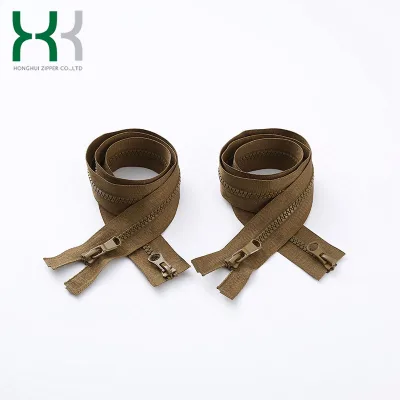
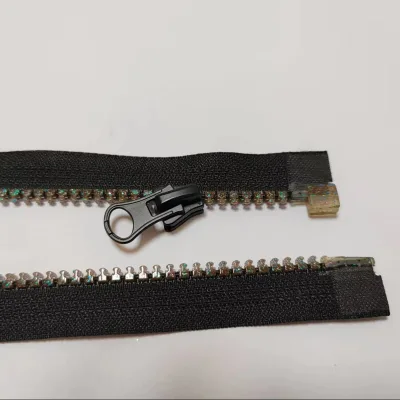
Brown Color 5# Open-End Auto Lock Colorful Zippers Plastic Resin Zipper
$0.05 - $0.20
MOQ: 1000 Pieces


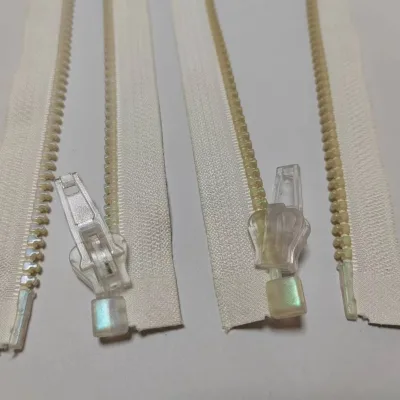
Beige Color 5# Open-End Auto Lock Colorful Zippers Plastic Resin Zipper
$0.05 - $0.20
MOQ: 1000 Pieces

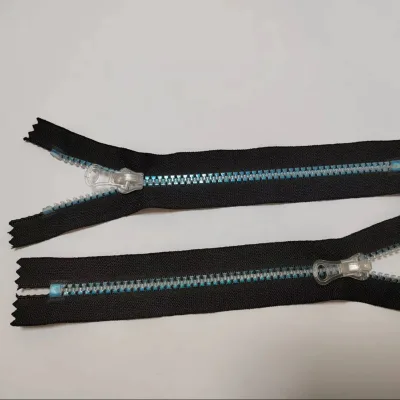
Purple Color 5# Open-End Auto Lock Colorful Zippers Plastic Resin Zipper
$0.05 - $0.20
MOQ: 1000 Pieces


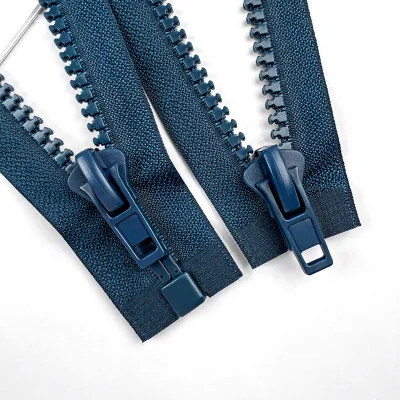
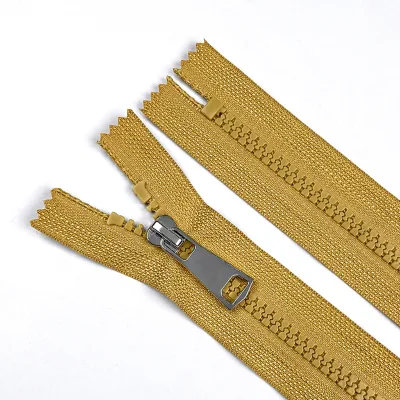
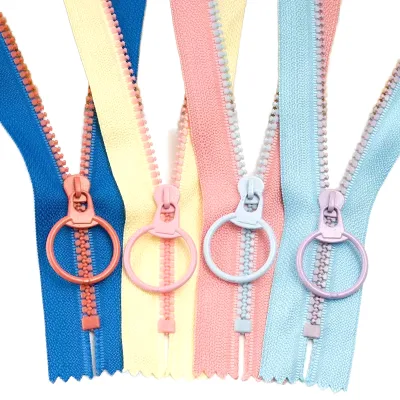
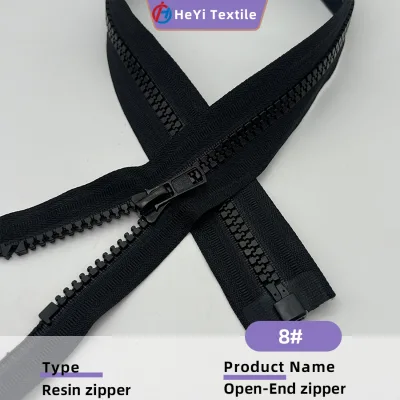
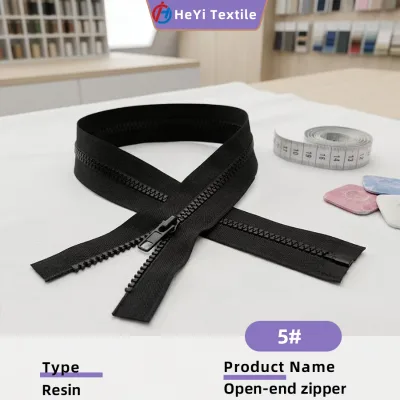
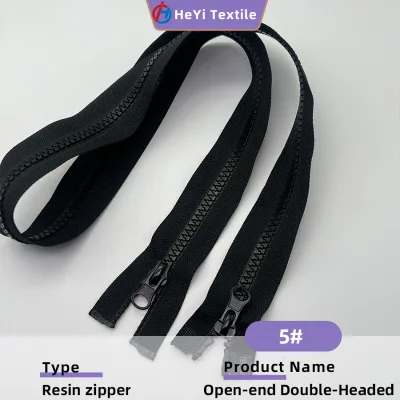
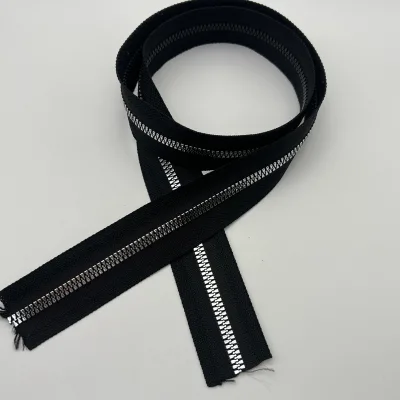
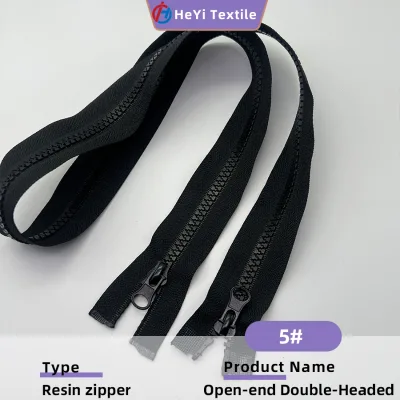
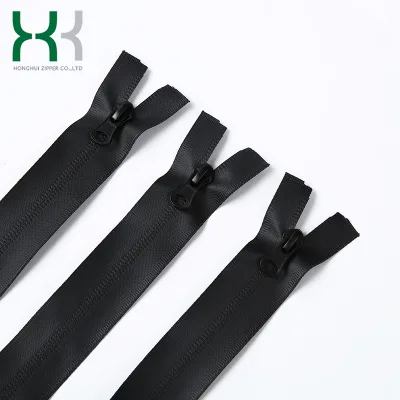
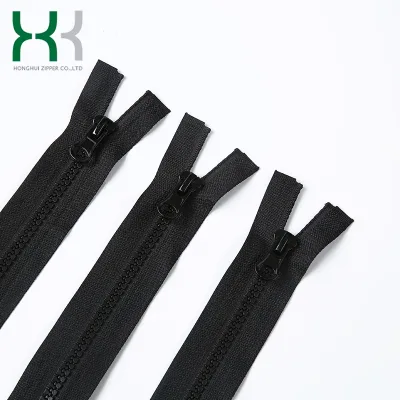
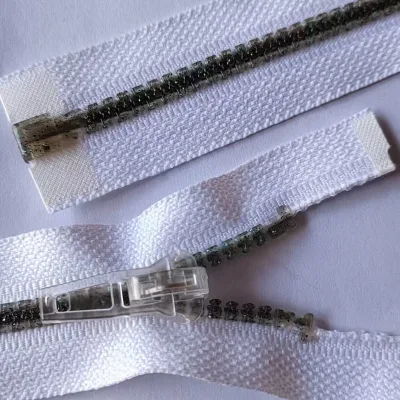
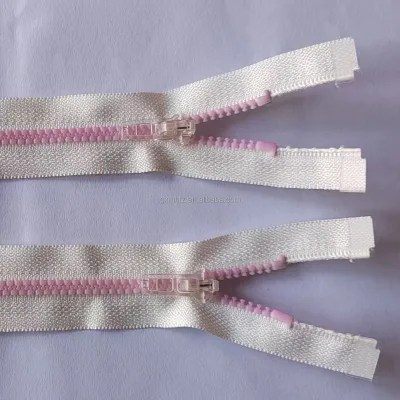
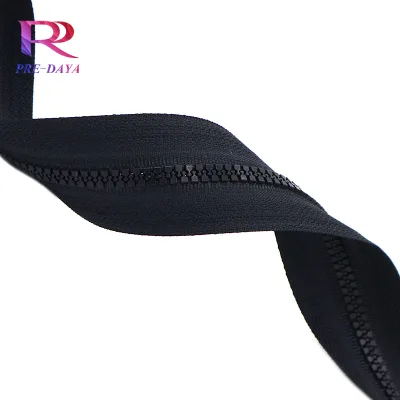
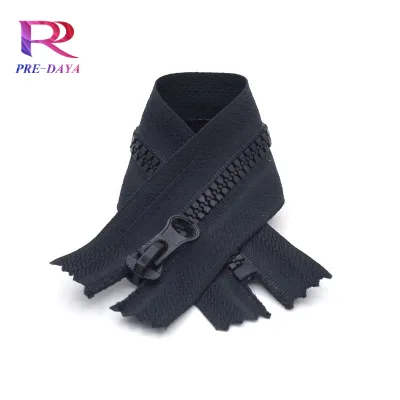
No.5 Plastic Resin Silver Zipper Two Ways Open End Auto Lock Slider Derlin Nylon Zipper
$0.1048 - $0.1362
MOQ: 1000 pieces
Comprehensive Sourcing Guide
Sustainable Auto Lock Resin Zipper Sourcing Guide
Procuring sustainable auto lock resin zippers requires a nuanced understanding of material composition, mechanical functionality, and supply chain transparency. Buyers must navigate a market where "sustainable" often refers to recyclable resin formulations or energy-efficient manufacturing processes rather than a single universal certification. The core keyword highlights a specific mechanical feature—the auto-lock slider—which prevents the zipper from unintentionally separating, a critical requirement for garments and bags that undergo frequent use. This guide synthesizes observed listing signals and technical specifications to help procurement teams make informed decisions without relying on unverified marketing claims.
The sourcing landscape for these components is dominated by manufacturers in Zhejiang, China, a region known for its dense textile accessory ecosystem. Listings indicate a wide variety of resin zippers, ranging from standard open-end types to reversible auto-lock models. Buyers should recognize that while many suppliers offer customization, the term "sustainable" is not explicitly defined in the provided product data. Therefore, verification of environmental claims must be conducted through direct supplier engagement and third-party audits, ensuring that the resin used meets specific ecological standards rather than relying on generic product descriptions.
Product Scope and Observed Listing Signals
The observed product range includes resin zippers with specifications such as 3#, 5#, and 10# sizes, catering to diverse weight and durability requirements for home textiles, garments, bags, and shoes. Listings show that auto-lock sliders are available in both two-way and reversible configurations, allowing for flexibility in design applications where the zipper may need to open from the middle or both ends. The material is consistently identified as resin, which offers advantages in colorfastness and resistance to corrosion compared to metal alternatives. Buyers should note that "individual" and "common" styles are listed, indicating variations in slider design and aesthetic finish that may impact the final product's look and feel.
Customization is a prevalent feature across the observed listings, with suppliers supporting custom lengths, colors, and packaging. Art numbers such as ZPB25-002, ZPB25-014, and others suggest a structured inventory system, yet many products also allow for bespoke orders. The observed price range of $0.04 to $1.30 per unit reflects significant variation based on size, slider type, and order volume. Minimum order quantities (MOQs) range from 1 to 3,000 pieces, providing flexibility for both small-scale prototyping and large-volume production runs. Buyers must carefully match these commercial terms with their production schedules to avoid excess inventory or supply chain bottlenecks.
Technical Specifications to Verify
Verifying the auto-lock mechanism is paramount, as its failure can lead to product recalls and customer dissatisfaction. Buyers should confirm whether the slider operates as a two-way or reversible type, depending on the garment or bag design. The specification "10#" typically denotes a wider tooth profile suitable for heavier applications like luggage or outdoor gear, while "3#" and "5#" are lighter options for apparel. It is essential to test the slider's locking strength and smoothness of operation, as resin components can vary in thermal stability and friction coefficients. Suppliers should provide detailed technical drawings or samples that demonstrate the slider's engagement with the chain under tension.
Length and color consistency are also critical technical parameters. Listings indicate that lengths can be customized, with standard options including 40 cm, 50 cm, and 60 cm, but buyers must verify the tolerance levels for these measurements. Color matching is often a challenge with resin zippers, as dye lots can vary between batches. Buyers should request physical samples in the exact colors required, such as dark blue, brown, gray, beige, purple, red, or pink, to ensure compatibility with the final product's fabric. Additionally, the packing specification of 50 pieces per bag or 10 pieces per bag per carton should be confirmed to ensure efficient handling and storage in the manufacturing facility.
Compliance and Safety Documentation
While the provided context mentions Oeko-Tex as a low-confidence background standard, buyers must actively verify the actual compliance status of the resin zippers. Oeko-Tex certification ensures that the product is free from harmful substances, which is increasingly important for sustainable sourcing. Buyers should request valid certificates from accredited testing laboratories, such as SGS or Intertek, to confirm that the resin material meets international safety standards for textiles. Without such documentation, claims of sustainability or safety remain unsubstantiated and may expose the buyer to regulatory risks in target markets.
In addition to chemical safety, buyers should inquire about the environmental impact of the manufacturing process. This includes questions about water usage, energy consumption, and waste management in the production of resin zippers. Suppliers should be able to provide data on the recyclability of the resin material, as this is a key component of the "sustainable" label. Buyers must also ensure that the packaging materials, such as the standard shipping packaging or customized options, are also environmentally friendly and comply with import regulations in the destination country.
Cost Drivers and Commercial Terms
The cost of resin zippers is influenced by several factors, including the size of the zipper, the complexity of the slider mechanism, and the volume of the order. Larger specifications like 10# zippers typically cost more than 3# or 5# due to the increased amount of resin material used. Auto-lock sliders, particularly reversible or two-way types, are more complex to manufacture than standard sliders, leading to higher unit prices. Buyers should analyze the price range of $0.04 to $1.30 in the context of these variables to determine if the quoted prices are competitive and aligned with their budget constraints.
MOQs and payment terms are significant commercial considerations. Suppliers with MOQs as low as 1 piece may charge higher unit prices to cover setup costs, while those requiring 3,000 pieces may offer significant discounts. Buyers should negotiate terms that balance cost efficiency with inventory risk. Shipping models, including by sea, air, or courier, also impact the total landed cost. Air freight is faster but more expensive, while sea freight is cost-effective for large volumes but has longer lead times. Buyers should calculate the total cost of ownership, including shipping, duties, and handling, to make accurate procurement decisions.
Supplier Qualification and Quality Control
Qualifying suppliers for resin zippers requires a thorough assessment of their manufacturing capabilities and quality control systems. Buyers should verify the supplier's production capacity, equipment, and workforce expertise to ensure they can meet the required specifications and volumes. Factories in Zhejiang, China, often have extensive experience in zipper manufacturing, but buyers must conduct on-site audits or request third-party audit reports to confirm compliance with labor and environmental standards. This due diligence helps mitigate risks associated with supply chain disruptions and ethical violations.
Quality control processes should be clearly defined and agreed upon before placing orders. Buyers should establish clear acceptance criteria for defects, such as broken teeth, faulty sliders, or color mismatches. It is advisable to implement a pre-shipment inspection (PSI) process to verify that the goods meet the agreed-upon standards before they are shipped. Suppliers should provide a quality assurance plan that includes in-process inspections and final random sampling. Establishing a robust quality control framework ensures that the procurement team receives consistent, high-quality products that meet the end-user's expectations.
Long-Term Procurement Checks
Sustainable sourcing is an ongoing process that requires continuous monitoring and improvement. Buyers should regularly review supplier performance metrics, including on-time delivery rates, defect rates, and responsiveness to issues. Building strong relationships with suppliers can facilitate better communication and collaboration on sustainability initiatives. Buyers should encourage suppliers to adopt eco-friendly practices, such as using recycled resin or reducing energy consumption, and track progress over time. This long-term approach helps ensure that the procurement strategy aligns with the company's sustainability goals and regulatory requirements.
As market trends and regulations evolve, buyers must stay informed about new standards and technologies in the zipper industry. This includes keeping abreast of changes in chemical regulations, recycling mandates, and consumer preferences for sustainable products. Buyers should periodically reassess their supplier base to ensure they are working with partners who are committed to continuous improvement. By maintaining a proactive approach to supplier management and sustainability, buyers can mitigate risks, enhance brand reputation, and contribute to a more sustainable textile supply chain.
FAQs
What customization options are available for auto lock resin zippers?
Customization is available for these resin zippers, allowing buyers to specify unique requirements. The product supports custom standards and packaging, such as 50 pieces per bag or 10 pieces per carton. Buyers can also request specific lengths ranging from 10 cm to 120 cm, ensuring the zippers fit various garment and home textile applications precisely.
Which specifications are offered for these open-end resin zippers?
These open-end resin zippers are available in specifications including 3#, 5#, and 10#. The slider type features an auto lock mechanism that can be either two-way or reversible. This variety allows users to select the appropriate gauge and slider behavior for different uses, such as bags, garments, or shoes, ensuring functional reliability.
Can I source these zippers with a minimum order quantity of 2000 pieces?
Yes, a minimum order quantity of 2000 pieces is listed for some of these resin zipper models. The observed MOQ range spans from 1 to 3000 pieces, providing flexibility for different order sizes. Buyers can negotiate or select specific models that align with their volume needs, whether for small batches or larger production runs.
Where are these sustainable auto lock resin zippers manufactured?
These zippers are manufactured in Zhejiang, China. The origin is consistently listed as Zhejiang for various product models, including those with art numbers like Zpb25-002. This location indicates the supply chain base, allowing buyers to consider logistics and shipping options such as sea, air, or courier services from this region.
What colors are available for the 10# resin zipper models?
Available colors for the 10# resin zipper models include dark blue, brown, gray, beige, purple, red, and pink. These color options are listed under specific product models, allowing buyers to match the zipper to their fabric or design requirements. The zippers are suitable for home textiles, bags, and garments, offering aesthetic versatility.
How are these resin zippers packaged for shipping?
Packaging options include standard shipping packaging or customized solutions. Specific models are packed at 50 pieces per bag or 10 pieces per carton. This flexible packaging approach ensures protection during transit via sea, air, or courier. Buyers can request custom packing to meet their logistical or retail display needs, enhancing supply chain efficiency.