Source Herringbone Animal Polyester Webbing for Bags, Shoes, and Luggage
Find 30 listings for Herringbone Animal Polyester Webbing suitable for bags, shoes, and luggage. Compare features like high tenacity, abrasion resistance, and customization options from suppliers in China to find the right material for your manufacturing needs; compare the available evidence and request quotations based on your requirements.
Updated
Key considerations
Products List


2cm Pink Thickened Herringbone Polyester Webbing for Pet Collar and Leash
$0.14 - $0.15
MOQ: 3000 Yards


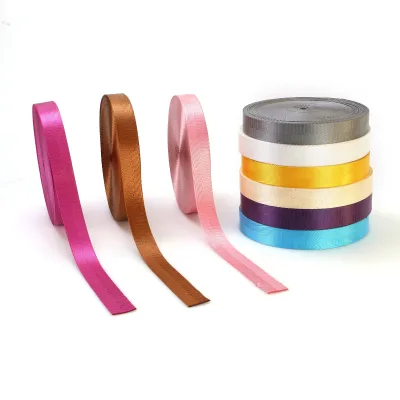

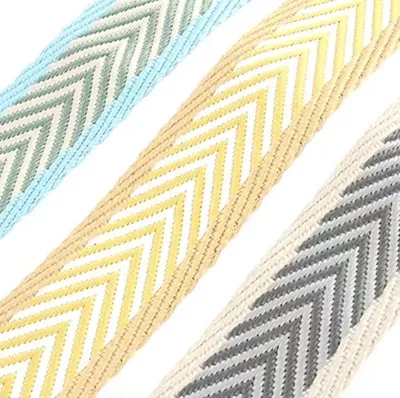
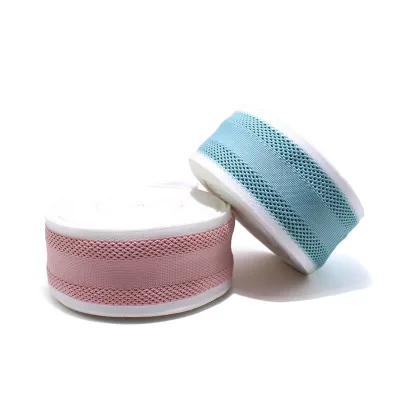
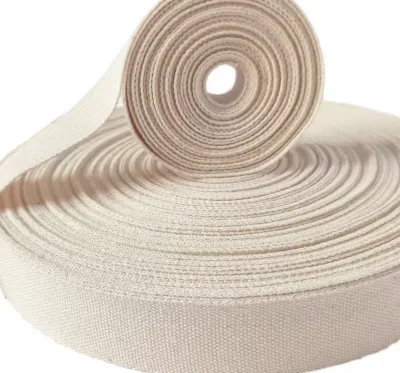


Factory Customized High Quality Polyester Herringbone Yarn Stripe Webbing
$0.11 - $0.35
MOQ: 1000 Yards

Cotton Herringbone Webbing Tape Stitched Herringbone Twill Webbing Strap Tape
$0.11 - $0.35
MOQ: 1000 Yards

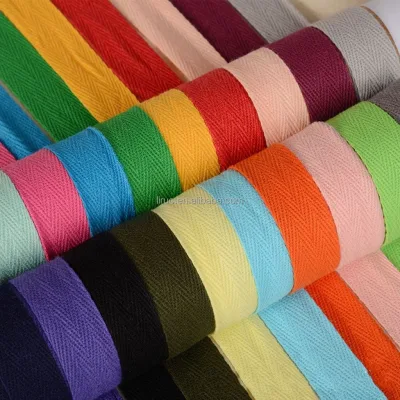
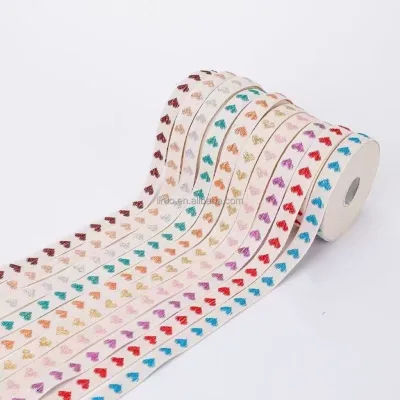
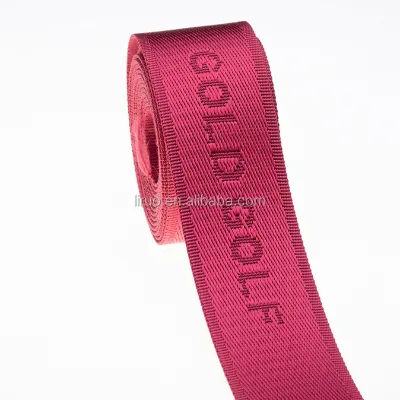
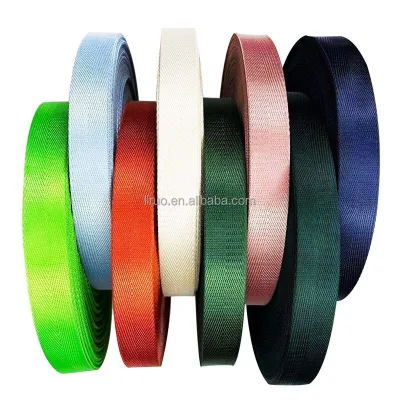
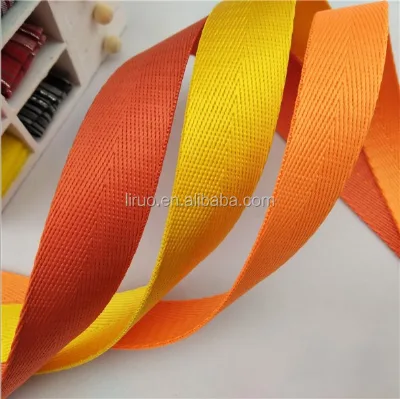
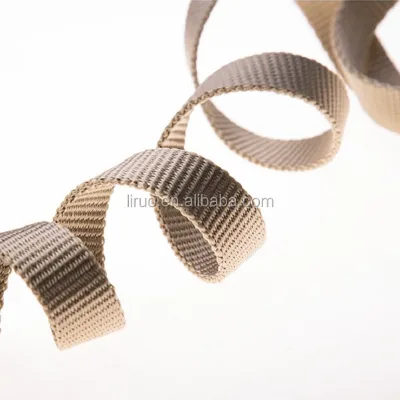
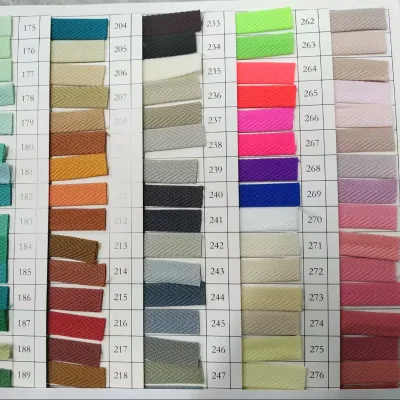


Durable Nylon Herringbone Webbing for Sportswear Gloves Backpacks Buckles Webbing
$0.05 - $0.10
MOQ: 1000 Meters


Comprehensive Sourcing Guide
Herringbone Animal Polyester Webbing Sourcing Guide
Sourcing Herringbone Animal Polyester Webbing requires a disciplined approach to material verification and supplier alignment, particularly when integrating these components into high-stress applications. Buyers must recognize that while the core keyword suggests specific aesthetic patterns, the underlying structural integrity depends heavily on the base fiber composition and weaving technique. The supplied data indicates a strong prevalence of 100% polyester and blended materials, which offer distinct advantages in tenacity and resistance to environmental degradation. Understanding these material distinctions is the first step in ensuring that the webbing meets the mechanical demands of the final product, whether it be luggage, footwear, or specialized sports equipment.
Procurement teams should also prioritize suppliers who demonstrate flexibility in customization, as off-the-shelf solutions rarely meet the precise dimensional and aesthetic requirements of modern manufacturing lines. The observed market signals show that many manufacturers support OEM services and offer a wide range of widths, from narrow 50mm strips to broader 3-inch options. This variability allows buyers to tailor the webbing to specific load-bearing needs without compromising on the desired herringbone texture or animal-inspired visual appeal. By focusing on suppliers with robust customization capabilities, buyers can secure a supply chain that adapts to design changes and volume fluctuations with minimal disruption.
Product Scope and Observed Listing Signals
The current market landscape for polyester webbing reveals a diverse array of product configurations, with observed price points ranging from $0.05 to $5 per unit. This wide variance suggests that buyers will encounter everything from basic utility straps to premium, feature-rich webbing designed for high-end fashion or industrial use. The minimum order quantities (MOQ) observed range from 1 to 3,000 units, indicating that while some suppliers cater to small-batch prototyping, others operate on a high-volume manufacturing model. Buyers must carefully align their order volumes with supplier capabilities to avoid excessive inventory costs or production delays, especially when dealing with custom colors or specific weave patterns like the herringbone style.
Feature sets listed in product catalogs frequently highlight attributes such as water resistance, low shrinkage, high tenacity, and abrasion resistance. These characteristics are critical for applications where the webbing is subjected to friction, moisture, or heavy loads. For instance, the SL1340 model is noted for its water-resistant and high-temperature resistant properties, making it suitable for outdoor gear. Similarly, other models emphasize eco-friendly credentials and elasticity, which are increasingly important for brands targeting sustainability-conscious consumers. Buyers should verify these claims through sample testing, as the listed features represent potential capabilities rather than guaranteed performance metrics for every SKU.
Technical Specifications to Verify
Dimensional accuracy is paramount when specifying webbing for manufacturing, as even minor deviations in width or thickness can compromise assembly processes. The supplied data shows widths ranging from 50mm to 3 inches, with thicknesses varying from 0.24mm to 3mm, depending on the model and customization options. Buyers must confirm the exact tolerances for their specific application, as the SL1164 model, for example, offers customizable thicknesses to meet precise engineering requirements. It is essential to request detailed technical drawings or physical samples to verify that the webbing’s cross-sectional profile matches the design specifications, ensuring proper fitment in buckles, loops, and stitching points.
Material composition and construction techniques also play a significant role in the webbing’s performance and longevity. While 100% polyester is a common base, some products utilize blends with cotton, nylon, or PP to achieve specific tactile or aesthetic qualities. The SL1719 model, for instance, is described as having a braided pattern and is made from a polyester/nylon mix, which may offer different stretch and recovery characteristics compared to woven variants. Buyers should inquire about the specific weaving method, such as jacquard or plain weave, as this affects the surface texture and durability. Verifying these technical details early in the sourcing process helps prevent costly rework or product failures in the field.
Compliance and Safety Documentation
Regulatory compliance is a non-negotiable aspect of sourcing webbing, particularly for products sold in regulated markets such as the European Union or North America. The supplied context mentions ROHS and SGS standards, which are critical for ensuring that the materials used do not contain hazardous substances like lead, phthalates, or other restricted chemicals. Buyers must request valid certification documents from suppliers to verify that their production processes adhere to these standards. It is important to note that compliance is not automatic; buyers should confirm that the certifications apply to the specific product line and colorway being ordered, as different dyes and finishes may have varying chemical profiles.
In addition to chemical safety, environmental and social compliance standards are increasingly influencing procurement decisions. Many suppliers now offer eco-friendly webbing options, which may include recycled polyester or sustainable manufacturing practices. Buyers should ask for detailed information on the environmental credentials of the webbing, such as GRS (Global Recycled Standard) certification or carbon footprint data. Furthermore, verifying that the supplier adheres to ethical labor practices and quality management systems like ISO 9001 can mitigate reputational risks. Ensuring that all documentation is up-to-date and directly applicable to the purchased goods is essential for maintaining brand integrity and meeting customer expectations.
Cost Drivers and Commercial Terms
Several factors influence the final cost of Herringbone Animal Polyester Webbing, with material composition and customization level being primary drivers. The use of 100% polyester versus blended fabrics, along with the complexity of the herringbone weave pattern, can significantly impact production costs. Additionally, custom colors and specific packaging requirements, such as polybag and carton combinations, may incur additional fees. Buyers should request a detailed cost breakdown to understand how each variable affects the unit price, allowing for more accurate budgeting and negotiation. It is also important to consider the MOQ, as higher volumes often result in lower per-unit costs, but may require larger capital outlays and storage capacity.
Commercial terms, including lead times and payment conditions, are equally critical to the total cost of ownership. The supplied data indicates production lead times of 15-20 days for standard orders, with sample orders potentially available in 7 days. Buyers must factor these timelines into their production schedules to avoid stockouts or delays. Payment terms, such as deposits or letters of credit, should be negotiated to balance risk and cash flow. Additionally, shipping costs and import duties can add significant expenses, so buyers should clarify whether prices are quoted on FOB, CIF, or other Incoterms. Understanding these commercial dynamics helps in selecting suppliers who offer the best overall value, not just the lowest unit price.
Supplier Qualification and Quality Control
Evaluating supplier qualifications is essential to ensure consistent quality and reliable delivery of Herringbone Animal Polyester Webbing. Buyers should verify the supplier’s manufacturing capabilities, including their production capacity, quality control processes, and experience with similar products. The supplied context mentions that many suppliers are located in Guangdong and Zhejiang, China, regions known for their textile manufacturing expertise. However, buyers must conduct due diligence to confirm that the supplier has the specific equipment and skilled labor required to produce high-quality webbing with precise herringbone patterns. Requesting factory audits or third-party inspections can provide valuable insights into the supplier’s operational standards.
Quality control measures should be clearly defined and agreed upon before production begins. Buyers should establish clear acceptance criteria for defects, such as uneven weaving, color bleeding, or dimensional inaccuracies. It is also important to define the sampling process, including the number of samples required and the timeline for approval. The supplied data indicates that sample orders are supported, which allows buyers to test the webbing’s performance before committing to large volumes. Implementing a robust quality assurance plan, including in-process inspections and final random inspections, helps minimize the risk of receiving substandard goods. Clear communication and documented quality standards are key to maintaining a successful supplier relationship.
Long-Term Procurement Checks
Building a resilient supply chain for Herringbone Animal Polyester Webbing requires ongoing monitoring and relationship management. Buyers should regularly review supplier performance metrics, such as on-time delivery rates, defect rates, and responsiveness to issues. Establishing a scorecard system can help track these metrics over time, providing a data-driven basis for supplier evaluations and contract renewals. It is also important to maintain open lines of communication with suppliers to address any emerging challenges, such as raw material shortages or changes in regulatory requirements. Proactive engagement helps foster a collaborative partnership that can adapt to market changes and support continuous improvement.
Strategic sourcing practices, such as diversifying the supplier base and negotiating long-term agreements, can enhance supply chain stability. Buyers should consider qualifying multiple suppliers for critical webbing components to mitigate the risk of single-source dependency. Additionally, exploring opportunities for cost reduction through volume consolidation or process optimization can improve profitability over time. Staying informed about industry trends, such as new sustainable materials or advanced weaving technologies, can also provide competitive advantages. By implementing these long-term procurement checks, buyers can ensure a steady supply of high-quality Herringbone Animal Polyester Webbing that meets their evolving business needs.
FAQs
What materials are used for this polyester webbing?
The webbing is primarily made from 100% polyester, with some variants blending polyester and cotton or nylon. These materials provide high tenacity and durability. The choice of material ensures the webbing meets specific strength requirements for various applications while maintaining resistance to abrasion and chemicals.
What is the standard width and thickness available?
Standard widths include 50mm, 1.5 inches, and options ranging from 3/4 inch to 3 inches. Thickness typically ranges from 0.24mm to 3mm, with customization available. Specific models like SL1340 offer 50mm width and 1.45mm thickness, ensuring precise fit for diverse industrial and consumer product needs.
Can the webbing be customized for specific colors?
Yes, customization is available for colors, including black and other custom shades. The production process supports dyed patterns and specific color requirements. Buyers can request tailored color solutions to match their brand identity or product design specifications, ensuring the final webbing meets exact aesthetic and functional criteria.
What certifications does the webbing hold?
The webbing holds ROHS and SGS certifications, ensuring compliance with international safety and quality standards. These certifications verify that the materials and manufacturing processes meet rigorous environmental and performance criteria. Buyers can rely on these standards for regulatory compliance in global markets, particularly for consumer goods and industrial applications.
What is the typical production lead time?
The production lead time is usually 15-20 days for standard orders. Sample orders can be supported with a 7-day lead time. This timeline allows for efficient planning and inventory management. Buyers should account for this duration when scheduling production runs to ensure timely delivery and alignment with their supply chain requirements.
What is the minimum order quantity for this webbing?
The minimum order quantity is 3000 yards per color for standard production runs. This MOQ ensures efficient manufacturing and cost-effectiveness. Buyers planning large-scale projects should consider this threshold when budgeting and ordering. Customization options may have different MOQs, so direct consultation is recommended for specific volume requirements.