Source Garment Label Fastener Tag Gun for Clothing, Shoes, and Hats
Compare 30 Garment Label Fastener Tag Gun options from verified suppliers. Buyers can evaluate models like ARROW 5S and HZI-TPG-605 based on needle size, material, and MOQ requirements for textile dyeing machinery and general garment applications; compare the available evidence and request quotations based on your requirements.
Updated
Key considerations
Products List
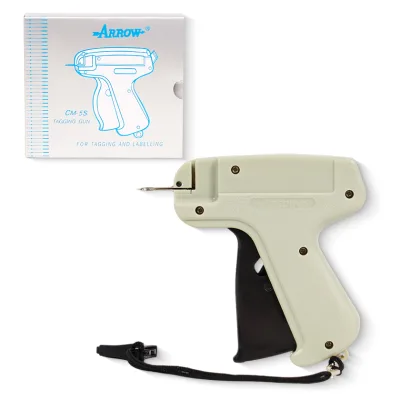
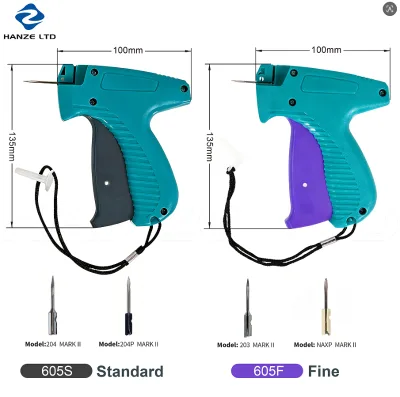
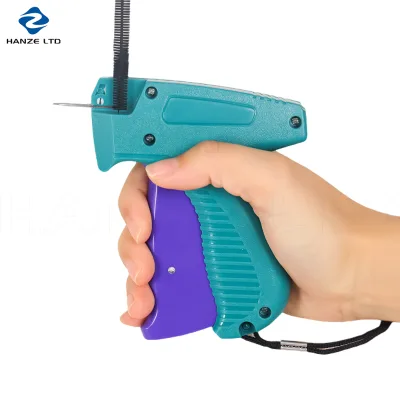
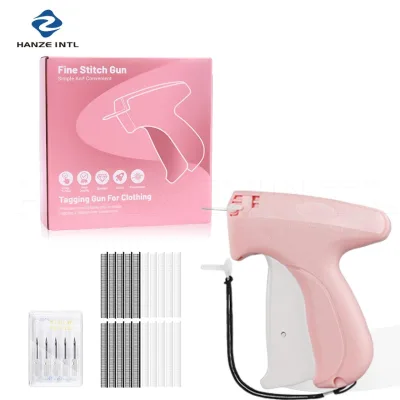
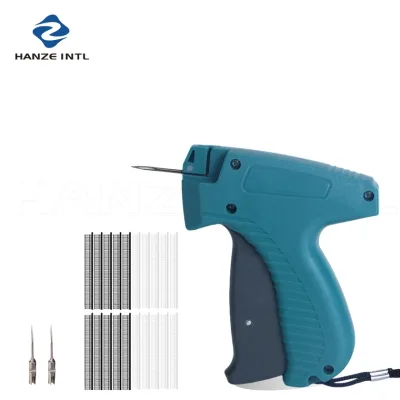
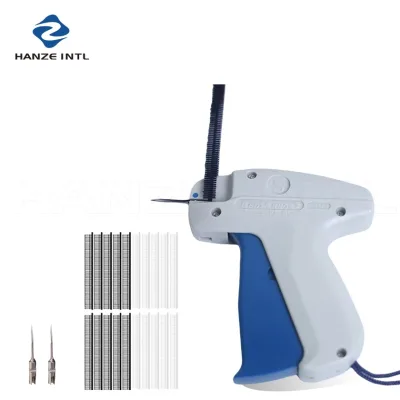
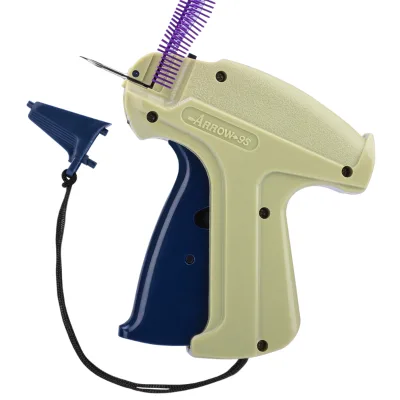
Customized Garment Handheld Labeling Gun Red Arrow Standard Tag Gun Tag Pin
$2.0581 - $2.2635
MOQ: 2 pieces




Comprehensive Sourcing Guide
Garment Label Fastener Tag Gun Sourcing Guide
Procuring the right tagging equipment is critical for maintaining efficiency in garment labeling and accessory attachment processes. Buyers must distinguish between general-purpose tagging guns and specialized tools designed for specific textile applications. The market offers various models, each tailored to different fastener sizes and material thicknesses. Understanding these distinctions ensures that the selected tool aligns with operational needs, preventing bottlenecks in production lines.
This guide focuses on evidence-based selection criteria for garment label fastener tag guns. It draws from observed product attributes and supplier data to provide actionable insights. By examining technical specifications, compliance requirements, and commercial terms, buyers can make informed decisions. The following sections detail the key factors that influence sourcing success, ensuring that procurement teams select reliable equipment that meets quality and performance standards.
Product Scope and Observed Listing Signals
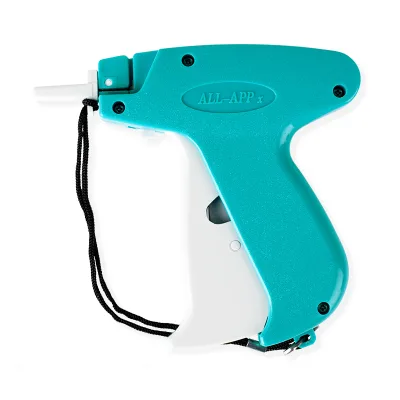
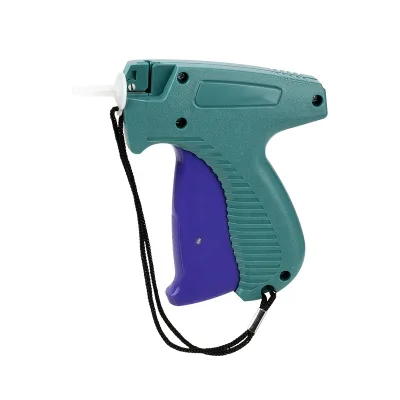
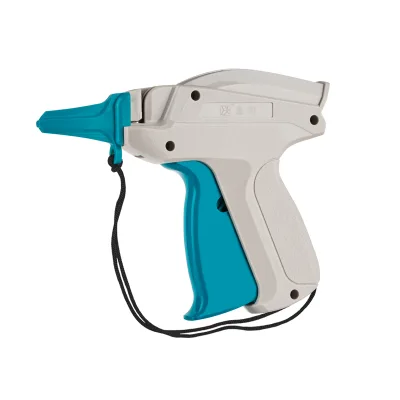
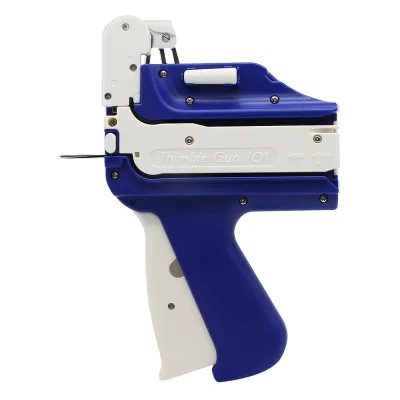
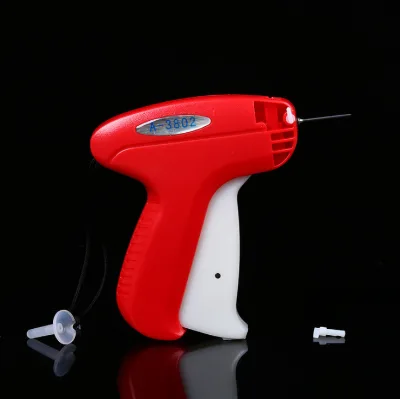
The observed product range includes tagging guns primarily marketed for clothing accessories and textile applications. Key product names such as "Fine Tag Gun" and "Standard Tag Gun" indicate a focus on precision and versatility in garment labeling. These tools are designed to attach labels to various items, including socks, towels, shoes, hats, mats, and plush toys. The versatility of these devices allows them to handle a wide array of textile products, making them essential for diverse manufacturing environments.
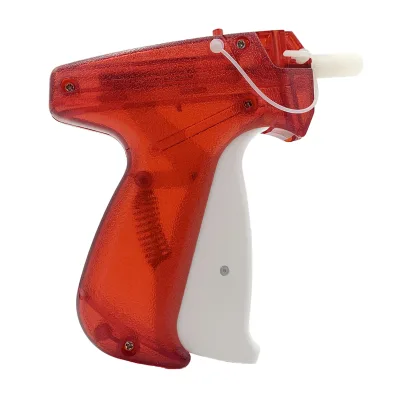
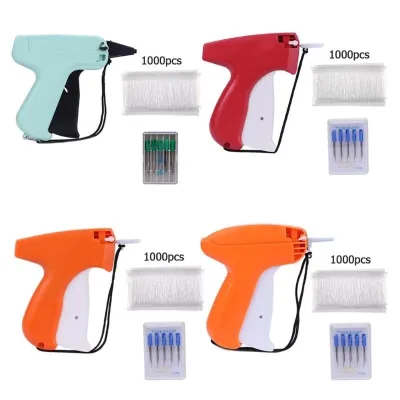
Material composition is a significant factor in product durability and performance. Most observed tagging guns are constructed from ABS plastic, providing a balance of strength and lightweight handling. Colors vary, with options including green, pink and white, and grey, allowing for visual differentiation in busy workspaces. The single package sizes typically range from 15x14x3.4 cm to 20x15x15 cm, indicating compact designs that are easy to store and transport. These physical attributes suggest a focus on ergonomic design and practical usability for daily operations.
Technical Specifications to Verify
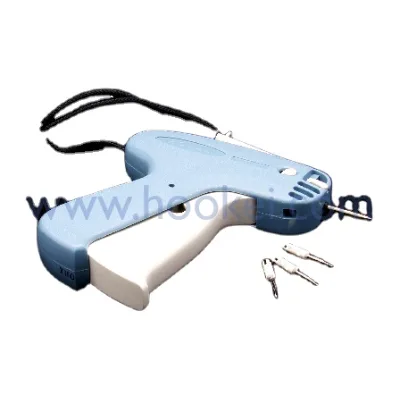
Verifying needle size and type is crucial for ensuring compatibility with different label materials. Observed specifications include needle sizes of 1.3mm and 2.0mm, with thin needle types available for delicate fabrics. The compatible fastener size is noted as 8.0 mm, which dictates the maximum label thickness the gun can handle. Buyers should confirm these dimensions against their specific label stock to prevent jams or incomplete attachments. Mismatched specifications can lead to operational inefficiencies and increased waste.
Model numbers and dimensions further differentiate the available options. Models such as ARROW 5S, HZI-TPG-605, and 8X offer varying tagging gun sizes, ranging from 135 mm to 140 mm in length. These variations cater to different user preferences and hand sizes, impacting comfort during extended use. Additionally, the single gross weight ranges from 0.300 kg to 1.0 kg, influencing the fatigue level of operators. Selecting a model with appropriate weight and size ensures sustained productivity and reduces the risk of ergonomic strain.
Compliance and Safety Documentation
While specific certification details are not explicitly listed in the observed data, buyers should prioritize suppliers who provide video outgoing inspections. This practice offers a transparent view of the product's condition before shipment, reducing the risk of receiving defective units. The availability of such inspections serves as a proxy for quality control rigor, ensuring that each unit meets basic functional standards. Buyers should request these videos as part of their pre-shipment verification process to confirm product integrity.
Warranty provisions are another critical aspect of compliance and risk management. One observed product offers a 1.5-year warranty, providing a safety net against early failures. This warranty period indicates the supplier's confidence in the product's durability and performance. Buyers should verify the terms and conditions of the warranty, including coverage for parts and labor. A robust warranty policy can significantly reduce long-term maintenance costs and downtime, making it a valuable component of the procurement decision.
Cost Drivers and Commercial Terms
Minimum Order Quantities (MOQ) vary significantly across suppliers, ranging from 2 pieces to 50,000 pieces. This wide range allows buyers to scale their orders according to immediate needs and budget constraints. Lower MOQs are ideal for testing new equipment or small-scale operations, while higher MOQs may offer better unit economics for large-scale procurement. Buyers should align their order quantities with their production volume to avoid excess inventory or stockouts.
Lead times and sample availability also impact commercial terms. Some suppliers support a 7-day sample order lead time, enabling quick evaluation of product quality before committing to larger orders. Others do not support sample orders, which may increase the risk of purchasing unsuitable equipment. Buyers should prioritize suppliers who offer flexible sample policies to mitigate procurement risks. Additionally, packaging details, such as carton boxes, should be considered for logistics planning and cost estimation.
Supplier Qualification and Quality Control
Supplier origin and customization capabilities are key indicators of reliability. Most observed products originate from Hebei, China, a region known for manufacturing expertise in this sector. The availability of OEM services, including logo customization, suggests that suppliers are equipped to handle branded orders. Buyers should verify the supplier's capacity to meet specific branding requirements and ensure that customization does not compromise product quality.
Quality control measures, such as video inspections and warranty offerings, reflect the supplier's commitment to excellence. Buyers should assess the supplier's track record in providing consistent quality and after-sales support. The presence of detailed product specifications, such as model numbers and dimensions, indicates a professional approach to product listing. Suppliers who provide comprehensive information are more likely to deliver reliable products and responsive service, reducing the likelihood of procurement issues.
Long-Term Procurement Checks
Establishing a relationship with suppliers who offer consistent quality and support is essential for long-term success. Buyers should monitor supplier performance over time, tracking metrics such as delivery times, product defect rates, and customer service responsiveness. Regular evaluations help identify potential issues early, allowing for proactive management of the supply chain. Maintaining open communication with suppliers ensures that any changes in product specifications or availability are promptly addressed.
Continuous improvement in procurement processes can lead to significant cost savings and operational efficiencies. Buyers should regularly review their tagging gun requirements and explore new models or suppliers that offer enhanced features. Staying informed about industry trends and technological advancements ensures that the procurement strategy remains competitive. By focusing on long-term partnerships and quality assurance, buyers can build a resilient supply chain that supports their manufacturing goals.
FAQs
What is the MOQ for Hanze tagging guns?
The minimum order quantity is 2 pieces for standard models. Some listings indicate an MOQ of 100 pieces for specific variants. Buyers should verify the exact requirement for their selected model number, such as ARROW 5S or HZI-TPG-605, before placing an order.
Can I get a sample order with video inspection?
Yes, sample orders are supported with a 7-day lead time. Video outgoing inspections are provided for selected items. This allows buyers to verify product quality and functionality before committing to larger bulk orders, ensuring the tagging guns meet their specific textile dyeing or garment application needs.
What materials are used in these tag guns?
The tagging guns are constructed from durable ABS plastic. This material ensures longevity and resistance to wear during frequent use in clothing accessory applications. The design supports various needle sizes, including 1.3mm and 2.0mm options, to accommodate different fastener requirements for garments and textiles.
Which needle sizes are compatible with these devices?
Compatible needle sizes include 1.3mm and 2.0mm options. The devices support fasteners of 8.0mm width. Thin needle types are available for delicate fabrics. Buyers should match the needle size to their specific tagging requirements to ensure secure attachment of labels on clothing, socks, and plush toys.
Where are these tagging guns manufactured?
These products originate from Hebei, China. The manufacturing location ensures access to established supply chains for plastic components and metal needles. Buyers can expect consistent production standards and reliable logistics from this region, supporting efficient sourcing for global garment accessory needs and textile machinery applications.
What warranty is provided for the HANZE INTL brand?
A 1.5-year warranty is provided for the HANZE INTL brand tagging guns. This coverage supports buyers in case of manufacturing defects. The warranty applies to standard models like the Fine Tag Gun and Standard Tag Gun, offering peace of mind for bulk purchases in the global garment accessory market.