Source Explosion Proof IR Camera Case for Security, Mining, and Emergency
Find reliable Explosion Proof IR Camera Case options from verified manufacturers. Compare 30 listings featuring IP68 ratings, 304/316 stainless steel, and custom designs for security, mining, and emergency response applications; compare the available evidence and request quotations based on your requirements.
Updated
Key considerations
Products List
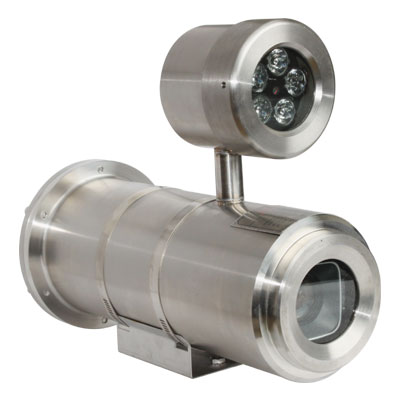
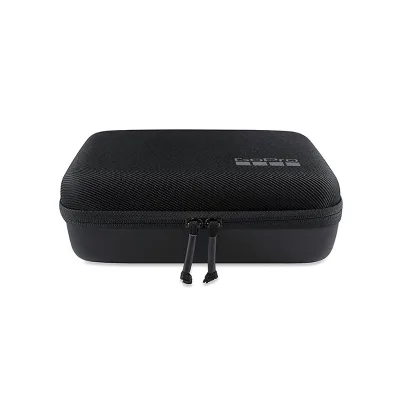


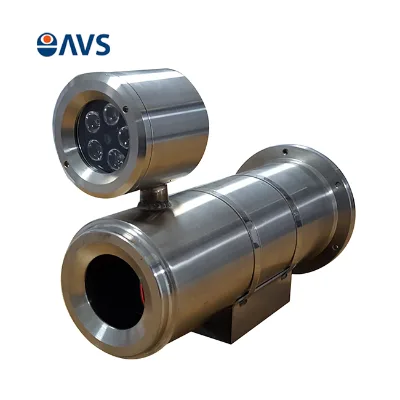
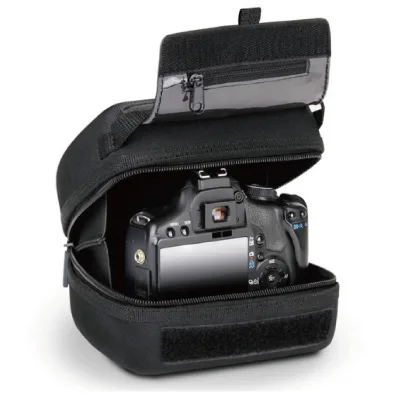


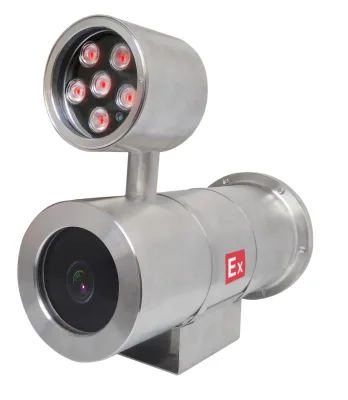

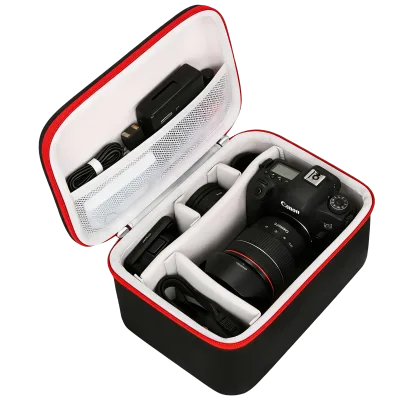
Protective Camera Hard Case Water & Shock Proof with Foam Hard Camera Case
$35.00 - $49.00
MOQ: 1 Pieces


Shockproof Waterproof Outdoor Hard Carrying Case Portable Plastic Camera Case
$65.00 - $86.00
MOQ: 1 Pieces


IP67 Waterproof Camera Case Plastic Hard Case Storage Toolcase with Foam
$20.00 - $30.00
MOQ: 50 Pieces

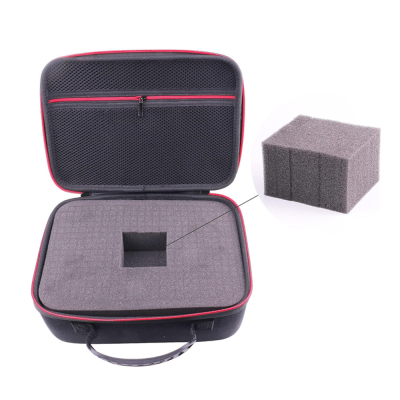

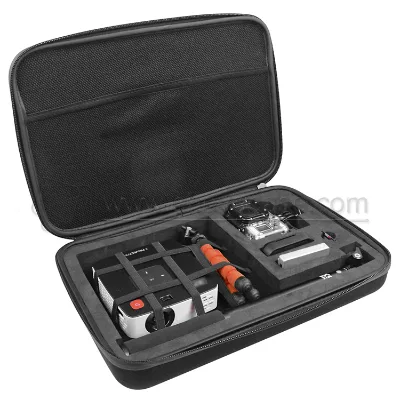
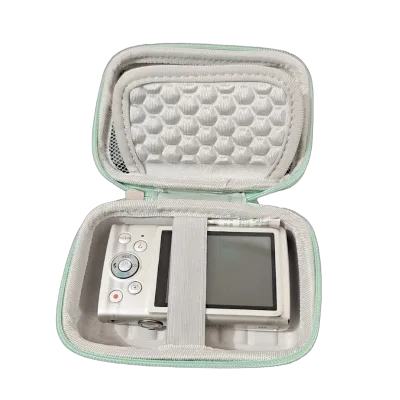
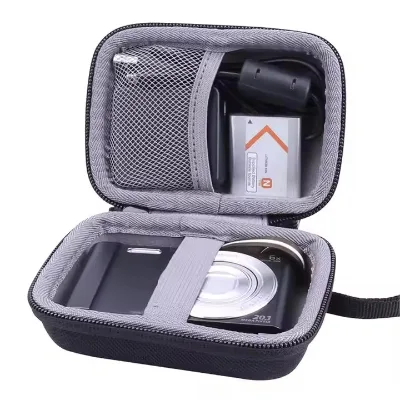
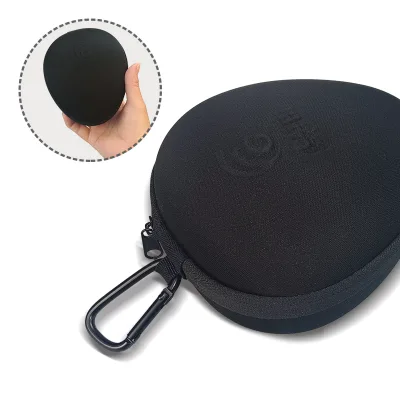
Durable Shockproof Camera Storage Case Hard EVA Molded Camera Foam Case
$5.37 - $9.33
MOQ: 1000 pieces
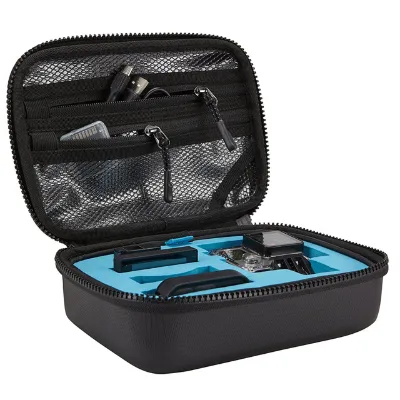

Comprehensive Sourcing Guide
Explosion Proof IR Camera Case Sourcing Guide
Procuring protective enclosures for infrared imaging equipment requires a rigorous approach to material integrity and environmental sealing. Buyers must prioritize cases that offer robust physical protection against impact while maintaining strict ingress protection ratings. The core challenge lies in balancing lightweight portability with the heavy-duty durability needed for industrial or field operations. Sourcing decisions should be driven by specific operational hazards, ensuring the selected housing can withstand the mechanical stresses of transport and deployment without compromising the sensitive internal electronics.
This guide focuses on identifying suppliers who provide verified specifications for ruggedized cases, particularly those designed for hand-held or wheeled configurations. It is essential to distinguish between general-purpose protective cases and those engineered for extreme environments. Buyers should evaluate the structural design, including lid mechanisms and internal foam customization, to ensure optimal shock absorption. The following sections detail the technical, commercial, and compliance factors necessary for making an informed procurement decision that aligns with long-term operational reliability and safety standards.
Product Scope and Observed Listing Signals
The market for rugged camera cases includes a variety of styles, ranging from hand-held units to wheeled configurations, catering to different logistical needs. Observed product attributes indicate a strong emphasis on multi-purpose usage, with materials primarily consisting of 304/316 stainless steel or high-impact plastics. These materials are selected for their resistance to corrosion and physical damage, ensuring the longevity of the enclosure in harsh conditions. The presence of customization options, such as OEM and ODM support, allows buyers to tailor the internal layout to specific camera models and accessory requirements.
Listing signals reveal a focus on specific protective features, including waterproof, shockproof, and dustproof capabilities. Many suppliers highlight IP67 or IP68 ratings, which are critical for maintaining functionality in wet or dusty environments. The observed weight range and single package dimensions suggest a design philosophy that balances protection with portability. Buyers should note that while some listings mention specific model numbers like DEK-500 or M-series variants, the actual performance characteristics must be verified through direct supplier communication and sample testing rather than relying solely on catalog descriptions.
Technical Specifications to Verify
When evaluating technical specifications, the ingress protection rating is a primary consideration for infrared camera cases. Buyers must verify whether the case meets IP67 or IP68 standards, as these ratings define the level of protection against solid particles and water immersion. The thickness of the housing material, often observed around 4mm, contributes to its shock-absorbing properties. It is crucial to confirm the exact dimensions of the lid and cover mechanisms, as these affect the ease of access and the integrity of the seal when the case is closed.
Internal customization is another key technical aspect, with options such as EVA foam or cube foam available to secure the camera and accessories. The weight of the empty case, typically ranging from 1.8kg to 2.6kg depending on the model, impacts the portability for field operators. Buyers should also inquire about the manufacturing process, such as injection molding, which ensures consistent quality and structural integrity. Verifying the single gross weight and package size is essential for calculating shipping costs and ensuring the case fits within standard transport constraints.
Compliance and Safety Documentation
Compliance with international standards is vital for ensuring the safety and reliability of protective equipment used in industrial settings. Buyers should request documentation for certifications such as ISO9001, RoHS, and Reach, which indicate adherence to quality management and environmental regulations. While some listings mention IP67 certification, it is important to verify if this applies to the entire assembly or just specific components. The absence of explicit explosion-proof certifications in the observed data suggests that these cases may not be suitable for hazardous areas without additional verification.
Procurement teams must ensure that all materials used in the construction of the case are compliant with relevant safety standards. This includes verifying that the plastics or metals do not contain hazardous substances that could degrade over time or pose health risks. Documentation should also cover the warranty terms, with some suppliers offering up to 10 years of coverage, which reflects confidence in product durability. Buyers should clarify the scope of the warranty and the process for claiming repairs or replacements to mitigate long-term operational risks.
Cost Drivers and Commercial Terms
The cost of rugged camera cases is influenced by several factors, including material selection, customization level, and order volume. Observed price ranges vary significantly, reflecting differences in quality, features, and supplier positioning. Buyers should consider the minimum order quantity (MOQ), which can range from single pieces to larger batches, affecting the unit price and overall procurement strategy. Customization services, such as logo printing or custom foam inserts, may incur additional costs but can enhance brand visibility and operational efficiency.
Commercial terms also include lead times and payment conditions, which vary by supplier. Buyers should negotiate clear terms for production schedules and delivery to avoid disruptions in supply chains. The advantage of working with experienced manufacturers, such as those with 18 years of industry presence, may justify higher initial costs through better quality control and after-sales support. It is advisable to request detailed quotations that break down costs for materials, labor, and customization to ensure transparency and facilitate accurate budgeting.
Supplier Qualification and Quality Control
Supplier qualification is a critical step in ensuring the reliability of the sourced products. Buyers should assess the manufacturer’s production capabilities, including their use of advanced processes like injection molding, which ensures precision and consistency. The location of production, often in regions like Hebei or Shanghai, can impact logistics and communication efficiency. It is important to verify the supplier’s track record in producing similar rugged cases and their ability to meet specific technical requirements.
Quality control measures should be clearly defined and agreed upon before placing orders. This includes inspections for material integrity, seal effectiveness, and dimensional accuracy. Buyers should request samples to test the case’s performance under simulated field conditions, focusing on its waterproof and shockproof capabilities. Establishing a clear communication channel for addressing defects or discrepancies is essential for maintaining quality standards. Regular audits or third-party inspections may be necessary for large-volume orders to ensure ongoing compliance with agreed specifications.
Long-Term Procurement Checks
Long-term procurement success depends on continuous monitoring of product performance and supplier reliability. Buyers should establish a feedback loop with end-users to gather insights on the case’s durability and usability in real-world scenarios. This information can drive future design improvements and help in selecting the most suitable models for specific applications. Regular reviews of warranty claims and repair histories can also provide valuable data on potential quality issues or areas for improvement.
Maintaining a diversified supplier base can mitigate risks associated with supply chain disruptions or quality inconsistencies. Buyers should periodically re-evaluate supplier performance based on delivery times, product quality, and customer service responsiveness. Staying updated on industry trends and technological advancements in protective casing materials can help in making informed decisions about future procurements. By focusing on these long-term checks, organizations can ensure that their investment in rugged camera cases delivers sustained value and operational support.
FAQs
What certifications are available for these cases?
These cases are available with ISO9001, RoHS, Reach, and IP67 certifications. The IP67 rating ensures reliable waterproof and dustproof performance for sensitive equipment. Buyers requiring specific compliance standards should verify the exact certification list with the manufacturer before placing orders to ensure regulatory alignment.
Can I customize the logo and design?
Yes, OEM and ODM customization is available for these cases. Buyers can request customized logos and specific design modifications to meet brand requirements. The manufacturer supports custom design supply, allowing for tailored solutions that align with specific operational needs and branding guidelines for professional equipment protection.
What is the minimum order quantity for these cases?
The minimum order quantity starts at 1 piece for these cases. This low MOQ allows buyers to test quality or order small batches without significant commitment. The flexible ordering policy supports both small-scale procurement needs and larger industrial requirements, making it accessible for various business sizes and project scopes.
What materials are used to construct these cases?
These cases are constructed from 304/316 stainless steel or durable plastic materials. The robust construction ensures shockproof and waterproof protection for valuable equipment. The material choice provides long-term durability and resistance to environmental factors, ensuring the safety of contents during transport and storage in demanding industrial or outdoor settings.
What is the warranty period for these products?
These cases come with a 10-year warranty period. This extended coverage reflects the manufacturer's confidence in the product's durability and quality. Buyers benefit from long-term protection against defects, ensuring reliable performance over time. The warranty supports sustained operational use and reduces long-term replacement costs for industrial equipment protection.
How are these cases packaged for shipping?
These cases are packaged with customized options, often including Eav Foam or Cube Foam for internal protection. The single package size is approximately 44x40x19 cm, with a gross weight of 15.0 kg. This packaging ensures safe transit and protects the case from damage during logistics, maintaining product integrity upon arrival.