Source Full-Automatic Aluminum Melting Furnace for Casting, Die-Casting, Industry
Compare 30 full-automatic aluminum melting furnaces from verified Chinese suppliers. These units feature PLC control, high thermal efficiency, and are designed for industrial die-casting and melting applications with customizable options; compare the available evidence and request quotations based on your requirements.
Updated
Key considerations
Products List


Energy Saving Fixed Aluminum Melting Furnace for Industrial Foundry
$10000.00 - $100000.00
MOQ: 1 Tons

Regenerative Fixed Aluminum Melting Furnace for Modern Aluminum Plant
$10000.00 - $100000.00
MOQ: 1 Tons

High Output Fixed Aluminum Melting Furnace for Industrial Casting Production
$10000.00 - $100000.00
MOQ: 1 Tons

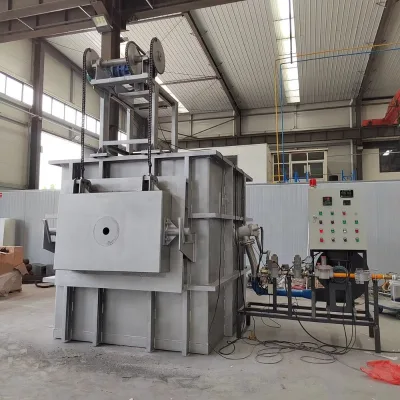
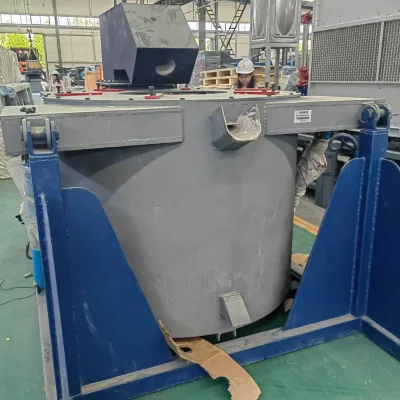
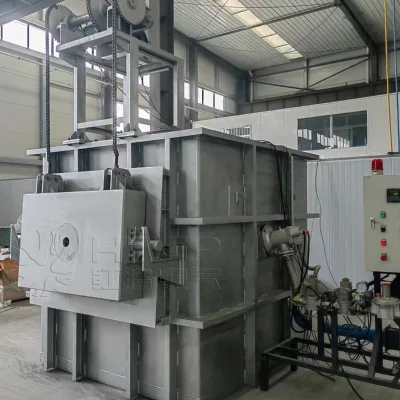
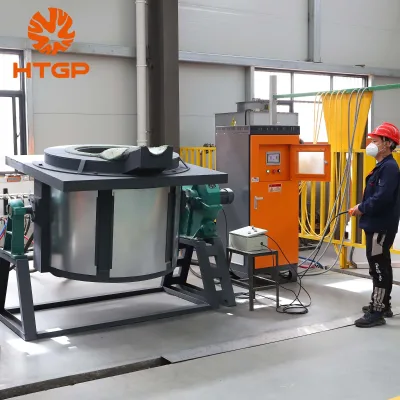
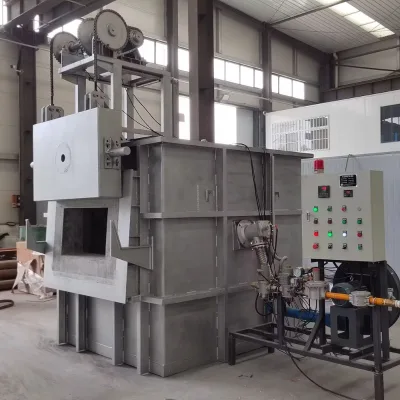


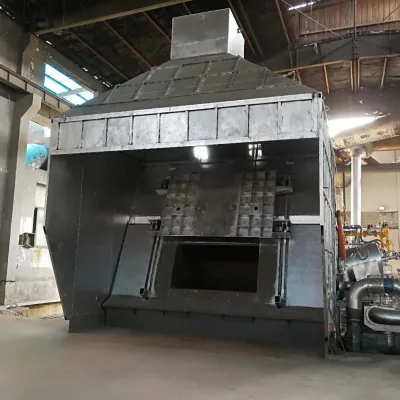
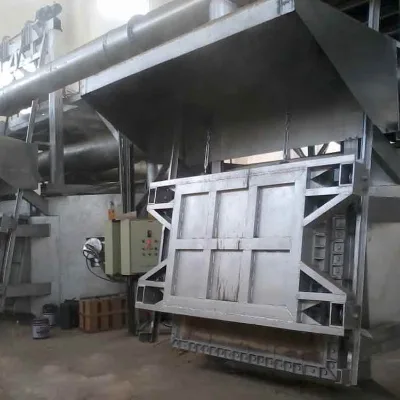
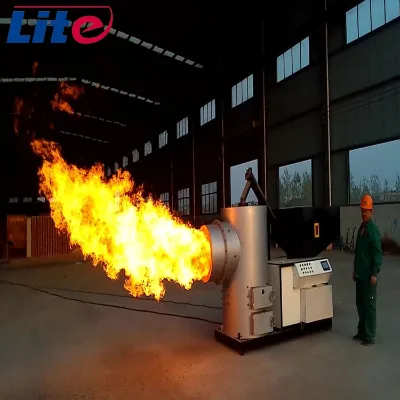
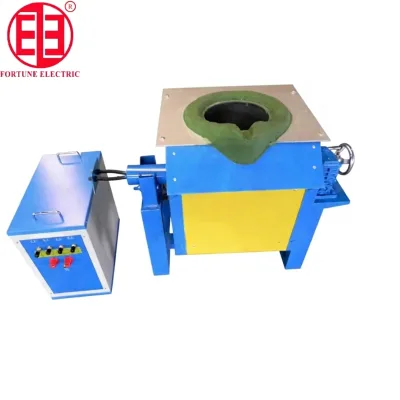
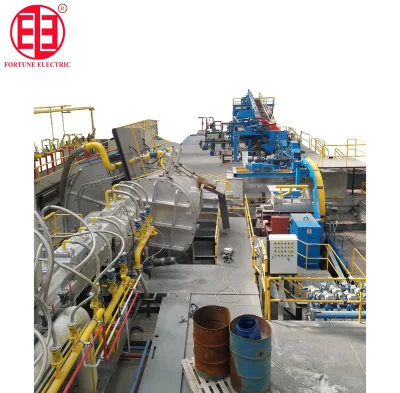


Aps Energy Saving Big Capacity Electric Aluminum Melting Furnace Price
$10000.00 - $60000.00
MOQ: 1 Pieces


Comprehensive Sourcing Guide
Full-Automatic Aluminum Melting Furnace Sourcing Guide
Procuring a full-automatic aluminum melting furnace requires a disciplined approach to aligning technical capabilities with operational efficiency. Buyers must prioritize equipment that integrates automatic control systems, such as PLC and touch screen interfaces, to ensure consistent thermal management and reduced manual intervention. The observed market signals indicate a strong preference for horizontal type structures, which often facilitate easier material handling and maintenance access compared to vertical alternatives. Understanding these structural preferences is the first step in defining accurate procurement specifications.
The sourcing landscape includes various furnace types, including crucible melting furnaces and induction furnaces, each serving distinct industrial needs. Suppliers frequently highlight high thermal efficiency and low energy consumption metrics, such as specific caloric usage per ton of material, as key selling points. Buyers should verify these claims against their own production volumes and energy costs. Additionally, the availability of customization options allows for tailored solutions, but this requires clear communication of specific operational constraints and spatial requirements during the initial inquiry phase.
Product Scope and Observed Listing Signals
The current market offers a diverse range of aluminum melting solutions, with observed price points spanning from $2,500 to $480,000 USD. This wide variance reflects differences in capacity, automation level, and brand reputation. Minimum order quantities are typically low, ranging from one to ten units, indicating that most suppliers operate on a made-to-order or small-batch basis rather than mass production. This structure allows for greater flexibility in procurement but necessitates careful evaluation of unit pricing and shipping costs for larger projects.
Product listings frequently emphasize specific attributes such as gas fuel usage, high vacuum capabilities, and slanted or vertical electric lifting furnace doors. These features suggest a focus on specialized melting environments where precise atmosphere control is critical. The observed models, including those labeled with standards like GMC-50 and GV-669, indicate a standardized approach to certain furnace designs. Buyers should cross-reference these model numbers with their technical requirements to ensure compatibility with existing infrastructure and material handling processes.
Technical Specifications to Verify
Verifying the core technical specifications is essential for ensuring the furnace meets production demands. Key attributes to confirm include the power rating, with observed values around 500 kW for certain models, and the voltage requirements, typically 380 V. The weight of the machinery, often cited around 5 tons or 6,000 kg, impacts foundation requirements and logistics planning. Buyers must ensure that their facility can support the structural load and provide the necessary electrical infrastructure to handle the specified power consumption without interruption.
The control system architecture, described as automatic with touch screen and PLC integration, is a critical factor in operational efficiency. Buyers should verify the specific PLC brand and software capabilities to ensure ease of use and future maintenance support. Additionally, the dimension of the furnace, which may be customized, must be aligned with the available floor space. The single package size, often noted as 60x60x60 cm for certain components, aids in planning internal logistics and installation procedures within the manufacturing facility.
Compliance and Safety Documentation
Safety and regulatory compliance are non-negotiable aspects of sourcing industrial melting equipment. The observed certifications, including UL, ISO, and CE, provide a baseline for quality and safety standards. Buyers must verify that the specific unit being purchased holds these certifications and that they are valid for the destination country. The presence of a machinery test report, which is provided by some suppliers, offers additional assurance of performance and safety before shipment. This documentation should be reviewed thoroughly to identify any potential risks or non-compliance issues.
Pressure vessel components, identified as core components in some listings, require strict adherence to safety standards. Buyers should request detailed documentation for these components, including pressure ratings and material certifications. The warranty period, typically one year, covers core components and general machinery, but the scope of coverage must be clearly defined. Understanding what is included in the warranty, such as labor and parts, helps in calculating the total cost of ownership and mitigating financial risks associated with early equipment failure.
Cost Drivers and Commercial Terms
Several factors influence the final cost of a full-automatic aluminum melting furnace. The brand name, such as HTGP or Hongteng, can significantly impact pricing due to perceived reliability and after-sales support. The type of furnace, whether induction or gas-fired, also plays a major role in cost determination. Gas-fired models may have lower initial costs but higher operational expenses, while induction furnaces might offer higher efficiency but require a larger upfront investment. Buyers should conduct a total cost of ownership analysis that includes energy consumption, maintenance, and potential downtime.
Commercial terms, including packaging and shipping, are critical components of the procurement process. The observed packing methods, ranging from open packaging to specific crate dimensions, affect shipping costs and insurance premiums. The selling units are typically single items, which simplifies the ordering process but requires careful coordination of logistics. Buyers should negotiate clear terms regarding delivery times, payment methods, and responsibility for customs clearance to avoid unexpected costs or delays in receiving the equipment.
Supplier Qualification and Quality Control
Evaluating supplier qualifications is crucial for ensuring long-term reliability and support. Buyers should assess the supplier’s experience in manufacturing melting furnaces and their ability to provide customization services. The availability of a machinery test report and key selling points like long service life and high productivity are indicators of quality. However, these claims should be substantiated with customer references or third-party verification. Suppliers located in regions like Henan, China, may offer competitive pricing, but buyers must verify their production capabilities and quality control processes.
Quality control measures should be integrated into the procurement process, including pre-shipment inspections and factory audits. Buyers should request detailed information about the core components, such as engines, motors, and pressure vessels, to ensure they meet specified standards. The customization availability allows for tailored solutions, but it also introduces complexity in quality assurance. Establishing clear quality benchmarks and inspection protocols before production begins helps mitigate the risk of receiving equipment that does not meet operational requirements.
Long-Term Procurement Checks
Long-term success with a full-automatic aluminum melting furnace depends on robust after-sales support and maintenance planning. Buyers should verify the availability of spare parts and technical support services in their region. The one-year warranty is a starting point, but extended service contracts may be necessary for continuous operations. Understanding the lead times for spare parts and the responsiveness of the supplier’s technical team is essential for minimizing downtime in case of equipment failure.
Energy consumption metrics, such as the observed 55-60 × 10^4 cal per ton, should be monitored regularly to ensure the furnace is operating efficiently. Deviations from these benchmarks may indicate maintenance issues or operational inefficiencies. Buyers should establish a routine maintenance schedule based on the manufacturer’s recommendations and industry best practices. Regular inspections of the control system, heating elements, and pressure vessels help prevent unexpected breakdowns and extend the lifespan of the equipment, ensuring a return on investment over time.
FAQs
What certifications do the furnaces have?
The furnaces hold UL, ISO, and CE certifications. These standards ensure safety and quality compliance for industrial operations. Some models also carry ISO and CE marks specifically. Buyers should verify the specific certification list for each unit before purchase to meet local regulatory requirements.
How is the control system configured?
The control system features a touch screen combined with PLC control for automatic operation. This setup allows for precise management of the melting process. Users can monitor and adjust parameters easily through the interface. The system ensures consistent performance and high thermal efficiency during aluminum die-casting applications.
What is the typical energy consumption rate?
Energy consumption is measured at 55 to 60 times 10 to the fourth kilocalories per ton of material. This metric reflects the high thermal efficiency of the furnace design. The rate depends on the specific model and operational conditions. Buyers should calculate total costs based on their expected production volume and material type.
Can the furnace be customized for specific needs?
Yes, customization is available for various requirements including dimensions and colors. The product standard allows for tailored solutions to fit specific industrial applications. Buyers can request modifications to the structure or packing type. This flexibility ensures the equipment meets unique production line specifications effectively.
What is the warranty period for the equipment?
The equipment comes with a standard one-year warranty period. This coverage applies to the core components and general machinery functionality. Buyers should review the specific terms provided with the machinery test report. The warranty ensures protection against manufacturing defects during the initial operational phase.
Which voltage is required for operation?
The furnace operates on a standard 380 V voltage supply. This electrical requirement is typical for industrial melting furnaces of this capacity. Users must ensure their facility power infrastructure matches this specification. Proper voltage connection is essential for safe and efficient machine performance.
What is the weight of the standard unit?
The standard unit weighs approximately 5 tons or 6000 kilograms depending on the model. This weight reflects the robust construction required for high vacuum and melting tasks. Shipping and installation planning must account for this significant mass. The weight ensures stability during the high-temperature aluminum die-casting process.