Source Stainless Pipe Polishing and Buffing Machine for tubes, fittings, and rods
Compare 30 Stainless Pipe Polishing and Buffing Machine options from verified suppliers. Evaluate specs like speed, power, and dimensions to find the right solution for metal tube and surface polishing applications; compare the available evidence and request quotations based on your requirements.
Updated
Key considerations
Products List
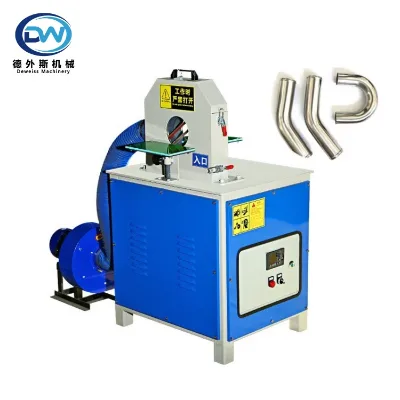
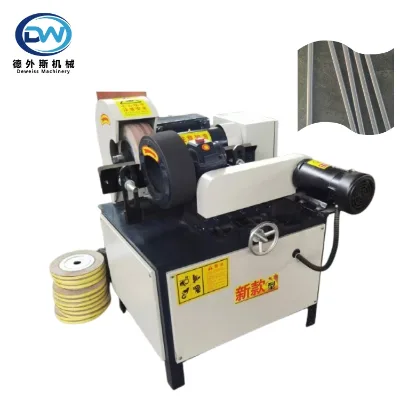

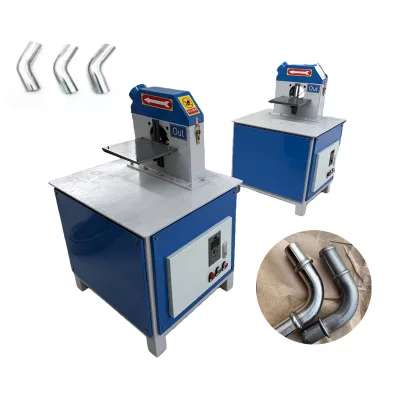
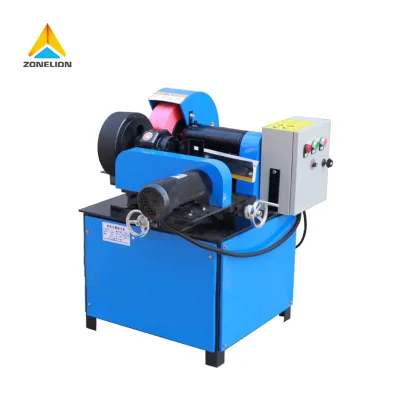
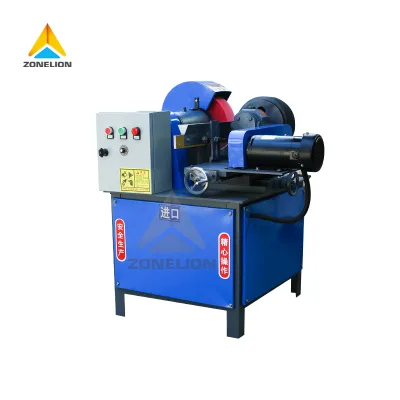
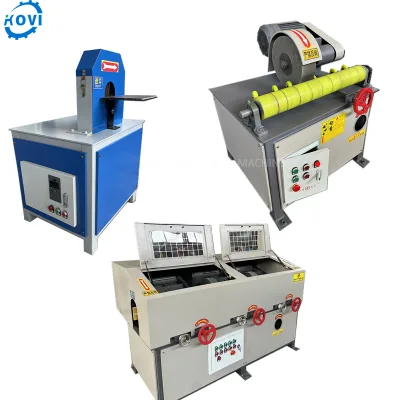
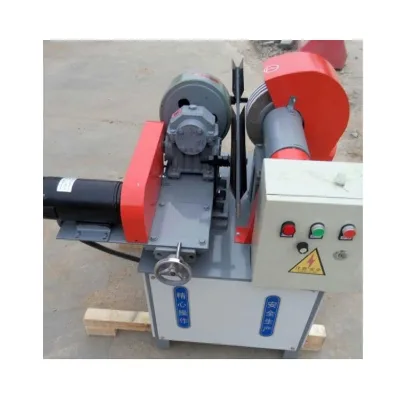
Square Tube Grinding & Polishing Machines Stainless Steel Pipe Polishing Machine
$1900.00 - $2500.00
MOQ: 1 Pieces
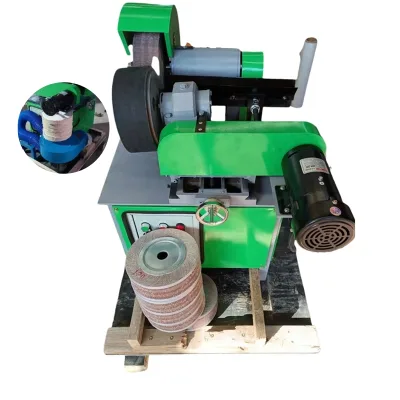
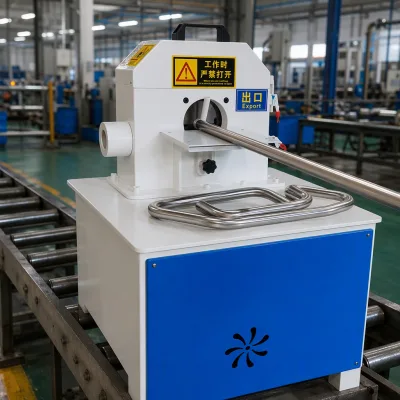
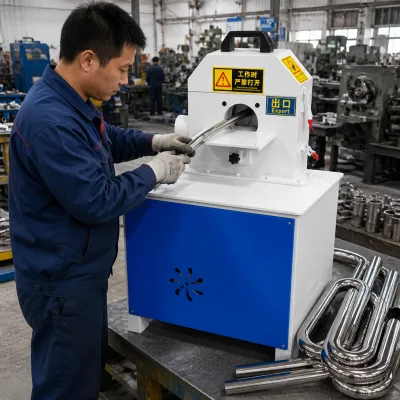

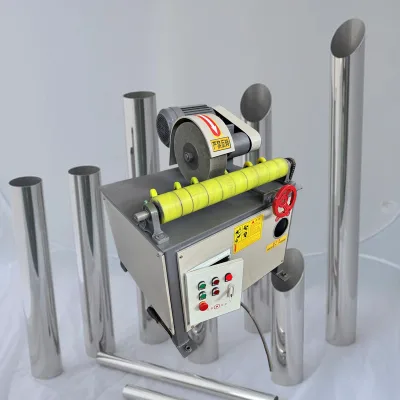
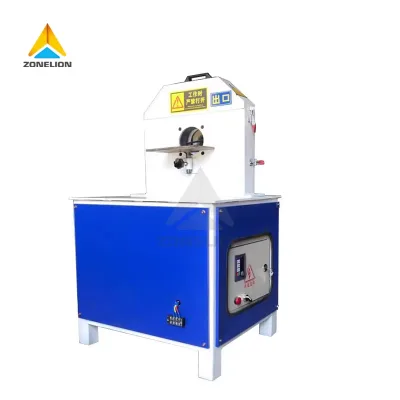
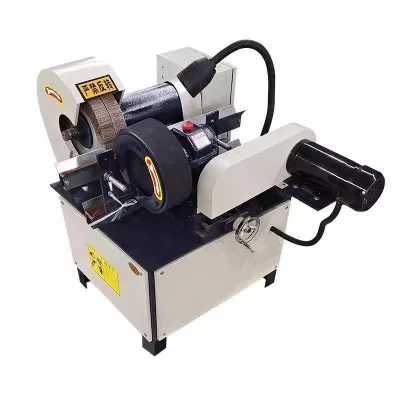
Economical Tube Polisher Pipe Buffing Machine Stainless-Steel Pipe Polisher
$980.00 - $45000.00
MOQ: 1 Sets

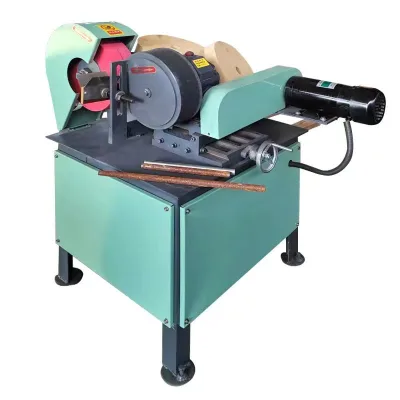
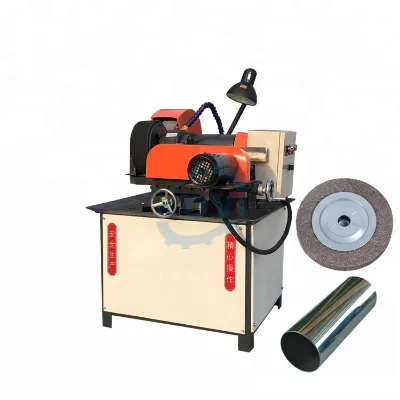
Safe Tube Polisher Stable Pipe Buffing Machine Stainless-Steel Pipe Polisher
$980.00 - $45000.00
MOQ: 1 Sets


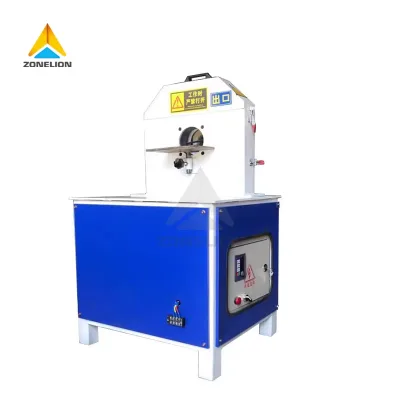
Safe Tube Polisher Durable Pipe Buffing Machine Stainless-Steel Pipe Polisher
$980.00 - $45000.00
MOQ: 1 Sets

Industrial Pipe Polisher Stable Pipe Buffing Machine Stainless-Steel Tube Polisher
$980.00 - $45000.00
MOQ: 1 Sets

Industrial Pipe Polisher Durable Pipe Buffing Machine Stainless-Steel Tube Polisher
$980.00 - $45000.00
MOQ: 1 Sets

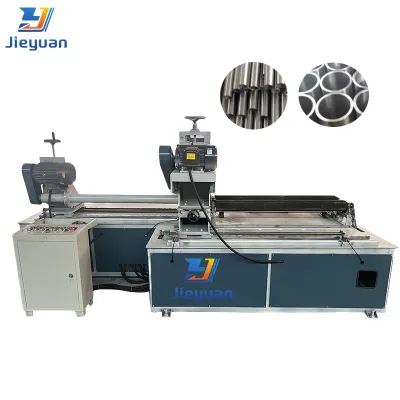
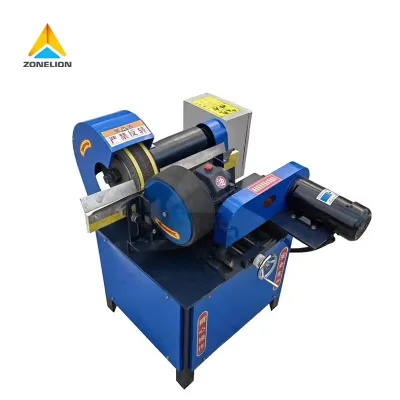
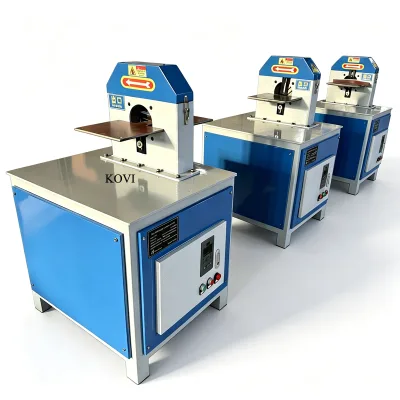
8 Head Stainless Steel Tubes Pipe Buffing / Grinding Polishing Machine
$4000.00 - $8000.00
MOQ: 1 Pieces
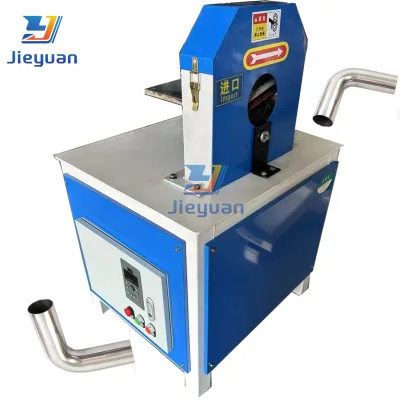
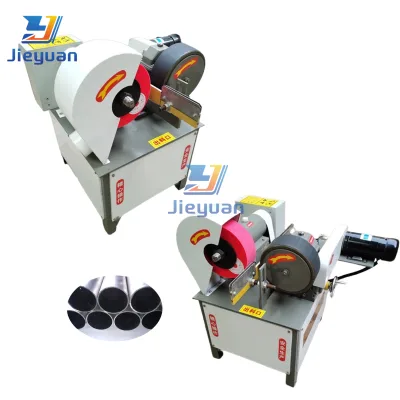
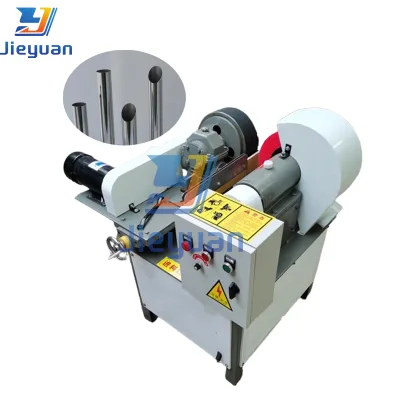
Comprehensive Sourcing Guide
Stainless Pipe Polishing and Buffing Machine Sourcing Guide
Procuring industrial-grade stainless pipe polishing and buffing machines requires a disciplined approach to technical verification and supplier evaluation. Buyers must navigate a market where equipment ranges from basic manual units to automated systems capable of handling complex geometries. The core keyword highlights a specialized niche where precision surface finishing is critical for downstream applications in construction, medical devices, or food processing. Understanding the specific operational parameters of these machines ensures that the selected equipment aligns with production throughput goals and quality standards.
This guide provides evidence-based procurement strategies for sourcing stainless pipe polishing and buffing machines. It focuses on interpreting listing signals, verifying technical specifications, and assessing compliance documentation. By adhering to structured evaluation criteria, procurement teams can mitigate risks associated with performance mismatches and supply chain disruptions. The following sections detail the essential steps for validating machine capabilities, commercial terms, and supplier reliability, ensuring a robust sourcing decision.
Product Scope and Observed Listing Signals
Market listings for stainless pipe polishing and buffing machines often reveal distinct product categories based on their intended application and mechanical design. For instance, some units are explicitly labeled as round tube outer surface polishing machines, indicating a focus on cylindrical geometries with specific processing lengths ranging from 10 to 6000mm. Other listings may describe pipe rolling machines or general metal polishing equipment, suggesting versatility in handling different tube diameters, such as those between 2-100mm. Buyers should carefully distinguish between these variations to ensure the machine matches their specific pipe dimensions and surface finish requirements.
Observed listing signals also highlight key operational attributes that influence purchasing decisions. Common features include no-load speeds around 2800 rpm and power ratings of 3KW or 3/4kW, which dictate the machine's efficiency and energy consumption. Additionally, customization options for working width and color based on customer needs suggest that many suppliers offer tailored solutions. However, buyers must verify these claims against actual product specifications, as some listings may present generic descriptions that do not fully reflect the machine's true capabilities or limitations.
Technical Specifications to Verify
Verifying technical specifications is paramount to ensuring the machine meets production demands. Critical parameters include the model number, such as DW-T08 or PJ-WY-106, which serve as unique identifiers for cross-referencing with manufacturer datasheets. Buyers should confirm the thickness of polishing wheels, typically around 40mm, and the overall dimensions of the unit, which can vary significantly between models. For example, one observed dimension is 9508501050mm, while another is 570X700X1100mm, highlighting the need to assess spatial requirements in the facility.
Core components and performance metrics also require rigorous verification. The motor is often cited as a core component, but buyers should inquire about the brand and quality of the engine or motor to ensure durability. Working speed, which may be adjustable from 0-12m, and processing diameter ranges are essential for matching the machine to specific pipe sizes. Additionally, the weight of the machine, often around 200kg, impacts installation logistics and stability during operation, making it a crucial factor in the selection process.
Compliance and Safety Documentation
Compliance and safety documentation are non-negotiable aspects of sourcing industrial machinery. Certifications such as CE mark the machine as meeting European health, safety, and environmental protection standards, which is often a prerequisite for international trade. Buyers must request valid certification documents to verify that the equipment has undergone appropriate testing and conforms to relevant regulatory frameworks. Without proper certification, the machine may face legal hurdles or safety risks in the destination market, potentially leading to costly delays or returns.
Beyond certifications, machinery test reports provide valuable insights into the machine's performance and reliability. These reports should be reviewed to confirm that the machine has been tested under realistic operating conditions. Buyers should also inquire about warranty terms, which typically cover one year for core components, to ensure protection against early failures. Understanding the scope of the warranty and the availability of online support services is crucial for minimizing downtime and maintaining operational continuity.
Cost Drivers and Commercial Terms
Cost drivers for stainless pipe polishing and buffing machines include power consumption, material quality, and customization levels. Machines with higher wattage, such as 3KW, may offer greater productivity but also incur higher energy costs. Customization options, such as specific working widths or colors, can also increase the base price. Buyers should request detailed quotations that break down these costs to understand the total cost of ownership, including installation, maintenance, and energy expenses.
Commercial terms, including minimum order quantity (MOQ) and delivery time, significantly impact procurement planning. Observed listings often indicate an MOQ of 1 set, allowing for flexible purchasing, but buyers should confirm if bulk discounts are available. Delivery times, typically around two weeks, should be factored into production schedules. Additionally, packaging methods, such as wooden or nude packing, affect shipping costs and protection during transit, making it essential to negotiate clear terms for logistics and insurance.
Supplier Qualification and Quality Control
Supplier qualification is a critical step in mitigating procurement risks. Buyers should assess the supplier's place of origin, such as Shanghai or Shandong in China, to understand regional manufacturing capabilities and supply chain dynamics. Verifying the supplier's reputation through customer reviews and industry references can provide insights into their reliability and service quality. Additionally, checking for any history of quality issues or disputes helps in making an informed decision about the supplier's trustworthiness.
Quality control measures implemented by the supplier directly impact the machine's performance and longevity. Buyers should inquire about the supplier's quality assurance processes, including inspection protocols and testing procedures. Ensuring that the machine is in new condition and meets higher quality standards is essential for avoiding defects. Furthermore, understanding the supplier's after-sales service provisions, such as online support, can help in addressing any technical issues that may arise post-purchase.
Long-Term Procurement Checks
Long-term procurement checks involve establishing a framework for ongoing supplier performance evaluation. Buyers should define key performance indicators (KPIs) related to machine uptime, maintenance frequency, and support responsiveness. Regularly reviewing these metrics helps in identifying potential issues early and maintaining a high standard of operational efficiency. Additionally, staying informed about technological advancements in polishing and buffing machines can guide future upgrades or replacements.
Building a strong relationship with the supplier is also vital for long-term success. Open communication channels facilitate timely resolution of issues and enable collaborative problem-solving. Buyers should also consider the availability of spare parts and consumables, such as polishing wheels, to ensure uninterrupted operations. By proactively managing these aspects, procurement teams can secure a reliable supply of high-quality stainless pipe polishing and buffing machines that support sustained business growth.
FAQs
What is the no-load speed of the Deweiss DW-T08 polishing machine?
The Deweiss DW-T08 model operates at a no-load speed of 2800 rpm. This high-speed rotation ensures efficient surface finishing for round tubes. The machine features a 40mm polishing wheel thickness and a 3KW power rating. It provides online after-sales support and comes with a one-year warranty for operational reliability.
Can the PJ-WY-106 machine handle custom tube diameters?
Yes, the PJ-WY-106 machine supports a processing diameter range of 2-100mm. It allows for customization based on specific customer needs, including working width and color. The unit weighs 200kg and delivers a working speed of 0-12m that is adjustable. It is designed for high productivity in metal tube applications.
What certifications are provided for these stainless pipe polishing machines?
The supplied machines include CE certification to ensure compliance with safety standards. This certification is explicitly listed for the equipment models reviewed. Buyers can rely on this documentation for regulatory requirements in various markets. The machines also come with machinery test reports and a one-year warranty for quality assurance.
How long is the delivery time for these polishing machines?
The standard delivery time for these machines is two weeks. This lead time applies to the orders processed through the listed suppliers. Buyers should confirm specific schedules with vendors as production may vary. The machines are shipped in wooden or nude packing to ensure safe transit.
What is the minimum order quantity for these polishing machines?
The minimum order quantity is one set for these polishing machines. This low MOQ allows buyers to purchase single units for testing or small-scale operations. The selling unit is listed as a single item. Buyers can source these machines directly without needing to meet bulk purchase requirements.
Where are these stainless pipe polishing machines manufactured?
These machines are manufactured in China, specifically in Shanghai and Shandong provinces. The Deweiss model originates from Shanghai, while the PJ model comes from Shandong. Buyers can filter suppliers by these specific locations to manage logistics and sourcing strategies effectively.