Source high-accuracy fonio seeds washing machine for grain, seed, and farming
Compare 30 high-accuracy fonio seeds washing machine listings from verified suppliers. Buyers can evaluate specifications like capacity, power, and dimensions to find the right equipment for grain processing, seed cleaning, and farming applications; compare the available evidence and request quotations based on your requirements.
Updated
Key considerations
Products List
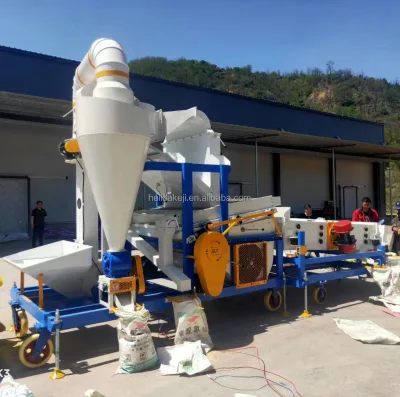
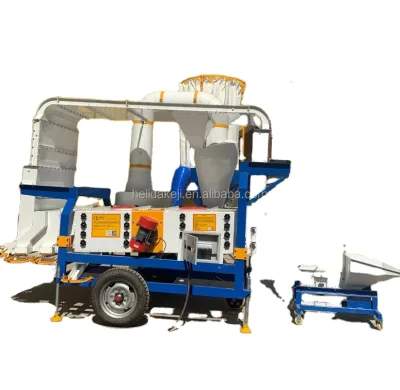
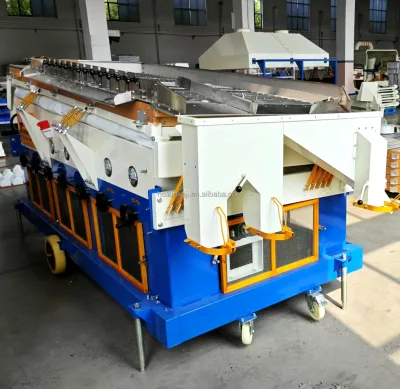
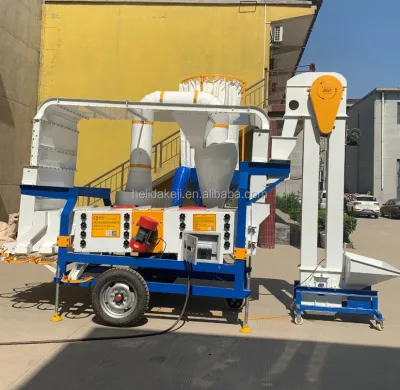
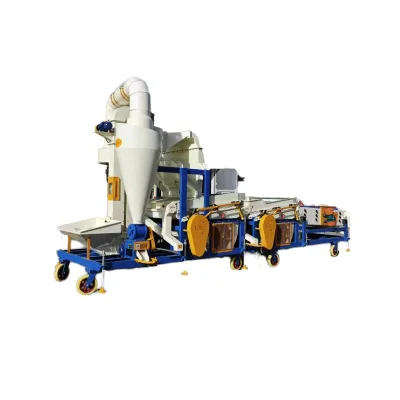
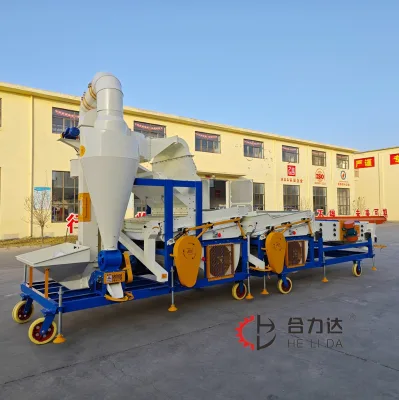
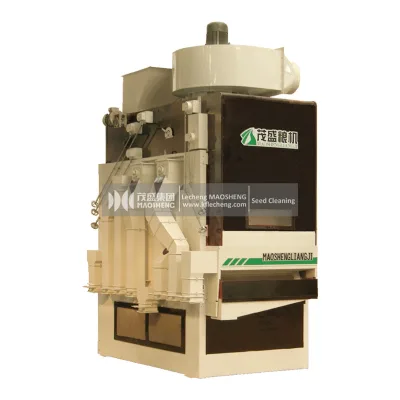
Fonio Sorghum Teff Grain Seed Bean Cleaning and Separating Machine
$9035.0486 - $11293.8108
MOQ: 1 Minimum
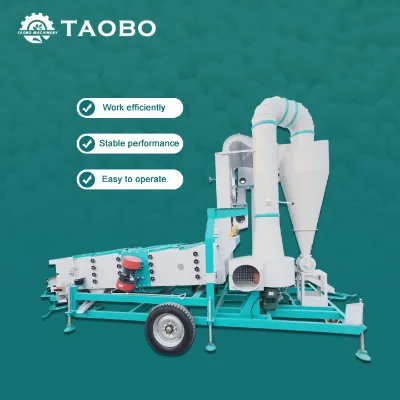
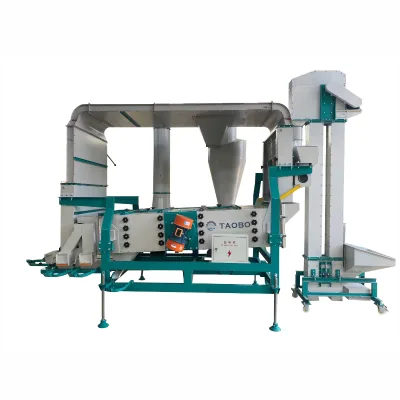
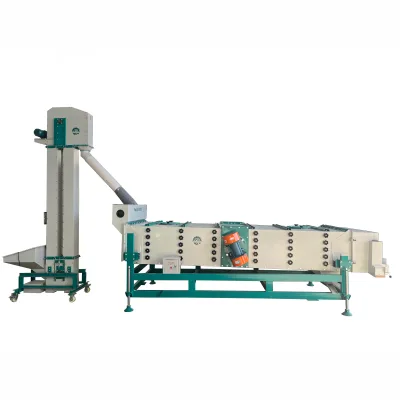
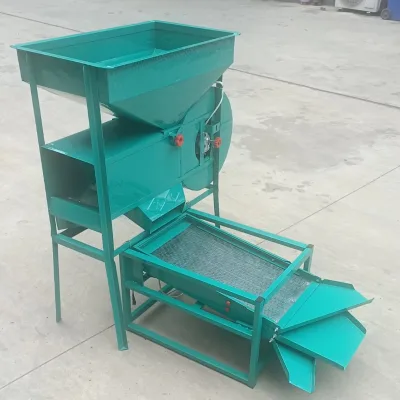
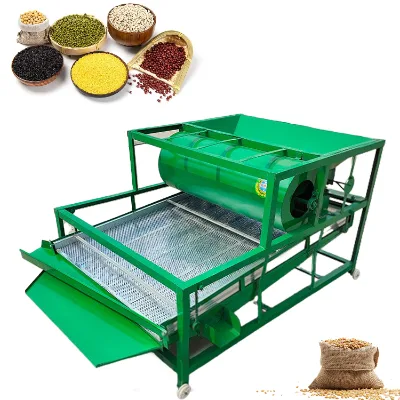
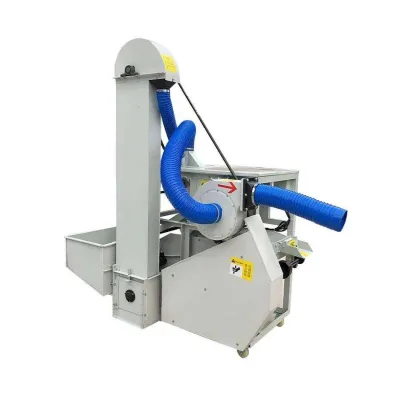
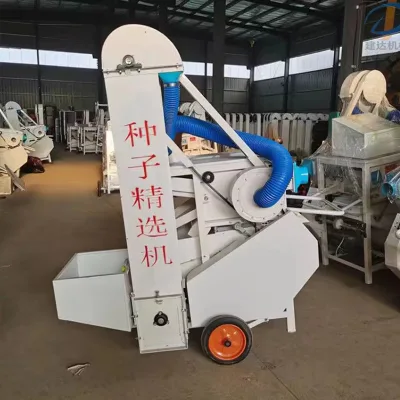
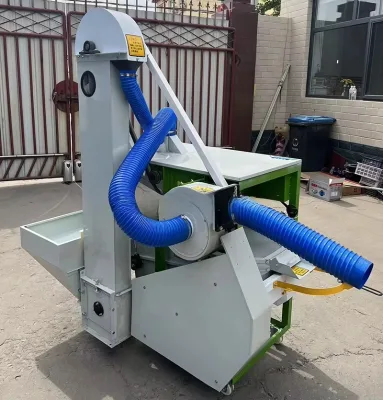


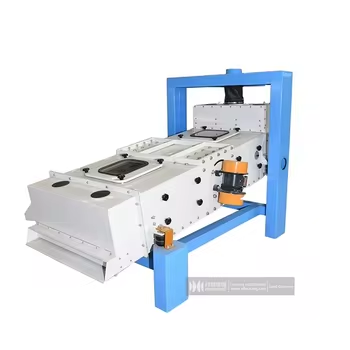
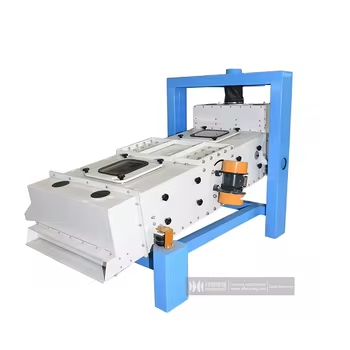
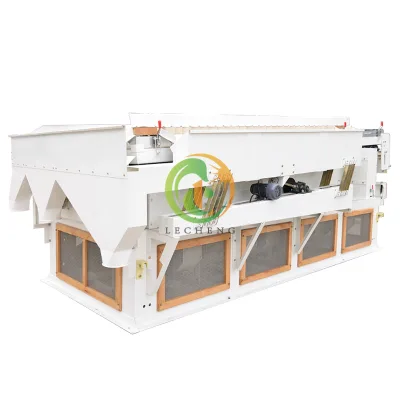
Fonio Sesame Seed Cleaning Machine Green Bean Coffee Processing Machine Grain Seed Cleaner
$2900.00 - $4900.00
MOQ: 1 Minimum


Comprehensive Sourcing Guide
High-Accuracy Fonio Seeds Washing Machine Sourcing Guide
Sourcing equipment for the precise cleaning and processing of fonio seeds requires a careful alignment of mechanical specifications with the unique physical properties of the grain. While the core keyword suggests a washing machine, the available market data indicates that high-accuracy sorting is primarily achieved through gravity separation and vibration sieving technologies rather than wet washing processes. Buyers must distinguish between general seed cleaning machinery and specialized units capable of handling small, lightweight seeds like fonio without causing damage or excessive loss. The observed product landscape includes vibration sieves and gravity separators designed for grain processing, which serve as the foundational technology for achieving the purity levels required for premium fonio exports.
Procurement decisions should be guided by the specific operational goals of the processing facility, such as removing dust, twigs, and foreign objects, or selecting out moldy and insect-damaged kernels. The observed listings highlight equipment with varying capacities, ranging from 7.5 tons per hour to over 10 tons per hour, allowing buyers to scale their operations based on volume. It is critical to verify that the selected machinery matches the intended use, whether for general seed cleaning or specific applications like fennel seed processing, as the mechanical adjustments for different seed sizes can significantly impact efficiency. Understanding these distinctions ensures that the investment yields the desired high-accuracy results without unnecessary downtime or material waste.
Product Scope and Observed Listing Signals
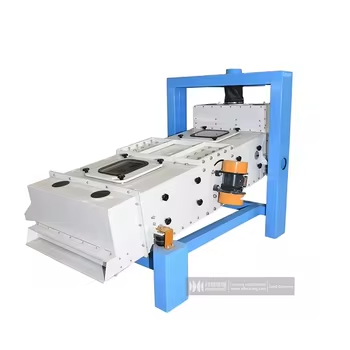
The current market for grain processing equipment reveals a diverse range of machines that can be adapted for fonio seed cleaning, primarily focusing on vibration sieves and gravity separators. Observed listings include models such as the 5XFZ-15A and 5XFZ-15B, which feature substantial sieve areas of 10.8 square meters and are designed for high productivity. These units are often branded by manufacturers like HELIDA and originate from regions such as Hebei, China, indicating a concentration of manufacturing expertise in specific industrial hubs. The presence of machinery test reports and detailed dimension specifications, such as 4160x2540x3980mm for larger units, provides buyers with tangible data points to evaluate the physical footprint and operational scale of potential purchases.
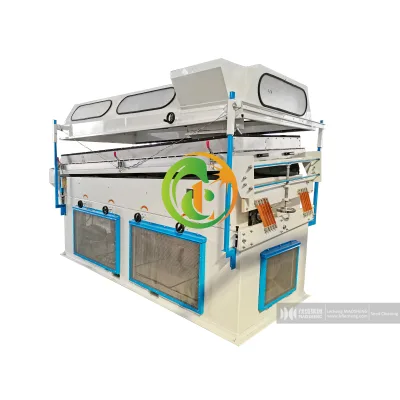
In addition to vibration sieves, gravity grain separators are prominently featured, offering advanced sorting capabilities for removing bad seeds, moldy kernels, and insect-damaged grains. Models like the 5XZ-8 and 5XZC series demonstrate the availability of equipment with specific power requirements, such as 14.32KW or 9.54KW, and weights ranging from 1850kg to 2500kg. These machines are often marketed for use in agriculture and farming, with applications extending to various grains like paddy, wheat, maize, and rice, suggesting their versatility for fonio processing. The observed price range of 258 to 19900 USD reflects the variability in technology and capacity, while a minimum order quantity of 1 allows for flexible procurement strategies for small to medium-sized enterprises.
Technical Specifications to Verify
When evaluating potential machinery, buyers must closely examine the core components that drive the cleaning and sorting efficiency of the equipment. Key components such as motors, gears, and bearings are critical, with some advanced models incorporating PLC systems for automated control. The power consumption of these machines varies significantly, with observed ratings including 25KW, 14.32KW, and 9.54KW, which directly impacts operational costs and energy efficiency. Buyers should verify that the motor and gear specifications are robust enough to handle the continuous operation required for high-volume fonio processing, ensuring that the machinery can maintain consistent performance without frequent breakdowns or maintenance issues.
Dimensional and capacity specifications are equally important for integrating the equipment into existing processing lines. Observed dimensions range from compact units measuring 3810x2960x2935mm to larger systems like 4160x2540x3980mm, requiring careful planning of factory floor space. Production capacities observed in the market include ranges such as 6000-8000 kg/h and 8000-10000 kg/h, as well as specific hourly rates like 7.5 tons per hour. Buyers must ensure that the selected machine’s capacity aligns with their throughput requirements, while also considering the sieve area, which can be as large as 2400x1250 mm or 3150x1380 mm, to guarantee adequate separation efficiency for small seeds like fonio.
Compliance and Safety Documentation
Ensuring that the machinery meets international safety and quality standards is a critical step in the procurement process. Observed listings indicate that many suppliers provide CE certification, which is essential for accessing European markets and ensuring that the equipment adheres to strict safety and environmental regulations. Some listings also mention Soncap certification, which may be relevant for specific regional markets. Buyers should request official certification documents to verify their authenticity and ensure that the machinery complies with the regulatory requirements of their destination country, avoiding potential customs delays or legal issues upon importation.
In addition to certifications, the availability of machinery test reports is a valuable indicator of the supplier’s commitment to quality assurance. These reports provide independent verification of the machine’s performance, including its power consumption, sorting efficiency, and structural integrity. Buyers should insist on receiving these test reports before finalizing any purchase, as they offer concrete evidence of the machine’s capabilities. Furthermore, understanding the warranty terms, which range from 1 year to 1.5 years in observed listings, is crucial for managing long-term operational risks. A clear warranty policy ensures that buyers have recourse for repairs or replacements if the machinery fails to meet specified performance standards within the warranty period.
Cost Drivers and Commercial Terms
The total cost of ownership for grain processing equipment is influenced by several factors beyond the initial purchase price. Observed price ranges span from 258 to 19900 USD, reflecting differences in technology, capacity, and brand reputation. Higher-priced units often feature more advanced components, such as PLC controls and larger sieve areas, which can justify the investment through improved efficiency and lower operational costs. Buyers should conduct a thorough cost-benefit analysis, considering not only the upfront price but also the energy consumption, maintenance requirements, and potential savings from reduced seed loss due to higher sorting accuracy.
Commercial terms, including minimum order quantities and after-sales service provisions, also play a significant role in the procurement decision. The observed minimum order quantity of 1 allows for flexible purchasing, enabling buyers to acquire single units for pilot testing or small-scale operations. After-sales service is another critical consideration, with some suppliers offering engineers available to service machinery overseas. This support can be invaluable for ensuring proper installation, training, and ongoing maintenance, particularly for complex gravity separators and vibration sieves. Buyers should negotiate clear terms for service visits, spare parts availability, and response times to minimize downtime and ensure the longevity of their investment.
Supplier Qualification and Quality Control
Verifying the supplier’s qualifications and manufacturing capabilities is essential to mitigate procurement risks. Buyers should prioritize suppliers who provide detailed machinery test reports and hold relevant certifications, such as CE, as these indicators suggest a commitment to quality and compliance. The observed listings highlight suppliers from Hebei, China, a region known for its industrial manufacturing base. Buyers should conduct due diligence to confirm the supplier’s reputation, production capacity, and ability to deliver consistent quality across multiple units. Requesting references from previous clients or visiting the manufacturing facility, if possible, can provide additional insights into the supplier’s operational standards.
Quality control measures should be integrated into the procurement process to ensure that the delivered machinery meets the specified technical requirements. Buyers should establish clear acceptance criteria based on the observed specifications, such as power ratings, dimensions, and production capacities. It is advisable to include clauses in the purchase agreement that allow for third-party inspections or testing upon delivery. Additionally, understanding the supplier’s warranty and after-sales service policies is crucial for long-term reliability. Suppliers offering engineers for overseas service provide an added layer of support, ensuring that any technical issues can be resolved promptly, thereby maintaining continuous operation of the fonio processing line.
Long-Term Procurement Checks
Establishing a framework for long-term procurement checks ensures that the machinery continues to perform optimally throughout its lifecycle. Regular maintenance schedules should be developed based on the manufacturer’s recommendations and the observed operational intensity of the equipment. Buyers should monitor key performance indicators, such as sorting accuracy, power consumption, and production throughput, to detect any deviations from expected performance. Keeping detailed records of maintenance activities and repairs can help identify recurring issues and inform future procurement decisions, ensuring that the investment continues to deliver value over time.
Supplier relationship management is also a critical component of long-term success. Maintaining open communication with the supplier can facilitate access to spare parts, technical support, and potential upgrades. Buyers should periodically review the supplier’s product offerings to stay informed about new technologies or improvements that could enhance their processing capabilities. Additionally, staying updated on industry standards and regulatory changes ensures that the machinery remains compliant and competitive in the market. By proactively managing these aspects, buyers can maximize the efficiency and reliability of their fonio seed cleaning operations, securing a sustainable advantage in the global grain trade.
FAQs
What is the warranty period for these grain processing machines?
The warranty period is typically 1 to 1.5 years depending on the specific model selected. HELIDA provides comprehensive support with engineers available for overseas service. This ensures long-term operational reliability and quick resolution of any mechanical issues during the initial usage phase.
How much power do these seed cleaning machines consume?
Power consumption ranges from 9.54 KW to 25 KW based on the equipment type. Gravity sorters use 14.32 KW while vibration sieves require 25 KW. This variation allows buyers to select equipment that matches their facility's electrical infrastructure and energy efficiency goals effectively.
Can these machines remove dust and foreign objects from seeds?
Yes, these machines are designed to remove dust, twigs, and other foreign objects. They also select out bad seeds, moldy kernels, and insect-damaged grains. This multi-stage cleaning process ensures high purity levels for crops like fennel, sunflower, and general grain processing applications.
What is the production capacity of the gravity grain separator?
The gravity grain separator has a production capacity of 8000 to 10000 kg per hour. Some models offer a capacity of 10 tons per hour. This high throughput supports large-scale agricultural operations and ensures efficient processing of paddy, wheat, maize, and other grain seeds.
Which certifications do these machinery products hold?
These products hold CE and Soncap certifications. These standards verify compliance with international safety and quality requirements. Buyers can rely on these documented certifications for import clearance and operational safety, ensuring the machinery meets global regulatory expectations for agricultural processing equipment.
Where are these grain processing machines manufactured?
These machines are manufactured in Hebei, China. The place of origin is consistently listed as China across various product listings. This location supports the supply chain for global buyers seeking reliable agricultural equipment with documented machinery test reports and established manufacturing capabilities.