Source lever adjustment walk-behind turf edger for Golf, Soccer, and Common Lawns
Compare 30 lever adjustment walk-behind turf edger options from verified suppliers. Buyers can evaluate engine power, cutting width, blade specifications, and height adjust features for home use or sports field applications to find the right machine; compare the available evidence and request quotations based on your requirements.
Updated
Key considerations
Products List
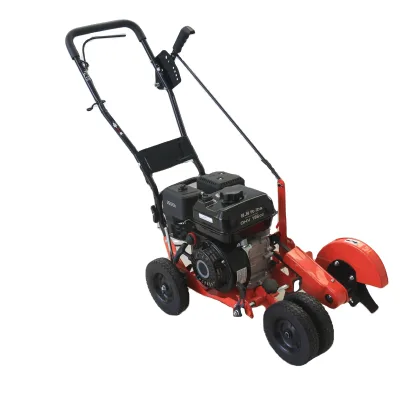


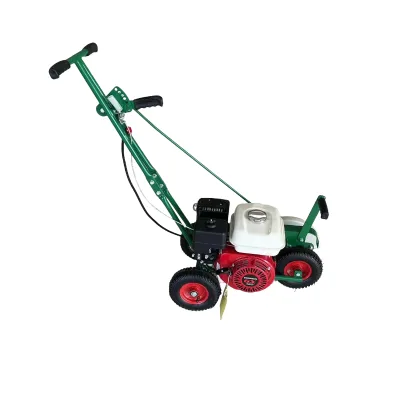
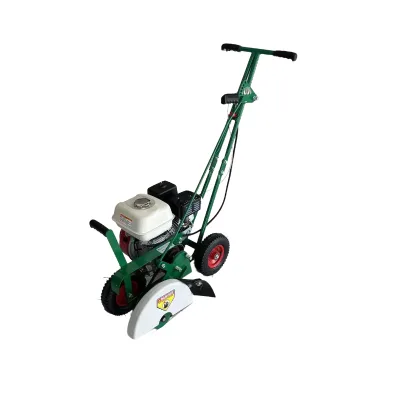
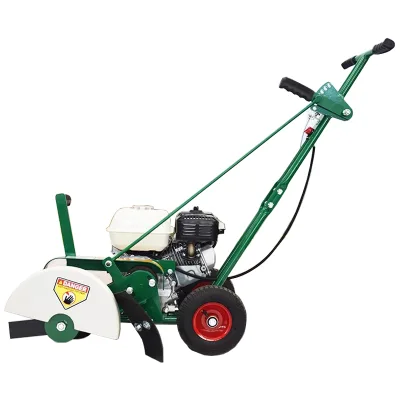


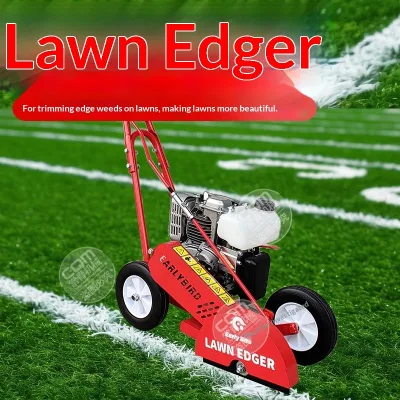
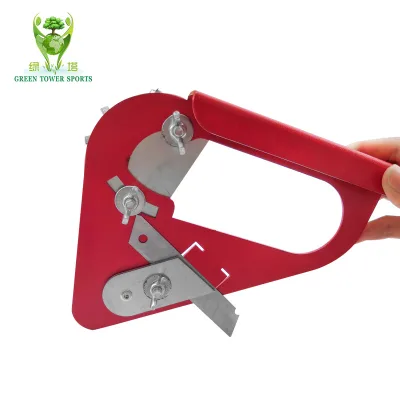

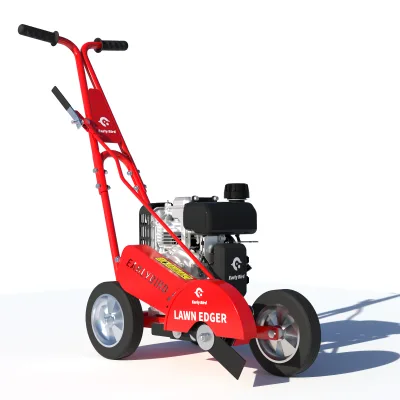
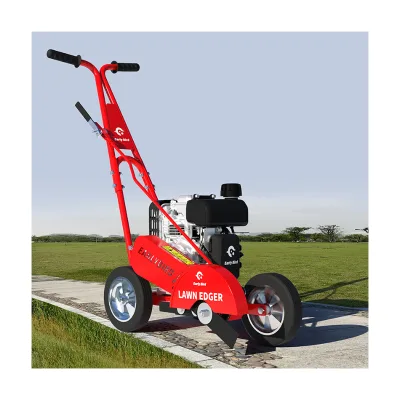
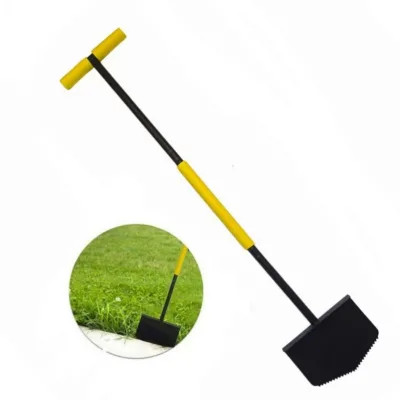

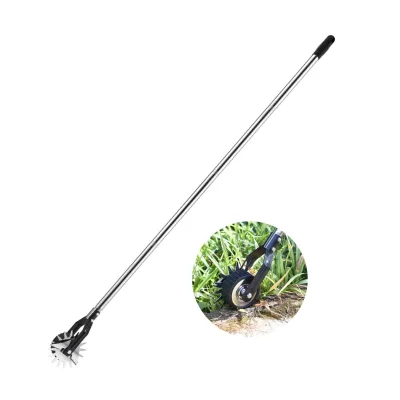
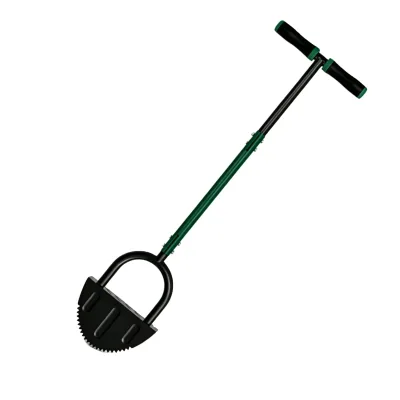
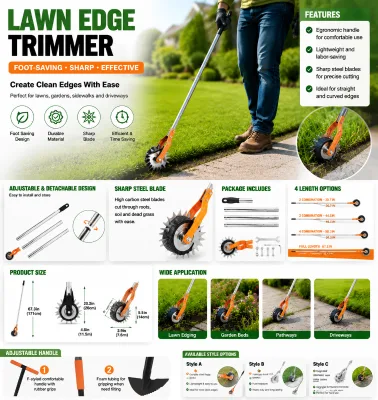

Comprehensive Sourcing Guide
Lever Adjustment Walk-Behind Turf Edger Sourcing Guide
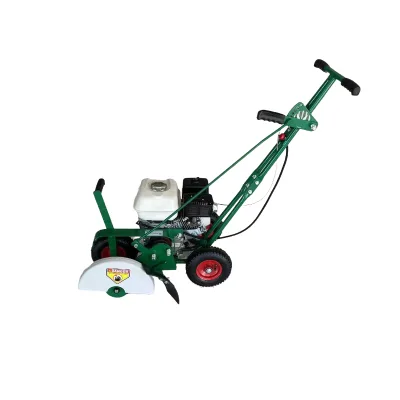
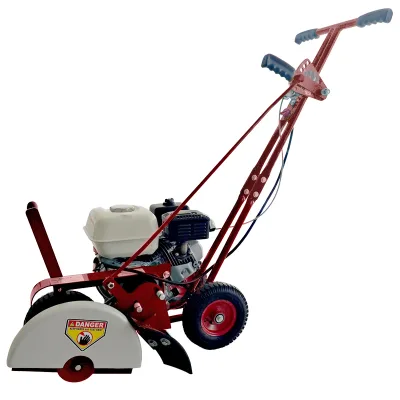
Procuring a lever adjustment walk-behind turf edger requires careful attention to mechanical design and operational ergonomics, as these features directly impact cutting precision and user fatigue during extended use. The market offers a variety of gas-powered models, typically featuring four-stroke engines with displacements ranging from 130cc to 196cc, which provide the necessary torque for dense turf and soil cutting. Buyers must distinguish between basic manual push units and those with self-propelled or height-adjustable handle mechanisms, as the latter significantly enhance control over cutting depth and width. Understanding these mechanical distinctions is crucial for selecting equipment that matches the specific demands of golf courses, soccer fields, or common lawns, ensuring that the chosen edger delivers consistent, high-accuracy results without excessive physical strain on the operator.
The lever adjustment mechanism itself is a critical component that allows for quick changes in cutting depth, often ranging from zero to three inches, which is essential for maintaining clean borders and preventing damage to adjacent hardscapes or plantings. When evaluating suppliers, it is important to verify the material grade of the edger blade, such as a nine-inch tri-blade or a twenty-five-millimeter thick twenty-five-millimeter blade, as this influences durability and cutting efficiency. Additionally, the overall dimensions and weight of the unit, which can vary from twenty-seven to thirty-eight kilograms, affect maneuverability and transport logistics. Buyers should prioritize models with foldable handles and robust wheel configurations, such as four-by-eight-inch wheels, to ensure stability on uneven terrain and ease of storage in tight maintenance facilities.
Product Scope and Observed Listing Signals
The current market landscape for lever adjustment walk-behind turf edgers reveals a diverse range of product specifications, with observed prices spanning from approximately four point nine nine to seven hundred sixty US dollars, reflecting significant variations in engine power, build quality, and included features. The minimum order quantities (MOQ) typically range from one to one thousand units, indicating that suppliers cater to both individual maintenance contractors and large-scale landscaping enterprises. Listings frequently highlight key selling points such as high accuracy, high efficiency, and customizable options, which suggest that manufacturers are responsive to specific client requirements regarding branding or minor mechanical modifications. Buyers should note that while some products are marketed for home use, others are explicitly designed for industrial applications, including sports fields and forest lawns, necessitating a clear definition of the intended use case before initiating procurement discussions.
Observed product attributes indicate a strong preference for petrol or gasoline-powered engines, with common configurations including horizontal engines rated at six point five horsepower or specific model numbers like CJKB51Y and XB125A. The cutting width is consistently reported around nine inches, with blade lengths varying between twenty-five millimeters and ten inches, and thicknesses of three millimeters, which are standard for durable turf edging tasks. Packaging dimensions also vary, with single package sizes ranging from seventy-seven by fifty-five by fifty-five centimeters to eighty-five by fifty-seven by fifty-five centimeters, impacting shipping costs and warehouse storage requirements. These signals suggest that buyers must carefully compare technical specifications across different listings, as superficial similarities in product names may mask significant differences in engine performance, weight, and operational capabilities.
Technical Specifications to Verify
When verifying technical specifications, buyers must prioritize the engine cycle and power source, as most listed models utilize a four-stroke engine powered by petrol or gasoline, which offers reliability and ease of maintenance compared to two-stroke alternatives. The displacement of the engine, often cited as 130cc or 196cc, directly correlates with the machine's ability to handle tough soil conditions and maintain consistent cutting speeds. It is essential to confirm the exact model number, such as arlyBird 130LE or Lawn Edger, to ensure compatibility with spare parts and service support. Additionally, the cutting depth adjustment range, typically specified as zero to three inches, should be verified to ensure it meets the specific landscaping requirements, while the blade material and thickness must be assessed for longevity and resistance to wear during high-frequency use.
The physical dimensions and weight of the edger are critical factors for operational efficiency and logistics planning. Units with dimensions around 1100 by 430 by 850 millimeters and weights of twenty-seven kilograms offer a balance of stability and maneuverability, whereas heavier models weighing up to thirty-eight kilograms may provide better traction on steep or uneven terrain. Buyers should also verify the wheel diameter, commonly eight inches, and the handle type, which is often foldable to facilitate storage and transport. The single gross weight, ranging from thirty-five to thirty-eight kilograms, is important for calculating shipping costs and determining the ease of loading and unloading equipment. Ensuring that these specifications align with the operational environment and logistical constraints is vital for maximizing the utility and return on investment of the purchased turf edgers.
Compliance and Safety Documentation
Compliance with safety and environmental standards is a non-negotiable aspect of sourcing industrial turf edgers, particularly when operating in regulated markets such as the European Union or North America. Buyers must request and verify certification documents, such as CE marking, which indicates conformity with health, safety, and environmental protection standards for products sold within the European Economic Area. It is crucial to ensure that the supplier provides a machinery test report, which serves as evidence that the equipment has undergone rigorous testing for performance and safety. Additionally, buyers should inquire about the warranty terms, typically offered for one year, to understand the manufacturer's commitment to product quality and their policy for handling defects or mechanical failures during the initial period of operation.
Beyond certifications, buyers should verify the origin of the product, with many listings indicating a place of origin in China, specifically Shanghai, which may influence supply chain dynamics and lead times. It is important to confirm that the supplier adheres to relevant international standards for gas-powered machinery, although specific standard numbers like EN 50636-2-91 should be treated as background context rather than guaranteed compliance without direct verification. Buyers must also ensure that the product documentation includes clear instructions for operation and maintenance, as well as safety warnings related to the high-speed rotating blade and exhaust emissions. Proper documentation not only facilitates safe operation but also aids in maintaining regulatory compliance during audits or inspections by local authorities.
Cost Drivers and Commercial Terms
The cost of lever adjustment walk-behind turf edgers is influenced by several key drivers, including engine displacement, blade material quality, and the complexity of the lever adjustment mechanism. Higher horsepower engines, such as the 196cc six point five horsepower models, typically command higher prices due to increased manufacturing costs and performance capabilities. Additionally, features like self-propelled drive systems and height-adjustable handles add to the overall cost but offer significant operational benefits, such as reduced operator fatigue and improved cutting precision. Buyers should also consider the packaging type, such as polywood boxes, which may affect the final price due to material and labor costs associated with robust packaging solutions designed to protect the equipment during transit.
Commercial terms, including minimum order quantities and payment conditions, play a significant role in the total cost of ownership. Suppliers often offer customization options, which can impact pricing based on the extent of the modifications required, such as branding or specific mechanical adjustments. Buyers should negotiate clearly defined lead times and shipping terms to avoid unexpected delays or additional freight costs. It is also important to clarify the warranty coverage and after-sales support, as these factors can reduce long-term maintenance expenses. By understanding these cost drivers and commercial terms, buyers can make informed decisions that balance initial purchase price with long-term operational efficiency and reliability.
Supplier Qualification and Quality Control
Supplier qualification is a critical step in ensuring the reliability and quality of lever adjustment walk-behind turf edgers. Buyers should verify the supplier's production capabilities, including their experience in manufacturing gas-powered landscaping equipment and their adherence to quality management systems. Requesting references or case studies from previous clients, particularly those in the sports field or golf course maintenance sectors, can provide valuable insights into the supplier's reputation and product performance. Additionally, buyers should assess the supplier's ability to provide machinery test reports and other quality assurance documentation, which serve as evidence of the product's compliance with safety and performance standards.
Quality control measures implemented by the supplier, such as routine inspections and testing procedures, are essential for minimizing the risk of defects and ensuring consistent product quality. Buyers should inquire about the supplier's process for handling customer complaints and warranty claims, as a responsive and supportive after-sales service is crucial for maintaining operational continuity. It is also important to verify the supplier's supply chain resilience, including their ability to source high-quality components, such as engines and blades, from reputable manufacturers. By conducting thorough due diligence on supplier qualifications and quality control practices, buyers can mitigate risks and establish a reliable partnership that supports their long-term procurement needs.
Long-Term Procurement Checks
Long-term procurement checks involve monitoring the performance and reliability of lever adjustment walk-behind turf edgers over time to ensure they continue to meet operational requirements. Buyers should establish a system for tracking maintenance records, including engine servicing, blade replacements, and lever adjustment mechanism repairs, to identify potential issues early and prevent costly downtime. Regularly reviewing the supplier's performance, including delivery times, product quality, and customer support responsiveness, is essential for maintaining a healthy supply chain relationship. Additionally, buyers should stay informed about industry trends and technological advancements, such as improvements in engine efficiency or new blade materials, to ensure that their equipment remains competitive and efficient.
Furthermore, buyers should periodically reassess their procurement strategy to align with changing business needs and market conditions. This may involve evaluating the total cost of ownership, including fuel consumption, maintenance costs, and replacement part availability, to identify opportunities for cost savings and efficiency improvements. Engaging in continuous dialogue with suppliers about future product developments and customization options can also help buyers stay ahead of industry demands. By implementing robust long-term procurement checks, buyers can ensure that their investment in lever adjustment walk-behind turf edgers delivers sustained value and supports their operational goals over the lifespan of the equipment.
FAQs
What is the cutting width of the lever adjustment walk-behind turf edger?
The cutting width is 9 inches, matching the 9-inch tri-blade design. This specification ensures precise edging along borders and pathways. The blade length is 250mm, providing consistent performance for lawn trimming tasks. This width is suitable for both residential and commercial applications, allowing for efficient maintenance of various turf areas without excessive passes.
Can the handle height be adjusted on this walk-behind edger?
Yes, the handle height is adjustable by 150mm. This feature allows operators of different heights to find a comfortable working position. The handles are also foldable, which facilitates easier storage and transportation. This adjustability enhances user comfort and control during extended periods of use on golf courses or sports fields.
What engine power does the lever adjustment walk-behind turf edger use?
The edger uses a 196cc, 6.5HP horizontal engine or a 130cc engine depending on the specific model. These petrol-powered engines provide the necessary torque for tough turf conditions. The engine is a core component, ensuring reliable performance. This power source is ideal for heavy-duty applications in common lawns, forests, and sports fields.
What certifications are available for the lever adjustment walk-behind turf edger?
The product holds CE certification, indicating compliance with European safety standards. This certification is crucial for importing into many international markets. Buyers should verify specific documentation with suppliers. The CE mark ensures that the machinery meets essential health and safety requirements for operation in regulated regions.
What is the typical weight of the lever adjustment walk-behind turf edger?
The weight ranges from 27kg to 38kg depending on the model. Heavier models offer better stability during operation, while lighter ones are easier to maneuver. The single gross weight is approximately 37kg to 38kg. This weight distribution helps in maintaining control while edging along curbs and garden borders effectively.
What is the warranty period for the lever adjustment walk-behind turf edger?
The standard warranty period is one year. This coverage typically includes the engine and core components. Buyers should confirm specific terms with the supplier. A one-year warranty provides assurance against manufacturing defects and ensures support for the machinery's longevity in professional landscaping environments.